Tea Brand Poly Mailers Sample Approval for Bulk Orders sounds like a plain procurement step until a sample shows up on your desk and the printed tea pouch inside looks just a little off. Maybe the color is deeper than the proof. Maybe the film feels thinner than you expected. Maybe the finish has a flatter, less refined look than the mockup suggested. That is the point where tea brand poly mailers sample approval stops being paperwork and starts shaping the packaging your customer will actually receive. For a tea business, the mailer is not only shipping protection; it carries the first impression, the brand identity, and a quiet promise about the product inside.
For a new tea line, sample approval is the checkpoint that shows whether the size, print quality, surface finish, and seal area all work together in real life. A digital proof cannot show how ink sits on flexible plastic, how the closure behaves after a few folds, or whether the mailer still looks tidy after the kind of handling that happens in a sorting center. That is why tea Brand Poly Mailers sample approval matters even when the artwork is simple. A clean logo can still print muddy. A matte surface can still scuff. A mailer that feels flimsy can make a premium tea brand look careless before the parcel is even opened.
If you are ordering branded shipping bags for loose-leaf tea, sachets, or tea accessories, the sample is the first real check on fit, durability, and visual presentation. It also gives you a chance to catch a costly mistake before a bulk order locks it in. If you want a broader supplier reference, start with our Custom Poly Mailers page, or browse the wider Custom Packaging Products range for related formats. For a sense of how packaging decisions show up in actual launches, our Case Studies page is worth a look.
A sample is not "just a sample." It is the first time your tea brand poly mailers sample approval has to survive real light, real handling, and real expectations.
What tea brand poly mailers sample approval really covers
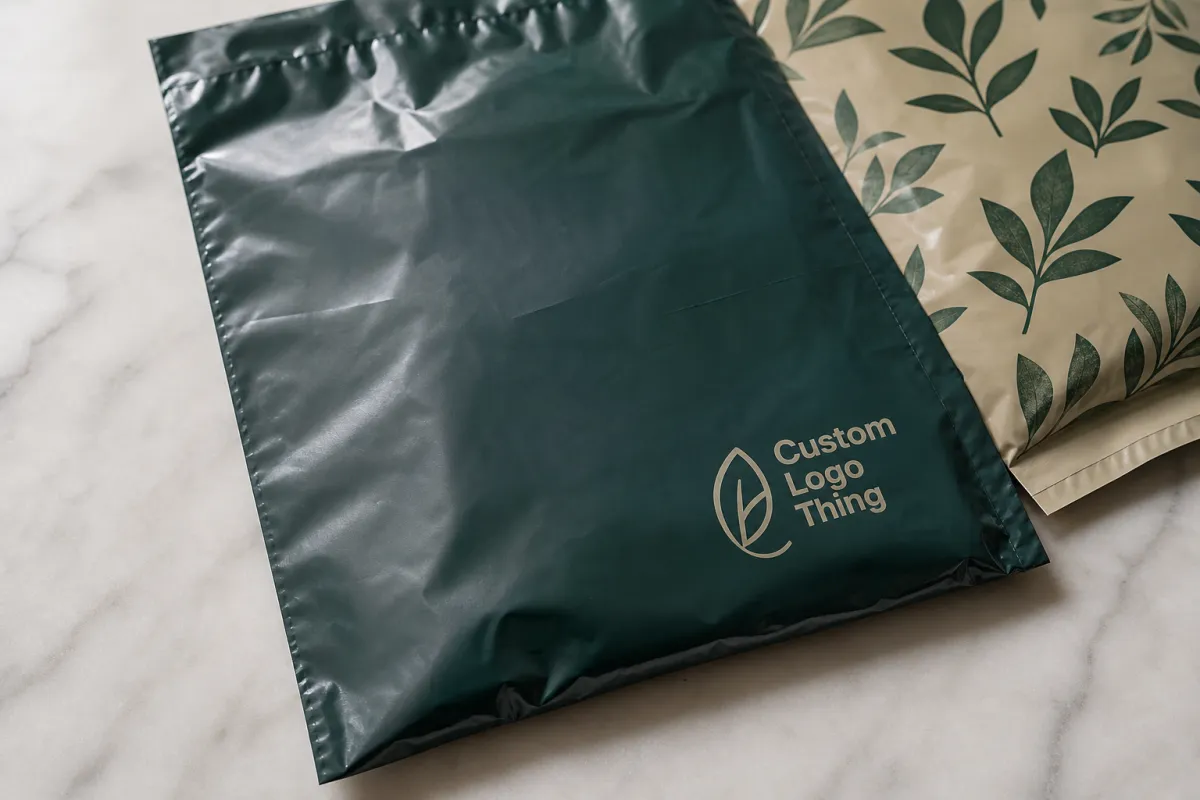
Tea brand poly mailers sample approval covers more than "does the logo look okay." It is the buyer's final check before production, and that check should confirm size, print quality, structure, shipping performance, and overall presentation. A mailer can look fine in a mockup and still fail once the ink density, film finish, and seal zone meet the actual material. That is not a small issue. Flexible packaging exposes everything, including details that would disappear on rigid packaging.
Tea brands need a sample even when the design is restrained. A plain logo on a white mailer can still print too dark, too faint, or slightly off-center. If the film feels thin, the customer notices that too. Tea is often sold as a premium, wellness-oriented product, so the packaging has to support that feeling from the first touch. You are not just sending a parcel. You are building brand consistency one shipment at a time.
Here is the situation I see most often: a tea brand starts with generic shipping bags, then moves to Branded Poly Mailers because the product has outgrown the plain utility look. The first sample becomes the first real check on fit, color, and durability. Does the pouch slide inside without shifting around? Does the print cross the seam without distortion? Does the exterior still look clean after a fingerprint test and a bend test? That is tea brand poly mailers sample approval in practice, not in theory.
Think of the process as a gate. If the sample passes, production can move. If it misses on size, finish, or print placement, the fix happens before thousands of units are made. That is why tea brand poly mailers sample approval works best as a spec check, not a mood check.
A simple rule helps here: if you would hesitate to put the sample in front of a customer, it is not approved yet. That sounds obvious. People still skip it.
What the sample should confirm
- Size fit: the tea pouch, tin, or box should fit without looking stuffed or loose.
- Print accuracy: logo placement, color match, barcode clarity, and small text legibility should be checked in hand.
- Material feel: film thickness, surface finish, and tear resistance should match the brand promise.
- Shipping behavior: the mailer should still look good after bending, stacking, and basic handling.
If you want a useful standard for shipping and transport testing, the ISTA testing framework is a solid reference. It is not tea-specific, but it gives structure to how people think about distribution stress. For material sourcing, the FSC matters if your packaging story includes paper-based components and certified sourcing.
Tea brand poly mailers sample approval process and timeline
The cleanest tea brand poly mailers sample approval process follows a simple path: brief, digital proof, physical sample, revision if needed, final sign-off. That sounds basic because it is basic. The hard part is that each step can go wrong for a different reason, and one vague assumption can push the next step back by days or even weeks.
Start with the brief. The supplier needs exact dimensions, print colors, finish type, closure style, and the product that will actually go inside. If you send "standard tea pouch size" and hope for the best, trouble is already waiting. A proper brief usually includes outer dimensions, intended fill weight, artwork files, whether the bag is for retail shipping or secondary packaging, and the address where the sample should be sent.
The digital proof comes next. That should not be a blurry screenshot with "looks good" typed in the email. Ask for annotated proof images, especially if the design includes small type, repeat patterns, or a logo that crosses the seal zone. The proof stage is where obvious layout issues get caught before anyone spends material.
Then comes the physical sample. That is the real checkpoint in tea brand poly mailers sample approval. A sample can look clean in a PDF and still disappoint in hand if the film is too glossy, the print sits too close to the edge, or the bag size is off by a few millimeters. For tea brands, those few millimeters matter more than people like to admit.
Timeline varies. Simple samples can move in a few business days if the artwork is ready and the supplier has the right stock. Custom sizes, multi-color printing, special finishes, or overseas shipping can stretch the wait further. A realistic planning range is often 5-10 business days for straightforward sample creation, plus shipping time. If the sample needs revision, add another cycle. That is normal, not a setback.
The common delay points are boring but predictable:
- missing dielines
- unresolved Pantone targets
- back-and-forth on logo placement
- unclear shipping details for the sample
- extra approvals from marketing, operations, or the founder who wants to see it one more time
One practical move: ask for a production sample photo set before the physical sample ships. You want close-ups of the front, back, seal area, edge alignment, and any fine print. That way, if something is clearly off, you can correct it before the box arrives. It is a small step, but it keeps tea brand poly mailers sample approval moving instead of turning into a weekly status call.
Tea brand poly mailers sample approval should also end with a written approval record. Not a casual thumbs-up. A written note should lock the approved dimensions, artwork placement, material, finish, and any tolerance the factory can use during mass production. If you do not define the approved version, you are asking production to guess. Guesswork gets expensive fast.
Tea brand poly mailers sample approval cost, MOQ, and unit price
Tea brand poly mailers sample approval has a cost, and the price structure is usually more detailed than first-time buyers expect. You are not only paying for "a sample." You are paying for setup, printing method, material type, custom sizing, finish, and freight. If a supplier gives you one neat number and refuses to break it down, ask for more detail before you move forward.
Sample pricing usually depends on three things: how custom the bag is, how many colors the artwork uses, and whether the sample needs to be shipped locally or internationally. A basic digital-prototype sample may be inexpensive, while a fully printed physical sample with a special finish can climb quickly. In practical terms, sample fees can look high next to the per-unit cost of a large run because the supplier is not spreading setup across volume yet.
MOQ matters for tea brands because launches are often uncertain. A lower minimum order quantity reduces risk if you are testing a new blend or a seasonal gift set. The tradeoff is straightforward: flexibility costs money. Lower MOQ usually means higher unit price. That is normal. A buyer who wants 500 pieces will almost always pay more per unit than a buyer who commits to 5,000 or 10,000. Manufacturing math does not bend for wishful thinking.
Here is a useful way to think about it:
| Option | Typical Use | Sample / Setup Cost Range | Unit Price Trend | Best For |
|---|---|---|---|---|
| Digital proof only | Repeat orders, low-risk artwork | $0-$30 | Lowest if no changes are needed | Reorders with the same spec |
| Printed physical sample | New tea launches, first-time branding | $30-$150 | Moderate | Checking color, finish, and fit |
| Custom size plus special finish | Premium tea branding | $80-$250+ | Higher, especially at low MOQ | Matte, gloss, recycled look, or a premium unboxing feel |
| Short-run bulk order | Launch testing or seasonal SKUs | Sample may be credited later | Higher per unit than large runs | Protecting cash flow while validating demand |
Do not get pulled in by a low headline price. Some quotes hide sample fees, tooling charges, plate charges, or shipping add-ons in the fine print. That is how a "cheap" order gets expensive. A clear quote should say whether the sample fee will be credited back on the final bulk order, what minimums apply, and whether repeat orders can reuse the same setup. Tea brand poly mailers sample approval is much easier to justify when the pricing structure is transparent.
My practical advice is to compare at least two quotes side by side, line by line. Do not compare only the final number. Compare material, print method, MOQ, sample fee, freight, and revision policy. If one supplier looks cheaper but charges separately for every correction, that saving can disappear quickly. That matters even more for tea brands, where small visual changes affect brand recognition and brand consistency across the shelf and the mailbox.
Key factors that change tea brand poly mailers sample approval
Several factors can change tea brand poly mailers sample approval, and most of them are easy to miss until the sample lands on your desk. Material choice is the first one. Opaque versus clear changes the entire feel of the package. Matte versus gloss changes how premium the mailer reads. Recycled-content options can support an eco-minded story, but they may also shift the surface tone or print sharpness. None of that is a problem by itself. It just needs to be judged in hand.
Artwork detail matters more than buyers expect. Tea brands often use delicate typography, small QR codes, or fine botanical linework. Flexible film can make tiny text misbehave if the file is too thin or the contrast is too low. Barcode readability matters too if the mailer goes through warehouse or retail systems. A sample that looks "fine enough" on a laptop may fail under real lighting. That is why tea brand poly mailers sample approval should include practical checks, not only visual preference.
Brand positioning changes the decision too. A wellness-focused tea brand usually needs a calmer, cleaner look. A premium loose-leaf line may want a richer texture or a more restrained color palette. A younger ecommerce tea brand might prefer bold visual branding with bright accents and a crisp logo lockup. The same bag size can work for all three, but the sample approval criteria should not be identical. The design has to support the promise you are making to the buyer.
Shipping requirements are the other major factor. A mailer can be attractive and still be wrong if it cannot handle the trip. Think about pack-out size, resistance to scuffing, moisture protection, and whether the outer surface still looks presentable after the postal system does its work. Tea is sensitive to perceived quality. A crushed or dirty mailer can lower customer perception before the tea is even opened.
That is why a production-ready sample needs real-world tests. Put the tea pouch inside. Shake it a little. Check whether the mailer closes cleanly. Look for visible stretch at the seams. Hold it under daylight, then under indoor light. Most approval mistakes happen because someone only inspected one version of reality.
Tea brand poly mailers sample approval also benefits from thinking ahead to future SKUs. If this mailer will later carry sampler packs, gift sets, or subscription refills, choose a dimension and print zone that can survive variation. If the first version is too tight, every future variation turns into a new production headache.
Practical material choices
- Opaque film: better for hiding contents and creating a more polished first impression.
- Matte finish: softer and more premium-looking, though it can show scuffs differently.
- Gloss finish: brighter and more vibrant, but easier to fingerprint and sometimes cheaper-looking if overdone.
- Recycled-content film: useful for eco positioning, but always inspect print sharpness and surface consistency in the sample.
Step-by-step tea brand poly mailers sample approval workflow
A good tea brand poly mailers sample approval workflow keeps the process calm and specific. The strongest version starts with a clean sample brief. Do not send a vague idea and expect the supplier to reverse-engineer your intent. Exact dimensions, print colors, finish, quantity, target use case, and destination all belong in the brief. If the mailer will carry a 50g pouch, say that. If it is for a two-piece gift set, say that too. Precision saves time.
Next comes proof review. Mark the proof with comments. Circle the seal zone if it matters. Note whether the logo needs to move 5 mm left or whether the barcode should be larger. A vague yes helps nobody. Annotated feedback creates a clear revision path. In my experience, that alone cuts a surprising amount of delay from tea brand poly mailers sample approval.
Then inspect the physical sample in real conditions. Do not approve it on a desk under one LED bulb while you are rushing to another task. Check it under daylight and indoor light. Put the actual tea pouch, tin, or box inside. Compare it against the approved brand palette if you have one. If the brand uses a warm cream and the bag prints icy white, you will feel that mismatch immediately, even if nobody can explain why. That kind of mismatch affects brand identity more than people expect.
The sample should also be tested for handling behavior. Fold it lightly. Rub the surface. Check seal strength. See whether the print scratches when it is slid across a table. Tea buyers often focus on front-of-pack aesthetics, but shipping bags need practical durability. A pretty bag that gets damaged in transit is still a failed sample. Tea brand poly mailers sample approval should never ignore the boring parts.
After that, write the final approval note. This document protects the order. It should state the approved size, artwork placement, color target, finish, and any acceptable tolerance. If the vendor is allowed to vary within a small range, spell that out. If you want the next run to match the sample exactly, say that too. That written record prevents later confusion, especially if the bulk order is split across teams or reviewed by someone who never saw the sample in hand.
Here is a simple approval checklist that works well for tea brands:
- Confirm the outer dimensions and fill fit.
- Check logo placement and print registration.
- Review color in daylight and indoor light.
- Test the seal, closure, and tear resistance.
- Inspect for scuffs, stretching, and edge defects.
- Save the approved photo set and written spec sheet.
If you are still early in sourcing, the sample workflow is also the right time to ask whether the final bulk order can match the same material and finish. Many problems begin when teams approve a sample and then later switch to a different spec to save money. That move usually shows up in the unboxing experience, and not in a good way.
Common mistakes that slow tea brand poly mailers sample approval
The classic mistake in tea brand poly mailers sample approval is approving a digital mockup on a phone and then acting surprised when the printed bag looks different in hand. Screens lie. They are bright, backlit, and forgiving in ways printed film is not. A digital proof is useful, but it is not the final word for a new tea launch. Flexible packaging needs a physical sample for a reason.
Another common mistake is skipping stress checks. A tea brand may focus only on how the front panel looks and forget to test seal strength, tear resistance, or surface scuffing. That is backwards. The customer does not care that the logo was centered perfectly if the mailer rips in transit or arrives with ugly marks. A polished print paired with weak structure is a bad trade.
People also forget to lock the final spec sheet. Then the next order comes around, a different person handles the paperwork, and the factory is left guessing which version was approved. That is how reprints happen. That is also how brand consistency gets messy across multiple SKUs. If you are serious about tea brand poly mailers sample approval, freeze one approved version and archive it properly.
Launch pressure is another poor decision maker. A brand wants to go live, operations is pushing for stock, and somebody says, "It looks close enough." Close enough is how reprints happen. It is also how money gets burned on expedited freight, last-minute corrections, and avoidable brand damage. If the mailer is part of your premium positioning, the sample deserves the same seriousness as the tea itself.
There is also a subtle mistake that shows up often: approving the mailer without checking the actual product inside. A poly mailer that looks nice on its own may look awkward once a tea pouch is inside. The product can shift, the bag can bulge, and the whole shape can feel less refined. That is why tea brand poly mailers sample approval should always be done with the real product, not an imaginary fill weight.
One more thing. Do not ignore supplier communication quality. If a vendor cannot keep proof versions straight during the sample stage, bulk production is not magically going to become more organized. Sample approval reveals process discipline. That is a useful warning sign, even if the bag itself looks pretty good.
For buyers comparing packaging vendors, it helps to read beyond the price and ask how the supplier handles revisions, proof records, and approval archives. A supplier that can document the sample cleanly usually protects your schedule better than one that simply throws files back and forth with vague confirmations. That matters when the bulk order is tied to a launch date and the marketing team has already scheduled the photo shoot.
Expert tips and next steps before you approve
If you want tea brand poly mailers sample approval to go smoothly, ask the vendor for close-up sample photos before the physical sample arrives. Include a ruler in the shot. Ask for lighting that shows print registration, edge alignment, and seal area clearly. That kind of detail sounds fussy until it prevents a costly mistake. Then it just looks smart.
Compare two finish options if the brand feel matters. Matte and gloss can completely change how tea packaging reads on camera and on shelves. Matte often feels quieter and more premium. Gloss tends to feel brighter and more promotional. Neither is automatically better. The right choice depends on your visual branding and how you want the customer to interpret the shipment before they open it.
I also recommend a simple approval checklist that stays on file for every SKU. Use the same items every time: size, color, seal, scuffing, print clarity, and shipping fit. A reusable checklist makes future tea launches faster because you are not inventing the approval process from scratch each time. It also helps new team members keep the same standard without guessing.
If your brand is still shaping its packaging system, this is a good time to align the mailer with the rest of the pack suite. The outer bag should not fight the label, carton, or insert. Strong brands treat every touchpoint as part of one story, not a stack of random decisions made by different people in different moods. That is how brand recognition gets built over time.
And yes, document everything. Save the approved artwork, the approved sample photos, the approved dimensions, and the approved finish. Save the version number too. The bulk order should mirror the sample, not drift away from it because someone forgot which PDF was final. Tea brand poly mailers sample approval only protects you if the record is clear.
Next steps should stay simple: request the quote, send the print files, order the sample, review it against the real tea product, and only then approve production. If the supplier offers a sample credit on the final order, confirm it in writing. If the MOQ is high for your first run, ask whether a smaller pilot order is possible. Those two questions alone can save a tea brand from overcommitting too early.
If you need a starting point for the packaging itself, review our Custom Poly Mailers options, then compare them with the rest of our Custom Packaging Products. For teams still validating a launch, our Case Studies can help you see how packaging choices affect customer perception and reorder confidence.
One final practical thought: a polished mailer can strengthen brand identity, but only if the sample proves it works in real use. That is the whole point of tea brand poly mailers sample approval. Approve the sample carefully, lock the spec, and you protect the bulk order before it ever starts. Skip that step, and you are just hoping the shipment behaves. Hope is not a purchasing strategy.
So the clean takeaway is simple: review the sample with the real tea product inside, under actual lighting, and against a written spec sheet before you sign off. That one habit keeps tea brand poly mailers sample approval grounded in the real world, where the package has to look good, hold up in transit, and still feel like your brand when it reaches the customer.
FAQ
How long does tea brand poly mailers sample approval usually take?
A digital proof can often be reviewed in 1 to 2 business days if the artwork is already clean. A physical sample usually takes several business days plus shipping time, and custom finishes can stretch that timeline. The approval itself should happen quickly once the sample arrives, or the whole production schedule starts slipping for no good reason.
What should I check first on tea brand poly mailers sample approval samples?
Check whether the mailer fits the actual tea product without looking cramped, oversized, or sloppy. Inspect logo placement, color accuracy, and text clarity before you get distracted by the rest of the package. Test the closure, seal strength, and surface resistance because a pretty mailer that fails in shipping is still a failure.
Does tea brand poly mailers sample approval cost extra?
Usually yes, because sample setup, printing, and freight are separate from the mass order. Costs rise when the mailer has custom sizing, multiple print colors, special finishes, or overseas shipping. Some suppliers credit the sample fee back into the final order, but you should confirm that before you approve anything.
Can I approve tea brand poly mailers sample approval from a digital proof only?
You can, but only when the order is a repeat with the same material, print method, and dimensions. For a new tea launch, a physical sample is the safer call because flexible packaging always looks different in hand. Digital proof approval should be treated as a preliminary step, not the final word, unless the risk is genuinely low.
What causes tea brand poly mailers sample approval to restart?
Late artwork changes, size changes, or color corrections are the most common reasons the process gets sent back to the beginning. A sample can also restart when the seal, finish, or print registration misses the agreed spec by too much. The easiest way to avoid the reset is to lock one spec sheet, one proof, and one written approval before production starts.


