Tea Brand Rigid Boxes Cost: Buyer's Pricing Guide
Tea brand rigid boxes cost is one of those numbers that looks simple until three suppliers hand back three different quotes. That is usually not a sign that anyone is being slippery. It is a sign that rigid tea packaging has a lot of moving parts: thick board, wrap paper, inserts, finishing, and the labor needed to assemble the thing cleanly. In the projects I have reviewed over the years, the box often costs less than the value it adds in the buyer's mind, which is why premium tea lines keep using it. A well-built rigid box changes the first impression before anyone even opens the lid.
Put a folding carton beside a rigid box on a shelf and the difference shows immediately. The carton may be easier on the invoice, but the rigid box carries more weight in the hand, more gift appeal, and more brand presence. That matters for tea brands that sell more than a blend; they are also selling an occasion, a mood, and sometimes a whole gifting ritual. Tea brand rigid boxes cost should be judged against shelf impact, unboxing feel, and brand consistency, not by the shell alone. A solid quote starts with the build, because a vague build leads to a vague price.
The logo does not drive the whole number, and that is where a lot of buyers get tripped up. Tea brand rigid boxes cost is shaped by board thickness, wrap material, closure style, insert design, and finish choices that each add a little labor. A premium tea tin, a loose-leaf gift set, or a sampler collection needs packaging that protects the product while carrying the brand story in the same breath. That is where the budget goes. That is also where people underestimate the work involved, especially the hand assembly and the fit checks that never show up in a mockup.
Why tea brand rigid boxes cost more than standard cartons
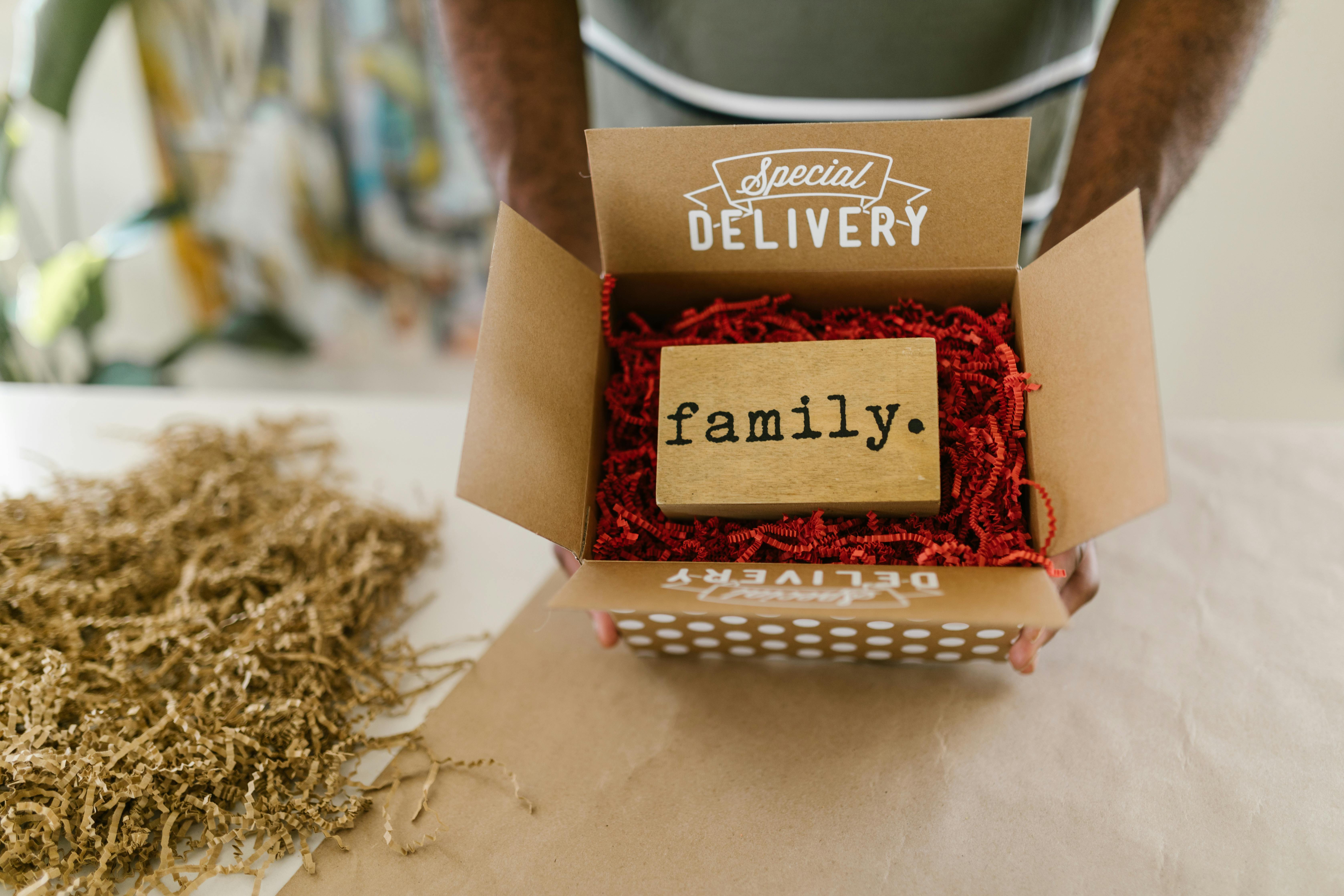
Rigid boxes are built differently from folding cartons. A standard carton is printed, cut, folded, and glued with relatively little manual effort. A rigid box starts with thick greyboard or chipboard, then gets wrapped, pressed, assembled, and checked for square corners and clean edges. That extra structure is the main reason tea brand rigid boxes cost more than a basic paperboard carton. You are paying for a package that keeps its shape, feels substantial in hand, and supports a higher price point on the shelf.
The first cost driver is the board itself. Most tea rigid boxes use board in the 1.5 mm to 3 mm range, depending on size and product weight. A small tea sampler can work with thinner board. A large gift set with tins, sachets, and accessories often needs thicker stock and tighter tolerance control. Tea brand rigid boxes cost rises as the board gets heavier because material usage climbs and corner forming takes more time. The logic is plain, even if the finished box feels elegant.
Wrap paper is the second major variable. Plain coated art paper is less expensive than specialty paper, linen-textured wrap, pearl stock, or soft-touch laminated wrap. Surface choices change print registration, scuff resistance, and yield. A deep matte finish with crisp foil can look effortless from the outside, yet tea brand rigid boxes cost increases because the finish has to stay clean through repeated handling. The box may look simple. The work behind it usually is not.
The customer side matters too. A rigid box looks more giftable, more deliberate, and more stable the moment it lands in a buyer's hand. That shift in perception happens before the tea is tasted. For a brand selling loose-leaf blends, seasonal sets, or wellness tea, that lift in perceived value can be worth far more than the packaging spend. Tea brand rigid boxes cost makes sense only when it is tied to how much stronger the product feels at first touch.
A box that collapses in the retail aisle is not a bargain. It is just a headache with a lower invoice.
Most of the bill comes from a handful of predictable places:
- Board thickness - thicker greyboard uses more material and takes more effort to wrap cleanly.
- Wrap paper choice - specialty papers, textured stocks, and heavy coverage finishes raise unit cost.
- Assembly method - magnetic closures, drawer pulls, and lift-off lids each add labor.
- Insert complexity - custom dividers, EVA foam, molded pulp, or silk-lined trays all change pricing.
- Decorative finishing - foil stamping, embossing, spot UV, and soft-touch lamination add setup and process time.
Tea brand rigid boxes cost also reflects tolerance. A buyer may look at the box as a shell, yet the shell has to close properly, sit square, and stay smooth without bubbles, wrinkles, or lifted edges. Gift packaging shows flaws quickly. That is why rigid boxes are priced more like a crafted object than a commodity carton. The customer may never think through those details, but the production team cannot ignore them, and honestly, that is where a lot of the money goes.
Tea brand rigid box styles, inserts, and finishes that affect cost
Four rigid styles show up often enough to price separately. Drawer boxes usually cost more than a simple lift-off lid because they involve a sleeve, a tray, and often a ribbon pull. Magnetic Closure Boxes usually sit higher still because the closure hardware and assembly tolerance require more time. Sleeve-and-tray builds can look premium without landing at the top of the range, yet they still need a careful fit. Tea brand rigid boxes cost shifts a lot depending on the chosen style, and the wrong structure can spend money without adding much shelf value. I have seen that happen more than once, and it is never a fun fix late in the process.
Inserts matter just as much as the outer shell. A plain paperboard insert works for lightweight sachet sets or tea bags. EVA foam is useful for fragile tins or mixed gift kits that need exact placement. Molded pulp can be a smart lower-plastic option for brands focused on sustainability, though it does not always carry the same polished look as wrapped board. Silk-lined trays and custom dividers sit at the higher end because they look stronger and take more labor. Tea brand rigid boxes cost often climbs the moment the insert has to do more than prevent movement.
Finishing upgrades are where quotes start drifting apart. Foil stamping adds setup and precision. Embossing brings depth, but it also adds another tool and another pass. Spot UV creates contrast, though it works best only when the artwork is built for it. Soft-touch lamination looks refined, but it can show fingerprints and demands careful handling during assembly. Ribbon pulls, magnetic flaps, specialty edge paper, and internal print all improve presentation. They also alter tea brand rigid boxes cost in ways buyers usually notice only after the first sample arrives, which is why samples matter so much.
| Rigid box style | Relative build complexity | Typical MOQ pressure | Cost impact | Best use |
|---|---|---|---|---|
| Lift-off lid | Low to moderate | Lower than drawer or magnetic | Usually the most economical rigid option | Tea tins, simple gift sets, starter premium lines |
| Drawer box | Moderate to high | Moderate | Higher due to sleeve, tray, and pull assembly | Sampler sets, gift bundles, limited-edition tea |
| Magnetic closure | High | Higher because of assembly time | Usually one of the highest unit costs | Premium retail tea, ceremonial gifts, collector packaging |
| Sleeve and tray | Moderate | Moderate | Mid-range if print and insert are simple | Brand launches, modular tea sets, retail display packaging |
Specialty papers can make tea brand rigid boxes cost feel high, but they also shift perceived value in a way plain print cannot. A plain box with a strong foil logo can still look expensive. A box crowded with every finish available can look unfocused, and that is the part many buyers miss. Premium does not mean maximum. It means Choosing the Right detail and placing it where it matters. A clean linen wrap with a single hot-stamped logo often does more for brand identity than three effects fighting for attention.
If you want to compare build choices before you commit, browse our Custom Packaging Products page and match the structure to your tea format. If you need proof that structure decisions affect the result, our Case Studies page shows how different packaging directions change presentation and fit. Tea brand rigid boxes cost is easier to control once the style is selected before artwork starts to wander.
Tea brand rigid boxes cost: pricing, MOQ, and quote breakdown
Tea brand rigid boxes cost is built from several line items, and each one can move the final unit price. A proper quote should show board thickness, wrap paper, print method, insert type, finishing, labor, outer carton packing, and freight. If a supplier gives only a single headline number, that is not a quote. It is a rough guess. The best quotes make tea brand rigid boxes cost easier to compare because they separate the structure from the decoration.
For a medium-size tea gift box, unit cost usually drops as quantity rises. That is normal. Setup work, tooling, and manual assembly get spread across the run. A 500-piece order may land in the higher range because the setup burden is heavy. At 1,000 to 3,000 pieces, tea brand rigid boxes cost often becomes more manageable. At 5,000 pieces and above, the per-unit number usually improves again, assuming the design stays sensible and the inserts are not custom-machined to death.
| Order size | Simple lift-off lid | Drawer box with ribbon | Magnetic closure box | What drives the number |
|---|---|---|---|---|
| 500 pieces | $1.60-$3.20 | $2.10-$4.10 | $2.80-$5.50 | Setup spread across fewer units, more manual handling |
| 1,000 pieces | $1.20-$2.45 | $1.70-$3.35 | $2.20-$4.60 | Better material efficiency, setup costs start to normalize |
| 3,000 pieces | $0.88-$1.85 | $1.30-$2.75 | $1.80-$3.90 | Higher production efficiency, lower unit labor pressure |
| 5,000+ pieces | $0.72-$1.55 | $1.10-$2.30 | $1.55-$3.40 | Bulk runs reduce overhead, assuming specs stay stable |
Those ranges are practical, not dream numbers. They assume a medium tea box with standard print coverage and no extreme shape work. Add specialty paper, full interior print, thick EVA, or heavy foil coverage, and tea brand rigid boxes cost will move upward. Keep the insert simple and choose one strong finish, and the number often comes down without making the box look plain. Buyers lose money when they stack options that do not work together. A better box usually starts with one clear focal point, not a pile of effects.
MOQ matters because rigid boxes carry higher setup costs. Many factories want 500 to 1,000 pieces as a practical minimum for a custom build, and more for complex styles. Some suppliers will offer smaller quantities, but tea brand rigid boxes cost usually rises because the labor cannot be spread across enough units. If the run is small and the product value is high, ask for a prototype or a short run first. A 100-piece order should not price like a 5,000-piece order, and no supplier can make production math behave that way.
Here is the quote breakdown I like to see:
- Board - thickness, board grade, and whether the supplier is using greyboard, chipboard, or another rigid substrate.
- Wrap - paper type, printed coverage, texture, and whether the surface needs lamination.
- Insert - paperboard, foam, molded pulp, or a custom tray with multiple cutouts.
- Finish - foil, embossing, debossing, spot UV, soft-touch, or edge decoration.
- Packing - inner packing method, outer carton count, and whether the boxes ship flat or assembled.
- Freight - air, sea, or courier, because shipping can change the final landed cost more than buyers expect.
Tea brand rigid boxes cost should also account for sample charges when the project is complex. A simple mockup may be inexpensive. A working prototype with the actual wrap, insert, and finish can cost more, though that is still cheaper than fixing 5,000 boxes after approval. The real question is not, "Can I get the cheapest number?" It is, "What does this number actually buy?" That is the cleanest way to judge tea brand rigid boxes cost without getting trapped by a low first quote.
Production steps, timeline, and lead time for tea rigid boxes
Tea brand rigid boxes cost is tied to time as much as material. A rigid box is not a quick print-and-fold job. The process usually begins with dieline confirmation, then sample development, then print approval, then surface finishing, then die-cutting, then mounting the wrap onto the board, then insert production, then hand assembly, then inspection, then packing. Each step adds a little risk if the specs are vague. Each step also adds time if the artwork keeps changing, which is why production teams get nervous when approvals drag on.
A realistic timeline for custom tea rigid boxes is often 12 to 20 business days after proof approval for simpler builds. Complex boxes with magnetic closures, specialty paper, or detailed inserts can take longer. Sampling may add 5 to 10 business days before the main run starts. Freight is separate. Tea brand rigid boxes cost is only part of the schedule, and if the artwork moves late or sign-off drags, the calendar stretches even while the plant keeps working.
The bottlenecks are familiar. Matched PMS colors take extra checking. Specialty wrap papers can create sourcing delays. Custom inserts need separate tooling or knife work. More finishing means more handling, and more handling means more chances for delay. If you are launching a seasonal tea line, keep the art stable. Small revisions look harmless in email and become expensive on the production floor. A tiny change can push tea brand rigid boxes cost upward because rework consumes labor and materials.
Shipping matters too. Rigid boxes are bulky and take up volume quickly, which makes freight a real part of the landed cost, especially on air shipments. If the packaging will move through rough routes, ask for transit testing aligned with ISTA methods and vibration or drop expectations. Those standards do not make the box glamorous, but they help prevent damaged goods and awkward customer complaints. Tea brand rigid boxes cost should be judged after shipping, not before it.
Here is what keeps a project on schedule:
- Approve dimensions before artwork starts.
- Lock the insert type early.
- Keep color changes to a minimum after proofing.
- Confirm the shipping method before the run begins.
- Send final barcode and legal copy in one clean file.
Tea brand rigid boxes cost and lead time usually move together. If you want a lower price, you generally need a simpler structure, more standard material, or a larger order quantity. If you want speed, you usually need fewer upgrades and a cleaner approval cycle. That is not a sales trick. It is how production behaves. The buyer who understands the timeline usually ends up with a better result than the buyer who keeps adding one more detail after approval.
Specifications to lock before you request tea packaging quotes
Tea brand rigid boxes cost becomes far more predictable once the spec sheet is complete. Before you ask for pricing, lock the box dimensions, product weight, closure style, insert needs, print coverage, and finishing preference. If those six points are still shifting, the quote will not be reliable. Good suppliers can estimate from a rough concept, but the cleanest numbers come from a clear build. That saves time on both sides and cuts revision churn.
Product fit matters more than a casual size estimate. Tea tins, sachet sets, loose-leaf pouches, and mixed sampler kits all need different internal clearance. A box that runs too tight can damage labels or crush the insert. A box that runs too loose can rattle and feel cheap. Tea brand rigid boxes cost can rise if dimensions need correction after sampling, so get the actual product measurements first. Not approximate. Actual.
Compliance and logistics details belong in the quote request too. If the tea touches the inner structure directly, ask about food-safe concerns and whether an inner wrap or barrier layer is needed. If the retail channel requires barcode placement, define that early. If the box must fit display trays or ship in master cartons with a fixed count, include that information. Tea brand rigid boxes cost changes when the packaging has to satisfy both shelf presentation and warehouse handling.
Paper sourcing also deserves attention. If your buyer wants certified paper, a partner should be able to discuss FSC chain-of-custody options clearly. The basics are explained well at FSC. Certified paper is not required for every tea line, but if sustainability claims are part of the brand story, the paperwork needs to support the message. Otherwise the box says one thing and the supply chain says another, which creates a messy mismatch.
A tight spec sheet also cuts down sample rounds. That matters because every round adds time and, in some cases, direct cost. If the first sample already reflects the correct structure, you do not spend more fixing avoidable mistakes. Tea brand rigid boxes cost is easier to hold in range when the buyer sends one complete brief instead of five partial emails and a few loose reference photos. Clear specs save money. That is not a slogan. It shows up again and again in real projects.
Before you Request a Quote, make sure you have:
- Exact dimensions - inside and outside measurements, not just a rough guess.
- Product weight - especially if the box holds glass, metal tins, or multiple packs.
- Closure style - lift-off, drawer, magnetic, or sleeve-and-tray.
- Insert plan - paperboard, EVA, molded pulp, or no insert at all.
- Finish target - matte, soft-touch, foil, embossing, or spot UV.
- Shipping needs - master carton count, pallet count, and destination.
Tea brand rigid boxes cost is easier to defend to finance when the quote maps cleanly to the spec sheet. A vague brief creates a vague number. A strong brief creates a number you can actually use.
Why Custom Logo Things is the practical choice for tea rigid boxes
Tea brand rigid boxes cost is not only about price. It is about whether the supplier can help you make better decisions before the run starts. That is where Custom Logo Things earns its place. The useful part is not glossy sales language. It is direct guidance on structure, material, finish, and fit so you do not pay for features that do nothing for the product. A packaging partner should make the work easier, not make the quote harder to read.
From a buyer's point of view, the best supplier is the one that keeps brand consistency intact while protecting the contents and keeping the unit cost within reason. Tea packaging has to work hard. It has to survive transit, look good on shelf, and support the brand identity without spending money on unnecessary extras. If the box is for a premium tea line, the details matter. If the box is for a mass-market sachet set, overbuilding turns into a cost leak. Tea brand rigid boxes cost should reflect the job the box is doing, not just the wish list attached to it.
Custom Logo Things is the kind of partner that can talk through cost-saving swaps without stripping away the premium feel. That might mean choosing a refined wrap paper instead of piling on embossing, or switching from dense foam to a well-cut paperboard tray. It might mean simplifying the inner print so the outer face does the visual work. Tea brand rigid boxes cost drops when the design is honest about what the customer actually sees and touches. That kind of practicality is useful, not bland, and it usually keeps the project moving faster too.
If you want to compare packaging options before committing, review our Custom Packaging Products page. If you want to see how different builds performed for other projects, our Case Studies page is the better place to start. The goal is not to impress you with volume. The goal is to help you choose a packaging structure that fits the product, the channel, and the budget. Tea brand rigid boxes cost should never feel mysterious after the first conversation.
We also pay attention to the parts buyers usually miss: retail stacking, inner clearance, and whether the box still feels aligned after a few hundred units have been assembled by hand. That matters more than a polished render. Tea brand rigid boxes cost only helps if the finished box arrives looking like the approved sample. Pretty drawings do not sell tea. Finished boxes do.
Next steps to get an accurate tea brand rigid boxes cost estimate
Start with the basics. Gather your box dimensions, quantity, tea format, insert preference, and finish target before you ask for pricing. If you already know your retail channel, include that too. Tea brand rigid boxes cost becomes clearer as soon as the supplier can see the full picture. A useful estimate is built on specs, not hope.
The smartest buyers ask for two versions: one baseline build and one premium build. That creates a real comparison instead of a random number. A baseline quote might use standard wrap paper, a simpler insert, and one clean logo effect. A premium quote might add specialty paper, foil, or a magnetic closure. Tea brand rigid boxes cost is easier to manage when the price jump is tied to each upgrade. That is how you decide what matters and what can be left out.
If the order is high-value or the launch matters, ask for a sample or prototype before the full run. One physical check costs less than correcting a whole batch of boxes that looked right on screen but wrong in hand. Tea brand rigid boxes cost should always include the cost of being wrong if the project is sensitive. Sampling is insurance, and compared with rework it is usually inexpensive insurance.
Final advice: do not compare quotes by headline price alone. Compare board thickness, insert type, finish level, packing method, and freight. That is the only fair way to read tea brand rigid boxes cost. If you want a clean estimate for your tea line, send the dimensions, quantity, and finish details, then ask for a quote that separates structure from decoration. That is how you get the real number, not the bait number. If you need a quick rule to follow, keep the box simple, lock the spec early, and spend money only where the customer can feel it.
What is the average tea brand rigid boxes cost per unit?
There is no honest one-size-fits-all number. Tea brand rigid boxes cost depends on dimensions, quantity, board thickness, wrap paper, finish, and insert type. Small runs usually price higher per unit because setup and labor are spread across fewer boxes. A useful quote should also separate freight and any extra finishing so you can see where the money is actually going.
What MOQ should I expect for custom tea rigid boxes cost quotes?
Most rigid box builds need a higher minimum than folding cartons because the labor is heavier. A common MOQ range is 500 to 1,000 pieces, sometimes more for complex styles or custom inserts. If you need a low run, ask early and expect tea brand rigid boxes cost to rise because setup costs cannot be spread across many units.
Which details increase tea brand rigid boxes pricing the most?
Magnetic closures, specialty wrap paper, foil stamping, embossing, soft-touch lamination, and custom inserts usually push pricing up the fastest. Larger boxes and heavier board also increase cost directly because they use more material. Artwork changes after approval can add avoidable charges and push production out, so lock the design before the run starts.
How long does production take after I approve the sample?
For a simple custom build, production often starts the main run within 12 to 20 business days after proof approval, though the exact schedule depends on quantity and finishing. Complex papers, inserts, or detailed decoration can extend the timeline. The cleaner the approval process, the faster tea brand rigid boxes cost turns into finished packaging.
Can I lower tea brand rigid boxes cost without making the box look cheap?
Yes. Simplify the finish, standardize the size, or choose a less complex insert before cutting the structure itself. Keep one strong visual feature, like a refined wrap paper or a clean foil logo, instead of stacking every upgrade. That is the cleanest way to judge tea brand rigid boxes cost without getting fooled by a low headline number.


