Tea Brand Tissue Paper Sample Approval: Buyer Checklist
Tea Brand Tissue Paper sample approval is the point where a polished concept either stays elegant in the hand or starts to look ordinary under real light. A sheet can feel perfect on a screen and still change once it is printed on thin tissue, folded into a box, and handled during packing, which is why this step matters so much for the unboxing experience and the brand identity behind it.
For a tea brand, tissue is not just filler. It carries visual branding, supports consistency across the pack, and quietly shapes customer perception before the tea itself is even visible. A careful approval process protects color, repeat alignment, sheet size, and the feel of the paper, while a loose one can lead to reprints, delays, and a softer first impression than the team intended.
I have watched more than one packaging launch get held up by a tissue proof that looked fine in a PDF and then behaved differently once the real sheet arrived. That kind of thing happens a lot with lightweight papers, so tea brand tissue paper sample approval should be treated as a formal checkpoint, not a quick glance. If you are coordinating packaging through Custom Logo Things, this is the moment to slow down a little and check the details that actually matter. For examples of how packaging decisions affect launch readiness, the Case Studies page is a helpful place to compare approaches.
What Tea Brand Tissue Paper Sample Approval Really Covers
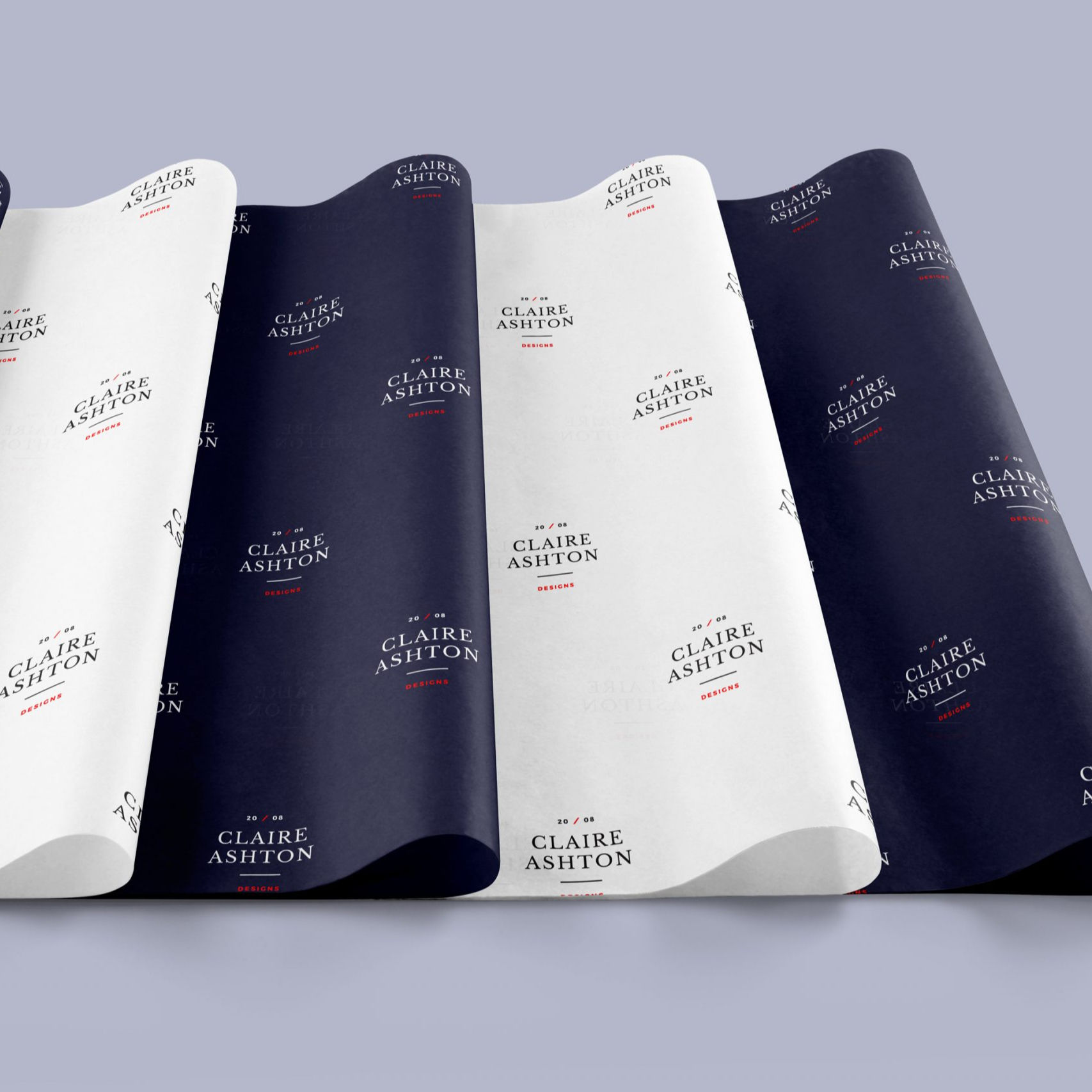
Tea brand tissue paper sample approval covers much more than a yes or no on the artwork. It is the buyer's formal check of color accuracy, print sharpness, tissue feel, sheet size, fold behavior, and the way the paper sits inside the final packout. In practice, the sample has to prove it can do two jobs at once: look right on its own and still behave correctly once it is wrapped, tucked, or layered into a tea box.
That difference matters because tissue is a sensitive material. Light coverage can disappear into the fibers, dark logos can spread slightly at the edges, and delicate brand marks can lose crispness if the substrate is too thin. Tea brand tissue paper sample approval gives the team a chance to confirm that the design supports the brand identity instead of diluting it. It also tells the buyer whether the sheet feels refined enough for the unboxing experience the brand wants to create.
There are usually three checkpoints, and they are not the same thing:
- Digital proof: A layout check for artwork placement, copy, and repeat pattern, useful for catching obvious mistakes before anything is printed.
- Printed sample: A physical sheet or short run that shows how the ink behaves on the chosen tissue stock, which is the real heart of tea brand tissue paper sample approval.
- Production preflight sample: A near-final reference made to match the approved setup as closely as possible before the full order runs.
That sequence gives the buyer more control, and it also protects brand consistency. A tea brand may be satisfied with a clean digital mockup, but the printed sample is the step that reveals whether the pattern breathes correctly on tissue, whether the white space feels balanced, and whether the overall finish still reads as premium. When the tea box opens, that paper is part of the story, and tea brand tissue paper sample approval is where that story gets checked against reality.
From a packaging buyer's point of view, this stage is also a chance to compare the tissue against the rest of the system. If the outer carton uses a deep green, a warm ivory, or a metallic accent, the tissue should not feel disconnected. The sheet should support the same visual language, because customers notice those details even if they never say so out loud. Honestly, that visual mismatch is one of those small things that can make a pack feel off, even when every individual piece seems fine on its own.
How Tea Brand Tissue Paper Sample Approval Works
The workflow for tea brand tissue paper sample approval usually starts with artwork submission and ends with a documented sign-off. The supplier checks the file first, because a good sample starts long before ink touches paper. That means confirming the repeat size, the image scale, the print area, the line thickness, and whether the selected tissue stock can carry the design without losing detail. If the artwork is too fine for the substrate, the supplier should flag that before printing, not after.
Once the file passes preflight, the team prepares the sample. On a simple one-color design, that may only require a short setup and a single proof run. On a more complex design, tea brand tissue paper sample approval may require a second pass to correct a color drift, tighten the repeat, or adjust the sheet size for a specific box dimension. That is normal. What matters is that each round is documented so the final production order matches the approved sample rather than a loose email thread or a verbal okay.
The buyer's side of the review is just as important. A proper sample inspection should cover:
- Print registration: Are the logos, edges, and repeat elements clean and aligned?
- Shade consistency: Does the ink look even across the sheet and across multiple sheets?
- White-space balance: Does the design breathe, or does it feel crowded on the tissue?
- Material feel: Does the tissue feel too flimsy, too waxy, or suitable for premium tea packaging?
- Handling behavior: Does the sheet fold neatly, wrinkle badly, or tear too easily during packout?
That last point is easy to miss. A sheet that looks fine flat on a table can still fail the real test if it cracks at the fold line or rubs off during boxing. Tea brand tissue paper sample approval needs to reflect actual use, not just a posed photo. If the tissue will be nested around tea tins, tucked into gift sets, or layered with inserts, the buyer should handle it that way before sign-off. I would always fold a sample the same way the packer will fold it, because that is where the trouble usually shows up.
"A good sample is not the prettiest sheet in the room. It is the one that behaves like production without surprises."
For brands with tight launch calendars, tea brand tissue paper sample approval should be written down in one place. A dated approval note, annotated photos, and the final artwork file are far safer than a scattered email thread. That paper trail makes the release clean, and it gives both buyer and supplier a single reference if the final run ever needs to be compared against the approved sample.
Tea Brand Tissue Paper Sample Approval Process and Timeline
The tea brand tissue paper sample approval process usually follows a practical sequence: artwork prep, repeat confirmation, sample production, buyer review, revision notes, and final confirmation. On paper, that sounds straightforward. In the shop, the timing depends on how clean the file is, how many colors are involved, and how many people need to review the sample before anyone signs off.
For a simple design on standard tissue stock, the sample path can move in roughly 5 to 8 business days after artwork lock if the supplier already has the material and the print setup is uncomplicated. If the design uses multiple colors, a special tint, or a larger repeat that needs more careful alignment, tea brand tissue paper sample approval often stretches closer to 8 to 15 business days. Add a second revision round, and the calendar can grow again.
Here is a practical way to think about the timeline:
- Artwork review: 1 to 2 business days if the file is clean and the repeat is clearly marked.
- Sample setup: 1 to 3 business days depending on print method, ink count, and tissue stock.
- Physical sample production: Often 1 to 4 business days for straightforward work, longer if registration is tricky.
- Buyer review: Same day to 3 business days, depending on who is approving it.
- Revision and resample: Another 2 to 5 business days if changes are small, longer if the layout changes materially.
Speed usually comes from clarity. If the buyer sends a finished vector file, a firm Pantone target, the final sheet size, and the exact tissue weight up front, the sample team can work with fewer assumptions. That is one of the clearest ways to keep tea brand tissue paper sample approval moving. The opposite is also true: if the team is still deciding between two shades of green or two sheet sizes, the sample path slows down because every answer creates another variable. That part sounds obvious, but in real projects it gets overlooked all the time.
It is also common for the timeline to expand when multiple stakeholders are involved. A brand manager may like the first proof, a sales lead may ask for more contrast, and a packaging engineer may want the sheet rechecked for folding performance. None of that is wrong. It just means the approval cycle needs a little padding so the launch date does not get squeezed by late revisions.
One practical habit helps more than most teams expect: ask for the approval path in writing before sampling begins. A short note that lists the intended sample type, review sequence, and expected sign-off contact reduces confusion later. Tea brand tissue paper sample approval works best when everybody knows which version is the one that counts, and which version is just for reference.
Key Factors That Affect Tea Brand Tissue Paper Sample Approval
Several material and print factors can change the result of tea brand tissue paper sample approval, even if the artwork file looks perfect. The biggest one is color behavior. Tissue paper absorbs ink differently than coated paper or carton board, so light tones can soften, dark logos can feather slightly, and subtle brand colors may shift enough to matter. That is why a brand that cares about recognition should never rely on screen previews alone.
Tissue basis weight matters too. A lighter sheet, often around 17 gsm, can feel airy and elegant, but it may show more throughprint and need more careful handling. A heavier option, often around 22 gsm, can hide the print better and feel a touch more substantial, though not every design needs that. Tea brand tissue paper sample approval should confirm that the chosen weight matches the packaging job, because the paper's feel changes the customer's perception before the product is opened.
Opacity and caliper also affect the result. Thin tissue can make a repeated pattern look busier than expected, especially if the design uses small text or tight spacing. If the print is too dense, the sheet can lose the sense of lightness that makes tissue so appealing in premium tea packaging. If the print is too sparse, the page can feel unfinished. Tea brand tissue paper sample approval is where that balance gets tested in real life.
Then there is repeat accuracy. A 1 to 2 mm drift may not sound dramatic on a computer screen, but on folded tissue or on a wraparound box presentation, it can show very clearly at the edges. Sheet size tolerance matters for the same reason. If the tissue needs to nest inside a rigid tea box, support a sleeve, or fit around a gift set, the dimensions should be measured against the final carton rather than a generic template.
Finishing and packout details matter as well:
- Folded presentation: Does the sheet sit neatly when folded into quarters or thirds?
- Pack count: Are the sheets packed in the quantity the buyer expects, such as 100, 250, or 500 per pack?
- Carton nesting: Does the tissue compress cleanly inside the outer shipping case?
- Coordination: Does the tissue match sleeves, labels, wraps, and cartons as one visual system?
If the tissue will ship with the broader packaging program, ask whether the outer cartons and master cases follow the kind of distribution thinking that organizations like ISTA use to reduce transit damage. If the paper needs FSC-certified sourcing, verify chain-of-custody paperwork through FSC. Those checks do not replace tea brand tissue paper sample approval, but they do support it by making the whole packaging decision stronger and easier to defend internally.
Tea Brand Tissue Paper Sample Approval Cost, MOQ, and Quote Basics
Tea brand tissue paper sample approval has a cost structure that is simple at the surface and more nuanced underneath. The main drivers are setup time, print method, number of colors, special ink requirements, tissue stock selection, and the freight cost for physical samples. A basic one-color sample on standard tissue might be modest, while a multicolor design with tighter registration or a special effect can cost noticeably more because the setup work takes longer and the risk of rework rises.
In practical terms, a simple sample might land in the $40 to $90 range once setup and shipping are included, while more involved sample work can move into the $100 to $200 range depending on complexity and how many revisions the buyer requests. Those are working ranges, not guarantees. Tea brand tissue paper sample approval is sensitive to the art file, the tissue spec, and the shop's workflow, so the final number should always be confirmed in writing.
The MOQ affects the production price after approval, too. Many suppliers quote lower per-unit pricing once the buyer commits to a larger run, often somewhere in the 1,000 to 5,000 sheet range or higher depending on the factory and the print method. Smaller custom runs can be done, but the unit cost is often higher because the setup expense is spread over fewer sheets. That is why tea brand tissue paper sample approval should be discussed alongside the expected order volume, not after the fact.
| Approval Path | What It Shows | Typical Cost Impact | Best Use |
|---|---|---|---|
| Digital proof | Layout, copy, repeat placement | Low; often included or minimal | Early artwork check before printing |
| Printed sample | Ink behavior, tissue feel, fold performance | Moderate; setup plus shipping | Core step in tea brand tissue paper sample approval |
| Production preflight sample | Near-final color, alignment, and handling | Higher; close to live production conditions | Final sign-off before a launch run |
If you are comparing quotes, ask for the same items on every line. The cleanest quote for tea brand tissue paper sample approval should show sample fees, unit pricing at each run size, revision charges, packing details, and freight assumptions. That makes it much easier to compare apples to apples. Without that structure, one supplier may look cheaper only because sample shipping, color correction, or a second proof round was left out of the first number.
Hidden costs usually show up in three places: rush sampling, extra proofs, and artwork changes after the sample has already been produced. A buyer can control all three by locking the artwork earlier, clarifying the Pantone target, and deciding whether the tissue needs standard white stock, a warm ivory tone, or a custom tint. Tea brand tissue paper sample approval goes smoother, and often cheaper, when those decisions happen before the first proof is printed.
That is also the moment to ask what happens if the sample is nearly right but not quite. Some projects need a minor ink adjustment and a second sample; others need a full restart. Clear expectations help keep the approval cycle from becoming expensive in a way nobody planned.
Common Mistakes That Delay Tea Brand Tissue Paper Sample Approval
Most delays in tea brand tissue paper sample approval come from avoidable communication gaps rather than major production failures. The most common mistake is approving from a photo alone. A phone image can hide shade shifts, washed-out logos, registration drift, or a weak contrast ratio that only shows up when the sheet is held in normal light. If the sample matters enough to print, it matters enough to inspect physically.
Another mistake is giving vague feedback. Comments like "make it richer" or "closer to the brand color" leave too much room for interpretation. A better note says exactly what changed, where it changed, and how far off it feels. Marked-up photos, Pantone references, and short written notes save time because the supplier can correct the right issue instead of guessing.
Changing artwork after sampling begins is another classic delay. A buyer may decide to move a logo, tighten the repeat, or swap in a new tone after seeing the first sheet. Sometimes that change is necessary. More often, it just resets the clock. Tea brand tissue paper sample approval works best when the design brief is settled before the first proof is made, because every late edit adds setup cost, proofing time, and the risk of introducing a new problem.
Teams also get caught by ignoring the way tissue behaves during packout. Flat-sheet approval can miss the real problem if the paper tears at the fold, scuffs when rubbed against carton edges, or shifts inside the box once the product is inserted. That matters for tea packaging because the tissue is part of the reveal, not just a protective layer. If the sheet does not survive handling, the unboxing experience loses a bit of its polish.
A few other mistakes show up often:
- Checking under warm household lighting only: Use neutral light so the color read is closer to retail conditions.
- Ignoring sheet size: A pretty sample is not helpful if it is 10 mm short for the final carton.
- Forgetting to keep the approved sample: Production needs a physical reference, not just memory.
- Leaving multiple approvers out of the loop: One missed stakeholder can reopen the project after sign-off.
Tea brand tissue paper sample approval is much smoother when the buyer treats the sample like a release document. That mindset reduces the chance of reprints, avoids awkward last-minute corrections, and keeps the packaging program aligned with the brand identity the tea team worked hard to build.
Expert Tips and Next Steps After Approval
The best tea brand tissue paper sample approval process is usually the one that ends with a clear approval file, a saved physical sample, and a team that knows exactly what was signed off. That sounds simple, but in real packaging work, simple is a discipline. A good checklist makes the difference between a clean handoff and a production run that drifts because someone relied on memory instead of a reference sample.
Start with one approval checklist and use it for every project. Keep it focused on the details that actually matter: color, sheet size, repeat alignment, finish, pack count, tissue weight, and compatibility with the box or gift set. If the sample is being approved through Custom Logo Things, ask the supplier to write those same points into the approval note so the release order matches the sample without debate. That kind of documentation is small work up front and big protection later.
It also helps to save the approved physical sample with the final artwork file, the annotated photos, and the quote. That folder becomes the single source of truth if the production run needs comparison. For larger launches, keep one sample with the brand team and one with the operations or fulfillment side so both groups are looking at the same standard. Tea brand tissue paper sample approval is much easier to manage when the proof does not disappear into somebody's desk drawer.
Here is a practical next-step sequence that works well:
- Lock the artwork: Confirm the final repeat, colors, and sheet dimensions before asking for another proof.
- Send clear references: Include Pantone targets, approved carton colors, and any finish notes.
- Request a sample schedule:


