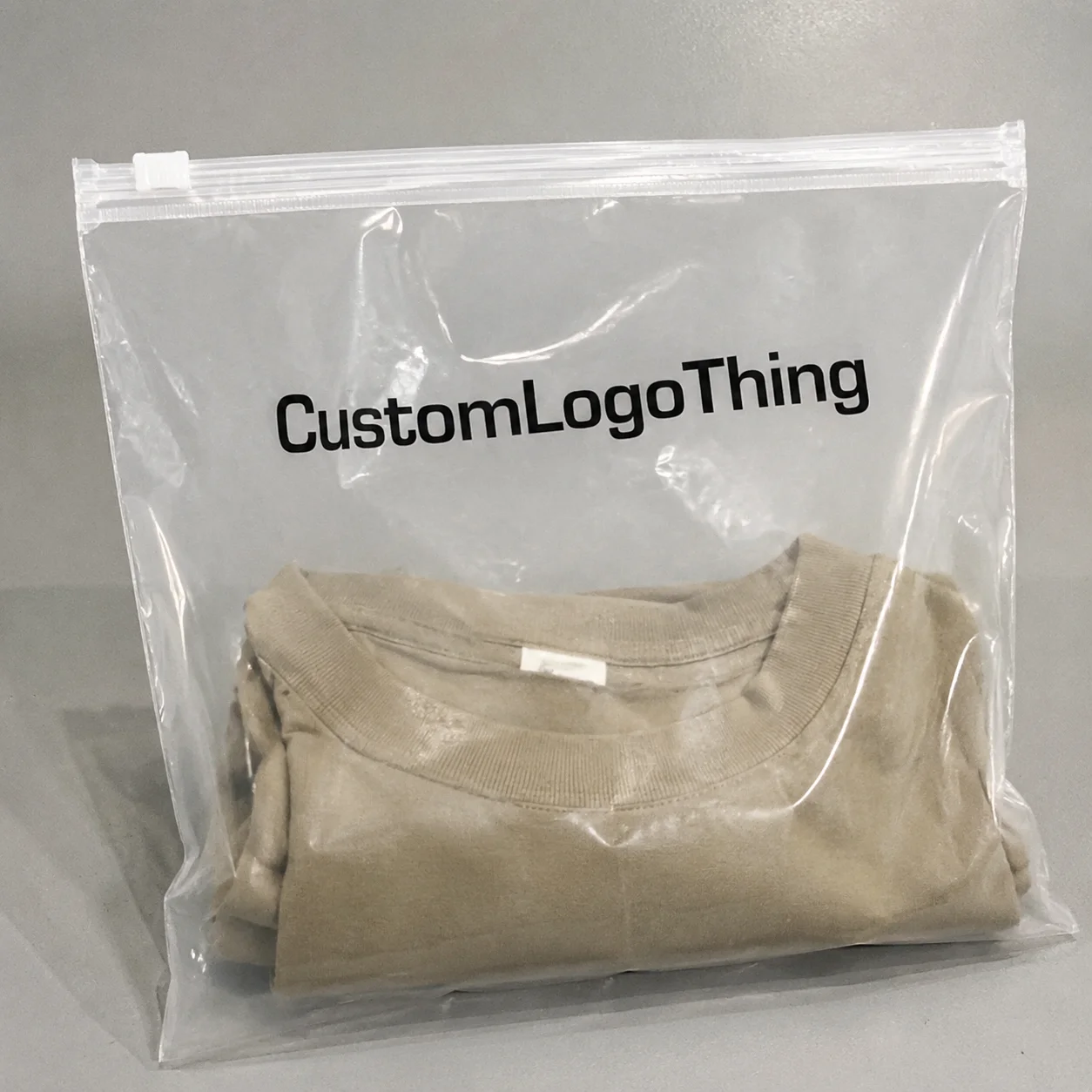
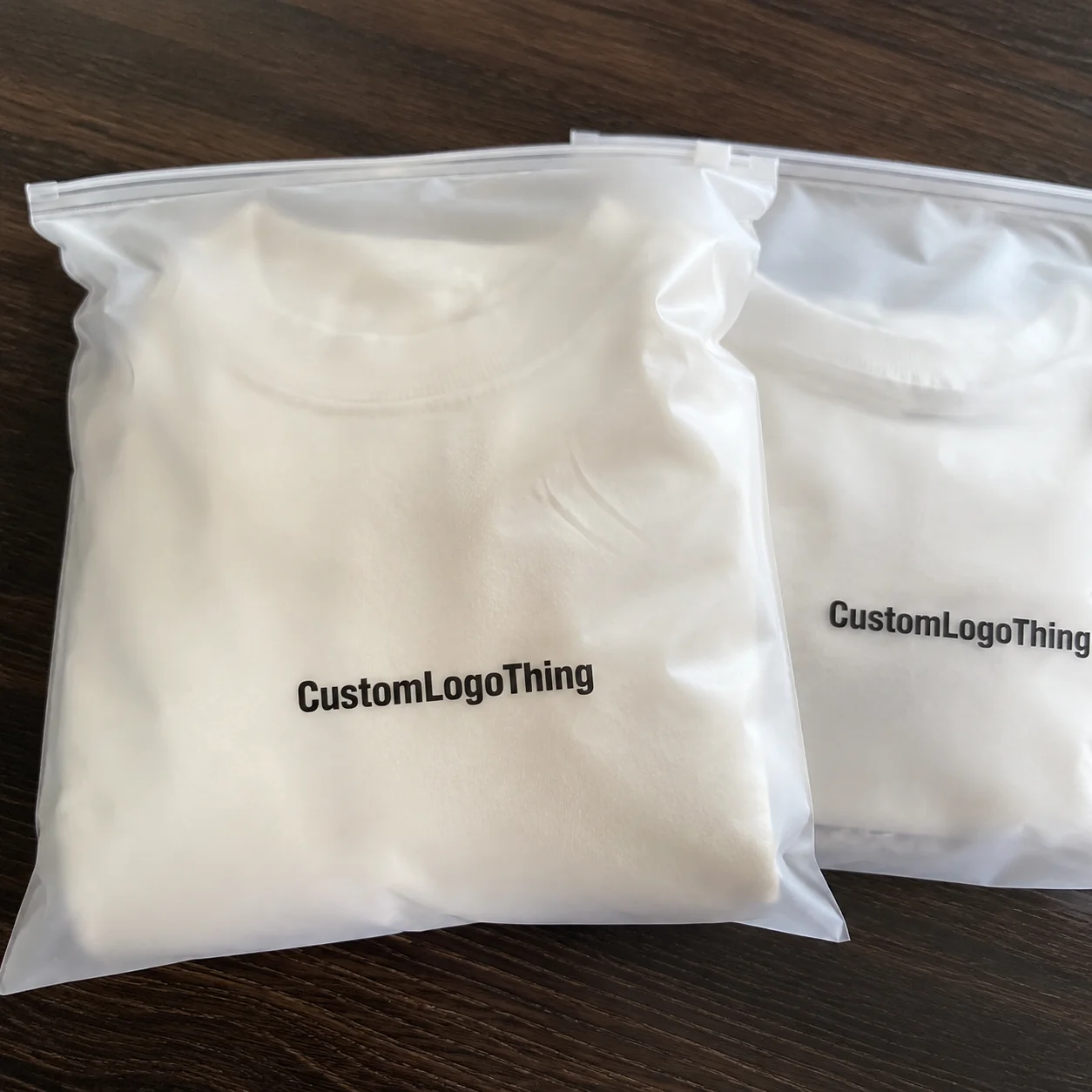
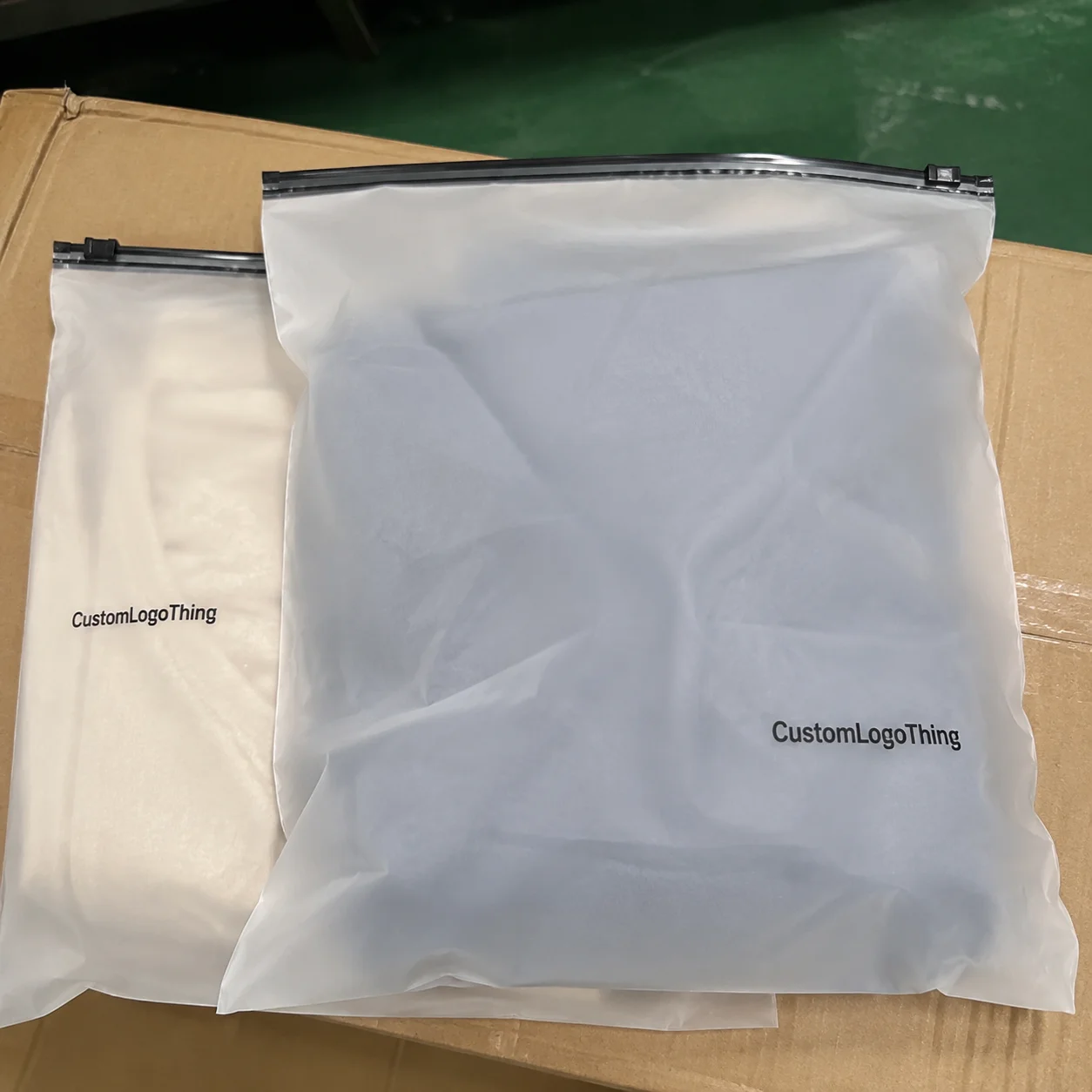
When labels change overnight, a pharmacy frosted zipper bags rush order plan prevents stockout risk
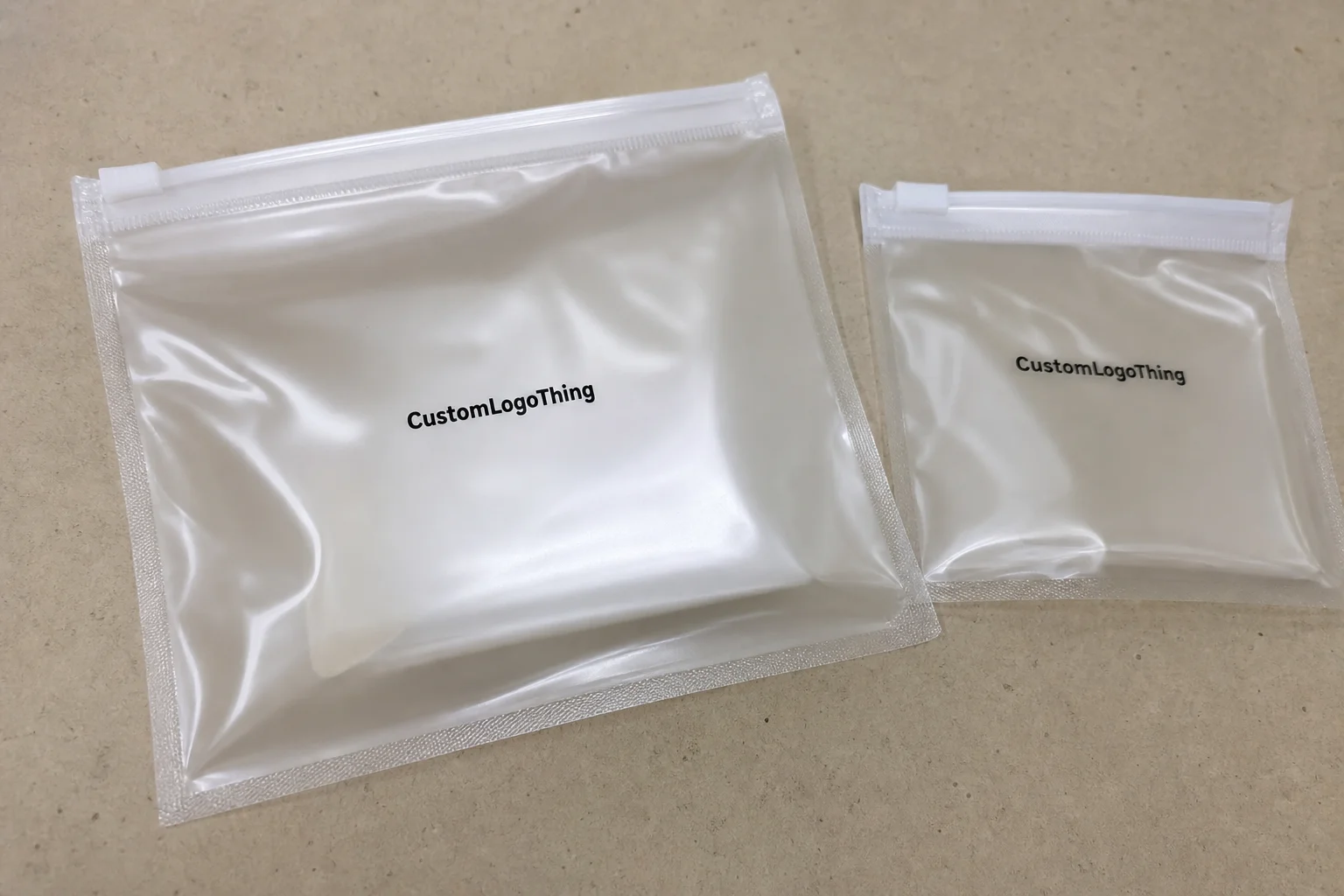
A bag can become unusable in one approval cycle. One formula tweak, one revised caution statement, or one barcode update can turn shelf inventory into non-shippable packaging. That is why a Pharmacy Frosted Zipper Bags rush order plan matters: it protects against packaging dead ends when specifications change fast.
Pharmacies, wellness brands, supplement teams, and permitted dispensary programs often use flexible packaging because it stores efficiently, weighs less than rigid formats, and can be revised faster than bottles or cartons. But speed only helps if the bag spec is already stable and the supplier can rerun it without reopening every detail.
Most reorder decisions come down to speed, print clarity, material consistency, zipper performance, and realistic delivery timing. Frosted Zipper Bags remain popular because they offer a cleaner look than clear poly, partial privacy for contents, and a compact warehouse footprint.
A real rush plan is not just “make it faster.” It means dimensions, film structure, thickness, zipper style, print method, opacity target, case pack, and shipping checkpoints are already defined. If those details are still unsettled, the delay happens before production even starts.
This guide focuses on the bag format itself, the specifications worth locking early, cost drivers, lead-time pressure points, and the controls that make reorders repeatable. If future volume is likely, reviewing your Wholesale Programs early can simplify later runs.
What frosted zipper bags actually deliver for pharmacy and health product packaging
A frosted zipper bag is a resealable flexible pouch made from translucent film that softens visibility of the contents. Common options include PE, EVA, and laminated film structures, selected based on product type, print needs, and the feel required in hand.
The frosted finish does more than change appearance. It reduces visual clutter, improves contrast for black or white graphics, and usually looks more controlled than plain clear poly. For pharmacy-adjacent products, that cleaner presentation can matter as much as storage efficiency.
These bags are commonly used for refill packs, over-the-counter support items, accessory kits, wellness assortments, sample bundles, and other non-sterile applications where resealability helps. They also provide enough printable area for instructions, QR codes, caution text, barcodes, and lot-label space without moving to a bulkier package.
Buyers should still be clear about the limits. A frosted zipper bag is not automatically child-resistant, not a sterile barrier, and not a substitute for regulated pharmaceutical primary packaging unless it has been specifically designed, tested, and qualified for that use. If child-resistance, tamper evidence, or barrier validation is required, those features must be specified and verified.
Closure performance deserves more scrutiny than it usually gets. A zipper that feels acceptable on a hand sample can underperform on a larger bag with a heavier fill. In production, zipper profile, insertion alignment, seal width, and top clearance all affect usability and complaint rates.
Repeat orders also benefit from a stable print template. If the logo, warning text, barcode zone, and lot-code area are already disciplined, urgent reorders move faster with fewer artwork surprises.
Material, finish, zipper, and print specifications buyers should lock in before reordering
If you want reorders to move fast, the spec sheet has to carry the job. Artwork matters, but construction details are where urgent orders usually stall.
Material structure and thickness
Single-layer PE is common for simpler applications where barrier demands are modest and budget matters. Laminated structures are often chosen for added stiffness, improved print appearance, or better resistance to moisture and oxygen. The right choice depends on the product, shelf life, and handling conditions.
Thickness is typically listed in mil or microns. A lighter build around 2.0-3.0 mil total thickness may lower unit cost, but it can wrinkle more and offer less puncture resistance. Heavier construction in the 4.0-5.0 mil range or higher usually improves body and durability while increasing material cost and freight weight.
Size and usable fill space
Record exact width, height, and any gusset dimensions. Then document the usable space from zipper to bottom seal. That measurement catches fit problems that outer dimensions alone can miss, especially when zipper placement reduces actual fill area.
Zipper style and seal construction
Do not stop at “zipper closure.” Lock in the zipper profile, whether it is standard or heavier duty, and whether the application needs easier finger-grip access. On larger bags or heavier-fill kits, weak closure tracks can create complaints even when side and bottom seals are acceptable.
Seal width matters too. Narrow seals may be fine for light-duty use, but denser contents often need more margin. If puncture risk is a concern, specify it before sampling.
Finish and opacity target
“Frosted” can mean different levels of translucency. Some buyers want a soft haze, while others need stronger concealment, white underprint, or spot-clear windows. If the contents vary visually, specify whether the print must block interference behind logos or text.
Matte-touch surfaces may be available, but they can change cost, scratch resistance, or lead time depending on the film and coating route.
Print method and file readiness
Most repeat custom runs rely on flexographic or gravure-style planning, with setup linked to color count, registration tolerance, and artwork complexity. Production-ready vector files save time. Low-resolution logos, missing fonts, and incomplete dielines do not.
Leave room for operations as well as branding. Define zones for instructions, caution language, lot coding, expiration labels, and barcodes. If paper inserts or cartons are part of the broader packaging set, the FSC framework can help with those paper-based components, while film suitability still needs its own review.
Best practice: Build a master reorder spec sheet with dimensions, film structure, total thickness, zipper location, artwork version, print colors, case pack, carton labels, and one approved production sample.
Pricing, MOQ, quote variables, and unit cost tradeoffs for custom frosted bags
Custom frosted bag pricing is usually easy to compare once the variables are separated. The biggest drivers are size, thickness, film structure, print colors, ink coverage, zipper type, and order quantity. Add urgency, split packing, or premium freight, and the total rises quickly.
MOQ exists because setup costs are real. Plates or cylinders, material scheduling, press time, machine changeover, and inspection all create fixed cost before the first sellable bag is packed. That is why a 2,000-piece request often looks expensive next to 5,000 or 10,000 units.
| Order Scenario | Typical Quantity | Estimated Unit Cost Range | Best Fit |
|---|---|---|---|
| Short custom run | 3,000-5,000 | $0.18-$0.32 | New SKU testing or low-risk inventory planning |
| Mid-volume repeat run | 10,000-25,000 | $0.11-$0.22 | Stable programs with recurring demand |
| Higher-volume program | 50,000+ | $0.08-$0.16 | Lower unit cost priority and predictable usage |
| Expedited custom run | Varies | Base price + rush premium + faster freight | Urgent label changes or launch recovery |
These ranges fit many printed frosted zipper bag projects, but quotes are only comparable when the specification is identical. A one-color 4 x 6 bag is not the same product as an 8 x 10 pouch with heavy ink coverage and a reinforced zipper.
Rush pricing needs a reality check. Expedited production may involve overtime, schedule reshuffling, material review, and air or premium ground freight. If you are days from stockout, freight can rival or exceed the bag cost. That is why the rush-order plan works best when triggered early.
Proofing is another place where cutting cost can backfire. A digital proof, plain sample, or retained production sample adds cost upfront, but it is cheaper than a full run with unreadable text, weak opacity, or incorrect barcode placement.
Landed cost goes beyond the unit price. Case count, carton dimensions, pallet pattern, receiving labor, and split-ship requirements all matter. If one location needs 250-count cases and another needs 500-count cases, that should be part of the quote request. Teams that want cleaner repeat purchasing should store those details in a shared internal file or central FAQ.
Rush order process and timeline: from artwork approval to packed cartons
A custom order usually follows a fixed chain: spec review, quote approval, artwork check, proof approval, material allocation, printing, bag converting, inspection, packing, and shipping release. Rush orders use the same chain with less room for indecision.
Standard lead times for custom printed flexible packaging often fall around 12-20 business days after proof approval, depending on material structure and production queue. A genuine rush may compress that to roughly 7-12 business days if material is available and the line can absorb the job.
Where delays usually happen
Most delays are avoidable: missing dimensions, unclear artwork, unresolved compliance text, late barcode edits, or unconfirmed opacity expectations. Buyers often think a job is approved before critical details are actually final.
What buyers should prepare before they need the rush
- Vector files in AI, EPS, or press-ready PDF format
- Approved dieline with exact dimensions, bleed, and seal areas
- Pantone references if color match matters
- Confirmed ship-to address, contact, and receiving hours
- One person authorized to approve proofs quickly
Even on urgent schedules, quality checks cannot disappear. Registration should match the proof. Zipper alignment needs review. Seal integrity should be checked, especially for heavier-fill applications. Case counts and carton labels should be confirmed before shipment release.
Reorder timing should be based on actual consumption, not guesswork. If weekly usage averages 4,000 bags and the worst-case replenishment window is four weeks, waiting until 5,000 remain leaves very little margin. The reorder point should cover production, transit, and a buffer for revisions or freight problems.
Transit mode deserves its own review. Parcel, expedited ground, and air freight each affect cost and risk differently. If carton durability or rough handling is a concern, ISTA resources are useful when evaluating transit testing and distribution stress.
A smoother reorder comes from packaging controls, not sales promises
The supplier promising the fastest turnaround is not automatically the safest choice. The better partner is usually the one with disciplined controls: documented specs, retained files, sample tracking, tolerance awareness, and early warning when something changes.
Material consistency matters more than many teams expect. If one run feels crisp and matte and the next feels soft and glossy, customers notice. The same applies to zipper feel, gauge consistency, seal appearance, and print readability.
Good prepress support is especially valuable on urgent reorders. If approved file versions are organized, dieline history is clean, and production notes capture the last accepted color build and case pack, repeat jobs move faster with fewer corrections.
Ask direct questions:
- What dimensional tolerances are typical for this bag size and structure?
- How is color repeat managed from one production run to the next?
- What case counts and carton dimensions are standard?
- What extra inspection steps are used on rush jobs?
- How quickly are material shortages or freight problems escalated?
Also review whether the SKU lineup is more complicated than necessary. Too many near-identical bag sizes, frost levels, or print variations slow quoting and reordering. Consolidating formats can reduce unit cost and make urgent replenishment easier to manage.
Next steps to launch your pharmacy frosted zipper bags rush order plan without delays
If faster reorders matter, start with the details that usually slow them down. Confirm the use case first: refill pack, accessory kit, sample assortment, over-the-counter support item, or another non-sterile application. Then lock the physical basics: dimensions, thickness range, zipper type, frost level, print area, and case pack.
Next, gather the inputs needed for an accurate quote:
- Logo in vector format
- Copy deck with instructions and compliance text
- Barcode content and placement preference
- Quantity tiers such as 5,000 / 10,000 / 25,000
- Desired in-hands date
- Ship-to destination and receiving restrictions
Ask for two scenarios: standard production and expedited production. Side-by-side pricing makes the tradeoff clear and helps determine whether earlier ordering would save more than paying a rush premium.
After the first run, keep three records where your team can find them quickly: the signed artwork file, the approved production sample, and the carton packing detail. Add the final quote and shipping notes if you want the next reorder to move faster.
Then build a reorder threshold from average weekly usage and worst-case replenishment time. If consumption is 2,500 bags per week and a conservative replenishment window is five weeks including transit, the reorder point needs to sit above 12,500 units once safety stock is added.
Simple buyer sequence: submit specs, compare quantity tiers, approve the proof, retain the approved sample, and reserve production capacity before inventory gets tight.
If you need a fast quote, send size, thickness, artwork status, quantity, destination, and required delivery window in the first message. That gives the supplier enough to return usable numbers instead of placeholders. A strong rush-order plan is mostly preparation: define the bag early, document the approved version, and treat reorders as controlled repeats rather than expensive scrambles.
FAQ
How fast can a pharmacy frosted zipper bags rush order move after artwork approval?
It depends on material availability, bag size, print complexity, converting capacity, and freight mode. Artwork approval is only one checkpoint. Printing, converting, inspection, packing, and shipping still take time. Buyers usually save the most time by sending production-ready files, approved dimensions, and shipping details upfront.
What MOQ should I expect for custom pharmacy frosted zipper bags?
MOQ varies by size, film structure, and print setup. Lower quantities may be possible, but unit cost usually rises because fixed setup costs are spread over fewer bags. Ask for multiple quantity tiers so you can compare inventory risk against per-unit savings.
Which material thickness works best for pharmacy frosted zipper bags?
That depends on fill weight, handling conditions, puncture risk, and the feel you want. Lighter gauges can reduce cost but may wrinkle more and feel less substantial. Heavier gauges improve durability and hand feel while increasing material cost and freight weight.
Can I reorder frosted zipper bags with the same logo and specs without new setup each time?
Usually yes, if the artwork, dimensions, film structure, and print parameters remain unchanged and the supplier has retained the approved records. A master spec sheet and approved production sample make repeat orders faster and more consistent. Any change to size, warning text, color count, finish, or barcode may trigger a new review.
What do I need to send to get an accurate quote for a pharmacy frosted zipper bags rush order plan?
Send bag dimensions, target quantity, thickness or material preference, artwork status, delivery destination, and required in-hands date. Include barcode needs, compliance text, zipper preference, and whether you want standard pricing, expedited pricing, or both.