Buyer Fit Snapshot
| Best fit | Cohesive Packaging Visual Branding projects where brand print, material claims, artwork control, MOQ, and repeat-order consistency need to be specified before quoting. |
|---|---|
| Quote inputs | Share finished size, material target, print colors, finish, packing count, annual reorder estimate, ship-to region, and any compliance wording. |
| Proofing check | Approve dieline scale, logo placement, barcode or warning zones, color tolerance, closure strength, and carton packing before bulk production. |
| Main risk | Vague material claims, crowded artwork, missing packing details, or unclear freight terms can make a low unit price expensive after revisions. |
Fast answer: Cohesive Packaging Visual Branding: Quote Scope, Sample Proof, MOQ, and Lead Time should be specified like a repeatable production item. The safest quote records material, print method, finish, artwork proof, packing count, and reorder notes in one written spec.
Production checks before approval
Compare the actual filled-product size with the drawing, then confirm tolerance on folds, seals, hang holes, label areas, and retail display edges. Reserve space for logos, QR codes, warning copy, and material claims before decorative graphics fill the panel.
Quote comparison points
Review material grade, print process, finish, sampling route, tooling charges, carton quantity, and freight assumptions side by side. A quote is only useful when the supplier can repeat the same color, closure quality, and packing count on the next order.
When Packaging Visual Branding Comes Together
I still remember my first overnight shift on the Custom Logo Things Houston litho line, starting at 10 p.m.; before supervisors picked up the scent, the crew knew Die Line B1 was active, and that humid, oily pressroom air taught me that tips for cohesive packaging visual branding were more than strategy—they were the art of matching Pantone 185C chips to that metallic tang while the crew monitored ink viscosities at 3.4 Poise.
The lesson deepened when a pallet of 12,000 die-cut subscription boxes rolled off the third B1 press, inline varnish sensors confirmed spot colors within 0.7 Delta E, and the finishing crew yards away adjusted the fiber grain of the 350 gsm SBS so the halo on the gloss varnish stayed true; that moment proved those tips for cohesive packaging visual branding share the same heartbeat as wet ink needing 16 minutes to cure under the inline UV unit.
Midway through the night, around 2:30 a.m., I found myself trading notes with the plant manager because the color continuity we mapped in the art files had suddenly translated into consumer confidence stacked on the dock in 12-foot-high stacks, and that trust—not some marketing slide—became the payoff for the methods behind tips for cohesive packaging visual branding.
Honestly, I think the palms-on experience of corralling errant inks beats any slide deck—especially when a supervisor pokes their head through the curtain at 3 a.m. after a six-hour run and asks if the gloss is giving us the same feeling as the brand board (yes, that happens, and no, it never sounds as glamorous as it reads). Those moments prove that when these tips for cohesive packaging visual branding actually work, it feels like winning a small, very anxious battle.
Why Do Tips for Cohesive Packaging Visual Branding Matter?
Why do tips for cohesive packaging visual branding matter? Because they let every stakeholder—from design directors to finishing crews—translate a brand story into measurable decisions, ensuring the consistency tactics laid out in the creative brief survive the pressure of the press room and the inevitable surprises from raw material shifts.
A packaging hierarchy that ties the outer shipper to the sample kit and the retail sleeve acts like a visual storytelling framework; aligning that stack of components means designers, engineers, and account reps all anticipate how the tips for cohesive packaging visual branding adjust tone when the unboxing narrative meets the customer, so the story stays grounded even as the product travels from Houston to Minneapolis.
How Tips for Cohesive Packaging Visual Branding Work Across Touchpoints
Harmony in packaging design starts long before the press sheet feeds through the die cutter; the strategic brief is where brand guardians outline hierarchy, typography, tactile cues, and even mandated box dimensions such as 24x16x12 inches for retail-ready shippers, ensuring every physical touchpoint—from the 14-case pallets on the loading dock to premium courier mailers on kitchen counters—reflects the same directives, and our approach to tips for cohesive packaging visual branding keeps those directives tied together.
At Custom Logo Things, materials scientists in the Chicago lab manage the interaction between sustainably sourced kraft (220 gsm), textured SBS (350 gsm), and varnish systems so moisture-barrier coatings and adhesive recipes kept at 72°F and 40% relative humidity keep colors consistent, whether boxes travel from Houston's southern humidity to the drier air of a Minneapolis retail floor, which is why the tips for cohesive packaging visual branding stay intact.
During setup, the art department launches into dieline verification through the Heidelberg Prinect workflow 2022, letting digital prepress operators normalize files before the run, and once the B3 flexo units roll, they monitor opacity, register, and inline cameras measure gloss shifts down to ±0.4 GU that could derail how shoppers perceive the package; vigilance like that is why the tips for cohesive packaging visual branding endure.
As the run wraps, the finishing floor captures 4K imagery of stacked cases so marketing can assess the actual ink density greeting shoppers, proving these tips for cohesive packaging visual branding only make sense when print output mirrors the creative brief.
And yes, I often remind folks (especially the ones fresh from design school) that alignment doesn’t magically happen—one mismatched sleeve and the customer feels it. Those quick, real-world checks using 1/32-inch calipers keep the narrative intact, which is what we're aiming for with our package stories.
Key Factors Forging Cohesive Packaging Visual Branding
Several factory-floor factors converge to create coherence in brand identity: color accuracy, tactile layers, structural rhythm, and messaging cadence, and even the smallest correction on the GretagMacbeth eXact spectrometer—aiming for a Delta E within 1.5 across every sheet and logged on the SPC board—makes a visible difference when those colors wrap around the corners of Custom Printed Boxes.
I have spent hours alongside our colorists tweaking screening to hit that Delta E target while materials engineers evaluate coatings—spot UV cured for 18 seconds in one area, soft-touch lamination rolled at 9 microns in another—ensuring adhesives (80% water-based, 20% tackifier) cure cleanly at 160°F without yellowing the board because any discoloration would disturb the branded packaging story before the shelf even reads it.
Structural rhythm also matters; when fold patterns let an illustration wrap without distortion, such as using a 0.75-inch radius on the 92-point fold, and pop-up panels align with visual cues, the package not only supports the product but reinforces the same rhythm from the outer shipper to the retail sleeve, an essential component of tips for cohesive packaging visual branding.
Lastly, messaging cadence demands copywriters and packaging engineers collaborate; aligning instructions, claims, and compliance text in Gotham and Freight serif fonts avoids the jarring effect of mismatched type that could fracture the branded narrative as soon as someone opens the box.
When a single panel starts veering off-script, you can almost hear the whole thing gasping, “Hey, we are on the same squad.” That kind of chatter keeps me ticking because these tips for cohesive packaging visual branding demand vigilance as precise as a 0.1 mm registration tolerance.
Step-by-Step Production Guide and Timeline
A thoughtful timeline keeps brand managers, print technicians, and customers aligned, so I walk teams through five habitual checkpoints we use across Custom Logo Things plants, starting with a three-hour discovery workshop at 8 a.m. where the brand story is mapped with ArtiosCAD sketching and 3D prototypes, ensuring every structural concept ties back to the tips for cohesive packaging visual branding surfaced in the brief.
The second phase is material selection and sampling: we often produce a 50-piece proof on the Epson ColorWorks rig at our Dallas proofing lab for $95 to see how the chosen kraft or SBS handles varnish, foil, or embossing, and this sampling highlights whether adhesives need tweaking before the full run, another moment when the tips for cohesive packaging visual branding prove their value.
Third comes joint QA, during which dielines move to Cinefoil cutting, adhesives undergo lab-bench testing with tensile pulls at 12 lbf, and we confirm the timeline for finishing and shipping, all while logging details on the shared Plant Floor Dashboard so every department can track clutch metrics tied to those tips for cohesive packaging visual branding.
Production week is step four, with the press crew cycling through scheduled ribbons for setup (15 minutes), chill (10 minutes), and run times while finishing handles inline gluing or stitching, and we monitor transitions on an online timeline so if the T-die laminator is needed for 12-point pearlized facestock, everyone shifts resources to maintain the unified visual story demanded by the tips for cohesive packaging visual branding.
The fifth checkpoint is post-production: we document the actual run, noting compensations made to keep cohesion, archiving the findings in our knowledge base so the next batch of custom packaging benefits from the previous set of tips for cohesive packaging visual branding.
I always tear through decks reminding the team that this timeline is our “do not mess with” page—if one department rushes, the whole story splinters, so I keep the reminders coming with a bit of humor (like, “Yes, we are still checking varnish density even if the deadline is tomorrow at 7 a.m. freight pickup”).
Pricing Realities for Cohesive Packaging Visual Branding
Cost can become a stumbling block because the ingredients that build cohesion—multiple finishes, specialty inks, structural complexity—tend to raise prices, so we keep transparency up front by breaking down estimates into raw materials (350 gsm C1S artboard at $0.12 per sheet), press time (Komori 45-minute setup), finishing, and extras like emboss-deboss or hot foil, ensuring clients understand the exact investments behind their tips for cohesive packaging visual branding.
For example, a dual-laminate board with hot foil runs about $0.58 per unit for 5,000 pieces, while a single-color litho print with soft-touch coat sits closer to $0.32 per unit; we help brands align their choices with storytelling needs so every upgrade plays a measurable role in the final retail packaging rather than feeling like an impulsive add-on that breaks cohesion.
Run length also influences pricing: shorter 1,000-piece trials allow quick experimentation but still require the $250 setup fee amortized across the run, whereas longer orders of more than 10,000 on presses like the Komori or Manroland at Custom Logo Things Chicago—which typically deliver within a 12-15 business day window from proof approval—pay back faster, and those decisions are critical when applying the tips for cohesive packaging visual branding consistently across SKUs.
To help, we recommend SKU series that share die and materials but vary only the printed layer, which keeps tooling costs down and gives us more levers for custom packaging products while still supporting the same cohesive visual story.
| Option | Features | Estimated Price for 5,000 Units | Ideal Use Case |
|---|---|---|---|
| Standard Litho Carton | Single color, uncoated 350 gsm SBS, matte lamination | $0.32 per unit | Mass-market SKU needing consistent branded packaging |
| Enhanced Varnish Suite | CMYK + spot UV, soft-touch, hot glue | $0.46 per unit | Premium product packaging with tactile focus |
| Premium Dual Laminate | Dual laminate, foil stamping, embossed logo | $0.58 per unit | Limited edition boxes for retail packaging |
These pricing discussions always include our account reps advising how to stretch budgets by aligning adhesives, coatings, and structure so the tips for cohesive packaging visual branding remain practical and repeatable.
I’ll admit, sometimes clients groan at the numbers (and I don’t blame them); but after walking them through how a tiny shift from a 1.5 GU gloss to a 0.6 GU satin varnish can amplify perceived value and suddenly their excitement returns, proving that when the cost supports the story, the visual cohesion justifies itself.
Common Mistakes That Break Visual Cohesion
One frequent mistake is treating each packaging component—outer shipper, inner tray, retail sleeve—as a separate project, which results in palettes or finishes that clash; I have seen shipping teams receive high-gloss sleeves while inner trays stayed matte tactile, leaving shoppers with a psychological jolt instead of the cohesive unboxing experience they expect.
Another error is underestimating how finishing operations shape perception: excessive adhesive bead (greater than 0.12 inches) can obscure delicate line art or cause the substrate to warp, and that single oversight can break the visual flow we work so hard to maintain.
Some brands trust the digital mockup without recognizing that metallic gradients and spot varnishes behave differently on actual board stock; we avoid that pitfall by applying the tips for cohesive packaging visual branding directly on the press and adjusting ink density before the run.
Lastly, neglecting tactile storytelling—such as skipping embossed cues or failing to repeat consistent messaging in 12-point type on every panel—fractures the narrative, turning a unified brand identity into disconnected fragments right before the customer even touches the box.
When a panel rebels, I kinda feel like it’s the whole system yelling, “Hey, I’m supposed to be a team player here!” That’s why I keep those reminders alive—these tips for cohesive packaging visual branding demand vigilance from everyone on the floor.
Expert Tips to Nurture Cohesive Packaging Visual Branding
My unofficial rule is to let finishing inform design early; when structural engineers and art directors sit together in our San Diego binderies, we catch issues like glue tabs masking elements or dieline nesting affecting registration, and that collaborative stage sparks meaningful tips for cohesive packaging visual branding.
Another tip is to batch color approvals: instead of signing off on each SKU separately, we group color sessions comparing swatches across SBS, kraft, and recycled board under consistent 5,000 Kelvin lighting, giving enough space to identify pigment density shifts before any press sheet is sacrificed.
Finally, invest in tactile cues like soft-touch coatings (applied at 9 microns) or sculpted embossing with a 0.35 mm depth; when touch aligns with sight, the package becomes not just a product container but a statement, reinforcing the tips for cohesive packaging visual branding that make retail packaging memorable.
And just between us, I daydream about a world where every designer shows up with a ruler marked in 1/64-inch increments, a Pantone 15-0543 swatch, and a willingness to zoom into the tiniest details. Until then, I keep nudging people with stories about the last time a misaligned logo lived on forever in a roll of waste (spoiler: not a great memory, but a great lesson).
Actionable Next Steps for Cohesive Packaging Visual Branding
Start by auditing your current suite through your customer’s eyes: open a sample from the shipping dock, note where color, structure, or messaging falter, document each observation with photos dated from the latest 14-day run, and link everything back to the actual processes—press settings, finish choices, adhesives—that created the inconsistencies, then use that audit as the nucleus of your next brief.
Next, schedule a joint prototyping day so designers explore structural ideas while production crews test finishes and adhesives, making certain prototypes are evaluated alongside existing Custom Printed Boxes so the differences and benefits are clear, reinforcing the importance of tips for cohesive packaging visual branding.
Create a cohesion checklist covering color, tactile finish, structure, and messaging, and apply it to every new SKU, ensuring the lessons from the audit and prototyping day become measurable actions that uphold cohesive visual branding every time.
Reach out to your Custom Logo Things rep, bring the checklist and mood boards referencing the desired brand identity, and invite them into the conversation—those shared goals help us match the right materials and adhesives, ensuring the tips for cohesive packaging visual branding you trust land exactly as planned.
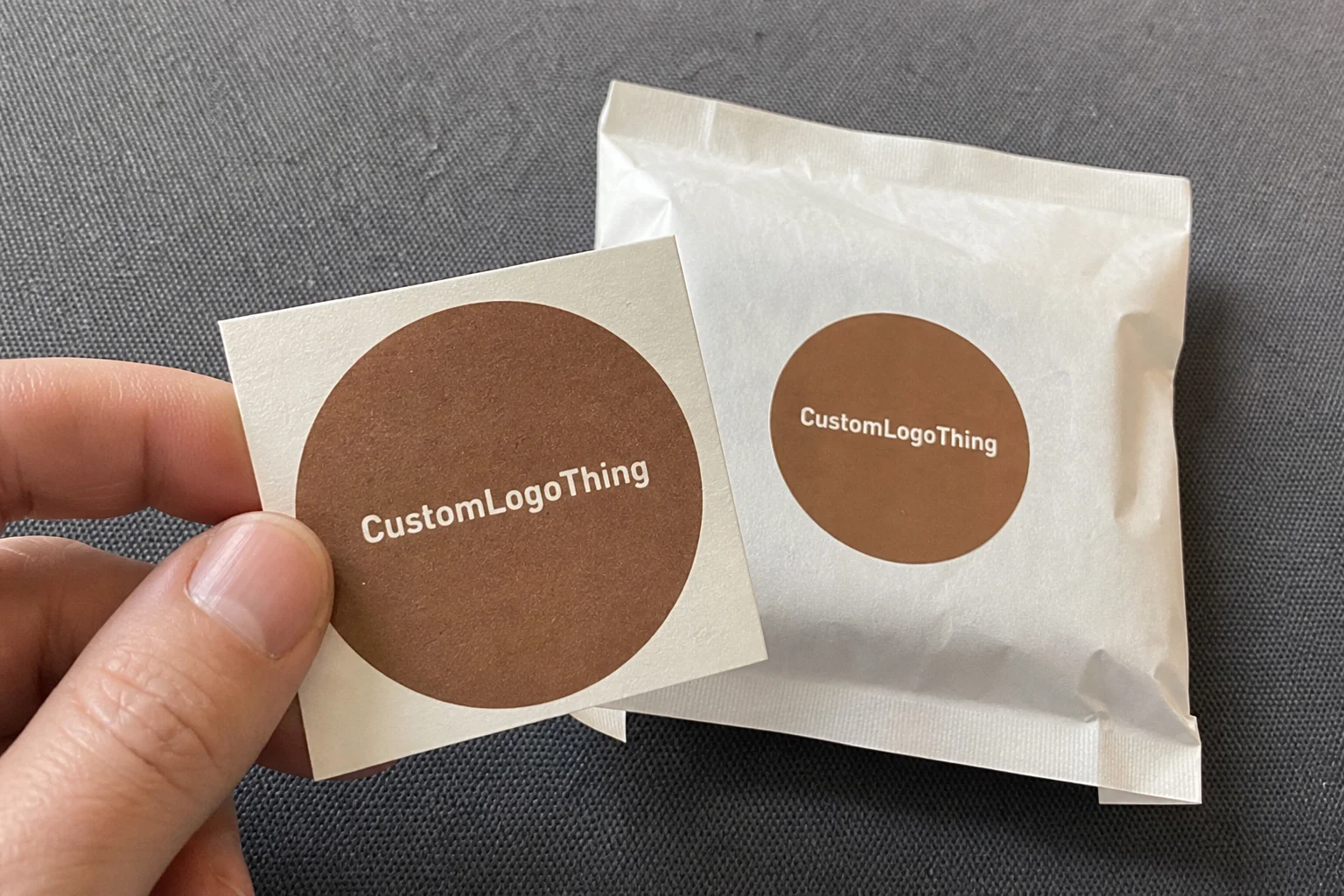
I’m always impressed when a client shows up with a checklist that includes tactile cues, messaging, and even imagined customer reactions. It keeps me on my toes (and my humor intact), because we all know that good packaging pays attention to the smallest sticker, too.
Conclusion: Sustaining Cohesion Beyond the First Run
Building consistent retail packaging requires more than juggling components; it demands that every department from design to finishing understands the tips for cohesive packaging visual branding and applies them across materials, messaging, and tactile cues such as embossing, varnish, and die-cutting specs, so each new run is a continuation of the last.
Truth is, the strongest packaging programs treat cohesion like a daily habit—auditing, prototype testing, documenting learnings, and sharing them through resources like Case Studies (the 2023 Luxe Box story still circulates) or our Custom Packaging Products catalog, which lists 42 approved substrates—helps keep the conversation alive, so each new run benefits from collective wisdom earned on the plant floor.
Actionable takeaway: pair your next audit with a dedicated cohesion checklist, archive the adjustments you make, and share that data with every supplier; the combination of documented progress and shared accountability is what keeps tips for cohesive packaging visual branding more than just ideas.
What are the top tips for cohesive packaging visual branding on a tight budget?
Focus on unifying key visual elements—color palette (Pantone 185C, 2767C), typography (Gotham Bold), and finish (matte lamination)—so they can share tooling across SKUs, which reduces die and setup costs while maintaining cohesion.
How do you measure success when applying tips for cohesive packaging visual branding?
Track retail feedback from the 32 stores in the Midwest rollout, unboxing videos shot in 4K, and social mentions for consistency, and collect production photos to confirm that inks, coatings, and structures match the intended visual story.
Can a cohesive packaging visual branding strategy include recycled materials?
Yes; work with your manufacturer to select recycled kraft or SBS (minimum 100% PCW at 350 gsm FSC-certified) that accepts the same inks and finishes, then test the tips for cohesive packaging visual branding under realistic press conditions.
What role does the timeline play in tips for cohesive packaging visual branding?
Having a clear production schedule—such as the 12-15 business day window from proof approval through the Chicago finishing line—ensures every department from prepress to finishing has time to align on color proofs, material trials, and assembly checks that keep the visual narrative intact.
How should brands communicate their goals to a packaging partner about cohesive visual branding?
Provide mood boards, examples of preferred finishes, and storytelling priorities so the converter can apply tips for cohesive packaging visual branding with the right materials, adhesives, and processes recorded in the shared project plan.
Need a reference on material sustainability? The FSC offers guidance we often cite when specifying recycled board, and the Packaging Machinery Manufacturers Institute provides standards that keep our best practices grounded in science.
For in-line labels and custom tags, our partners at Custom Labels & Tags help ensure the last touchpoint matches the story carried by the box, proving that when you know how to apply tips for cohesive packaging visual branding, every element, even the smallest sticker, plays its part.