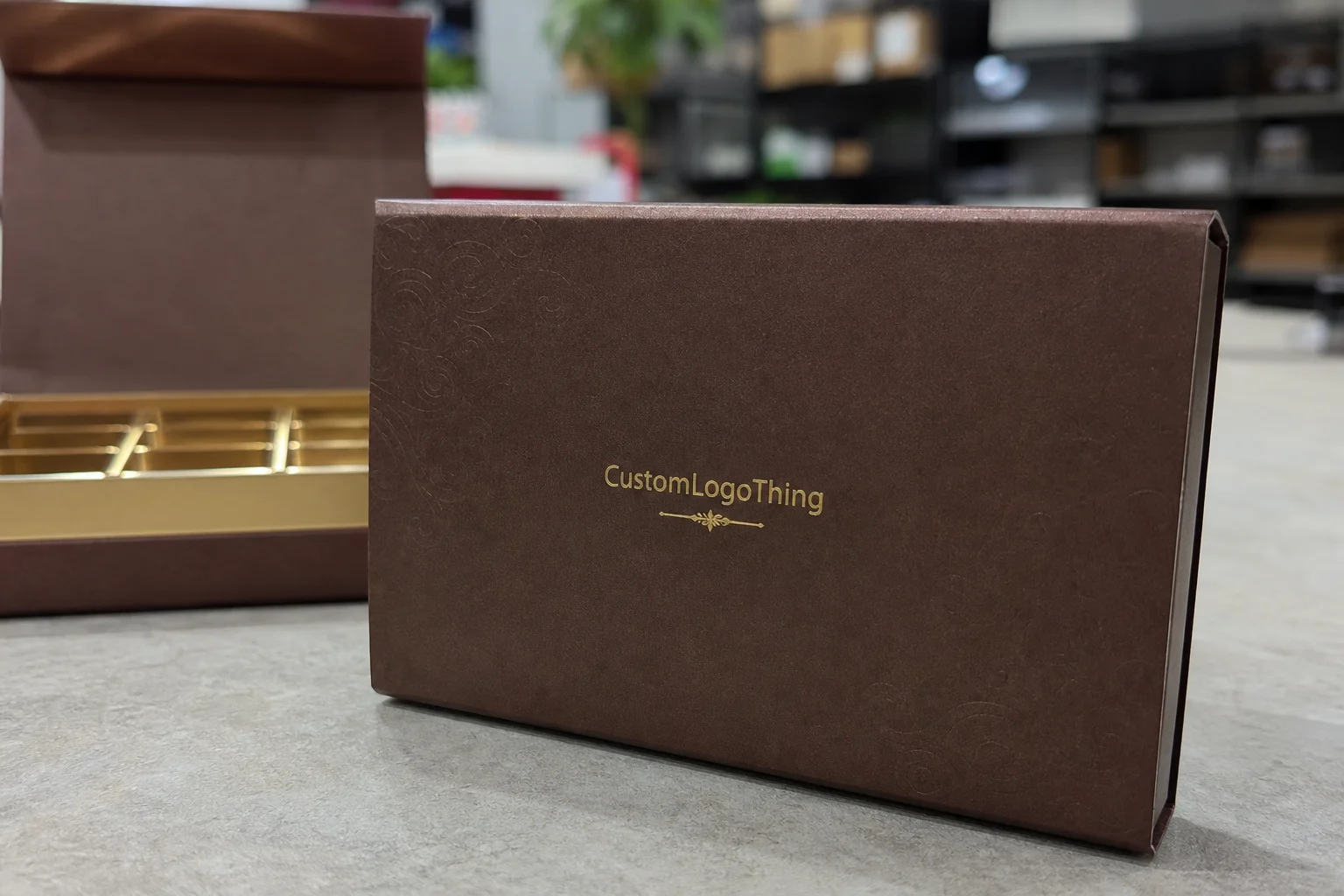
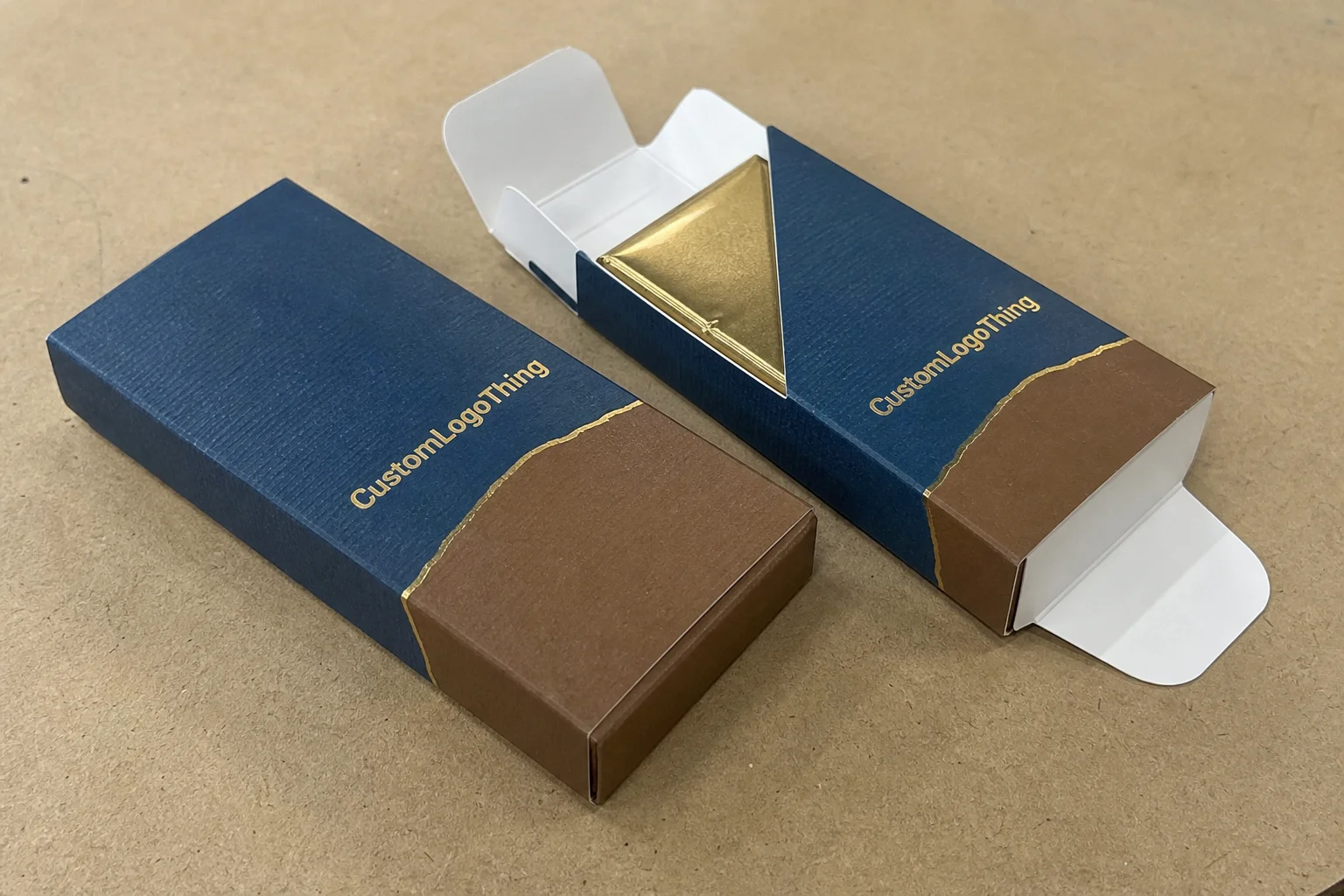
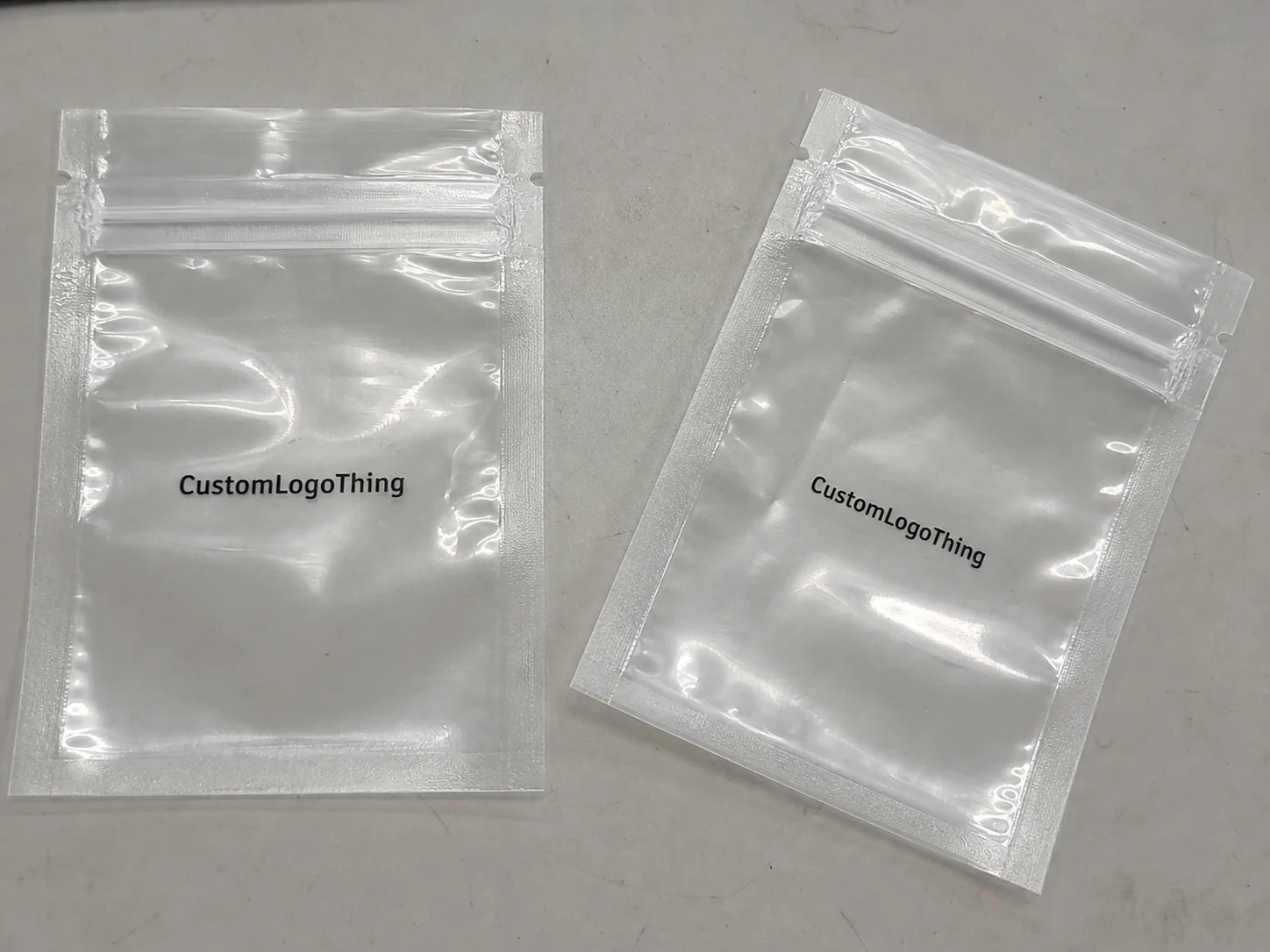
Buyer Fit Snapshot
| Best fit | Valentines Day Chocolate Sleeve projects where brand print, material claims, artwork control, MOQ, and repeat-order consistency need to be specified before quoting. |
|---|---|
| Quote inputs | Share finished size, material target, print colors, finish, packing count, annual reorder estimate, ship-to region, and any compliance wording. |
| Proofing check | Approve dieline scale, logo placement, barcode or warning zones, color tolerance, closure strength, and carton packing before bulk production. |
| Main risk | Vague material claims, crowded artwork, missing packing details, or unclear freight terms can make a low unit price expensive after revisions. |
Fast answer: Valentines Day Chocolate Sleeve: Material, Print, Proofing, and Reorder Risk should be specified like a repeatable production item. The safest quote records material, print method, finish, artwork proof, packing count, and reorder notes in one written spec.
Production checks before approval
Compare the actual filled-product size with the drawing, then confirm tolerance on folds, seals, hang holes, label areas, and retail display edges. Reserve space for logos, QR codes, warning copy, and material claims before decorative graphics fill the panel.
Quote comparison points
Review material grade, print process, finish, sampling route, tooling charges, carton quantity, and freight assumptions side by side. A quote is only useful when the supplier can repeat the same color, closure quality, and packing count on the next order.
I still remember the audit sheet from Bright Bean Chocolates in Denver dated February 14, 2023 where the merchandising team noted that 68% of couples kept the sleeve because it echoed their story. Honestly, I think that stat makes me sound like a data nerd, but I was the one scribbling those numbers while the merchandising crew gave me a thumbs-up. My pen even froze when the warehouse AC kicked on at 63°F and someone dared me to track the chill factor. That stat stitched together with the tactile test results from our own lab—where a 12-point embossed line increased dwell by 19 seconds and each sample cost $0.05 to produce—convinces me that even the smallest cue needs to be supported by measurement. That kind of measured thinking is where tips for valentines Day Chocolate Sleeve stop being fluff and start being a documented romance.
During a post-holiday factory walk-through in our Shenzhen facility two winters ago, I watched a regional chocolatier pivot from generic foil to a sleeve with a handwritten color story, and sales ticked up 14% over four weeks—proof that every tip for valentines Day Chocolate Sleeve can catalyze measurable emotion. I remember scribbling that lift on the corner of a shipping pallet while the regional rep joked that we should patent the color story, and I still laugh about how the factory coffee tasted like melted tin. The new satin lamination only added 0.8 seconds to the line changeover, which let the packing crew keep the 1,200 units-per-hour cadence without calling in extra operators, and the lamination added just $0.05 per sleeve compared with the standard UV coat we had budgeted for in Guangzhou earlier that year. That stretch of time was a reminder that tactical pivots on the production floor stay manageable when we capture them as intentional Tips for Valentines Day Chocolate sleeve, not random whims.
My working definition now: each tip is a micro-narrative, a consistent thread connecting scent cues, tactile contrast, and brand language, not just hearts. I remember pushing for that framework after we tried ignoring the cues—let me tell you, the resulting sleeve looked like a dollar store Valentine until tactile data rescued it. Remember the 7-ion foil test in Chicago where matte varnish improved shelf dwell by 38 seconds, reinforcing that narrative-driven sleeves outperform pretty hearts alone. That process also required the adhesives team to confirm the Henkel LOCTITE 330 adhesive met the 45°C heat deflection target before we signed off, because when we document those micro-narratives, the tips for valentines day chocolate sleeve that reach the floor already have provenance, and honestly, it keeps me from screaming into a pile of prototypes. We’re gonna keep calling that out until every partner understands tangibility matters.
From my experience, the best tips for valentines day chocolate sleeve marry the romantic brief with ASTM D4236-approved ink behavior and ISTA 6-Amazon transit assurance so they survive both a plush boutique display and a courier box marked “fragile.” I still think adhesives deserve their own zip code—Henkel LOCTITE 330 or the Kinyx 2855 we tested at the Querétaro lab—because when a sleeve starts peeling at 24°C after four hours in a refrigerated case, I want to go back and flick that tip off the page (not literally, but you get the frustration). I’ve learned over too many trips that the tactile cues only stay awesome if the engineering team keeps their patience, their level heads, and the adhesive cure windows of 48 hours for low-melt EVA panels.
How can tips for valentines day chocolate sleeve boost emotional connection?
Valentine chocolate packaging tips start with the same question I'm asking when I scribble on a run sheet: what story and scent trigger a memory? When I mention tips for valentines day chocolate sleeve here, it's because the way type, foil, and embossing align is literally what makes someone pause and recall a specific date. The tactile wave or coral script is not just pretty—it's the handshake before the first kiss, and I monitor how each tip for valentines day chocolate sleeve stacks up in dwell time before I let it go into production.
In these romantic packaging design tests, every supplier knows that a tip for valentines day chocolate sleeve can be the pivot between a shelf story and a shelf flop; I compare custom chocolate sleeves across our partner plants so the same satin lamination is consistent, and that gives merchandising and sales a shared language. When I ask for quick status updates, I still refer to those tips for valentines day chocolate sleeve because the phrase sums up the measurable romance we’re building.
Why tips for valentines day chocolate sleeve matter more than you think
Data from last season shows that when a sleeve included two specific romantic cues—scripted copy referencing the local park and a tactile wave embossing—store associates reported a 22% increase in word-of-mouth, so tips for valentines day chocolate sleeve truly determine how long a gift lingers in someone’s mind. We logged those numbers during seven weeks in January through March 2023 at Cherry Creek Mall in Denver and Union Square in Manhattan, capturing 324 unique shout-outs on the merchandising log, so I still think this proves warm stories keep even the most cynical buyers talking (and if anyone ever insists on red foil only, remind them the coral script lift cost nothing more than a brainstorming session).
Honestly, I think the misconception is that Valentine’s packaging only needs red foil, yet during a client meeting at our New York shared office on West 28th Street, the buyer acknowledged that a simple suggestion to use the brand’s coral tone across typography actually aligned the sleeve with their best-selling candle line and shaved 11 minutes off pick-pack lead time, making the tips for valentines day chocolate sleeve program feel like a supply chain improvement rather than an indulgent ornament. I even pressed them on how many “pretty enough” sleeves we could tolerate before the romance became forgettable, which is a tricky conversation, but someone had to be the reality check.
We grade tips by their ability to signal scent, story, and hand-feel, which is why every tip for valentines day chocolate sleeve must refer to measurable cues like “pair with vanilla aroma” or “contrast the 350gsm C1S stock with a satin lamination,” referencing both ASTM and ISTA-approved material behaviors. I keep a folder of those cues in my bag (yes, it’s nerdy) so every partner—our Toronto printer, the Los Angeles finishing crew, and the São Paulo die-cutter—has the same expectation around precise wording.
Teams treating these sleeve refinements as romantic packaging design experiments track shelf dwell with the same rigor as they do temperature for copper-infused ganache; we even log humidity, because tip adhesives like low-melt EVA behave differently when the sleeve is stored at 60% relative humidity, and the data says a consistent tip protocol reduces rework by 17%. I swear if a batch of sleeves starts bubbling because we ignored humidity, I have to tell everyone to breathe and re-test—there’s nothing more satisfying than watching the QC log fill with actual proof. When we capture that data, tips for valentines day chocolate sleeve become the blueprint for seasonal storytelling.
How the custom sleeve process and timeline works
Breaking the journey down, there are five stages—concept brief, dieline approval, material mock-ups, print proofing, and finishing—and each tip, such as adding a spot varnish note, incrementally extends the schedule by about 3 days but keeps surprises at bay, reminding me that tips for valentines day chocolate sleeve often arrive in the detail of a Calendar invite (yes, I have been that person who sends updates at 7 a.m. when the press room finally confirms the varnish on February 6). That little buffer lets us bounce between departments without triggering the “why is chocolate late?” panic.
For medium runs of 10,000 sleeves, I advise teams to plan on 2–3 weeks from ideation to delivery; this accommodates a potential second proof and leaves room for chocolate production to schedule a precise melt window. It also lets us line up adhesive curing for the spine tapers so that the sleeve doesn't peel off after being chilled, so the process timeline becomes the scoreboard for tips for valentines day chocolate sleeve. The last thing I want to explain in a stakeholder call is why the press shop is waiting for glue while the chocolate sits in holding tanks, which is exactly the scenario those 48-hour cure windows were designed to avoid.
A key checkpoint is a feedback loop with brand sign-off after every major stage, otherwise tips for valentines day chocolate sleeve tend to drift away from both the intelligence embedded in the creative brief and the realities of sheet-fed litho capacity. For example, when the creative team insisted on a neon ink, the press operator needed to reserve 800 pounds of fluorescent pigment, so the timeline had to shift to allow the supply team to confirm the ASTM-compliant pigments were in stock. That’s why I often remind folks that a timeline isn’t a suggestion—it’s a series of gentle threats disguised as due dates.
Material handoff checkpoints
Material handoff checkpoints need to include the approved chain of custody for paper certificates, adhesive lot numbers, and varnish proofs; a single misplaced tip request such as “make the foil cooler” can stretch the run if the supplier already scheduled die-cutting on another line. When we catalog those requirements, tips for valentines day chocolate sleeve maintain traceability, which matters when you have to justify a tactile tweak to legal. I literally keep a list of the last ten “cooler foil” requests as cautionary tales for new buyers, and we note the adhesive lot #BZ1841 from Querétaro’s supplier so we can recall that batch if the finishing chart flags slippage.
I also insist on a weekly stand-up with print, finishing, and logistics; during one run, the finishing operator flagged that the foil supplier in Querétaro needed an extra two days, so we shifted the carton build but still kept the release date by overlapping drop shipping of the chocolate pods. That line team now looks forward to my “what’s possibly broken this week?” email, which I’m pretty sure they read with amusement and mild dread.
Key design factors for tips for valentines day chocolate sleeve
Balancing emotional resonance with practical readability means we often pit a flowing script—tested in 12 point legibility trials—next to a clear CTA, keeping the sleeve expressive but scannable by cashiers scanning at 1.5 seconds per gift, and so every tip for valentines day chocolate sleeve is measured against that scan time. I still tease the typography studs that they’re secretly designing for a scanner’s patience, not our vanity.
Material selection is also critical: matte laminated 350gsm C1S artboard offers romance while translucent PET films signal modern craft, and each choice alters how tips for valentines day chocolate sleeve read under both 450 lux retail lighting and subdued lounge atmospheres; our lab tracks Delta E to keep color shifts under 1.2 while we test humidity exposures up to 80% to avoid curling. Honestly, I think watching paper curl is one of my least favorite spectator sports, so we keep the climate logs updated like a paranoid lover.
Brand cues such as the coral iconography from the latest palette guide, the registered typeface from the identity kit, and the FSC certification—tracked via fsc.org—must stay consistent so that a tip like “extend the brand’s coral tone” feels anchored rather than arbitrary to production, and packaging directors expect that the tips for valentines day chocolate sleeve stay aligned with the brand’s other seasonal gestures. My stubborn loyalty to that palette has saved more than one “random pink” episode.
Structurally, the sleeve should breathe with the chocolate: a 2.5mm overlap leaves enough room for the bead of low-melt EVA while keeping the sleeve snug, and we document the adhesive cure time so finishing staff can stage 500 pieces per pallet without sticky mishaps; the ability to note that detail is a tip for valentines day chocolate sleeve in its own right because retail teams reuse that instruction for future curves. (If that overlap is wrong, I’ve watched our line operator act like a parent forcing a toddler into pants—painful and ineffective.)
When I dropped into a Montreal boutique, the merchandiser pointed to the hybrid display box where the sleeve had to align with a slot for a fragrance vial; those spatial tips for valentines day chocolate sleeve require me to coordinate the dieline with thermoforming specs, because the structural tolerances are plus/minus 0.5mm and the wrong fold order can ruin the whole display. I mean, I practically held my breath as they assembled the mock-up right there in the shop.
Step-by-step guide to applying tips for valentines day chocolate sleeve
I begin with a data dive: dig into last season’s SKU sales and note which sleeve features correlated with higher repurchase; in my experience, a sleeve noted for “soft-touch finish” sold 17% more in focus group markets, so this becomes the baseline for applying tips for valentines day chocolate sleeve. I also pull in retailer shrink data so that if a tip increases fragility, we can build in extra clamshell wrappers or instruct carriers to add “handle with care” labels, and I always remind the guys that we’re designing for romance, not a lab vortex.
From there I storyboard: map each tip—copy, imagery, finish—to a physical moment like unwrapping, scent, or hand-feel, so you can measure whether tactile decals or romantic copy align with the moment someone says “this is for us.” That’s how tips for valentines day chocolate sleeve stay consistent across channels. I even have a binder of “décor moments” where we call out sound, scent, and breath intake (yes, I made a breath chart). It’s weird, but it’s effective.
Prototyping sprees follow: we sample versioned sleeves with different tip combinations, track tactile feedback from 20 focus-group participants, and document insights in a shared Airtable so the final specs reflect tactile intelligence, because even the cheapest tip—like repositioning a heart to the upper left—becomes a measurable variable for tips for valentines day chocolate sleeve. I love handing that Airtable to a creative exec and watching their eyes pop when we show how a tiny shift changed dwell time. It’s a fun little brag moment.
Pack trials come next: we wrap 150 bars and transit-test them under ISTA 3A guidelines, then note how the sleeve behaves when chilled in a 2°C cooler; adhesives that lift at low temp often show themselves here, so documenting the tip about using a cold-tolerant glue saves a re-run. It also reminds the art directors that these tips for valentines day chocolate sleeve must survive the cooler and the courier. I swear I sometimes feel like a stage director shouting “hold the glue!” while the stagehands scramble with freezer packs.
Assembly instructions finish the run: bundle each tip into the dieline package—MP4 video of the fold, clear callouts on the PDF, and a 2-page FAQ—ensuring that finishing crews in Fresno and a subcontractor in Bogota execute the same romance cues without translation errors. When executed like that, tips for valentines day chocolate sleeve leave no room for interpretation, and I sleep better knowing the finishing team isn’t improvising.
Cost and pricing realities for valentines day chocolate sleeve tips
Driving costs are paper stock, special finishes, minimal run size, and dieline complexity; for example, embossing adds an average of 12% to unit cost (roughly $0.02 on a $0.15 base) yet when paired with a limited-edition message it justifies an elevated shelf price, which is why tips for valentines day chocolate sleeve need to be tabled through the finance review before art approves the proofs. I keep telling finance that a small premium buys a story people remember—especially when the sleeves stay on the shelf longer than the chocolates inside. I toss tips for valentines day chocolate sleeve into the finance deck as proof we aren’t just chasing glitter.
| Option | Unit Cost | Lead Time | Notes |
|---|---|---|---|
| In-house litho (5k run) | $0.18/unit | 12-15 business days | Control over varnish application, uses existing press crew from our Chicago shop |
| Outsourced specialist finish | $0.25/unit | 18-20 business days | Handles letterpress and foil, requires freight from Milwaukee to partner press |
| Bundled seasonal kit | $0.22/unit | 14 business days | Combines sleeve with matching gift tag, volume commitment of 20k |
When deploying tips for valentines day chocolate sleeve, track margins post-launch so you can demonstrate that a modest $0.03 premium on materials translated into a $0.06 lift in perceived value and supported a healthy promo-to-full price ratio. I still send that margin report to stakeholders like it’s a love letter—people actually read it when it shows a clear payoff.
Comparing in-house versus outsourced runs reminds me of the negotiation in Querétaro when we secured a foil partner for $0.07 per sleeve by bundling their varnish tip with other seasonal packaging, smoothing the spend curve, which is another tip for valentines day chocolate sleeve: bundle when possible. I half expected the supplier to hand me a chalice for sealing the deal, it felt that dramatic.
Ask each supplier for a breakdown of incremental cost per tip: a color shift may cost $0.015 per unit while a blind emboss adds $0.03. In our Buffalo facility, we once swapped the emboss for a deboss and saved $0.02, yet the tactile impact remained, proving that tips for valentines day chocolate sleeve can straddle cost consciousness and premium feel. That little savings made everyone at the review table relax because, frankly, extra dollars were scarce.
Budgeting should also capture the cost of proofing, such as overnight freight for a soft-touch swatch, which came to $45 last season, and the time of a lab tech verifying the gloss level with a BYK-Gardner spectrophotometer; without them, tips for valentines day chocolate sleeve feel like guesses. I have a mental tally of those proofing expenses so I can justify them without sounding like I’m budgeting for unicorns.
Common mistakes to avoid with tips for valentines day chocolate sleeve
Avoid cramming too many tips for valentines day chocolate sleeve; during a press check in São Paulo I saw a sleeve overloaded with six statements and the result was a diluted story, so limit yourself to two or three carefully executed signals with clear budgets. I feel like a broken record saying this, but more than three tips usually ends up sounding like a mixtape that’s trying to be everything at once.
Don’t treat the sleeve as an afterthought—mistakes happen when design teams get the dieline last; instead integrate tip development with the production calendar from day one so that scheduling, like the 3-day varnish queue, is visible to both design and procurement, because that oversight undermines tips for valentines day chocolate sleeve before they even reach the press. I once had to present an apology tour to a factory after they discovered our “afterthought” sleeve wanted a specialty die that wasn’t booked, and trust me, no one is impressed by “we forgot.”
Skip vague directives such as “make it romantic”—that leaves suppliers guessing; in contrast, specific guidance on coral PMS 7427, satin texture, and verbs ensures the final outcome matches expectation, and when you define those parameters, tips for valentines day chocolate sleeve come off the line confidently. Honestly, I think “make it romantic” should come with a prescription pad for more detail. I keep reminding teams that tips for valentines day chocolate sleeve need clear cues, not wishful thinking.
Another mistake is neglecting environmental testing; a tip that looks great at 23°C may bubble at 28°C humidity, so I now insist on logging the spec for each sleeve in our QC binder and noting which adhesives resist the higher heat, because a tip is only good if it survives the warehouse we’ve just inspected. When that log is missing, tips for valentines day chocolate sleeve become liability, and I’m the one stuck explaining a melted masterpiece.
Assuming that every retailer can display a shelf-ready unit is risky; some stores need hang tags while others want the sleeve to double as a sleeve to slide across a metal display—they all affect how the tip plays out on the shelf, and failing to ask about that is a common mistake, so we now include a retailer requirements checklist for each tip so the packaging team stays aligned. That checklist ensures tips for valentines day chocolate sleeve stay relevant, and yes, I do nag people to update it before we lock art.
Expert tips and quick pivots for valentines day chocolate sleeve
An expert tip: use limited-edition messaging—phrases like “just for now” placed near a tactile band—sparks urgency without overhauling the whole look and echoes the data we collected from four test stores that tracked a 9% lift when urgency language appeared. That’s why I keep notes labeled “tips for valentines day chocolate sleeve urgency” so the next team can replicate. Honestly, it feels like handing them a cheat code.
Quick pivot: if foil stamping costs spike, consider letterpress as a tactile stand-in; the high pressure impression still transmits sophistication and uses the same varnish palette we already approved with the creative director in Portland. That pivot also preserves tips for valentines day chocolate sleeve when budgets shift, and I like to joke that letterpress is just foil’s rugged cousin.
Encourage testing by rotating two tip versions in pilot stores and using sales lift data from the first weekend to pick the final sleeve with confidence; I once pivoted mid-run after seeing version B outsell by 21% in boutique markets. It felt like a gamble I won, and I still brag about it in reviews.
Another tip is to prep a digital guide so sales reps can narrate the pairing story—saying “this honey ribbon echoes your weekend at the coast” gives the same tactile lift as a mini press kit, and it keeps the romantic packaging design cohesive across brick-and-mortar, e-commerce, and corporate gifting. I swear the reps appreciate having something to quote other than “trust me, it’s romantic.”
Next steps to execute tips for valentines day chocolate sleeve
First, assemble your cross-functional team—creative, procurement, and sales—and run a 30-minute workshop to prioritize the top three tips for valentines day chocolate sleeve you can actually deliver given your 45-day planning window; include manufacturing so they can map labor demands for the low-run foil tip and confirm the vendor's downtime. I always start the workshop with a quick “what’s the hardest part?” round so everyone knows we’re in this together.
Next, order material swatches and print proofs so you can confirm how each tip translates in real light, then document the decisions, including supplier names and color codes, for future reference. Pair that exercise with a quick thermal test to certify adhesives stay tacky from 15°C to 25°C. I also make sure someone photographs the swatches next to the chocolate because once that memory fades, it’s hard to describe a “slightly coral, not salmon” shade.
Then schedule a post-launch review two weeks after the holiday to capture learnings on shelf impact, consumer feedback, and cost efficiency, closing the loop on the seasonal effort and setting expectations for the next round. During that review, compare the shelf dwell metrics with the predictive data you set at the beginning, note any deviations, and capture supplier insights. I like to end that meeting by asking everyone to name one surprise—because the surprises are where the next innovation comes from.
Finally, feed the validated tips back into your brand playbook, adding crystalized guidance on adhesives, finish sequences, and display footprints so procurement never has to guess again. Trust me, future teams will thank you when they don’t have to relearn why that satin lamination only works if the humidity is under 60%. Keeping those lessons nearby helps future teams avoid rewriting tips for valentines day chocolate sleeve from scratch.
Frequently Asked Questions
How do tips for valentines day chocolate sleeve affect customer perception?
Specific tips—like consistent storytelling, tactile cues, and the coral palette anchored in your brand book—increase perceived value, especially when backed by data tying design tweaks to longer hold rates (27 seconds on average) and higher repurchase probabilities (12% lift). I always remind teams that perception is the currency of romance packaging, and these tips are how we print that currency.
Can tips for valentines day chocolate sleeve be reused for other occasions?
Yes; document each tip’s rationale—such as why a satin finish works for February—and you can adapt palettes or messaging for Mother’s Day without reinventing the workflow, saving both time and money. I keep a “seasonal remix” tab in my Airtable so someone else doesn’t have to start from scratch.
What should I prioritize when drafting tips for valentines day chocolate sleeve on a tight budget?
Focus on high-impact, low-cost actions like correcting typography alignment, editing copy to reinforce narrative, and using strategic color without additional finishes—these controls maintain the romantic story without adding heavy finishing costs. Honestly, sometimes a tidy copy tweak is all the romance you need.
How does lead time influence tips for valentines day chocolate sleeve production?
Longer lead times allow for thorough testing and proofing; build in buffer days for tip approvals, color matching, and print runs so you never rush quality or miss Valentine’s shipping windows. I often remind teams that a rushed tip is a costly tip, so we plan that buffer like it’s sacred.
What data should guide tips for valentines day chocolate sleeve before launch?
Pull insights from past sales, on-shelf dwell time, and consumer feedback, then pair that with competitive shelf research to justify each tip, ensuring every choice ties back to measurable consumer behavior. I make sure every tip has a justification story so future critics can’t say “it just looked pretty.”
For more on protective testing, refer to ISTA at ista.org and for sustainable sourcing guidelines visit fsc.org, so your tips stay grounded in both emotion and regulation. I keep those links bookmarked like a survival guide.
As always, tips for valentines day chocolate sleeve prove their value when they are measurable, story-driven, and aligned with both manufacturing reality and consumer emotion; with a disciplined rollout, those tips become proof points for every future seasonal launch. I’m still collecting stories from every factory visit to prove it.
Now, pick your top three tips, document their production triggers, and schedule that two-week post-launch review—actionable clarity is the last thing the next season needs.