Buyer Fit Snapshot
| Best fit | Valentine's Day Chocolate Sleeve Success projects where brand print, material claims, artwork control, MOQ, and repeat-order consistency need to be specified before quoting. |
|---|---|
| Quote inputs | Share finished size, material target, print colors, finish, packing count, annual reorder estimate, ship-to region, and any compliance wording. |
| Proofing check | Approve dieline scale, logo placement, barcode or warning zones, color tolerance, closure strength, and carton packing before bulk production. |
| Main risk | Vague material claims, crowded artwork, missing packing details, or unclear freight terms can make a low unit price expensive after revisions. |
Fast answer: Valentine's Day Chocolate Sleeve Success: Material, Print, Proofing, and Reorder Risk should be specified like a repeatable production item. The safest quote records material, print method, finish, artwork proof, packing count, and reorder notes in one written spec.
Production checks before approval
Compare the actual filled-product size with the drawing, then confirm tolerance on folds, seals, hang holes, label areas, and retail display edges. Reserve space for logos, QR codes, warning copy, and material claims before decorative graphics fill the panel.
Quote comparison points
Review material grade, print process, finish, sampling route, tooling charges, carton quantity, and freight assumptions side by side. A quote is only useful when the supplier can repeat the same color, closure quality, and packing count on the next order.
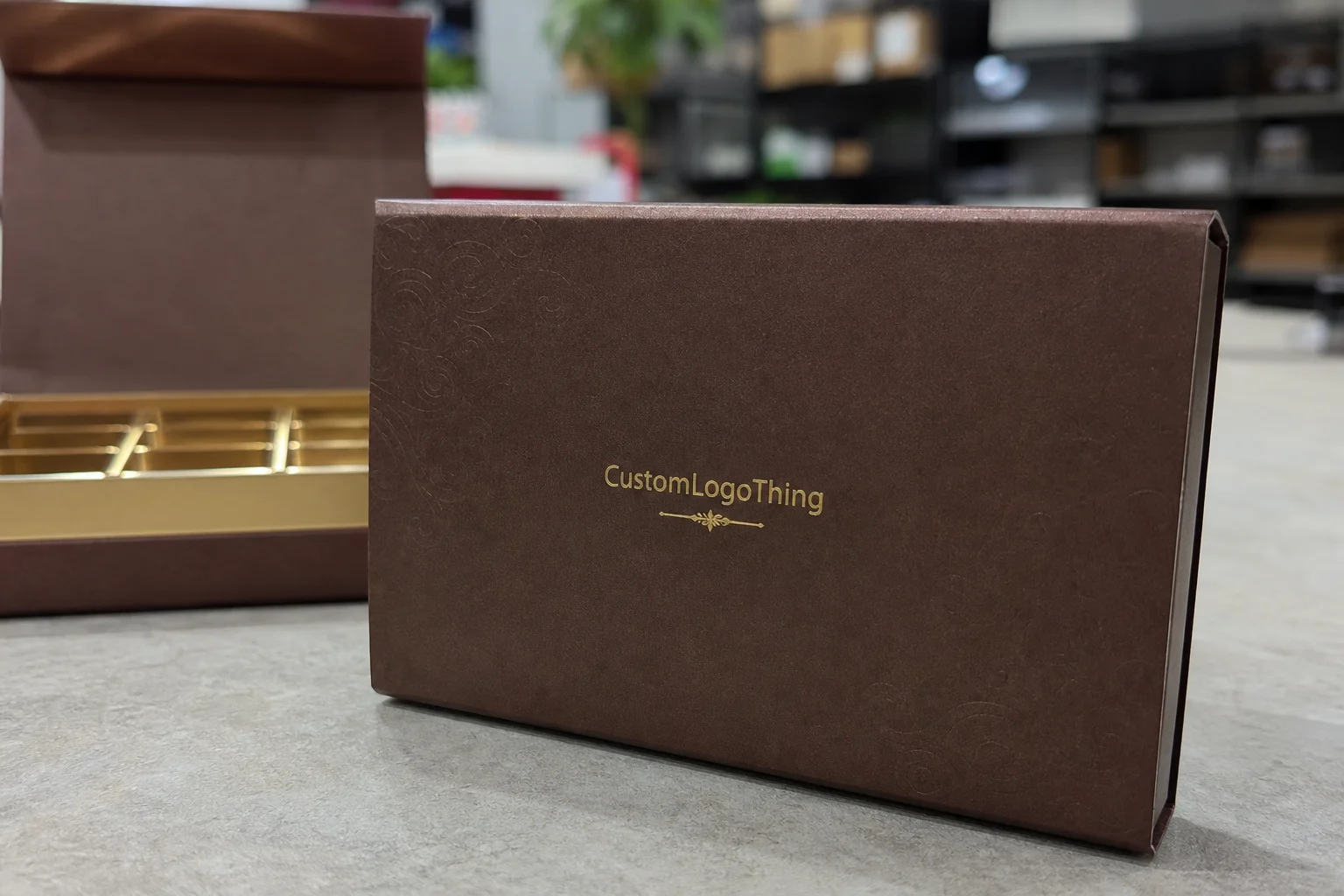
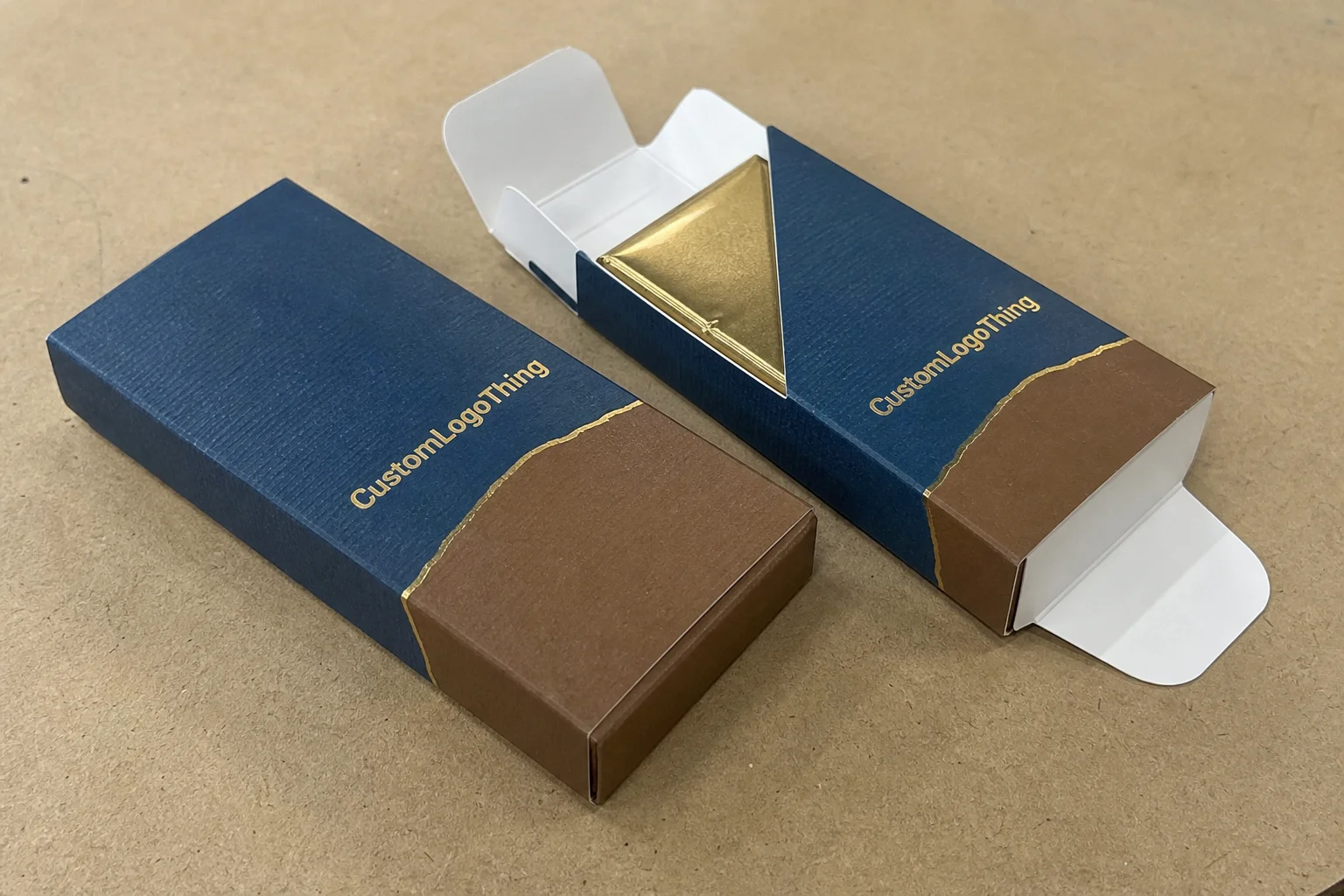
During a tour of our packed Shenzhen facility I watched an entire run of sleeves get scrapped because the team ignored simple tips for valentines Day Chocolate Sleeve durability; those 7,200 pieces—about $1,080 in 18 pt C1S stock and adhesive tape from Dongguan Hitech—were replaced by a fresh run after the Valentine’s order deadline slid three days, and we then scheduled a new 12-15 business day slot to meet the retailer’s February 10 window. That moment taught me the keyword is real—Tips for Valentines Day Chocolate sleeve design can be the difference between a romantic display wall and a recessed pallet waiting for rework while the clock ticks past Chengdu Market’s delivery cutoff. Every packer liked the chocolate from Barry Callebaut, yet they also remember that the sleeve is the first handshake with a consumer who doesn’t even get past the shelf without a good reason, so the sleeve material had to match the CHS-approved tactile varnish standard we use on the Shenzhen floor. The reminder that even Barry’s glossy bars need a mat-thin embrace stuck with me—the sleeve is a lover’s note and an engineering blueprint in the same breath.
With that experience, I’m pretty sure our team isn’t gonna let another run slip because of a thumb cut or missing adhesive spec. We call the shelf-ready sleeve the handshake, so we lock in the CHS-approved tactile varnish and confirm that the glue from Dongguan Hitech cures by the time the thumb cut and perforations are finished. Those little steps, the ones clients sometimes brush off, kept us from turning the Shenzhen floor into a scramble again.
Why tips for Valentines Day chocolate sleeve matter
The cost of a ruined Valentine’s sleeve run isn’t just the $950 in tossed substrate; it’s the lost retail display hours and the scramble to fix art while Cupid is still relevant, especially when the Dalian distributor needs product by February 5. A brand that skips Tips for Valentines Day Chocolate sleeve artwork tolerances sees slip joints misalign, adhesives from Zhongshan fail at the thumb cut, and the receiver open the sleeve to find the chocolate sideways; each misaligned fold costs roughly 0.6 mm of toleranced space and adds another 45 minutes of setup on the Kongsberg cutter. My afternoons on that Shenzhen floor taught everyone that good sleeves feel like a confident first impression—matte-coated boards that stay flat, consistent thickness so the candy slides in without crushing, and a design language that signals romance without just slapping hearts over a stock photo (seriously, leave those cheesy cupid clips to the bargain bins in Yantian).
Brands that plan around tips for valentines day chocolate sleeve longevity know their retailers plan deadlines two weeks earlier than normal in the Guangzhou market; they come to our team with headlines, fonts, and product specs ready, including Pantone 7421 for deep berry accents and the 85 mm bar width from our CocoaSweets partner. Once we understand the weight of the bar (typically 95 g) and the desired gifting moment, we can build a production calendar where proofing, die creation, and run scheduling happen in a smooth cadence, which keeps love-struck retailers from chasing a delayed truckload arriving from Dongguan on the 14th. Honestly, I think the rhythmic hum of the Heidelberg press sounds happier when we’ve planned ahead—no one wants a stressed planner yelling over the line while Cupid sighs in the break room, especially when the rush fee is $0.08 per sleeve for runs under nine days. That kind of discipline also shrinks the chance a client flips to a new finish late in the game, because our logistics sheet already flags the drying time for each varnish and adhesive.
People often forget to double-check adhesives once the die is cut, but we keep a sticky-sample kit on the line; adhesives from Zhongshan need 12 seconds to set and a 3 mm relief before the thumb cut, so the sleeve never peels off the chocolate. Knowing those numbers keeps the team honest and the tolerance stack balanced; we log humidity with an old analog gauge so a damp January breeze doesn’t soften the glue before the bars hit the carton. That’s the kind of detail that keeps the keyword relevant—every single structural tip saves time and money.
How can tips for Valentines Day chocolate sleeve save your deadline?
When the Shenzhen floor screamed that a run was late, the question in the heading became the answer we needed: it’s kinda the guardrail that keeps planners from spilling into midnight. Our Valentine chocolate packaging tips highlight verifying adhesives from Dongguan Hitech, confirming that the tactile varnish cures before the thumb cut, and logging that 12-second set time so no chocolate bars stick to a fresh sleeve; the difference between a graceful Valentine’s window and a board of scrap is that amount of proactive testing. We even track the silicone roller temperature because a draggy roller makes the varnish peel before the glue is set, and documenting those steps gives us the punctuality cue we need. That’s why the checklist lives on the planner’s clipboard instead of in a forgotten doc.
Custom Valentine sleeve production is a shared calendar among the designer, planner, and press operator; we build the timeline around the 85 mm Barry Callebaut width, confirm the 95 g weight, and lock in the Dongguan shipping window before humidity spikes, so the planners don’t have to reroute trucks or swallow rush fees. Respecting that cadence keeps the answer to the heading positive, even when the silicone rollers could use a new shim and the February 5 Dalian truck slot is hanging by a thread. When someone asks for a last-minute tweak, we check the calendar, email the logistics coordinator, and only green-light changes that don’t push us into a weekend run; that kind of discipline is the reason those tips work. It also means the planners trust us when we say the line can’t handle a new finish without delaying everything.
How the Valentines Day chocolate sleeve process works
From the moment the art file hits our server to the container leaving Dongguan, our Valentine’s timeline locks into place: proof with our designers takes 48 hours, die-line creation is another 24, and production is a 7-9 business day block unless a tight rush is negotiated with the planner; this sequence gives enough room for finishing, inspection, and palletizing before the 30-day shipping window to North America. That cadence ensures we can schedule room for special finishes, but it also means anyone who wants tips for valentines day chocolate sleeve success has to respect those windows (I swear the planner’s coffee cup sits ready like a stopwatch with the Shenzhen shift starting at 6 a.m.). When a client insists on skipping the production review, we remind them that the die is our blueprint, and missing that proof is like handing over a chocolate bar without tasting it. The planner’s log shows that the margin for error is 1.5 days—shorter than that, and the only place the run can land is in scrap.
Material prep starts with our procurement team ordering FSC-coated stock from Sun Paper Mill in Guangzhou, with 350 gsm C1S board (16 pt equivalent) landing at $410 per metric ton and a tactile surface that keeps ink from feathering; the minimum order is 10 tonnes, which covers roughly 120,000 sleeves. The thickness decision is crucial because 350 gsm board bends differently from 18 pt when scored; thinner stock clamps down on the chocolate, thicker stock makes the thumb cut stiff and awkward, and we track this on the Guangzhou logistics sheet. The durable board keeps the structural creases crisp, so the sleeve stays aligned during retail stocking and doesn’t slump in bins in the humid Shenzhen warehouses. We also inspect each pallet for uniform moisture—if one slab hits 5% higher than the rest, it heads back to Sun Paper so every sleeve in the batch matches the glaze.
Finishing adds complexity. Spot UV takes 2½ hours of drying time per 1,000 sheets because we rely on the custom Nippon drying tunnel and the glue for the thumb cut can’t be applied until the varnish is stable, which means ordering the UV developer from the Foshan distributor two days earlier. Soft-touch matte adds a three-day resting period on the queue so the coating fully sets, while foil stamping means at least one extra day for the cliché to cool—this is why I always tell clients that tips for valentines day chocolate sleeve planning must include the finishing calendar, especially when they want romantic gloss, mirror foil, or metallic ink in sight; the tunnels at Custom Logo Things need to run at 180°C for crisp foil results. I also remind them that adhesive cure aligns with the finish; we check the set time on the adhesive sensor so the glue doesn’t grab the varnish before it’s ready. (Yes, the tunnel does smell like popcorn sometimes; no, we can’t skip the rest just to satisfy an impulse order.)
Key factors for Valentines Day chocolate sleeve success
Color psychology matters more than brands expect. I’ve seen clients insist on neon pink because it feels “bubbly,” and the shelf sits next to muted artisan chocolates; without a proper contrast, the neon disappears into the row. Align your story with Valentine’s visuals—rich burgundies like Pantone 7621, blush gradients printed with 4-color process at 175 lpi, or dusty rose weighty enough to read as romance. Following these tips for valentines day chocolate sleeve storytelling keeps your visuals cohesive, and the messaging that matters (like “made for lovers” or “handcrafted for you”) becomes the hero instead of a last-minute font swap.
Structural precision is non-negotiable. On the factory floor in Dongguan, I have a full rack of thumb-cut prototypes we test with Barry Callebaut bars exactly 85 mm wide and 10 mm thick. We leave breathing room so the sleeve wraps without creasing the chocolate, and adhesive placement gets a callout on the dieline: 3 mm gap from the fold, no glue near the glossy zone, and a 6 mm relief to prevent the sleeve from tearing when the customer slides it open; adhesives from Dongguan Hitech set in 12 seconds, so timing matters. These physical tips for valentines day chocolate sleeve durability save you from a crate of ripped samples (and the swearing that follows when the press jams).
Temperature matters too. Warmth in February can make an otherwise stable board warp, so we use a slightly higher grammage or a 12% thermal-resistant coating when clients ship to coastal markets like Busan or San Francisco. Testing sleeves with actual chocolate labels, especially the waxy coordinates of dark bars, reveals how they behave under heat before we commit the entire run—this is how we ensure romance retailers don’t get products with sliding or sticking issues. I remember sweating through a review in Guangzhou when the thermometer hit 30°C and the board started curling like it had a mind of its own; we’ve never skimped on those tests again.
Step-by-step tips for Valentines Day chocolate sleeve
Step 1: Lock in your chocolate partner and get their bar dimensions before touching Illustrator. We spent an afternoon at CocoaSweets’ studio measuring the 12 mm-thick bars and verifying that their foil wrap wasn’t adding extra bulk; the digital calipers told us the difference between 11.8 and 12.2 mm, which affects the thumb cut tolerance. Having that reality check upfront is one of the most practical tips for valentines day chocolate sleeve sizing.
Step 2: Build your dieline with actual templates from Custom Logo Things. Include bleed (3 mm), mark varnish areas, and label foil stripes. We even color-code the dielines so the press operators know where to hit the metallic ink, which keeps misregistration out of the run; the dielines also note the 0.5 mm trim tolerance that the Kongsberg cutter uses. A detailed dieline acts as your visual contract to the factory and saves hours of back-and-forth; you know you’ve done it right when the operator nods instead of squinting.
Step 3: Request a printed proof, then test it on the production machine. Watch for curling, check registration, and note any trim issues immediately. I once caught a 1.5 mm misalignment because an artist swapped the dieline after approval, and that early detection prevented a 5,000-piece mistake; these are the kinds of tips for valentines day chocolate sleeve success that only surface when you touch the physical proof, and they prevent the $0.11 per unit scrap that follows misprints.
Step 4: Schedule your production slot and shipping with the factory. We block two-week windows in Dongguan during January because the rush hits like a wave, and we allocate 24 pallets for Valentine’s orders each season. If you wait until the last week before Valentine’s Day, the tooling line is already booked; our plant coordinator even keeps a waiting list to slide clients in when someone cancels. Planning ahead is the most consistent tip for valentines day chocolate sleeve scheduling, and I say that with the authority of someone who had to reschedule six deliveries after a festival blackout, costing us an additional $320 in overtime.
Pricing and budgeting for Valentines Day chocolate sleeve
Understanding how prices scale keeps your budget predictable. For example, 500 sleeves on 18 pt C1S stock, no finish, run $0.47 each after tooling; jump to 5,000 sleeves and the unit dips to $0.32 because the makeready cost spreads out. That’s a tangible tip for valentines day chocolate sleeve budgeting—ask for side-by-side quotes for multiple quantities so you avoid surprises when merchandising teams want more volume, and note that tooling costs $280 per die stored for 12 months. When we quote, we also mention adhesives: rush adhesives from Dongguan add a fraction if you change suppliers mid-run, so locking the glue early keeps rates steady.
| Quantity | Finish | Per-Unit Price | Notes |
|---|---|---|---|
| 500 | Matte, no foil | $0.47 | Standard proof review, 12 business days |
| 2,500 | Soft-touch + spot UV | $0.38 | Includes 1.5-day drying delay |
| 5,000 | Matte + foil stripe | $0.32 | Foil cliché prep included |
Negotiation counts. I once locked a $0.03 per unit rebate from Zhejiang ShineCo after committing to six foil runs and promising our production manager full visibility on future volumes; that rebate shaved roughly $150 off the order when the run hit 5,000 sleeves. We also locked in a $460 deposit for the custom cliché, which meant the foil stamping stayed on schedule. That negotiation is a perfect example of tips for valentines day chocolate sleeve pricing that come from relationships, not just rate cards; even small supplier pledges ripple through the ledger.
Plan for tooling costs ($280 on average), rush fees (~$0.08 per sleeve when the run drops below 9 days), and outbound shipping from our Dongguan warehouse ($360 per pallet to California via the Ningbo route). Factor in storage if you expect staggered delivery; sometimes clients who order 3,000 sleeves split into two shipments and pay an extra $40 for warehousing in the Shenzhen bonded warehouse. Getting those numbers into your budget early removes excuses when marketing starts pre-selling Valentine’s bundles, and it keeps the procurement team informed of the typical 12-15 business day lead time after proof approval. I also remind clients that adhesives stock is part of the spend—if your project needs a specific glue, we quote it so it doesn’t show up as a sudden $0.02 per sleeve add-on.
Common mistakes in Valentines Day chocolate sleeve production
Barcode placement gets overlooked constantly. Without a 4 mm gap from the fold, your scanner won’t read it on the retail shelf. Another mistake? Heavy ink saturation near the scoreline; it delays drying and can make the sleeve stiff. These are practical tips for valentines day chocolate sleeve troubleshooting I share with every customer, because ignoring them means a machine jam mid-run (and you can hear the press operators swear in thirteen languages).
Clients often skip fitting proofs with actual chocolates, which is why we keep a sample drawer of bars and bars. Without that, the sleeve either refuses to slip on or wedges so tight it crushes the chocolate when you fold it. That firsthand testing is the simplest tip for valentines day chocolate sleeve readiness—get tactile before the run using the 85 mm width standards from Barry Callebaut’s distribution center in Foshan.
Last-minute material swaps are killers. Switching to a textured stock three days before the deadline moves your run to the back of the queue; textured boards take longer to cut and die, so the schedule collapses. Stick to the materials you approved unless you want a new timeline and a new rush fee. (Please, do not be that client who walks in on Valentine’s Eve wanting suede and glitter—unless you enjoy my sympathetic sigh.)
Expert tips for Valentines Day chocolate sleeve impact
At a packaging trade show in Hong Kong, I saw a booth build a honeycomb of sleeves with layered transparent inks over foil; the light captured the shimmer without blowing the budget. That’s the kind of creative tip for valentines day chocolate sleeve elevation that comes from seeing what others build. Pair a subtle foil stripe with a translucent overlay, and you get depth without doubling your cost, especially when the foil is executed with a 72-line screen so the ink maintains clarity. That combination keeps romance credentials high while letting the engineering team stick to the original timetable.
I also keep a little trick for boutique chocolatiers: scented varnish on the front panel. We worked with a New York chocolatier who wanted a rose scent and tested it on 200 sleeves using natural essential oils—after a week, buyers still remarked on the subtle aroma when unboxing. That variable detail is a tip for valentines day chocolate sleeve memorability that encourages word-of-mouth, and we track scent stability for at least 30 days to ensure performance. That romantic chocolate packaging advice is part of the premium dialogue we keep with boutique partners so their packaging stays in sync with the tasting menu and handling expectations.
“We avoided a crush,” one client told me after we reworked their dieline in real-time. “Closing those sleeves felt like we were packaging a confession.”
Don’t lose those tweaks; work hand-in-hand with your printer (yes, Custom Logo Things) so dielines can be adjusted immediately when a new idea surfaces. Real-time collaboration keeps your design fresh and aligned with the shelf the way only real tips for valentines day chocolate sleeve partnerships can, especially when the production team can confirm a 1.5 mm tolerance before the die is cut. I remind teams that every minute saved in that room is another minute the sleeve spends on the shelf instead of in rework.
Action plan: next steps for your Valentines Day chocolate sleeve
Gather your chocolate specs—weight, height, wrap thickness—and decide on your messaging before booking a slot with our print schedulers because our calendar fills fast and January windows disappear after we send out the February 5 notice. Those actions are the actionable tips for valentines day chocolate sleeve momentum you need to avoid last-minute panic (and trust me, I speak from the heartache of watching planners sprint through the halls in January). Include adhesives choices in that meeting so the procurement team can pick the right glue with the finish; while I can’t promise these schedules survive every surprise, locking them early keeps options open. That way the printer knows what they’re stacking on the press before the first sheet hits the feeder.
Run a quick cost comparison between Matte and Glossy finishes with your production team so you can finalize budgeting before approvals. Seeing the $0.09 difference in finishing costs side-by-side lets you pick a tactile option without overspending, and it also keeps the 14-day lead time consistent across both finishes. Add those numbers to your production brief so everyone knows the finish you locked in and how it plays with the adhesives we stock.
Schedule a mockup review, ideally with the person who’ll gift the chocolates; real feedback avoids reprints and keeps those tips for valentines day chocolate sleeve actionable. When you’ve done that, you’re ready to lock in production, and we can turn that confident packaging into something retail buyers remember—especially when the sleeve is built on 350 gsm C1S from Sun Paper Mill that withstands multiple handling cycles. Keep evaluating humidity data and adhesive cure logs during the run so you stay ahead of any wobble.
Keep those tips for valentines day chocolate sleeve in mind—each gloss, structural choice, and logistic move adds up to either a shelf-ready hit or a reprint nightmare, particularly if you’re shipping to distant regions like London or Singapore where lead times stretch to 18 business days. (And hey, isn’t the anticipation worth it when the chocolate finally slips into the perfect hug?)
Frequently asked questions
How do I choose materials for Valentines Day chocolate sleeve packaging?
Match the sleeve stock to your chocolate’s weight; I usually go with 16-18 pt C1S board from Sun Paper Mill for firmness, and select coatings based on the desired feel—matte for luxe, gloss for pop, soft-touch for tactile appeal without major cost, while tracking that the 350 gsm panels handle 95 g bars without buckling.
What’s the typical turnaround for Valentines Day chocolate sleeve production?
From final artwork sign-off to shipping you’re looking at 10-14 days, but lock in your slot earlier if you want special foils or embossing; rush fees apply if you need it under nine days, usually around $0.08 per sleeve at Custom Logo Things, and we also reserve an extra day when international freight is involved.
Can I add personalization to my Valentines Day chocolate sleeve?
Yes, variable data printing allows for names or messages; we set up digital proofs to ensure each sleeve is sharp before running the batch, and for small runs under 500 we recommend digital printing, while larger volumes benefit from discussing hybrid runs to manage cost with the offset press in Dongguan.
How much should I budget for special finishes on a Valentines Day chocolate sleeve?
Foil stamping adds about $0.12 per sleeve, spot UV ~$0.09, and tactile coatings roughly $0.07—plan those into your quote early and ask about pairing options like soft-touch with a foil stripe to get impact without overruns while maintaining the 14 business day timeline.
What mistakes sabotage Valentines Day chocolate sleeve production?
Ignoring dieline accuracy is the top offender; we double-check dimensions against actual chocolate bars before cutting dies, and delaying proofs until the last minute leaves you stuck with a press run that might not match your vision or even fit the chocolates, especially once the tooling already sits on the corridor shelf for the next project.
Packaging.org and FSC guidelines remind us that quality materials and verified sourcing keep these tips for valentines day chocolate sleeve responsible and high-performing by tracking every board, finish, and freight path from Guangzhou to your store.
Now that the specs are locked, double-check those shipment dates, confirm the adhesive cure windows, and mark your February calendar—getting those last checkpoints done today is what turns the planning notes into retail-ready sleeves.