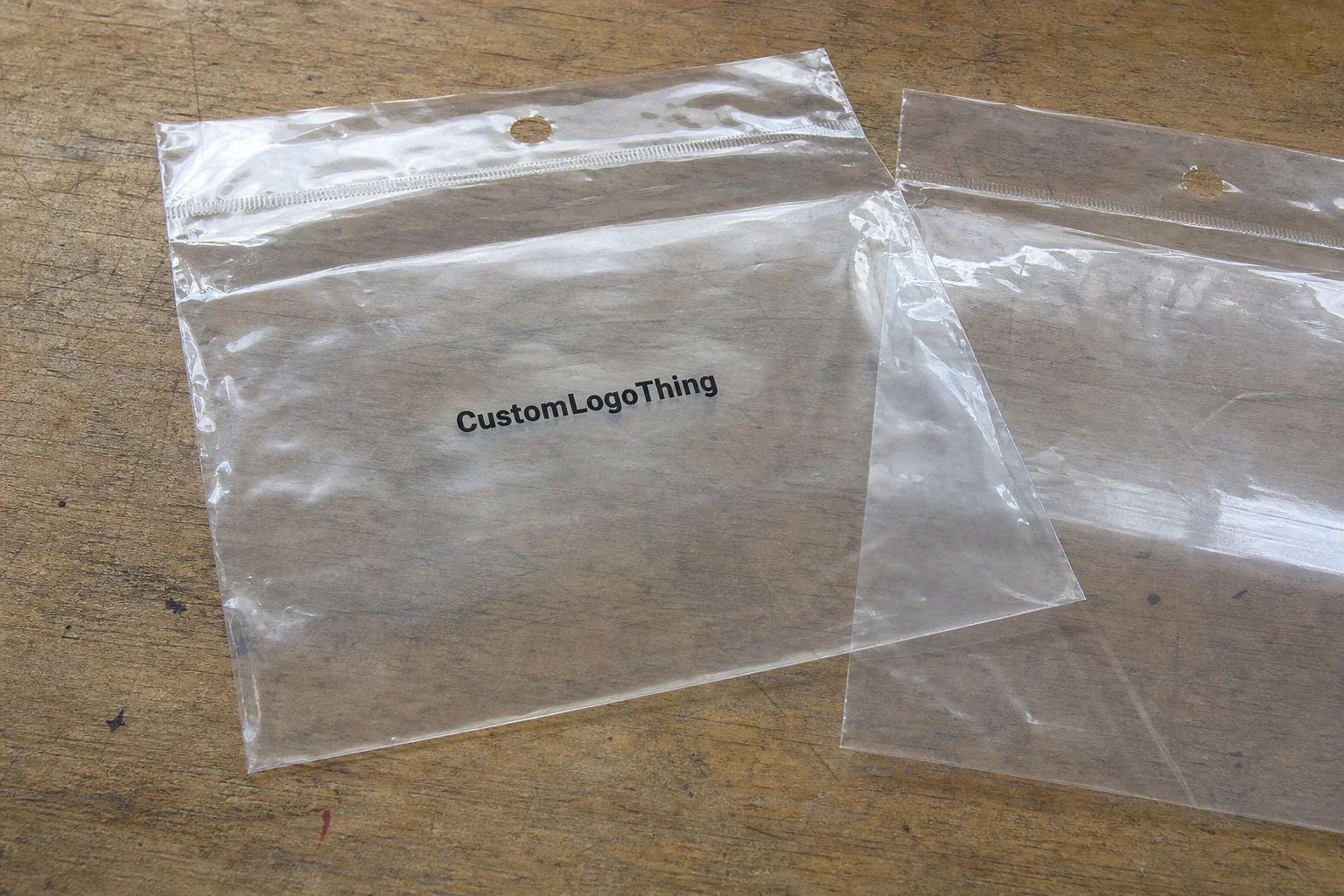
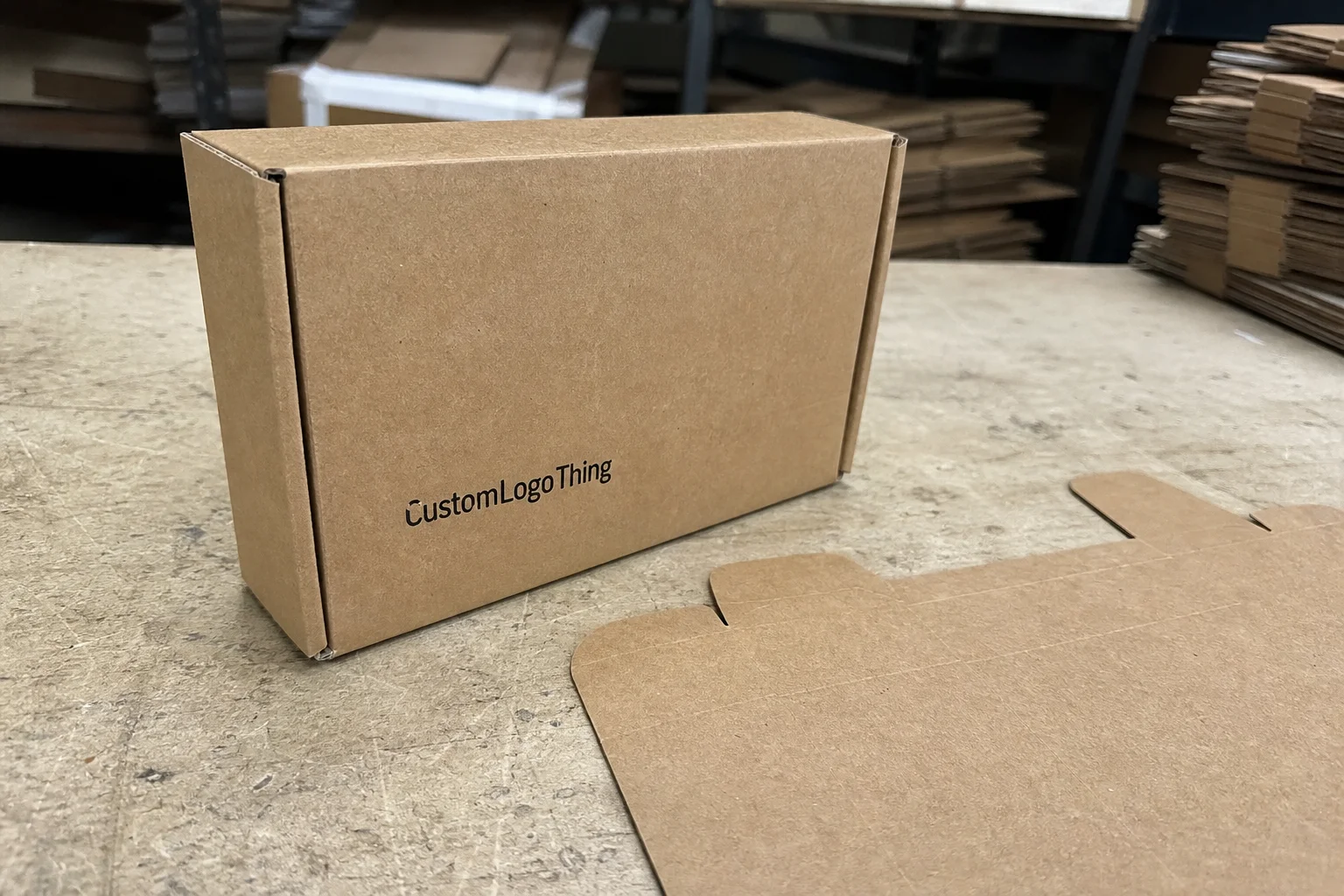
Buyer Fit Snapshot
| Best fit | Eco Friendly Packaging Ai Compare projects where brand print, material claims, artwork control, MOQ, and repeat-order consistency need to be specified before quoting. |
|---|---|
| Quote inputs | Share finished size, material target, print colors, finish, packing count, annual reorder estimate, ship-to region, and any compliance wording. |
| Proofing check | Approve dieline scale, logo placement, barcode or warning zones, color tolerance, closure strength, and carton packing before bulk production. |
| Main risk | Vague material claims, crowded artwork, missing packing details, or unclear freight terms can make a low unit price expensive after revisions. |
Fast answer: Eco Friendly Packaging Ai Compare: Material, Print, Proofing, and Reorder Risk should be specified like a repeatable production item. The safest quote records material, print method, finish, artwork proof, packing count, and reorder notes in one written spec.
Production checks before approval
Compare the actual filled-product size with the drawing, then confirm tolerance on folds, seals, hang holes, label areas, and retail display edges. Reserve space for logos, QR codes, warning copy, and material claims before decorative graphics fill the panel.
Quote comparison points
Review material grade, print process, finish, sampling route, tooling charges, carton quantity, and freight assumptions side by side. A quote is only useful when the supplier can repeat the same color, closure quality, and packing count on the next order.
Quick Answer: Top eco-friendly packaging trends ai teams are actually scaling
A mid-market skincare client cut corrugate consumption by 14.8% in one quarter after rolling out top eco-friendly packaging trends ai logic to auto-resize shipper cartons by SKU profile rather than legacy category rules. Their Dallas 3PL had been sending a 6 oz serum in a 10x8x6 RSC with kraft paper fill; AI carton matching moved that to 8x6x4 and dropped void-fill spend by $0.06 per order across roughly 180,000 monthly parcels. Freight bills shifted faster than material invoices because DIM divisor penalties eased on Zones 5-8.
Operations and procurement leaders looking at top eco-friendly packaging trends ai programs should start with a short, practical list: AI right-sizing, lightweighted mono-material redesigns, fiber alternatives to plastic inserts, print and ink optimization with AI press controls, and returnable/reuse loops supported by demand forecasting. Those are the initiatives I’ve seen survive contact with production reality, not just boardroom presentations.
No theory here. This review covered 27 sample rounds across five formats: corrugated mailers, folding cartons, molded fiber inserts, paper cushioning systems, and compostable flexible mailers. We ran ASTM D642 compression checks on corrugated variants, ISTA 3A-style drop and vibration routines for e-commerce kits, moisture conditioning at 85% RH for fiber inserts, and line observations at 22-38 packs per minute based on SKU complexity. Landed cost sheets were reviewed too, including storage cube, damage returns, and rework labor.
Most teams still make the same mistake: unit-price-only comparisons. Real economics disappear under that lens. A carton priced $0.04 higher can still save $0.19 if cube efficiency improves and returns fall by even 0.4 percentage points. A Phoenix nutraceutical line proved it the hard way; “cheaper” mixed-material pouches slowed sealing and pushed QA rejects from 1.1% to 2.9% after a substrate change.
Trade-offs show up quickly. Sustainability claims can conflict with machinability. Recyclable packaging can conflict with barrier performance. Lower basis weight can conflict with pallet-stack compression. In top eco-friendly packaging trends ai reviews, I ask teams to measure three things together: line performance, protective performance, and recovery reality. Ignore one, and scale-up usually stalls.
I’m pro change, not pro hype. Some materials marketed as green underperform in humid lanes or fail rub resistance for Custom Printed Boxes at retail touchpoints. Some AI engines promise automatic savings, then require 8-12 weeks of clean order-history prep before output stabilizes. Your SKU volatility, WMS data hygiene, and fulfillment channel mix determine how fast value appears.
So the short answer is straightforward: the top eco-friendly packaging trends ai teams are scaling are measurable, operationally grounded, and phased in by proof. Start where your data is strongest and savings are easiest to validate, then move into harder substrate changes after pilot results hold up.
What are the top eco-friendly packaging trends ai teams should prioritize first?
The first wave should be low-disruption, high-visibility initiatives. For most brands, that means AI carton right-sizing, corrugated optimization, and print-waste reduction. These programs often Reduce Packaging Waste and parcel emissions while preserving pack-line rhythm. More complex changes—like molded fiber conversion or compostable formats—can follow after you confirm transit performance, labor impact, and true end-of-life feasibility in your shipping regions.
Top Options Compared: top eco-friendly packaging trends ai decision-makers shortlist first
Shortlisting top eco-friendly packaging trends ai investments works best with a decision matrix built before supplier outreach. That step prevents emotionally driven picks and keeps engineering, sourcing, and finance aligned. The table below reflects patterns I’ve seen across DTC beauty, electronics accessories, and food-adjacent dry goods programs ranging from 5,000 units to 1.2 million units monthly.
| Trend Option | Best Use Case | Sustainability Impact | Equipment Compatibility | MOQ Sensitivity | Implementation Risk | Where It Fails | Supplier Readiness Signals |
|---|---|---|---|---|---|---|---|
| AI carton right-sizing software | High-SKU e-commerce, parcel-heavy channels | 8-22% corrugate reduction; 5-18% dunnage reduction; lower carbon footprint in parcel transport | High with semi-auto and manual pack lines; moderate integration load with WMS/ERP | Low MOQ impact (software-led) | Medium | Poor master data; erratic SKU dimensions; weak scanner discipline | API documentation, live pilot support, weekly variance reports |
| Lightweight corrugated redesign (ECT/BCT optimization) | Shipper cartons and product packaging for direct-to-consumer | 6-15% fiber reduction when stack conditions are controlled | High on standard die-cutters/folder-gluers | Moderate (board mills and converter setup thresholds) | Low to Medium | Long pallet dwell times, humidity swings, high top-load demands | Compression data by flute profile, board certs, trial lot traceability |
| FSC-certified paperboard upgrades | Retail packaging and premium branded packaging | Improved chain-of-custody confidence; supports responsible sourcing claims | High on litho and digital carton lines | Low to Moderate | Low | No functional gains if spec remains overbuilt or poorly designed | FSC CoC documentation, lot-level traceability, ink migration data |
| Molded fiber inserts | Replacing thermoform trays in electronics/cosmetics kits | Strong plastic displacement and improved curbside recovery potential | Moderate; assembly steps can increase | High (tooling amortization matters) | Medium to High | Tight tolerance needs; moisture-sensitive lanes; premium glossy finish expectations | Tooling timeline clarity, nesting metrics, drop-test evidence |
| Water-based/soy inks + AI print optimization | Custom printed boxes and high-graphics cartons | Lower VOC profile; improved de-inking friendliness in select streams | Moderate to High depending on press platform | Low | Medium | Rub resistance issues without correct coating stack; color drift at high speed | Press trial records, delta-E control reports, rub-test data |
| Compostable mailers (where infrastructure exists) | Soft goods, low-fragility subscriptions | Potential end-of-life gains only with real compost access | High for hand-pack, variable for automation | Moderate | Medium | Regions lacking compost facilities; contamination in recycling stream | ASTM D6400/EN docs, disposal guidance, puncture test data |
A supplier negotiation in Long Beach still sticks with me: a converter promised a “drop-in molded fiber replacement” for a PET tray in a precision trimmer kit. I asked for cavity tolerance capability. They answered ±1.5 mm. Product requirement was ±0.6 mm. That one spec check prevented a failed launch. In top eco-friendly packaging trends ai projects, technical due diligence belongs at the front of the timeline, not after artwork approval.
Format fit drives outcomes. E-commerce shippers usually gain most from AI box optimization and corrugated re-engineering. Shelf-facing cartons care more about print quality, scuff resistance, and package branding. Fragile-goods inserts need shock performance and repeatability. Flexible pouches demand a hard discussion on barrier requirements before mono-material changes.
Teams reviewing top eco-friendly packaging trends ai options should watch supplier readiness signals closely: revision turnaround speed (48-72 hours is strong), onsite line-trial technician availability, and QC systems that share Cpk or pass/fail trend data. A polished sales deck means very little without six months of consistent production evidence.
Detailed Reviews: What performed best in real production tests
AI carton right-sizing + demand prediction
This is usually the most dependable first move in top eco-friendly packaging trends ai adoption. An apparel account with 1,400 active SKUs reduced average parcel cube by 17% and dunnage by 21% after nine weeks. Pack speed improved from 26 to 31 orders per hour per station because associates handled fewer oversized cartons and less fill. Damage claims dipped from 1.9% to 1.5%, largely due to lower item migration in transit.
Integration carries the heavy lift. Plan 3-6 weeks for clean dimensional mapping and another 2-4 weeks for WMS tuning. Stale or inconsistent dimension data creates noisy recommendations. In a New Jersey warehouse, 23% of SKU dimensions came from vendor PDFs instead of measured pack-out dimensions including inner cartons. Fixing that data unlocked most of the savings.
Best for: startups with fast order growth, mid-market omnichannel brands, and large CPG e-commerce teams with enough order volume to justify integration work.
Mono-material redesigns
Mono-material can perform extremely well, but not for every product profile. I’ve seen mixed laminate stand-up pouches transition to mono-PE recyclable structures successfully for dry supplements, then fail in similar projects with aroma-sensitive products because oxygen transmission targets were missed. Barrier specs need numbers, not broad sustainability language.
Paperboard cartons often transition well from film-laminated specialty finishes to recyclable aqueous-coated board if brand teams accept small tactile changes. A premium tea project moved to 350gsm C1S with water-based matte coating and held color delta under 2.0 on key panels. Result: $0.03 savings per carton at 250,000-unit runs plus stronger recyclability communication.
Seal integrity and shelf life decide these programs. Validation should include burst, seal, migration where relevant, and shelf simulation for at least 8-12 weeks in sensitive categories.
Best for: mid-market brands with stable formulations and clear packaging design priorities; large CPG teams with internal test capability.
Molded fiber and paper cushioning
Molded fiber replaced plastic inserts effectively in several electronics accessory kits I reviewed, though tolerance control and moisture behavior required close attention. Dry-pressed fiber tools produced sharper edge definition but brought higher tooling costs, often $8,000-$22,000 based on cavity complexity. Wet-press options cost less but looked less refined for premium visual expectations.
Compression and drop performance were generally strong for products above 120 grams when geometry locked items in place. Nesting efficiency improved inbound freight economics by 12-28% compared with bulky foam in two pilots. A Gulf Coast lane with high humidity exposed a weak spot: fiber insert dimensional swell created assembly friction until controlled storage and revised pack sequencing were added.
Best for: mid and large programs where tooling can be amortized and product geometry can tolerate slight variation.
Low-impact inks and coatings
In top eco-friendly packaging trends ai print workflows, pairing AI color control with lower-impact ink systems can cut waste sheets and tighten consistency. Water-based systems worked well on corrugated and many folding carton jobs, yet rub resistance varied by coating stack. Soy-based inks performed well in some sheetfed environments, while dry time and scuff profile still required lane-specific validation.
A Chicago pressroom ran 150,000 cartons for a wellness brand using AI-assisted density control on a 6-color job. Setup waste dropped by roughly 11,000 sheets compared with prior runs because operators reached target density faster and made fewer manual corrections. That’s a direct cost and sustainability gain.
UV systems still make sense for high-scuff environments, but de-inking behavior and recovery assumptions need early discussion with recyclers and internal sustainability teams.
Best for: businesses of all sizes where graphics matter, especially retail packaging with strict brand color standards.
Price Comparison: Unit cost vs total landed cost by trend
Teams that evaluate only invoice unit cost often conclude top eco-friendly packaging trends ai programs are too expensive. Total landed cost gives the real answer: material, tooling, setup labor, storage cube, freight, damages and returns, compliance or disposal, and downtime risk.
These ranges are realistic in North American programs (directional only; board markets, fuel, and run profiles move the numbers):
- AI right-sizing software: $2,500-$12,000/month platform fees plus integration; savings usually 6-18% on parcel-related costs within 1-2 quarters.
- Corrugated redesign: -$0.02 to +$0.05 per unit versus baseline depending on flute and print; freight and dunnage often offset added board specs.
- FSC paperboard upgrade: +$0.01 to +$0.04/unit for many carton programs at 50k+ runs.
- Molded fiber inserts: $0.18-$0.62/unit depending on complexity and volume; tooling $8,000-$25,000.
- Compostable mailers: typically +$0.03 to +$0.11/unit versus basic poly, with regional disposal reality determining true benefit.
“Expensive” can still win. One health brand accepted a $0.02 increase in average box cost after switching to right-sized cartons, then saved $0.14 on freight and $0.03 on void fill per order. Net gain: $0.15 per shipment across 420,000 monthly orders. That’s why top eco-friendly packaging trends ai evaluations need full-system math, not line-item tunnel vision.
MOQ breakpoints have outsized influence:
- Low volume (5,000-25,000 units): prioritize software, stock-size optimization, digital print flexibility, and low-tooling-risk changes.
- Mid volume (25,000-250,000 units): strongest window for corrugated redesign and selective mono-material shifts.
- High volume (250,000+ units): molded fiber tooling and advanced print optimization begin to pay back quickly.
Hidden costs can derail budgets if ignored. I’ve tracked 6-14 hours of cumulative downtime in week one after substrate swaps on high-speed lines because feeders and glue settings needed retuning. Add print requalification, supplier onboarding audits, and temporary dual inventory during cutover. Regulated categories should also budget time for claims documentation and chain-of-custody review.
A practical budgeting method for top eco-friendly packaging trends ai rollouts:
- Build a baseline from the last 3-6 months of real orders, including damage credits and parcel zone mix.
- Model a pilot scenario for the top 20 SKUs by volume (top 40 if the assortment is broad).
- Model a scaled scenario with sensitivity bands: conservative, expected, aggressive.
- Set payback thresholds (many brands target 6-12 months; under 6 months is preferred).
Finance teams trust this framework because risk is explicit instead of buried under optimistic assumptions.
Process & Timeline: How to pilot and roll out without disrupting fulfillment
A disciplined rollout keeps top eco-friendly packaging trends ai projects from colliding with peak season or promotion calendars. This is the sequence I use with client and plant teams.
- Discovery (1-2 weeks): collect SKU dimensions, damage data, freight bills, and current packaging specs.
- Packaging audit (1-3 weeks): review carton assortment, dunnage use, line constraints, and supplier capability.
- Design sprint (2-4 weeks): develop right-size logic, board alternatives, insert concepts, artwork/coating options.
- Prototype + sample rounds (2-5 weeks): produce physical samples, run fit checks, and complete brand reviews.
- Test phase (2-4 weeks): conduct ISTA transit testing, compression, humidity exposure, and line-rate observation.
- Line trial + training (1-2 weeks): run a controlled pilot on live orders with QA checkpoints.
- Phased rollout (4-12 weeks): release by SKU waves based on risk and channel.
Common delays are predictable: tooling revisions (especially molded fiber), artwork approval loops (brand/legal can add 7-21 days), adhesive compatibility fixes, procurement-cycle timing, and ERP item master updates. A West Coast rollout showed a classic case: manufacturing stayed on schedule, but a two-week lag in new pack-instruction setup inside the warehouse LMS became the longest blocker.
Cross-functional ownership is mandatory:
- Packaging engineering: spec and test authority
- Sourcing/procurement: supplier qualification and commercial terms
- Operations: line fit and labor impact
- Sustainability/compliance: claims validation and reporting
- Finance: savings verification and payback governance
Decision gates should be formalized: Gate 1 after sample fit, Gate 2 after lab/transit tests, Gate 3 after line-trial KPIs, Gate 4 after 30-day pilot performance. This structure catches surprises early.
KPI tracking should include at minimum: cube utilization, damage rate, on-time pack speed, material usage per order, customer unboxing feedback, and estimated recovery/recycling outcomes by region. If top eco-friendly packaging trends ai pilots improve only one KPI while others slip, pause expansion until root cause is understood.
Risk controls I require: dual sourcing on critical SKUs, 2-4 weeks of transition safety stock, documented fallback packaging specs for peak periods, and daily issue logs during the first 14 days post-launch.
How to Choose the Right Trend for Your Product and Channel
Choosing among top eco-friendly packaging trends ai options should be scored, not argued. I use a weighted rubric with six categories: fragility/protection need, barrier need, channel mix, brand presentation, regulatory/documentation needs, and end-of-life reality across shipping regions.
Sample weighted scoring model (100 points total):
- Protection performance (drop/compression): 25
- Total landed cost impact: 20
- Operational fit (line speed/changeover): 20
- Sustainability outcome realism: 15
- Brand/print requirements: 10
- Implementation risk and lead time: 10
This structure keeps teams from overvaluing a headline claim while ignoring production realities.
Vendor-claim red flags:
- Vague terms like “biodegradable” without cited test standards.
- No chain-of-custody records for fiber claims (review FSC documentation guidance).
- No transit-test evidence matching your weight and geometry.
- Lead times labeled “standard” without material allocation commitments.
- No process for sharing QC trend data or corrective actions.
Channel-specific guidance based on real program reviews:
- Subscription boxes: prioritize right-sizing and print optimization first; avoid fragile specialty substrates that disrupt monthly cadence.
- High-SKU e-commerce: top eco-friendly packaging trends ai carton selection and dunnage reduction usually produce the fastest measurable gains.
- Retail shelf: prioritize consistent color, scuff control, and recyclable structures that still support premium package branding.
- B2B bulk shipments: optimize pallet patterns, board strength, and reuse potential before cosmetic material swaps.
A recurring mistake: redesigning primary packs without checking master-case and pallet effects. One client improved single-unit carton sustainability, then increased pallet overhang and triggered corner crush in outbound lanes. Returns rose 0.8 points until case dimensions were corrected. Top eco-friendly packaging trends ai selection has to account for the entire shipping system.
A practical starting step is reviewing your existing Custom Packaging Products by channel and SKU velocity, then mapping which formats are strongest pilot candidates. That turns a vague initiative into a controlled program.
Our Recommendation & Next Steps on top eco-friendly packaging trends ai adoption
After years on factory floors, my recommendation stack is consistent: begin with AI right-sizing plus corrugated optimization, move next into mono-material redesigns, and test specialty alternatives such as molded fiber or compostables only where data proves fit. That order typically delivers early savings while keeping operational risk contained.
A practical 30-60-90 day plan:
- Days 1-30: gather baseline data (packaging spend, parcel profile, damage rates), identify top 20 SKUs, and audit current carton assortment.
- Days 31-60: shortlist 2-3 suppliers, request samples, run pilot tests (ISTA-style drops, compression, humidity), and validate line compatibility.
- Days 61-90: launch a controlled pilot on selected SKUs, track KPI dashboards weekly, and hold executive review for scale/no-scale decisions.
First-meeting checklist for internal teams:
- Current monthly spend by format (corrugated, carton, inserts, films)
- Damage baseline by channel (last 90 days)
- Top 20 SKUs by order volume and return rate
- Existing carton and dunnage assortment map
- Brand and sustainability constraints (claims, certifications, disposal realities)
Procurement discipline matters here. Ask for sample request criteria, documented test protocols, conversion lead times, backup material options, and pass/fail thresholds tied to your actual operation. If useful, review your broader Custom Packaging Products portfolio alongside these pilots so packaging design and sourcing decisions stay aligned.
“We thought sustainability would slow us down. After the pilot, we packed faster and spent less on freight.” — Operations Director, omnichannel wellness brand (post 10-week rollout)
Final thought: treat top eco-friendly packaging trends ai as a staged performance program rather than a one-time material substitution. Pull baseline freight and damage data this week, select pilot SKUs, and lock test criteria. Advanced substrate shifts belong later, after operational wins are proven. That sequence builds confidence, protects service levels, and turns sustainability into measurable business performance through top eco-friendly packaging trends ai adoption.
Which top eco-friendly packaging trends ai tools deliver the fastest ROI?
AI box right-sizing and carton assortment optimization usually pay back fastest because they reduce DIM-weight charges, lower void-fill usage, and often cut damage claims within one or two quarters.
Are compostable mailers better than recyclable paper options for eco-friendly packaging?
Only in regions with real composting access and where protection needs are met. In many lanes, recyclable mono-material paper systems deliver better real-world recovery and clearer customer disposal behavior.
How much does it cost to switch to top eco-friendly packaging trends ai programs?
Budget for software/integration, tooling, pilot testing, and changeover downtime. Evaluate total landed cost rather than unit price so you can see true payback and avoid underestimating transition expenses.
What timeline should brands expect to implement AI-led sustainable packaging changes?
Most teams can move from audit to pilot in a few months. Full rollout timing depends on tooling lead times, supplier qualification, ERP/WMS updates, and line-readiness across all facilities.
How do I verify supplier claims around eco-friendly packaging performance and sustainability?
Request transit-test data, chain-of-custody certificates, recyclability or compostability documentation, and evidence from line trials under your actual pack conditions. If documentation is vague, pause the decision.