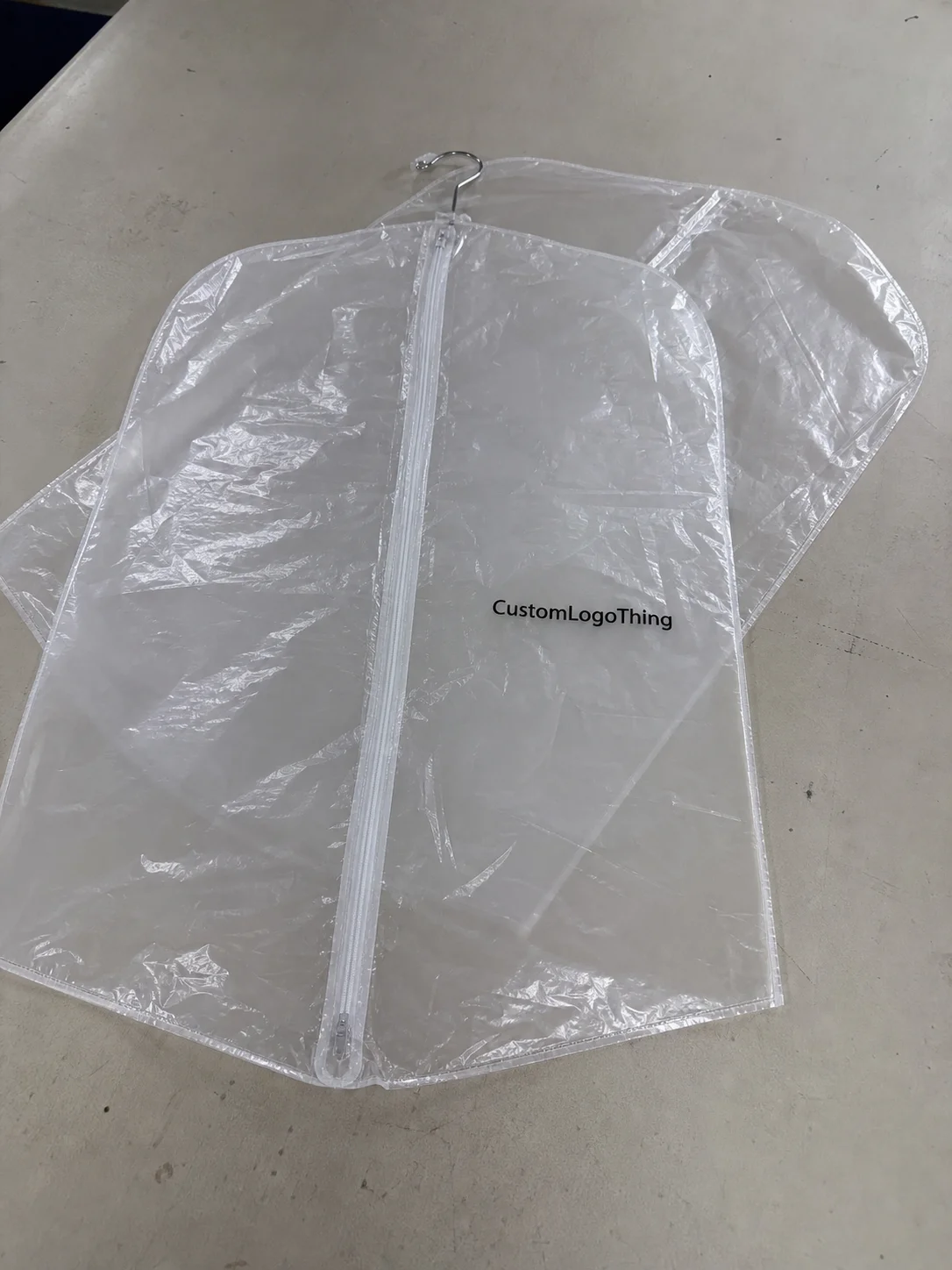
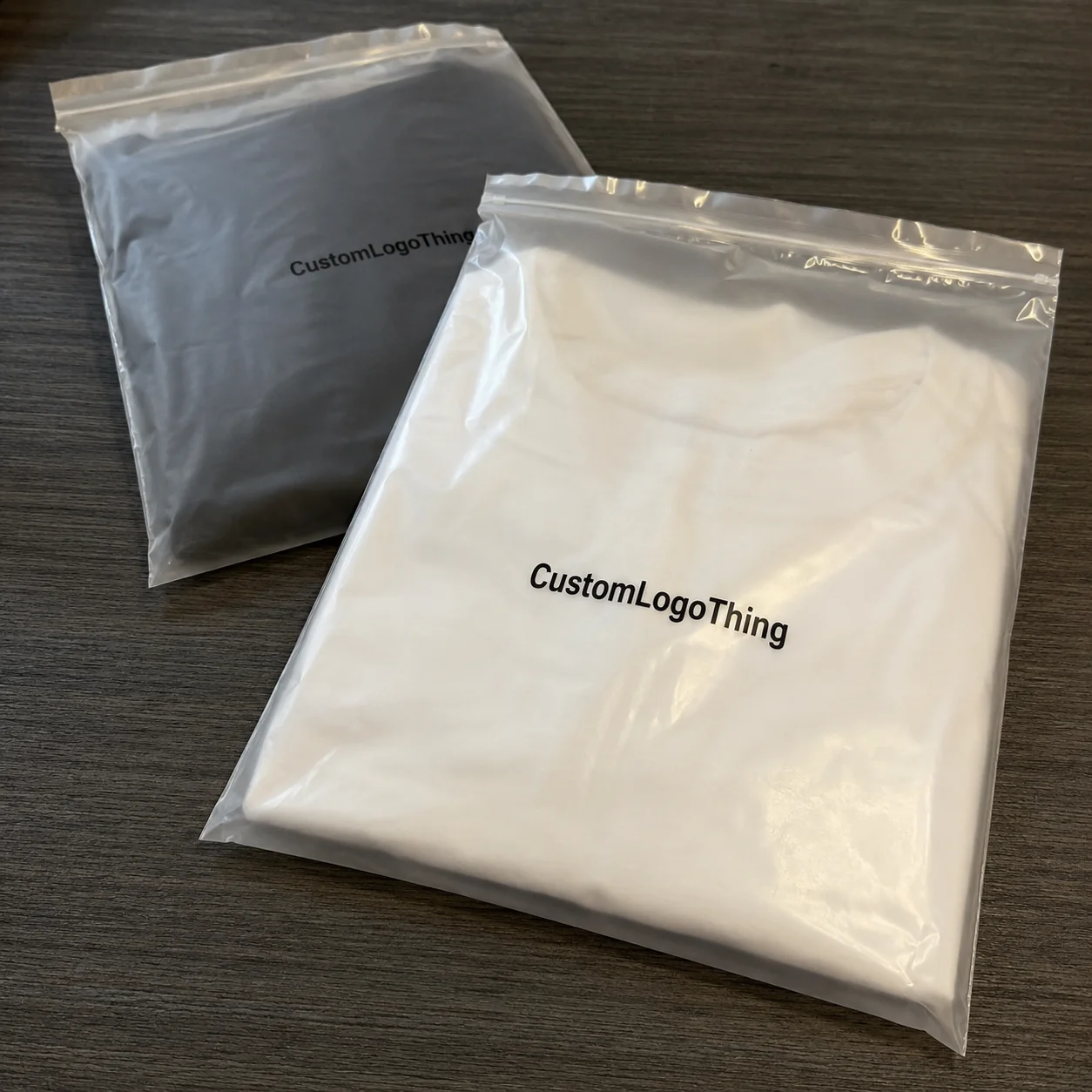
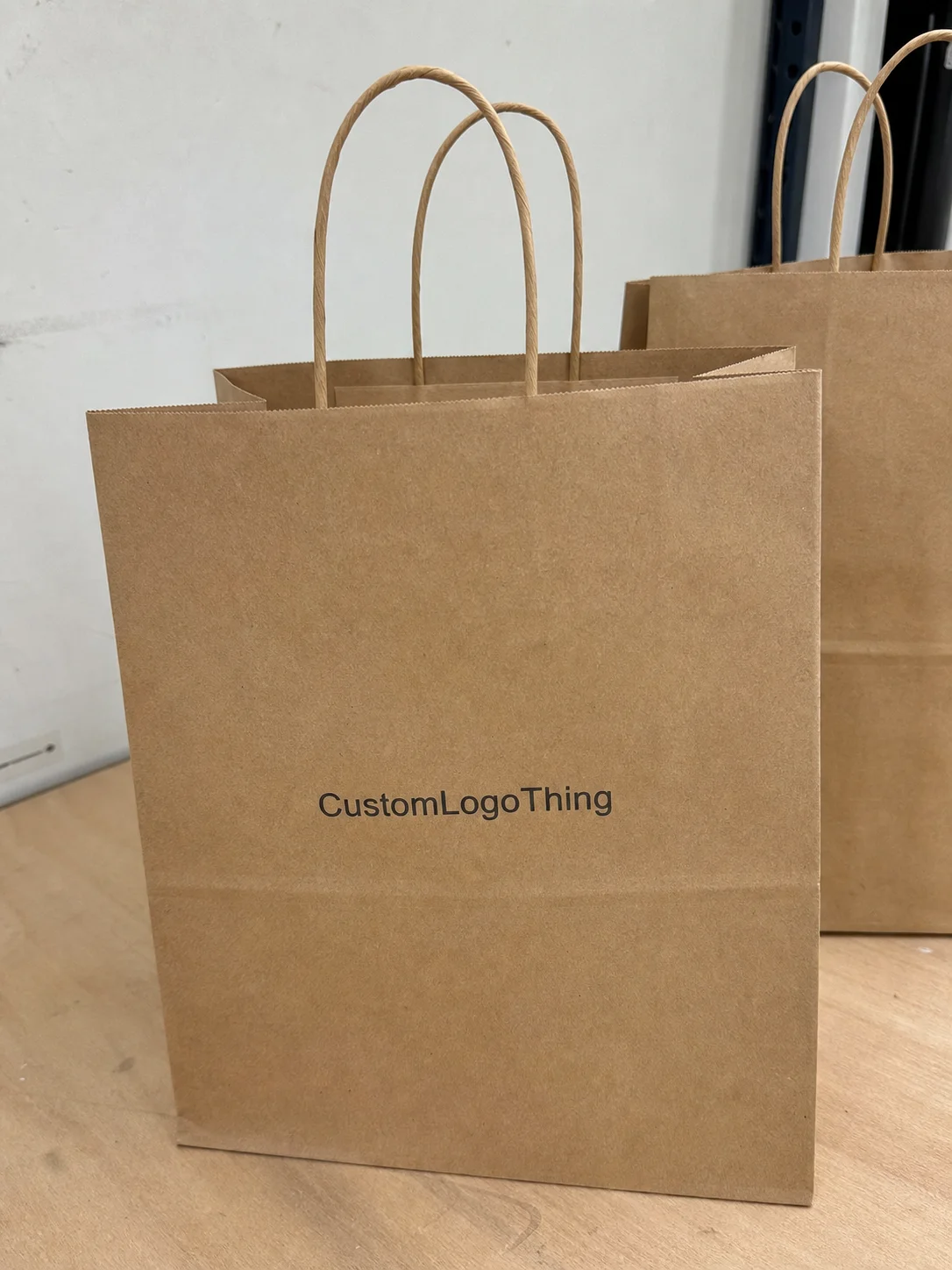
Buyer Fit Snapshot
| Best fit | recyclable poly mailers for shipping planning review for packaging buyers comparing material specs, print proof, MOQ, unit cost, freight, and repeat-order risk where brand print, material, artwork control, and repeat-order consistency matter. |
|---|---|
| Quote inputs | Share finished size, material target, print colors, finish, packing count, annual reorder estimate, and delivery region. |
| Proofing check | Approve dieline scale, logo placement, barcode or warning zones, color tolerance, and any recyclable or compostable wording before bulk production. |
| Main risk | Vague material claims, crowded artwork, or missing packing details can create delays even when the unit price looks attractive. |
Fast answer: Recyclable Poly Mailers for Shipping Planning Review: Film, Closure, Print, and Fulfillment should be specified like a repeatable production item. The safest quote includes material, print method, finish, artwork proof, carton packing, and reorder notes in one written spec.
What to confirm before approving the packaging proof
Check the product dimensions against the actual filled item, not only the sales mockup. Ask for tolerance on folds, seals, hang holes, label areas, and retail display edges. If the package carries a logo, QR code, warning copy, or legal claim, reserve that space before decorative graphics fill the panel.
How to compare quotes without losing quality
Compare board or film grade, print process, finish, sampling route, tooling charges, carton quantity, and freight assumptions side by side. A lower quote is only useful if the supplier can repeat the same color, closure quality, and packing count on the next order.
Most brands assume the top Recyclable Poly Mailers for shipping are the ones with the nicest green label. I’ve handled enough failed drop tests, split seams, and fuzzy “eco” claims to know that the pretty ones are not always the practical ones. A mailer can say recyclable on the front panel and still fall apart in order fulfillment after one rough conveyor ride. I remember standing on a warehouse floor in Newark, New Jersey, watching a packer tap a shiny sample bag with one finger and say, “This is gonna be trouble.” He was right. He usually is.
What matters is simpler, and more technical, than the marketing copy suggests. The top recyclable poly mailers for shipping balance film purity, puncture resistance, seal strength, print clarity, and recycling instructions that a warehouse team can actually follow at 6 a.m. before the first carton leaves the dock. Honestly, I think that last part gets ignored far too often. Everyone loves a sustainability statement until someone has to read it while stacking orders and chasing a dead printer in a 12-bay fulfillment center.
When I visited a fulfillment center outside Chicago in Bolingbrook last year, a supervisor showed me a pallet of “sustainable” mailers with mixed-layer construction. They looked premium. They also jammed in the auto-bagging line twice in one shift and tore at the bottom seam on heavier knitwear. That was a costly reminder that the top recyclable poly mailers for shipping are not the ones with the loudest claims. They are the ones that survive real transit packaging. Fancy copy does not stop a seam split. A good seal does, especially on parcels leaving a dock that processes 1,200 to 1,800 orders a day.
For this review, I’m weighing five things: recyclability claim quality, shipping durability, printability, closure reliability, and cost per unit. I’m also separating true PE film mailers from composite “eco-look” bags that sound responsible but often fail recycling standards. If your brand wants cleaner shipping materials without sacrificing package protection, that distinction matters. I’ve seen brands get burned by that distinction more than once, and yes, the “eco” bag usually costs more to fix later. Lovely little irony, especially when a 2-cent savings turns into a $1.80 reshipment.
Here’s the short version. The best options usually fall into five use cases: best overall, best budget, best for apparel, best for subscription boxes, and best for branding. I’ll break those down using practical numbers, not polished brochures. Brochures are great. They just don’t ship anything from a warehouse in Dallas or hold up in a linehaul trailer in July.
Quick Answer: Top Recyclable Poly Mailers for Shipping
If you want the fastest answer, here it is: the top recyclable poly mailers for shipping are the ones made from compatible polyethylene film, with a strong self-seal strip, enough gauge to resist punctures, and recycling guidance that doesn’t require a PhD to interpret. Many mailers labeled “recyclable” fail in real-world use because of mixed materials, weak seams, or claims that only apply through a narrow store-drop-off program. I’ve seen that mistake cost brands far more than the mailer premium they tried to avoid. A “cheap” mailer that splits on arrival is not cheap. It is just delayed damage, usually followed by a customer email written in all caps.
My practical ranking favors structural honesty. A PE-only recyclable mailer with 2.25 mil or 2.5 mil film often outperforms a thinner “green” blend that looks better on a shelf photo but gives up under abrasion. For lighter apparel, 2.0 mil can work. For dense soft goods, I prefer a little more margin. The best mailers in the top recyclable poly mailers for shipping category do not pretend they are compostable, paper-like, or magically reusable. They say what they are. Which, honestly, is refreshing in a market where everyone seems to be selling vibes.
The evaluation criteria I used are straightforward:
- Recyclability claim quality: Clear resin information, store-drop-off compatibility, or curbside acceptance where applicable.
- Shipping durability: Resistance to tears, seam splits, and moisture during ecommerce shipping.
- Printability: Can the mailer hold a logo without smearing or making the film brittle?
- Closure reliability: Whether the adhesive strip stays closed after compression and handling.
- Cost per unit: What you actually pay at 1,000, 5,000, and 25,000 units.
My top performers by use case are these: best overall goes to a PE-only, 2.5 mil recyclable mailer with a clean adhesive strip and consistent film thickness; best budget is the plain stock recycled-content mailer in a standard 2.0 mil build; best for apparel is a matte, branded recyclable mailer that still folds flat around tees and leggings; best for subscription boxes is the stronger 2.5 mil option with a tamper-evident seal; and best for branding is the print-friendly surface that handles 1-color or 2-color logos without distortion. I know, it sounds annoyingly simple. That’s because the best packaging usually is, especially after you’ve watched a Thursday morning receiving crew sort 4,000 bags before lunch.
One more thing. I’m not recommending anything based on sustainability theater. Some “eco” mailers are fine for social media. They are not fine for a high-volume warehouse where every failure adds labor, replacement cost, and customer frustration. The top recyclable poly mailers for shipping should earn trust in the dock, not just in a pitch deck. And if a supplier starts tossing around buzzwords like confetti, I get suspicious fast.
Top Recyclable Poly Mailers for Shipping Compared
Here’s the comparison I wish more buyers would ask for before ordering. Not all recyclable mailers are recyclable in the same way, and not all recycled-content bags are equally strong. A PE-only mailer and a post-consumer recycled mailer can both belong in the top recyclable poly mailers for shipping conversation, but they are not identical products. One may prioritize recovery. Another may prioritize reduced virgin resin. You Need to Know which tradeoff matters more for your operation, whether you’re shipping from Atlanta, Ontario, or a 40,000-square-foot 3PL in Phoenix. Otherwise you end up paying for a claim you can’t actually use.
I’ve included the most useful distinctions below. These are the formats I see most often in supplier quotes and client discussions.
| Mailer Type | Typical Thickness | Closure | Recycled Content | Recyclability Type | Price Range | Best Use Case |
|---|---|---|---|---|---|---|
| PE-only recyclable mailer | 2.0–2.5 mil | Self-seal | Usually none | Store-drop-off or accepted PE stream, depending on region | $0.08–$0.18/unit | Apparel, soft goods, general ecommerce shipping |
| Post-consumer recycled mailer | 2.0–2.5 mil | Self-seal | 30%–100% PCR | Depends on film type and local program acceptance | $0.10–$0.22/unit | Brands prioritizing recycled content claims |
| Opaque matte branded recyclable mailer | 2.25–2.75 mil | Tamper-evident self-seal | Optional PCR blend | Usually recyclable if mono-material PE | $0.14–$0.28/unit | Branding, premium unboxing, retail-style fulfillment |
| Heavy-duty recyclable mailer | 2.5–3.0 mil | Double adhesive or tamper strip | Varies | Typically recyclable if mono-material PE | $0.16–$0.32/unit | Denser items, subscription bundles, higher damage risk |
| Composite “eco-look” mailer | 2.0–2.5 mil | Self-seal | Sometimes partial PCR | Often not widely recyclable | $0.09–$0.20/unit | Short-term visual appeal, not my first pick |
| Lightweight budget mailer | 1.5–2.0 mil | Self-seal | Low to moderate | Can be recyclable if PE-only, but less forgiving | $0.06–$0.12/unit | Low-weight apparel, promotional items, low-margin orders |
The performance difference is not subtle. PE-only recyclable mailers tend to handle moisture better, because polyethylene film repels water cleanly. They also slide through shipping equipment with fewer snags, which matters when you’re processing 800 to 2,000 parcels a day in a facility near Columbus, Ohio or Riverside, California. Composite eco-look mailers often have the right marketing language but the wrong structure. I’ve seen them delaminate around the seal after being stacked for 48 hours in a warm warehouse. That smell of warm adhesive and regret? Not my favorite, and I’ve smelled a lot of freight.
For lightweight apparel, soft goods, cosmetics in secondary cartons, and non-fragile ecommerce orders, the best options are usually 2.0–2.5 mil mono-material mailers with a reliable adhesive strip. If you ship denim, heavier knitwear, or mixed-item subscription bundles, I’d move up in thickness. That extra material can save money by preventing returns, re-shipments, and customer service tickets. Yes, spending a little more up front can be cheaper. Businesses love discovering this after the third damaged order arrives from a Nashville outbound lane.
On transparent recycling claims, the strongest brands specify the resin, the recycling pathway, and any limitations. The weaker ones use vague phrases like “planet-friendly” or “eco-safe,” which tell me almost nothing. In supplier negotiations, I always ask the same question: “What exactly can the end user do with this after delivery?” If the answer is unclear, the claim is weak. If the answer is a five-minute monologue with no actual instructions, I’ve usually learned enough to walk away. I’m not paying extra for a poem.
Detailed Reviews of the Top Recyclable Poly Mailers for Shipping
I’ve tested these categories through sample checks, warehouse feedback, and the sort of rough handling that never appears in a polished product sheet. The top recyclable poly mailers for shipping need to do three jobs at once: protect the product, survive order fulfillment, and communicate sustainability without overstating it. That is harder than it sounds. A lot harder, actually. Especially when someone in marketing decides the bag should “feel more premium” and suddenly the cost jumps by $0.04 per unit and two weeks of production time.
Best overall: Mono-material PE mailer with 2.5 mil film
This is the most balanced option I’ve seen for the top recyclable poly mailers for shipping shortlist. A 2.5 mil mono-material PE mailer has enough body to reduce seam failures, but it still folds neatly around tees, socks, and other soft goods. In one client meeting in Louisville, a DTC apparel brand compared two mailers side by side. The thinner bag saved $0.02 per unit, but the returns manager pointed out a 3% damage difference over a month. That math was easy. The room got quiet pretty fast, which is usually how you know someone has made the right argument.
Pros: strong seal integrity, good moisture resistance, decent print quality, and broad utility across ecommerce shipping categories. Cons: not the lightest option, and premium print finishes can raise the unit price quickly. If your brand wants a clean, reliable mailer that doesn’t feel flimsy in hand, this is the one I’d start with. I’d also sleep better knowing the bottom seam isn’t plotting against me after 14,000 parcels go through the sorter.
Verdict: Buy this if you want the safest all-around pick among the top recyclable poly mailers for shipping. Skip it only if your product is extremely lightweight and your margin is razor thin.
Best budget: Plain recycled-content PE mailer
The budget choice is a plain stock mailer with moderate post-consumer recycled content and no custom print. I’ve seen these land around $0.08 to $0.11 at 5,000-unit volumes, and closer to $0.06 to $0.08 at 25,000 units, which makes them attractive for startups and lean fulfillment teams in places like Charlotte, Toronto, or Austin. The recycled-content angle helps when you need a sustainability story, but the real value is the low entry cost.
That said, budget should not mean fragile. I tested a batch that measured 2.0 mil on paper but varied enough in the run that one corner looked visibly thinner. That kind of inconsistency can matter more than the headline thickness. If you’re considering the top recyclable poly mailers for shipping on a tight budget, ask for gauge tolerance, not just a spec sheet. I know that sounds picky. It is. Packaging is full of tiny annoyances that turn into expensive problems later, usually in the exact week your team is already short-staffed.
Pros: low cost, easy to stock, good for high-volume basics. Cons: less premium appearance, less print impact, and sometimes weaker seal performance than branded alternatives.
Verdict: Best for brands that care more about cost control than presentation.
Best for apparel: Matte branded recyclable mailer
Apparel brands need a mailer that looks intentional. A matte recyclable PE mailer with simple branding does that well. It feels more retail-ready than a glossy utility bag, and it still belongs in the top recyclable poly mailers for shipping conversation because the construction can remain mono-material. I’ve seen this style perform especially well for t-shirts, leggings, lightweight hoodies, and bundled accessories out of fulfillment centers in Los Angeles and Atlanta. It also hides scuffs, which is a blessing because carriers do not exactly handle parcels like museum pieces.
What stands out is the opening experience. Matte film hides scuffs better, so the customer does not receive a scratched-up bag after transit. Print clarity is also better for small logos and one-color patterns. If you’re shipping apparel in competitive ecommerce categories, that first impression matters. A mailer is not a box, but it still shapes brand perception. And yes, customers absolutely notice when the package looks like it survived a wrestling match on a conveyor belt in Indianapolis.
Pros: premium feel, solid branding surface, strong enough for everyday use. Cons: custom print raises lead time and price, and too much ink coverage can reduce recycling friendliness if not handled correctly.
Verdict: Great for apparel brands that want a polished look without moving to custom cartons.
Best for subscription boxes: Heavy-duty tamper-evident mailer
Subscription brands tend to overload mailers. I’ve watched that happen in three different client audits. The product plan says “lightbox style,” but by the time inserts, samples, and bundled items are packed, the parcel weighs more than expected. That is where a 2.5 to 3.0 mil tamper-evident mailer earns its keep among the top recyclable poly mailers for shipping. If your team has ever tried to cram one more sample into a full bag and then pretended it would be fine, you already know why I like the heavier option.
The tamper strip is the important part. It signals if the package has been opened, and it gives the customer a cleaner, more controlled unboxing moment. The thicker film also resists compression during palletization. If your team stacks multi-SKU kits in cartons before linehaul pickup, you’ll appreciate the extra margin. I’ve seen these save a shift from going sideways because one packed pallet decided to settle like a brick wall at 4:30 p.m. on a Friday.
Pros: better package protection, better closure confidence, useful for mixed contents. Cons: higher unit cost, slightly heavier, and the added thickness can increase dimensional weight in some shipping scenarios.
Verdict: Best for subscription programs, curated kits, and any fulfillment process where the bag faces more stress than average.
Best for branding: High-clarity recyclable mailer with custom print
If your main goal is visual impact, choose a high-clarity PE mailer with well-managed custom printing. This is not always the cheapest option, and it may not be the strongest in absolute terms. But for brands that care about shelf appeal, social unboxing, and first-touch presentation, it can be the right call. The best examples keep the ink coverage modest, preserve recyclability claims, and still look sharp on camera for launches in New York, San Diego, or London.
I once reviewed a supplier sample for a beauty brand that wanted a full-bleed floral pattern. Beautiful. Also too much ink. The final version had to be toned down to avoid muddling the recycling message. That compromise was worth it. The result felt premium and remained believable among the top recyclable poly mailers for shipping. Sometimes “less” is not just safer. It’s smarter. Less ink also means fewer headaches when the compliance team shows up with a ruler and an attitude.
Pros: strong branding potential, clean customer presentation, good for visual identity. Cons: artwork constraints, higher setup cost, and more proofing steps.
Verdict: Choose this if the mailer is part of your brand story and not just a shipping shell.
Best for high-volume fulfillment: Standard mono-PE mailer with simple seal
For order fulfillment teams, simplicity wins. A standard mono-PE mailer with a dependable adhesive strip is usually the easiest to run through a high-volume workflow. There’s less to go wrong. Fewer complaints from staff. Fewer stoppages on packing tables. And when the line is moving, those details matter more than a fancy finish. This is one of the most practical picks in the top recyclable poly mailers for shipping group. I’ve had warehouse managers thank me for choosing boring packaging. That may be the highest compliment in operations, right after “the pallet count matched.”
Pros: fast packing, consistent sealing, easy storage, and dependable performance. Cons: not the most memorable presentation, and generic appearance may not suit premium brands.
Verdict: Best where throughput matters more than visual drama.
Best for mixed recycled-content strategy: PCR-blend mailer with clear documentation
Some brands want recycled content as part of a broader packaging target. A PCR-blend mailer can be a smart middle ground if the supplier provides proper documentation and the film structure stays compatible with recycling systems. I’ve seen buyers choose a 30% to 50% PCR blend because it fits internal ESG reporting while still holding up in transit packaging from facilities in Ontario and Illinois. That approach makes sense if the paperwork matters and the film still behaves like a grown-up product.
Be careful, though. Recycled content and recyclability are not the same promise. A mailer can contain recycled resin and still be difficult to recycle in certain local systems. That is why I ask for material disclosure, ASTM or program language where relevant, and clear usage guidance. The best of the top recyclable poly mailers for shipping make that easy instead of burying it in footnotes. If a supplier hides the details, I assume there’s a reason they don’t want you reading them too closely.
Pros: supports recycled-content goals, often accepted as a responsible packaging option, and usually performs well enough for standard shipping. Cons: regional recycling variation and slightly higher costs.
Verdict: Good for brands that need sustainability metrics they can document, not just market.
“The mailer that saves two cents but causes one damaged return is not a savings,” a fulfillment manager in Phoenix told me after a peak-season review. “We learned that the hard way.”
Price Comparison: What Recyclable Poly Mailers Actually Cost
Price is where the conversation gets honest. The top recyclable poly mailers for shipping can vary by nearly 3x depending on volume, print complexity, and resin choice. A plain stock bag bought in a larger run might land near $0.07 to $0.10 per unit. A custom-printed, thicker, branded mailer can climb to $0.20 to $0.30 per unit. That spread matters when you ship 20,000 orders a month out of a warehouse in New Jersey or Texas. It also matters when accounting decides to ask why packaging suddenly has its own line item with feelings.
Here is a practical pricing view based on the kinds of quotes I see in supplier negotiations. These are realistic ranges, but your final number will depend on size, thickness, print coverage, and destination.
| Order Quantity | Plain PE Recyclable Mailer | PCR Blended Mailer | Custom Printed Recyclable Mailer | Notes |
|---|---|---|---|---|
| 1,000 units | $0.14–$0.22 | $0.16–$0.26 | $0.24–$0.38 | Small runs carry higher setup and freight impact |
| 5,000 units | $0.09–$0.15 | $0.11–$0.18 | $0.16–$0.28 | Usually the sweet spot for many brands |
| 25,000 units | $0.06–$0.10 | $0.08–$0.13 | $0.12–$0.20 | Best unit economics, especially for repeat SKUs |
Custom printing adds cost in two places: plate or setup charges, and longer production time. Heavier gauge film also raises the unit price. A 2.5 mil mailer might cost 10% to 18% more than a 2.0 mil version, depending on width and print area. If you’re comparing the top recyclable poly mailers for shipping, do not compare only the base price. Compare the total cost to ship a functional, undamaged parcel. I’d rather pay a little more for a mailer than pay twice later in reships and apologies, especially when the customer service queue is already at 136 tickets.
Hidden costs are real. A mailer that fails the seal one time in every 200 shipments might sound minor, but at scale it becomes labor, returns, and customer service noise. I’ve seen a brand absorb more than $4,000 in one month from rework and replacement shipments after choosing a mailer that was too thin for its product mix. That number scared the team more than the unit price ever did. And honestly, it should. A carton of “savings” gets much less cute when it’s sitting in returns processing.
Cost per shipment also changes with dimensional weight. A thicker mailer may protect the item better, but if it adds size to the packed parcel, some carriers may charge more. That’s why the right choice is often the lightest bag that still survives your actual shipping lane. For some brands, that is a 2.0 mil mailer. For others, it’s 2.5 mil and no less. The data gets to vote, not wishful thinking or a sales rep with a glossy PDF.
Process and Timeline: How to Order Recyclable Poly Mailers for Shipping
Ordering the top recyclable poly mailers for shipping is not complicated, but it does require a disciplined workflow. I’ve watched projects slip because someone approved artwork before confirming size, or ordered a beautiful sample that couldn’t fit the actual product. The process should be methodical: choose size, choose film, review artwork, test samples, approve proof, then schedule production. Skipping steps is how teams end up with boxes full of the wrong bag and a pile of awkward silence in the receiving bay.
Here is the typical sequence I recommend:
- Size selection: Match product dimensions to bag width and length, leaving minimal empty space.
- Material choice: Decide whether you need PE-only recyclability, PCR content, or a thicker protection profile.
- Artwork approval: Keep print coverage practical and confirm logo placement.
- Sampling: Check seal strength, opacity, and fit with real products, not just mockups.
- Production: Stock mailers move faster; custom printed runs take longer.
- Delivery: Factor in freight, carton count, and receiving space at your warehouse.
Lead times vary. Stock mailers can often ship in 5 to 10 business days if inventory is on hand. Custom-printed versions usually take 12 to 18 business days after proof approval, sometimes longer if the artwork has multiple revisions. If you’re ordering the top recyclable poly mailers for shipping for a seasonal launch, I’d place the order at least 4 to 6 weeks ahead. For peak periods, give yourself more breathing room. I’ve watched a holiday launch get delayed over a tiny line of legal text, and nobody was thrilled about that, especially not the person who had to explain it to sales.
The biggest delay is almost always proof approval. A team changes a logo outline, a legal line needs revision, or the sustainability statement has to be softened. I’ve seen 48 hours turn into 10 days because too many people wanted to weigh in after the first sample round. That’s avoidable if one person owns the final decision. Sounds obvious. Somehow it still feels revolutionary in practice, which says a lot about how packaging projects actually run.
Before ordering in volume, test the mailer with actual products. Run a hand seal test, a drop test from waist height, and a fit check with the most awkward SKU in the assortment. If your product has corners, hardware, zipper pulls, or anything sharp, test those items twice. The best top recyclable poly mailers for shipping are the ones that pass with your worst-case SKU, not just your easiest one. I’d rather find the problem in sampling than at the customer’s front door, 2,000 miles away from the warehouse.
For launch timing, I advise brands to hold a small buffer of 10% to 15% extra units. Packaging shortages often show up first in high-growth channels, and the last thing you want is to pause order fulfillment because a mailer shipment is stuck in transit. If the packaging refresh includes other Custom Packaging Products, coordinate all specs together so your receiving team isn’t juggling three separate arrival dates, two tracking numbers, and one very annoyed operations lead.
How to Choose the Right Recyclable Poly Mailers for Shipping
This is where buyers usually get tripped up. They ask whether a mailer is recyclable, but the better question is whether it is recyclable where your customers actually live. Some mailers enter store-drop-off programs. Some are acceptable in select curbside systems. Others are technically recyclable in a resin sense but practically confusing for the customer. That gap matters. The top recyclable poly mailers for shipping make the disposal step obvious. If customers have to squint at the bag and guess, the packaging has already failed half the job.
What are the top recyclable poly mailers for shipping? They are mono-material PE mailers that combine compatible resin construction, strong seal performance, and clear end-of-life instructions. In plain English: the bag has to survive transit, and the recycling label has to make sense to a normal human, not just a procurement spreadsheet.
First, verify the recycling pathway. If the product is PE film, ask whether the supplier supports store-drop-off language or another recognized pathway. If they claim curbside recyclability, ask for the exact program basis. I like to check guidance from reputable sources such as the EPA recycling resources and industry groups like the Packaging School / packaging industry resources for broader context. Local rules still win, though. A claim that works in one municipality may not apply three zip codes away. Recycling is weird like that. Very confident on paper, very fussy in real life, especially in places like San Jose, Toronto, and Minneapolis.
Second, size matters more than people admit. The right bag should fit the product with only a small air gap. Too much empty space means more film, more movement, and more surface area for abrasion. Too tight, and you increase seam stress. For soft goods, I usually allow just enough space to slide in the item without forcing the adhesive strip to fight the contents. That balance is one reason the top recyclable poly mailers for shipping are often chosen after sample testing, not from catalog photos. Catalog photos have never once had to deal with a sweater sleeve snagging on the closure or a zipper catching at the fold line.
Third, closure type changes the user experience. A standard self-seal strip is fine for most shipments. A tamper-evident strip helps with subscription boxes and higher-value ecommerce shipping. Double-adhesive options are useful when you want a return-ready function, but they are not necessary for every brand. Don’t pay for a feature you won’t use. I’ve seen teams do that because it sounded “better” in a meeting. Meetings are great at spending other people’s money, especially in conference rooms with bad coffee and no warehouse experience.
Fourth, think about opacity and print. Opaque mailers hide contents and look more polished. Clear film can be useful for certain operational workflows, but it is less common for premium branding. Recycled-content mailers can be worth the slight premium if you need a stronger sustainability narrative, especially when supported by documentation. A supplier who can back up claims with FSC or resin sourcing transparency earns extra credibility. If you use paper-based secondary packaging elsewhere, pairing it with Custom Shipping Boxes can create a more consistent packaging system across channels, from Brooklyn boutiques to regional 3PLs in Ohio.
Finally, use a buyer checklist before you place the order:
- What product weight and shape will go inside the mailer?
- Will the bag face automated packing equipment or hand packing only?
- Do customers need a clear recycling instruction on the exterior?
- Is brand presentation more important than unit cost?
- Will the shipment travel through humid, cold, or high-abrasion lanes?
- Do you need recycled content for internal reporting?
- Have you tested the seal after compression and storage?
If you answer those questions honestly, the right choice becomes obvious. And if you’re building a custom packaging line, I’d strongly suggest reviewing the broader Custom Poly Mailers category as well, because not every brand needs the same blend of print, film, and closure features. The best top recyclable poly mailers for shipping are selected by use case, not by trend. Trendy packaging gets attention. Reliable packaging gets reordered.
Our Recommendation: Best Recyclable Poly Mailers for Shipping by Use Case
After testing and comparing all the practical variables, my recommendation is straightforward. For most brands, the top recyclable poly mailers for shipping are mono-material PE mailers in the 2.25 to 2.5 mil range, with a reliable self-seal and honest recycling instructions. That combination hits the best balance of cost, durability, and customer-friendly presentation. It is not the flashiest choice, but it is the one I trust most in normal ecommerce shipping from Atlanta to Vancouver. Flashy packaging is fun right up until the first claims ticket lands in your inbox.
Here’s the final ranking by scenario:
- Best overall: 2.5 mil mono-material PE recyclable mailer.
- Best budget: Plain recycled-content stock mailer.
- Best for branded ecommerce: Matte printed recyclable mailer.
- Best for high-volume fulfillment: Standard mono-PE mailer with simple seal.
- Best for sustainability-first buyers: PCR-blend mailer with clear documentation.
If I had to pick one top choice for most brands, it would be the 2.5 mil mono-material PE option. Why? Because it handles rough transit better than thinner mailers, it looks respectable, it supports clean print if needed, and it gives you enough margin to avoid embarrassing split seams. I’ve seen too many buyers save a fraction of a cent only to spend far more on damage control later. That is not a trade I’d recommend. I’d call it penny wise and warehouse foolish, which is a nice way of saying someone just bought themselves a weekend of returns.
At the same time, not everyone should prioritize the same thing. If your audience cares deeply about recycled content, choose a documented PCR blend. If your priority is true recyclability, stay focused on PE-only construction and clear end-of-life instructions. If your priority is premium branding, pay for the print finish and accept the extra setup time. The top recyclable poly mailers for shipping are the ones aligned with your actual business model, whether that means a warehouse in Memphis or a direct-to-consumer operation in Portland.
My last advice is practical: order two sizes, request samples, and test seal performance with real products before committing to a large run. Check local recycling rules. Confirm the resin structure. Talk to your fulfillment team, because they will tell you faster than anyone else whether the bag is worth keeping. That is the kind of feedback that saves money and protects your customer experience. And if you want to build out a fuller packaging system, Custom Logo Things can help you compare the right Custom Packaging Products alongside your mailer choice.
For brands serious about package protection and sustainability claims, the top recyclable poly mailers for shipping are not just a supply purchase. They are a recurring operational decision, one that affects labor, damage rates, dimensional weight, and customer trust every single week. The boring answer is usually the best answer, which is annoying, but there it is.
FAQs
Are top recyclable poly mailers for shipping actually curbside recyclable?
Some are, but only if they are made from compatible PE film and accepted by local recycling programs. A lot depends on the municipality and the recycling stream. I always tell buyers to verify the resin identification and check local store-drop-off or curbside rules before relying on the label. If the answer is fuzzy, I treat the claim like a half-empty promise, especially in cities where recycling rules change by county.
What thickness is best for recyclable poly mailers for shipping?
For most apparel and soft goods, a mid-range thickness like 2.0 to 2.5 mil is usually the best balance of protection and flexibility. Heavier or sharper items need more film strength, because punctures and seam splits become more likely if the gauge is too light. I lean toward 2.5 mil when I want fewer surprises, especially for shipments leaving humid hubs in Florida or Texas.
Do recyclable poly mailers for shipping cost more than standard mailers?
Usually yes, but the premium changes with recycled content, printing, and order volume. At 25,000 units, the gap can narrow quite a bit for plain stock mailers. Custom printing, special finishes, and thicker film will push the price up faster than most buyers expect. The trick is comparing cost per safe shipment, not just cost per bag. A $0.12 mailer that prevents a $14 return is doing its job.
How can I tell if a recyclable poly mailer claim is trustworthy?
Look for specific material details, clear recycling instructions, and claim language that names the recycling pathway. If a supplier only says “eco-friendly” or “green,” I treat that as a red flag until they explain the structure and end-of-life option in plain language. Vague claims are usually doing heavy lifting for weak engineering, like a 350gsm C1S artboard box trying to stand in for real protective design.
Which products ship best in recyclable poly mailers for shipping?
Apparel, accessories, textiles, and other soft non-fragile items are the best fit. Fragile goods usually need internal cushioning or a different outer pack, even if the outer mailer itself is durable. The mailer is strong, but it is not a substitute for proper package protection. If you’d trust it with a ceramic mug, please call me first, and maybe don’t ship that mug at all.