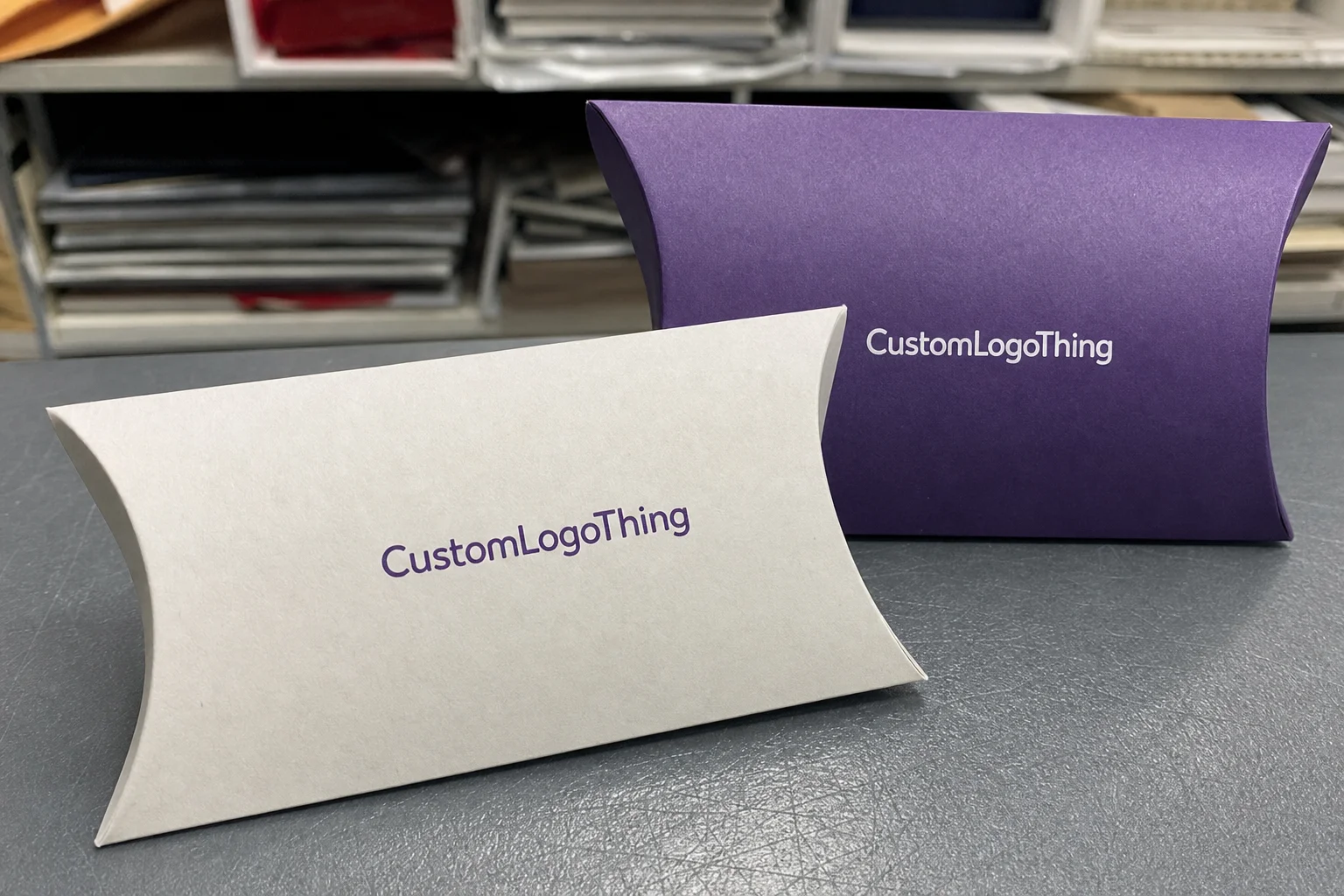
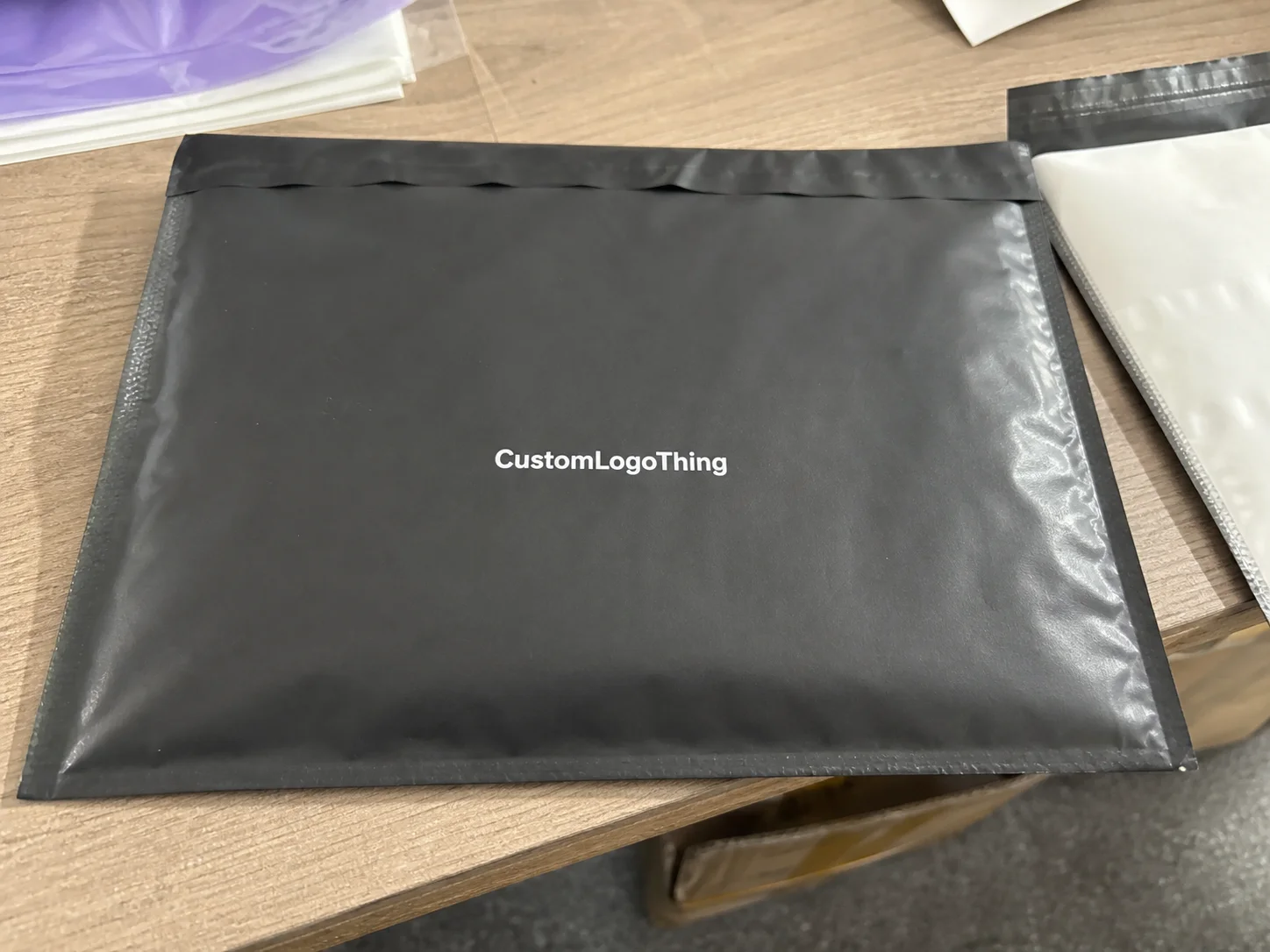
Buyer Fit Snapshot
| Best fit | Custom Recyclable Poly Mailers Wholesale projects where brand print, material claims, artwork control, MOQ, and repeat-order consistency need to be specified before quoting. |
|---|---|
| Quote inputs | Share finished size, material target, print colors, finish, packing count, annual reorder estimate, ship-to region, and any compliance wording. |
| Proofing check | Approve dieline scale, logo placement, barcode or warning zones, color tolerance, closure strength, and carton packing before bulk production. |
| Main risk | Vague material claims, crowded artwork, missing packing details, or unclear freight terms can make a low unit price expensive after revisions. |
Fast answer: Custom Recyclable Poly Mailers Wholesale: Pricing and Specs should be specified like a repeatable production item. The safest quote records material, print method, finish, artwork proof, packing count, and reorder notes in one written spec.
Production checks before approval
Compare the actual filled-product size with the drawing, then confirm tolerance on folds, seals, hang holes, label areas, and retail display edges. Reserve space for logos, QR codes, warning copy, and material claims before decorative graphics fill the panel.
Quote comparison points
Review material grade, print process, finish, sampling route, tooling charges, carton quantity, and freight assumptions side by side. A quote is only useful when the supplier can repeat the same color, closure quality, and packing count on the next order.
Custom recyclable Poly Mailers Wholesale sounds easy until you sit in a factory in Dongguan at 7:20 a.m. and watch a brand approve a heavier mailer that adds $0.11 to every shipment for no real gain. I’ve seen that mistake more times than I can count, and it usually starts with someone saying, “Let’s make it thicker just to be safe.” Safe from what? A box cutter? A bad spreadsheet? If you’re buying custom Recyclable Poly Mailers wholesale, the real job is to protect the product, keep postage down, and make the brand look sharp without paying for material you don’t need.
I’ve spent 12 years around custom printing and packaging, from Shenzhen to Guangzhou, and the best mailer programs are boring in the right way. They hit size, seal, print quality, and cost. That’s it. Good custom recyclable poly mailers wholesale programs also support branded packaging, which matters more than some people admit. A clean logo on a mailer is often the first physical touchpoint a customer gets before they ever see your product packaging or your Custom Printed Boxes. If the first touchpoint looks cheap, the whole shipment feels cheap. Customers notice. They just don’t write essays about it.
For brands shipping apparel, cosmetics, subscription kits, and small goods, custom recyclable poly mailers wholesale can be the cheapest professional-looking option that still gives you decent protection. I’ve negotiated with suppliers in Shenzhen and Ningbo who wanted to sell oversized films because “customers like a premium feel.” Sure. Customers also like not paying extra shipping. Funny how that works. I still remember one supplier trying to pitch a mailer so thick it felt like a life raft. Lovely. Completely unnecessary. A 90-micron PE mailer often does the job for soft goods; a 120-micron version is for products with more abrasion risk, not because someone wanted the package to feel like armor.
Why Custom Recyclable Poly Mailers Wholesale Makes Sense
The business case for custom recyclable poly mailers wholesale is pretty straightforward. These mailers are lightweight, so they help control postage. They print well, so they improve package branding. And they use less material than a corrugated shipper, which is good for brands trying to tighten their packaging design without making every order feel like it came wrapped in excess plastic and regret. A 10 x 13 inch poly mailer may weigh around 18 to 28 grams depending on film thickness; a comparable corrugated mailer can weigh several times more. That difference shows up in freight bills and warehouse handling.
On a factory visit in Dongguan, I watched a brand team compare two samples: one was a 90-micron mailer and the other was a 120-micron version. The thicker one looked “safer,” but it added weight, cost more, and didn’t improve the actual failure rate in transit. The shipping lane was domestic within the U.S., the goods were T-shirts, and the real issue was seal quality, not heroic film thickness. They ended up saving about $0.07 per unit by choosing the lighter spec. Multiply that by 25,000 pieces and the math gets loud fast. Honestly, the only thing “thicker” did was make the finance person squint harder.
Custom recyclable poly mailers wholesale also make sense because they create a cleaner unboxing moment for ecommerce. You don’t need a full rigid box for every item. Apparel, beauty items, accessory kits, and small soft goods usually travel fine in a properly spec’d mailer. You get lower outbound freight, less storage volume, and better picking speed in your warehouse. A carton of 500 mailers can fit in a fraction of the space a carton of corrugated boxes needs, which matters if your warehouse is in Los Angeles, Chicago, or even a tight 3PL in New Jersey where every pallet slot costs money. That is real money, not brand fluff.
Now, about the word “recyclable.” People throw it around like confetti. In practice, a recyclable mailer usually means the film is designed for established store-dropoff recycling pathways where accepted, often using polyethylene-based structures. It does not mean every curbside program will accept it. I always tell buyers to check local recycling guidelines and confirm resin type before they put a big green claim on the artwork. If the film says recyclable but the local system rejects it, your marketing team just bought itself a headache. And trust me, I’ve seen marketing teams get very attached to a green badge they didn’t bother verifying. Most PE-based mailers need to be dropped off at participating retail collection bins, not tossed into every blue bin in North America.
EPA recycling guidance is a decent starting point if your team wants to understand how claims should be handled. And if you need packaging-specific context, the Packaging Machinery Manufacturers Institute and broader packaging resources can help frame material choices without the usual sales nonsense. I also like asking suppliers for the exact resin blend, such as 100% LDPE or blended PE film, because “recyclable” without a material statement is basically marketing vapor.
Custom recyclable poly mailers wholesale work best when the product is light to medium weight, flat, and not easily punctured by corners. I’d put them in play for:
- Apparel and accessories
- Cosmetics and personal care sets
- Subscription box inserts
- Small electronics accessories
- Books, journals, and soft goods
The biggest mistake? Buying the cheapest mailer before checking seal strength, film gauge, and print durability. I’ve seen buyers save $0.01 per unit and then lose $0.18 per shipment in damage, reshipments, and customer service time. That is not a win. That is a spreadsheet crime. In one California apparel program I reviewed, a weak adhesive caused 2.4% of parcels to reopen in transit. The replacement cost destroyed the “savings” in under one month.
When you buy custom recyclable poly mailers wholesale, you’re not just buying plastic film. You’re buying a shipping system. The product has to survive conveyor belts, tote bins, rain, and the occasional warehouse worker who thinks every package can be tossed six feet into a cart. Reality matters more than slogans, especially when your ship-from site is in Dallas in summer and humidity is chewing through every shortcut you thought would work.
Custom Recyclable Poly Mailers Wholesale Product Details
A standard custom recyclable poly mailers wholesale build usually includes a single-layer recyclable film, an adhesive flap, and a tear strip. Some versions add a double-seal strip for returns or a tamper-evident closure if the brand wants extra security. I’ve seen beauty brands ask for tamper evidence because they ship samples and light retail sets, while apparel clients usually care more about speed and presentation than double closure. Different products, different pain points. The factory doesn’t care why you want it; it just wants the spec. In Guangdong, if you can state the finish, seal width, and film type in one sentence, the production team starts moving faster immediately.
The film is the part that matters most. A clean recyclable PE film can print nicely, fold well, and hold up against basic scuffing. The adhesive has to grab quickly and stay closed after pressure changes in transit. If you’ve ever opened a box from a humid warehouse in Houston and found the flap peeling up, you know why seal adhesive deserves more respect than it gets. I do not miss those mornings. Nobody wants to start the day with mailers that act like they’ve had a personal grudge against the customer. A proper hot-melt or pressure-sensitive adhesive should hold through a 24-hour room-temperature test and still stay closed after a few hours in a warm truck.
Customization on custom recyclable poly mailers wholesale orders usually includes 1-color, 2-color, or full-color printing. Matte finishes feel more premium on camera. Glossy finishes tend to show color better under bright light. Inside print is a nice touch if you want an extra branded surprise, but it does add cost and usually makes the setup more specific. If you’re watching margin, a clean outside print with one strong logo placement often performs better than trying to cram in every slogan you wrote during a late-night marketing brainstorm. Been there. The slogan can stay in the deck. A single-color matte mailer with black ink on a white or kraft-style recyclable film often looks cleaner than a noisy full-surface layout.
Here’s the practical part. Size and layout are where the money lives. A 10 x 13 inch mailer is not the same as a 14 x 19 inch mailer, and the wrong fit wastes labor and postage. I’ve sat in meetings where a client insisted on one universal size for five SKUs. It worked for two of them. The other three looked like they were shipped in sleeping bags. Not exactly elegant retail packaging. If your main product is a folded hoodie packed at 12 x 10 x 2 inches, a 14 x 19 inch mailer gives room for the adhesive flap and avoids the overstuffed bulge that kills seal performance.
Custom recyclable poly mailers wholesale can be used for a range of product categories, but the spec should match the goods:
- Apparel: 60–90 micron film usually works for tees, socks, and lightweight hoodies.
- Cosmetics: 80–100 micron film gives better puncture resistance for boxed jars or bottles.
- Books and paper goods: 50–70 micron film can work if the corners are not sharp.
- Small accessories: 70–90 micron film is a safe middle ground for retail-ready mailing.
Artwork setup matters too. I’ve watched brands burn a week because they sent a low-res JPG and asked why the logo looked fuzzy. Send vector files whenever possible. Use PMS references if color consistency matters. Keep bleed at least 3 mm. And if you want the print to look clean on custom recyclable poly mailers wholesale, keep the layout simple. Big logo. Clear type. One or two colors. That usually prints cleaner and costs less than a busy design with tiny text nobody will read once the package is on a porch in Phoenix at 2 p.m.
At our packaging meetings, I always tell clients that custom recyclable poly mailers wholesale should be treated like a branding tool, not a mini billboard for every company value statement. You want a package that moves fast through production and still looks intentional. A good mailer can support brand branding consistency across ecommerce, retail packaging inserts, and even subscription box shipments without looking overdesigned. A 350gsm C1S artboard insert might sit inside the parcel, but the mailer is what the customer sees first on the porch.
If you already use Custom Poly Mailers in other formats, the recyclable version is often a straightforward upgrade as long as you verify the film type and print compatibility early. If your team needs a broader packaging mix, our Custom Packaging Products catalog usually helps compare mailers against labels, inserts, and other branded packaging options. I’ve seen teams move from plain shipping bags to a mixed program that includes mailers, tissue, and custom printed boxes without raising total budget, just by tightening specs.
Specifications to Check Before You Order
Before you approve custom recyclable poly mailers wholesale, check the specs one by one. Not because I enjoy making people review spreadsheets, but because the small details decide whether the job ships cleanly or becomes a nightmare. The core specs are dimensions, film thickness, seal width, adhesive type, print area, and any added features like tear strips or double seals. On a typical production sheet from a factory in Shenzhen, those numbers should be listed in millimeters, microns, and pantone references, not just “standard” or “as requested.”
Dimensions need to match the packed item, not the marketing sketch. If your product is 9.5 inches wide after folding, a 10-inch mailer is not a smart idea. Leave room for the product, the flap, and the actual seam allowance. I’ve seen buyers try to save space and end up with a mailer that bulges so much the adhesive barely touches. That’s not packaging. That’s wishful thinking. Add at least 0.5 to 1 inch of clearance on each side for soft apparel and more for boxed items with hard corners.
Film thickness is the next big decision for custom recyclable poly mailers wholesale. A lightweight garment might be fine at 60–70 microns, while a heavier item or something with sharp corners may need 90–120 microns. There is no magical number that works for everything. It depends on product weight, distance traveled, whether the mailer is the only protection, and how rough the shipping lane gets. A domestic route with gentle parcel handling is a different beast from cross-border freight with long warehouse dwell times. A 0.07 mm film can work for basic T-shirts, but a 0.12 mm structure is safer for boxed cosmetics or travel kits moving through multiple hubs.
Be careful with environmental claims. Recyclable is not the same as compostable. Recycled content is not the same as recyclable. And post-consumer recycled content does not automatically mean the mailer itself can be recycled in every local program. Ask for the resin type, the recovery pathway, and the claim language before you approve artwork. I’ve seen brands print a sustainability badge first and ask questions later. That’s backwards. Ask first. Print second. Saves everyone from an awkward apology email later. If the supplier says “100% recyclable,” ask them to show the exact material structure, such as mono-PE film with water-based ink and no mixed-material laminations.
Testing should not be optional. For custom recyclable poly mailers wholesale, I like to see at least basic checks for seal integrity, drop performance, tear resistance, and ink adhesion. Internal QC may not need full lab certification for every order, but the supplier should be able to show a repeatable process. If you want formal reference points, ISTA testing standards are a sensible benchmark for transit-related packaging evaluation. A simple drop test from 30 inches on multiple edges can catch weak seals before you discover the problem in Atlanta or Toronto after shipment.
A buyer checklist saves time and avoids the back-and-forth email spiral:
- Confirm product dimensions and packed weight.
- Choose film thickness based on product fragility.
- Set print colors and logo placement.
- Approve claim language for recyclability.
- Request a digital proof or physical sample.
- Lock final quantities before production starts.
That list sounds basic. It is. Yet every month I still get a client who skipped step 1 and wants me to “make the size work somehow.” Somehow is not a spec. Custom recyclable poly mailers wholesale deserve actual numbers, not optimism. If you want a mailer that arrives cleanly, give the factory exact dimensions, a target gram weight, and a print-ready vector file in PDF or AI format.
If you’re building a full package branding system, think about how the mailer fits with your labels, tissue, inserts, and outer cartons. The best programs feel connected across channels. A mailer that matches your custom printed boxes can make a cheap shipment feel much more intentional. That is the kind of detail customers notice without knowing why. Even a 350gsm C1S artboard insert tucked inside a recyclable mailer can make a mid-ticket order feel planned instead of random.
| Spec Item | What to Ask For | Why It Matters |
|---|---|---|
| Dimensions | Finished flat size with flap allowance | Prevents overstuffing and seal failure |
| Film Thickness | Micron or mil rating | Controls puncture resistance and cost |
| Adhesive | Permanent or double-seal adhesive | Impacts closure strength and returns handling |
| Print Area | Safe zone and bleed | Keeps logos clean and readable |
| Recyclability Claim | Resin type and pathway guidance | Reduces compliance and marketing risk |
Custom Recyclable Poly Mailers Wholesale Pricing and MOQ
Pricing for custom recyclable poly mailers wholesale is driven by four things: size, quantity, print colors, and film thickness. Everything else is usually a variation on those four. If you want a clean price comparison, ask for tiered quotes. I typically request 5,000, 10,000, and 25,000 units because that’s where the unit economics start telling the truth. A factory quote from Foshan or Xiamen that only gives one number is usually hiding the breakpoints, and breakpoints are where your savings live.
As a rough framework, a simple single-color run on a common size may land around $0.11 to $0.18 per unit at higher volumes, while thicker film, larger sizes, or more colors can push pricing into the $0.20 to $0.35 range. For example, a 10 x 13 inch white recyclable mailer with one black logo might price at about $0.15 per unit for 5,000 pieces, while 25,000 pieces might drop closer to $0.09 or $0.10. Smaller orders can be much higher. That is not a scam. That is setup cost, printing time, and material waste showing up like adults in the room. If you only need 1,000 pieces, custom recyclable poly mailers wholesale may still be possible, but it will not look like true wholesale pricing.
MOQ depends on the factory, the print method, and whether the bag is a stock size or fully custom. A simple one-color job may start lower than a full-color build. If you want special sizing, inside print, or premium finishing, minimums usually climb. I’ve had suppliers quote 3,000 units for one job and 10,000 for another that looked nearly identical to the buyer. The difference was tooling, setup, and how much line time the plant had to reserve. Welcome to manufacturing. Everything is “simple” until someone has to produce it. In Zhejiang, I’ve seen a factory schedule change because one line was booked for a 50,000-piece beauty order with metallic ink, and that pushed every small job back by four days.
Here’s a practical way to compare custom recyclable poly mailers wholesale buying options:
| Order Size | Typical Unit Cost Range | Best For | Notes |
|---|---|---|---|
| 5,000 pcs | $0.18–$0.35 | Launches, pilot runs, small ecommerce brands | Higher setup share per unit |
| 10,000 pcs | $0.12–$0.24 | Growing stores and seasonal replenishment | Often the sweet spot for first wholesale order |
| 25,000 pcs | $0.09–$0.18 | Established brands and multi-warehouse supply | Material and print costs spread out better |
| 50,000 pcs+ | $0.07–$0.15 | High-volume retail packaging and subscription programs | Best freight planning and lowest unit cost |
Now the hidden costs. Buyers often forget artwork revisions, freight, import duties, rush production, and sample charges. A sample might cost $30 to $80 plus shipping depending on the setup. Freight can swing wildly. Air freight gets the boxes to you fast, but it can add hundreds or even thousands of dollars depending on carton count and destination. Sea freight is cheaper for big replenishment orders, but it demands planning. If you want custom recyclable poly mailers wholesale to stay inside budget, you need to look at landed cost, not just factory unit price. A quote from Shenzhen to the Port of Los Angeles with export cartons included is a very different number from a quote that only covers bags on the factory floor.
I once had a client in apparel insist on a low per-unit quote from a factory that turned out to exclude export packing, carton markings, and inland delivery to the port. By the time we added everything, the “cheap” order was 14% more expensive than a competing quote from a supplier who had simply been honest up front. Funny how transparency can save money. Also funny how people hate it until the invoice arrives. The lesson was easy: ask for FOB, EXW, and DDP comparisons so you can see what really lands in your warehouse in New York or Texas.
Requesting tiered quotes is the right move because it exposes the real breakpoints. Ask for the same spec at 5,000, 10,000, and 25,000 units. Then compare the unit price, the setup fee, and the freight estimate. For custom recyclable poly mailers wholesale, the best decision is often the one that looks slightly more expensive on paper but lands cheaper after freight and waste are included. A quote that saves $0.01 per unit but requires three more days of handling and a higher carton count is not actually cheaper. It’s just louder on the spreadsheet.
Don’t ignore consistency either. If your store ships 2,000 orders a month, a 5,000-unit run might feel enough, but you can burn through inventory faster than expected during promotions. I’ve seen seasonal brands run out in eight weeks because they guessed too low. Then they rush another order, pay more, and lose margin on both the product and the postage. Great plan. Terrible math. A better rule is to hold at least six to eight weeks of buffer inventory if your peak season runs through October or November.
Order Process and Timeline for Custom Recyclable Poly Mailers Wholesale
The order flow for custom recyclable poly mailers wholesale should be clean and boring. Quote, spec confirmation, artwork proof, sample approval, production, inspection, and shipping. If a supplier cannot explain those steps clearly, that usually means they also cannot manage the job cleanly. I prefer suppliers who tell me exactly what they need on day one, because ambiguity becomes cost later. A factory in Guangzhou that gives a written production flow is usually a better sign than a factory that keeps saying “no problem” and then asks for missing details later.
Speed comes from preparation. If you send final artwork, exact dimensions, print colors, and a clear ship date, the whole process moves faster. If you send a logo screenshot in a text message and say “make it pop,” then yes, the clock will slow down. I’ve had brand teams delay proof approval for nine days because nobody could decide whether the logo should sit centered or slightly higher. That’s not production’s fault. That’s indecision wearing a marketing hat. I once watched a buyer in Chicago hold up a 20,000-piece order because the brand color shifted from cool white to warm white in the mockup. That delay cost five business days and one angry warehouse manager.
Typical timelines for custom recyclable poly mailers wholesale vary by order size and shipping method. Sample runs may take about 5 to 10 business days before freight. Bulk production often takes around 12 to 18 business days after proof approval, depending on factory load and print complexity. For many standard one-color orders, the sweet spot is 12-15 business days from proof approval. Then shipping adds its own calendar. Air freight can cut transit time dramatically, while sea freight may extend the total timeline by a few weeks but keeps the landed cost lower for larger orders. If your shipment leaves Yantian Port by sea, budget extra time for customs and inland delivery on the destination side.
One thing people mess up constantly: changing artwork after proof approval. That can reset the schedule, especially if the film, plate, or print setup has already been prepared. I’ve seen a “minor text change” become a seven-day delay and a new invoice. So yes, accuracy early saves both time and money. Shocking, I know. The factory already reserved line time, usually in 12-hour shifts, and your tiny edit just knocked the queue sideways.
A realistic shipping plan for custom recyclable poly mailers wholesale depends on replenishment needs:
- Air freight: Best for urgent launches, stockouts, and low-volume replenishment.
- Sea freight: Best for larger orders where unit cost matters more than speed.
- Mixed planning: Some brands air a partial order and sea the balance to keep shelves full.
If your brand is part of a larger packaging system, coordinate the mailer order with your other packaging needs. That could mean matching it to labels, inserts, or even custom printed boxes for boxed variants. The best supply plans don’t treat packaging as isolated line items. They tie inventory together so your warehouse team isn’t juggling three different reorders in three different weeks. A good sourcing calendar in April can save you from a panic reorder in September.
For companies buying through broader sourcing channels, our Wholesale Programs often help make the ordering rhythm simpler. Not glamorous. Just useful. Which is usually better. A tidy replenishment plan with a factory in Shenzhen and a warehouse in Atlanta beats a last-minute rush every time.
Why Choose Us for Custom Recyclable Poly Mailers Wholesale
We’re not just reselling stock mailers with a logo slapped on them. I’ve worked on enough custom printing jobs to know the difference between a supplier and a middleman with a glossy website. With custom recyclable poly mailers wholesale, the value comes from material sourcing, print control, and actual factory coordination. That’s where cost and consistency get protected. The right supplier should know the difference between 70-micron and 90-micron film, understand adhesive cure times, and be able to show you a sample from a run in Ningbo or Dongguan without dodging questions.
When I visit factories, I look for three things immediately: film consistency, seal performance, and print registration. If the film rolls vary too much in thickness, the mailers feel inconsistent in hand. If the seal line is weak, you get returns and complaints. If print registration drifts, your branding looks cheap even if the design looked great on screen. The factory floor does not care about your mood board. It cares about tolerances. And yes, I have stared at a seal line for longer than I care to admit. I’ve also watched workers test flap adhesion at the edge of a packing table with a stopwatch and a stack of 100 samples. That’s the kind of unsexy detail that saves money later.
We help buyers Choose the Right thickness, print method, and closure style based on the shipping model. A beauty brand sending lightweight serum sets needs different specs than an apparel brand shipping sweaters. That sounds obvious, but I’ve had clients try to use one mailer for everything because they wanted “consistency.” Consistency is good. Bad fit is not. A 65-micron mailer for folded tees can work beautifully; a 100-micron bag may be the better call for boxed skincare with glass components.
Our team also reviews artwork so print stays clean and readable. That includes checking margins, color values, and whether the design has too much fine detail for the selected film. It’s the same mentality we use with branded packaging, retail packaging, and other package branding projects. The goal is simple: make the order look intentional and keep the production stable. If you want a crisp logo, use a vector file, a 3 mm bleed, and enough contrast for low-gloss film. That beats hoping the printer can “fix it in production.”
“I’d rather fix a bad spec on paper than eat a warehouse problem later.” That’s what I tell clients, and I mean it. A $0.02 decision made too early can turn into a $2,000 headache if the mailer doesn’t hold up.
If you want a supplier who talks honestly about cost, lead time, and print limits, that matters more than a flashy sales pitch. Custom recyclable poly mailers wholesale should arrive on spec, on time, and with enough quality control to keep customer complaints low. That is the real job. Not pretending every package needs to feel expensive when a simple, well-made bag in the right size is enough.
We also understand how mailers fit into a broader packaging system. Sometimes a brand starts with mailers, then adds custom printed boxes, inserts, and label programs later. Sometimes they already have a box program and only need a lighter shipping option. Either way, the approach should stay practical. No drama. No inflated promises. Just packaging that performs. That’s why we’re comfortable talking about unit price, carton count, and landed cost in the same sentence instead of hiding behind buzzwords.
What should you ask before buying custom recyclable poly mailers wholesale?
Ask about film thickness, seal type, resin structure, print method, MOQ, and claim language. That’s the short version. The longer version is: ask for the exact dimensions, the adhesive spec, the recycle pathway, a proof, and a sample. If a supplier can’t answer those questions clearly, I’d treat that like a flashing red light, not a vibe check. I’ve seen too many brands skip the basics and then wonder why the mailers arrived looking great online and disappointing in a warehouse. Not ideal.
Next Steps to Order Custom Recyclable Poly Mailers Wholesale
If you’re ready to order custom recyclable poly mailers wholesale, gather the basics before you request quotes. You need the size, quantity, packed product weight, logo files, print colors, and your target ship date. If you do not know the exact size yet, ask for two or three options. That’s normal. A good supplier should help you compare fits rather than forcing one guess and hoping for the best. If your product is being packed in Austin and shipped from a 3PL in California, mention that too because shipping lane and handling matter.
For a cleaner quoting process, send the following:
- Finished product dimensions or sample photos with measurements.
- Estimated monthly volume and first order quantity.
- Preferred mailer color and print style.
- Recyclability claim language you want to use.
- Any special requests like inside print, double seal, or tear strip.
Ask for a sample or digital proof before mass production. I’m serious about that. A sample lets you verify color, feel, seal strength, and artwork placement. If you’re ordering custom recyclable poly mailers wholesale for the first time, don’t assume the screen preview tells the whole story. It doesn’t. Paper, film, and ink all behave differently once they hit the press. A physical sample is the fastest way to catch a too-small logo, a weak flap, or a film that feels slicker than the buyer expected.
Then compare the quote tiers. Look at 5,000, 10,000, and 25,000 units side by side. Check whether the unit price drops enough to justify higher inventory. Review freight separately. Confirm whether the quote includes export cartons, palletization, and any inspection costs. That’s the difference between a smart buy and an expensive surprise. If the supplier can give you a landed cost estimate to Los Angeles or New York, even better. That’s the number that matters.
The final buying decision should be simple: choose the supplier who can deliver custom recyclable poly mailers wholesale on spec, on time, and within budget. Not the loudest supplier. Not the one with the prettiest pitch deck. The one who actually understands film, print, and shipping reality. If they can talk in microns, carton counts, and proof timelines without stumbling, you’re probably in better hands.
If you want to keep building out your packaging program after the mailers are locked, browse our Custom Packaging Products and compare options across mailers, inserts, and other shipping formats. A tight packaging system saves more than money. It saves time, and time is usually the first thing brands run out of. A mailer order placed with a 12-15 business day production plan is far less painful than a rush reorder that blows up the month-end budget.
Order custom recyclable poly mailers wholesale with the right spec, the right print, and the right volume, and you get a shipping package that does its job without wasting postage or material. That’s the whole point. Clean, practical, branded, and cost-aware. No magic. Just good packaging. If you’re making the decision this week, start with the product size, then the film thickness, then the recyclability claim. Get those three right and the rest gets a lot less annoying.
FAQ
What makes custom recyclable poly mailers wholesale different from standard mailers?
They are built for bulk purchasing and branded printing, not just plain shipping. Recyclable versions use film choices intended to fit established recycling pathways where accepted, and wholesale ordering usually lowers unit cost while keeping branding consistent across shipments. A 5,000-piece run in a single-color print is usually priced very differently from a plain stock bag you grab off the shelf in Shenzhen or Dallas.
What is the minimum order for custom recyclable poly mailers wholesale?
MOQ depends on size, print complexity, and film spec. Simple single-color runs usually have lower minimums than full-color custom work. Ask for tiered MOQ options so you can compare a startup quantity against real wholesale pricing. Many suppliers will quote around 3,000 to 5,000 pieces for straightforward specs and 10,000 or more for complex builds with inside print or special finishes.
How do I know which size to order for my recyclable poly mailers?
Measure the product plus any inner packaging first, then leave room for flap closure and seam allowance. If you ship multiple SKU sizes, choose the most common fit and test it with a sample before placing a bulk order. A 10 x 13 inch bag may work for folded tees, while a 14 x 19 inch mailer is often better for bulkier hoodies or boxed kits.
Are custom recyclable poly mailers wholesale actually waterproof?
They are water-resistant, not a substitute for fully waterproof packaging in extreme conditions. The film protects against light rain and normal shipping moisture. For delicate goods, use an inner layer or additional barrier if needed. If the route includes long outdoor exposure or humid transit through regions like Florida or Singapore, test the seal and print before scaling up.
How long does it take to receive custom recyclable poly mailers wholesale?
Timeline depends on proof approval, production volume, and shipping method. For many standard runs, production is typically 12-15 business days from proof approval, then freight time is added on top. Air freight is faster but costs more, while sea freight is cheaper for larger orders. Final artwork approval early in the process helps avoid delays, and a sample approved in Guangzhou can save a week of back-and-forth later.