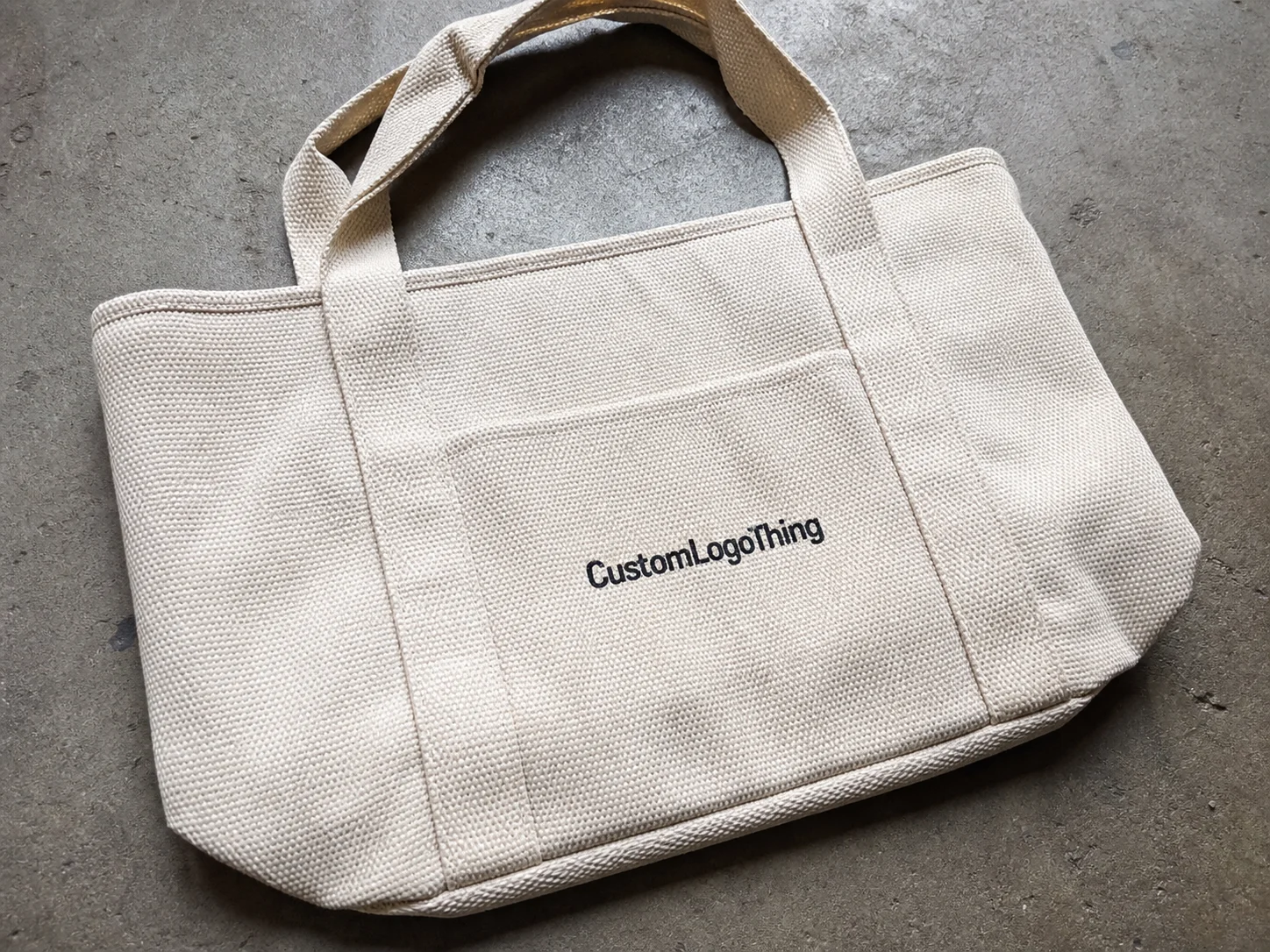
Ordering a Tote Bag Custom made often looks simple until the quotes land on your desk. One supplier prices a thin promotional bag, another quotes cotton canvas with reinforced handles, and a third leaves out setup, sampling, or freight. The line items look close at first glance. The finished cost usually is not.
The useful way to think about a custom tote is not "How do we print a logo?" It is "What bag will carry the product well, feel right in hand, and still look acceptable after repeated use?" That question changes the specification immediately. Size, fabric, stitching, print method, and finishing stop being decorative choices and become part of the product definition.
Custom totes show up in retail packaging, trade shows, subscription boxes, store merchandise, and giveaway kits because they extend brand visibility without being disposable. A paper insert is forgotten. A tote that gets used for groceries, books, or a laptop changes how often the brand is seen. That extra exposure only works if the bag survives long enough to be reused.
What "tote bag custom made" actually means and why buyers care
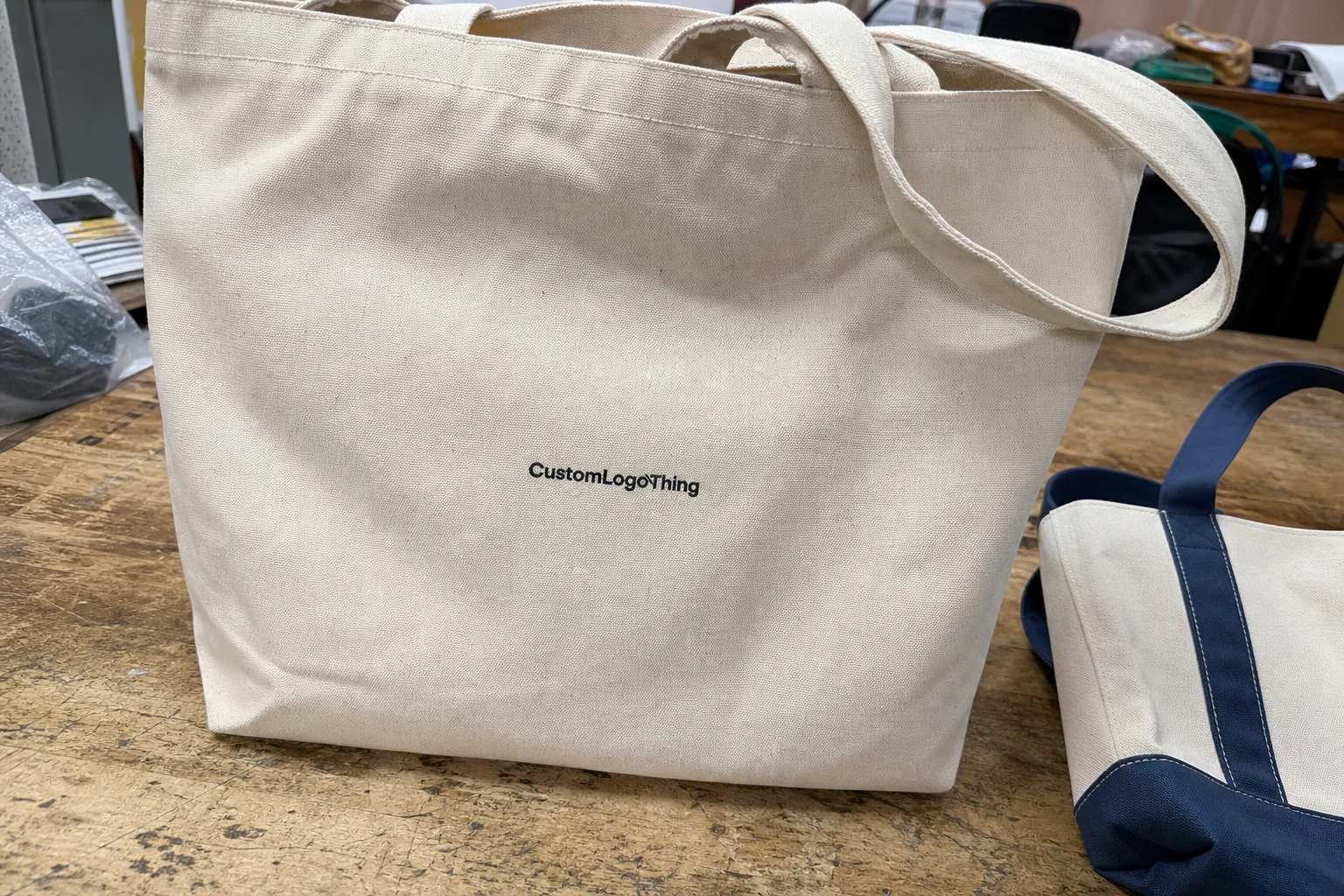
A tote bag custom made order is not just a blank bag with artwork added later. It is a product built around dimensions, material weight, handle length, construction, and decoration. The final bag can be light and inexpensive, or structured and premium, but those outcomes come from the spec sheet rather than from the logo file.
The details matter because tote bags are handled differently than many printed items. They are carried on shoulders, stuffed into cars, dropped on floors, and reused long after the original purchase. A handle that is a little too short becomes annoying. A gusset that is too shallow makes the bag unusable for boxed items. A weak seam turns a nice giveaway into a complaint.
Buyers usually want custom totes for one of four reasons: to package retail goods, to support an event, to build a merch line, or to make a promotional item feel less disposable. Each use case points to a different material class. Low-cost events can tolerate non-woven polypropylene. Retail packaging often needs cotton or canvas. Heavier loads usually justify woven PP or a reinforced build.
There is another reason buyers care about specs. The tote often sits beside other packaging components, and weak alignment is easy to spot. If the tote feels cheap while the rest of the package looks deliberate, the whole presentation drops in value. That mismatch is common, and it is avoidable.
The better question is rarely "Can this be customized?" It is "Can this be customized in a way that fits the product, the budget, and the timeline?" That framing leads to fewer revisions and fewer expensive compromises later.
How custom tote bag production works
The workflow is usually straightforward on paper. A buyer sends a brief, the supplier reviews materials and artwork, a sample or proof is approved, and production begins. The complicated part is that each step depends on the one before it. If the first brief is vague, every later decision gets slower and less accurate.
To quote properly, suppliers need the basic specification set: finished size, material, quantity, logo files, print placement, color references, and deadline. If the bag needs to hold a specific product or carry a target weight, say so early. That information affects fabric choice and seam strength. Without it, the supplier is guessing.
There are two broad production paths. Stock-base customization starts with an existing blank or near-blank tote, then adds print, labels, or small trim changes. Fully custom production defines the bag from the ground up. Stock-base work is faster and cheaper. Fully custom work gives more control over structure and appearance, but it demands a longer timeline and a higher budget.
Samples and proofs are not formalities. They are the point where mismatches get exposed. A logo can shift on textured fabric. A Pantone match can look slightly different once ink hits cotton. A handle that seemed fine in a spec sheet can feel awkward in the hand. If the sample is skipped, those issues move from manageable to expensive.
Useful information to provide up front includes:
- Size: width, height, and gusset depth
- Material: cotton, canvas, non-woven PP, woven PP, laminated PP, or recycled fabric
- Decoration: screen print, digital print, heat transfer, or embroidery
- Color target: Pantone, CMYK reference, or a physical swatch
- Deadline: launch date, mail date, or event date
If the tote is part of a broader packaging program, keep the same discipline across all components. A bag that matches the color tone, print style, and finish of other branded items looks intentional. If you already have Custom Packaging Products in circulation, the tote should feel like it belongs to that system rather than standing outside it.
Materials, print methods, and build specs that change the result
Material choice affects cost, appearance, durability, and how the bag feels in hand. The same design can look polished on one substrate and flimsy on another. That is not a design problem so much as a material mismatch.
Non-woven polypropylene is the usual entry point for high-volume promotions. It is light, inexpensive, and easy to print on. It works well when the goal is visibility and price control rather than repeat use. Woven PP is stronger and better for heavier contents, though it reads as more utilitarian. Laminated PP adds a smoother surface and more moisture resistance, which helps the bag hold up visually and perform better in transit.
Cotton and canvas sit higher on the value scale. They feel better, last longer, and fit retail packaging or premium merchandise better than low-cost promo materials. Recycled cotton and recycled PET are viable options if the sourcing is documented. If sustainability claims matter, ask for supporting documentation rather than accepting a verbal assurance. Certification language should be specific and relevant to the material chain, not broad marketing copy. For reference on responsible sourcing contexts, see fsc.org.
Decoration method matters just as much. Screen printing is efficient for simple logos and flat color areas, especially in one to three colors. Heat transfer is often a better fit for smaller runs or more detailed artwork. Digital printing offers more color flexibility, though not every fabric handles it equally well. Embroidery can look premium on heavier canvas or cotton, but it increases cost and is not suitable for very fine detail.
Specs buyers often overlook
Fabric weight, stitch density, seam reinforcement, handle width, gusset depth, and closure style all affect the finished bag. A tote with a bottom insert carries boxes more cleanly. An X-stitch at the handle reduces failure under load. A zipper or snap adds utility, but it also adds cost and may extend lead time.
Here is a practical comparison:
| Material | Typical Use | Cost Range | Feel and Durability |
|---|---|---|---|
| Non-woven PP | Promos, events, giveaways | Lowest | Light, economical, moderate durability |
| Woven PP | Heavy-duty promotions, grocery use | Low to mid | Stronger structure, higher load capacity |
| Cotton | Retail packaging, lifestyle brands | Mid | Soft handfeel, good repeat use |
| Canvas | Premium retail, merchandise bags | Mid to high | Thicker, more structured, premium appearance |
| Laminated PP | Bold graphics, moisture resistance | Mid | Sharper print surface, more polished look |
For buyers who care about shipping performance, the ISTA test framework is a useful reference. It is not tote-specific, but it encourages the right questions about handling, transit stress, and load tolerance. See ista.org for the organization and its testing approach.
Tote bag custom made cost, MOQ, and unit price factors
Pricing is shaped by a small set of variables, and every one of them is visible once you know where to look. Material, size, print coverage, quantity, finishing, and packaging all change the quote. A simple one-color tote and a laminated, multi-step build are not close substitutes. They should not be priced as if they are.
MOQ, or minimum order quantity, changes unit price more than many buyers expect. Setup work, sample preparation, print screens or plates, and labor get spread across the order. Smaller runs therefore carry a higher per-unit cost. A 300-piece order can look expensive beside a 3,000-piece order even when the bags appear similar on the surface.
For planning purposes, these ranges are a workable starting point, not a universal promise:
- Low-cost promo tote: roughly $0.20 to $0.80 per unit at higher quantities, depending on material and print coverage
- Mid-range cotton or canvas tote: roughly $1.20 to $3.50 per unit, with price moving on fabric weight, stitching, and print complexity
- Premium or fully custom build: roughly $3.50 to $8.00+ per unit, especially when lining, closures, labels, or multiple decoration methods are involved
Those numbers move quickly when the spec becomes more demanding. Large print areas, dense stitching, coated materials, custom labels, zipper closures, and retail packaging all raise the total. So do extras like individual polybags, barcode stickers, and box presentation. If the tote is part of a premium retail package, some of those additions are justified. If it is for a one-day event, they may not be.
There are also less visible costs. Setup fees, sample charges, freight, import duties, and rush production can affect the landed cost more than the tote itself. A quote that looks attractive on an ex-factory basis can become expensive after shipping and handling are added. Buyers should compare total landed cost, not just the unit price line.
"Looks similar" is not a specification. If the quote does not define material weight, print method, handle construction, and finishing, the products are not actually the same.
If the order is tied to a launch or seasonal campaign, ask for pricing at two or three quantity breaks. The step from 1,000 to 3,000 units often shows where the economics improve. That is usually more useful than a single quote at a single volume.
Production steps, timeline, and lead time expectations
A realistic schedule begins with quote review and spec alignment. After that come artwork approval, sampling if needed, production, quality inspection, and shipping. For a standard order, 12 to 20 business days after proof approval is a reasonable planning window, then transit time on top of that. More complex builds take longer.
Speed comes from clarity. Ready-to-print artwork, standard dimensions, familiar materials, and fast proof approval all reduce delay. Lead time expands when the order needs custom sizing, multiple print effects, sample revisions, or late changes after production has started. That last one is expensive because it interrupts the production line and creates waste.
Shipping choice matters too. Air freight shortens transit time but raises landed cost sharply. Ocean freight is more economical for larger orders, but it requires more buffer in the schedule. Domestic delivery is faster once the goods are shipped, yet it cannot compensate for a slow approval cycle upstream. The transport method should fit the event date, not be chosen after the fact.
There is also a difference between proof approval and production release. A proof shows layout, proportion, and color intent. It does not always show exact texture or how ink behaves on the final fabric. If the bag needs tight color control or a premium finish, ask for a pre-production sample or a production reference sample before the full run starts.
Common ordering mistakes buyers make
The first mistake is choosing the cheapest quote without checking what is included. Lower pricing sometimes means thinner fabric, lighter stitching, smaller print coverage, or no setup and freight. A quote can look efficient and still deliver the wrong bag. Cheap is only useful if the spec is still acceptable.
The second mistake is approving artwork too quickly. Bleed, safe area, resolution, and color conversion all matter. A logo that appears sharp on screen can be cut by a seam or distorted by textured fabric. If the supplier asks for vector art, send vector art. That is the correct file type for the job, not a preference.
The third mistake is underestimating size. A tote that looks generous in a mockup can fail once real products are inserted. Retail packaging is especially sensitive here because dimension errors affect both appearance and function. The wrong gusset depth is enough to make a polished design feel awkward.
Other mistakes show up often enough to be predictable:
- Ignoring weight load and overfilling the bag
- Using vague color descriptions instead of Pantone or a physical reference
- Assuming every factory uses the same fabric weight or stitch strength
- Skipping sample approval on premium runs
- Forgetting that handle length affects usability more than most mockups reveal
One more issue deserves a mention. Two totes can look nearly identical in a photo and still behave very differently in use. The difference may be in the weave, the coating, the seam method, or the handle attachment. That matters when the tote has to sit beside other packaging elements and still feel like part of the same program.
Best practices for a smooth custom order and better results
The cleanest orders start with a single spec sheet. Put the size, material, color, print method, quantity, deadline, and packaging requirements in one place before requesting quotes. That cuts down on back-and-forth and exposes suppliers who are estimating instead of quoting.
If the tote will represent a premium brand or a retail launch, ask for a sample or pre-production proof. This matters more when the design uses coated materials, unusual handle construction, or broad print coverage. The sample stage shows whether the bag still feels right once it is built, not just when it is rendered.
Compare total landed cost. Include unit price, setup, sampling, freight, and import charges if they apply. Saving a small amount per bag means little if freight wipes out the difference. A useful quote is the one that tells you the real final number, not the one that hides the expense in a different place.
For reorders, keep one approved physical sample and one final artwork set. That makes repeat production more consistent, especially if the supplier changes fabric lot or print line. Consistency is easier when the buyer keeps a reference standard instead of relying on memory or a thread of old emails.
What to include before you ask for quotes
- Intended use: retail, promo, event, subscription, or internal packaging
- Target quantity: enough to expose MOQ and price breaks
- Budget range: realistic, not aspirational
- Artwork files: vector logo, brand colors, and layout notes
- Deadline: approval date, shipment date, and event date
If you already work with Custom Packaging Products, align the tote with the rest of the set. Matching print tone, material feel, and color discipline makes the whole package read as intentional instead of assembled in pieces. That consistency is one of the easiest ways to lift perceived value without changing the core product.
Next steps before you place an order
Start with the use case. Is the tote meant to feel premium, stay inexpensive, or support shipping and storage? That answer should shape the material and structure. A retail bag and a one-day promo giveaway should not share the same spec unless there is a very good reason.
Then gather the files and references. Send the logo artwork, Pantone references if available, a size target, and any must-have details such as gusset depth, closure style, or reinforcement. If the buying team has not agreed on those basics yet, resolve that first. Otherwise, each quote will reflect a different interpretation of the same request.
Request two or three detailed quotes and make sure each one breaks out material, print, setup, sampling, and shipping. If a supplier cannot explain the difference between a stock-base job and a fully custom build, that is a warning sign. The issue is not just terminology. It usually means the quote is too loose to rely on.
Before paying a deposit, confirm the sample approval process, production timeline, and reorder terms. Ask what happens if artwork changes after approval. Ask how color consistency is handled on repeat runs. Those are not glamorous questions, but they are the ones that protect the schedule and the budget.
A tote bag custom made well is simple in the right way. The material fits the use, the print fits the surface, the handles carry comfortably, and the total cost makes sense after freight and setup are included. That is the outcome worth buying.
FAQs
What should I know before ordering tote bag custom made bags?
Start with the end use, because retail, events, and giveaways need different materials and sizes. Prepare the artwork, quantity, and deadline before asking for quotes so the pricing reflects the same spec from every supplier.
How much does a custom tote bag usually cost per unit?
Unit price depends on material, size, quantity, print coverage, and finishing. Higher volumes usually reduce the per-bag price, while sampling, setup, and freight can raise total cost more than buyers expect.
What is the typical lead time for custom tote bags?
Lead time varies by material, print method, and order size, but a standard order often takes 12 to 20 business days after proof approval, plus shipping. Complex builds or late artwork changes can extend that schedule.
Which material is best for a custom tote bag?
Non-woven and woven PP are practical for low-cost promotions. Cotton, canvas, and laminated options feel more premium and suit retail or repeat use better. The right material depends on load, appearance, and budget.
Can I order a small quantity of custom tote bags?
Yes, but small quantities usually come with higher unit costs and fewer customization options. Ask about MOQ, sample fees, and setup charges before comparing suppliers, or the quotes will not be directly comparable.