Toy Embroidered Baseball Caps Bulk Order Planning Tips
Mini embroidered caps look simple on a quote sheet, but the buying decision depends on more than unit price. Buyers need to know whether the cap is being used as a toy accessory, a retail novelty, a display piece, or part of a bundled promotion, because each use case changes the spec, the packaging, and the acceptable defect risk.
Embroidery usually adds value at this scale because the finish looks more permanent than print and reads well in small quantities. The challenge is keeping the logo clean when the front panel is tiny. That is why planning should start with product role, artwork limits, and packaging needs instead of jumping straight to price.
Why Small-Scale Cap Orders Create Big Inventory Wins
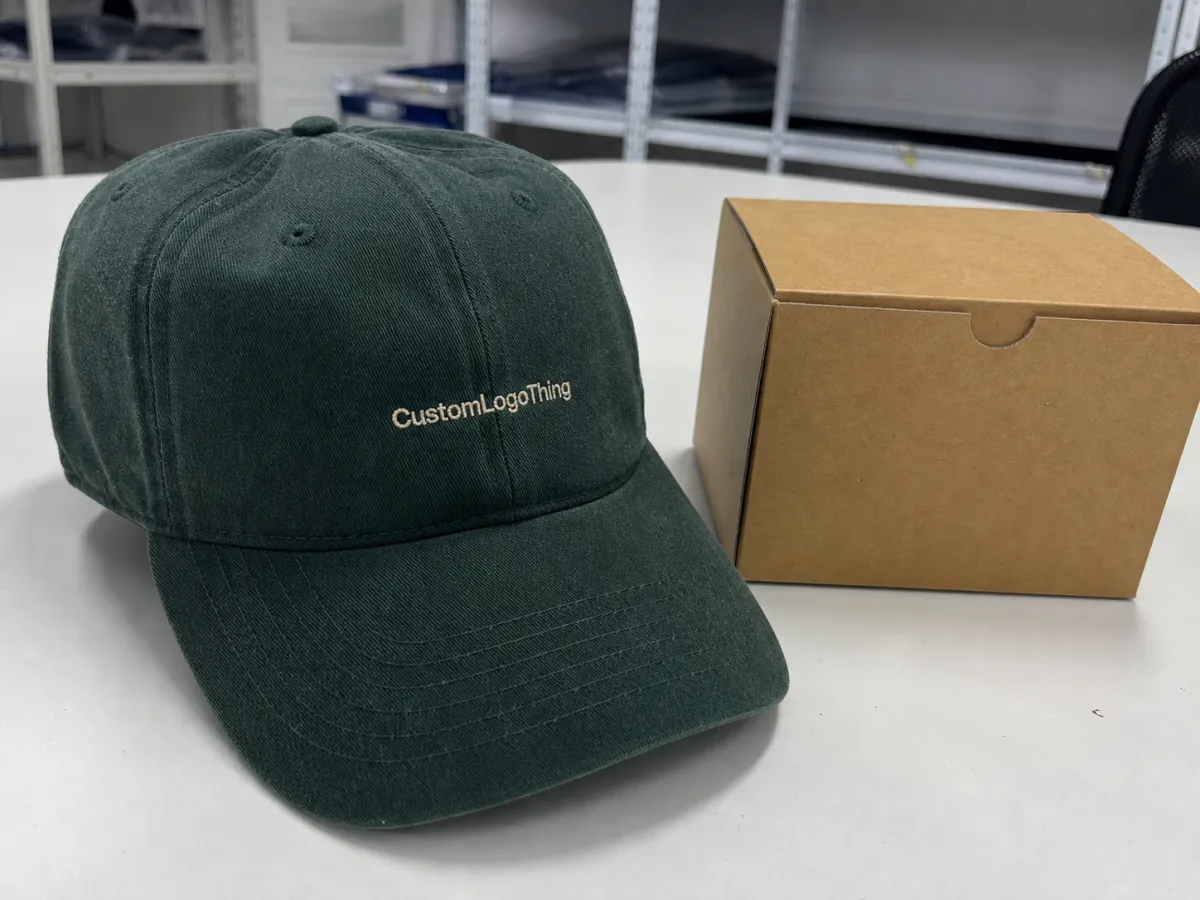
Mini embroidered caps can be useful inventory because they are easy to display, easy to bundle, and easy to attach to higher-margin products. They also take little shelf space, which matters when buyers want a small accessory that still looks finished.
Perceived value is part of the appeal. Stitching suggests labor and durability, so a small cap can feel more substantial than a printed alternative. That can support better retail pricing if the logo is legible and the packaging is clean.
Assortment control matters more than variety. One logo across one cap shape is easy to manage. Two colorways are still practical. Once the order includes several colors, separate labels, or different packing rules, the project becomes harder to price and harder to reproduce later.
Reorder potential is another reason to keep the first run disciplined. If a buyer expects a repeat program, the first order should use a base construction the factory can reproduce reliably. Clean records and simple artwork usually matter more than chasing the lowest possible starting quote.
Toy Embroidered Baseball Caps Bulk Order Planning
Start by defining the product as a miniature or toy-scale baseball cap with embroidered decoration. That sounds obvious, but it prevents a common quoting error: if the supplier assumes adult sizing, the crown depth, closure, and cost structure will be wrong from the start.
The next decision is the product role. A cap attached to a plush toy can be lighter and softer. A cap meant for a child or display piece may need more structure and fit consistency. The embroidery can be the same, but the construction should match the end use.
Mixed assortments need a tighter brief than single-SKU orders. If the cap comes in multiple colors, or if the order includes retail packaging and carton labeling, the packing plan should be fixed before sampling finishes. Every added variation creates another place where errors can hide.
A useful supplier brief answers five questions: what the cap is for, how large it should be, how many colors are needed, what packaging is required, and where it will ship. Those details make quotes easier to compare because they reduce the chance that two suppliers are pricing different products under similar names.
If the caps will move through distribution rather than straight to a single customer, think about receiving and rework early. Soft crowns, open backs, and loose decorative parts need packaging that preserves shape and count. A flat cap on arrival is usually a packing problem, not an embroidery problem.
For toy or plush programs, the cap may need to behave like a garment, a toy part, or a packaged premium. That choice affects not just the quote, but also sampling, labeling, and the defect rate you should accept. Resolving that early saves time later.
Stitch Count, Fabric Weight, and Size Options That Matter
The spec sheet should clearly name the panel count, crown structure, brim shape, closure style, embroidery size, and finishing method. Five-panel and six-panel mini caps do not sew or pack the same way, and a softer novelty build behaves differently from a more structured retail version.
Fabric choice affects both appearance and consistency. Cotton twill around 180-240 gsm is common because it has enough body for embroidery. Brushed chino gives a smoother, cleaner look. Polyester blends are often used when color consistency between batches matters more than raw-material savings.
Embroidery limits become more important as the cap gets smaller. A logo around 1,500-3,000 stitches is usually easier to keep crisp than one that pushes beyond 5,000 stitches on the same front panel. Fine text, thin outlines, and gradients are the first elements to fail when the design is reduced.
Backing and underlay affect the finish as much as the stitch count. Heavier backing improves stability but can make a tiny cap stiff. Lighter backing may look better in hand, but it can allow puckering if the design is too dense. Buyers often approve a sample on a table, then notice the shape changes once it is packed with other goods.
Size is not a small detail. A collectible display cap can be firmer and smaller, while a plush accessory often needs a looser opening or a sewn attachment point. A child-size promotional cap needs more fit consistency. A few millimeters can matter more here than they would on standard headwear.
Packaging and labeling should be set before approval. If the caps will sell individually, request polybags, barcode labels, and hang tags up front. If they will ship into a warehouse or distributor, carton marks and SKU separation should be specified before production starts. For paper inserts or hang tags, FSC-certified paper is a straightforward documentation standard when sustainability claims need support.
If the pieces will travel in master cartons, packaging strength matters as much as the stitch line. Crushed crowns are usually a carton-load or packing problem, not a decoration issue. That is one of the key lessons in small cap planning: the box is part of the product.
Pricing, MOQ, and Unit Cost: What Actually Moves the Quote
Pricing is easier to judge once it is broken into setup, sampling, unit cost, and freight. A single all-in number can hide the reason one quote is more expensive or more complete than another. A clean breakdown also shows whether suppliers are quoting the same spec.
| Order Type | Indicative Unit Price | Typical Setup or Sample Cost | Best Fit |
|---|---|---|---|
| Simple one-color logo on stock mini cap | $0.85-$1.35 at 5,000 pcs; $1.25-$2.00 at 1,000 pcs | $35-$75 | Promos, plush add-ons, giveaway kits |
| Two- to three-color logo with labeled packaging | $1.10-$1.85 at 5,000 pcs; $1.55-$2.35 at 1,000 pcs | $50-$95 | Museum retail, fundraiser bundles |
| Fully custom mini cap, mixed colors, retail-ready pack | $1.45-$2.60 at 5,000 pcs; $2.00-$3.40 at 1,000 pcs | $75-$150 | Premium sets, licensed merch, display assortments |
These are factory ranges, not landed costs. Freight, duties, carton standards, and destination handling can move the final total more than a small embroidery change can. A lower unit price can still produce a higher landed cost if packaging or shipping is not included.
MOQ usually drops when the spec is simple and the base cap already exists in stock. It rises when the order needs a new structure, special packaging, or more complex embroidery. That is not arbitrary; each added variable increases setup time and reduces batch efficiency.
Sample costs deserve their own line. A cheap sample can hide digitizing, proof rounds, or revision handling inside later charges. The sample is also a test of machine behavior, thread choice, and packaging fit, so it protects the larger run when the order carries risk.
The biggest cost drivers are predictable: more revisions, more thread colors, more packaging steps, and tighter delivery windows. Split shipments and late changes are especially expensive. The cleanest briefs usually produce the most honest pricing because the supplier does not have to guess.
When comparing offers, check whether the assumptions match. Is the logo size the same? Are the color counts equal? Does one quote include polybags while another excludes them? Is the freight basis identical? A unit price without those details can mislead even experienced buyers.
Process, Timeline, and Production Steps from Proof to Ship
The production sequence is usually straightforward: brief review, digitizing, proofing, bulk stitching, quality control, packing, and shipment. Delays happen when any of those steps are left vague or when the buyer changes details after approval.
- Brief review and digitizing: the logo is converted into stitch paths and checked for crowding, weak lines, and impossible detail.
- Digital mockup or physical proof: the buyer confirms size, placement, thread colors, packaging, and carton logic.
- Approval: the specification is locked, so later changes should be treated as revisions.
- Bulk production: stitching runs across the approved quantity in the planned color or carton sequence.
- Quality control and packing: counts are checked, labels are added, and each unit is packed in the agreed format.
- Freight booking: the shipment is scheduled by air, sea, or parcel depending on timing and budget.
A practical planning window is 1-2 business days for digitizing, 2-4 for proofing, 8-15 for bulk production, and 1-3 for packing and outbound booking. Freight adds its own timeline. Air is faster and more expensive; ocean is cheaper and can add several weeks.
Most schedule slips happen before bulk production begins. Incomplete artwork, unconfirmed thread colors, and open packaging questions cause repeated proof cycles. Once approval is given, later changes can force a restart of the file or a rework of the sample.
If the shipment needs to survive warehouse handling or retail redistribution, ISTA test methods are a useful reference for thinking about drop, vibration, and compression risk. A good package protects shape, labels, and count through the actual journey.
"The cheapest quote often leaves out the questions that cost the most later. For miniature embroidered caps, clear answers on size, backing, packaging, and destination usually save more than negotiating one more dime off the unit price."
How to Vet a Supplier for Repeat Orders and Mixed Assortments
For repeat orders, the first sample matters less than the supplier’s ability to reproduce it. A factory can make one attractive proof and still struggle on a second run if the digitizing record is weak or the production notes are thin.
Small caps expose variation quickly. Stitch density, thread shade, and panel alignment are easier to spot on a tiny crown than on a larger one. That makes reorder review useful: if the supplier keeps the same file, the same thread numbers, and the same packing plan, the second order should track the first.
Operational habits matter. Clear carton labels, photo updates before packing, QC checkpoints before shipment, and willingness to separate cartons by color or SKU all reduce receiving problems. None of that is glamorous, but it is what keeps small-format orders under control.
Mixed assortments need a production map, not just a price sheet. One design across multiple colors may be simple enough. Multiple designs across multiple packaging formats are closer to a program than a purchase order. Buyers who treat that like a one-off quote often pay for rework in time rather than money.
For repeat programs, keep the production notes tight enough to survive a six-month gap. Thread code, embroidery size, packaging format, carton count, and approved photo references should all be easy to retrieve. Records reduce the risk that later substitutions turn into visible defects.
Actionable Next Steps Before You Request a Quote
Before requesting pricing, lock the variables that change the number most. The goal is not to overengineer the cap; it is to make the first quote usable and comparable across suppliers.
- Confirm quantity by color and by destination.
- Set the target delivery date and work backward from it.
- Decide whether the cap is for a plush toy, figure, display piece, or child-size promotion.
- Prepare one clean vector file and one backup logo version.
- Confirm thread colors, embroidery size, and stitch complexity.
- Choose packaging: polybag, hang tag, barcode label, or retail insert.
- Share the ship-to address so freight and carton counts can be quoted correctly.
Ask for an itemized quote so the setup fee, sample cost, unit price, and freight can be read on the same page. That makes it easier to spot whether a supplier is pricing the order fairly or burying complexity inside the unit number.
For common production questions, the FAQ page is a useful reference. If the program is likely to repeat, the Wholesale Programs page is the better place to think about reorder structure and consistency. Once the spec is fixed and the packaging is clear, the order becomes much easier to manage.
What MOQ is typical for toy embroidered baseball caps bulk orders?
MOQ depends on cap structure, stitch complexity, packaging, and whether the supplier is using an existing blank or a custom build. For a simple order, 300-500 pieces is often workable. Once the order adds mixed colors, custom packaging, or heavier embroidery, 1,000 pieces or more usually gives a cleaner price and a more stable production plan.
How do I estimate unit cost for toy embroidered cap bulk orders?
Start with quantity, stitch count, fabric choice, and packaging format. Then add digitizing, sample cost, and freight if they are not included. A one-color design on a stock mini cap usually sits near the lower end of the range, while custom packaging, higher stitch density, and multiple thread changes raise the cost quickly. The best quote is itemized and easy to compare.
How long does production usually take for toy embroidered baseball caps?
A typical timeline includes artwork approval, proofing, bulk production, quality control, and shipping. If the spec is already locked, manufacturing often takes about 12-18 business days before freight. Rush schedules are possible, but missing artwork, late revisions, and packaging changes are the usual reasons orders slip.
What artwork works best for toy embroidered baseball cap planning?
Vector files are the safest choice because they let the supplier map stitch paths and color breaks cleanly. Simple logos with limited colors usually embroider more reliably on tiny panels than gradients, thin outlines, or small text. If the logo has to shrink to fit, simplify it before sampling rather than after approval.
What packaging options should I request for toy embroidered caps in bulk?
Choose packaging based on how the caps will be sold or distributed: individual polybags, branded hang tags, barcode labels, or carton-level marking for warehouse handling. If the order will be stored, re-shipped, or packed with other products, ask for clear SKU labels and carton counts so receiving is faster.

