Toy retailer tissue paper cost can look straightforward on a quote sheet, then turn into a much larger conversation once the numbers are unpacked. Paper price is only one piece. Print setup, sheet dimensions, folding style, freight, and how efficiently the cartons load onto a pallet often matter more than the fiber itself. If branded tissue is going into gift bags or shipped orders, toy retailer tissue paper cost should be treated as a margin decision, not a stationery purchase.
That is the trap buyers fall into most often. A per-sheet number looks tidy, so it gets all the attention, while the rest of the job hides in the fine print. A simple one-color repeat on a standard sheet can be efficient. A full-coverage seasonal design with tight color matching, custom folding, and expedited freight is a very different quote. The aim is not to find the cheapest tissue in isolation. The aim is to land on toy retailer tissue paper cost that supports presentation without dragging down profit.
For a toy store, the effect is bigger than many teams expect. A well-printed tissue insert can make a modest purchase feel giftable, lift the perceived value of a plush toy, a craft kit, or a birthday bundle, and do it without a packaging overhaul. The wrong spec does the opposite. Lower-ticket items do not leave much room for avoidable waste. That makes this a buying tool with real financial impact, not a branding exercise. You need the pricing logic, the MOQ math, and the ordering steps that keep toy retailer tissue paper cost under control.
Why toy retailer tissue paper cost is not just paper price
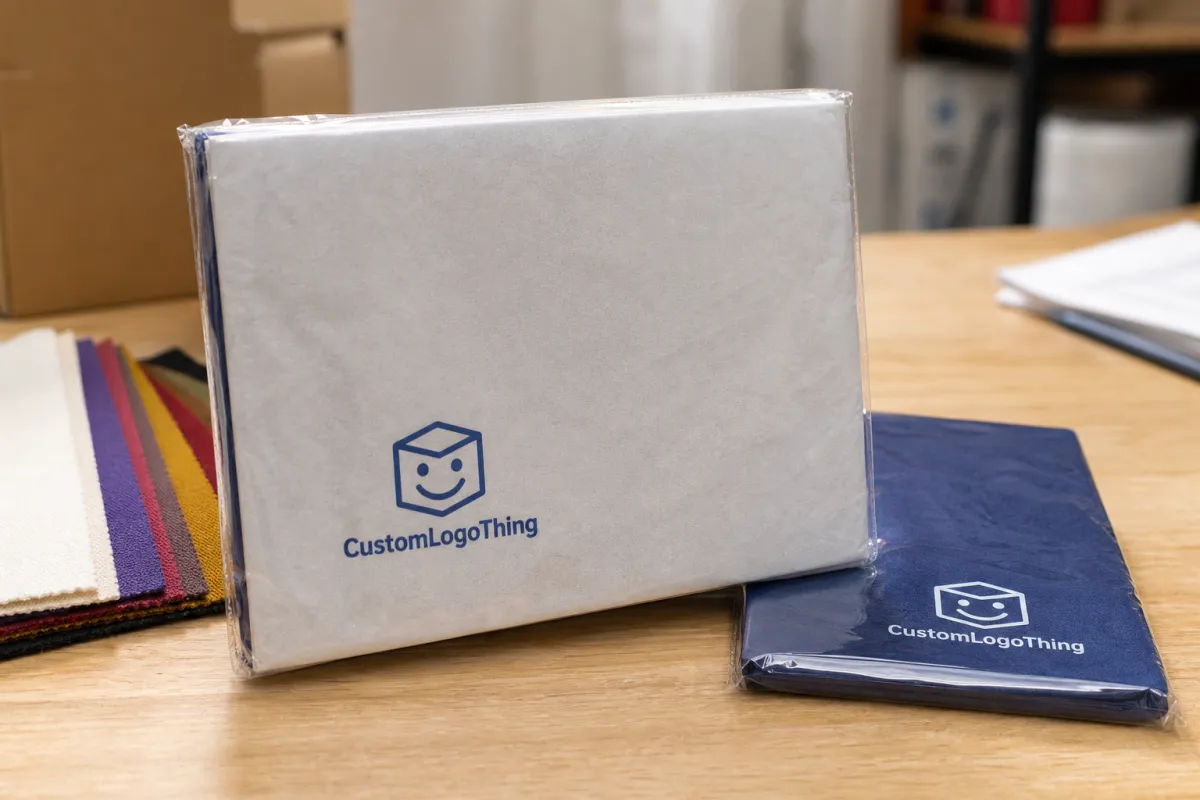
A toy retailer may start with a simple question: “How much does custom tissue cost?” Fair question. The better question is: “What actually drives toy retailer tissue paper cost?” Paper price alone rarely tells the full story. The printed tissue might be inexpensive to produce, while setup charges, plate or tooling fees, freight, and carton configuration do most of the financial work.
Picture the retail use case. A store adds branded tissue to every gift bag at checkout. The tissue is now part of the store experience, part of the packing workflow, and part of the margin equation. If a sheet costs only a little more than stock tissue, the increase may be easy to absorb. If the same design adds setup fees, heavier freight, and awkward packing density, toy retailer tissue paper cost starts creeping into the sale in ways buyers do not notice until the month-end report.
Per-sheet price gets too much attention. The stronger lens is unit cost across the full order. That includes printing, folding style, carton pack efficiency, and whether the tissue ships flat or pre-folded. Flat packs can save cube space and freight. Pre-folded packs can save labor at the store counter. Both are valid, depending on how the tissue is actually used. The lowest paper quote is not always the lowest toy retailer tissue paper cost once the cartons reach the dock.
Stock tissue and custom-printed tissue are where the split becomes obvious. Stock tissue usually wins on raw price and speed. Custom tissue costs more because you are paying for design handling, print setup, and a run made to order. The upside is stronger brand presence, a cleaner gift-bag experience, and a consistent look across stores. Many toy retailers are happy to pay for that, as long as toy retailer tissue paper cost stays inside the margin range the business can support.
From a packaging buyer’s point of view, the decision is direct: buy tissue that earns its keep. If the tissue makes a checkout bag feel more polished, keeps a seasonal campaign visually aligned, or replaces extra ribbon and inserts, the added spend can make sense. If it is only there because it looks nice on a sample, then toy retailer tissue paper cost is probably too high for the value it creates.
“If the tissue adds a few cents but makes the bag feel like a gift, that is spend with a job. If it adds cents everywhere else too, that is where the math gets ugly.”
Useful references help keep the spec grounded. For recycled content and responsible sourcing, FSC is a practical place to check chain-of-custody standards. For shipping and distribution stress, the test methods used by ISTA are a useful reminder that packaging needs to survive real transport, not just a rendering. That is how toy retailer tissue paper cost becomes a managed purchase instead of a vague brand expense.
What you are actually buying in custom toy retailer tissue paper
When a quote arrives, toy retailer tissue paper cost is really a bundle of separate choices. You are not buying “tissue” in a generic sense. You are buying paper grade, sheet dimensions, print layout, packing format, and delivery method. Each one changes the final unit cost.
The first line item is the paper grade. Tissue is often measured in gsm, and that number matters more than buyers expect. A lighter sheet, often around 17 to 18 gsm, can work for gift bags and decorative wrapping. A sturdier sheet around 20 to 22 gsm can feel better for premium bags or products with sharper edges. Go heavier and toy retailer tissue paper cost rises, but so does the hand-feel and the chance of avoiding tears during packing.
Sheet size comes next. Common formats such as 20 x 30 inches or 24 x 36 inches are popular because they pack efficiently and work across many retail uses. Oversized sheets can help with large toy boxes or seasonal bundles, yet they raise material use and usually push freight higher. If the sheet is larger than the actual need, you are paying for paper that gets trimmed, folded, or wasted. That is money gone without any retail return.
The print area is another cost driver. A centered logo repeat is generally cheaper than full-bleed artwork. More ink coverage means more production control. More color fields create more setup, more proofing, and more room for color drift. For a toy store, a repeat pattern with a small logo, stars, or seasonal icons usually balances presentation and toy retailer tissue paper cost better than a dense, full-surface illustration.
Packing format matters too. Flat-packed tissue can save cube space and lower freight. Folded tissue can speed up use at the register or gift wrap station. Every fold and every carton count affects the order total. A supplier who understands carton pack efficiency can help keep toy retailer tissue paper cost in check instead of sending a big chunk of the budget into empty air inside the box.
There is also a difference between decorative tissue and protective tissue. Decorative tissue is there for presentation. Protective tissue is there to cushion products during shipping, especially if the toy has hard edges, rigid plastic corners, or boxed accessories that shift in transit. Promotional tissue sits in the middle: it decorates and reinforces brand identity. If a retailer mixes those purposes up, toy retailer tissue paper cost starts drifting because the spec no longer fits the job.
What toy retailers should ask for in a quote
A clear quote request keeps toy retailer tissue paper cost from ballooning after revisions. Send the sheet size, paper weight, print colors, artwork file, quantity, and delivery ZIP code. If you need folded packing, split shipments, or a holiday delivery window, say so early. Silence gets expensive in packaging. It usually returns as another revision round.
For age-neutral toy branding, the artwork itself matters more than people expect. Bright colors are fine, but the design should avoid character licensing issues unless you own the rights. Seasonal graphics need to stay playful without becoming locked to one age band or one product line. A neutral star pattern, logo repeat, or simple icon system often holds up better across stores. That keeps toy retailer tissue paper cost useful over a longer run instead of making it a one-season throwaway.
One more practical point: ask about ink rub resistance and opacity. Tissue is thin by nature, so show-through and smudging can happen if the print is heavy or the ink system does not match the paper. A buyer should not have to learn that after a shipment arrives with color transfer or weak coverage. In plain terms, the cheapest toy retailer tissue paper cost is the one that still looks clean after handling.
Toy retailer tissue paper specifications that change cost
If you want to compare toy retailer tissue paper cost properly, you need to look at the specifications one by one. That means gsm, sheet size, print coverage, color count, and fold style. Ignore those details, and you end up comparing quotes that are not actually comparable. A low number can hide extra setup charges or a smaller sheet that does not do the job.
Gsm or thickness: lighter tissue lowers material cost, but it can wrinkle faster and show through more easily. Heavier tissue feels more substantial, yet it adds freight weight and often raises the unit cost. For toy retail, 17 to 22 gsm is usually the useful range. Anything outside that should have a clear reason.
Sheet size: larger sheets use more material and may require different packing. If your bags are small, oversized tissue is waste. If your boxes are large, undersized tissue looks stingy. The right size depends on the actual use, not on what sounds impressive in a quote.
Print coverage: edge-to-edge coverage costs more than a simple logo repeat. More ink means more monitoring, more proof corrections, and more chances for toy retailer tissue paper cost to rise through setup or make-ready work. A crisp one-color repeat is usually the most efficient place to start. Two colors can still make sense. Full coverage should be reserved for campaigns that genuinely justify it.
Color count: spot colors are usually simpler to manage than a rainbow of artwork. If a printer needs to match multiple Pantone values, setup takes longer. If your brand only needs one signature color and a black logo, use that. Toy retailer tissue paper cost usually responds well to that kind of restraint.
Pack style: flat, folded, ream-packed, or interleaved. Each option changes labor and freight. A compact ream pack can move efficiently on pallets, while a busy store may prefer pre-folded sheets for faster handling. The better pack style is the one your team can actually use without creating backroom clutter.
Ink and finish: most tissue does not need a coating, but the print method still matters. Some inks sit cleaner than others. If the design uses dense color blocks or the tissue will wrap products with sharp corners, ask about rub resistance and fold memory. That small detail can change how the tissue behaves once it reaches the floor.
There is no magic spec that makes toy retailer tissue paper cost low by default. There is only a spec that fits the retail job without overbuying material or overcomplicating production. That separates a thoughtful quote from a messy one.
| Option | Typical MOQ | Setup Charges | Unit Cost Range | Best Use |
|---|---|---|---|---|
| Stock tissue, no print | Carton-based | None | $0.03-$0.07 per sheet | Fast fill-in orders and simple bag lining |
| One-color logo repeat | 2,000-5,000 sheets | $75-$200 | $0.10-$0.18 per sheet | Core retail branding with disciplined toy retailer tissue paper cost |
| Two-color seasonal pattern | 5,000-10,000 sheets | $125-$350 | $0.14-$0.24 per sheet | Holiday promotions and gift wrap programs |
| Full-coverage custom artwork | 10,000+ sheets | $250-$600+ | $0.18-$0.35 per sheet | Premium unboxing and strong brand presentation |
These numbers are practical ranges, not promises written in stone. Artwork complexity, run size, freight, and paper grade move them up or down. Even so, the pattern is clear: the more customized the run, the more toy retailer tissue paper cost shifts from raw paper to production overhead.
One buyer mistake deserves its own mention: asking for premium specs that the customer will never notice. If the tissue goes into a bag and disappears under a stuffed animal, a dense full-coverage design may be wasted money. If the tissue is part of an unboxing moment for an e-commerce order, the premium may be justified. Good buying keeps toy retailer tissue paper cost aligned with how visible the tissue actually is.
For larger toy operations, FSC chain-of-custody and transit durability can matter just as much as design. If your team tracks sourcing, ask whether the material can be supplied with FSC documentation. If your product ships through multiple distribution points, ask how much handling the tissue can take without scuffing or tearing. That is not overthinking. That is basic procurement discipline.
Toy retailer tissue paper cost, pricing, and MOQ
The easiest way to understand toy retailer tissue paper cost is to break it into buckets: samples, setup, unit price, and shipping. That is the whole picture. If a supplier only gives you one line number, ask for a breakdown. Otherwise you will not know whether the quote is truly competitive or just hiding the expensive part later.
Sample cost is usually small, but it tells you a lot. A sample may be a plain stock example, a digital mockup, or a printed proof. For simpler orders, some suppliers waive sample charges or credit them back against the bulk order. That is a good sign. For complex artwork, the sample can cost more because you are paying for print verification. Either way, it is a sensible expense compared with ordering 10,000 sheets blind.
Setup charges are the most common surprise. These can include plate or cylinder prep, color matching, file handling, and machine make-ready. Some buyers call these tooling fees, even when the equipment is standard print tooling rather than physical tools. The wording varies. The invoice does not. If the quote includes setup charges, ask whether they are one-time, per color, or per version of the design. That detail changes toy retailer tissue paper cost more than the headline number.
Unit price depends heavily on MOQ. A lower MOQ gives flexibility, but the unit cost per piece usually rises because setup is spread over fewer sheets. A larger MOQ often lowers toy retailer tissue paper cost per sheet and can make freight more efficient, especially if cartons can be palletized cleanly. That is why bulk pricing matters. It is not just a discount; it is the way production math works.
Shipping is where many “cheap” quotes become expensive. Tissue is light, but bulky. That means cubic freight can hurt if the pack format is inefficient. A well-packed run may save real money over a sloppy one. If the order is going to multiple locations, split shipments can add labor and carton fees, but they may still be worth it if they cut backroom handling. Toy retailer tissue paper cost should be measured after freight, not before.
MOQ needs a plain-English explanation. A lower MOQ works well for testing a new holiday theme, a local promotion, or a seasonal color palette. A higher MOQ makes more sense when the design is evergreen and the store expects repeat usage. The larger the run, the better the unit cost generally becomes. That is not a trick. It is just the arithmetic of production.
Here is the real tradeoff. If you order too little, toy retailer tissue paper cost per sheet stays high and you may run out at the worst time. If you order too much, you tie up cash and storage space. For retailers with tight seasonal windows, the sweet spot is often a mid-sized order that balances unit cost and sell-through confidence. In practice, that means comparing at least two run sizes before you commit.
Quote checklist:
- Desired sheet size and finished fold style
- Paper grade or gsm target
- Print colors and artwork file format
- Quantity and preferred MOQ range
- Delivery ZIP code and freight method
- Need for split shipments or store-level drops
Compare those details side by side and toy retailer tissue paper cost becomes much easier to read. If one supplier quotes a low unit price but higher setup charges, and another is slightly higher on paper but lower on freight, the correct choice depends on total landed cost. Buyers who focus only on the per-sheet number usually miss the winner.
For most toy retailers, the safest money is the money spent on predictable replenishment. A stable quote with clear MOQ, clear setup charges, and clear freight terms is usually better than a slightly lower but messy bid. If a supplier cannot explain where the unit cost comes from, they are not saving you money. They are just postponing the bill.
Process and timeline: from artwork to shipped cartons
Good toy retailer tissue paper cost control starts with process discipline. The buying cycle is straightforward: inquiry, spec confirmation, artwork prep, proofing, approval, production, packing, and shipping. Miss one step and the timeline slips. Miss two, and the order starts looking like a rush job with a rush price.
The inquiry stage should produce a usable quote, not a guessing game. The supplier needs enough information to price the run honestly. If your logo file is not clean, if the sheet size is not confirmed, or if the retailer has not chosen between a gift-bag liner and a shipping insert, toy retailer tissue paper cost will be padded to protect against revision risk. That is not greed. That is the reality of quoting when the brief is vague.
Artwork prep is where many delays begin. A simple repeat pattern is fast. A multi-color illustration with fine lines, seasonal copy, and no print-ready file can slow everything down. If the printer has to clean up the art or rework the repeat, the proof cycle stretches. That adds time, and sometimes adds cost. If your team wants lower toy retailer tissue paper cost, send clean vector artwork and make decisions early.
Proofing is the part buyers rush and regret. A digital proof may catch layout issues, but it will not always reveal how the ink sits on the tissue, how the repeat reads across a full sheet, or whether the colors feel right. For branded retail work, a physical proof or print strike is often worth the extra step. It is cheaper than finding out the print is too pale or too busy after production is done.
Once proof approval lands, production timing becomes more predictable. Straightforward runs often move in 12 to 15 business days from proof approval, though complex color work or a busy seasonal calendar can push that out. Add shipping time on top. If you are planning for holidays, do not treat tissue as a last-minute item. It is packaging, not magic. Toy retailer tissue paper cost can look fine on paper and still fail if the delivery misses the retail window.
Freight timing depends on order size and destination. Small carton shipments usually move faster and with less handling. Palletized orders can be more economical per sheet, but they need better dock coordination. If your stores are spread across multiple ZIP codes, ask for split shipments or a distribution plan up front. Later changes tend to raise the total toy retailer tissue paper cost, especially when the cartons have already been packed to a different routing assumption.
Here is the practical version of the timeline problem: if you need tissue for a holiday campaign, start earlier than you think. A retailer may be focused on product purchasing, but packaging still has its own lead time. Leave room for artwork adjustments, color review, and freight variance. That buffer is the cheapest insurance in the whole order.
Timeline checkpoints that keep orders on track
Before you approve production, check the art file, color count, sheet size, and carton pack. Then confirm the target delivery week, not just the production end date. Those details keep toy retailer tissue paper cost from being eaten by rework or re-shipping. If a supplier offers a short turnaround, ask what happens when the proof changes. That answer tells you whether the timeline is real or optimistic.
One more note on shipping quality: if the tissue will travel long distances or sit in a warehouse before use, ask about outer carton strength and pallet wrapping. The material is light, yes, but it can still crease or scuff if the pack is handled badly. I would rather see a slightly sturdier shipper carton than save a tiny amount and lose usable sheets to damage. That is the sort of decision that keeps toy retailer tissue paper cost sensible over the whole program.
Why toy retailers choose us for tissue paper programs
Toy retailers usually do not need poetry. They need tissue that prints cleanly, repeats consistently, and fits the budget without turning every reorder into a new negotiation. That is why the right supplier matters. A good tissue program keeps toy retailer tissue paper cost stable enough that the packaging team can plan instead of guess.
What buyers care about is simple: color matching that does not drift, a run that looks the same across cartons, and pricing that still makes sense when the order scales up. If your stores need the same look in five locations or fifty, consistency becomes more valuable than a small discount. The point is not to chase the lowest number. The point is to avoid surprises in the final invoice and on the sales floor.
Manufacturing discipline helps. When the workflow is built around clear specs, waste goes down. Fewer revisions mean fewer setup charges. Better planning means less paper scrap. Cleaner artwork means less press time spent fixing avoidable problems. Those small efficiencies show up in toy retailer tissue paper cost, and they show up in the finished product too. That is why experienced packaging buyers ask boring questions. Boring questions save money.
Seasonal programs are where this really pays off. Toys move through birthdays, holidays, school events, and campaign-specific displays. A tissue program that can handle a winter motif one quarter and a neutral store-branded pattern the next is more useful than a one-off novelty print. Multi-location rollouts also benefit from a controlled spec. It keeps replenishment simple and avoids the chaos of every store ordering a different version of the same item.
From a buyer’s perspective, the best supplier does not oversell the idea. They explain the MOQ, the setup charges, the bulk pricing breakpoints, and the expected lead time in plain language. They tell you when the unit cost falls and when it does not. They tell you when a fancy print will raise toy retailer tissue paper cost without adding much value. That kind of honesty is useful. Surprises are not.
If you care about sourcing, ask about FSC options. If you care about shipping performance, ask about carton pack and handling tests. If you care about margin, ask where the setup charges live and whether there are any tooling fees in the quote. A supplier that can answer those questions clearly is easier to buy from, and usually easier to reorder from.
For toy retailers, presentation and practicality have to live together. The tissue should make the bag feel more considered, but it should not force the store to carry excess inventory or pay for artwork complexity nobody notices. That balance is where good packaging programs win. The right toy retailer tissue paper cost supports the brand instead of fighting it.
Next steps to lock in your toy retailer tissue paper cost
If you want a clean quote, start with the four essentials: target quantity, sheet size, logo artwork, and shipping destination. Without those, toy retailer tissue paper cost is only a rough guess dressed up as pricing. With them, a supplier can quote something useful the first time.
Do not skip the sample or proof stage if the tissue has to match a store brand or a seasonal theme. A digital mockup is fine for early review, but a printed proof is better when color and repeat matter. That one step can prevent a box full of almost-right tissue that still has to be used. Almost-right is expensive.
Compare at least two run sizes before you decide. A higher MOQ may lower the unit cost enough to justify the extra inventory. Or it may not. The only way to know is to see where the bulk pricing lands. If the lower MOQ gives you enough flexibility for the season, that may be the smarter move. If the larger run cuts toy retailer tissue paper cost sharply and the design is evergreen, the bigger order can be the better buy.
From there, check lead time and freight together. A low price that misses the selling window is not a win. Make sure the production schedule, packing method, and delivery method all line up with the retail calendar. Then place the order while you still have room to absorb a delay if the artwork needs one more correction. That is how experienced buyers protect both time and margin.
At Custom Logo Things, the goal is straightforward: clear specs, practical guidance, and no nonsense around what actually affects toy retailer tissue paper cost. If the quote needs a tweak, it should be because the spec changed, not because the supplier padded the math. That is the standard Buyers Should Expect.
The smartest toy retailer tissue paper cost is the one that matches margin, timeline, and presentation. Not the lowest number. Not the flashiest design. The one that does the job, ships on time, and still leaves room for the actual toy sale to make money.
FAQ
What is the typical toy retailer tissue paper cost per order?
It usually depends on sheet size, print coverage, quantity, and shipping. Small runs cost more per sheet because setup charges are spread over fewer units. Larger bulk pricing usually lowers the unit cost and makes freight more efficient, so the final toy retailer tissue paper cost can move a lot between a test order and a true wholesale run.
How does MOQ affect toy retailer tissue paper cost?
A higher MOQ usually lowers the cost per piece. A lower MOQ gives flexibility, but the unit cost tends to rise because the setup work is not divided across as many sheets. If you are testing a seasonal design, a smaller MOQ can be the safer move, even if the toy retailer tissue paper cost is a little higher on paper.
Can custom print coverage raise toy retailer tissue paper cost a lot?
Yes. Full-coverage or multi-color designs usually cost more than a simple logo repeat. More colors mean more setup, more proofing, and more room for matching issues. If budget matters, one-color or two-color artwork is usually the leaner option and keeps toy retailer tissue paper cost from climbing for no real retail gain.
What timeline should I expect for custom toy retailer tissue paper?
Timeline depends on proof approval, production slot availability, and shipping distance. Straightforward runs often move in about 12 to 15 business days after proof approval, but artwork delays are the most common reason orders slip. For seasonal retail, the safer approach is to plan early and build in buffer time so toy retailer tissue paper cost does not get inflated by rush freight.
What details should I send to get an accurate quote for toy retailer tissue paper cost?
Send the sheet size, quantity, print colors, and artwork file. Include the delivery ZIP code so freight is priced correctly. If you need split shipments or a specific fold, mention that up front. The cleaner the brief, the cleaner the toy retailer tissue paper cost estimate will be.