Trade Show Box Sleeves Quote: Pricing, Specs, MOQ
A trade show box sleeves quote should feel grounded, not improvised. If the number keeps drifting, the issue is usually the information, not the sleeve itself. Thin specs leave too much room for interpretation, and packaging quotes get expensive fast when someone has to guess at the finish, the fit, or the board.
Trade show buyers usually want the same thing: packaging that makes a booth look finished quickly and holds up once the team starts handling samples, demos, and display cartons. A sleeve can clean up a plain box, carry the product message, and protect the base carton without forcing a full structural rebuild. That is the real value here, and a good trade show box sleeves quote should mirror that value in a clear, practical way.
For Custom Logo Things, the smartest way to buy is still the simplest one. Send complete details, ask for the build level that matches the show, and compare a few production paths before you commit. That keeps the trade show box sleeves quote honest, the schedule manageable, and the booth crew from taping corners together ten minutes before doors open.
Trade Show Box Sleeves Quote: What Drives the Price Fast
The quickest way to read a trade show box sleeves quote is to look past size alone. Width, depth, and height matter, of course, but stock choice, print coverage, and finish usually move the number more than a few millimeters in any direction. A simple one-color sleeve on standard board is a different job from a full-coverage sleeve with a specialty coating and a tight fit around an existing carton.
Trade show sleeves exist to solve a booth problem. They turn a shipping carton into something that belongs on the show floor, they help the product message show up fast, and they keep the packaging system from becoming more complicated than it needs to be. That is why the best trade show box sleeves quote is the one that matches the actual use case instead of dressing up the package for no reason.
Timing matters in a way that sales decks rarely capture. Show dates do not move because artwork is late or because the carton dimensions were only “close enough.” Buyers who send finished dimensions, quantity, artwork status, and finish expectations usually get a far more useful trade show box sleeves quote on the first pass. There is no mystery there, just cleaner procurement.
Quote pricing is not only about the invoice total. It also reflects the risk built into the job. A sleeve that has to match an existing carton exactly needs tight tolerance control. A sleeve that must hit a brand color with confidence needs a clear proofing path. A sleeve that will be handled all day by booth staff needs a finish that can resist scuffing and wear. Every one of those decisions can change the trade show box sleeves quote, sometimes a little, sometimes enough to matter.
In practice, the quote becomes much more useful once the buyer treats it like a production brief instead of a shopping request. Finished size, quantity, art readiness, stock preference, and in-hand date are the details that matter. Send those, and the trade show box sleeves quote turns into a working number instead of a placeholder.
What Trade Show Box Sleeves Actually Include
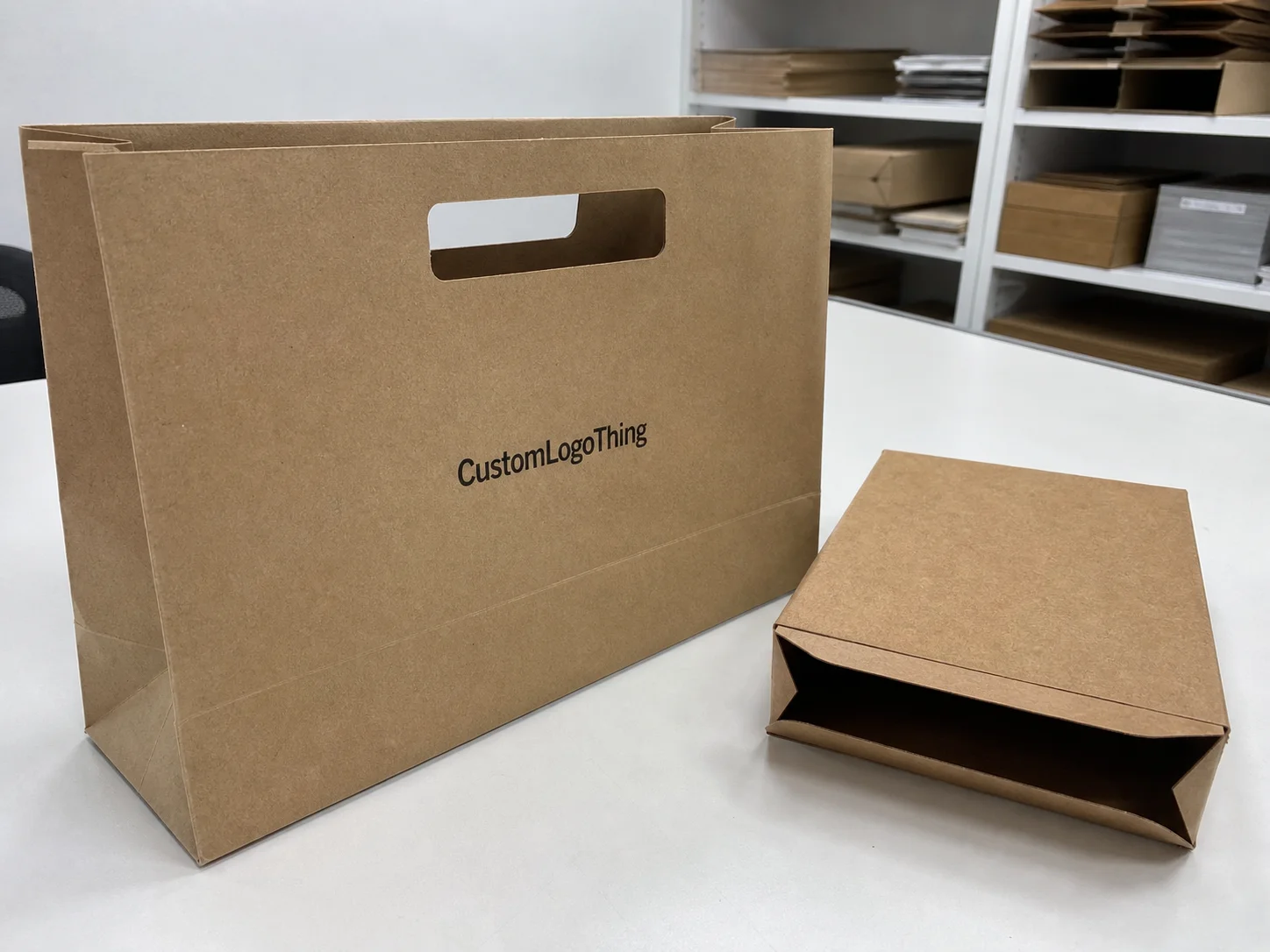
A sleeve is a printed wrap that fits over an existing carton, tray, or display box. It adds branding and messaging without replacing the base structure, which is exactly why a trade show box sleeves quote is often lower than a full custom carton quote. If the base package already handles the structure, you are not paying for a brand-new box from the ground up.
That kind of build works well on sample kits, promo packs, launch products, hospitality sets, and shipped display units that need a cleaner front face. A plain brown carton can look deliberate with the right sleeve. A white carton can become a polished sales piece with the proper print and finish combination. Buyers ask for a trade show box sleeves quote when they want the package to look intentional without overspending on structure they do not need.
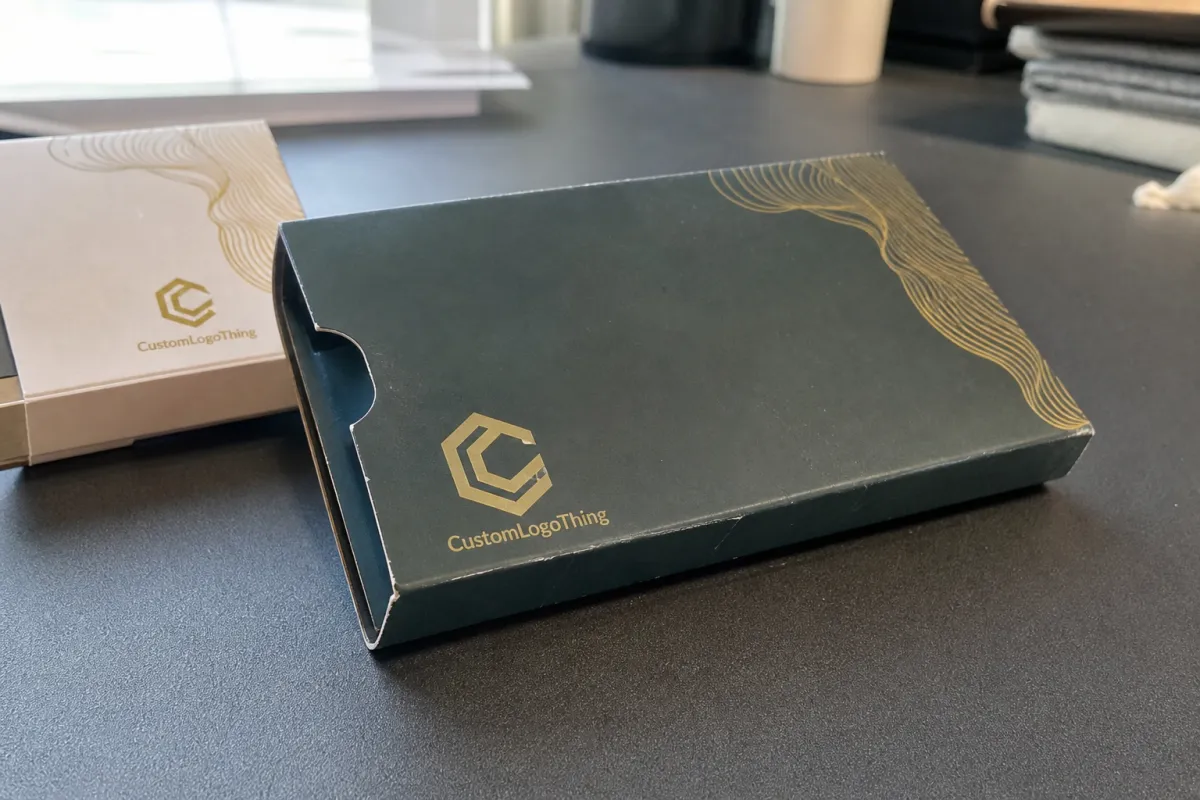
The sleeve itself can be stripped down or surprisingly engineered. Some sleeves open at both ends and slide over the package. Some use locking tabs. Some include perforations so booth staff can open them quickly on site. Others use window cutouts to reveal the product inside. Trade show packaging gets handled, stacked, opened, and moved more than people expect, so the sleeve has to look right and still hold up to the work. That is part of the job behind every trade show box sleeves quote.
It helps to keep a sleeve separate from a rigid box in the buying conversation. A rigid package offers more structure, more protection, and a higher perceived value, but it also costs more, takes up more space, and usually adds setup time. A sleeve is the better fit when the base carton already exists and the real need is branding, easy identification, or a better presentation layer. Buyers who understand that difference tend to get a sharper trade show box sleeves quote and avoid paying for unnecessary material.
Common add-ons include spot coating, perforation, glue tabs, locking features, window diecuts, and internal supports when the sleeve needs to keep its shape around the contents. Not every job needs them. Some sleeves are better left simple. The point is to match the build to the booth job, which keeps the trade show box sleeves quote tied to reality instead of speculation.
“A sleeve should do one job well: make the package look ready for the show floor without creating more work for the team setting it up.”
For buyers who want a quick starting point, a straightforward sleeve often makes more sense than a full rebuild. When the carton size is stable and the branding needs are clear, a trade show box sleeves quote is usually the fastest route to booth-ready packaging.
Trade Show Box Sleeves Quote Specs: Size, Stock, and Finish
If you want a reliable trade show box sleeves quote, send finished dimensions. Not approximate dimensions. Not “close to the carton.” Finished width, depth, height, and any overlap or tuck requirement all affect material usage, fold behavior, and how crisp the package looks once it reaches the booth.
Board choice matters just as much. Many sleeve jobs land in the 12pt to 18pt SBS or C1S range because that stock keeps cost controlled and folds cleanly. A heavier board can give the sleeve a more substantial hand feel. Corrugated options, including E-flute, make sense when extra protection or a firmer structure is part of the job. Those choices affect the trade show box sleeves quote because different materials behave differently during production, packing, and transport.
Print coverage changes the price in a direct, easy-to-read way. A single-color logo with generous open space costs less than a full-coverage four-color design with deep backgrounds and photography. CMYK printing covers most branded sleeve needs. Spot colors become useful when brand matching has to stay tight, though they can add setup complexity and ink handling. If color accuracy matters, say so early. That is the kind of detail that makes a trade show box sleeves quote worth using.
Finish is another place where budgets drift if nobody speaks clearly. Matte aqueous is a practical baseline. Gloss adds shine and contrast. Soft-touch gives a richer feel, though it adds cost and can affect scuff performance depending on how the sleeve will be handled. Spot UV creates strong visual contrast, but it is not always the smartest choice for sleeves that will be stacked, moved, or opened repeatedly. If the package needs to survive a busy booth, choose the finish that fits the use instead of the one that only looks premium in a sample deck. That keeps the trade show box sleeves quote grounded.
Proofing belongs in the spec conversation too. Dieline approval, color proofing, and, when needed, a physical prototype can add time before production begins. A tight fit or a critical registration point usually deserves that extra step. If the show date is close, the team may need to choose between one prototype and a faster production path. Either way, the trade show box sleeves quote should spell out what is included so nobody has to sort it out later.
Here is a practical spec checklist to include with the request:
- Finished dimensions and carton spec sheet
- Quantity needed for production and spares
- Stock preference such as SBS, C1S, or corrugate
- Print method and number of colors
- Finish choice such as matte, gloss, soft-touch, or spot UV
- Delivery target and shipping ZIP code
A quote built on those details is usually far tighter than a quote built on a sketch and a hopeful deadline. That is the difference between a useful trade show box sleeves quote and a number that breaks apart the moment production begins.
Trade Show Box Sleeves Quote: Cost, MOQ, and Unit Price
A trade show box sleeves quote usually breaks down into setup, prepress, material, print, finishing, packing, and freight. Buyers often stare at unit price first, yet that number is only the last line in the story. Setup costs have to be distributed across the run. Finishing adds labor. Packing and shipping can matter more than expected when the show date is fixed and the delivery window is narrow.
MOQ is where the numbers get practical. Digital runs often start lower, which helps with test launches, small booth programs, or special event kits. Offset printing usually becomes the better choice at higher volumes because the setup cost is spread over more pieces. There is no single line where one method becomes “good” and the other becomes “bad.” There is only the point where the volume makes one trade show box sleeves quote clearly better than another.
For a typical sleeve in common board stock with standard print and finish, short digital runs may land around $0.85 to $1.75 per unit at 250 to 500 pieces, depending on size and coverage. At 2,500 to 5,000 pieces on offset, that can drop into roughly $0.22 to $0.55 per unit before freight. Premium finishes raise the price. Heavier stock raises it too. That is the honest answer, and a clean trade show box sleeves quote should give you a range like that instead of pretending every sleeve behaves the same.
Use the table below as a buying guide, not a promise. The final number still depends on dimensions, coverage, and finish details, but this gives you a sane starting point when you compare options.
| Option | Typical MOQ | Typical Unit Price | Best Use | Watchouts |
|---|---|---|---|---|
| Digital sleeve run | 100-500 units | $0.85-$1.75 | Small booth programs, test launches, short deadlines | Higher unit cost, limited finishing choices |
| Offset sleeve run | 1,000-10,000 units | $0.22-$0.55 | Standard trade show quantities, repeat events, brand consistency | More setup, larger upfront commitment |
| Premium finish sleeve | 500-5,000 units | $0.35-$0.90 | Launch kits, executive samples, higher perceived value | Extra coating or foil cost, longer production path |
That table tells the real story. Volume lowers cost, though not in a perfectly smooth line. The sharpest drop often shows up when setup is spread over more pieces. After that, the curve flattens. When the quantity is only a few hundred, asking for the cheapest possible trade show box sleeves quote usually means choosing simpler print and finish, not chasing a miracle number.
There are a few budget traps worth avoiding. Late artwork changes can add charges. Adding a specialty coating after approval can force a revised schedule. Splitting shipments across multiple show locations can push freight costs up fast. A disciplined buyer protects the budget by locking the specs before the order is released, which is how a trade show box sleeves quote stays under control.
One more useful move: ask for two pricing tiers if the volume is still uncertain. A lower-quantity digital version and a higher-quantity offset version make comparison simple. That way the trade show box sleeves quote supports a real decision instead of guesswork dressed up as planning.
Trade Show Box Sleeves Quote Process and Timeline
The normal trade show box sleeves quote process is straightforward when the inputs are complete. It starts with a request, moves through spec review, estimate, dieline creation, artwork, proofing, approval, production, packing, and shipping. Nothing glamorous sits in that sequence. It simply works when the people involved respect the order.
For a simple sleeve, the first quote can come back quickly once the dimensions and quantity are clear. The dieline stage may take a day or two if the structure is standard. Artwork and proof approval depend on the buyer, not the printer, and that is usually where schedules slip. If the artwork is still shifting, the trade show box sleeves quote is not the problem. The timeline is.
In practical terms, a clean project often looks like this: estimate in 1-2 business days, dieline and artwork review in 2-4 business days, proof approval in 1-3 business days, production in about 7-15 business days depending on quantity and finish, and freight added on top. That range works for most trade show sleeve work. If the show is close, ask for the whole chain up front instead of only the production window. A trade show box sleeves quote without the shipping reality attached is not enough to plan around.
Delays usually come from a familiar set of problems. Missing dimensions. Slow art approval. A late color change from marketing. A surprise request for a sample after the job has already been scheduled. None of those are rare, and all of them can be avoided with better organization. The strongest trade show box sleeves quote is backed by a buyer who knows what is fixed and what can still move.
Rush orders are not always the answer. If the artwork is incomplete, rushing the press does not fix the artwork problem. If the board choice is wrong, rushing the board choice only gets the wrong package into production faster. Rush works when the spec is final and the factory can fit the job into an available production window. If the bottleneck is creative or structural, rush pricing may be wasted money. A practical trade show box sleeves quote should say that plainly.
For shipments that need extra handling confidence, ask whether the outer shipper should follow common transit testing standards. The packaging industry often uses ISTA transit testing guidance when products need to survive distribution abuse, and paper sourcing can be documented with FSC chain-of-custody standards if your buyer wants responsibly sourced material. Not every sleeve order needs those documents, but they matter in more formal buying environments.
That is another reason not to rush the quote stage. A clear trade show box sleeves quote gives you room to compare proofs, confirm stock, and arrange shipping before the show calendar starts putting pressure on everyone involved.
Why Buy Trade Show Box Sleeves From Us
At Custom Logo Things, the point of a trade show box sleeves quote is not merely to send a number. It is to give the buyer a clean path from idea to packed product. That means clear assumptions, direct answers, and a quote that does not hide the real cost drivers behind vague packaging language.
Buyers care about consistency. If the first sleeve looks right and the next two hundred look different, the whole booth starts to feel off. That is not dramatic, just how trade shows work. The product sits under bright lights, close to people, and often beside a competitor’s display. A reliable trade show box sleeves quote should come from a production process that pays attention to dimension checks, finish verification, and pack-out discipline.
We also know the difference between a nice-looking mockup and a sleeve that actually runs well on press. Some packaging vendors talk as though every build is a design exercise. It is not. Trade show sleeves need to fold correctly, stack cleanly, and survive handling. That is why a good trade show box sleeves quote should include practical guidance on stock, coatings, and quantity instead of only a polished render.
Honest MOQ advice matters too. If a digital run makes more sense for your deadline, say that. If offset gives you better economics above a certain volume, say that as well. Buyers should not need to decode sales language to understand the tradeoff. The strongest trade show box sleeves quote is usually the one that makes the purchase decision easier, not more confusing.
If you want a quick next step, send your sleeve specs through our contact form and ask for a side-by-side comparison. If you are still weighing the build, ask for one quote with a standard finish and one with a premium finish so you can see the cost difference before you approve the order. That is a cleaner way to buy than guessing and hoping the budget holds.
For buyers who already know the show date and the carton size, we can usually narrow the options quickly. For buyers who only have a rough idea, a trade show box sleeves quote can still start with a practical range and tighten once the dimensions and art are confirmed. That is how real production quoting works. No drama. Just useful numbers.
What to Send Next for an Accurate Quote
The fastest way to Get an Accurate trade show box sleeves quote is to send the details that actually affect production. Start with finished dimensions, quantity, stock preference, artwork status, finish goals, shipping ZIP code, and your target in-hand date. If you have the carton spec sheet, include it. If the sleeve must fit an existing box, a physical sample or a clear photo helps too.
Do not overcomplicate the first message. A rough estimate is still possible with partial information, but the cleaner the input, the better the number. If all you know is size, quantity, and deadline, we can still give a starting point. Add the base carton style, color count, and whether you want matte or soft-touch, and the trade show box sleeves quote tightens very quickly.
Here is the order I recommend for a clean request:
- Measure the existing carton in finished terms, not guessed dimensions.
- Decide the run size you actually need for the show and any spare units.
- Choose a stock direction such as SBS, C1S, or corrugate.
- State the print style including CMYK, spot colors, or both.
- Pick the finish level from standard to premium.
- Share the deadline and shipping destination.
If you want to compare your options properly, ask for one digital price, one offset price, and one premium finish option. That gives you a realistic look at the economics instead of one lonely line item. It also makes it easier to see where the trade show box sleeves quote changes because of quantity and where it changes because of finish or structure.
Be specific about what matters and flexible about what does not. If the sleeve must match a brand color exactly, say that. If the inside of the sleeve will never be seen, full-coverage print may not be necessary. If the team will open the package on the booth floor, ask about easy-open features or perforation. Each of those choices changes the trade show box sleeves quote for a reason.
Before you approve, ask one last question: what would make this job more expensive later? Late art changes? A tighter fit? Faster freight? Split delivery? Those are the usual budget leaks. Catch them early and the trade show box sleeves quote stays honest.
Ready to move? Request your trade show box sleeves quote with the carton dimensions, quantity, artwork, and deadline. If you send complete details the first time, you get a better number the first time. That saves everyone time, which is usually the rarest material in packaging.
Trade Show Box Sleeves Quote: Final Buying Advice
A strong trade show box sleeves quote should do three things: tell you what the sleeve will cost, show you why it costs that much, and give you enough production detail to place the order without second-guessing every line item. Anything less is just a polished estimate.
Buy the build that fits the job. If the sleeves only need to clean up a carton for one event, keep the spec simple. If the sleeves need to carry more weight on the booth floor, choose the stock and finish that support that use. That is the real decision, and it is why a good trade show box sleeves quote functions as both a pricing tool and a production plan.
For most buyers, the smartest move is to compare one economical version, one production-safe version, and one premium version before signing off. Then choose the one that supports the show without blowing the budget. That is a practical way to buy, and it is usually the fastest way to keep a trade show box sleeves quote from turning into a last-minute scramble.
Here is the clearest takeaway: lock the dimensions, decide the quantity, pick the finish that matches the handling conditions, and ask for tiered pricing before artwork is finalized. Do those four things and the trade show box sleeves quote becomes a usable production decision instead of a moving target.
How do I get a trade show box sleeves quote that is accurate the first time?
Send finished dimensions, quantity, artwork status, stock preference, and the show date up front. Include a carton spec sheet or sample if the sleeve must fit an existing box. If you are unsure about volume, ask for separate digital and offset pricing so the trade show box sleeves quote gives you a real choice.
What affects the price of trade show box sleeves the most?
Quantity, stock choice, print coverage, and finish are the biggest cost drivers. Complex dielines, windows, and specialty coatings raise setup time and labor. Rush schedules and split shipments can also inflate a trade show box sleeves quote faster than most buyers expect.
What is a normal MOQ for custom trade show box sleeves?
Digital runs can often start at lower quantities, which helps for short campaigns or test launches. Offset production usually makes sense at higher volumes because setup costs are spread across more units. The right MOQ depends on size, color count, and finish, so ask for two pricing tiers in the trade show box sleeves quote.
How long does production usually take after I approve the quote?
Artwork and proof approval come first, then production, then packing and shipping. Simple sleeves are faster; custom finishes, samples, or complex diecuts extend the schedule. If the show date is fixed, ask for the full timeline before you approve
Related Articles


Macbook Stickers Custom: Design, Pricing, and Fit
Jun 23, 2026