Buyer Fit Snapshot
| Best fit | Unboxing Experience Custom Printed projects where brand print, material claims, artwork control, MOQ, and repeat-order consistency need to be specified before quoting. |
|---|---|
| Quote inputs | Share finished size, material target, print colors, finish, packing count, annual reorder estimate, ship-to region, and any compliance wording. |
| Proofing check | Approve dieline scale, logo placement, barcode or warning zones, color tolerance, closure strength, and carton packing before bulk production. |
| Main risk | Vague material claims, crowded artwork, missing packing details, or unclear freight terms can make a low unit price expensive after revisions. |
Fast answer: Unboxing Experience Custom Printed: Structure, Print Proof, Packing, and Reorder Risk should be specified like a repeatable production item. The safest quote records material, print method, finish, artwork proof, packing count, and reorder notes in one written spec.
Production checks before approval
Compare the actual filled-product size with the drawing, then confirm tolerance on folds, seals, hang holes, label areas, and retail display edges. Reserve space for logos, QR codes, warning copy, and material claims before decorative graphics fill the panel.
Quote comparison points
Review material grade, print process, finish, sampling route, tooling charges, carton quantity, and freight assumptions side by side. A quote is only useful when the supplier can repeat the same color, closure quality, and packing count on the next order.
Unboxing experience custom printed packaging does more than hold a product still. It sets the tone before the customer has time to form a sentence about the brand, which is a small but powerful advantage. A plain mailer can make a premium item feel oddly unfinished. A well-built unboxing experience custom printed package can make a modest product feel considered, giftable, and worth sharing. That is not packaging fluff. That is package branding doing visible work.
The sequence matters just as much as the materials. Outer shipper, printed mailer, tissue, insert, closure, reveal. Each layer gives the brand another chance to either reinforce the story or muddy it. When those decisions are planned together, the unboxing experience custom printed becomes a compact brand narrative instead of shipping material with a logo slapped on top. If you are comparing structures early, a useful place to start is the Custom Packaging Products page, where box styles can be reviewed before samples and quotes start eating up the calendar.
Teams balancing brand identity, launch timing, and budget pressure feel this most acutely. Good product packaging has to survive transit, fit the item properly, look intentional, and still make sense when the order volume jumps from 50 units to 500. The brands that get the strongest results rarely treat unboxing experience custom printed packaging as decoration. They treat it like a system with constraints, inputs, and consequences. That mindset usually saves money later, which is handy because packaging budgets have a funny way of disappearing into decisions that sounded tiny in the meeting.
What follows is the practical side: how the system works, which variables actually change quality, where cost hides, how long production tends to take, and which mistakes make a box look expensive while feeling random. You will also see where Custom Printed Boxes, mailers, inserts, and finishes fit into the larger picture. The goal is simple: build unboxing experience custom printed packaging that feels sharp, protects the product, and does not turn launch week into a paperwork parade.
Unboxing experience custom printed: why first impressions hit hard
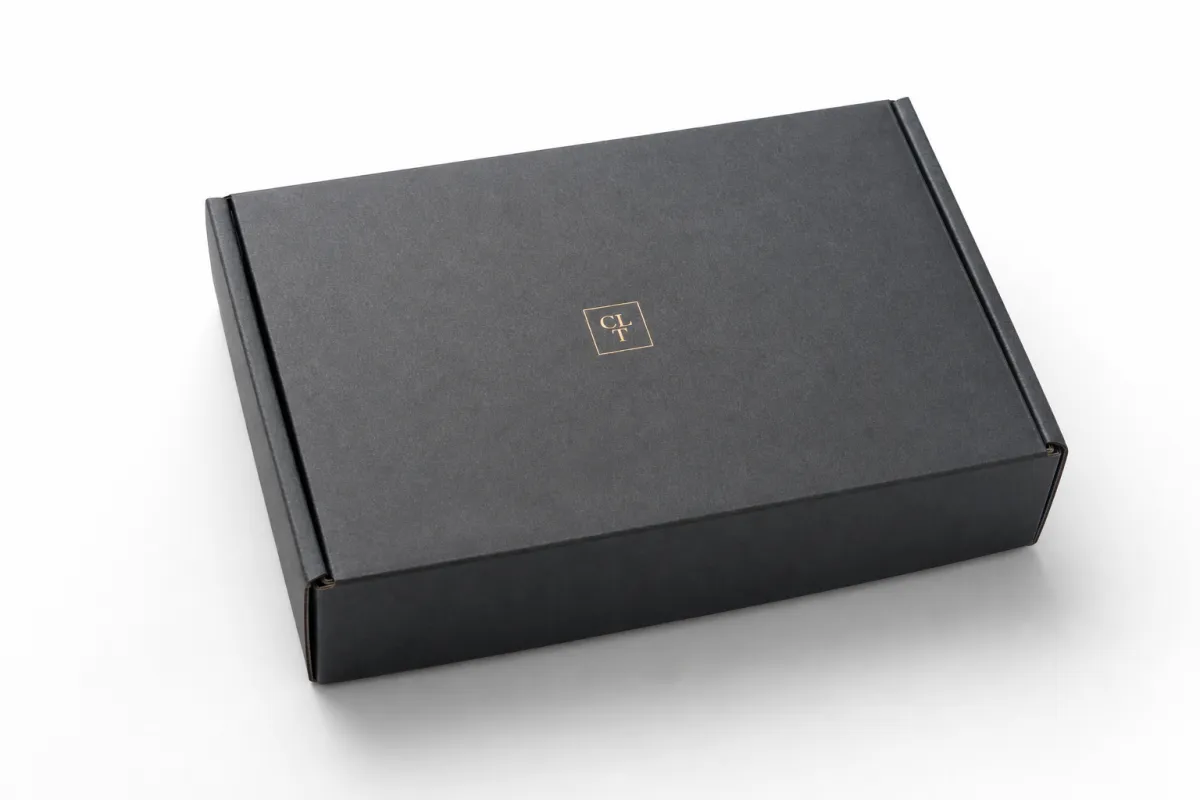
People judge before they touch. They judge the outer carton, the tape line, the print quality, the weight, the surface feel, and whether the package looks designed or assembled at speed. That is why unboxing experience custom printed packaging can shift perception so quickly. The product inside may be excellent. The customer does not know that yet. All they have is what the box is saying.
A plain corrugated mailer can flatten a premium brand without making any noise about it. A smart unboxing experience custom printed package can do the opposite, giving a mid-priced product more presence and more perceived gift value. Categories like beauty, apparel, supplements, consumer tech, and specialty food feel this most sharply because packaging is part of the purchase story. Buyers are not only purchasing the item. They are purchasing the atmosphere around the item.
That atmosphere comes from practical details: printed surfaces, structure, fit, materials, and how the reveal unfolds. A strong unboxing experience custom printed setup might use a printed folding carton, a custom mailer, tissue paper, a branded sticker, and an insert that locks the product in place. None of those pieces need to shout. They need to coordinate. Quiet confidence usually beats loud clutter.
What brands miss: the unboxing moment is not a single moment. It is a chain of small decisions. What the customer sees first. What they open second. What they touch next. What survives after the box is empty. Good unboxing experience custom printed packaging guides that chain so the experience feels intentional instead of accidental.
A package can look expensive and still fail if it opens like a puzzle designed by someone who never had to use it. Pretty printing does not fix a bad structure. It usually makes the problem pricier, which is a lesson people only need once.
That sequence matters because it becomes repeatable. One box tells the brand story. The next box should tell the same story without improvising. Consistency is what turns unboxing experience custom printed packaging into an asset instead of a one-off stunt. It also helps retail packaging and direct-to-consumer packaging feel like they belong to the same family, even if the shipping paths are different.
Launch kits, subscription boxes, and influencer mailers gain another advantage from that repeatability: they photograph better. If the box opens cleanly and the product sits where it should, people are more likely to capture it without much direction. That is not a guarantee, but strong unboxing experience custom printed packaging improves the odds. Earned attention usually costs less than paid attention, and finance teams tend to notice that in a hurry.
How unboxing experience custom printed packaging works
Start at the outside and move inward. The outer shipper protects the contents during transit. The primary box or mailer creates the branded reveal. The internal wrap, insert, or tray keeps the item steady. The closure gives the customer the final beat before the product appears. That layered setup is the core of unboxing experience custom printed packaging. It is a system, not a single object.
Most builds follow a sequence like this:
- Outer shipper: a plain or printed corrugated carton built to survive transit abuse.
- Primary package: the branded carton, mailer, or rigid box that frames the product.
- Internal protection: tissue, paper fill, molded pulp, foam, or a custom insert.
- Product placement: the way the item nests, lifts, or locks inside the box.
- Closure and reveal: tape, seal, sleeve, magnetic flap, sticker, or pull tab.
Each layer changes the unboxing experience custom printed packaging delivers. If the product rattles, the reveal starts badly. If the box opens too easily, perceived value drops. If the closure fights the customer, the experience feels clumsy. Experienced buyers obsess over fit dimensions and opening behavior for a reason. Those details are not decorative. They separate a controlled reveal from an awkward one.
Print method matters too. Digital print is flexible and useful for smaller runs or frequent artwork changes. Offset print is stronger when color consistency matters and the quantity is higher. Flexographic print is common for corrugated runs where cost efficiency matters. Foil stamping, embossing, debossing, and spot UV add emphasis, though they should support the concept instead of carrying it. A strong unboxing experience custom printed package usually chooses one or two finish moves and stops there. More effects are not automatically more effective.
Design work starts before the first sheet is printed. The dieline controls where folds and edges land. Artwork placement decides what the customer sees first. Bleed and safe zones keep trim errors from chewing into the design. Color management keeps the brand red from turning into a regretful orange. These are production basics, not extras. Good unboxing experience custom printed packaging starts with files that respect the structure.
Comparing formats early helps avoid expensive detours. A review of printed mailers and rigid box options or a pass through Custom Packaging Products against real product dimensions is worth the time. That part feels dull. It is. It also prevents unpleasant surprises after quotes, proofs, and freight have already entered the conversation.
A strong reveal is not always flashy. Some of the best unboxing experience custom printed packaging feels calm, balanced, and precise. The customer opens the box, sees the product at the right moment, and never has to fight the materials. That kind of control reads as quality because it looks effortless. Of course, it is not effortless. It only looks that way when production was planned correctly.
Key factors that shape the unboxing experience custom printed
Material choice is usually the loudest signal. Rigid board, corrugated, folding carton stock, kraft paper, coated SBS, and specialty paper each tell a different story. An 18pt SBS carton with matte aqueous coating feels very different from a 32ECT corrugated mailer with a kraft exterior. Neither is better across the board. The right choice depends on product weight, shipping method, budget, and brand positioning. That is where unboxing experience custom printed packaging becomes strategic instead of generic.
Finish changes the tone. Matte usually reads calmer and more premium in beauty, apparel, and lifestyle categories. Gloss feels sharper and more vibrant, though it can turn loud if the design already has too much going on. Soft-touch lamination adds a velvety feel customers notice immediately. Foil, spot UV, embossing, and debossing are the familiar upgrade moves, but each one should justify itself. If a finish cannot explain its job, it probably does not belong in the unboxing experience custom printed plan.
Fit is non-negotiable. If the product slides around, the packaging fails before the customer even sees the logo. If the item is crushed or scuffed in transit, the reveal is damaged no matter how attractive the print may be. This is where product packaging and shipping protection overlap. Good fit supports both. Bad fit harms both. There is no elegant way to disguise that.
Brand hierarchy matters too. What should the customer notice first? What should they discover second? What should remain after the box is empty? A strong unboxing experience custom printed setup answers those questions on purpose. The logo, color, inner message, insert, and tissue all need a hierarchy. If every surface is trying to be the lead actor, the design starts to feel like a cast with no director.
Sustainability works best when it is practical. Recyclable paperboard, reduced ink coverage, FSC-certified fiber where appropriate, and fewer mixed-material components can make a real difference. If a sourcing reference helps, the FSC site is a useful starting point for certified fiber language. The cleanest sustainability move is often the simplest one: fewer unnecessary parts, fewer complicated laminations, and fewer materials that fight the recycling stream. That approach also makes the unboxing experience custom printed packaging easier to assemble and explain.
Every upgrade carries a tradeoff. Heavier board feels better, but it costs more and can raise freight. Specialty finishes improve perceived value, but they add setup time and can narrow material choices. Insert systems protect the product, but they add engineering and labor. Smart packaging teams usually choose the smallest set of upgrades that still makes the unboxing experience custom printed package feel deliberate. Restraint usually beats trying to impress people with every effect in the catalog.
Process and timeline for custom printed packaging production
The process starts with a brief, and the brief should be more specific than “make it look premium.” Give the product dimensions, product weight, shipping method, target budget, quantity, and brand goals. If those numbers are wrong or vague, the rest of the unboxing experience custom printed work becomes an expensive guessing game. A box cannot be designed correctly if nobody knows what it needs to hold.
Production usually moves through a familiar sequence:
- Concept and structure review.
- Dieline development and dimension confirmation.
- Artwork setup with bleed, safe zones, and print specifications.
- Digital proofing or line proof review.
- Physical sample or prototype review.
- Revisions, approval, and sign-off.
- Print production, finishing, and conversion.
- Packing, freight, and receiving.
That sequence looks tidy on paper because production needs it to be tidy. Real-world projects are messier. Missing dimensions, late logo changes, and color corrections can add days or weeks. A smart unboxing experience custom printed schedule builds in at least one checkpoint for a physical sample, since a screen proof cannot show how the box feels in hand. Screens can only show a version of the truth. They are not the authority here.
Timeline depends on structure and finish. Simple digital runs can sometimes turn around in about 7-12 business days after proof approval if the artwork is clean and the structure is already defined. More complex custom printed boxes with rigid construction, foil, embossing, or unusual inserts often need 15-25 business days or more. Larger runs, tooling, and overseas freight can stretch that window further. That is normal. Rushed packaging tends to cost more and arrive with more drama than anyone asked for.
If the packaging is tied to a launch, build buffer time into the schedule. Subscription launches, retail resets, seasonal gift sets, and influencer kits all carry different risks. A product going to a warehouse is not the same as a product going to a photo shoot on a fixed date. Good unboxing experience custom printed planning respects that difference. It also keeps one missed proof from unraveling the entire rollout.
The sample review stage deserves more attention than it usually gets. Check color against brand standards. Check fold lines. Check how the insert holds the product. Check whether the lid closes cleanly. Check whether the package opens the way the customer is supposed to experience it. That is how unboxing experience custom printed packaging becomes repeatable instead of lucky.
Transit testing should be part of the discussion for parcel-shipped products. If the package is going through distribution networks, ask about ISTA-based testing or a similar method. The ISTA library is a solid reference point for parcel testing language and methods. It is far cheaper to learn a box fails before launch than after a few hundred units start arriving damaged. Packaging buyers usually learn that lesson once, and they tend to remember it.
Cost and pricing: what unboxing experience custom printed really costs
Price depends on the basics: size, material, print coverage, number of colors, finish complexity, insert design, and quantity. That is not a mystery formula. It is manufacturing. Smaller runs spread setup cost across fewer units, so the per-unit price rises. Larger runs improve unit economics, but they also require more cash, more storage, and sharper forecasting. That is why unboxing experience custom printed packaging can look inexpensive in theory and expensive on the invoice.
Here is a practical comparison for planning:
| Packaging option | Typical unit range | Typical lead time | Best for |
|---|---|---|---|
| Printed mailer, limited coverage | $0.45-$0.85 at 2,000 units | 8-12 business days | Subscription boxes, apparel, low-complexity DTC shipments |
| Folding carton with insert | $0.60-$1.40 at 5,000 units | 12-18 business days | Cosmetics, supplements, accessories, light electronics |
| Rigid presentation box with specialty finish | $2.50-$6.50 at 1,000 units | 15-30 business days | Gift sets, premium launches, influencer kits, retail packaging |
| Mailer plus custom insert system | $0.90-$2.20 at 3,000 units | 12-20 business days | Fragile products, kits, bundles, higher perceived value |
These numbers are planning ranges, not promises. Final quotes move depending on board grade, coating, print coverage, and how complicated the insert becomes. A simple one-color exterior can be much cheaper than a full-coverage design with foil and spot UV. In unboxing experience custom printed work, the last 10% of “make it nicer” often costs more than people expect.
Hidden costs are where budgets start to wander. Samples can be free, low-cost, or surprisingly expensive depending on how custom the build is. Tooling, plates, and cutting dies may add several hundred dollars or more. Freight can swing sharply if the boxes are bulky. Warehousing matters when larger volumes are ordered to reduce unit pricing. If a file is wrong, the cost of fixing it can exceed the cost of the packaging itself. That is why unboxing experience custom printed packaging should always be quoted with the same specs.
The cheapest unit price is not always the cheapest outcome. If the packaging causes damage, returns, complaints, or a bad first impression, the savings disappear fast. A better unboxing experience custom printed package can justify a higher unit price if it cuts damage, improves review quality, or supports repeat purchase rates. That is not fluff. That is how product packaging earns its keep.
Thinking in bands helps. For a small DTC brand, moving from a plain shipper to a printed mailer may add only a few dimes per unit. Moving from a folding carton to a rigid box may add dollars. The question is not “Can we afford it?” The better question is “What does this change in the customer experience, and what is that worth?” That is the business case behind unboxing experience custom printed packaging.
Common mistakes that hurt the unboxing experience custom printed
Overdesign is the classic miss. Too many colors, too many finishes, too many statements, too many tiny icons, too many calls to action. The box starts looking busy instead of premium. People confuse visual noise with value because they assume more design means more brand. It does not. A clean unboxing experience custom printed package usually has one clear focal point and a few supporting details. That is enough.
Ignoring shipping reality is worse. If the packaging looks beautiful on a table but fails in parcel transit, the customer never receives the experience you planned. A dented corner or crushed lid can kill the feeling immediately. This is where transit performance, stacking strength, and closure integrity matter. For parcel-shipped products, ask about ISTA-style testing and drop criteria early, not after complaints start. If a benchmark helps, the test language at ISTA is worth reading.
Wrong box size is another common problem. Oversized packaging wastes material, increases dunnage, and makes the item feel small. Undersized packaging crushes the product or forces awkward packing. Either way, the reveal suffers. Good unboxing experience custom printed packaging fits the product so well that the inside space feels controlled. That sense of control becomes part of the brand message.
Skipping samples is a budget mistake dressed up as efficiency. Screen proofs do not show texture, brightness shifts, glue issues, or how the structure behaves when folded. A sample can catch a color mismatch, a weak insert, or a lid that does not close cleanly. One sample round usually costs less than one production correction, and much less than one angry customer. Packaging math has a way of pretending to be common sense.
Forgetting the insert plan is another fail point. A product floating inside the box feels unfinished. The insert should hold, frame, and present the item in a way that makes the reveal obvious. Foam, molded pulp, paperboard, and corrugated inserts all work, but they do different jobs and carry different costs. In unboxing experience custom printed packaging, the insert is not an afterthought. It is the stage.
Rushing approval is the final trap. A fast sign-off on a flawed proof often turns into a slower, more expensive correction later. Teams think they are saving time. Usually they are just moving the pain downstream. Better to slow down at the proof stage than to gamble the entire run on “good enough.” Packaging is already expensive enough without paying for avoidable mistakes twice.
Quick test checklist:
- Check product fit and movement.
- Inspect print alignment and color.
- Test opening and closing behavior.
- Review scuff resistance and corner strength.
- Confirm the insert holds the product securely.
- Simulate the full unboxing path from the customer perspective.
That checklist is not glamorous, but it catches the problems that hurt unboxing experience custom printed packaging most often. Glamour does not matter much when the box has to survive a conveyor belt and still look good on camera.
Expert tips and next steps for a stronger launch
Start with one hero moment. Not five. Decide whether the packaging’s main job is premium reveal, damage protection, social sharing, faster packing, or giftability. Then build the unboxing experience custom printed plan around that one priority. A package that tries to do everything usually does none of it especially well.
Make a sample board before locking the final build. Put together material swatches, finish samples, insert options, closure methods, and, if possible, a printed prototype. Comparing options side by side works better than arguing about them in the abstract. It also helps non-packaging stakeholders make decisions faster, which matters because every team has at least one person who wants “more premium” without being able to define it.
Use measurable goals. A packaging project should improve something you can track: fewer damages, better review quality, higher repeat order rates, stronger social content, or faster packing time. If the only goal is “look nicer,” the result is usually vague and expensive. A smart unboxing experience custom printed rollout connects the packaging decision to a business number.
One simple next-step sequence works well:
- Confirm product dimensions and shipping method.
- Request the dieline and build the artwork to spec.
- Order a physical sample and review it in hand.
- Compare at least two material or finish options.
- Approve only after fit, color, and closure are checked.
Get quotes using the same assumptions every time. Same dimensions. Same insert type. Same finish. Same quantity. Otherwise the numbers are not comparable, and distorted comparisons are how packaging budgets drift off course. If you want to line up formats quickly, the Custom Packaging Products catalog is a useful way to compare structures before requesting pricing.
The first rollout should stay simple, then upgrades can be added where the customer will actually notice them. A better coating, a tighter insert, or a cleaner print layout often does more than adding every shiny effect in the catalog. That is the part of unboxing experience custom printed packaging many brands misread. They chase “premium” as a mood instead of building it as a sequence of decisions. Get the sequence right, and the box does its job. Get it wrong, and you are paying extra to create disappointment.
The strongest unboxing experience custom printed packaging is never random. It protects the product, supports brand identity, and gives the customer a clear, memorable reveal without wasting money on noise. Lock the dimensions, sample early, and keep the structure aligned with the product. If you need one practical rule to carry into production, use this: approve only after the box has been opened in the same order the customer will use it, with the product actually inside. That small habit catches the awkward stuff before it becomes expensive. The result usually feels sharper than the budget suggests, which is exactly the kind of packaging that earns repeat orders and fewer headaches.
FAQ
What is unboxing experience custom printed packaging?
It is packaging designed to create a branded reveal when the customer opens the box or mailer. In most cases, unboxing experience custom printed packaging includes printed exteriors, internal branding, inserts, wrap, and closure details. The goal is to make the product feel more intentional, protected, and memorable.
How much does custom printed unboxing packaging cost per unit?
Price depends on size, material, print coverage, finish, insert complexity, and quantity. Smaller runs usually cost more per unit, while larger volumes reduce the unit price. A useful quote for unboxing experience custom printed work needs the final dimensions, artwork, and structure before anyone can give a real number.
What is the typical turnaround for custom printed unboxing packaging?
Simple digital projects can move quickly if the artwork is ready and no sample revisions are needed. More complex structures, special finishes, or larger volume runs usually need more lead time. Build in time for proofing and at least one sample round so the unboxing experience custom printed launch does not get derailed by preventable errors.
What file setup do I need for custom printed packaging artwork?
Ask for the dieline first and place artwork on that exact template. Use the correct bleed, safe zones, and color profile so print placement does not drift. Outline fonts and keep linked images high resolution to avoid ugly surprises in the final unboxing experience custom printed package.
How do I choose the right insert for a custom printed unboxing experience?
Choose the insert based on product weight, movement, and how the reveal should feel. Foam, molded pulp, cardboard, and paperboard all serve different goals and price points. The best insert holds the product securely and supports the brand look without overcomplicating production, which is exactly what unboxing experience custom printed packaging needs to do.

