Buyer Fit Snapshot
| Best fit | Unboxing Experience Manufacturer projects where brand print, material claims, artwork control, MOQ, and repeat-order consistency need to be specified before quoting. |
|---|---|
| Quote inputs | Share finished size, material target, print colors, finish, packing count, annual reorder estimate, ship-to region, and any compliance wording. |
| Proofing check | Approve dieline scale, logo placement, barcode or warning zones, color tolerance, closure strength, and carton packing before bulk production. |
| Main risk | Vague material claims, crowded artwork, missing packing details, or unclear freight terms can make a low unit price expensive after revisions. |
Fast answer: Unboxing Experience Manufacturer: Board, Finish, Dieline, and Unit Cost should be specified like a repeatable production item. The safest quote records material, print method, finish, artwork proof, packing count, and reorder notes in one written spec.
Production checks before approval
Compare the actual filled-product size with the drawing, then confirm tolerance on folds, seals, hang holes, label areas, and retail display edges. Reserve space for logos, QR codes, warning copy, and material claims before decorative graphics fill the panel.
Quote comparison points
Review material grade, print process, finish, sampling route, tooling charges, carton quantity, and freight assumptions side by side. A quote is only useful when the supplier can repeat the same color, closure quality, and packing count on the next order.
The first few seconds carry more weight than many brands admit, and a skilled unboxing experience manufacturer understands exactly why. A parcel lands on a desk, the outer sleeve lifts away, the insert keeps the product steady, and the customer immediately reads the package as thoughtful, premium, giftable, or just another shipment in a plain brown carton. That reaction does not happen by accident; it comes from structure, material selection, finishing choices, and a plan for how each layer opens in sequence.
For brands that sell online, ship subscriptions, or present products as gifts, packaging often becomes the first physical proof of brand identity. A capable unboxing experience manufacturer does more than print a logo on board. The real work is to shape the reveal, protect the product, and make the experience feel deliberate from the outer mailer to the final insert card. If you want a useful starting point for the company behind this kind of work, see About Custom Logo Things.
Custom Logo Things sits in that practical middle ground where visual branding still has to survive shipping, handling, and budget reality. The conversation never stops at decoration. It keeps moving through fit, friction, board strength, assembly time, and the customer perception created by each small detail. A unboxing experience manufacturer earns its value by making those details support one another instead of competing for attention.
And that balance matters more than it first appears. A package can look polished on a mockup and still feel awkward in the hand, which is exactly where a lot of first-time packaging projects stumble. I have seen brands fall in love with a concept board, only to realize during sampling that the reveal sequence was kinda clumsy once a real product, real inserts, and real shipping tolerances were involved.
What an unboxing experience manufacturer really does
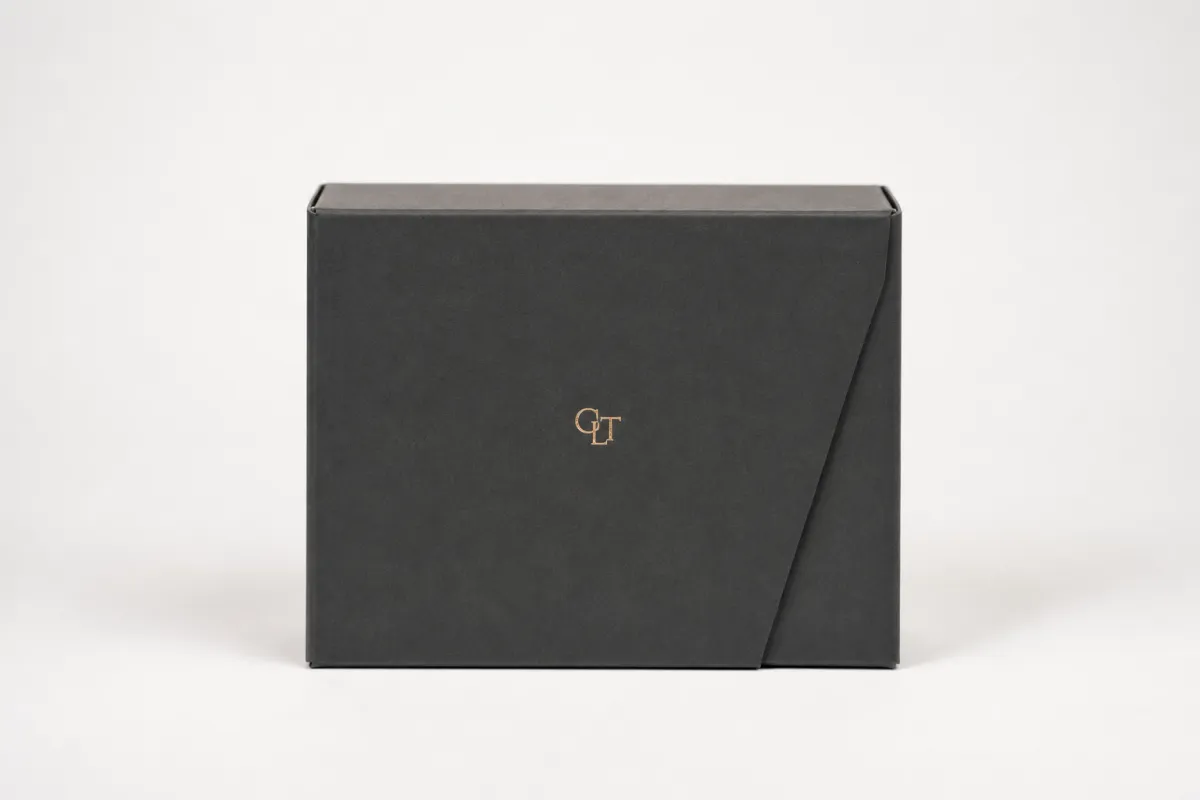
In practice, a unboxing experience manufacturer acts as packaging engineer, print producer, and brand translator all at once. The job begins before ink ever reaches board. The right team studies product dimensions, fragility, shipping method, and the emotional tone the brand wants the customer to feel. From there, it builds a package system around the product’s real conditions, not around a mockup that only looks good on a screen.
That system usually includes the outer shipper, the inner presentation box, the insert or tray, protective wrap, and the messaging that guides the opening. Some brands want a fast, efficient reveal with a clean branded impression. Others want a slower Experience That Feels gift-like and carefully paced. Either way, the unboxing experience manufacturer has to make the sequence work in actual hands, not just in a design file.
Many buyers underestimate how much craft lives inside that sequence. A stock mailer can move a product from warehouse to customer, but a custom package can do much more. It can frame the product, reduce movement, protect corners, and strengthen brand recognition the moment the customer lifts the lid. The right structure also helps a brand stay consistent across product lines, which matters when several SKUs need to look related without becoming identical.
A package does not need to feel extravagant to feel premium; it needs to feel considered. Tight fit, clean print, and a clear opening sequence often do more for the unboxing experience than expensive effects used without purpose.
A strong unboxing experience manufacturer thinks in layers. The outside can stay restrained while the interior carries the brand voice. The inner print might use a softer tone, a contrast color, or a message that feels warmer than the shipping carton. Tissue, stickers, cards, and inserts can extend the brand story without crowding the space. That is how a package becomes part of the product story rather than a box wrapped around it.
From a buyer’s point of view, the gap between packaging that “works” and packaging that performs is often small on paper and obvious in use. One box opens cleanly, holds the product straight, and looks consistent run after run. Another has a loose insert, a lid that scuffs, or a reveal that feels generic. A careful unboxing experience manufacturer pays attention to those tiny differences because customers do, even when they cannot name the reason.
There is also a strategic side to the work. If the brand wants premium positioning, the package has to support that promise. If the product is intended as a gift, the opening motion should feel generous and polished. If sustainability is part of the message, the build should avoid unnecessary layers and choose materials that are easier to recycle. A smart unboxing experience manufacturer helps the client match the package to the promise so the experience feels credible instead of staged.
In plain terms, the manufacturer is not just making a box. It is making the first physical handshake between brand and customer, and that has to hold up once the parcel has bounced through carriers, sortation centers, and all the other rough little steps nobody sees.
How an unboxing experience manufacturer handles process and timeline
A reliable unboxing experience manufacturer follows a process that looks orderly from the outside because the job contains so many places where haste can create problems. The work usually begins with discovery: product size, shipping channel, quantity, target cost, branding goals, and any nonnegotiables such as recycled material or retail shelf presentation. Once those basics are clear, the manufacturer can move into dieline review and structural planning.
The dieline matters more than many teams realize. It controls dimensions, tabs, folds, closures, and the location of print zones. If the dieline is off by even a few millimeters, the insert may bind, the product may shift, or the lid may not close cleanly. A careful unboxing experience manufacturer checks product dimensions against packaging tolerances and confirms whether the project needs a folding carton, a mailer, or a rigid presentation box.
Sampling comes next. A structural sample lets the team test fit and opening motion before committing to volume. This is the stage where hidden problems show up: a magnet closure that snaps too hard, a flap that catches on the insert, a tray that sits too deep, or a lid that collapses under light pressure. In a well-run workflow, the unboxing experience manufacturer uses the prototype to reduce risk rather than treating it as a box-checking exercise.
Sampling also shapes lead time. A simple folding carton with straightforward print can move from brief to production much faster than a rigid box with foil, embossing, and a custom paper wrap. Add foam, molded pulp, or multiple components that need to arrive together, and the schedule stretches again. Delays usually appear when one part of the job is ready and another is still in motion. The unboxing experience manufacturer has to keep those moving pieces aligned so final assembly does not stall.
Below is a practical view of how project complexity often affects timing and control.
| Packaging type | Typical complexity | Common lead time pattern | Best use case |
|---|---|---|---|
| Folding carton with print | Low to moderate | Often the fastest path after proof approval | Light products, retail-ready units, simple ecommerce shipping |
| Mailer box with insert | Moderate | Usually needs more sampling and fit checks | Subscription boxes, branded shipments, gift-like presentations |
| Rigid presentation box | High | Longer due to board wrap, assembly, and finish steps | Premium items, launches, collectibles, high-value products |
| Multi-component kit | High | Most sensitive to coordination and packing steps | Bundles, starter sets, promotional shipments |
Lead time also depends on how quickly the brand responds. A project moves faster when artwork is organized, product dimensions are final, and sample review comes back with clear feedback. If the client keeps revising insert depth, finish choice, or print coverage, the schedule stretches. A disciplined unboxing experience manufacturer keeps checkpoints visible so the team knows exactly what is approved and what is still open.
For standards and testing, many packaging teams turn to third-party guidance instead of guessing. Transit simulation and compression decisions often connect to ISTA methods, and sustainability planning can pull in EPA or FSC guidance depending on the material strategy. If a product has to survive rough shipping, the packaging should be checked with a real transport mindset, not only a design mindset. See the ISTA test standards and the EPA recycling guidance for broader reference points.
That balance between speed and control is what separates dependable execution from pretty samples that fall apart in production. A rushed box may miss its dimensions, scuff during packing, or open in a way that feels awkward. A seasoned unboxing experience manufacturer keeps the timeline honest so the customer experience holds together at the end of the line.
Key factors that shape the final unboxing experience
The strongest packages usually start with fit. A product that slides around feels unfinished, and one that is jammed too tightly creates frustration or damage. A skilled unboxing experience manufacturer aims for a fit that is secure without becoming fussy, with tolerances that allow easy insertion on the packing line and easy removal by the customer.
Materials come next, and the right choice depends on how the product ships and how the brand wants the box to feel in hand. Corrugated board is common for ecommerce because it protects well and holds structure through transit. Folding carton stock works well for lighter retail items and cleaner print detail. Rigid board brings a heavier, more premium feel, especially when paired with specialty wraps. Molded pulp and paperboard inserts are useful when a brand wants more recyclable support structure and less plastic. A thoughtful unboxing experience manufacturer matches the material to the job rather than defaulting to one favorite substrate.
Finish choices shape tactile response and visual branding in a way customers notice even when they do not analyze it. Soft-touch coating adds a velvety feel, matte lamination gives a quieter look, and gloss can create a sharper color pop on bold graphics. Foil stamping, embossing, and spot UV are stronger signal finishes, so they should support the story instead of crowding it. A good unboxing experience manufacturer knows that one strong finish often beats three average ones.
Interior details matter just as much as the outside. Printed inside panels, message cards, tissue, stickers, and insert labels can turn a standard shipment into a memorable unboxing experience. These are small pieces, yet they shape the emotional pace of the reveal. A message printed where the customer sees it first can reinforce brand consistency and make the moment feel more cohesive.
Sustainability is no longer an afterthought for serious buyers. Brands increasingly ask whether the package can be recycled, how much material can be removed without hurting protection, and whether the structure can be right-sized to reduce void fill. The best answer is often practical: use the least material that still protects the product, choose coatings carefully, and avoid mixed-material builds unless they are truly needed. A responsible unboxing experience manufacturer helps clients keep that balance without turning the box into a design contest.
There is a tradeoff worth saying plainly. More embellishment does not automatically mean more value. Some packages become cluttered because every team member adds one more layer of finish, one more insert, or one more card. That can dilute the brand story and raise cost without adding clarity. A smart unboxing experience manufacturer will ask which element does the most work and trim away the rest.
Color accuracy deserves more attention than it usually gets. Printed blues, blacks, and skin tones can shift depending on the stock, coating, and press setup. If a brand cares about visual branding, the manufacturer should proof against the chosen material, not a generic sample sheet. Sampling matters here because it exposes color behavior before a full run is locked in. A good unboxing experience manufacturer protects brand perception by checking those realities early.
When all of these factors line up, the package becomes an asset rather than a cost center. It protects the product, supports the story, and gives the customer a clear sense of value before the item is even in hand. That is the real job of a unboxing experience manufacturer.
There is a practical honesty to this work that people sometimes miss. Packaging is not magic, and it does not need to pretend otherwise. It just needs to be clear, tested, and appropriate for the product, which is usually what separates a decent package from one people remember.
Unboxing experience manufacturer pricing: what drives cost
Pricing is where many conversations turn fuzzy, so it helps to stay concrete. A unboxing experience manufacturer usually prices based on size, material grade, print coverage, insert complexity, finishing, assembly, and order volume. A small rigid box with foil and a custom insert will cost far more than a simple printed mailer, even if both look similar from a distance. The details that create the experience are often the same details that create labor and setup time.
MOQ, or minimum order quantity, is another major lever. Setup costs for cutting dies, print plates, and assembly prep spread differently across 500 units than across 5,000 units. That is why the unit price usually falls as volume rises. A buyer comparing quotes from a unboxing experience manufacturer should always look at the total order value, not only the per-box number, because a low unit price can hide a larger commitment than the brand actually needs.
Here is a practical way to think about cost drivers in a custom run:
- Size: larger boxes use more board, more wrap, and more freight space.
- Material grade: rigid board, premium paper wraps, and heavier paperboard all raise cost.
- Print coverage: full-bleed color, inside print, and multiple panels add press time.
- Finishes: foil, embossing, spot UV, and soft-touch coatings each add steps.
- Insert complexity: die-cut trays, multiple cavities, and foam or molded pulp are more involved.
- Assembly: hand work, folding, gluing, and kit packing increase labor.
For many buyers, the surprise is not the material itself but the labor around it. A visually simple box can still be expensive if it needs hand assembly, special wrapping, or multiple packing steps. A reputable unboxing experience manufacturer will separate material cost from labor cost so you can see exactly where the money goes.
There are also hidden costs that show up late if nobody asks about them early. Freight can shift the budget if the boxes are bulky or if the delivery window is tight. Storage may matter if the order ships in phases. Artwork changes after proof approval can create rework. If a structural sample is revised several times, the sample budget grows. A clear unboxing experience manufacturer will flag those items before they turn into friction.
The table below gives a practical way to compare common packaging directions without pretending every project is identical.
| Option | Approximate unit cost range | What drives it up | What it delivers |
|---|---|---|---|
| Printed mailer | $0.35-$1.20 | Full coverage, inside print, custom inserts | Strong ecommerce branding at a controlled cost |
| Folding carton with insert | $0.45-$1.80 | Heavier stock, die cuts, finish upgrades | Clean retail look with moderate presentation value |
| Rigid presentation box | $1.50-$6.00+ | Board wrap, specialty paper, magnets, hand assembly | Premium feel, strong gift appeal, lasting shelf presence |
| Multi-piece kit | $0.80-$4.50+ | Component count, packing labor, nesting complexity | Structured reveal for bundles and subscription sets |
Those numbers are only directional because geography, quantity, and material choice all shift the outcome. Still, they help buyers ask better questions. A good unboxing experience manufacturer should be able to explain why one structure costs more than another and what each added dollar actually buys in protection, presentation, or ease of use.
If you are trying to tighten a quote, send a clean brief. Include exact product dimensions, target quantity, shipping destination, any must-have finishes, and whether you need retail display or ecommerce shipping performance. The more complete the brief, the less guesswork your unboxing experience manufacturer has to carry.
Step-by-step workflow with an unboxing experience manufacturer
The best projects begin with a practical product brief. Before any layout work starts, the team should know what is being packed, how heavy it is, how fragile it is, where it will ship, and what emotion the brand wants the opening to create. A disciplined unboxing experience manufacturer uses that brief to shape every later decision, from board grade to insert height.
Technical planning comes next. That means confirming dimensions, checking the opening path, mapping print areas, and deciding whether the package needs a mailer, a wrap, a tuck box, or a rigid build. The structural design should respect both the product and the packing line. A box that looks beautiful but slows down fulfillment can become a problem fast. A practical unboxing experience manufacturer keeps the design aligned with how the client actually ships.
The sample stage follows. This is where the team can test fit, product protection, flap sequence, color balance, and the overall reveal. Clients sometimes think of sampling as a small step, but it is the stage that saves the most money later. One clean prototype can expose a weak corner, a cavity that runs too tight, or a finish that behaves differently on the chosen stock. A reliable unboxing experience manufacturer will never skip that check when the project matters.
After the sample is approved, the spec sheet should lock down the materials, artwork, tolerances, and packing instructions. This is the point where small changes become expensive, so everyone involved should review carefully. If a magnet moves or the insert depth shifts, the box may need to be rebuilt. That is why a careful unboxing experience manufacturer insists on final signoff before volume production starts.
Production oversight comes last, but it should not be passive. The team needs carton packing checks, print inspections, and receiving inspection standards so the finished goods match the approved sample. In a strong workflow, the brand receives boxes that look and function the way they were promised. That consistency is what turns a one-off prototype into a dependable packaging program.
There is a good reason experienced buyers treat packaging like a controlled system rather than a decorative add-on. The best unboxing experience manufacturer creates repeatable results, which means the brand can keep its presentation stable across launches, seasonal runs, and customer service replacements. Stability matters because the customer never sees the internal scramble; they only see whether the box feels right.
For brands that want a more premium presentation, FSC-certified paper options can support sourcing goals without forcing the package to feel plain. If sustainability language matters, ask the manufacturer to show which components are recyclable, which adhesives are used, and whether the structure can be simplified without weakening the experience. You can review the forest stewardship principles at FSC for broader context.
Common mistakes when hiring an unboxing experience manufacturer
One of the most common mistakes is designing around the box before the product dimensions are final. That sounds minor, but a few millimeters can make the difference between a snug fit and a frustrating one. A box that is too loose can feel cheap and noisy in transit, while a box that is too tight can crush corners or slow down fulfillment. A good unboxing experience manufacturer will push for accurate measurements before art is finalized.
Another frequent miss is treating branding as surface decoration only. The outer print matters, yes, but the opening sequence matters just as much. If the lid lifts and the product sits jammed into the cavity with no visual structure, the reveal loses energy. A better approach is to treat the whole unboxing experience as one connected moment: outside, inside, insert, message, and final product presentation. A capable unboxing experience manufacturer builds that rhythm instead of scattering logos at random.
Artwork approval can also go sideways if the material has not been confirmed. Colors that looked sharp on a screen may shift on kraft, coated board, or a matte wrap. Dark text may lose contrast. Fine lines may soften. A careful unboxing experience manufacturer will proof on the actual substrate whenever possible so the brand does not get surprised later.
Shipping conditions are another area where projects get underestimated. A package that sits beautifully on a table still has to survive transit, stacking, vibration, and sometimes temperature swings. If the structure is delicate or the product is heavy, the package should be tested with shipping in mind. Packaging that only succeeds in a studio mockup has not been finished yet. A thoughtful unboxing experience manufacturer treats transport as part of the design problem.
There is also a temptation to stack too many special effects on top of one another. Foil, embossing, spot UV, custom inserts, magnetic closures, sleeve wraps, and printed tissue can all be useful, but they can also compete with each other. Extra effects increase cost, setup complexity, and the risk of inconsistency. Honestly, one clear premium cue usually works better than five competing ones. A seasoned unboxing experience manufacturer will help the brand choose the strongest single move and leave the rest out.
Finally, some teams forget that the unboxing moment has to be repeatable. A beautiful sample that only works if someone hand-adjusts every box is not a production solution. A dependable unboxing experience manufacturer builds for scale, which means the package has to open well on the first unit and the five-thousandth unit alike.
That repeatability is the part most people learn the hard way. A box that feels great in a presentation room can expose its flaws once fulfillment teams start moving at speed. If the packaging slows the line or creates rework, the fancy bits stop feeling fancy pretty quickly.
Actionable next steps with your unboxing experience manufacturer
If you are ready to move forward, start with the product itself. Measure the item carefully, photograph it from multiple angles, and note any fragile areas, coatings, or accessories that must fit inside the pack. Then write down what the opening should feel like. Should it feel premium, playful, giftable, minimal, or highly protective? A strong brief helps the unboxing experience manufacturer design toward a clear result instead of guessing at your brand intent.
After that, put together a one-page packaging brief. It does not need to be fancy. Include quantity, target budget, shipping method, product dimensions, finish ideas, sustainability requirements, and any references for visual branding. A focused brief gives the unboxing experience manufacturer enough context to quote accurately and flag issues early.
Ask for a sample whenever the project has real stakes. Even a simple prototype can show whether the insert is too tight, whether the lid opens comfortably, and whether the reveal feels balanced. That matters especially for ecommerce brands and subscription programs, where the customer never sees a salesperson explaining how the package should behave. The sample is the reality check that keeps the final unboxing experience from drifting off course.
Compare quotes on more than price alone. Review the structural approach, board grade, finish options, assembly requirements, lead time, and how clearly the unboxing experience manufacturer communicates about revisions. A cheap quote that ignores fit or protection often costs more later in damage, repacking, or customer frustration.
Keep the design focused. One well-fitted insert, one clean print story, or one memorable interior message can carry the entire presentation. The strongest packaging programs usually use restraint with intent. That is how a package supports brand identity, improves customer perception, and stays practical enough to run again and again.
For many brands, the right unboxing experience manufacturer becomes a long-term packaging partner rather than a one-time vendor. That relationship matters because the box is not just a container. It is a repeatable brand asset that protects the product, shapes first impressions, and reinforces the promise your customer thinks they are buying.
The most useful takeaway is simple: lock the dimensions, approve a real sample, and choose the few details that actually shape the reveal. Everything else should earn its place.
FAQs
What does an unboxing experience manufacturer actually provide?
They help design the package structure, choose materials, and plan how the product is revealed inside the box. Many also produce inserts, wraps, printed interiors, and finish details that make the opening feel intentional. A good unboxing experience manufacturer can also guide sampling, production specs, and shipping readiness so the packaging works in real use, not just in a mockup.
How do I compare unboxing experience manufacturer pricing?
Compare quotes by looking at size, material, print coverage, finish choices, insert type, and assembly labor. Ask whether sampling, tooling, freight, and packing are included. Also check MOQ and total order value together, because a lower per-box price can still be more expensive overall if the volume is too high for your needs. A clear unboxing experience manufacturer should be able to explain every major cost driver.
What is a typical lead time for custom unboxing packaging?
Lead time depends on whether the job needs a new dieline, a structural sample, specialty finishes, or custom inserts. Simple runs can move faster, while rigid boxes and multi-part kits usually need more planning and approval time. The cleanest schedules usually come from a complete brief, quick artwork approval, and one focused sample round with your unboxing experience manufacturer.
How do I keep the unboxing experience on brand without overspending?
Focus on one strong brand moment, such as a well-fitted insert, a refined outer print, or a memorable interior reveal. Use cost-effective materials wisely, then reserve premium finishes for the part of the box the customer sees first. Removing unnecessary components and keeping the structure simple where it does not affect the reveal helps the unboxing experience manufacturer keep costs under control.
What should I send to an unboxing experience manufacturer first?
Send exact product dimensions, photos of the item, target quantity, and where the package will ship. Include brand assets, color references, finish preferences, and examples of packaging you like or want to avoid. Add practical constraints such as budget, timeline, sustainability needs, and whether the package must fit retail or ecommerce requirements so the unboxing experience manufacturer can quote accurately from the start.
A strong packaging program is never just about looking polished on a desk. It has to survive production, shipping, and customer handling while still feeling considered from the first unseal. That is why the right unboxing experience manufacturer matters so much: it turns structure, materials, and brand voice into one controlled moment that supports the product instead of distracting from it.