What vinyl car stickers are and why they work
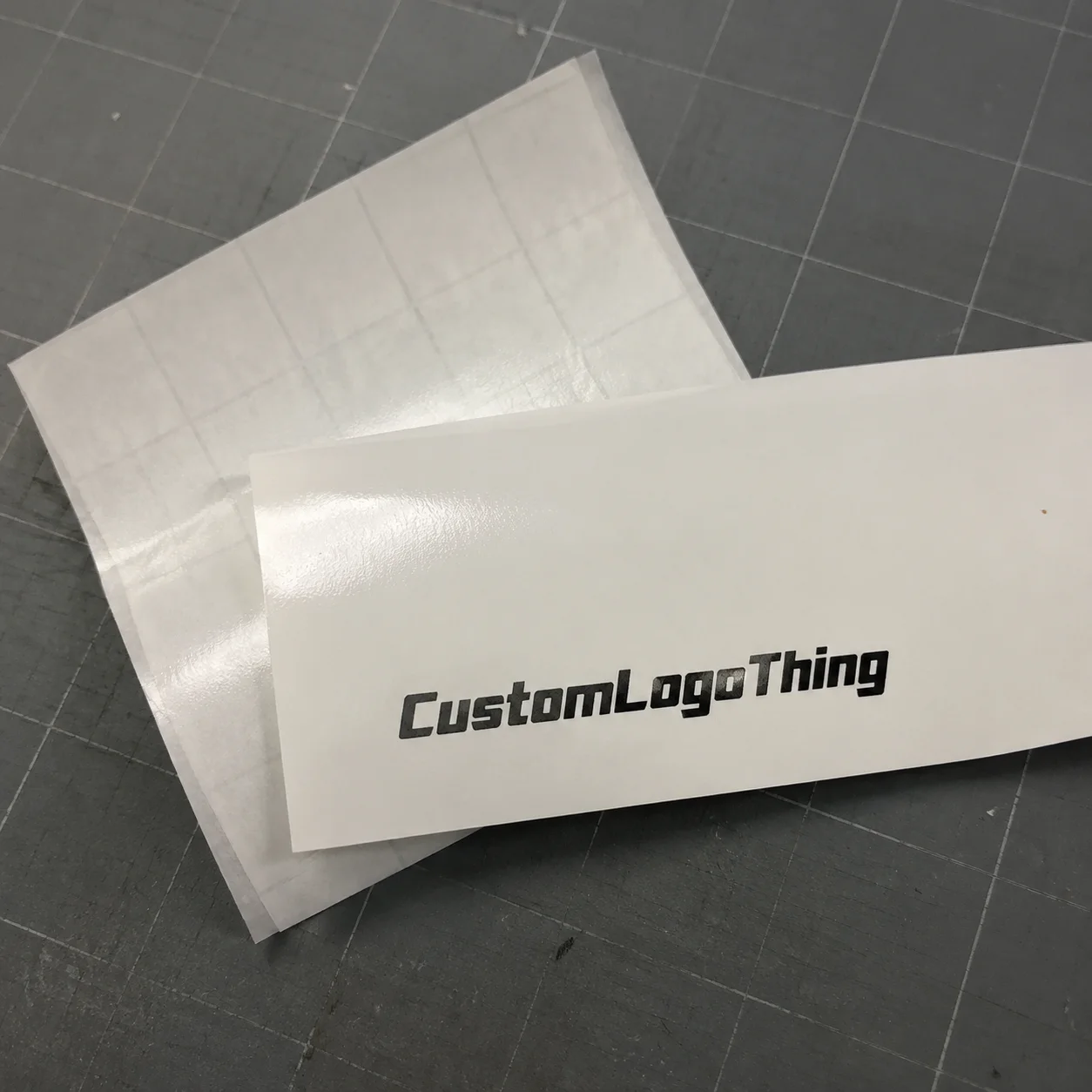
If you are comparing Vinyl Stickers Custom for cars, the real decision is not just the artwork. It is whether the material, adhesive, and finish can handle sunlight, rain, wash cycles, road grit, and the vibration that comes with daily driving. A clean logo looks good on day one, but a decal that stays flat, readable, and intact after months on the road is what protects the brand and the budget.
A car sticker is usually built from three layers: a vinyl face stock that carries the image, a pressure-sensitive adhesive that bonds to the surface, and a liner that protects the adhesive before installation. That construction sounds simple, but the details decide how the decal performs. A stronger adhesive can hold well without becoming a nightmare to remove, and a better face stock can keep color stable under UV exposure instead of fading early.
That is why a low-price decal can end up costing more in the field. If the film is too thin, the ink system is not outdoor-rated, or the adhesive was chosen for a box label instead of a vehicle, the failure usually shows up at the edges first. Peeling corners, lifting seams, and color chalking are small problems at first, then they become the whole job.
There are also meaningful differences between cut vinyl, printed vinyl, and laminated options. Cut vinyl is usually one solid color and is die-cut or contour-cut into letters or shapes, which makes it ideal for simple logos and text. Printed vinyl works better for multi-color artwork, gradients, and detailed graphics. Laminated printed vinyl adds a protective top film that improves scratch resistance and UV performance, which matters on doors, hoods, mirrors, and rear panels that see the most exposure.
For car graphics, the part that fails first is often not the main image. It is the edge, the adhesive bond, or the finish layer that never should have been specified for outdoor use in the first place.
How the production process and timeline work
The production flow for Vinyl Stickers Custom for cars usually starts with artwork cleanup and file prep. That means checking logo resolution, converting fonts to outlines when needed, confirming color values, and making sure the cut path is clean. If the file is a print job, the printer also checks bleed and safe area. If it is a cut decal, the contour line has to follow the shape accurately so the finished piece weeds and peels correctly.
Once the file is approved, production moves into either printing or cutting. Printed stickers are run through a digital printer using outdoor-rated inks, then dried or cured before the next step. Cut vinyl is sent to a plotter that traces the design shape with a blade. If the decal needs laminate, that is applied after printing and curing. Then the pieces are contour cut, weeded, and inspected for edge quality, color accuracy, and defects such as bubbles, pinholes, or nicked corners.
Timeline depends on material choice, quantity, and proofing requirements. A simple one-color decal with standard sizing can move quickly, while a full-color graphic with exact brand matching, custom shapes, or reflective film takes longer. Complex jobs also need more handling, and every extra touch point adds a chance for misalignment or waste, so the schedule stretches naturally.
Most buyers can plan around a practical sequence like this: one to two business days for proofing if the artwork is clean, several business days for production on standard runs, then drying, packing, and shipping time. In many cases, the full cycle lands somewhere around 12 to 15 business days from proof approval, though rush work can compress that if the shop has the right stock on hand. If a shop is waiting on a special laminate or a custom adhesive, add time. If the art is ready, the order is simple, and the quantity is consistent, the run usually moves faster.
One practical detail that is easy to overlook: how the decals are packed. Flat packing protects the graphic better than loose rolling in some cases, especially for small contour-cut decals. For buyers already coordinating Custom Labels & Tags or other Custom Packaging Products, keeping the packaging spec consistent across the order saves time later and reduces avoidable rework.
What affects cost, durability, and unit value
Pricing for Vinyl Stickers Custom for cars is driven by a few straightforward factors, and the first is size. Larger decals use more material and take longer to handle. Next is quantity: small runs carry more setup time per unit, while larger orders spread prepress and production costs across more pieces. That is why a 50-piece order often looks expensive per unit compared with a 1,000-piece run, even if the sticker design is identical.
Color count and print coverage matter too. A one-color cut decal with simple text can be efficient to produce, while a full-coverage printed graphic with gradients, background fills, and white ink or underbase work takes more ink and more passes. Contour cutting adds labor as well, especially when the shape is tight or the cut path has many corners. If the design is complex, expect more prepress review and more waste during production.
Durability is where the value question becomes practical. A premium UV-resistant laminate and a stronger outdoor adhesive may raise the unit price, but they can also prevent early peeling, edge lift, and color fade. In the field, those failures are what turn a low-cost decal into a replacement expense. A sticker that must be replaced every season is not really cheap.
For rough budgeting, buyers usually see a wide spread depending on dimensions, quantity, and finish. Small cut decals may land in the low single digits per piece on larger runs, while laminated printed decals and specialty films can move into the teens or higher, especially for short runs. Custom shapes, reflective stock, and fast turnaround all push the number up. That range is normal; the quote only becomes useful when it separates material, finishing, cutting, and shipping instead of hiding everything in one line.
MOQ, proof revisions, and rush production can change the quote too. A small revision on a complex contour-cut graphic may require another proof cycle, and that time has value. If you want accurate pricing, ask for itemized numbers that show material, finishing, cutting, and shipping separately. A quote that hides all four makes comparison harder, not easier.
| Option | Typical Use | Relative Cost | Durability |
|---|---|---|---|
| Cut vinyl, single color | Text, basic logos, clean fleet marks | Low to moderate | Very good for simple shapes |
| Printed vinyl, no laminate | Short-term promotion, low-abrasion areas | Moderate | Good, but more vulnerable to scuffing |
| Printed vinyl with laminate | Outdoor branding, daily-driver vehicles | Moderate to higher | Best overall protection |
| Reflective or specialty film | Safety, visibility, premium branding | Higher | Strong, but depends on exposure and care |
How to choose the right material, adhesive, and finish
For vehicle graphics, the material choice should follow the surface and the expected lifespan. Cast vinyl is usually the better fit for curved panels, deep recesses, and longer outdoor exposure because it conforms well and tends to hold shape better over time. Calendared vinyl can work for flatter surfaces, temporary promotions, and lower-cost applications, though it is less forgiving on tight curves. If the design is closer to a wrap-style panel, the film needs to behave like an automotive graphic, not a label with a bigger job title.
Adhesive choice matters just as much. Painted metal, glass, and textured plastic do not all behave the same, and removable applications should be treated differently from permanent branding. A decal on a clean windshield has different needs than a decal on a powder-coated bumper or a lightly textured trim panel. Surface prep is part of the specification here: grease, wax, silicone, and dust can ruin adhesion even if the vinyl itself is excellent.
Finish changes both appearance and function. Gloss gives bright color and a crisp look. Matte lowers glare and can look more restrained on subdued branding. Satin sits between the two and often hides fingerprints and minor scuffs fairly well. A laminate also adds practical value, because it improves scratch resistance and gives a second layer of UV protection. For cars parked outdoors or washed often, that top layer is not decoration; it is a wear surface.
Outdoor exposure changes the recommendation quickly. Summer heat can soften lower-grade adhesive, winter cold can make installation harder, and road debris can chip exposed edges. If the vehicle is part of a fleet, a sales route, or a retail campaign, the sticker spec should reflect actual mileage, not just the mockup. That is the same thinking used in branded packaging and retail packaging choices: match the material to the environment it will really live in.
- Use cast vinyl for curves, long life, and higher-end vehicle graphics.
- Use calendared vinyl for flatter panels and shorter campaigns.
- Choose laminate if the graphic will face frequent washing or sunlight.
- Match adhesive strength to the surface and removal expectations.
Step-by-step order and application workflow
The cleanest orders begin with proper design prep. Measure the actual install area, not the space you think is available. A door panel can lose usable area to handles, trim lines, badges, and body curves, so a decal that looks perfect on screen may be too tall or too wide in practice. High-resolution art is fine for printed decals, but vector files are better when the artwork will be cut. AI, EPS, and PDF files are the safest starting point for crisp edges and accurate scaling.
Once the artwork is ready, review the proof closely. Confirm the size, color, cut line, and any mirrored orientation before production starts. That step seems small, but it prevents a lot of problems that are hard to fix later. If the sticker includes text, double-check spelling, spacing, and reading direction. If it is going onto a side window or rear panel, confirm whether the design needs to be oriented for inside or outside placement.
Installation itself is straightforward, but the surface has to be cleaned properly. Use a residue-free cleaner, then wipe with isopropyl alcohol if the surface allows it, and let it dry completely. Place the decal, align it, and use a squeegee with firm, even pressure from the center outward to push air out. For larger decals, hinge placement or a low-tack tape hinge can help keep the graphic positioned while you work. Take your time at the corners and edges, because that is where lift usually starts.
After application, let the adhesive set before heavy handling. The exact wait time depends on adhesive chemistry, ambient temperature, and surface type, but a conservative window of 24 to 48 hours before washing is reasonable for many outdoor decals. If the weather is cold, it may take longer. If the vehicle goes back into service immediately, explain that to the supplier in advance so they can recommend the most forgiving construction.
For larger campaigns, fleet graphics, or package branding tie-ins, it helps to think about the sticker order the same way you would think about custom printed boxes: correct dimensions, predictable finish, and a repeatable process are what make the whole project look professional.
Common mistakes buyers make before ordering
The biggest mistake is uploading low-resolution artwork and hoping the print can rescue it. It usually cannot. Blurry logos, jagged edges, and soft text become more obvious once the decal is enlarged or contour-cut. If the art is pixel-based and too small, the result may look acceptable in a thumbnail but rough on a vehicle door.
Another common issue is sizing by eye. A buyer estimates the space on a bumper or back window, then orders a piece that is three inches too tall and suddenly the fit is wrong. Measuring first saves money and avoids rework. It also helps the supplier recommend whether the graphic should be split into panels, resized, or simplified.
Skipping laminate is another decision that often costs more later. If the decal will face weather, wash brushes, or repeated sunlight, the added protection is usually worth it. The same is true for adhesive selection. A material that is too aggressive can make removal harder than expected, while a weak adhesive can lift early, especially on curved or warm surfaces.
There are also small but expensive details like mirrored text, left-side versus right-side placement, and visibility rules. Some graphics look correct in a mockup but fail in the real world because the message is backward on the passenger side or too small to read at a distance. For commercial fleet work, check local visibility or compliance requirements before approval. That review is not glamorous, but it prevents reprints.
Final checks, expert tips, and next steps
Before you place the order, run a simple checklist. Measure the install area, confirm the file format, decide on matte, gloss, or satin, and verify the quantity. If the project is more than a one-off, ask whether an extra decal should be included for future replacement. That is a smart move for fleets and repeat campaigns, because it keeps the visual standard consistent if a panel gets damaged or a vehicle changes.
Ask for a proof, a material recommendation, and a realistic production timeline before you approve anything. A good supplier should be able to explain why a cast film is better than a calendared one, or why a particular laminate suits sun-heavy routes better than a basic topcoat. If the answer is vague, push for specifics. A clear explanation usually means the order will be built correctly.
If the sticker is part of a broader branding effort, keep the design language aligned with your other printed pieces. That might mean matching your vehicle decals with branded packaging, retail packaging, or product packaging materials so the customer sees one consistent identity across the brand. When that alignment is done well, the vehicle becomes another moving part of the overall brand system instead of a disconnected graphic.
The practical goal is not just to print something that looks sharp in a mockup. It is to order vinyl Stickers Custom for Cars that fit the surface, climate, and lifespan you actually need. A sticker should install cleanly, stay put, and keep doing its job long after the first wash.
How long do vinyl stickers custom for cars usually last outdoors?
Durability depends on vinyl grade, laminate, sun exposure, wash frequency, and installation quality. Premium outdoor decals can last several years when applied to a properly cleaned surface and maintained correctly.
What file format is best for custom car vinyl stickers?
Vector files like AI, EPS, or PDF are ideal for crisp cut lines and scalable art. High-resolution PNG or PSD files can work for printed decals if the artwork is large enough and properly prepared.
Are custom car vinyl stickers removable without damage?
Many are removable, but ease of removal depends on adhesive strength, how long they have been installed, and heat exposure. Slow peeling with gentle heat usually helps reduce residue and paint stress.
What affects the price of vinyl stickers custom for cars?
Size, quantity, print coverage, cut complexity, laminate choice, and rush timing are the main drivers. Ordering more pieces usually lowers the unit cost, while specialty materials can raise it.
Can I use the same sticker on windows and painted panels?
Sometimes, but glass and painted metal may call for different adhesive or opacity choices. Confirm the intended surface before ordering so the finish, visibility, and removal behavior match the application.

