For a vitamin brand, vitamin Brand Hang Tags Sample approval is the point where a neat file stops being hypothetical and has to survive paper, ink, cutting pressure, and retail lighting. A layout can look exact on a monitor and still wobble once it is printed on board, trimmed to shape, tied to a bottle neck, and hung next to other shelf clutter. I have watched a tag that looked polished in PDF turn oddly lifeless under fluorescent light, and another one that seemed plain on screen suddenly feel premium once the stock and finish were right. That jump is real. It is also why sample approval matters so much.
I treat vitamin Brand Hang Tags sample approval as a working checkpoint, not a ceremonial stamp. Supplement packaging asks a small tag to do a surprising amount of work. It has to attract attention, carry brand cues, support claims or regulatory language, and still fit the bottle or carton without looking forced. Miss on color, finish, size, or hanging behavior, and the whole package can slide from composed to awkward in one move. That is a tiny failure with a pretty big bill attached.
There is also a practical reason this step deserves respect: buyers rarely judge the tag by itself. They see it beside the bottle, the carton, the shrink band, maybe a shelf strip or display tray, and they decide fast whether the package feels trustworthy. A tag that reads bright in a mockup can look flat against amber glass. A design that feels refined on white paper can feel cramped the second it meets a matte jar. That is not a taste issue. It is production behavior doing what production behavior does.
Small tactile signals matter more than many teams expect. Paper feel, foil sheen, edge quality, hole placement, and the way a tag hangs from the neck shape the first physical impression. A tag that feels too thin or cuts poorly can make an otherwise strong vitamin line seem less considered, even when the formula is excellent. Frankly, that kind of mismatch can undercut trust faster than a marketing team likes to admit. A sample review catches it before the launch gets stuck explaining itself.
On one wellness launch I reviewed, the brand loved a soft-touch laminate until the sample came back with faint scuffing at the folds after only a few passes through the hand. The design was fine. The finish choice was not. We changed the stock and saved the line from a look that would have gone shabby after a week in distribution. That is the value of sample approval in plain English: it exposes the stuff nobody wants to discover after the full run ships.
Good sample approval is not about a fast yes. It is about proving that the approved look can be repeated across the full run without color drift, construction problems, or fit issues.
What vitamin brand hang tags sample approval means in practice
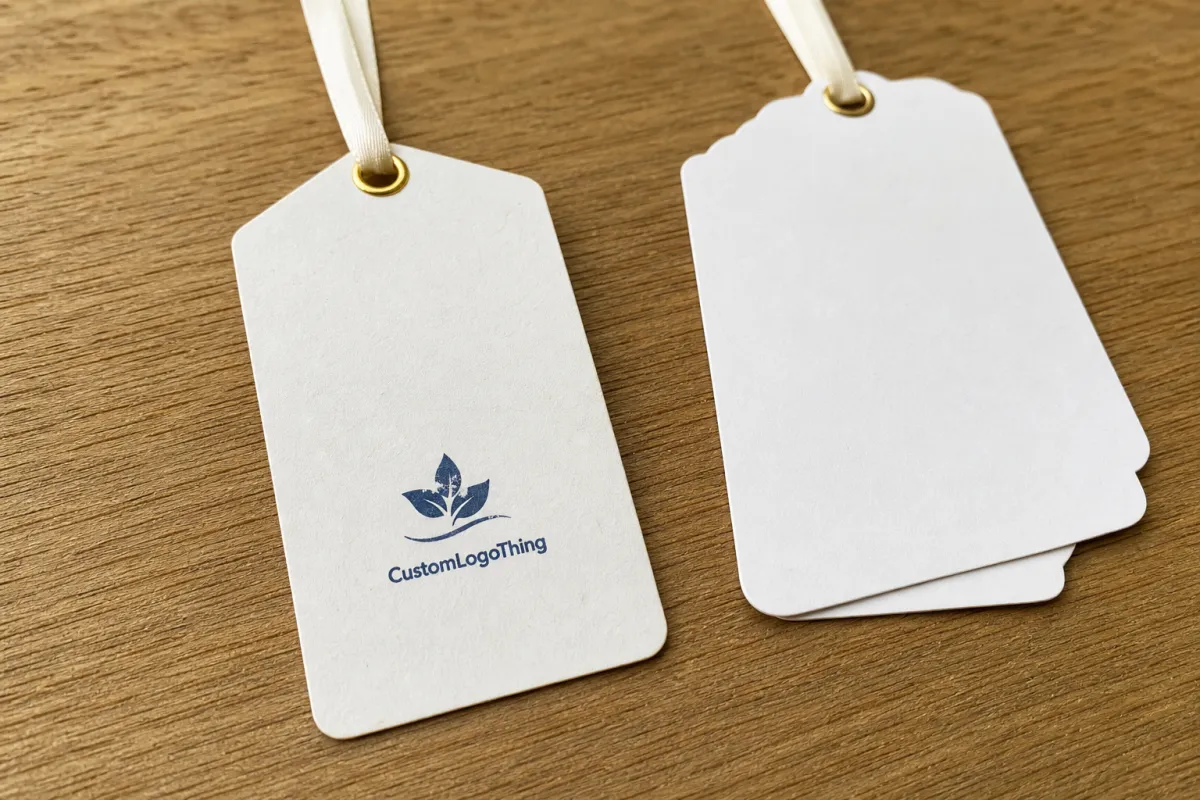
Vitamin Brand Hang Tags sample approval means the buyer reviews a real or highly accurate prototype before production starts, then confirms that artwork, material, finishing, and construction match the intended result. A digital proof can verify spacing, spelling, barcode placement, and general layout. A physical sample answers a different question: what will a real customer actually touch and see? Those checks belong together, but they are not the same thing.
The approval path usually has three layers:
- Digital proof - confirms copy, image placement, barcode placement, and basic layout before anything is made.
- Pre-production sample - shows how the selected stock, finish, and shape behave in the real world.
- Production sample - mirrors the final line setup as closely as possible and is the closest reference for the full run.
The sample package should be specific, not vague. If I were reviewing a proper vitamin brand hang tags sample approval package, I would expect to see substrate choice, print method, die cut shape, hole placement, string or fastener style, coating or varnish, and any special finish such as foil or embossing. Leave out one detail and the review turns fuzzy. Fuzzy is expensive in packaging, and it usually gets more expensive later.
Approval usually involves more than one person. Brand wants the tag to look right. Marketing wants the visual system to stay intact. Compliance wants the claims and disclaimers to survive the final size. Operations wants the tag to pack efficiently and hang cleanly. Procurement may also need to sign off because vitamin brand hang tags sample approval can affect cost, lead time, and reorder planning. In a bigger organization, that can mean five people staring at the same sample for different reasons, which is honestly normal.
The point of the process is traceability, not theater. The team sees a physical or near-physical reference and confirms that the approved sample can be reproduced consistently across the full job. Repeatability is the real goal. A sample that looks good once but cannot be made the same way at scale does not protect the launch. It only postpones disappointment.
If you need a related format for comparison, our Custom Labels & Tags page is useful for seeing how different substrates, shapes, and finishes are handled across packaging pieces.
Vitamin brand hang tags sample approval process and timeline
The cleanest vitamin brand hang tags sample approval process starts with a solid brief and a blunt artwork review. The printer or converter should receive final copy, dieline expectations, material preferences, finish notes, and any regulatory text before the first proof is built. If the file is still moving, the approval chain gets slippery fast. Packaging teams know this from experience: every unresolved detail breeds another delay later.
A workable timeline usually runs through brief intake, dieline confirmation, proofing, sample build, internal review, revision if needed, final approval, and release to production. Straightforward jobs can move through vitamin brand hang tags sample approval in only a few business days once artwork is final. Custom shapes, foil, embossing, soft-touch coating, or multi-step assembly take longer because each added feature gives the process another place to break. Nobody likes that, but it is how the work behaves.
Most delays are predictable. Missing copy, slow internal signoff, unclear authority on the final yes, and late design changes account for a surprising share of missed deadlines. I have seen vitamin brand hang tags sample approval stall for a week because one department wanted the bottle size text revised while another wanted the QR code moved, and no one would own the final decision. That was not a technical problem. It was a decision problem, plain and simple.
Remote approval can work if the team uses discipline. Strong photos from multiple angles help, especially images that show the tag attached to the actual bottle or jar rather than floating on a white desk. A shared approval document should record every requested change, the date of each revision, and who approved the final version. With that structure, vitamin brand hang tags sample approval stays traceable instead of becoming an inbox mystery. A little paperwork here saves a lot of backtracking later.
- Confirm final copy and dieline before sampling.
- Review the first sample under realistic lighting and on the actual package.
- Document every correction, even the tiny ones.
- Ask for a revised sample if the change affects color, fit, or readability.
- Release production only after one person owns the final approval record.
Launch planning matters more than many brands expect. A hang tag is usually one piece of a larger package system, and vitamin brand hang tags sample approval should happen early enough that it does not collide with carton printing, bottle labeling, kitting, or fulfillment planning. If the tag arrives late, the rest of the line can be waiting on one component while everyone else is ready to move. That bottleneck is annoying, costly, and completely avoidable.
The safest schedule leaves room for at least one revision. If the first sample gets approved, great. If it does not, the launch still has breathing room. That space between certainty and panic often decides whether a rollout feels deliberate or rushed.
Cost, pricing, and MOQ factors for vitamin brand hang tags
Sample cost and unit cost are not the same thing, and vitamin brand hang tags sample approval is where buyers feel that difference most sharply. A sample often costs more per piece because setup, proofing, special handling, and manual work are spread over very few units. Once the job moves into full production, those setup costs get distributed across thousands of tags, and the per-unit price drops accordingly.
For a simple paper hang tag, a sample might land in the $35-$120 range depending on size, complexity, and whether freight is included. Once foil, embossing, special die cuts, or attached cords enter the picture, the sample can move into the $120-$300 range or higher. Production pricing may then settle much lower per piece, often around $0.08-$0.28 per unit for larger runs, with premium finishes pushing higher. These are ballpark figures, not a promise; region, press type, and finish stack all matter. That is why vitamin brand hang tags sample approval should be treated as an investment in the final job, not as a throwaway fee.
MOQ matters just as much. Some brands want to test three tag versions before committing to a larger order, especially when the tag sits inside a product family or seasonal promotion. Others need one approved version that holds steady through a long production cycle. Either way, vitamin brand hang tags sample approval helps the buyer confirm whether the supplier can support the run size without changing color behavior or the feel of the design. It also tells you whether the pricing you were quoted assumes a short run or a longer one. Those two things are not the same, not even close.
Pricing is shaped by a few practical variables:
- Board or paper type - uncoated, coated, kraft, SBS, C1S, or specialty stock.
- Print method - digital, offset, flexo, or hybrid production.
- Finish - matte, gloss, soft-touch, foil, spot varnish, or embossing.
- Construction - custom die cut, perforation, round corners, hole punch size, stringing.
- Assembly - loose tags, pre-strung tags, or tags packed with inserts or variable data.
Some suppliers will credit the sample charge against the full order if the job moves forward. Others treat the sample as a separate service. Ask before comparing quotes. A price that looks cheaper can hide revision fees, freight, or color matching support that another vendor already included. Vitamin brand hang tags sample approval is not just about the sticker price; it is about the total cost of getting the approved result without surprise add-ons. That’s the part buyers sometimes miss until the invoice arrives.
| Sample Type | Typical Use | What It Helps Verify | Typical Cost Impact |
|---|---|---|---|
| Digital proof | Layout and text review before production | Copy, line breaks, barcode placement, general composition | Often low or included in setup |
| Pre-production sample | Material, finish, and construction review | Color on stock, cut quality, hole placement, feel in hand | Usually moderate, especially with custom finishes |
| Production sample | Final reference before full run | Repeatability, assembly behavior, consistency, packout fit | Highest confidence, often tied to full job setup |
From a brand planning angle, the real value of vitamin brand hang tags sample approval is risk reduction. A failed approval rarely means only the cost of paper and ink. It can mean new freight, new timelines, added coordination with the filling line, and extra work for the people who now have to explain the delay to everyone else. A tidy sample review is cheaper than a public apology to operations, and that is not an exaggeration.
Critical factors that shape the final approved hang tag
Material choice changes the mood of the piece and the mechanics of the piece at the same time. A natural uncoated stock gives a softer, more grounded feel, which works well for botanical or clean-label vitamins. A coated stock sharpens images and holds stronger contrast, which helps when the design uses photography or crisp type. A thicker board, such as a 350gsm SBS or an 18 pt equivalent, gives the tag more presence and helps it resist curling. That material call is a major part of vitamin brand hang tags sample approval because the stock affects both appearance and handling.
Readability deserves its own pass. Vitamin hang tags often need ingredient claims, serving information, QR codes, lot references, and short compliance statements inside a small area. Light typography or cramped spacing turns information into noise. A solid vitamin brand hang tags sample approval review should check the tag at final size, not at an oversized proof stage, because a design that looks elegant at 120 percent can become crowded after trimming. I have seen this happen more than once. It is one of those problems that looks tiny in the file and obvious in the hand.
Finishes create a lot of emotion in a tiny footprint. Matte can feel calm and premium. Gloss can add punch and contrast. Foil can signal higher-end positioning, though it works best when used with restraint. Soft-touch has a refined feel, but it can pick up scuffs if the tag is handled often. Spot varnish and embossing add dimension, yet they also complicate registration. That is why vitamin brand hang tags sample approval should include both visual review and touch review. A finish that photographs well is not automatically the one that behaves well.
Construction details matter more than many teams expect. Hole diameter, hole position, corner radius, perforation strength, and stringing method all affect how the tag hangs from a bottle, jar, pouch, or carton. If the hole is too close to the edge, the tag can tear. If the string is too stiff, the hang angle can look wrong. If the hole lands too high or too low, the tag may cover brand elements or swing in an awkward way. That practical hanging behavior belongs inside vitamin brand hang tags sample approval, not outside it.
Brand consistency needs a direct check as well. Does the tag match the palette, tone, and photography style of the rest of the packaging system? Does it feel aligned with the brand identity on the bottle label and outer carton? Is the typography family consistent with the line? This is the moment where the tag either strengthens visual branding or starts drifting away from it. A strong vitamin brand hang tags sample approval process keeps the tag inside the same family as the larger package, rather than letting it become a stray object.
If the tag will be touched, seen, and packed by three different teams, all three teams need to be looking at the same approved sample.
For sustainability-minded brands, paper sourcing can matter too. FSC certification is a useful reference point if the buyer wants paper from responsibly managed sources, and the organization explains the basics clearly at fsc.org. If the hang tag needs to survive rough packing or retail handling, it also helps to compare shipping and distribution expectations against resources from ista.org. Those references do not replace a sample, but they give useful context for smarter decisions around vitamin brand hang tags sample approval.
Common mistakes in vitamin brand hang tags sample approval
The first mistake is approving from a screen only. Screens help, but they do not reproduce real stock, real ink, or real finish. Color contrast shifts. Dark text can sink into a coated surface. Foil can reflect differently under retail lighting than it does on a desk. If the team skips the physical review, vitamin brand hang tags sample approval becomes more guesswork than decision-making.
The second mistake is reviewing the tag without attaching it to the actual package. Scale changes everything. A hang tag that feels balanced in the hand can look oversized on a slim bottle or too small against a large jar. The tag may cover a key brand mark, fight with a tamper band, or swing into another component. A proper vitamin brand hang tags sample approval review should happen on the actual product or a close mockup, not in isolation. That step is boring until you skip it and regret it later.
Another common problem is changing copy after the sample review has started. That happens because marketing wants one phrase, compliance wants another, and the launch team wants the tag to read clearly from shelf distance. Each late copy change can trigger reproofing, rework, and schedule pressure. Strong vitamin brand hang tags sample approval depends on copy lock before the sample is built, or very close to it.
Teams also get into trouble when they do not use a written checklist. Verbal approval sounds efficient, yet it is easy to misremember later once production starts and people are juggling more than one packaging line. A short signoff sheet is enough to prevent confusion. It should list the approved file name, the sample date, the key material spec, and who gave the final yes. That is not bureaucracy. It is protection for the project. In that sense, vitamin brand hang tags sample approval is as much about recordkeeping as it is about design.
Compliance blind spots cause their own headaches. Missing disclaimer language, unreadable ingredient details, incorrect dosage information, or a QR code that is too small can all slip through if the team is only focused on aesthetics. The job of vitamin brand hang tags sample approval is to catch those issues before they become expensive corrections on a finished run. A beautiful tag carrying the wrong information is not a successful tag, no matter how nice it looks on a desk.
Seasoned buyers tend to understand this faster than newer teams. Approval is not about chasing perfection in the abstract. It is about confirming that the package, as produced, will serve the brand, the customer, and the production floor without creating avoidable friction.
Actionable next steps after vitamin brand hang tags sample approval
After vitamin brand hang tags sample approval, the next move is to lock the file set and document what was approved. Save the final artwork, the approved sample photo, the material spec, and the signoff notes in one place so purchasing, production, and marketing are all referencing the same version. Reorders go faster when that archive exists. Mismatches go away faster too.
I also recommend photographing the approved sample on the finished bottle or carton. That image becomes a practical reference for future orders, seasonal updates, and related packaging components. It can also help if the brand later expands into a family line and needs the hang tag to stay visually aligned across several SKUs. Good vitamin brand hang tags sample approval gives you a baseline you can repeat instead of reinventing the package every time. That saves time, and it saves arguments.
If anything was close but not quite right, ask for a revision list before the next round is released. Small changes are easier to make before the full run begins than after cartons are printed and product is moving through the line. A slight shift in hole placement, a better paper choice, or a clearer line of copy can alter the final result more than teams expect. That is the practical payoff of vitamin brand hang tags sample approval: one clean chance to correct the details that matter most.
Here is the short version I give buyers who are under pressure:
- Lock the copy before the sample is built.
- Review the sample on the real package, not just on a desk.
- Confirm who has approval authority before the signoff round starts.
- Save the approved physical reference and the final PDF together.
- Use the same approval discipline on future launches.
Strong vitamin brand hang tags sample approval protects launch timing, brand recognition, and the finished shelf impression. It also protects the people inside the company who have to answer for the packaging after it ships. If you want to see how different product teams handle packaging decisions across categories, our Case Studies page is worth a look. If your next project includes coordinated packaging pieces, related Custom Labels & Tags can help the whole system feel like one package family instead of a collection of separate parts.
In the vitamin category, details carry more weight than most buyers expect. A good sample proves the hang tag can hold its own under real conditions, and vitamin brand hang tags sample approval is the step that turns a promising design into a reliable production decision. If you are heading into a sample round, keep the copy locked, review the tag on the actual product, check it in real lighting, and store the approved sample with the final file. Do those four things, and you will avoid most of the avoidable pain.
Frequently Asked Questions
How long does vitamin brand hang tags sample approval usually take?
Simple jobs may move through vitamin brand hang tags sample approval in a few business days, especially if the artwork is final and the material is standard. Custom shapes, foil, embossing, or detailed compliance review can stretch the timeline because each added detail needs another look. The biggest variables are artwork readiness, sample shipping time, and how quickly the internal team can consolidate feedback. If the decision-makers are all in one room, or at least on the same call, things go a lot faster.
What should I check on a vitamin brand hang tags sample before approving it?
Check color accuracy, text legibility, finish quality, cut shape, hole placement, and the way the tag looks once it is attached to the actual product. For vitamin brand hang tags sample approval, it also helps to confirm that warnings, ingredient details, and any codes are readable at final size. Review the sample under realistic lighting, not just in ideal desk conditions, because retail lighting can change the read of the whole tag. A sample that looks good under a desk lamp can act differently under store LEDs, and that difference is not small.
Why does sample approval affect the final price of vitamin brand hang tags?
Sampling can add cost for setup, proofing, special finishing, and manual handling before the full run begins. More complex designs usually require more review time and sometimes more than one revision round, which is why vitamin brand hang tags sample approval can influence both schedule and budget. A clean approval process often saves money overall by preventing reprints, freight changes, and launch delays. It also helps you compare suppliers on equal terms instead of guessing which quote includes what.
Can I approve a vitamin hang tag sample digitally instead of physically?
Digital approval can work for layout checks, but it cannot fully replace a physical sample when color, stock feel, or finish matter. For premium packaging, a real sample is usually the safer way to confirm the final look and handling, which is why vitamin brand hang tags sample approval is strongest when a physical piece is part of the review. If a physical sample is not possible, ask for high-resolution photos, close-ups, and notes on the exact stock and finishing used. That is not perfect, but it is better than pretending a PDF can tell the whole story.
What causes the most delays in vitamin brand hang tags sample approval?
The most common delays are late copy changes, unclear feedback, slow signoff from multiple departments, and missing technical details. Delays also happen when the sample exposes a design issue that was not visible in the artwork file, which can force another round of review. A simple checklist and one decision-maker can speed up vitamin brand hang tags sample approval a great deal and keep the launch moving. That may sound basic, but basic systems are usually the ones that save the most time.