Vitamin Brand Hang Tags Unit Cost: Quote Smarter, Ship Faster
Compare vitamin Brand Hang Tags unit cost, MOQ, materials, and turnaround so you can quote accurately and Order the Right tags without guesswork from the start.
Blunt version first: vitamin brand hang tags unit cost can swing a lot from one quote to the next, even when two tags look nearly identical in a mockup. I have seen buyers get tripped up by a tiny change in stock, finish, die shape, or attachment method and end up staring at a number they did not expect. Add pack-out labor, barcode placement, or compliance copy and the gap gets wider. So yes, the pretty render matters, but the real job is getting a spec that keeps vitamin brand hang tags unit cost steady enough to plan around.
From a packaging buyer’s angle, the tag has a split job. It supports brand identity, helps build brand recognition, and can carry SKU codes, batch space, barcodes, or a short claim that improves shelf communication. The lowest-looking price is not always the lowest finished cost. That is where vitamin brand hang tags unit cost catches teams off guard: they compare the headline number and ignore the build behind it. That mistake is old as print itself, and still annoyingly common.
Custom Logo Things builds around buying logic instead of decoration for decoration’s sake. Quote fast. Compare apples to apples. Pick the tag that serves the run, not the one that only photographs well. Clean typography, stronger board, and tighter color consistency all belong in the quote if they matter to the product. If they are hidden, vitamin brand hang tags unit cost turns into a guess dressed up as a decision.
Why vitamin brand hang tags unit cost changes faster than you think
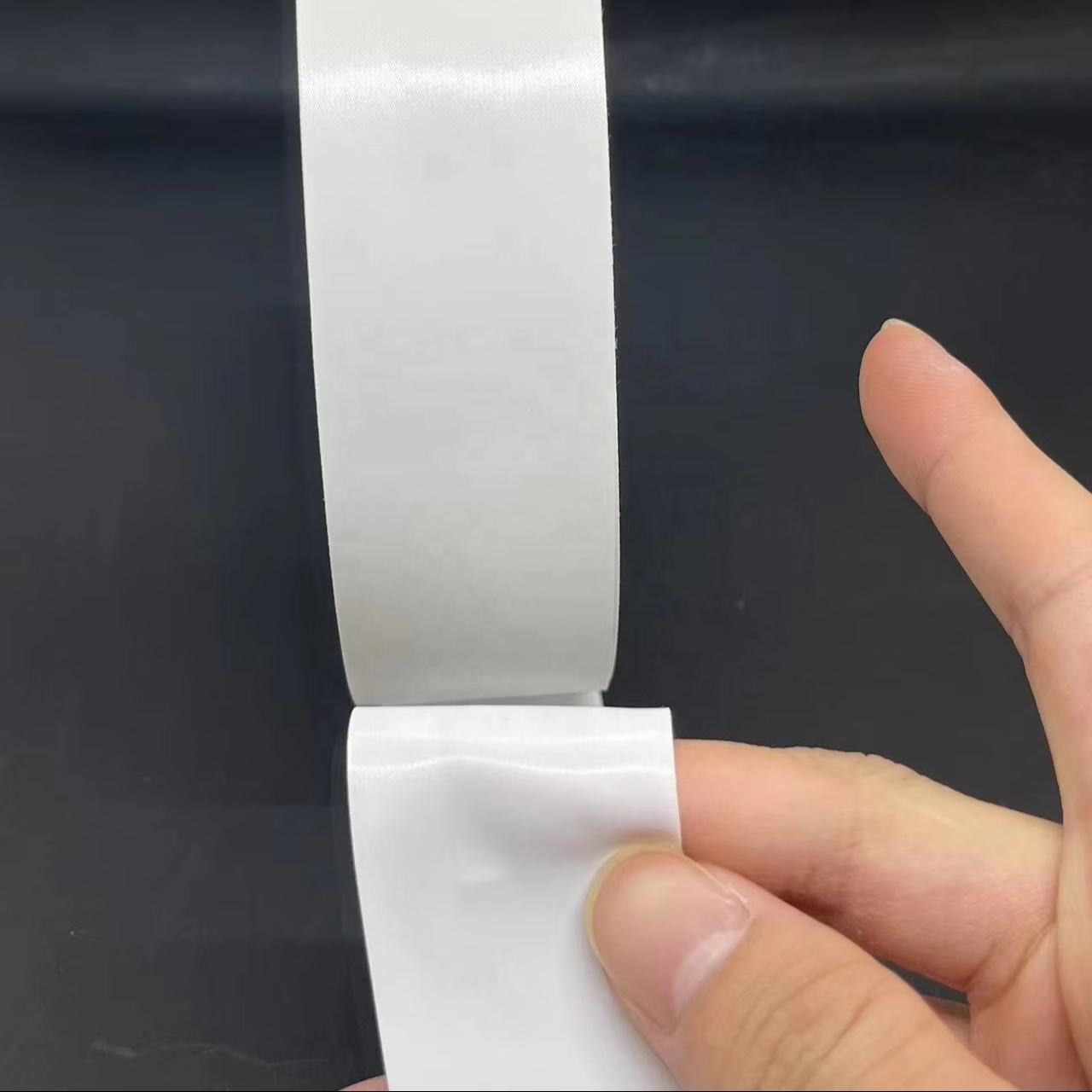
Two hang tags can look almost the same on a screen and still sit in very different cost bands. One may be a straight 2 x 3 inch tag on 14pt C1S with a single punch hole and one-color print. The other may use a custom die shape, heavier stock, soft-touch lamination, and a string attachment that needs extra hand work. That is the real reason vitamin brand hang tags unit cost shifts so often. The visual gap is tiny. The production gap is not.
On a vitamin product, the tag often does more than decorate. It may support a premium unboxing experience, show dosage or bundle details, separate a seasonal SKU from a core SKU, or hold space for regulatory language that cannot fit on the bottle label. Once the tag starts carrying actual business functions, vitamin brand hang tags unit cost ties itself to copy load, layout efficiency, and whether the shape allows the printer to nest pieces without wasting sheet space.
Size matters more than many buyers want to admit. Move from a standard rectangle to a custom contour and die cost rises, setup time grows, and scrap increases. Special coatings can slow the run. Heavy ink coverage can push drying or curing time. Even the way tags are packed for shipping can change labor cost. vitamin brand hang tags unit cost is rarely one line item. It is a stack of small decisions that add up faster than a spreadsheet makes them look.
For brands with strong visual branding, a tag can improve customer perception fast. It can make a supplement line feel organized, premium, and shelf-ready. A buyer who understands how vitamin brand hang tags unit cost is built can decide where to spend and where to stay basic. Pretty is nice. Predictable is better. In packaging, predictability tends to save real money, while visual drama often just adds risk.
If the quote only gives you one number and hides the stock, finish, die, and attachment, it is not a quote. It is a rough guess with a logo attached.
That is also why the cheapest sample can mislead. A sample may be digitally printed on a different substrate, trimmed by hand, or produced with a shortcut that would never survive a real run. For actual purchasing, vitamin brand hang tags unit cost should be judged against the finished spec, not a showroom piece. Otherwise, the order gets cheaper on paper and more expensive the moment it hits production. I have watched that exact thing happen on a launch that was already running late, and nobody had a good time.
Vitamin brand hang tags unit cost: product details that matter
These tags are branded pieces attached to vitamin bottles, jars, pouches, cartons, or gift sets. They add brand consistency, clarify the SKU, and often help a retail-ready presentation feel finished instead of improvised. In practice, vitamin brand hang tags unit cost depends on whether the tag is part of a storefront display, a DTC bundle, a wholesale shelf pack, or a trade show set. Each channel asks for a different balance of durability, print density, and speed.
For a subscription insert, a simple printed tag may be enough. For a premium gift set, the buyer may want thicker board, a tactile coating, or foil to improve customer perception. That extra finish can strengthen the product’s visual branding and brand recognition, but it also pushes vitamin brand hang tags unit cost upward. The pattern is not mysterious. Better-looking usually costs more. The real question is whether the added spend changes the sale in a measurable way.
Attachment style matters too. A string-hole tag is usually the simplest. Elastic cord can add labor but looks cleaner on curved bottles. Adhesive ties and folded wrap styles change the assembly process completely. If the team plans to hand-apply tags, ask about labor. If machine compatibility matters, ask even sooner. In both cases, vitamin brand hang tags unit cost should reflect the real application method, not the easiest version to quote.
Buyer briefs should include bottle dimensions, tag placement, copy length, barcode requirements, and whether the tag must hang flat or sit against a curved surface. Those details affect layout, sizing, and waste. If the team has to shrink the font to make everything fit, the tag may need to grow instead. That change increases material use and changes vitamin brand hang tags unit cost again. It sounds fussy. It is also how print production works.
For shoppers comparing related packaging pieces, it helps to think about the full system, not just one component. Our Custom Labels & Tags page shows how different label and tag constructions behave across bottle, jar, and pouch formats. That kind of comparison makes vitamin brand hang tags unit cost easier to judge because the same visual idea can be built in several ways, each with a different price footprint.
There is a compliance angle too. Some supplements need room for short-form claims, lot space, or QR code placement. Others need the tag to stay uncluttered because the bottle already carries heavy regulatory copy. The more the tag has to do, the more the spec matters. That is why vitamin brand hang tags unit cost should always be quoted against a real use case, not a generic branded-tag description that leaves out the practical details. Trust me, the paperwork side will show up sooner or later.
Specifications that move vitamin brand hang tags unit cost
Stock is usually the first place to look. A standard 14pt or 16pt board is often the most efficient choice for a moderate run, while thicker premium board can improve stiffness and perceived quality. The jump from 14pt to 16pt is not always dramatic, but it can matter on a small tag where rigidity changes how the piece feels in hand. That tactile difference can support brand identity, yet it also shifts vitamin brand hang tags unit cost.
Finish choices add their own price pressure. Matte aqueous is usually the most practical baseline. Soft-touch feels upscale and tends to lift customer perception, but it costs more and may scratch differently in transit. Spot UV can create contrast, foil can make a logo pop, and lamination can improve durability. None of those options are wrong. They just need a reason. If a finish does not improve the sale or the workflow, it becomes dead weight on vitamin brand hang tags unit cost.
Standard sizes are generally easier to produce than custom die-cuts. Less waste. Simpler setup. Cleaner nesting on the sheet. A rectangular 2 x 3 inch or 2 x 4 inch tag often produces better economics than a shape with tight corners, cut-ins, or delicate contours. A buyer who insists on a custom silhouette should expect more setup and more scrap. That is not a penalty. It is production reality, and it shows up directly in vitamin brand hang tags unit cost.
Print coverage can matter more than the logo itself. Full-bleed backgrounds, heavy black panels, and multi-side printing increase ink usage and press time. If the design also includes a barcode, regulatory text, or a lot code box, the layout may need more room. Bigger tag, more board, more cost. The change can look tiny in review and still create a noticeable swing in vitamin brand hang tags unit cost once the job is built for production.
Artwork prep is another hidden lever. Clean vector files, font outlines, and barcode-safe spacing reduce back-and-forth. If the file arrives with cramped copy or missing specs, the job slows down. Slower prepress means slower proofing, and that can affect the quote if revisions stack up. For teams trying to hold a launch schedule, vitamin brand hang tags unit cost is tied to speed as much as to materials. Time, in print, is a cost center hiding in plain sight.
- 14pt C1S or 16pt SBS works well for most supplement tags that need stiffness without overbuilding the piece.
- Matte aqueous usually gives the cleanest balance of cost and appearance for large runs.
- Soft-touch, foil, and spot UV should be reserved for the parts of the design that actually drive shelf attention.
- Standard rectangles usually hold down waste better than custom contour shapes.
- Clear barcode zones and generous safe margins keep production simple and help preserve vitamin brand hang tags unit cost.
For teams that care about sustainability claims, stock choice can matter beyond the print room. FSC-certified board may support responsible sourcing language, and that matters to some wellness buyers. If you need to align the pack with environmental standards, look at trusted references such as FSC. It will not magically reduce vitamin brand hang tags unit cost, but it can make the spec more credible for the right audience.
The practical lesson is plain. Do not stack every finish because each one looks nice in isolation. Pick one strong feature and keep the rest calm. That approach usually protects vitamin brand hang tags unit cost while still making the tag feel designed rather than random. The goal is not to decorate the shelf until it looks loud. The goal is to make the product look intentional.
Pricing, MOQ, and quote rules for vitamin brand hang tags
Pricing usually builds from a simple pattern: quantity tier, stock, print complexity, finishing, attachment method, and whether the artwork is ready to go. If the brief is incomplete, the quote is too. That is why vitamin brand hang tags unit cost should be requested with exact size, exact attachment, and exact finish. “Custom tag” is not enough. It never was, and it still is not.
MOQ is where reality shows up. Small runs are possible, but unit cost climbs because setup and tooling get spread over fewer pieces. A pilot run for a new supplement SKU may be priced very differently from a stable reorder of a bestselling product. That is normal. Risk, waste, and overhead are not the same across those jobs, so vitamin brand hang tags unit cost should never be treated like a fixed sticker price.
Here is a practical range buyers can use as a starting point for planning, not as a locked quote. A simple printed vitamin hang tag at 1,000 pieces might land around $0.22-$0.48 per unit depending on stock and size. At 5,000 pieces, the same style may drop into the $0.08-$0.22 range if the spec stays plain. Add soft-touch, foil, or a custom die, and the range climbs quickly. Those numbers are directional, not universal, because regional labor rates, freight, and finishing method can all nudge the final cost. That is why vitamin brand hang tags unit cost should always be tied to the actual bill of materials.
Ask for multiple tiers. Good buying practice means seeing a target MOQ, a mid-volume option, and a growth option side by side. That lets you spot the price drop curve. If the second tier is barely cheaper than the first, the spec may be too complex. If the third tier drops sharply, you now know where the real savings begin. That kind of comparison makes vitamin brand hang tags unit cost useful instead of decorative.
Compare every line item. Stock. Finish. Attachment. Cutting method. Setup. Shipping. If one quote is $0.11 lower but hides a more expensive finish or a longer lead time, it is not better. It is just harder to read. A clean quote makes vitamin brand hang tags unit cost easy to defend inside procurement, operations, and brand teams, which is where the real decision usually happens.
| Option | Typical Spec | Common MOQ | Typical Unit Cost | Best Use |
|---|---|---|---|---|
| Economy | 14pt board, matte aqueous, standard rectangle, hole punch | 500-1,000 | $0.18-$0.42 | Pilot runs, internal testing, price-sensitive DTC kits |
| Standard | 16pt board, full-color print, clean die-cut, string attachment | 1,000-2,500 | $0.12-$0.28 | Core product lines, reorders, wholesale-ready packs |
| Premium | Thicker board, soft-touch, spot UV or foil, custom shape | 2,500-5,000+ | $0.22-$0.60 | Gift sets, launch kits, premium shelf presentation |
That table is not fantasy. It is the kind of buying structure teams use every week to balance shelf impact against spend. The exact numbers shift by size, region, and artwork, but the pattern holds. If the spec gets fancier, vitamin brand hang tags unit cost rises. If the quantity rises, unit cost usually falls. Simple. Not glamorous. Useful.
Process, timeline, and production steps
A clean order flow matters more than most brands think. It usually starts with inquiry, then spec review, then quote, then artwork check, proof approval, production, finishing, packing, and dispatch. Each step can hold up the next one. If the brief is missing dimensions or attachment details, the estimate is softer. If the artwork is incomplete, the proof stalls. That is how vitamin brand hang tags unit cost becomes tied to process discipline as much as to print choice.
Proofing is where many delays start. A flat PDF with no bleed, unclear barcode placement, or unreadable small copy can create back-and-forth that eats time. Clear files reduce friction. That helps protect vitamin brand hang tags unit cost because fewer revisions mean fewer hours spent fixing avoidable issues. In practice, the fastest jobs are usually the ones with the most complete briefs and the least ambiguity.
Typical turnaround depends on complexity. A simple printed tag may move through production in 7-10 business days after proof approval. Add custom die-cutting, premium finishes, or a larger order, and 12-18 business days is more realistic. If the tags need to coordinate with labeling, carton packing, or a product launch, schedule backward. The cheapest order is useless if it misses the ship date. Late orders have a way of making vitamin brand hang tags unit cost feel much higher than expected.
Production control points matter too. Prepress checks catch file problems. Color confirmation helps protect brand consistency across reorders. Cutting accuracy keeps the shape clean. Final inspection catches trimming issues, print defects, and attachment problems. If a supplier talks about those steps plainly, good. That means they understand how vitamin brand hang tags unit cost connects to delivered quality, not just press time and a piece count.
For brands shipping with complex kits or retail-ready cartons, packaging testing standards may be useful. If the tags are bundled into larger fulfillment loads, transit performance matters. The ISTA test framework is one benchmark teams use to think about package handling and shipping durability. Not every tag order needs lab testing, obviously. Still, if the pieces are moving through rough distribution, testing can save money by preventing rework, and that keeps vitamin brand hang tags unit cost honest.
The rule is straightforward: build schedule buffer before the packaging deadline gets tight. If the tags must match bottle labels, carton sleeves, or launch kits, production should start early enough to absorb one round of proof corrections. A few extra days up front usually beats an expensive rush later. That is the kind of practical choice that protects vitamin brand hang tags unit cost and the launch calendar at the same time.
Why choose us for vitamin brand hang tags
The value is not just printing. The value is getting a spec that makes sense for the product, the launch timeline, and the budget. That matters especially for supplements, where layout, compliance copy, and customer perception collide in a space the size of a small card. A good supplier should be able to explain why a stock choice changes vitamin brand hang tags unit cost and whether the spend is actually worth it for the product line.
Quote discipline matters. Clear estimates. Transparent line items. Realistic MOQ guidance. Those three things save time, and they save arguments. If a buyer is comparing several options across procurement, operations, and brand, a vague number is almost useless. A clean quote makes vitamin brand hang tags unit cost easy to compare and easier to approve, which is what the team needs when the clock is moving.
There is also the practical side of packaging experience. Vitamin brands often need typography that stays sharp at small sizes, copy that survives legal review, and finishes That Look Premium without turning into a budget problem. That balance is where a lot of teams slip. They over-design the tag, then wonder why the quote stings. Good judgment keeps vitamin brand hang tags unit cost in a sane range.
If you want examples of real packaging decisions, browse our Case Studies. You will see how different specs change the look, the feel, and the production path. That matters because the best tag for a premium bundle is not always the best tag for a wholesale vitamin line. Brand consistency helps. Blind consistency gets expensive fast. There is a difference, and buyers pay for it.
A clean tag should do three jobs: support the brand, survive the channel, and avoid wasting money. If it only does one of those, the spec needs another look.
Predictable color, consistent trimming, and stable attachment quality matter more than flashy sales language. Reorders should match the first run closely. That is how teams protect brand recognition and avoid a patchwork look across launches. It is also how they keep vitamin brand hang tags unit cost from creeping up due to avoidable corrections and reprints.
One last practical point: not every premium finish belongs on every tag. A supplier worth listening to will say that out loud. Sometimes the better move is a smarter layout, a cleaner stock, or one upgraded feature instead of three. That kind of advice helps a supplement brand look polished while keeping vitamin brand hang tags unit cost under control. Fancy for the sake of fancy is a hobby, not a buying strategy.
Next steps to lock in your vitamin brand hang tags unit cost
Start with a simple checklist: product size, tag dimensions, stock preference, finish, attachment style, quantity, and shipping destination. That is enough to get a quote that means something. The more complete the brief, the more accurate vitamin brand hang tags unit cost becomes. If the specs are fuzzy, the quote will be fuzzy. No surprise there.
Request two quote options. One should match the ideal spec. The second should be trimmed for lower spend. That gives you a real decision, not a false choice. You can see whether the premium feature actually earns its keep, or whether a simpler build delivers the same shelf effect. This is the fastest way to control vitamin brand hang tags unit cost without guessing.
Send artwork early, even if it is still rough. Early files help the team catch spacing issues, barcode placement, and copy-heavy layouts before production starts. They also reduce the chance that the tag size has to change later, which is one of the easiest ways to blow up vitamin brand hang tags unit cost. In packaging, late surprises are never cheap.
If you are torn between two specs, ask for a sample comparison. Seeing the board weight, finish, and print quality in hand usually makes the tradeoff obvious. A subtle finish can be worth the extra spend if the product sits at a premium shelf position. A simple tag is better if the channel is price-sensitive. That is how buyers keep vitamin brand hang tags unit cost aligned with the sales plan instead of the mood board.
Once the order is approved, use the final number as your baseline for future launches and reorder planning. That creates a cleaner cost history and helps forecast margin. If the same SKU comes back with a different quote later, you will know whether the change came from quantity, stock, finish, attachment, or freight. That is the point of tracking vitamin brand hang tags unit cost carefully: better decisions, fewer excuses.
One more thing, because this is where a lot of teams get sideways: do not approve a tag spec until the quote, proof, and actual application method match. If the plant will hand-apply the tags, quote for that. If the tags need to travel with a bundle through fulfillment, quote for that too. The cleanest way to hold vitamin brand hang tags unit cost in line is to remove all the hidden variables before production starts. Then the number you approve is the number you can live with.
If you want a straight answer and not a sales fog machine, send the spec to Custom Logo Things and compare the options side by side. The right quote should tell you exactly where the money goes. That is how you buy better. That is how you keep vitamin brand hang tags unit cost under control. And that is the takeaway: define the use case first, then lock the stock, finish, size, and attachment around it so the cost stays predictable from first quote to reorder.
FAQs
What drives vitamin brand hang tags unit cost up the most?
Custom size and die-cut shapes usually raise vitamin brand hang tags unit cost faster than a simple stock change. Premium finishes like foil, soft-touch, and spot UV also add setup and production time. Low quantities push the number up too because tooling and press setup get spread across fewer pieces.
What MOQ should I expect for vitamin brand hang tags?
MOQ depends on size, finish, and print complexity, but small custom runs usually cost more per piece. Standard specs can often start lower than fully custom, heavily finished tags. If you are launching a new vitamin line, ask for a pilot-run MOQ and a scale-up quote side by side so vitamin brand hang tags unit cost is easier to compare.
Can I lower vitamin brand hang tags unit cost without making the tags look cheap?
Yes. Use standard sizes when possible because they waste less material and are easier to produce. Reduce special finishes to one strong feature instead of stacking multiple add-ons. Keep the design clean and avoid unnecessary print coverage, especially on tags with limited text. That is usually the best way to protect vitamin brand hang tags unit cost and still keep the tag premium.
How long does production usually take for vitamin brand hang tags?
Simple, print-only tags generally move faster than custom-die and premium-finish orders. Proof approval is the biggest schedule lever, so fast artwork approval shortens the timeline. Build extra time if the tags need to match a product launch, fulfillment window, or retail ship date. If the spec is clean, vitamin brand hang tags unit cost and turnaround tend to stay more predictable.
What files do you need for an accurate vitamin brand hang tags quote?
Provide size, quantity, stock preference, finish, attachment type, and shipping destination. Send print-ready artwork if possible, plus barcode files and any mandatory copy. If you do not have a final layout, send a rough brief so the quote reflects the real production needs. That is the fastest way to get a useful vitamin brand hang tags unit cost instead of a placeholder estimate.


