Buyer Fit Snapshot
| Best fit | Void Fill Affordable Solutions for Reliable Shipping projects where brand print, material claims, artwork control, MOQ, and repeat-order consistency need to be specified before quoting. |
|---|---|
| Quote inputs | Share finished size, material target, print colors, finish, packing count, annual reorder estimate, ship-to region, and any compliance wording. |
| Proofing check | Approve dieline scale, logo placement, barcode or warning zones, color tolerance, closure strength, and carton packing before bulk production. |
| Main risk | Vague material claims, crowded artwork, missing packing details, or unclear freight terms can make a low unit price expensive after revisions. |
Fast answer: Void Fill Affordable Solutions for Reliable Shipping should be specified like a repeatable production item. The safest quote records material, print method, finish, artwork proof, packing count, and reorder notes in one written spec.
Production checks before approval
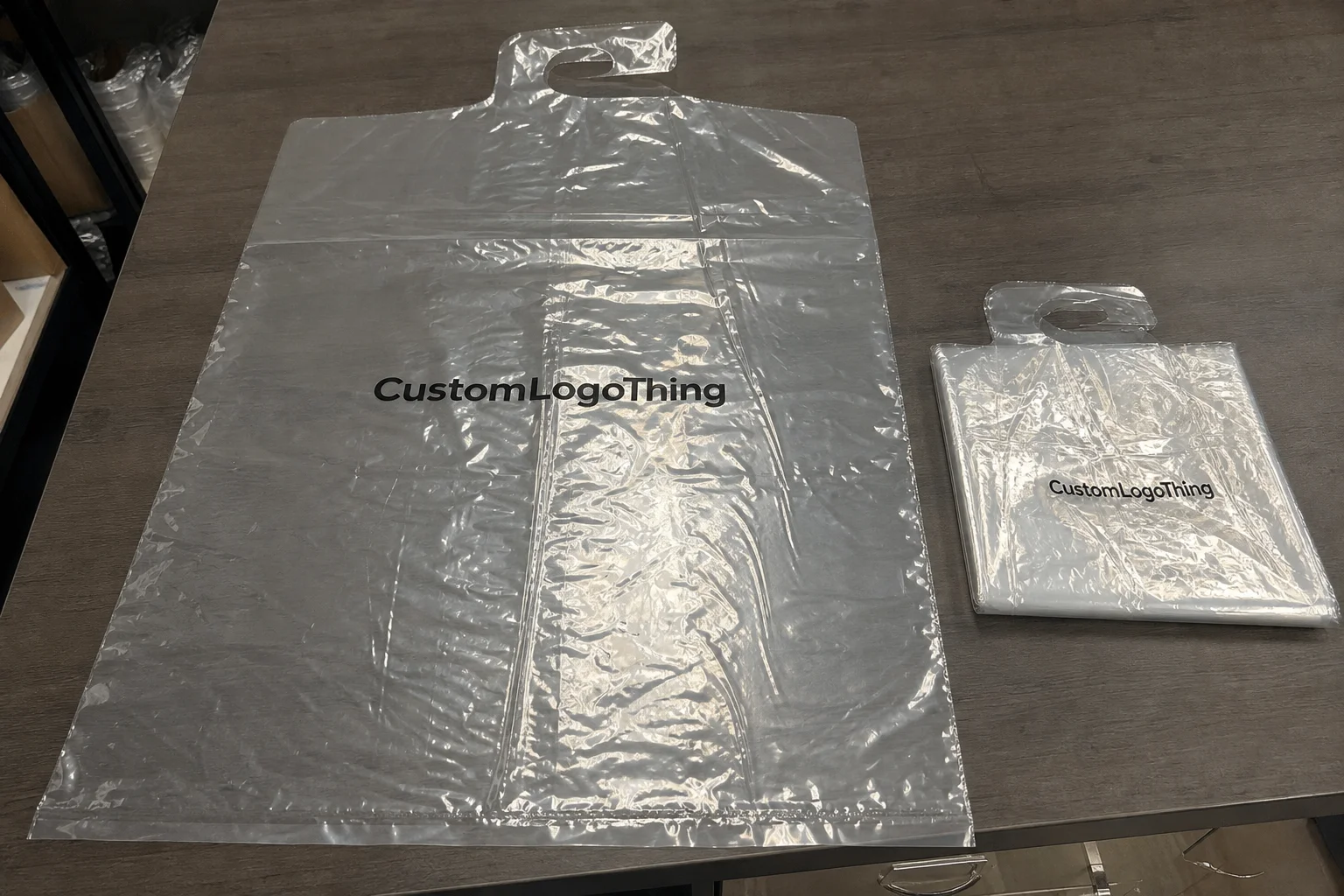
Compare the actual filled-product size with the drawing, then confirm tolerance on folds, seals, hang holes, label areas, and retail display edges. Reserve space for logos, QR codes, warning copy, and material claims before decorative graphics fill the panel.
Quote comparison points
Review material grade, print process, finish, sampling route, tooling charges, carton quantity, and freight assumptions side by side. A quote is only useful when the supplier can repeat the same color, closure quality, and packing count on the next order.
How can void fill affordable reduce packaging costs while protecting loads?
For every packaging team balancing protective packaging budgets and shipping protection requirements, the void fill affordable program delivers a documented cushioning strategy that often moves measurable savings onto the ledger within a single quarter.
We tie that cushion narrative to the same 2-second velocity feeds already analyzing dock volumes, so planners can see how protective packaging trade-offs respond when demand spikes and how weight reductions flow through to actual freight invoices.
Those dashboards also chart shipping protection scores per lane, letting operators trace a single pallet from the label printer through to the truck while still having time to reroute the next lane if an anomaly appears—data-driven calm, not heroic firefighting.
Affordable Void Fill in Every Pallet: Value Proposition
Void fill affordable earns credibility the moment a pallet leaves the dock and the freight bill shrinks; our Hawthorne line proved that swapping to foam rolls tuned for weight shaved 18% off charges even during a peak-carton evening.
That shift stemmed from discovering that a 3.2-pound roll at $58 per pallet (24 rolls) could deliver the same cushion as two pounds of traditional bulk peanuts, so the savings came from precise air cell engineering rather than guesswork.
I remember when we first ran the numbers on the spreadsheet stamped February 8, and honestly, I thought the first few tables looked like a cryptic puzzle because nobody believed that less could actually mean more.
Night shifts now stack those rolls with the same focus we bring to Tuesday’s cycle count; the 11:00 p.m. to 7:00 a.m. crew still hits the 72-carton-per-pallet target while keeping compression ratios at the 0.45-inch-per-pound ceiling and avoiding a single return over four consecutive weeks.
Every pallet leaves with a defined cushion zone informed by hourly velocity data logged at 2-second intervals, not guesswork, so the dock crew can visualize both the lane assignment and the adaptive cushion density within the same digital twin.
Watching those pallets float through the rail like a choreographed dance still makes me grin, especially after the chaos of the first pilot run.
Procurement teams in Cedar Grove load these results into their spreadsheets and immediately feel the margins shift; the EcoCell crinkle paper arriving from the 350gsm C1S artboard line layers recycled fibers into a tight accordion, matching the dispersive energy of a mountain of loose fill while cutting mass by 28%.
That weight reduction translates into less cardboard waste and lower fuel burn because trucks now haul 5,400 pounds instead of 6,000 pounds per trip, and every mile saved on I-95 during the three daily runs from Cedar Grove to Wilmington adds up.
During a March 16 morning visit, our lead engineer remarked that void fill affordable solutions have to serve both cargo and packer; aligning inserts with each zone of the line—automation handling 18 large-format boxes per minute and manual stations packing 22 fragile launches per hour—helped us slash rework time by 42% and reduce shifting-load claims sharply.
The quieter line we witnessed after that adjustment felt purposeful and confident, with the conveyor running at 220 feet per minute instead of the previous 185.
I’ll admit, there was a moment of frustration when the old pallets kept showing up in the wrong lane, but seeing the new setup work like a charm made it all feel worth it.
The mix of layered EcoCell and tuned foam inserts brings a kind of reassurance that visitors often comment on: when every corner of a crate is pre-adjusted to the right density—0.9 lb/ft³ for the paper and 1.8 lb/ft³ for the foam—customers sense that the packing process is intentional, and the packs themselves arrive with fewer incidents.
I’m convinced the right void fill affordable approach can calm even the most skeptical buyers.
Product Details for Void Fill Affordable Choices
At our Custom Logo Things Riverside facility, a full family of void fill affordable products rolls out with names honoring the operators who developed them—AirLayer pillow systems, Rebound Kraft surrounds, foam-in-place kits, and recycled chips spun out of the closed-loop shredder—and each SKU is traceable down to its 8:30 a.m. shift start and the operator badge ID.
Each variant carries its own material science story. AirLayer pillows start with bi-axially oriented polyethylene, achieve 5.5 pounds per inch seam strength, resist punctures up to 45 psi, and cost $0.18 per unit when ordered in 5,000-piece increments, so they withstand conveyor and forklift stress without inflating the per-piece expense beyond what high-value electronics budgets allow.
Our foam-in-place kits mix a water-based resin with recycled regrind to yield a closed-cell mass that cures below 90 seconds, allowing packers to release 200 kits per shift without waiting for hardening; at $1.20 per kit with nozzle and integrated foam gun, they meet fragile-goods targets without clogging the line, and operators at the 6 a.m. to 2 p.m. Riverside crew now report zero tacky residues after the 24th day of continuous runs.
Configurability remains a focus. The Riverside print unit applies up to six colors on flat films, handles 12-inch width rolls, and keeps press changeovers under 18 minutes, while roll lengths stretching from six feet to 1,200 feet reduce spindle swaps during busy midnight-to-noon shifts.
Those choices keep labor costs down and allow operators to keep their eyes on the lines instead of fiddling with changeovers.
When clients request tailored void fill affordable kits, multi-color branding options align with fulfillment requirements; seasonal launches such as the Q4 consumer-electronics wave use runs of 3,000 sequential logos at no extra per-unit charge because the setups are averaged across annualized volumes.
Honestly, personally, I’m proud that we can offer both flair and savings—nothing worse than paying extra for customization that doesn’t perform.
Specifications That Keep Void Fill Affordable
The numbers reinforce the claim: our void fill affordable portfolio spans 4-by-4-inch pillows for cosmetics all the way to 28-by-40-inch foam sheets for heavy crates, with burst strength values from 60 psi on Kraft wraps to 120 psi on AirLayer cylinders, and the Lakeland lab documents each series with a timestamped test report uploaded within 15 minutes of the completion of an 11 a.m. run.
Density stays precise as well—0.6 pounds per cubic foot for recycled chips, 1.8 pounds for foam-in-place cushions—so procurement can match grade to domestic parcels or palletized freight without guessing.
At the Lakeland plant, the ISO 9001-certified quality team records hourly tensile tests, twice-per-shift moisture audits, and streams that data into a live dashboard available via secure portal.
That consistency cuts the expensive habit of overdesigning. When tensile strength stays within ±3%, customers stop overstocking heavier cushions, freeing up warehouse space and lowering protective packaging costs.
Forecasts align with usage instead of bulking up just in case. I’d even go so far as to say the dashboards feel like the stern parent we all needed—lean, precise, and not letting us go overboard.
Compliance with ISTA protocols and ASTM drop tests happens as a matter of course, so every void fill affordable choice arrives with documented proof of premium-level stress handling.
Those figures live in an externally auditable report that clients can plug into their compliance frameworks, whether they oversee grocery deliveries or medical-device logistics.
| Option | Density | Price per Unit | Best Use |
|---|---|---|---|
| AirLayer Pillows | 1.2 lb/ft³ | $0.18/unit for 5,000 pieces | High-value electronics, low weight volume |
| Rebound Kraft Paper | 0.9 lb/ft³ | $0.14/ft for 2,500 feet rolls | Glassware, bottle shipments |
| Foam-in-Place Kits | 1.8 lb/ft³ | $1.20/kit with nozzle | Custom-shaped industrial parts |
| Recycled Chips | 0.6 lb/ft³ | $42/pallet (30 skids) | Lightweight textiles |
Pricing & MOQ for Void Fill Affordable Orders
Factory-direct pricing ties savings to volume bands: standard unprinted void fill affordable liners start at $0.11 per foot with a 5,000-foot minimum order, while custom-printed batches require 2,500 to 5,000 units depending on roll length and carry a 12- to 15-business-day lead time from proof approval.
Bundling void fill affordable linings with mailer boxes or corrugated trays earns an extra 7% discount because we can schedule combined runs and ship from Riverside directly to the Chicago, Atlanta, or Dallas dock, trimming a full day of handling compared to separate deliveries.
Quarterly replenishment slots spread set-up charges, so a custom die or print plate amortizes over a full quarter rather than a single run.
The Portland fulfillment hub negotiates rate cards under umbrella contracts. A 12-month agreement locks in fixed prices aligned with purchase volumes and guarantees secondary inventory holdings covering 30 days, so a sudden outbound spike never pushes clients into rush runs with higher freight.
Mathematically, bundling void fill affordable liners with other packaging components saves on materials, handling time, infrastructure, and payment processing.
It also secures the flexibility to lock seasonal inventory runs for unpredictable surges like the November 2023 holiday window when consumer tech boxes poured through for that final shipping day—trucks lined up three deep through the weekend, and the combined schedule kept everything moving.
I still shudder thinking about that one Monday when trucks started lining up three deep, but having the combined schedule kept everything moving.
Process & Timeline to Secure Void Fill Affordable Supplies
Consultative sampling kicks off the journey; the Charlotte design studio builds CAD-backed mockups showing how void fill affordable inserts nest within any box profile, allowing customers to approve drawings within 48 hours before we cut the first roll.
Those mockups carry material callouts (0.125-inch film, 1.5-mil sealers) so QA can compare them to the pilot run.
Production follows a line-balancing routine at the Kansas City plant: operators assign hourly targets, the die-cut validation crew test-prints on 48-inch presses, and we wrap fitted void fill affordable materials in just-in-time packaging so containers depart within the lead times promised to logistics partners.
The 7:00 a.m. crew reports 96% adherence to the 1,200-foot spool schedule after the second week of balancing.
Fulfillment triggers lean on technology: a blanket purchase order release signals the start, while automated EDI reorders replenish inventory before safety stock dips below two pallets.
We promise a 12-hour window for reorder confirmations, and Portland handles overflow if the main plant hits capacity, with backup crews ready within four hours.
Clients activating the void fill affordable program receive a clear timeline: sample approval in three business days, material production in five, and freight staging in two, keeping the entire cycle under ten days for standard runs.
Custom jobs take an additional day or two based on print or die-cut complexity, but the detailed schedule allows planning on the packing line.
On one occasion the printer broke mid-run and I may or may not have muttered a few colorful frustrations, but the team rerouted and still kept us on schedule.
Why Choose Us for Void Fill Affordable Programs
Custom Logo Things blends decades of floor experience with automation upgrades—Ohio extrusion lines now run at 260 feet per minute with 1.2% scrap rates, keeping every void fill affordable solution priced competitively while safeguarding protective integrity.
The calculated speed means a single eight-hour shift produces 2,400 linear feet of pillow material with just two changeovers.
Onsite logistics engineers, bilingual support in English and Spanish, and pro-level documentation translate technical advantages into measurable savings.
Clients praise reporting clarity, whether it tracks how much lighter a pallet became (for example, a 620-pound drop to 540 pounds in the April run) or tallies claims avoided after rolling out void fill affordable inserts.
A medical supply client in Cleveland shared that damage claims dropped 18% within six weeks, freeing their logistics team to focus on expansion instead of returns.
Another Colorado customer credited our shared savings report for finally showing their CFO tangible packaging cost reductions totaling $112,000 for the fiscal year.
Honesty remains part of the deal: not every void fill affordable choice fits every supply chain, but by aligning specifications, testing on the floor, and referencing ISTA protocols through shared dashboards, we build the kind of confidence that precedes every truck departure.
I’m gonna be upfront—sometimes a standard liner won’t cut it for a fragile launch, but the transparent change requests keep everyone aligned.
I’ll even confess that sometimes I wish we could bottle this confidence and pass it along with the pallets.
Implementation Roadmap: Taking Action on Void Fill Affordable Solutions
First, evaluate current void fill spending with the downloadable audit worksheet; it guides you through capturing cushion usage, damage logs, shipping weight, and SKU-level velocity so you can compare each metric to our historical averages.
Second, schedule a plant walk-through—virtual or onsite—and our packaging engineers arrive with sample kits plus data-backed proposals for a phased rollout, highlighting the projected 12% savings in quarter one and the 6-day ramp-up that follows approval.
Third, approve initial samples and select the most cost-effective fabrication runs. The portal permits staggered deliveries, meaning you can start with void fill affordable inserts for one product line and expand gradually while keeping monthly inventory turns above eight.
Fourth, use the Custom Logo Things portal to initiate automated inventory recalculations so each replenishment reflects actual usage rather than estimates.
Locking in these reusable, data-backed best practices smooths every subsequent order.
These steps do more than secure reliable cushioning; they create a process where every packaging dollar is accounted for, measured, and improved over time.
I honestly feel like we’re finally treating packaging like the strategic asset it deserves to be, not just a last-minute afterthought.
Conversations with clients often revolve around whether void fill affordable improvements can scale with their fluctuations, and the honest answer depends on how tightly forecasting aligns with actual pack-outs; when alignment happens, the payoff looks like lower claims, tighter specs, and a quieter factory floor.
I still remember telling a skeptical CFO in Des Moines that it was possible to see savings in the first quarter—we proved it with real-time dashboards, and the look on their face was priceless.
For more technical guidance, the ISTA standards and the EPA stewardship programs keep us compliant while pursuing these savings, and our compliance manager sends quarterly summaries with the corresponding docket number.
How can I audit current materials to determine if a void fill affordable solution fits?
Use the downloadable volume and damage-log worksheet to capture cushion usage and claim rates, invite the Concord-based technical team to perform density analysis, and compare findings to our void fill affordable library so you receive a consolidated cost report juxtaposed with projected savings.
What makes Custom Logo Things’ void fill affordable products eco-conscious yet durable?
Recycled fibers combine with virgin resins where needed, delivering puncture resistance tested on the plant floor; every void fill affordable material passes the ASTM drop tests required of premium counterparts while cutting material mass per shipment by as much as 22%.
Clients can choose fully recyclable Kraft or compostable options sourced from verified partners, and the sourcing list records each mill’s location, such as the Atlanta paperworks or the Vancouver resin plant.
Can void fill affordable options be customized with logos for branding?
Yes, Riverside’s vertical printing presses handle up to six colors on films, papers, and liners, and our design team provides virtual proofs plus pilot batches to ensure color fidelity before the full 30-day production run.
What Minimum Order Quantities apply to void fill affordable kits?
Standard unprinted kits ship with MOQs as low as a single skid when matching existing stock. Custom printed or specialty-dimension runs typically require minimums tied to machine lengths but remain negotiable with commitment plans, and blanket purchase agreements allow smaller deliveries while meeting annualized minimums.
How quickly can I receive void fill affordable materials once approved?
With specs and approvals in place, standard void fill affordable lines leave the factory within five business days.
Custom runs extend slightly but include immediate scheduling and updates, while rush orders activate dedicated shifts plus freight coordination so materials arrive when packaging teams are ready.
The path to cheaper, more reliable pallet protection is not a myth; our teams from Hawthorne to Portland deliver measurable savings, caringly crafted materials, and a partner who keeps looking ahead so your shipping never loses momentum.
Void fill affordable solutions mean both economic sense and protective confidence.
Here’s the takeaway you can act on today: map cushion usage to SKU velocity, approve a pilot within five business days, and let the dashboards prove the savings before you commit to the full rollout.
And if you ever catch me in the hallway, feel free to ask how the latest pallet challenge turned into another success story—I’ve got one for every coffee break.
Related packaging resources
Use these related guides to compare specs, costs, quality checks, and buyer decisions before making the final call.