Buyer Fit Snapshot
| Best fit | Shipping Carton MOQ for Startups projects where brand print, material claims, artwork control, MOQ, and repeat-order consistency need to be specified before quoting. |
|---|---|
| Quote inputs | Share finished size, material target, print colors, finish, packing count, annual reorder estimate, ship-to region, and any compliance wording. |
| Proofing check | Approve dieline scale, logo placement, barcode or warning zones, color tolerance, closure strength, and carton packing before bulk production. |
| Main risk | Vague material claims, crowded artwork, missing packing details, or unclear freight terms can make a low unit price expensive after revisions. |
Fast answer: Shipping Carton MOQ for Startups: Pricing and Lead Times should be specified like a repeatable production item. The safest quote records material, print method, finish, artwork proof, packing count, and reorder notes in one written spec.
Production checks before approval
Compare the actual filled-product size with the drawing, then confirm tolerance on folds, seals, hang holes, label areas, and retail display edges. Reserve space for logos, QR codes, warning copy, and material claims before decorative graphics fill the panel.
Quote comparison points
Review material grade, print process, finish, sampling route, tooling charges, carton quantity, and freight assumptions side by side. A quote is only useful when the supplier can repeat the same color, closure quality, and packing count on the next order.
Shipping Carton MOQ for Startups: Pricing and Lead Times
Shipping carton MOQ for startups usually feels too high the first time a quote hits your inbox. The number looks large, the storage space looks small, and the budget looks even smaller. Then the real costs show up. Freight damage. Rework. Rush replenishment. A carton that looked "cheap" on paper suddenly starts acting expensive.
A run of 300 to 500 cartons can be the smarter move if the spec is right. The lowest unit price is not the same thing as the lowest total cost. A carton that fits the product, survives transit, and keeps fulfillment moving is worth more than a bargain box that turns into returns and apology emails. MOQ is not just a purchase threshold. It is where cash flow, shipping risk, and operating sanity meet.
Startups usually need enough cartons to launch without looking improvised, but not so many that six months of inventory gets trapped in corrugated stock. That is a real balancing act. The cheapest box is often the wrong answer because packaging cost is only one part of the bill. Board stock, converting, print setup, freight, storage, damage risk, and reorder timing all matter. Ignore that mix and packaging becomes a monthly tax. Get it right and it disappears into the workflow, which is exactly what good packaging should do.
For teams shipping subscription kits, fragile products, or multi-SKU ecommerce orders, the box is doing more work than most people realize. It has to protect the product, speed up packing, fit the carrier network, and support the brand without turning into a science project. That is why shipping carton MOQ for startups should be judged against the full landed cost, not just the quote line marked "per carton."
Why Shipping Carton MOQ for Startups Feels So Tight
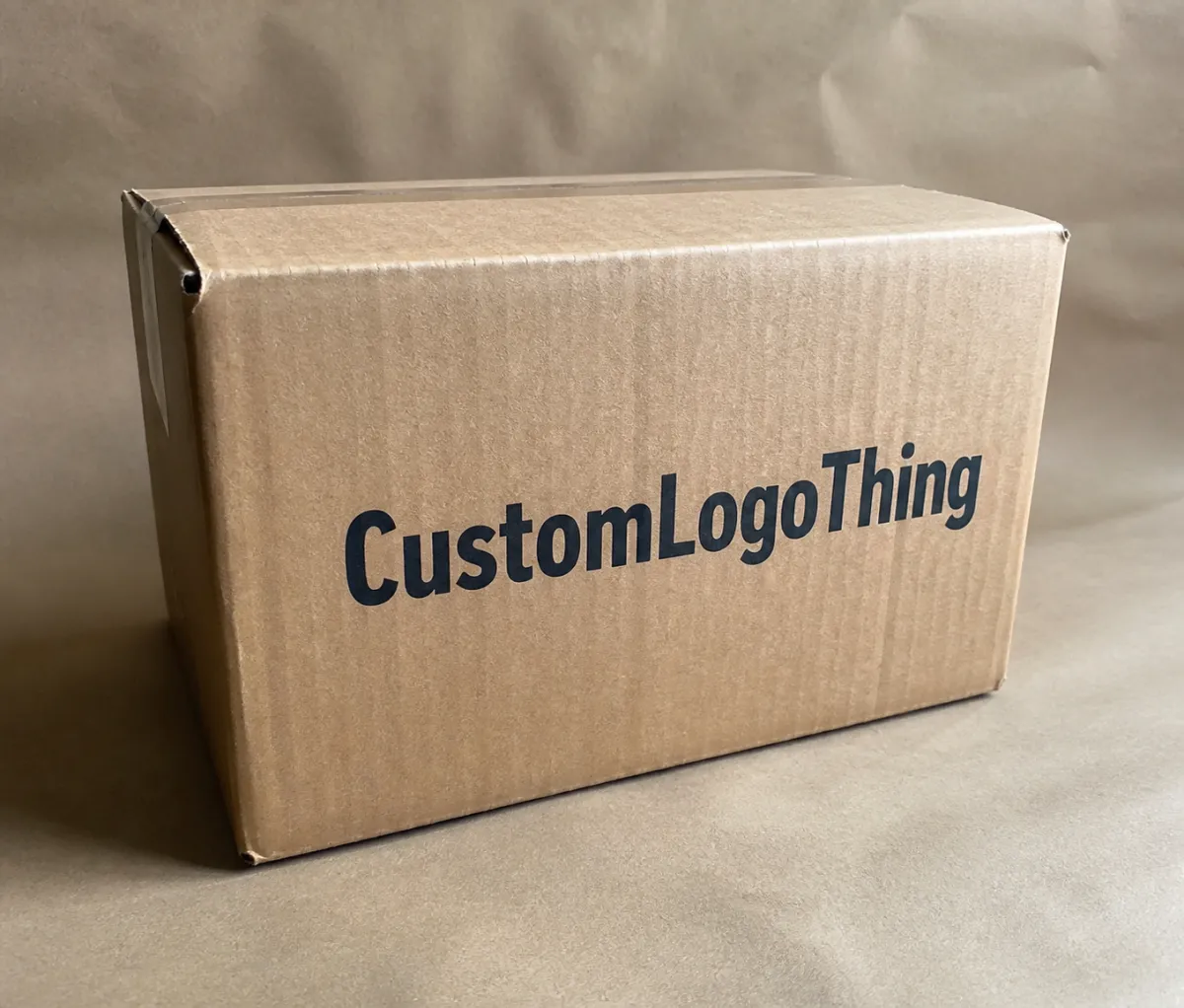
Startups are trying to solve two opposing problems at once. They want packaging that looks finished, but they do not want to tie up cash in dead stock. They want protection, but they do not want to buy a quarter's worth of shipper inventory before demand is proven. They want an unboxing that feels intentional, but they are still learning which carton size works once inserts, labels, and void fill show up in the real world.
That tension is what makes shipping carton MOQ for startups feel stricter than it really is. MOQ is a buying lever, not a wall. Standard mailer-style boxes often come with lower minimums because the cutting pattern already exists. Custom die-cut cartons, printed panels, insert slots, and unusual board grades usually need a bigger run. The minimum depends on how complex the carton is, how much setup is required, and how quickly you can reorder once sales start moving.
Sticker shock usually hides a few boring truths. Fixed costs do not shrink because the order is small. A proof cycle still takes time. A die still costs money. Freight still charges for volume, not just weight. If a slightly larger order lowers the risk of a reprint, cuts emergency shipping, and gives enough stock to survive a demand spike, the higher upfront spend can be the better move. That matters in ecommerce shipping, where a missed carton delivery can stall a launch or force a substitution that looks sloppy and feels worse.
A carton is cheapest when it fits the product, not when it fills the warehouse.
It also helps to think beyond the box itself. A carton can look cheap in production and still be expensive in use if it wastes pallet space, pushes dimensional weight up, or needs extra void fill just to keep the product from rattling. A startup shipping light but bulky goods may pay more in freight than in packaging. A startup shipping dense or fragile goods may find the carton cost is not the real problem at all. Damage claims and replacement shipments are.
I see the same mistake over and over: teams start with print, color, and branding, then try to fit the product later. That order is backwards. The first job is fit and protection. Once that is solved, the rest gets easier to compare: structure, board grade, size, MOQ, and lead time. If you are building a broader packaging program, it helps to review Custom Packaging Products alongside the carton spec, because the outer shipper and the secondary package usually solve different problems. For lighter parcels, Custom Poly Mailers can sometimes cover the job at a lower cost than a rigid corrugated box.
Product Details: What You Are Actually Buying
"Shipping carton" sounds simple until you buy one. Then the choices start showing up. Corrugated structure. Wall strength. Print treatment. Closure style. The carton is usually built for transit first. Retail presentation is secondary unless the customer sees the shipping surface on arrival and judges your brand in five seconds flat. That happens more often than people like to admit.
The common options usually fall into three buckets. Regular slotted cartons are the workhorse. They are efficient to make, easy to pack, and often the most budget-friendly when the size is straightforward. Mailer-style cartons fold into a front-opening format and are common in ecommerce shipping because they open cleanly and photograph well. Specialty die-cut formats come into play when the product needs a custom fit, an integrated insert, or a more tailored presentation. They can look sharp. They also ask more from the budget and the timeline.
Material choice matters just as much as structure. Single-wall corrugated board is standard for lighter cartons and many routine shipments. Double-wall board is stronger and better for heavier contents, long transit lanes, or products with awkward weight distribution. Flute profile matters too. B-flute tends to give a better print surface and solid puncture resistance. C-flute is thicker and often better for stacking. E-flute is thinner and shows up a lot in mailer-style cartons where presentation and print quality matter. There is no universal winner. The right board depends on the product, the carrier network, and how much abuse the carton will take before it reaches the customer.
Print and finish options change the buying picture fast. UnPrinted Kraft Boxes are the quickest and least expensive route. Printed graphics add brand value, but they also bring setup work, proofing, and extra cost. Some programs call for inserts, partitions, or protective coatings, especially if the carton has to handle moisture exposure or repeated handling. If the box is part of a premium launch, it may need to do more than ship safely. It may need to carry the first impression before the product is even opened.
For a startup, the cleanest way to think about the carton is by channel:
- Subscription shipments: usually work well with mailer-style cartons that open neatly and keep contents organized.
- DTC ecommerce orders: need a balance of package protection, material efficiency, and packing speed.
- Wholesale packs: often need sturdier cartons with stacking strength and consistent outside dimensions.
- Multi-SKU fulfillment: often needs custom inserts or partitions so items do not shift during transit.
Buyers sometimes spend so much time on appearance that they forget the first question. What is the carton supposed to do? If it only needs to survive shipping and support clean order fulfillment, a standard corrugated box can be perfect. If it also has to act as a branded retail package, you are buying a different object with different tradeoffs and a different MOQ. Same category. Different job.
Specifications That Affect Fit, Strength, and Freight
Size is the spec that quietly moves your cost around. Internal dimensions matter more than outer dimensions because the product must fit safely with room for inserts or void fill. A box that is too tight can crush corners, scuff surfaces, or fail to close properly. A box that is too large can raise dimensional weight, demand more shipping materials, and waste freight capacity. For many startups, trimming half an inch in one direction makes a real difference across hundreds of shipments.
Strength specs matter just as much. Corrugated packaging is usually discussed in terms of ECT, burst strength, and board thickness. Edge Crush Test, or ECT, gives a sense of stacking performance. Burst rating points to resistance to rupture. A light ecommerce carton might use 32 ECT single-wall board. Heavier or more fragile products may justify 44 ECT or double-wall construction. The right number is not a badge. It is a fit-for-purpose decision. A candle brand, a supplement subscription, and a small hardware kit will not need the same shipping carton spec.
Flute choice changes how the carton behaves in the lane. A finer flute can help with print detail and reduce bulk. A larger flute can improve cushioning or stacking performance. The problem with blanket advice is that it ignores the product. A rigid bottle, a soft-goods kit, and a glass item all stress the carton differently. If a supplier gives you one board spec for every use case, that is not expertise. That is laziness with a quote template.
Dimensional weight deserves attention because carriers use it to price parcel shipments. If the carton is larger than necessary, the carrier may bill based on space instead of actual weight. That can make an oversized box more expensive than a stronger, better-sized one. So yes, the carton can lower manufacturing cost and still raise shipping cost. Many startups only learn that after the first few thousand shipments. A sample test catches the problem before it gets expensive.
Print tolerances and artwork placement shape what is realistic too. A design with heavy edge-to-edge coverage, tight registration, or lots of small type needs cleaner artwork control than a simple one-color logo. Dielines should be checked line by line before approval. If the box folds in a direction the design did not expect, or if a panel is smaller than the file assumes, the result can be a costly reprint. Ask for a proof that shows every panel, every fold, and every critical dimension. Guessing is a bad production method.
A useful pre-production test is plain but effective: pack the actual product, inserts, and void fill into the proposed carton, then ship a few units through the real lane if possible. Same carrier service. Same handling expectation. Same destination type. A box that survives a desk test is not automatically ready for distribution. Standards like ISTA procedures and ASTM distribution testing are good references because they remind buyers that the carton has to survive vibration, compression, and drops, not just sit nicely on a spec sheet. If the product is fragile or the lane is rough, that test saves money. If the product is inexpensive and the lane is short, it still saves embarrassment.
If your sourcing brief includes recycled content or certified fiber, mention that early. Certification can affect paper availability, board selection, and lead time. For buyers who care about responsible sourcing, FSC certification can be part of the spec without changing how the carton functions. The real question is whether the claim matters to your customer, your channel, or both. If it matters, build it in from the start. If it does not, do not pay for decoration.
Pricing, MOQ, and Unit Cost: What Startups Actually Pay
Carton pricing gets easier to read once you split it into pieces. The quote usually includes board stock, converting labor, print setup, tooling or die-cut charges, freight, and sometimes storage or split-shipment fees. For a startup, each part behaves differently. Board stock moves with material markets. Conversion cost rises with complexity. Freight swings with carton bulk. Setup charges hit early and are easiest to absorb when the order is large enough to spread them out. If a supplier cannot separate those pieces, ask them to. Otherwise you are guessing, and guessing is expensive.
MOQ changes unit cost because fixed costs do not disappear just because the run is small. If a carton needs a custom die, printed plates, or a proof cycle, those costs have to be spread across the order. That is why a low MOQ often pushes the per-box price up. The buyer saves cash up front and pays more per unit. That tradeoff can still be right if the SKU is untested or storage space is tight. It is not always wrong. It just needs to be deliberate.
The table below gives a practical view of how carton options can compare for startups. The ranges are broad because size, print coverage, board grade, and freight lane all move the numbers, but the pattern holds. Treat the numbers as directional, not as a quote.
| Carton Type | Typical MOQ | Typical Unit Price | Lead Time | Best Fit | Main Tradeoff |
|---|---|---|---|---|---|
| Plain RSC corrugated box | 250-1,000 units | $0.55-$1.40 | 7-12 business days after approval | Standard order fulfillment, simple ecommerce shipping | Limited branding and a basic unboxing experience |
| Mailer-style branded carton | 300-1,500 units | $0.95-$2.75 | 10-15 business days after approval | DTC launches, subscription boxes, premium presentation | Higher setup cost and more artwork coordination |
| Die-cut carton with insert | 500-2,000 units | $1.40-$4.20 | 15-25 business days after approval | Fragile products, kits, multi-SKU packaging | Tooling, fit testing, and tighter tolerances |
| Double-wall heavy-duty shipper | 250-1,000 units | $1.20-$3.80 | 10-18 business days after approval | Heavy, dense, or high-value products | More board cost and higher carton bulk |
Those ranges tell a useful story. The cheapest carton is not always the cheapest program. A box priced $0.08 lower per unit can still be the expensive option if it causes damage, triggers returns, or inflates dimensional weight. A stronger carton with a better fit may cost more at purchase and less across the month. That is the kind of math that keeps margins alive.
Hidden costs are where first-time buyers usually lose ground. Design revisions add time and money. Rush production can raise the quote without solving the real problem, especially if the artwork is not approved. Oversized shipping on the cartons themselves can be surprisingly painful, especially when the boxes are bulky but light. Split shipments can also increase cost because the supplier may need to warehouse part of the order or send multiple freight loads instead of one. These are not edge cases. They show up constantly in startup packaging.
One useful way to compare scenarios is with three direct questions:
- How many cartons will you use before the next reorder date?
- How much storage space do you actually have for finished shipping materials?
- What does it cost if you run out during a sales spike?
If the third answer makes your stomach turn, a slightly larger MOQ often makes sense. If the second answer is cramped, a compact standard carton may be the smarter starting point even if it is less branded. That is the kind of practical judgment that keeps startup packaging from turning into dead inventory.
One more thing that gets missed: lead time is not the same as delivery time. Production can be done and the cartons can still be sitting on a truck. If you are ordering for a launch or a seasonal push, work backward from the arrival date, not the production completion date. That small distinction saves a lot of panic.
Process and Timeline: From Quote to Delivered Cartons
A clean quote process saves more time than most buyers expect. The strongest request starts with the basics: internal dimensions, product weight, carton type, print requirements, target quantity, shipping destination, and whether the carton needs inserts or special closures. If you already have a dieline, send it. If you have a current sample box, send that too. Real packaging data beats guesswork every time.
The proofing stage is where an order either gets efficient or drifts into a mess. A good supplier should review artwork placement, folding direction, panel size, and critical dimensions before production starts. If the box is meant for ecommerce shipping, the proof should reflect how the carton will be packed, sealed, and labeled. Pretty artwork is not the goal. A carton that assembles cleanly at scale and protects the product in the lane it will actually travel is the goal.
Production usually follows a familiar sequence: material sourcing, cutting, printing, converting, quality checks, and packing for shipment. The exact order can vary by carton style, but the logic stays the same. Simple corrugated runs move faster than jobs with special tooling, heavy print coverage, or multiple insert components. The more steps involved, the wider the lead time can get.
For most startup orders, a standard unprinted carton can often be turned in about 7 to 12 business days after approval. Printed cartons often land in the 10 to 15 business day range. Specialty die-cut cartons or jobs with inserts may need 15 to 25 business days, sometimes longer if the material is unusual or the artwork needs several rounds of revision. Freight time sits on top of that. A domestic truck shipment might add a few days. Cross-country or split-location delivery can stretch the calendar further.
Seasonality matters too. Packaging plants and freight networks tighten up when demand rises. If your launch date is fixed, build margin into the schedule instead of assuming the fastest-case scenario. Expedited production can help in some situations, but it is not magic. If the carton spec is still undecided, a rush order just turns uncertainty into a more expensive problem.
For buyers comparing options, the fastest path is usually the most standardized one. A simple carton with a clean internal size and modest print requirements will move faster than a custom structure with strict tolerances. That is why many startups begin with a basic fit test and then step into more elaborate packaging after the SKU proves itself. If you want help sorting through the broader mix, FAQ is a useful place to start, and our Custom Shipping Boxes page can help you compare carton formats before requesting a quote.
If the product is fragile, do not skip the sample stage just because the quote looks decent. A carton can meet the dimensions on paper and still fail in packout because the closure interferes with a label, the insert leaves a gap, or the board flexes too much in the hand. Those are the problems a flat proof will not catch. A real sample will.
Why Choose Us for Startup Carton Orders
Startup packaging needs a different kind of judgment than a mature program. Large brands can absorb long runs and slow corrections. Startups usually cannot. That is why the useful supplier is the one that helps you buy the right quantity of the right carton, not the one that just quotes the most boxes and calls it service.
Our approach is built around startup-friendly MOQ decisions that support launch, testing, and reorder cycles without tying up too much cash. If a standard structure will do the job, we will say so. If a custom format is justified because the product is fragile, the customer experience matters, or dimensional weight is hurting freight costs, we will explain that too. Clear answers matter more than hype, especially when budgets are tight and the clock is not your friend.
Sampling is another place where buyers save real money. A plain sample, prototype, or short-run proof can reveal fit issues before they become production problems. That is especially valuable for fragile goods, tight tolerances, and cartons with inserts. A sample run can also show whether the board feels right, whether the closure is secure, and whether the carton stacks properly in your packout area. Those small details stay small until they create a mess at scale.
Consistency matters just as much as the first order. A startup might begin with 500 cartons, then reorder at 2,000 or 5,000 once the SKU gains traction. The carton should not drift in quality as volume grows. Stable board spec. Repeatable print outcome. Predictable lead time. That is what makes growth manageable. If the second order behaves like a different product, the packaging program is weak.
We also think in terms of real operating conditions, not just artwork files. How much room does the carton leave for a label? Does the board support the product weight with standard shipping materials? Will the carton hold up during multiple touches in order fulfillment? Those are the questions that keep packaging from becoming an afterthought. If you are building out a broader mix of shipping and branded formats, compare the options on Custom Packaging Products alongside the carton choice so the packaging system works as a whole.
For lighter items that do not need rigid protection, our Custom Poly Mailers can be a more economical answer than corrugated boxes. For heavier or more valuable products, a better-built carton often pays for itself by reducing damage and freight waste. The right answer is rarely one-size-fits-all. It is usually channel-specific, product-specific, and demand-specific.
Next Steps: Order the Right MOQ Without Guesswork
Before you request pricing, gather the numbers that actually shape the quote: product dimensions, finished weight, carton style, print requirements, target quantity, monthly demand, and delivery address. If you know the sales channel, include that too. A carton for subscription shipping is not the same as a carton for wholesale replenishment, and the quote should reflect that reality.
Then start with one primary SKU. Startups often make the mistake of ordering too many sizes too early. A second size is worth adding only if the footprint or weight difference truly justifies it. Otherwise, you are creating more inventory complexity than the business needs. Simplicity can be an advantage when the team is small and the warehouse is not.
Ask for a sample or prototype before you approve the full run, especially if the product is fragile or the fit is tight. Test it with the real insert, the real void fill, and the real packing team if possible. You want to know whether the carton closes cleanly, whether the product shifts, and whether the outer dimensions create an avoidable dimensional weight penalty. Those are practical questions, not theoretical ones.
Set a reorder trigger and a safety stock plan before the first cartons arrive. If your monthly use rate is 400 cartons, do not wait until the shelf is empty to place the next order. Build the reorder window around production lead time and freight time so the next shipment arrives before you cross the danger line. That one habit prevents a lot of panic buys.
For startups, shipping carton MOQ for startups works best when the first order matches real demand, the box spec matches the product, and the timeline matches the sales calendar. That is how you protect unit cost, keep ecommerce shipping under control, and avoid turning packaging into dead inventory. The action item is simple: define the fit, test the packout, and order enough to cover the first selling cycle plus a buffer for reorders. Anything less is optimism dressed up as a plan.
What is a realistic shipping carton MOQ for startups?
It depends on box size, print complexity, and board type, but many startup-friendly runs begin at a few hundred units rather than a full pallet. The right MOQ is the lowest quantity that still keeps unit cost, freight, and reorder timing under control. For a simple unprinted carton, that can be 250 to 500 units. For a branded die-cut carton, the minimum is often higher because tooling and setup costs need to be spread across more pieces.
How can I lower shipping carton unit cost without overbuying?
Use a standard carton structure, limit print complexity, and keep dimensions close to the product footprint. Those changes usually do more than chasing a tiny discount on board stock. If demand is proven, a slightly larger order can reduce unit cost more than it increases storage risk. The real job is comparing the savings against storage space and the cost of money tied up in inventory.
Can I get samples before placing a shipping carton MOQ order?
Yes, ask for a plain sample, prototype, or short-run proof to verify fit and protection before production. Sampling is especially useful for fragile products, tight tolerances, or cartons with inserts. It can also show whether the carton is easy to assemble on the pack line, which matters more than many buyers expect once order volume rises and the packing table starts moving faster.
What details do you need for an accurate quote?
Provide product dimensions, finished weight, carton style, print requirements, target quantity, and shipping destination. If available, share a dieline or a current box sample so the quote matches real production needs. The more specific the brief, the more reliable the Pricing and Lead Time will be. Vague specs usually create follow-up questions and slower approvals.
Does a lower MOQ always make sense for startup packaging?
Not always; a low MOQ protects cash, but it can raise unit cost and lead to more frequent reorders. The best choice balances demand forecast, storage space, and the cost of running out of cartons. A startup with uncertain demand may prefer the smaller run. A startup with repeatable sales and a stable packout often benefits from a somewhat larger order because it lowers the per-box cost and reduces production interruptions.
Bottom line: shipping carton MOQ for startups is not about buying as few boxes as possible. It is about buying the right carton count, at the right spec, with enough lead time to protect margin and keep shipments moving. Start with one tested carton, set your reorder point before the first shipment lands, and match the MOQ to real demand instead of wishful thinking.


