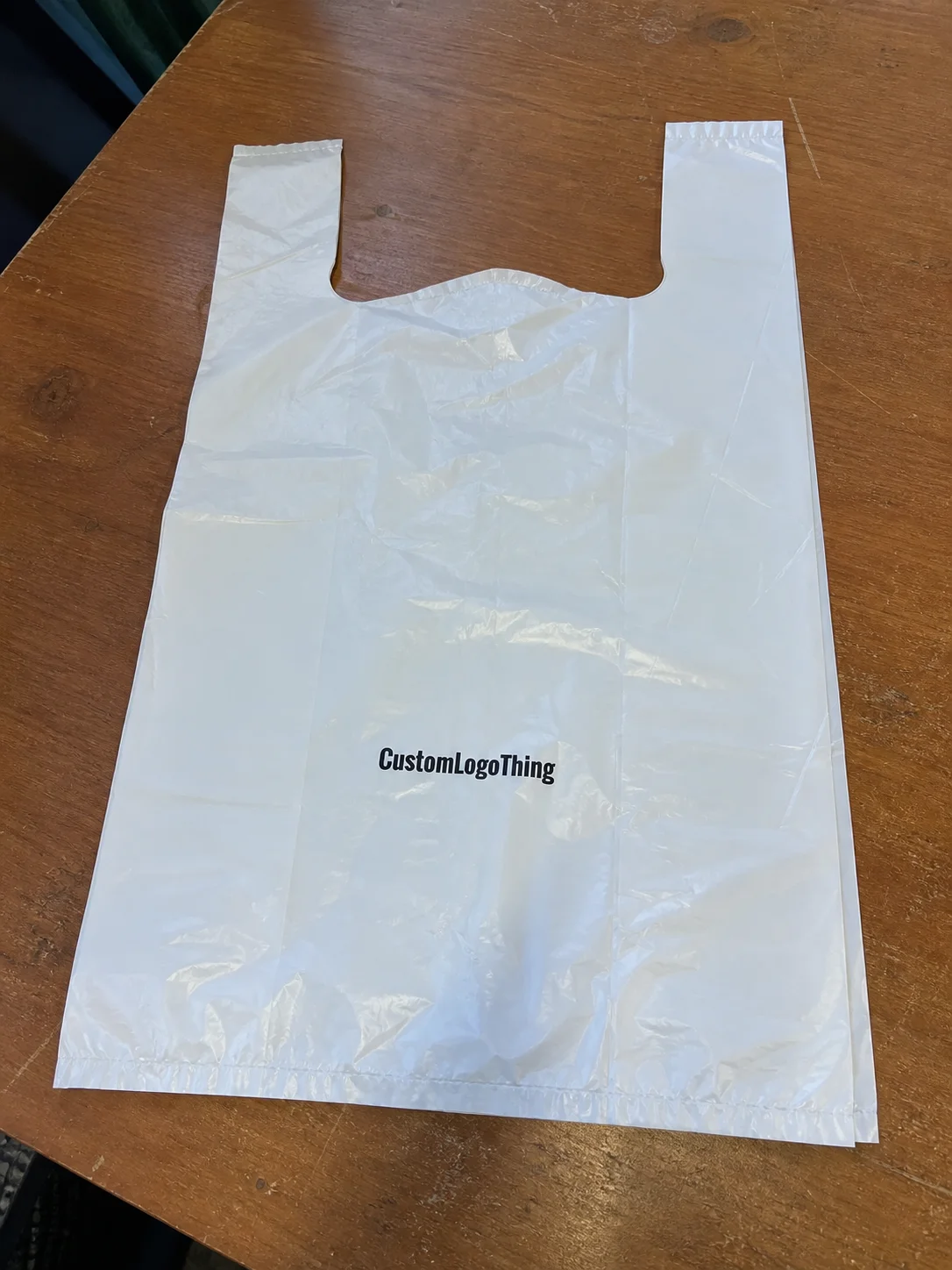
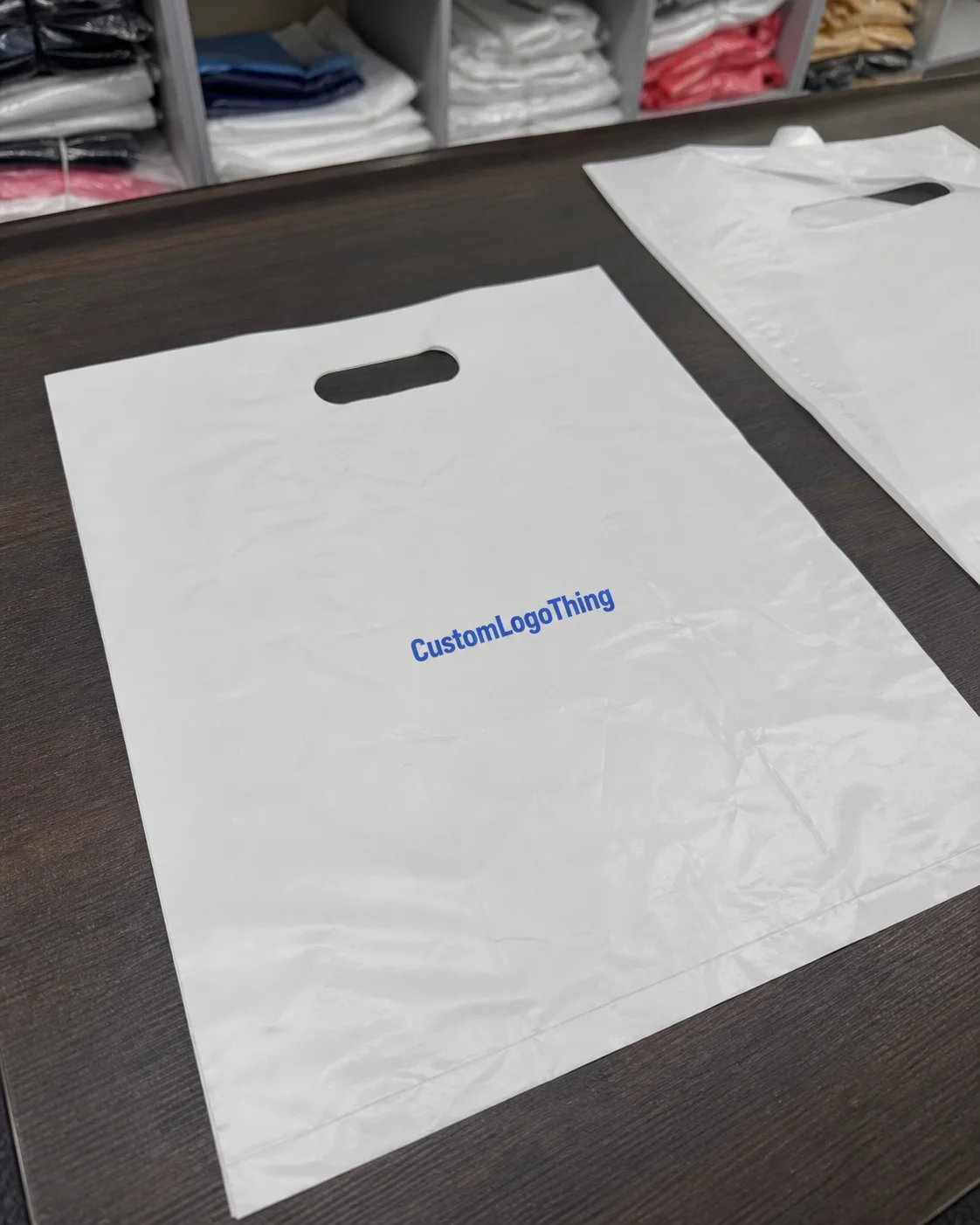
Buyer Fit Snapshot
| Best fit | Branded Void Fill Kraft Paper projects where brand print, material claims, artwork control, MOQ, and repeat-order consistency need to be specified before quoting. |
|---|---|
| Quote inputs | Share finished size, material target, print colors, finish, packing count, annual reorder estimate, ship-to region, and any compliance wording. |
| Proofing check | Approve dieline scale, logo placement, barcode or warning zones, color tolerance, closure strength, and carton packing before bulk production. |
| Main risk | Vague material claims, crowded artwork, missing packing details, or unclear freight terms can make a low unit price expensive after revisions. |
Fast answer: Branded Void Fill Kraft Paper: Material, Print, Proofing, and Reorder Risk should be specified like a repeatable production item. The safest quote records material, print method, finish, artwork proof, packing count, and reorder notes in one written spec.
Production checks before approval
Compare the actual filled-product size with the drawing, then confirm tolerance on folds, seals, hang holes, label areas, and retail display edges. Reserve space for logos, QR codes, warning copy, and material claims before decorative graphics fill the panel.
Quote comparison points
Review material grade, print process, finish, sampling route, tooling charges, carton quantity, and freight assumptions side by side. A quote is only useful when the supplier can repeat the same color, closure quality, and packing count on the next order.
Branded Void Fill Kraft Paper: Smarter Shipping Basics
Branded void fill kraft paper protects products, cuts waste, and turns the first layer inside the box into a brand signal customers actually touch. No fluff. No clutter. Just packaging that does its job and still looks like it belongs to the brand.
A box can arrive intact and still feel forgettable. Plain filler. Loose product movement. A carton stuffed so hard the flaps bow under pressure. That first impression lands fast, and customers remember it. Branded void fill kraft paper matters because it does more than stop things from rattling around. It protects the shipment, shapes the unboxing, and gives the inside of the package a look that feels deliberate instead of thrown together.
The filler is often treated like a background player. That assumption is lazy. It sits between the product and the carton wall, which means it has to do real work. It stabilizes the load, manages empty space, and tells the customer whether the brand cares about the details or just shoved paper into the gap and called it done. If you want to compare how other brands handle that balance, our case studies are a useful reference point.
What branded void fill kraft paper is and why it matters
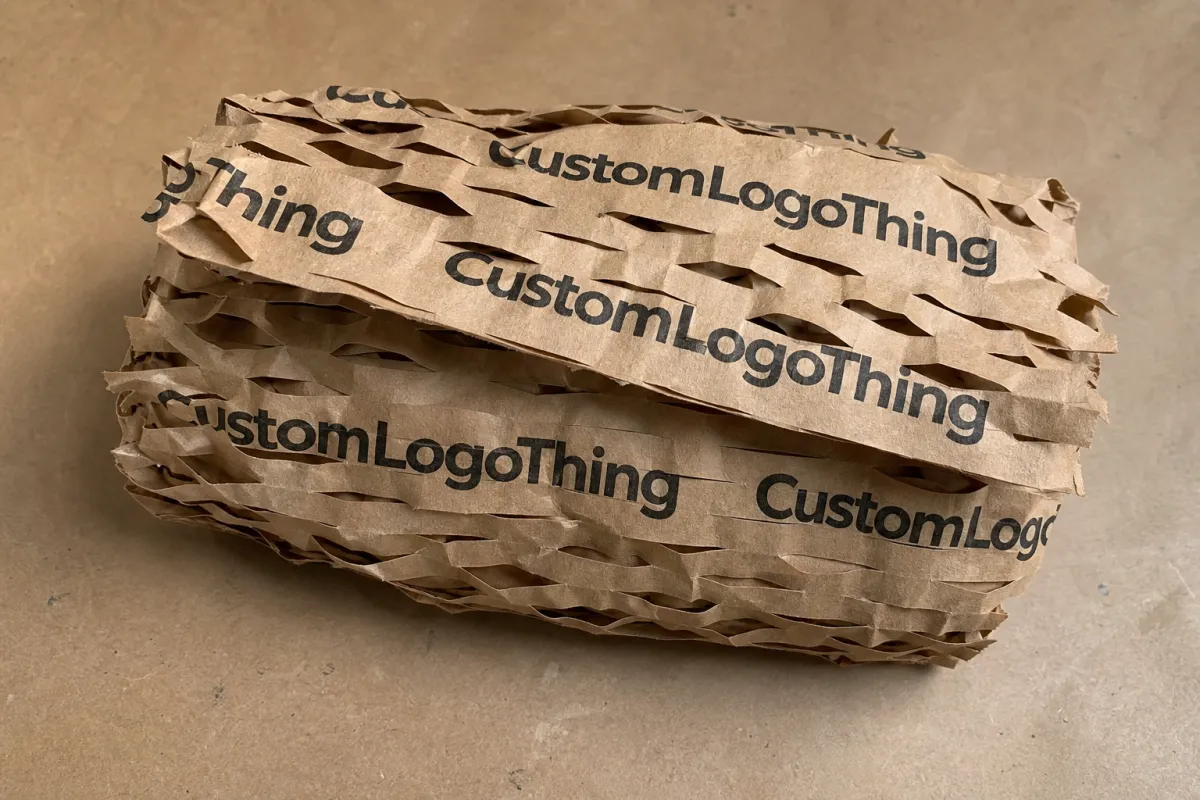
Branded void fill kraft paper is kraft paper converted into a protective packing material, usually in a crinkled, expanded, or layered format that occupies empty space inside a shipper. It can stay plain, carry a logo, or use a custom color and repeat pattern. Decoration is not the point. Protection is. The branding rides along and makes the interior of the box feel intentional.
Picture a ceramic mug, a supplement jar, or a small cosmetic kit inside a corrugated carton with extra room around it. Leave that space empty and the product slides. Use a filler that is too thin and it collapses before it locks the item in place. Use a filler with no visual identity and the shipment may still feel safe, but it will not feel like the brand thought about the customer experience. People notice the product. They also notice how it got to them.
That is the part teams miss. Void fill is not scrap paper. It is one of the first tactile brand signals customers touch, photograph, and remember. A printed paper fill can make the interior of the box feel considered rather than improvised. It can also make life easier for the packing team, because a known material fills a known amount of space with repeatable results.
Before locking a spec, answer four questions:
- How fragile is the product, and where are the weak points?
- How much empty space does the carton create after the product and any inserts are in place?
- What should the unboxing feel like: premium, earthy, minimal, playful, or utility-first?
- How far does the sustainability requirement go, especially around recycled content, post-consumer waste, and recyclability claims?
Those questions matter because the wrong filler can create real cost. Damage claims. Rework. Reships. Complaints from customers who expected better. A slightly better paper grade or a cleaner print spec often costs less than the mess caused by a sloppy packout. Brands can hide a bad shipping setup for a while. Not forever.
How branded void fill kraft paper works inside the box
Inside the carton, kraft paper acts as dunnage. It occupies air, resists settling, and helps create a stable interior environment for the product. Depending on the format, the paper may be bundled, crinkled, layered, or converted into an expanded structure that adds volume without adding much weight. That volume matters. It helps the packer fill the void fast without reaching for plastic or oversized inserts that belong in a different decade.
The protection is mostly mechanical. The paper helps distribute small impacts, reduce abrasion, and keep products away from the box corners and walls. That matters because corrugated board still transfers vibration and shock during transport, even when the carton itself is strong. Good paper filler reduces direct contact with those stress points. It is not magic. It does not replace smart packout design. It does make the carton behave better.
The branding sits on top of the function. Custom colors can match a palette. Printed rolls can carry logos, short phrases, or repeat patterns. Some brands use a single-color mark with a wide repeat so the logo survives crumpling. Others keep the print sparse and let the paper tone do the talking. Both can work. The real test is whether the visual field still reads once the material has been handled by a packer and compressed around the item.
Different categories use it in different ways:
- Cosmetics and personal care: filler can support a premium presentation while preventing glass jars from shifting.
- Supplements: it can stabilize bottles and keep secondary cartons from scuffing in transit.
- Ceramics and home goods: it cushions corners and creates a tighter, calmer pack.
- Apparel accessories: it adds shape and protection for small rigid items like belts, candles, or gift sets.
- Subscription kits: it helps each opening feel deliberate, even when the product mix changes month to month.
There is a trap here. A filler can look elegant on a table and still fail inside a real carton. Box size matters. If the carton is too large, the paper has to bridge too much space. If the carton is too small, the paper compresses before it can immobilize the contents. The most dependable setups treat the filler, the box, and any inner insert as one system instead of three separate purchases.
Practical rule: if the packer has to wrestle the material into place, the spec is probably wrong. Good void fill should speed the line, not slow it down.
Key factors that affect performance, look, and sustainability
The product, the box, and the paper spec drive the result. Miss one of them and the whole thing turns into guesswork. A fragile item needs a different fill profile than a dense bottle. A huge carton needs a different approach than a snug mailer. A paper spec with the wrong caliper or conversion style can look good in a sample and fall apart in production. Packaging punishes lazy assumptions.
Fragility and weight come first
A lightweight accessory and a heavy glass bottle do not need the same density of fill. A 120-gram candle in a snug carton may only need light cushioning and corner stabilization. A 650-gram glass jar usually needs denser paper and a tighter packout to stop movement. Heavier products make compression recovery more important. Paper that looks fluffy but collapses too quickly can leave a product rattling after the first carrier sortation.
Box dimensions matter more than most teams admit
Oversized cartons waste material and make the pack look sloppy. Undersized cartons crush the filler before it can stabilize the load. In many cases, trimming void space by 10-15 percent changes the fill requirement more than any logo treatment does. That is why packaging engineering and procurement should be in the same conversation. A smarter box spec saves more than a cosmetic change ever will.
Paper grade and crinkle style change the behavior
Basis weight, caliper, and conversion style influence how the material handles on the line. Lighter kraft paper can be easier to dispense and store. Heavier sheets usually hold shape better and resist collapse under pressure. A tighter crinkle pattern can create more spring and visual volume. A looser pattern can be faster to pull but may need more material to achieve the same fill. For branded void fill kraft paper programs, teams often test a few configurations rather than assuming one paper type fits every SKU.
Print coverage and color accuracy affect the brand signal
Visual quality is not only about whether the logo appears. It is also about whether the mark stays readable after the paper is folded, scrunched, or layered. High-contrast ink usually survives handling better than delicate low-contrast layouts. Dense print coverage can look striking, but it may also raise cost and introduce more variability if the brand color needs to match tightly across batches. For brands that want restraint, a small repeat mark or understated wordmark can beat a full-coverage print.
Sustainability is part of performance, not a side note
Paper fillers often fit better with recycled-content packaging goals than plastic dunnage, but the claim needs discipline. Recyclability depends on local systems and on whether the paper is contaminated by tape, food residue, coatings, or heavy ink coverage. Recycled content and post-consumer waste percentages can strengthen the story, especially when paired with FSC-certified sourcing. For teams that need a formal reference point, the ISTA test framework helps compare shipping performance, while the EPA recycling guidance helps keep disposal claims grounded in reality.
That sustainability angle also affects customer perception. People often read paper-based filler as cleaner and easier to recycle than plastic air pillows, even when the disposal path is more complicated. That perception is not useless. It means packaging teams should write claims carefully and avoid overselling. If the filler uses recycled materials and the supplier can document it, say so. If not, say less and test more.
| Option | Best Use | Typical Strength | Tradeoff |
|---|---|---|---|
| Plain kraft paper fill | Low to medium fragility, everyday shipping | Low cost, simple recycling story | Limited brand impact |
| Branded void fill kraft paper | Unboxing-focused brands, giftable items, retail-ready shipping | Protection plus visual identity | Higher setup and print cost |
| Plastic air pillows | Very light products, high void volumes | Fast fill, low material weight | Weaker brand feel and recycling concerns |
| Paper honeycomb or inserts | Premium products needing structure | Strong presentation and stability | Often more expensive and less flexible for odd voids |
Process and lead time: from brief to production steps
Custom filler is a production process, not a grab-and-go purchase. The cleaner the brief, the faster the job tends to move. Most projects begin with discovery: what product is shipping, what carton is being used, how much void exists, and what visual outcome the brand wants. A vendor cannot recommend the right paper until that basic map exists.
After that, the process usually moves through artwork, proofing, sample approval, scheduling, production, and freight. That sounds neat on paper. Real life is messier. Packaging teams often discover during proofing that the logo repeat is too dense, the color is too dark, or the line speed needs a different sheet width. Every change adds friction. Small changes are fine. Repeated changes are what stretch lead time and slow the project down.
- Discovery and spec gathering: carton size, product weight, fill volume, and brand goals.
- Artwork prep: logo files, Pantone targets, repeat pattern direction, and print limits.
- Proofing: layout review, color review, and readability check after crumpling or conversion.
- Sample creation: a test roll or pilot batch for pack-line review.
- Production scheduling: converting time, print time, and packaging of the finished filler.
- Freight and delivery: shipment to the distribution center, fulfillment site, or contract packer.
Lead time depends on order size and complexity. A repeat-order program with locked artwork and standard dimensions may move in roughly 10-15 business days after approval, depending on supplier capacity. Custom color matching, multi-color printing, or unusual converting formats can stretch that window. Seasonal demand matters too. A holiday-heavy fulfillment calendar can turn a normal production slot into a crowded one fast.
Buyers should ask a few direct questions at each milestone:
- What file format do you need for artwork, and how should the repeat be built?
- How many approval rounds are included before schedule slips?
- Will the sample reflect final paper grade and final print method, or only the layout?
- What is the earliest realistic ship date after proof approval?
- Is freight quoted to the dock, the warehouse, or the final fulfillment point?
One useful habit: build a seasonal reorder calendar. If peak shipping happens in late fall or during a promotion window, start replenishment planning earlier than feels comfortable. A month of delay in packaging can become a week of lost orders if the filler runs out at the wrong time. That is especially true for programs with multiple SKUs, because each SKU often needs a different fill density or carton profile.
Cost, pricing, MOQ, and quote strategy for branded filler
Cost is where buyers love to oversimplify. A quote can look attractive until the team adds freight, storage, setup, and the labor spent packing the box. Branded filler is no different. The paper price matters, but the real number is total packaging cost per shipped order. If the filler speeds the line, reduces damage, and improves repeat purchase behavior, the premium can pay for itself. If it does none of those things, even a low price can be too high.
Several factors shape unit cost:
- Paper quality: heavier kraft paper or higher recycled content can increase cost.
- Print complexity: more colors, larger repeats, and tighter color matching add expense.
- Roll width or pack format: custom converting changes the economics of the job.
- MOQ: minimum order quantity affects how setup cost is spread across units.
- Freight: shipping to the fulfillment site can be a real part of the landed number.
- Storage and handling: bulky filler takes space and may need rack or floor storage.
MOQ exists because the setup on a custom printing or converting run takes time. Plates, adjustments, waste during startup, and machine calibration all have to be paid for somewhere. A larger order spreads that fixed cost more efficiently. Smaller orders often look flexible, but they may carry a much higher per-unit cost. That does not mean small brands should avoid custom filler. It means they should be honest about how much inventory they can handle and whether the branding lift is worth the setup premium.
For context, simple branded paper fill programs may come in at a modest premium over plain kraft paper, while highly customized runs can cost considerably more. Depending on volume, format, and print coverage, the difference might be small enough to justify for a premium unboxing strategy, or large enough that the packaging team chooses a hybrid approach: branded filler for hero SKUs and plain filler for lower-margin orders.
The best quote requests make comparison easy. Ask for the following in writing:
- Paper grade and basis weight
- Roll width, sheet size, or pack count
- Print method and number of colors
- MOQ and price breaks by volume
- Sample policy and sample cost, if any
- Lead time and whether it starts from artwork approval or purchase order date
- Freight terms and delivery destination
- Whether tooling, plates, or setup are included
A clean quote is not just about price transparency. It protects procurement from comparing apples to oranges. One supplier may quote a lower price but omit freight. Another may include freight but use a lighter basis weight. Another may promise the fastest schedule and then charge for rush production. A buyer who asks for the same spec across all vendors ends up with better decisions, even if the answer is not the cheapest line item.
Common mistakes that make void fill look better than it performs
The most common mistake is choosing a filler because it photographs well. That is understandable. Packaging teams get pushed hard to make the box feel special. Aesthetic appeal matters. Still, visuals without function create a false economy. A filler that looks elegant in a sample but does not stop movement can create more damage than plain paper that is less pretty but far more stable.
Underfilling and overfilling are both problems. Underfilling leaves the product free to shift, which can create scuffs, broken seals, or cracked corners. Overfilling can press against the box walls, distort the carton, or make the packer force the flaps shut. Either extreme increases waste. The sweet spot is the amount that stabilizes the item on all sides while still allowing the carton to close without strain.
Artwork mistakes show up fast too. Low-contrast logos disappear once the paper is crumpled. Dense messaging turns into visual noise. A repeat that looks clean on a flat proof can look chaotic after conversion. Sample review matters here. The proof should not just look right. It should be handled the way a packer will handle it.
Skipping transit testing is another expensive shortcut. A pack that looks fine on a bench may fail under carrier vibration, drop events, or temperature changes. If the shipment is a meaningful revenue stream, testing against recognized methods such as ISTA or ASTM D4169 is cheap insurance. It is better to find the weak point before customers do.
Operational mistakes are quieter but just as harmful:
- Ordering before confirming the real lead time
- Ignoring dispenser setup at the packing station
- Choosing a fill format that slows pack-out lines
- Buying a giant roll size that overwhelms storage space
- Failing to train staff on fill amount by SKU
There is a deeper issue behind all of those errors: teams treat void fill like an afterthought instead of part of the system. Once that mindset changes, the choices improve. The brand image gets better, yes. So do packing speed, material control, and damage rates. That is a stronger business case than style alone.
Expert tips and next steps for a smarter rollout
If a brand is testing branded filler for the first time, start with a pilot. Pick one or two SKUs, ideally one light product and one more fragile product, then compare the results against the current pack method. Track damage rates, pack time, material consumption, and customer feedback. Two shipping cycles will tell you more than two months of internal debate. That tends to save everyone some headaches.
A simple packing spec sheet helps a lot. It does not need to be fancy. It should list the approved carton sizes, the target fill amount, the acceptable paper spec, artwork files, storage rules, and the person who signs off when anything changes. That keeps one team from ordering a new filler while another team packs it differently and ruins the comparison data.
Measure what actually matters. Teams love to obsess over per-unit pricing and ignore rework. A fill system that saves 20 seconds per order can produce labor savings that dwarf a small price increase. A filler that reduces a handful of returns per thousand shipments may pay back fast, especially for heavy or fragile SKUs. For premium products, the unboxing effect can also influence repeat behavior in ways that are hard to quantify but hard to dismiss.
Limited-edition messaging can help too. Seasonal colors, campaign-specific copy, and short-run branded paper can turn the filler into a flexible brand asset instead of dead inventory. The trick is to keep the core spec stable while rotating only the parts that truly need to change. That keeps the system manageable and avoids requalifying the entire packout every time marketing wants a new look.
Here is a practical rollout sequence that works for many teams:
- Request samples of two or three paper specs.
- Test them in actual cartons with real product weights.
- Run a short transit test or at least an internal vibration and drop simulation.
- Compare labor time, fill usage, and visual impact.
- Choose the version that balances protection, appearance, and storage efficiency.
Brands that care about presentation but still need durable shipping usually discover the same thing: the best filler is the one that disappears into the process and shows up in the memory. It should not get attention because it is overdone. It should earn attention because it makes the shipment feel considered. That is the real value of branded void fill kraft paper, and the reason it belongs in the conversation alongside the box, the insert, and the product itself.
If you are comparing plain kraft paper, plastic alternatives, or a custom paper fill, ask for samples, test them in your own corrugated sizes, and judge them by damage data rather than assumptions. Done well, branded void fill kraft paper can protect the shipment, support a cleaner sustainability story, and make every order feel more intentional without turning the pack line into a bottleneck.
Frequently asked questions
How much branded void fill kraft paper do I need per box?
Measure the remaining void after the product and any inserts are placed in the carton. Use enough filler to keep items from shifting on all sides without compressing the box walls. The fastest way to dial it in is to test a few packouts by SKU, then validate them in a short transit test rather than guessing from carton size alone.
Is branded void fill kraft paper more expensive than plain kraft paper?
Usually yes, because printing, setup, and customization add cost to the base paper price. The premium can shrink at higher volumes or with simpler print coverage. The better comparison is total packaging cost, not just unit price, because damage reduction and stronger brand presentation can offset part of the difference.
What lead time should I expect for branded void fill kraft paper orders?
Simple orders move faster than jobs with custom color matching, multiple print colors, or complex artwork approvals. Lead time also depends on MOQ, vendor capacity, and seasonal shipping demand. It is smart to build in extra time before peak order periods so you are not forced into rushed freight or last-minute design compromises.
Can branded void fill kraft paper replace plastic air pillows?
Often yes for lightweight to medium-fragile products that need both cushioning and void stabilization. Very heavy, sharp, or unusually shaped products may still need testing or a different internal packout. The safest path is to run product-specific drop and vibration tests before switching formats at scale.
What should I ask for in a quote for branded void fill kraft paper?
Ask for paper grade, roll size, print method, MOQ, Lead Time, freight terms, and sample policy. Confirm whether artwork setup, plates, or tooling are included or billed separately. Request pricing at more than one volume so you can see where the best cost break happens and whether the branded format belongs on every SKU or only the high-visibility ones.