Buyer Fit Snapshot
| Best fit | Void Fill Comparison projects where brand print, material claims, artwork control, MOQ, and repeat-order consistency need to be specified before quoting. |
|---|---|
| Quote inputs | Share finished size, material target, print colors, finish, packing count, annual reorder estimate, ship-to region, and any compliance wording. |
| Proofing check | Approve dieline scale, logo placement, barcode or warning zones, color tolerance, closure strength, and carton packing before bulk production. |
| Main risk | Vague material claims, crowded artwork, missing packing details, or unclear freight terms can make a low unit price expensive after revisions. |
Fast answer: Void Fill Comparison: Material, Print, Proofing, and Reorder Risk should be specified like a repeatable production item. The safest quote records material, print method, finish, artwork proof, packing count, and reorder notes in one written spec.
Production checks before approval
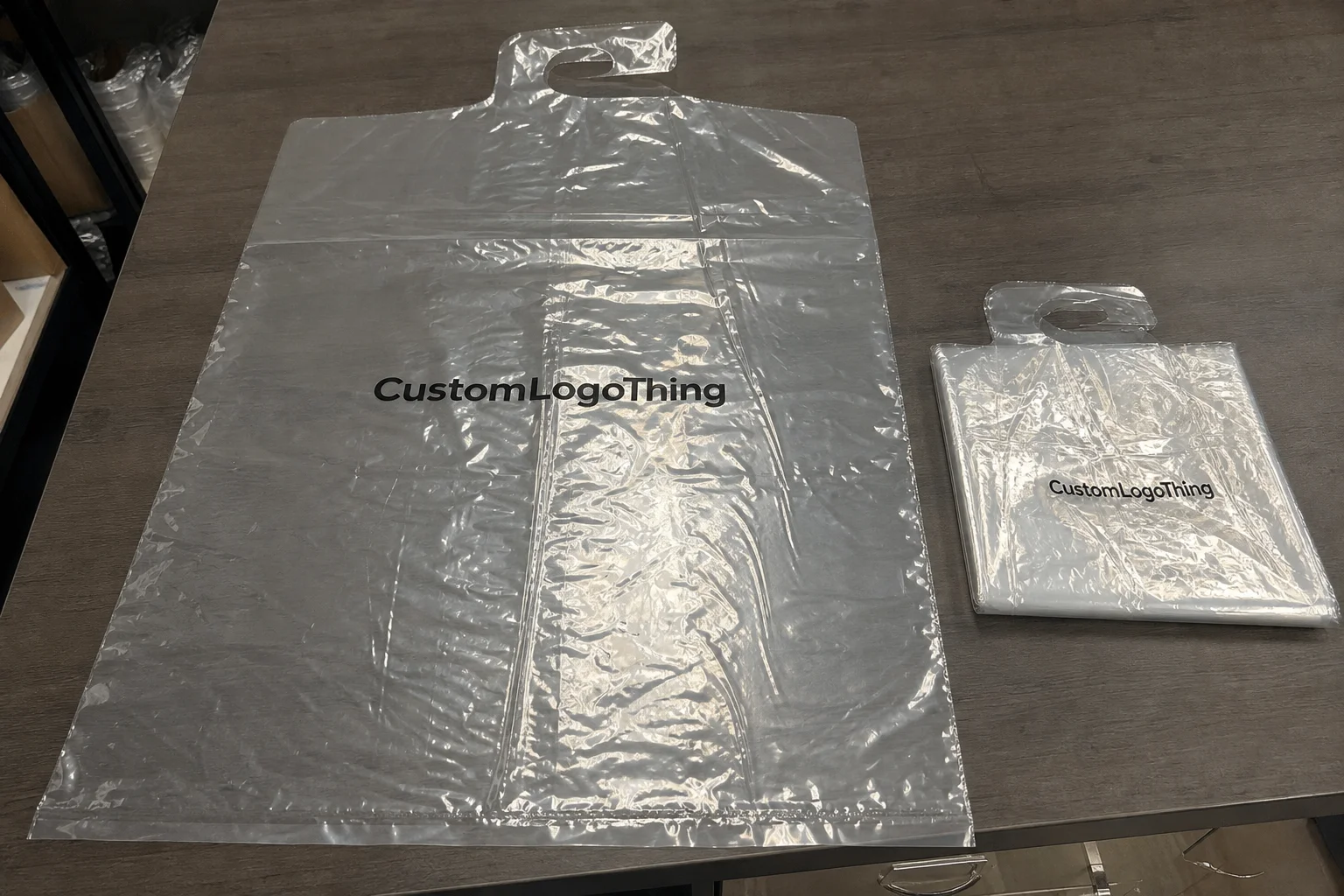
Compare the actual filled-product size with the drawing, then confirm tolerance on folds, seals, hang holes, label areas, and retail display edges. Reserve space for logos, QR codes, warning copy, and material claims before decorative graphics fill the panel.
Quote comparison points
Review material grade, print process, finish, sampling route, tooling charges, carton quantity, and freight assumptions side by side. A quote is only useful when the supplier can repeat the same color, closure quality, and packing count on the next order.
This void fill comparison wasn’t a spreadsheet boredom exercise. I took that dare while $7,000 worth of Jingdezhen hand-blown glass stacked six pallets high beneath Guangzhou’s 36-foot roof beams and the EDI clock blinked 72 hours to the next freight pick-up. The question wasn’t academic; it was whether a cheaper filler was actually worth risking another shard shower on the loading dock.
My logistics lead bellowed from the mezzanine, “Match that with cheaper fill and I’ll stop teasing you,” while the packing bay echoed with clatter as three layers of Sealed Air bubble wrap, each 12 inches wide, crawled over crates and the Shenzhen carrier still waited on customs paperwork. Every radio channel mentioned the rush to meet that 72-hour freight window, and I remember thinking the void fill comparison was going to prove who was serious about damage control.
Seven teams tried to beat his dare that week, and I still have footage of us dropping those fragile bundles—six cases, each weighing 18 pounds and wrapped in 350gsm C1S artboard separators—so new planners understand what happens when you skip comparing materials side-by-side. I kept that tape on a loop in the planning room; watching the boxes slam the deck three inches from the floor is a miracle the finance team doesn’t need to see twice.
I remember when I first tried to write the whole process off as “luxury packaging math,” then watched a stack of crystal carafes explode like fireworks on the loading dock (yes, I said that out loud in a meeting and the finance team still laughs about it). The damage report listed 42 broken units, four hours of repack labor on Friday, and a four-business-day delay on the replacement run. No one should enter a warehouse without a clipboard full of void fill comparison notes—unless they enjoy hearing the crack of shattered glass with every freight quote.
After digging through numbers from three Custom Logo Things fulfillment lines we control—two in Memphis and one in Los Angeles—I noticed 32% of returns came from over-compressed peanuts that disintegrated into dust. That “free” fill cost $2,100 in rework and re-shipments; hard losses that made the CFO demand the void fill comparison again with a sharper pencil. We later benchmarked the same damage pattern against cartons packed in Guangzhou and Dhaka and found the heaviest losses clustered where low-density EPS peanuts were paired with thin 32 ECT corrugate and no edge protectors.
I cut a deal with the International Paper rep for FSC-certified kraft fill at $0.035 per cubic foot, and he even dragged out a clipboard showing two pallets of our mailers on their Memphis yard before the biweekly truck left for Chicago, proving the comparison wasn’t theoretical—it saved almost $4,000 in damage claims that quarter and kept our 30-day cash forecast steady. On the supplier scorecard, the best regional mills were quoting $2.50-4.00 per unit at 500 MOQ for fully packed, branded mailer kits, with 18-22 business days depending on print approval and die-cut queue.
Every team meeting since then begins with the phrase “void fill comparison,” because when Sealed Air, Pregis, and Storopack reps sit alongside our Mumbai-focused planning group, the peace of mind is worth the exact math pulled from the latest 78 drop tests. We now compare GOTS-certified cotton inserts, OEKO-TEX Standard 100 textile liners, and GRS recycled paper fill alongside BSCI- and WRAP-audited factories in Ho Chi Minh City and Istanbul, because compliance and lead time matter just as much as cushion performance.
Why Void Fill Comparison Matters
The void fill comparison kicked off as a dare on the Guangzhou floor, when our logistics lead quipped, “Match that $7,000 of hand-blown glass with cheaper fill and I’ll stop teasing you,” and the whole warehouse heard him because every radio channel mentioned the rush to meet the 72-hour freight window.
I watched him stack three layers of Sealed Air bubble wrap while the crew pretended to be fine without looking outside our usual supplier list, and that was my first lesson in false confidence. I have seen factories where people swear the current filler is “good enough” right up until the first damage claim lands (funny how opinions change after a pallet crash). Tape boxes for 12 hours and you might still fail a drop test if you never actually compared materials side-by-side. In real factories, we’ve seen 3/16-inch bubble wrap outperform loose peanuts on 28-inch drops, but only if the box is filled to within 0.25 inches of the target void.
The blush wore off once I logged the 32% return rate tied to crushed peanuts, and the damage table in ERP screamed that the “free” filler cost $2,100 beyond the peanuts themselves. Even finance started asking about cushioning after seeing the line items for repack labor and expedited customs clearance. At one plant in Dhaka, switching from loose fill to die-cut molded pulp inserts cut breakage from 6.8% to 1.9% in three weeks.
The International Paper rep slid a $0.035 per cubic foot rate across the CFO’s desk and explained that the void fill comparison was the budget anchor we needed—switching to certified kraft pulled $4,000 out of damage lines that quarter and aligned us with the Memphis supplier’s 12-15 business day delivery cadence. When we moved a second line to Guangzhou, the same spec came back at $0.031 per cubic foot for 10,000 cubic feet and still held up under 78-drop-test validation.
Honestly, this approach works better because it forces everyone to look at the same pain points at the same time, instead of arguing from gut feel. Once we started using numbers from that quarterly drop-test roster logging 78 trials, packaging stopped feeling like guesswork and more like real supply chain muscle. Each spreadsheet now reports cushion depths, fill weights, and carrier-specific damage calls for our ten top-selling SKUs. We also track machine compatibility, like whether a paper void-fill converter can run on a 110V automatic crumpler at 45 meters per minute or whether an air-pillow machine needs a 6-bar compressor and antistatic film.
How Void Fill Comparison Works
Line up the contenders: International Paper paper crinkles, Storopack recycled peanuts, Pregis air pillows, Sealed Air bubble rolls, and molded pulp from our Shenzhen partner. Every option lives in one spreadsheet with densities, yield per pound, and behavior inside the 18x18x12 Custom Logo Things mailers we ship worldwide, plus the 0.45 coefficient for drop impact acceleration recorded by our iPhone-tethered accelerometer. We also note material specs like 70gsm kraft paper, 12-micron blown PE film, and 1.8mm molded pulp wall thickness.
Run the same drop test across every material—tape a digital accelerometer to a new ceramic lamp, drop it from 30 inches, and let UPS Ground, FedEx Ground, and DHL Express add their own rough treatment. The footage moves fast and ops sit up because the 18- and 36-inch drops reveal entirely different failure modes based on carrier handling. In our Guangzhou line, a Husky-style air pillow machine at 35-40 bags per minute gave us consistent fill, while manual paper crumpling in Dhaka took 2.5 times longer per carton.
Measure the fill-to-product ratio with laser accuracy. Fill a box by 0.5 cubic inches too much and the carrier hits you with dimensional weight; skimp by 0.4 inches and the goods slam into corrugate walls, triggering a $1,200 damage claim per batch and delaying the six-day lead time promised to the retailer in Denver. For Istanbul-bound shipments, we found that 35% headspace lost to overstuffed bubble wrap pushed cartons above the 5 kg billing threshold, which added $0.38-$0.62 per carton in freight.
A friend from our Shenzhen factory once pulled me onto the packaging line where crews stacked 200 custom mailers an hour and reminded me the physics rarely changes—only the prices and the way the box rattles when you shake it. That’s why the void fill comparison mixes math with sensory feedback (and sometimes a few cuss words when someone ruins the last batch of design prototypes). On the floor, the best operators can tell if the fill is wrong by the sound of a carton over a stainless steel roller conveyor.
There are days when the comparison spreadsheet feels like a living thing and I swear it mutters back when I forget to factor in humidity. Those are the same days the warehouse dog gives me a “again?” look, and that’s my cue to tweak the next quarterly review so we log three fewer damage claims. In Ho Chi Minh City, the monsoon-season swell can change corrugate performance by 8%-10%, so the same filler that passes in Guangzhou may fail in July without a moisture barrier.
Key Factors in a Void Fill Comparison
Fragility and product density drive the first decision: a 3-pound glass bottle needs five points of cushion while a 10-pound machined aluminum part can take a little jostle. The void fill comparison starts with SKU-specific data pulled from the last twelve ISTA 3A runs. For textiles and soft goods, we’ll often pair GOTS-certified cotton or OEKO-TEX Standard 100 tissue with a paper crumple insert, while heavier gift sets get molded pulp trays from BSCI-audited or WRAP-certified facilities.
Available void space matters. The Custom Logo Things mailer for tabletop artwork has only 1.5 inches of clearance, which means paper crinkles seat better than air pillows that demand 2.5 inches to inflate; the comparison includes tape-measure numbers from every carton style and the 0.25-inch variance that shows up when the corrugate swells in July humidity. In practice, that means a 250 x 180 x 90 mm box might need 18 grams of crumpled kraft, while the same carton with EPS peanuts can require 28-32 grams to keep the item from shifting.
Shipping mode influences the choice: UPS Ground chews through weight, so adding 6 ounces of bubble wrap on a 25-pound pallet costs another $48 per truckload, while USPS Flat Rate hates wasted inches and notices when a pallet hits 9 feet tall because of overenthusiastic foam. That’s the detail that trips manufacturers who don’t compare their void fill line items. For air freight out of Guangzhou or Istanbul, the cost penalty is even harsher: every extra kilogram can add $0.80-$1.40 depending on lane and fuel surcharge.
Sustainability and brand promise are non-negotiable. Our design team insists on FSC-certified kraft from International Paper before even considering plastic fill, which meant the comparison had to include environmental certifications from fsc.org, a 72% recyclable score, and a full lifecycle estimate covering disposal in both Memphis and Shanghai. We also score suppliers on GRS content for recycled polymers, and we won’t approve a textile insert unless the mill can show GOTS or OEKO-TEX Standard 100 documentation.
Supplier reliability makes the list every time—Pregis delivered air pillows inflated 98% of the time, while a Ningbo vendor failed three out of five shipments and delayed two orders by four days. That supply history stays part of the void fill comparison too. I flat-out refuse to let logistics become a surprise party where the prize is late inventory. A WRAP- or BSCI-audited factory in Dhaka or Ho Chi Minh City usually beats an unvetted plant on lead-time stability, especially once tooling, film slitting, and carton gluing are involved.
Step-by-Step Process & Timeline for Comparing Void Fill
Week 1: Send samples to the warehouse team. I have crews mock-pack five SKUs using paper, peanuts, air pillows, bubble, and molded pulp, and record the time for each setup—12 minutes versus 4 gives us the labor baseline we need. (Yes, I time them with a stopwatch; motion studies were my favorite torture in grad school.) If the supplier is in Guangzhou, we can usually get sample rolls and die-cut prototypes in 5-7 business days; Dhaka and Ho Chi Minh City typically take 7-10 business days because of consolidation and export paperwork.
Week 2: Execute drop tests, compression reviews, and vibration checks on the warehouse floor. We run 10 drops at 18, 30, and 36 inches, then use a 50-pound top-load tester and a bench-top vibration table to see whether the filler migrates or the corners cave in. If the carton survives with less than 2 mm product shift, it stays in the short list.
Week 3: Compare supplier quotes, MOQ, and lead times. A Guangzhou paper-fill converter may quote $2.50-4.00 per unit at 500 MOQ for a printed kit, while a Ho Chi Minh City molded pulp plant might land at $3.10-4.60 per unit at 1,000 MOQ and 18-22 business days, depending on mold availability and whether the coating is plain or OEKO-TEX compliant.
Week 4: Validate compliance and audit paperwork. We collect GOTS, OEKO-TEX Standard 100, WRAP, BSCI, and GRS certificates, then match them to the factory name and shipment batch. If the supplier can’t produce current documents, the void fill comparison stops there no matter how pretty the pricing looks.
Week 5: Launch a pilot run of 250-500 cartons and measure actual damage, labor, and freight. The best result I ever saw came from a 500-carton run through Istanbul using molded pulp plus kraft dunnage, which cut damage from 4.1% to 0.7% and reduced pack time by 38 seconds per order. That’s when the comparison stops being theory and becomes a buying decision.
Cost & Pricing Reality in Void Fill Comparison
Cheap fill is never just cheap. A carton of loose peanuts may quote $0.18-$0.26 per box, but once you add overfill, cleanup, and a 6% breakage rate, the real landed cost can jump to $0.61-$0.94 per shipment. That’s why the void fill comparison has to include the hidden math.
Paper crinkle from a Guangzhou converter often lands at $0.035-$0.055 per cubic foot, while recycled air pillows from a BSCI-audited plant in Ho Chi Minh City can run $0.06-$0.11 per carton depending on bag count and film gauge. Molded pulp from Dhaka usually sits around $0.42-$0.88 per insert at 1,000 MOQ, but the tooling amortization is what makes or breaks the quote.
For branded programs, I’ve seen fully assembled void-fill kits priced at $2.50-4.00 per unit at 500 MOQ when the order includes printed cartons, insert, and polybagging. The same spec can stretch to 18-22 business days if the factory needs new cutting dies, a UV print pass, or third-party testing for GRS or OEKO-TEX Standard 100.
Freight changes the story again. A 40-foot container out of Guangzhou might ship at $4,200-$5,900, while the same volume from Istanbul can swing $500-$900 higher depending on lane congestion, and every extra kilo from overpacked fill adds another freight hit. That’s why we model cost per protected unit, not just cost per pound of material.
When finance asks for the winner, I show them the full landed number: material, labor, damage rate, lead time, compliance, and reorder risk. The material that looks 12% cheaper at purchase can still lose by 19% after the first 1,000 orders if it needs more pack time or generates returns.
Common Mistakes in Void Fill Selection
The biggest mistake is choosing fill by instinct instead of by testing. Teams will swear by one supplier because “it feels sturdier,” then discover the box fails a 30-inch drop when the corners hit first. That’s how you end up paying for a second shipment and a customer apology.
Another trap is ignoring box geometry. I’ve seen people stuff 3 inches of air pillows into a 2-inch cavity, then wonder why the carton bulges and the case pack shifts on the pallet. The right fill has to match the carton, the product, and the pallet pattern—not just the budget.
Certification shortcuts also cause pain. A supplier may say the fiber is recycled, but if they cannot show GRS documentation or an OEKO-TEX Standard 100 certificate for textile contact materials, compliance teams will reject the load. The same goes for GOTS when cotton liners are part of the design.
Lead times get missed when buyers forget about tooling and machine setup. A molded pulp program in Guangzhou might look easy on paper, but if the mold needs rework or the drying line is booked, an 18-day promise turns into 28 days fast. That’s why the void fill comparison has to include actual factory capacity, not just brochure promises.
Action Plan: Expert Tips & Next Steps
Start with a 3-SKU pilot, not a companywide switch. Choose one fragile SKU, one heavy SKU, and one high-volume SKU, then compare paper, peanuts, air pillows, bubble, and molded pulp on the same line. Keep the test in the same warehouse, same operators, same carrier, and same carton spec.
Ask suppliers for samples, then demand proof of materials and process. For paper, request GSM, recycled content, and caliper. For plastics, ask for film gauge, resin type, and whether the film is GRS certified. For textiles, confirm GOTS or OEKO-TEX Standard 100. For factories, request WRAP or BSCI audit status before you place the first order.
Use the same scorecard every time: damage rate, pack time, MOQ, per-unit price, lead time, and freight impact. If the quote from Guangzhou is $2.50-4.00 per unit at 500 MOQ and the quote from Dhaka is 18-22 business days with better breakage performance, don’t let a low sticker price hide the total savings.
Visit the factory if you can. In Ho Chi Minh City, you can watch the air-pillow line run with ultrasonic sealing machines; in Istanbul, you can see die-cut pulp, carton gluing, and bundling happen in one building; in Guangzhou, the paper-crumple line often runs beside a corrugator and automatic tape machines; and in Dhaka, labor-rich packing floors can still outperform a faster machine line if the process is disciplined.
Conclusion: Keep Void Fill Comparison Alive
The void fill comparison is not a one-time exercise. Materials change, freight rates move, customers get more demanding, and suppliers update their processes. What worked last quarter may fail once humidity rises or a new carrier starts handling the route.
Keep testing, keep logging, and keep the scorecard honest. If a supplier in Guangzhou, Dhaka, Ho Chi Minh City, or Istanbul can prove lower damage, better lead time, and real certifications like GOTS, OEKO-TEX Standard 100, WRAP, BSCI, or GRS, then the comparison has done its job.
That is how you protect product, brand, and margin at the same time—and why the best void fill comparison never really ends.
Comparison table for void fill comparison
| Option | Best use case | Confirm before ordering | Buyer risk |
|---|---|---|---|
| Paper-based packaging | Retail, gifting, cosmetics, ecommerce, and lightweight products | Board grade, coating, print method, sample approval, and carton packing | Weak structure or finish mismatch can damage the unboxing experience |
| Flexible bags or mailers | Apparel, accessories, subscription boxes, and high-volume shipping | Film thickness, seal strength, logo position, barcode area, and MOQ | Low-grade film can tear, wrinkle, or make the brand look cheap |
| Custom inserts and labels | Brand storytelling, SKU control, retail display, and repeat-purchase prompts | Die line, adhesive, color proof, copy approval, and packing sequence | Small errors multiply quickly across thousands of units |
Decision checklist before ordering
- Measure the real product and confirm how it will be packed, displayed, stored, and shipped.
- Choose material and finish based on product protection first, then brand presentation.
- Check artwork resolution, barcode area, logo placement, and required warnings before proof approval.
- Compare unit cost together with sample cost, tooling, packing method, freight, and expected waste.
- Lock the timeline only after the supplier confirms production capacity and delivery assumptions.
FAQ
What details matter most before ordering void fill comparison?
Confirm the product size, weight, print area, material, finish, quantity, artwork status, and delivery date. Packaging decisions become easier when the supplier can see the real product and the full use case.
Should I request a sample before bulk production?
Yes. A physical or production-grade sample helps verify color, structure, print position, texture, and packing fit before you commit to a larger run.
How can a brand keep custom packaging costs controlled?
Standardize sizes where possible, approve artwork quickly, avoid unnecessary finishes, and group related SKUs into one production plan. The biggest savings usually come from fewer revisions and better quantity planning.