Most printed mailer problems have little to do with the waterproof film itself. They show up when ink cannot survive scuffing, folds, heat-seal pressure, or warehouse handling. That is why a Waterproof Apparel Mailers Print Method Comparison matters more than the mockup everyone approved on a screen. If the substrate, ink system, and press process are mismatched, the package can look right in design review and still arrive scratched or faded.
For apparel brands, the real question is which method holds up in transit, fits the order size, and keeps unit cost inside the margin. That is the practical lens behind custom packaging decisions, whether the order is a launch test or a repeat run of Custom Poly Mailers. If you are comparing packaging options more broadly, the rest of Custom Packaging Products can help frame the tradeoffs before a spec is locked.
Waterproof Apparel Mailers Print Method Comparison: What Surprises Buyers
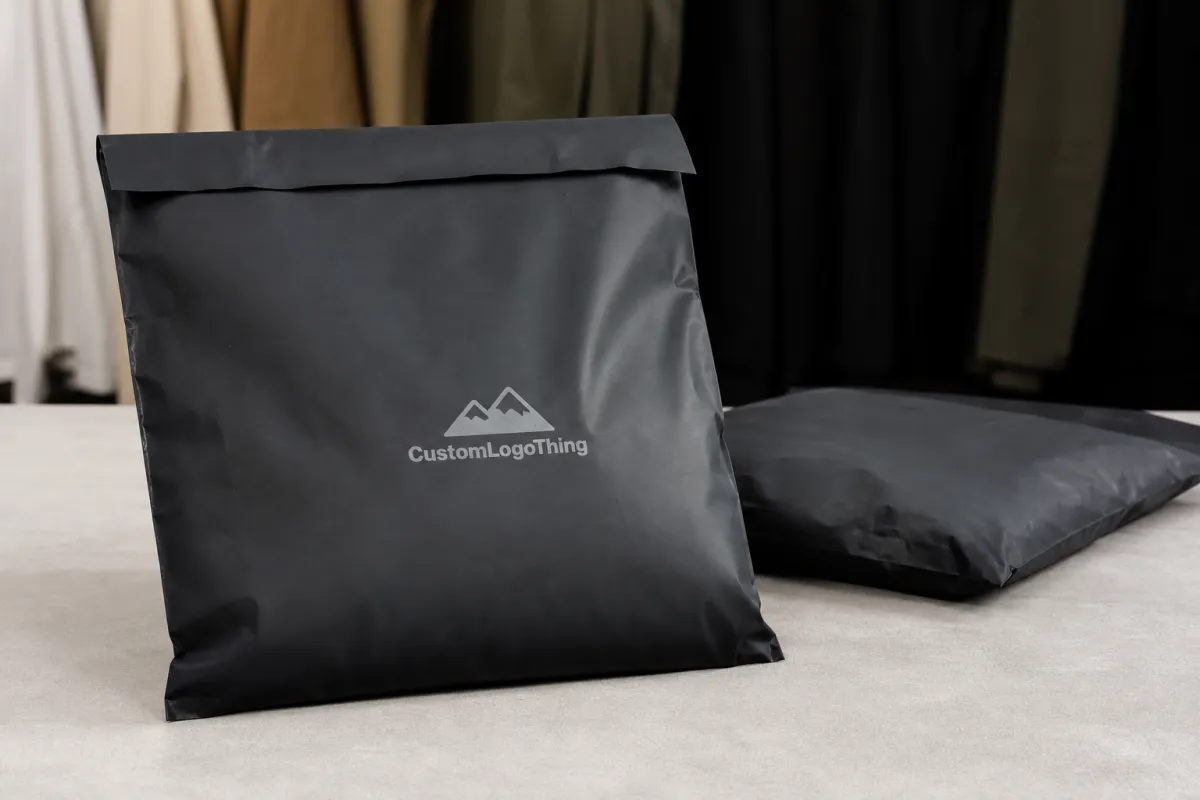
The first surprise is that many failures are not waterproofing failures. The film is usually fine. The weak points are rub resistance, adhesion, and seal distortion. A mailer that survives rain but loses its logo at the corners still ships a bad impression.
Buyers also tend to trust the mockup too much. A design can look clean on a screen and still perform poorly if it depends on tiny reversed type, heavy gradients, or a finish that hides scuffs only under perfect lighting. Real shipping is less forgiving: conveyors, carton friction, drops, dust, and fast customer unboxing expose weak print fast.
The useful decision frame is simple: durability, color complexity, volume, and lead time. Digital printing usually fits short runs because setup is light and artwork can change quickly. Flexographic printing is often better on cost once volume is steady. Screen printing works well for bold, simple branding with dense ink laydown. Gravure belongs in very high-volume programs where tooling cost can be spread across enough units. Offset printing is usually the wrong comparison here; it is built for paper stocks, not slick poly film.
"If the mailer gets handled like freight, test it like freight. A sample that only looks good under office light tells you almost nothing."
How Ink Bonds to Poly Film, Coating, and Seals
Printed waterproof mailers are usually made from polyethylene or a coextruded film, sometimes with recycled content blended in. Ink sits on the surface, not inside it. That makes surface energy a real issue. A good film without treatment can still repel ink, especially on glossy stock.
Corona treatment is the baseline fix. It raises surface energy so the ink wets out and bonds more consistently. Some programs also use primers or specialty inks for better adhesion, especially on slippery films or when the design needs strong solids. Cure matters too. If the ink is not fully dried or cured, the first weak points appear at folds, seams, and pressure points.
Here is the short version of how the main print methods behave:
- Digital printing: handles short runs and versioning well, especially when CMYK artwork changes often.
- Flexographic printing: is efficient for repeat orders and spot color work when the design stays stable.
- Screen printing: gives heavy ink laydown for bold logos, but it is not built for tiny text or fine detail.
- Gravure: can deliver strong coverage and consistency at scale, but the economics only work on large volumes.
Where things usually fail in shipping is around the edges: heat-sealed seams, folded corners, and machine pressure points. That is why rub testing matters. Ask for adhesion references after sealing, not just a pretty proof. If a supplier cannot explain how they check ink performance after folding and sealing, the process is not fully under control. For broader packaging and transport testing references, the ISTA site is a useful starting point.
Artwork, Color Count, and Finish Variables That Change the Result
Artwork complexity changes the method choice fast. A flat one-color logo on a white mailer is simple. A dense pattern with fine lines, gradients, and QR codes is not. The more detail you want, the more the print method, substrate, and finish need to cooperate instead of fighting each other.
CMYK digital art is flexible, but it can struggle with exact brand color matching if the goal is repeatable consistency across reorder cycles. Spot color work is still valuable for logos that must stay inside a strict brand standard, especially on larger repeat runs. If the design uses one or two colors, flexo or screen often gives a cleaner and cheaper result than forcing a complex digital build.
Finish changes the feel more than many buyers expect. Gloss film makes colors pop and hides some handling marks. Matte film feels more restrained and premium to many apparel brands, but it can show rub wear sooner. Soft-touch finishes appear less often on mailers because they add cost without adding much shipping value, though some brands still use them for a luxury effect.
Watch the small details:
- Keep safe margins away from seams and seals.
- Check barcode and QR readability on curved or folded areas.
- Confirm whether the design needs a white base under transparent film.
- Ask for registration tolerance if the art has outlines or layered elements.
Beautiful artwork is not enough. A useful comparison also includes color count, ink density, and how the finish behaves after a few thousand bags have been dragged across a conveyor.
Production Process, Proofing, and Turnaround Timelines
Real production has more steps than most buyers see. It starts with file preflight and dieline checking, then moves to proof approval, plate or file setup, printing, curing, converting, packing, and freight. If a vendor compresses all of that into one vague lead-time promise, ask for a breakdown. That is usually where the delay hides.
Digital printing is usually the quickest path for small to mid-size orders because it skips plate making. Flexo takes longer up front, but once the setup is approved, it becomes efficient on repeat work. Gravure is slower to start and hard to justify unless the volume is large enough to absorb the tooling cost. Screen printing can move quickly for simple art, but only if the layout is stable and the number of colors stays low.
Typical timing ranges, assuming artwork is ready and there are no finish surprises:
- Digital: often 7-12 business days from proof approval.
- Flexo: often 12-18 business days, sometimes longer with plate adjustments.
- Screen: often 10-15 business days for simple jobs.
- Gravure: often 15-25 business days once tooling is in motion.
That is production time, not total delivery time. Freight can add days, and sample rounds can add more. Buyers should ask two separate questions: how long until the press run starts, and how long until the order reaches the dock. Those are not the same thing, and the difference matters when a launch date is fixed.
Cost, MOQ, and Unit Price by Print Method
This is where the conversation gets real. A method that looks cheap on paper can become expensive once setup, freight, samples, and rework are added. The reverse happens too: a method with a higher front-end setup can beat everything once quantities rise enough.
The main cost buckets are setup, plates or tooling, ink coverage, special effects, sample runs, and freight. White ink, heavy flood coats, metallic accents, and unusual sizing all add cost. So does changing the pack format halfway through quoting. That is how small details quietly turn into budget problems.
| Method | Best Fit | Typical MOQ | Setup Pressure | Ballpark Unit Cost | Typical Strength |
|---|---|---|---|---|---|
| Digital printing | Launches, short runs, frequent artwork changes | 500-3,000 units | Low | $0.28-$0.65 at 1,000-5,000 pcs | Fast proofs, flexible CMYK art |
| Flexographic printing | Stable mid-size to large repeat orders | 5,000-20,000 units | Moderate | $0.12-$0.30 at 10,000-50,000 pcs | Strong unit economics, solid spot color work |
| Screen printing | Bold graphics, simple logos, high ink laydown | 2,000-10,000 units | Moderate | $0.18-$0.45 depending on color count | Dense coverage, good brand punch |
| Gravure | Very high volume, stable artwork | 20,000+ units | High | $0.08-$0.22 at large scale | Consistency and speed at volume |
Those are broad ranges, not promises. A small bag with full coverage and white ink can cost more than a larger bag with a single-color print. MOQ changes the story too. If you are testing a new apparel SKU, being forced into 20,000 mailers before sell-through is known can tie up cash for no good reason.
Good suppliers will quote the same spec across at least two methods so the landed cost can be compared honestly. That is when this comparison becomes useful instead of decorative.
Common Mistakes That Make Mailers Look Cheap or Fail Early
The cheapest quote often hides the most expensive headache. A mailer can leave the factory on budget and still disappoint in use because the print scuffs, the seal splits, or the branding looks fuzzy under normal light.
Here are the mistakes that show up most often:
- Choosing only by price: a low quote can mean weak rub resistance or poor adhesion.
- Using tiny text: thin reversed type disappears fast on flexible film.
- Ignoring the usable print area: artwork too close to seals gets distorted or cut off.
- Skipping real sample tests: office proofs do not mimic cold warehouses or rough handling.
- Forgetting function: the mailer still needs the right tear behavior, seal strength, and size fit.
There is also the one-proof-and-done problem. A proof can confirm color direction, but it does not tell you how the print behaves after folding, packing, and shipping. If the package will face moisture or long transit routes, ask for rub testing and a production sample. If the spec includes mixed materials or printed labels, keep the comparison clean so you are not mixing packaging categories and expecting meaningful pricing. For sustainability references, FSC is a useful authority site for chain-of-custody language and material claims.
Reordering with a different size or seal style can also change the print result. The bag is not a billboard. It bends, stretches, and gets squeezed. That is the job.
Expert Picks for Matching Method to Volume and Brand Goals
If there is one practical rule, it is this: match the method to how stable the art is and how often you will reorder, not to how impressive the mockup looks in a deck.
Use this rough decision map:
- Digital printing: best for launches, seasonal art, and small batches where flexibility matters more than the lowest cost.
- Flexographic printing: best for repeat programs with stable branding, especially when unit economics matter at mid to high volume.
- Screen printing: best for bold, simple graphics that need heavy ink coverage and a strong retail feel.
- Gravure: best for large, repeatable programs where tooling cost can be absorbed and color consistency matters.
If a brand changes campaigns every month, digital usually keeps life simpler. If the core SKU ships all year and unit cost matters, flexo is often the strongest middle ground. If the design is a crisp logo on a clean field, screen can look better than people expect. If the run is huge and stable, gravure can earn its place.
Useful questions to ask suppliers:
- What ink system are you using, and how does it bond to the film?
- Do you test adhesion after sealing and folding?
- What is your sample policy before full production?
- How consistent are reorders across batches?
- Can you show the difference between CMYK build and spot color matching for this file?
That is the working method: practical, specific, and skeptical. Packaging buyers usually save more money by preventing one bad run than by shaving a fraction of a cent off a quote.
Next Steps Before You Request Quotes
Before asking for pricing, gather the basics: size, film thickness, material, quantity, color count, finish, target delivery date, and the shipping conditions the mailer will actually face. If those details are missing, the quote may look tidy while meaning very little.
It also helps to ask for two quote paths. One should prioritize speed or lower MOQ. The other should prioritize unit cost at scale. Side-by-side numbers make market differences obvious. If a vendor can only quote one method and refuses to compare, they are not helping you buy well.
Then request a printed sample or a close visual proof and inspect it under real conditions: bright warehouse light, folded edges, friction, and, if relevant, light moisture exposure. If the sample rubs off when handled, that is not character. That is a defect.
Use the comparison to narrow the field, then choose the method that balances cost, durability, and turnaround for the actual shipping use. Pretty is fine. Pretty that survives shipping is better.
Which print method is best for waterproof apparel mailers?
For small runs and fast artwork changes, digital is usually the easiest place to start. For steady higher volumes, flexo often wins once setup is spread across enough units. For simple bold graphics, screen or gravure can make sense if the art stays stable.
Does digital printing hold up on waterproof apparel mailers?
Yes, if the film is properly treated and the ink system is matched to the substrate. Ask for rub and fold testing, because adhesion on a proof is not the same as adhesion after shipping abuse. Digital works best when speed and version changes matter more than the lowest unit cost.
When does flexo become cheaper than digital for mailers?
Flexo usually starts making more sense once quantity rises enough to spread setup costs across the order. It helps most when artwork is stable and color count stays reasonable. If the design changes every reorder, digital can still be the cheaper real-world option.
What turnaround should I expect for printed waterproof apparel mailers?
Digital is usually fastest because it avoids plate making and heavier setup. Flexo and gravure need more prep, so approvals and tooling add time before production starts. Always separate proof time, production time, and freight time when judging the total schedule.
What should I include in a quote request for waterproof mailers?
Send exact size, material, thickness, color count, finish, quantity, and target ship date. Add artwork files, special print effects, and how the mailer will be used in shipping. If you want accurate pricing, ask for the same spec across two or three print methods.


