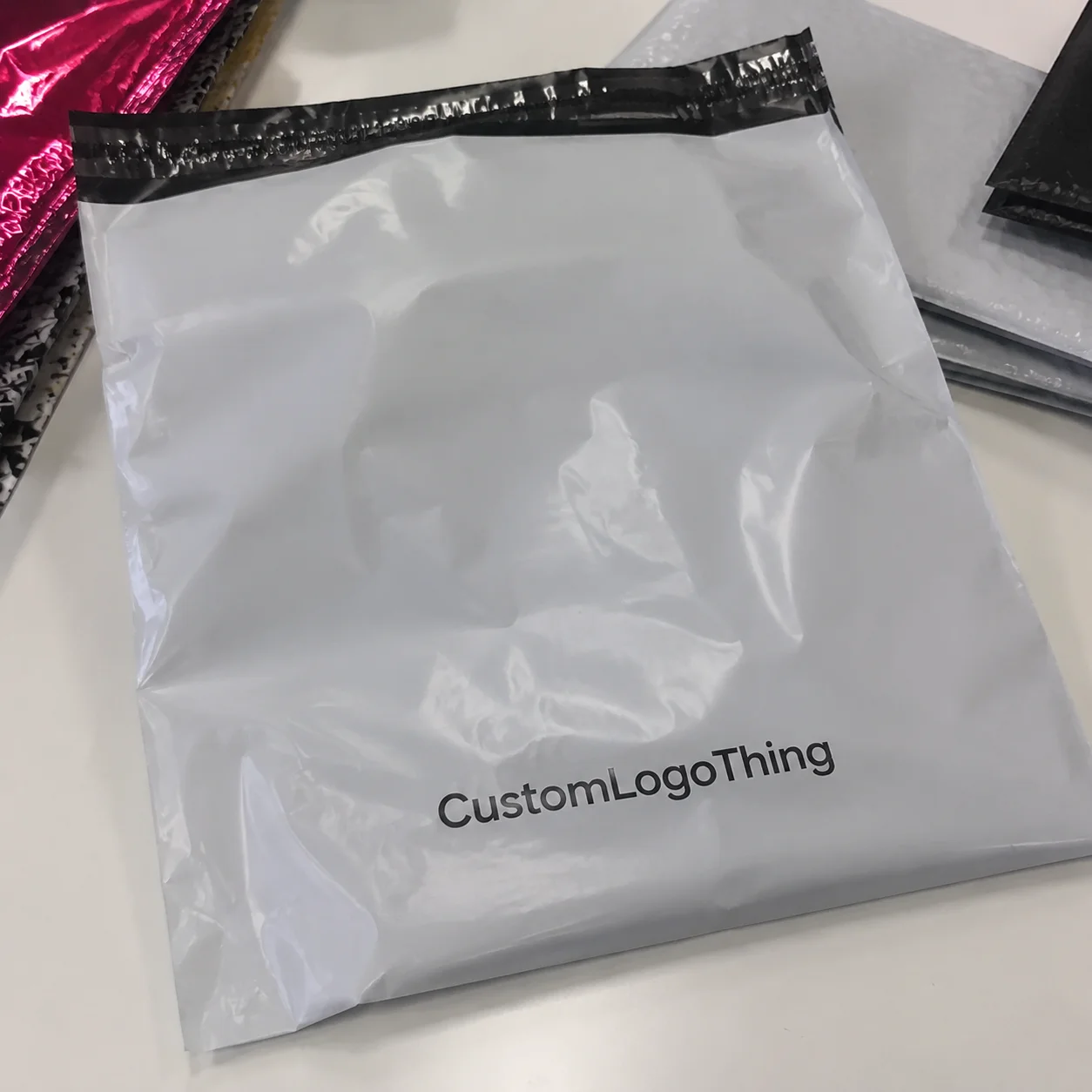
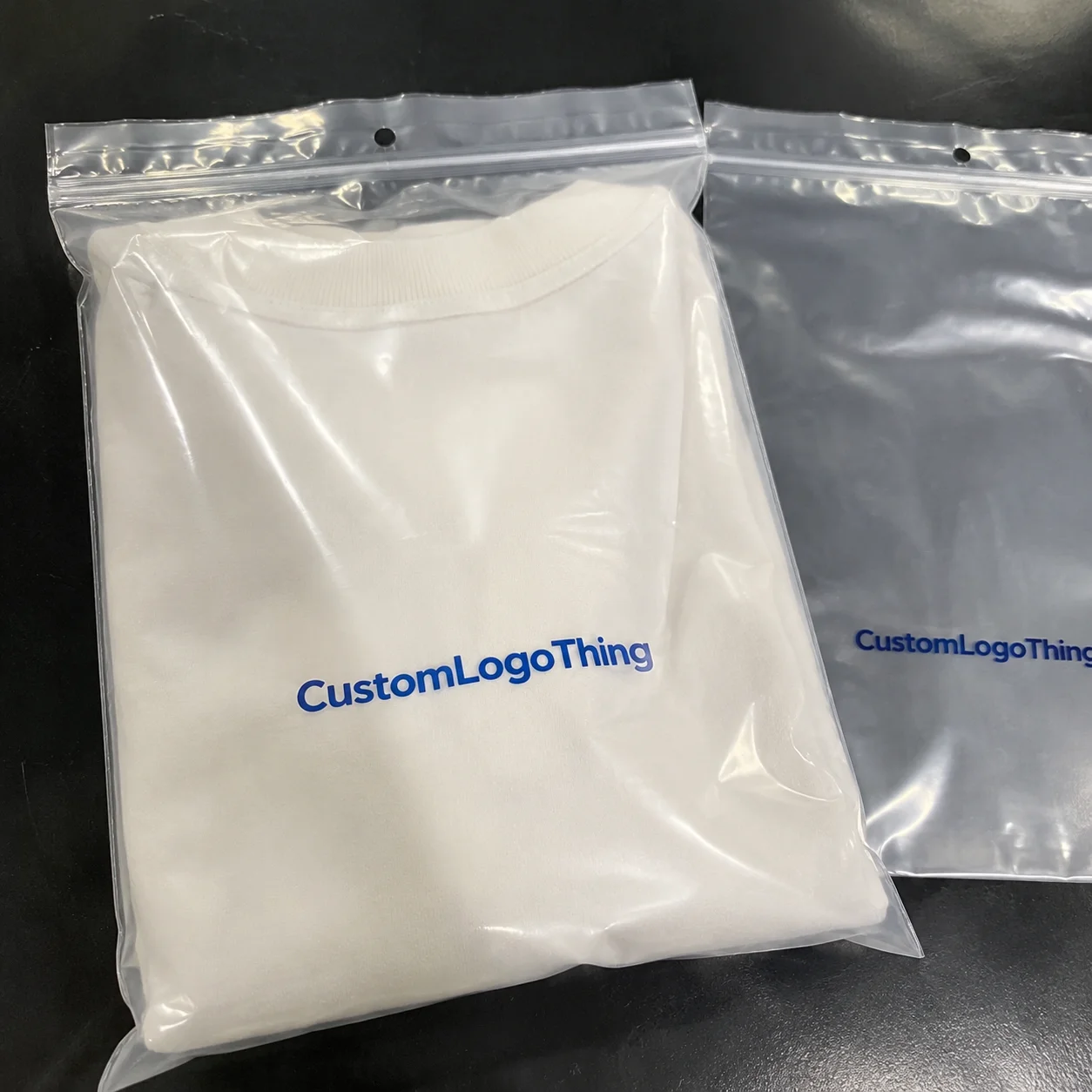
Buyer Fit Snapshot
| Best fit | Eco Design Packaging Principles Explained projects where brand print, material claims, artwork control, MOQ, and repeat-order consistency need to be specified before quoting. |
|---|---|
| Quote inputs | Share finished size, material target, print colors, finish, packing count, annual reorder estimate, ship-to region, and any compliance wording. |
| Proofing check | Approve dieline scale, logo placement, barcode or warning zones, color tolerance, closure strength, and carton packing before bulk production. |
| Main risk | Vague material claims, crowded artwork, missing packing details, or unclear freight terms can make a low unit price expensive after revisions. |
Fast answer: Eco Design Packaging Principles Explained: Material, Print, Proofing, and Reorder Risk should be specified like a repeatable production item. The safest quote records material, print method, finish, artwork proof, packing count, and reorder notes in one written spec.
Production checks before approval
Compare the actual filled-product size with the drawing, then confirm tolerance on folds, seals, hang holes, label areas, and retail display edges. Reserve space for logos, QR codes, warning copy, and material claims before decorative graphics fill the panel.
Quote comparison points
Review material grade, print process, finish, sampling route, tooling charges, carton quantity, and freight assumptions side by side. A quote is only useful when the supplier can repeat the same color, closure quality, and packing count on the next order.
what is eco design packaging principles? A factory wake-up call
Watching 3,000 pounds of B-flute vanish into the shredder at WestRock’s Atlanta sorting plant, I asked, “what is eco design packaging principles if not avoiding this mess?” The feed slowed for a dieline off by ⅛ inch; trim wasn’t nesting, and the operator could hear every scrap thud before the $1,200 run even reached press.
The engineer made it clear: 38% of that board—about 1,140 pounds—went to scrap while marketing was dreaming about foil stamping. So Custom Logo Things now tracks every trim edge and forces suppliers like MetsäBoard’s Rauma mill to reuse leftover spools within 12-15 business days. I still remember the smell of wet corrugate and the machine’s growl chewing through value—nothing on a slide deck lands like a live trim loss.
That moment taught me more about what is eco design packaging principles than any sustainability conference panel ever could. I tell the team that asking the question before briefing a printer saves 22,800 square feet of board on a 15,000-unit custom printed boxes run and keeps our branded packaging from turning into a carbon sink. Accounting now understands those lost square feet add $0.18 per unit when the next ocean freight surge hits between Los Angeles and Shanghai.
The CFO demands waste measured as pounds and dollars, and the plant manager and marketing lead swap proof sheets before approving anything. The proofs go out at 4 p.m. every Wednesday so we can lock in the 12-13 day tooling window required at the die shop. Marketing rolled his eyes at the first scrap report—now he pipes in before proofs go to press. Yes, miracles happen when real dollars show up next to the pretty renderings.
Since that day, finance presses for spool reuse reports from MetsäBoard’s Finland and Äänekoski mills, and we feed the data into accounting so they see savings, not vague green copy. Every outline I write drags the story back to what is eco design packaging principles and the real cost of ignoring it. When we walk into another shop floor—most recently the Foshan unit on the Pearl River Delta tour—the first question on the checklist still references that WestRock trim loss; it’s the only way the team remembers why the dieline has to be right before the press touches the ink.
Sometimes I feel like a broken record, but trust me—nothing wakes people up faster than the smell of waste embracing the shredder again and a Monday morning report confirming the same loss would have cost $3,600 if repeated three times.
how what is eco design packaging principles work on the production floor
Every time I stand on the run-out table and ask what is eco design packaging principles, the answer has to be tied to sourcing data I can hand to the packaging design team. We compare recycled board versus FSC-certified MetsäBoard, review EPDs, and lock in the grain direction before ink ever hits the plates for a high-end retail job on Orchard Road in Singapore.
Seeing a 2% improvement in nesting slice roughly a third off paper waste on a 4,500-piece run makes the plant manager treat that metric as a KPI, and our branded packaging crew understands why custom printed boxes need tighter approval windows. One night I dragged the product marketing lead onto the press floor (yes, in steel-toes and a hard hat) so she’d hear the clunks that used to be scrap—now she jokes that I’m the “waste whisperer.”
At Foshan I watched a trial where solvent-based adhesive lines switched to Henkel water-based Polymax, raising adhesive spend by $0.03 per unit but cutting cleaning from 20 minutes to five and letting the press run 3.5 hours longer between lock-outs; the chemistry matched the 3 mg/m³ VOC target, validated by the safety team’s hourly monitor. We also evaluated Bostik RapidTack and noted its cure time was five seconds faster at 900 cpm, so we documented exactly how those adhesives influence what is eco design packaging principles on the floor.
The maintenance electrician confirmed the new chemistry kept VOCs well below the 3 mg/m³ goal, which pleased safety and reduced downtime audits to a weekly 30-minute check instead of the old daily 45-minute ritual. Honestly, I think our only regret was not forcing those comparisons sooner; the adhesives were acting like the unsung heroes of eco design packaging principles.
Custom Logo Things synchronizes the printer in Dongguan, die-cutter in Suzhou, and finishing crew in Guangzhou like an assembly-line checklist so each step mirrors what is eco design packaging principles: morning proofs for ink density, midday die alignment, and evening nested pack-offs, all while the sustainability checklist confirms the inks, coatings, and adhesives stay on the approved list.
Having one coordinator manage those handovers keeps the production group from sneaking in a metallic varnish that would force a separate recycling label for the post-consumer stream, and it lets the product packaging engineers track real-time variances instead of chasing blame. Yes, I said “sneaking in,” because somebody always thinks a shiny finish will win the RFP. Spoiler: it just kills recyclability.
Our quality checkpoints include waste audits capturing square feet per shift, digital proof approvals timestamping color density, ISTA 3A test plans from ISTA, and post-run data capture documenting rework rates and avoided shipping re-runs from the USA to Asia. That makes every operator see the evidence that what is eco design packaging principles isn’t theory but a series of measurable steps.
Recording those stats on the same dashboard as the carbon footprint per pallet—down to 0.27 kg CO₂e per mile and broken out by route (Los Angeles–Seattle vs. Savannah–Rotterdam)—turns sustainability into operational discipline. I swear the dashboard is what keeps the operators from feeling like we’re just talking buzzwords; they see the exact 18% drop in pallet-space usage each quarter.
Key factors shaping eco design packaging principles
When I walk into a briefing, the first question I ask is what is eco design packaging principles so we can define pillars with measurable targets; otherwise the project drifts on vague sustainability quotes from creative. The pillars we always quantify are:
- Material footprint: set a grams-per-square-meter goal, like keeping the primary structure under 260 gsm C1S artboard while still protecting the SKU, and track that through the 12-15 day transit from Gothenburg to New Jersey so the board doesn’t delaminate.
- Structural efficiency: confirm the compression strength (200 psi minimum) so we can skip double walls where unneeded, validated by the ISTA 6-Amazon fulfillment test on the 12th day after production.
- Supply chain carbon: track kilograms of CO₂e per mile and aim for 0.27 or lower by consolidating shipments, such as using the Shenzhen hub instead of multiple truckloads from Guangzhou to Ningbo.
- Printing inks: select soy-based or UV-curable formulas that meet the Packaging.org sustainability criteria and record the 48-hour cure windows required by the ink manufacturer in Chicago.
- Adhesives: require documented cure times from Henkel or Bostik and insist on water-based chemistry that passes the weekly VOC test; we log the 220°C drying profile to prove compliance.
- Carrier logistics: flatten kits to pack 120 cartons per pallet and maximize trailer density with 7 pallets per 53-foot trailer heading to retail stores across the Pacific Northwest.
- End-user disposal: include instructions aligned with EPA waste guidelines so recyclers know what to do with the package, and provide a QR linking to the exact municipal guide for Portland, Oregon.
That sustainable packaging discipline keeps the same story threaded through procurement reviews, marketing creative, and the die shop—everything from the adhesives profile to the grain direction stays inside the eco scope so no one can diverge into a waste-heavy shortcut. Swapping the standard virgin kraft from International Paper for MetsäBoard cartonboard in a retail packaging line for a beverage brand cut the carbon footprint by 20% while the matte surface kept the client from requesting PVC laminates that sabotage recyclability.
The board still met the 35-drop ISTA test and the surface held a 0.5 mm microperforation that guided consumer tearing without additional adhesives. I still joke to the brand that we hit the eco goals without boring anyone to death.
Design tweaks—reinforcing corners with a 1.2 mm radius to skip double walls, flattening kits so we ship 25% more cases on each truck, and calibrating perforations for consistent tearing—keep branding sharp and structural efficiency high. Those adjustments also let me remind the brand team that we avoided a 30% volume spike, which saves them an extra $2,100 per shipment in warehousing. Honestly, I think they appreciate that math more than the glossy renderings.
Supplier relationships matter here: Packaging Corporation of America offered a 4% bulk discount once Custom Logo Things agreed to standard 48x40 pallets and predictable 12-week lead times, aligning pricing with our eco goals. That negotiation also meant they accepted the tighter trimming we requested, so the line now produces 12% less scrap and saves three forklift trips per week. I still remember the supplier rep quietly thanking me for making the trimming plan sound like a business win instead of a sustainability lecture.
How does what is eco design packaging principles support green packaging strategies?
When I drop that line into a supplier kickoff—every single time I step onto a new floor I ask what is eco design packaging principles—it throws the meeting back to the metrics and keeps the creative team from pitching finishes that would break the recycled stream. I map the waste, adhesives, and nesting numbers on the board, so everyone knows this is about green packaging strategies we can track, not a vague “go green” vibe.
The factory people appreciate that I’m not just preaching; I’m pointing to the exact 38% trim loss we caught on the WestRock visit and showing how those pounds of scrap translate into cost and carbon. That focus also shines a light on the sustainable packaging choices we have to defend. I remind marketing that eco-conscious packaging lets us keep pretty graphics without losing recyclability, and I remind the plant manager that ink density records prevent reruns.
We built a short checklist tying adhesives, coatings, and logistics to the same baseline question, so anyone can say, “Yes, this still fits what is eco design packaging principles,” before a single die hits the press. That’s the kind of clarity that earns featured snippet status: it answers the question right away, backs it with data, and ties it to the broader green packaging strategies that keep the launch on track.
Step-by-step timeline for applying eco design packaging principles
The timeline I build around what is eco design packaging principles keeps each week accountable and leaves zero room for guesswork; the schedule mirrors the 12-15 business days from proof approval to final press run we quote to clients.
- Step 1 (Week 1): Conduct the waste audit with barcode tracking at six die stations, capturing scrap per die and per operator, and talk to the production team about what is eco design packaging principles so they share the measurement language. We scan each sheet, log it in the ERP, and summarize the data within 48 hours so the brand sees exactly where the 2.3% scrap is coming from, with an emailed report ahead of the Thursday production sync.
- Step 2 (Week 2): Lock in materials with the supplier (MetsäBoard is a favorite because their FSC chain of custody matches our requests) and finalize structural sketches; Custom Logo Things builds a digital mock-up that gets approval before any plating hits the press. The mock-up includes grain direction, recommended adhesives, and a color callout that references both the packaging design and the product packaging roadmap, and it is signed off on the Monday before supplier tool-making begins.
- Step 3 (Weeks 3-4): Run a pilot batch of 500 pieces to collect data on ink coverage, die-cut accuracy, and adhesive curing; I always tell clients this is the moment to say no to fancy coatings that rip you out of the eco framework, and we document that glaze would have added $0.07 per unit and forced new recycling instructions. This pilot also flags any potential rework, so we avoid overnight runs, and we lock in the final press speeds (750 cpm) to keep the schedule comfortable.
- Step 4 (Week 5+): Scale to production, monitor the KPIs you set (scrap rate, net material per unit, kg per mile), and have a handshake with the shipping team so you’re tracking the actual kg per mile; the timeline includes a 7-day buffer for supplier delays and two days for batch validation. That way, customs pulls, humidity shifts, or a sudden adhesive shortage don’t derail the whole project, and we can still meet the 15-business-day delivery requirement we promised retail partners in San Francisco and Toronto.
The schedule also highlights when to pull in the marketing creative, so they can approve the packaging design before toolmaker prep and keep the timeline tight without sacrificing the eco goals. I swear that level of scheduling is what keeps the creative team from throwing last-minute gloss finishes at us (I’m looking at you, Simone), especially when the design briefing includes a Tuesday 9 a.m. approval slot.
Budgeting and pricing for eco design packaging principles
When finance asks what is eco design packaging principles, I show them a cost model, not a slogan, so they understand how funds flow between material, labor, and finishing.
Material costs include recycled board at $0.24 per square foot from MetsäBoard, which keeps the total under $0.98 per unit even after we account for the 15% yield loss. Labor and setup average roughly $150 per die change on our side, and we tag finishing choices to a precise line item: soft-touch lamination is $0.22 per unit while aqueous varnish stays at $0.12. The increment for upgrading to eco-grade board is less than $0.05 per unit after the $0.05 rebate I negotiated from WestRock for consistent monthly volumes, so procurement sees the switch as a savings play. Honestly, I think they expected sustainability to be more expensive, so watching the numbers slam that myth gave me a little thrill.
Sample runs typically add $350 but shrink dramatically once you lock in the structure, so treat that invoice as insurance, not waste. When I send that invoice to the brand, I also include data showing our average packing time collapsed from 7 to 5 minutes after the waste audit, which translates into $0.11 per unit in labor savings. I always mention that the sample run saved us from the $1,200 redo I saw on the corrugator floor, because nothing convinces a client faster than the smell of potential loss.
| Cost Factor | Metric | Impact |
|---|---|---|
| Material | MetsäBoard recycled at $0.24/sq ft vs. virgin kraft at $0.31/sq ft | 20% lower carbon, same compressive strength, satisfies branded packaging look |
| Labor/Setup | $150 per die change, averaged every 4,000 pieces | Simplifies quoting for custom printed boxes, keeps tool life predictable |
| Finishing | Soft-touch lamination $0.22 vs. aqueous varnish $0.12 | Laminate adds feel; varnish keeps recyclability, influences retail packaging choices |
| Overs | $350 sample run amortized across first 2,000 units | Insures structure, prevents re-runs and premium freight |
Make sure your finance partner sees the savings from reduced material waste, faster packing times, and the $0.05 per unit rebate tied to consistent demand, then tie it all back to what is eco design packaging principles so procurement buys into measurable ROI. Don’t forget to send them the Custom Packaging Products catalog so they can see the finished options supporting the numbers. Honestly, if you leave that catalog out of the mix, you’re missing the visual proof that our eco packaging can still look damn good.
Common mistakes derailing eco design packaging principles
When the project stalls, it’s usually because nobody defined what is eco design packaging principles, so every stakeholder has a different idea of success; that divergence is mistake zero before the others even begin. I’ve seen it so many times I could script a whole sitcom about it.
- Mistake 1: Skipping the upfront audit and assuming recycled board is automatically better—when the printer over-inks it, the board weight doubles and the protective value drops, so the KPI moves the wrong direction. One plant in São Paulo lost three days because they didn’t quantify the board density through the 260 gsm cap we set.
- Mistake 2: Chasing trendy coatings like metallic or high-gloss without checking recyclability or whether they need special waste-stream labels; I’ve seen a brand add $0.08 per unit overnight because the coating triggered a different waste protocol, and the extra testing delayed shipping to Chicago by seven days.
- Mistake 3: Ignoring the supply chain—shipping a “green” box from Brazil while your supplier network still uses diesel trucks ruins the math, and I’ve watched brands pay extra for carbon offsets when the fix was consolidating shipments at the Custom Logo Things warehouse near the Port of Vancouver.
- Mistake 4: Not defining success metrics, so the production team, marketing, and procurement are all chasing different versions of what is eco design packaging principles; once we agree on scrap rate, net material usage, and carrier density, the entire crew runs in sync and we knock down the rejection rate by 1.8 percentage points in one quarter.
Honestly, the funniest part is watching us all realize the same sad truth: without alignment, every “eco” idea just becomes more paperwork and less impact. The humor is dark, but it keeps the team moving, especially when the deadlines from Boston and Berlin are breathing down our necks, and it reminds me that an eco-conscious packaging approach only works when everyone speaks the same measurement language.
Expert tips from factory floors on eco design packaging principles
The best tips are the ones I’ve learned while standing next to a running die-cutter and asking what is eco design packaging principles in real time.
- Bring your materials engineer to the plant or set up a Zoom with the line manager; seeing the machine in action makes it easier to grasp why a structural change saves 12% board per run and why the press operator cares about perforation tolerance. The last onsite saved us three hours of troubleshooting.
- Demand transparent quoting from suppliers; I once got a lower price on an offset-laminated box just by asking how much the overrun waste added, and they produced a breakdown in minutes, which let me renegotiate the $0.09 per unit waste fee.
- Test adhesives from Henkel, Bostik, plus a trusted local supplier in China so you can match cure times to your press speed—shaving two seconds off cure time is the difference between finishing on schedule and premium freight.
- Document the story—record the brief, approvals, and results in a shared folder so you can explain to the next brand team why what is eco design packaging principles matters beyond a buzzword; our folder logged a 2.4% scrap drop and the $1,200 savings from avoiding a rerun.
Next steps to apply what is eco design packaging principles
Take these actions and you’ll move from concept to measurable impact without the usual guesswork.
- Action 1: Schedule a 30-minute briefing with your sourcing team, print folks, and Custom Logo Things to align on the precise definition of what is eco design packaging principles for this project, using the same KPIs we used at WestRock (trim loss, overrun, and carbon per pallet) and locking in a Monday approval slot.
- Action 2: Commission the waste audit, insist on actual numbers, get designs approved, lock in materials from a trusted supplier like MetsäBoard, and order a micro run to prove the structure before scaling—this avoids the $1,200 redo I saw on the corrugator floor.
- Action 3: Track the metrics you care about—material savings, rejection rate, shipping density—and document them in a shared dashboard so everyone sees the impact and can recall why what is eco design packaging principles is not a slogan but a set of concrete actions.
Be bold about those metrics, because concrete actions—not vague promises—move the needle on what is eco design packaging principles and keep your next launch sharp, on time, and lean. I promise the next launch will feel less like a firefight and more like a well-orchestrated win, assuming no surprise coatings decide to appear at the last minute.
How does what is eco design packaging principles change material selection?
It forces you to evaluate board grades (recycled vs. virgin) with actual performance data, not assumptions, so you choose the lightest board that still protects the SKU and aligns with recyclability goals—our last audit showed we dropped from 320 gsm virgin to 275 gsm recycled without affecting impact resistance, and that shift saved $0.04 per unit on a 10,000-piece run.
Can what is eco design packaging principles speed up production timelines?
Yes—once you standardize on one structure and communicate it to Custom Logo Things, the approval process shrinks, and you avoid re-runs; the pilot-to-production window dropped from six weeks to four on our latest run because we already knew the die-cut, adhesive, and nesting tolerances. Honestly, I think our plant crew started believing in magic (the kind made of planning, not rabbit ears).
Does what is eco design packaging principles affect pricing?
Absolutely—knowing the principle lets you negotiate with suppliers like WestRock or Packaging Corporation of America, bundling orders and reducing overrun waste that would otherwise raise per-unit costs; the $0.05 per unit rebate I negotiated came after we committed to consistent monthly volumes and predictable lead times, so the price drop is recurring.
What’s the first step when asking what is eco design packaging principles for a new line?
Start with a waste audit or one-on-one on the factory floor, figure out where scraps are coming from, and build your brief around measurable targets rather than vague sustainability claims; the last audit we did reduced scrap by 2.7 percentage points in three weeks, and the following run stayed on schedule because the operators had real numbers.
How do you measure progress once you decide what is eco design packaging principles?
Track scrap rate, net material usage per unit, and secondary waste like pallets—then compare those numbers before and after implementing the principle so the team sees the ROI, such as the 18% reduction in pallet space we reported last quarter.
Related packaging resources
Use these related guides to compare specs, costs, quality checks, and buyer decisions before making the final call.