Buyer Fit Snapshot
| Best fit | Custom Zip Pouches with Logo projects where brand print, material claims, artwork control, MOQ, and repeat-order consistency need to be specified before quoting. |
|---|---|
| Quote inputs | Share finished size, material target, print colors, finish, packing count, annual reorder estimate, ship-to region, and any compliance wording. |
| Proofing check | Approve dieline scale, logo placement, barcode or warning zones, color tolerance, closure strength, and carton packing before bulk production. |
| Main risk | Vague material claims, crowded artwork, missing packing details, or unclear freight terms can make a low unit price expensive after revisions. |
Fast answer: Custom Zip Pouches with Logo: Film, Print, MOQ, and Carton Packing should be specified like a repeatable production item. The safest quote records material, print method, finish, artwork proof, packing count, and reorder notes in one written spec.
Production checks before approval
Compare the actual filled-product size with the drawing, then confirm tolerance on folds, seals, hang holes, label areas, and retail display edges. Reserve space for logos, QR codes, warning copy, and material claims before decorative graphics fill the panel.
Quote comparison points
Review material grade, print process, finish, sampling route, tooling charges, carton quantity, and freight assumptions side by side. A quote is only useful when the supplier can repeat the same color, closure quality, and packing count on the next order.
Custom Zip Pouches With logo: Practical packaging Guide
Custom zip pouches with logo do two jobs at once. They protect the product and sell the brand before anyone opens the pack. That matters for snacks, supplements, pet treats, powders, and other dry goods, where the shelf decision often comes down to whether the pouch looks clean, durable, and easy to live with.
Branded packaging comes in a few familiar forms. Boxes get attention. Labels stay cheap and flexible. Pouches sit in the middle in a way that makes sense for a lot of products. They deliver strong shelf presence without the weight and rigidity of a hard container, which helps brands get a polished look without building an expensive packaging system around it.
What custom zip pouches with logo are, and why they stand out
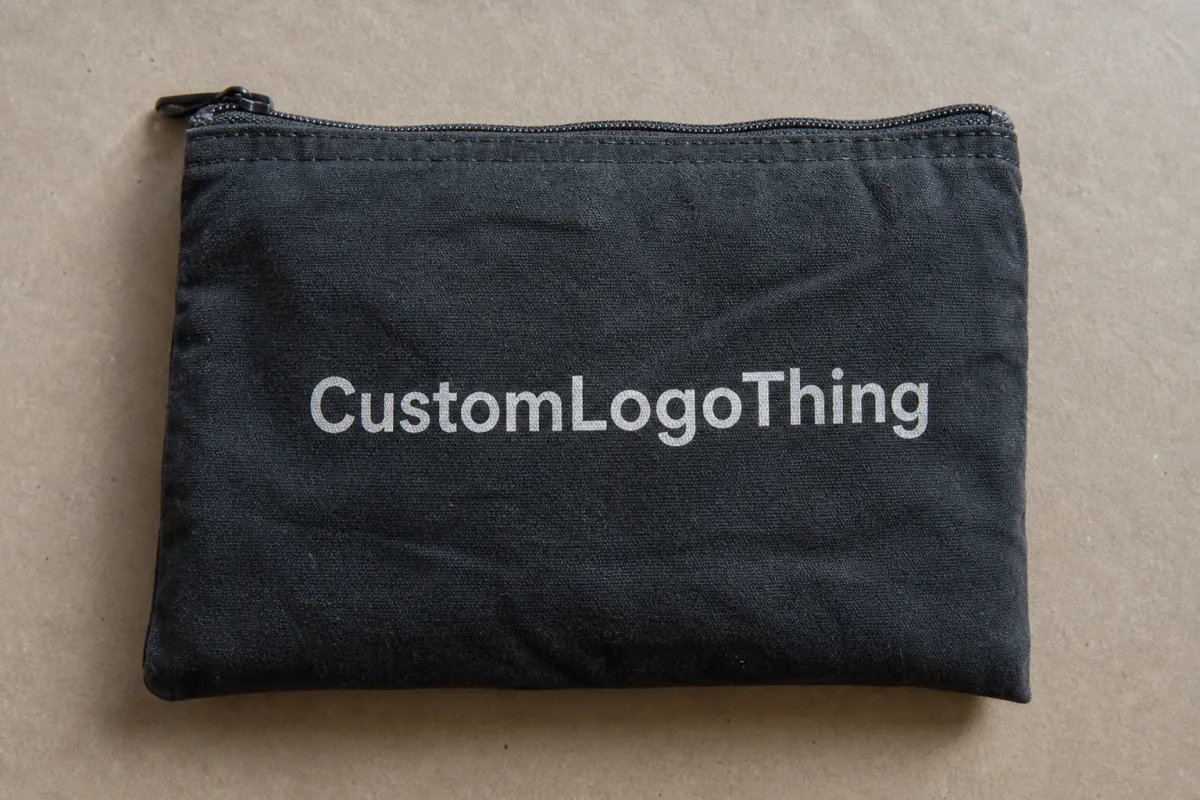
A zip pouch is a flexible bag with a reclosable zipper, a printed exterior, and a sealed body sized to fit a specific fill weight. The format shows up everywhere because it works across food, wellness, and specialty ingredients without forcing the brand into a rigid container. That gives it range. A lot of range.
That mix of structure and decoration is why custom zip pouches with logo earn their keep. The logo is not just decoration. It helps shoppers identify the product quickly, builds confidence, and makes a small package feel intentional instead of thrown together. A blank pouch can read like commodity packaging. A well-printed pouch with the right proportions and a clean logo can feel premium even when the contents are simple.
The physical side matters too, even if people like to pretend it does not. The zipper is usually the part customers touch most. The opening action, the resistance of the closure, and the way the top edge sits in the hand all shape how the brand is remembered. A pouch that closes neatly gives off care. A zipper that grabs and fights back does the opposite, even if the artwork is excellent.
Custom zip pouches are not just a graphics choice. They are a piece of packaging design that has to fit the product, the shelf, and the customer’s routine. A snack brand may want a lightweight stand-up pouch with a matte finish and a clear window. A supplement company may need a high-barrier structure with stronger moisture control and more room for regulatory copy. Same category. Very different job.
From a packaging buyer’s point of view, the appeal is simple. One format handles product packaging, branding, and daily convenience in a single piece. If the line includes multiple SKUs, the pouch family can also create a consistent look across flavors or formulas. That makes the brand feel organized. Customers notice that faster than most teams think.
For brands comparing flexible packs, cartons, and sleeves, it helps to look at the broader range in Custom Packaging Products and see how a pouch fits into the full system instead of treating it like a one-off purchase.
How custom zip pouches with logo work on the shelf
A pouch that looks simple outside is usually built from several layers doing very different jobs. The outer print layer carries the visual design. Under that sits one or more barrier layers that slow moisture, oxygen, aroma, or light transfer. The innermost sealant layer allows heat sealing and product containment. Then comes the zipper, and often a bottom gusset or stand-up structure that helps the pouch sit upright in retail packaging displays.
That layered construction is why one pouch fits coffee, another fits jerky, and another fits bath salts. The outside shape may look similar, but the film recipe and barrier level are not the same. Dry snacks may only need a moderate moisture barrier. Oxygen-sensitive ingredients need far more attention because freshness and aroma retention often matter more than the finish on the print.
The shelf effect goes beyond protection. A matte pouch reads differently from a glossy pouch, even with the same logo. Metallic films feel more assertive and can point toward premium positioning. A clear window lets the product do the talking. Finish and structure should be chosen together, not treated like separate errands. A glossy pouch with saturated colors can feel energetic and food-forward. A soft-touch matte finish may fit wellness or specialty goods better, where the brand wants a calmer, more refined look.
Usability counts just as much. Most buyers want a tear notch for first opening, a zipper for reclosure, and a wide mouth that makes filling and pouring manageable. A pouch that is too narrow becomes annoying during sealing. A pouch with a tight opening makes pouring messy. Small failures like that shape whether the package feels easy or irritating, and that affects repeat purchase behavior more than a lot of teams want to admit.
One simple rule saves people from themselves: the package should make the product easier to use, not just easier to notice. That matters even more with custom zip pouches with logo, because the logo gets attention, but the mechanics decide whether the customer trusts the pack after the first use.
A classic buyer mistake is approving artwork before locking the structure. That order causes trouble. The smarter path is to confirm the pouch format first, then build the branding around the real space, seals, and closure behavior.
Key factors that shape performance, look, and feel
Film structure usually comes first. Common choices include PET/PE laminates, PET/VMPET/PE for stronger barrier performance, and paper-faced composites when the brand wants a more natural look. Each one changes stiffness, clarity, print appearance, and shelf-life support. A dry bakery item with a short distribution chain may not need the same package as a powdered supplement shipped through hot and humid climates. The right answer depends on sensitivity to moisture, oxygen, aroma loss, and light exposure.
Size trips up first-time buyers more often than it should. If the pouch is too small, the fill line crowds the zipper and creates sealing problems. If it is too large, the product slumps and the front panel wrinkles, which makes the pack look underfilled on the shelf. That visual slack matters in retail packaging because shoppers often judge value by fullness before they read a single word.
Closure and finishing options add another layer of tradeoff. A standard zipper is the baseline. A child-resistant zipper may be necessary for certain products, but it also changes the user experience and the cost. Matte film, gloss film, soft-touch lamination, spot varnish, clear windows, hang holes, and rounded corners all affect how the pouch feels in hand and how it displays in a store. Every feature should earn its place. If it does not help the sale or the user, it is just a line item.
Compliance belongs at the front of the conversation too. Food contact requirements, resealability expectations, shelf-life targets, and storage conditions should be checked early. For food and wellness brands, the pack needs to work in real transit and real storage, not just in a render. Light-sensitive products and clear windows can clash. Odor-rich products and weak aroma control can create complaints long before the branding has a chance to do its job. Regulations also vary by market, so a pouch approved for one region may need changes before it can ship somewhere else.
There is also a practical relationship to other forms of branded packaging. A pouch can cover some of the work that a label, a carton, or a sleeve would normally carry, which is why it is often used alongside Custom Packaging Products that complete the set, such as inserts, shippers, or matching retail boxes.
| Structure | Best For | Typical Strength | Relative Cost at 5,000 Units |
|---|---|---|---|
| PET/PE printed stand-up pouch | Dry snacks, granola, candy, general retail goods | Good print clarity and moderate moisture protection | $0.18-$0.30 per unit |
| PET/VMPET/PE high-barrier pouch | Supplements, coffee, aroma-sensitive powders | Better oxygen and light resistance | $0.24-$0.40 per unit |
| Matte soft-touch pouch with zipper | Premium wellness, cosmetics, specialty foods | Stronger tactile feel and upscale shelf presence | $0.26-$0.42 per unit |
| Paper-look composite pouch | Natural or craft-positioned products | Brand story appeal with moderate barrier options | $0.22-$0.38 per unit |
The table is a planning tool, not a final quote. Real pricing shifts with print coverage, pouch size, zipper type, finish, and freight. Even so, it gives buyers a practical starting point when comparing options and deciding how much visual finish they actually need.
For products that will be shipped, stacked, or dropped during distribution, it helps to think about pack performance the way a packaging engineer would. The ISTA test framework is a useful reference for compression, vibration, and handling stress, even if the final order is not certified through a formal lab program. If the pouch needs to live inside a shipper or mailer, that context matters.
Step-by-step guide to ordering custom zip pouches with logo
The cleanest orders start with a clear product brief. Define what is being filled, whether it is dry or oily, how much it weighs, what shelf life is expected, and whether the pouch must stand upright or simply travel well in a case pack. Those details tell the supplier much more than a logo file alone. A 4 oz powdered mix, a 1 lb coffee blend, and a 12 oz pet treat need different pouch dimensions and different barrier assumptions.
Then choose the pouch structure. Size, gusset style, zipper type, and film recipe should be set before the graphics go deep. That sequence saves time because artwork can be built to the real dieline instead of being jammed into it later. If the pouch needs repeated resealing, the zipper has to fit that use case. If first-opening convenience matters, the tear notch and top seal area need enough room to function cleanly.
Artwork preparation is where many projects lose speed. The logo may be ready, but the package still needs safe zones, bleed, barcode space, ingredient or legal panels, and any required instructions. If the panel gets crowded, the design starts to feel busy and the logo loses impact. Clean retail packaging usually comes from disciplined spacing, not from cramming every message onto the front.
Request a sample or proof before full production. This is the point where color shifts show up, zipper feel becomes obvious, and panel alignment can be checked in hand. Screens hide problems that become painfully obvious on printed film, especially with dark solids, metallic effects, or small text. A sample is also the easiest point to decide whether the pouch needs a slightly different width, a taller body, or a different finish.
Use a production-ready approval checklist before anything moves forward:
- Confirmed pouch dimensions and fill weight
- Final artwork version with print notes
- Material structure and finish
- Zipper style and any special closures
- Barcode and regulatory text placement
- Delivery address and target date
Once those details are locked, custom zip pouches with logo move through production with far fewer surprises. That is the point where planning shows up in the finished package instead of in a long email thread full of apologies.
Process and timeline: from artwork to finished pouches
The production path usually starts with prepress review. Files get checked for image resolution, font handling, panel alignment, ink coverage, and dieline fit. If anything is unclear, the artwork gets corrected before print plates or digital setups move forward. That review may feel slow, but it prevents much more expensive mistakes later. On a complex order, a few hours spent checking the layout can save days of rework.
After proof approval, printing begins. Depending on the run, the pouch may be printed through gravure, flexographic, or digital methods. Each route has strengths. Digital works well for shorter runs and faster changes. Gravure can make sense for larger volumes where color consistency and repeatability matter. Flexographic sits in the middle for many applications. The right choice depends on quantity, artwork complexity, and the level of detail the brand wants on press.
Once the film is printed, it is laminated if the construction calls for it, then cured or rested so the layers stabilize. After that, the material is slit to width, converted into pouch form, fitted with a zipper, and inspected. Final packing follows. A lot happens between the artwork file and the pallet, which is why a simple-looking pouch can still involve several checkpoints.
Timeline varies for good reasons. A small stock-based order may move faster than a fully custom format. A larger order with multiple SKUs, metallic effects, or special finishes will naturally take longer. Sample turnaround can be quick, but full production still needs setup, calibration, and quality checks before shipment. Buyers who treat sample timing and production timing as the same thing usually end up frustrated.
In practical terms, a straightforward run may take around 12-20 business days after proof approval, while a more complex custom order can take longer depending on quantity and finishing. Freight can add another variable. If the launch date is fixed, the safer plan is to leave room for internal review, testing, and transit instead of assuming the first delivery window will be the only one.
If the launch also includes paper inserts, carton sleeves, or outer boxes, using FSC-certified paper can be a smart way to keep the sustainability story consistent across the pack system. The FSC framework matters most when the pouch is part of a broader branded packaging set rather than the only visible piece.
Cost, pricing, MOQ, and what changes your quote
Pricing for custom zip pouches with logo is shaped by more variables than most buyers expect. Material thickness is one of the biggest. Barrier level is another. Then come pouch size, print method, zipper style, finish, windows, hang holes, child-resistant closures, and any tamper-evident details. The more the structure has to do, the more the unit price tends to climb.
MOQ, or minimum order quantity, matters because setup costs get spread across the run. A smaller order usually carries a higher unit price because the press setup, conversion labor, and inspection time are divided over fewer pieces. Larger runs usually bring the per-piece cost down, sometimes sharply. That does not mean bigger is better. If the product is still being tested in market, an oversized buy can create storage pressure and lock in artwork before the market has done its job.
A fair quote comparison looks at structure, not just the lowest number on paper. One vendor may quote a lower price but use a thinner film, a simpler zipper, or less print coverage. Another may include a matte finish, stronger barrier, or tighter color control. Those are not the same package. Compare only unit price and you can miss the real difference in shelf performance and customer perception.
It also helps to ask about landed cost. Freight, sample charges, tooling, design assistance, rush fees, and split shipments can all change the final number. For a brand planning a retail launch, the delivered cost is the number that matters, not the factory quote by itself.
Here is a practical way to think about budget tiers:
- Value-driven: standard size, limited print coverage, simple zipper, no special finish.
- Mid-range: custom dimensions, better barrier film, matte or gloss finish, clear branding panel.
- Premium: soft-touch finish, stronger barrier, custom window, specialty zipper, and more exact print control.
If cost is the main pressure point, simplify the structure before cutting the logo size or stripping out functional features. Keep the dimensions standard where possible, avoid unnecessary spot effects, and use artwork efficiently so the print run does not get more complex than the product needs. A simpler pouch can still look polished if the layout is disciplined.
Common mistakes to avoid with custom zip pouches
The first mistake is guessing size. A pouch that looks right in a mockup can fail in real life if the product is bulky, powdery, oily, or needs headspace for sealing. Headspace is not wasted space. It is often the difference between a pouch that closes cleanly and one that keeps pinching the fill line. That is one of the most common reasons first-run approvals need revision.
The second mistake is treating the barrier layer like an afterthought. Plenty of buyers spend most of their energy on graphics and forget that the wrong film can shorten shelf life, weaken aroma control, or create storage issues. For food and wellness products, packaging design should support freshness first and visual appeal second. A beautiful pack that fails in transit is still a failure.
Artwork is the third trap. Logos placed too close to the seals can disappear into the edge, tiny legal copy can become unreadable, and barcodes placed in glare-heavy areas can scan poorly. Low-resolution art files are another common problem. Once those issues make it to press, the result is either delay or compromise, and neither one helps the launch.
Function gets overlooked too. If the zipper is hard to close, the pouch may look fine but disappoint the end user. That matters because a packaging problem is not always obvious on day one. It shows up after a week of opening and reclosing. For consumables, that frustration can quietly weaken repeat purchase behavior.
One more caution: do not assume all pouches are interchangeable just because they share the same general shape. Two vendors may offer similar-looking retail packaging at very different quality levels. The cheapest option is not always the best value if it sacrifices freshness, durability, or print stability. That is true whether the product is a snack, a supplement, or a specialty ingredient.
In plain English, the logo is only part of the decision. The pouch has to perform in the hand, on the shelf, and in the supply chain. That is what separates a decent-looking pack from a truly dependable one.
Expert tips and next steps before you request samples
Before you contact a supplier, gather the basics: product type, fill weight, shelf-life target, dimensions, artwork files, and expected order quantity. Those details usually determine how quickly a quote comes together and how many revision cycles you will need. If the supplier has to guess the product behavior, the answer will be slower and less accurate. No surprise there.
Ask for material and finish recommendations based on the real product, not just the render. A pouch that looks impressive on screen may be wrong for shipping or storage, while a simpler structure may perform better and cost less. The best decisions usually come from balancing appearance with the actual use case. That applies across branded packaging, whether you are ordering pouches, labels, or Custom Printed Boxes.
Testing should happen early. Put the product into the pouch, seal it, open it, reseal it, and see how the package behaves in the hand. Check whether it stands correctly, whether the zipper closes evenly, whether the seal is strong, and whether the printed front panel still reads well once the pouch is filled. If possible, run a small internal drop, vibration, or shipping check so you know whether the pack holds up before the larger run starts.
A short approval checklist keeps the launch organized:
- Final pouch size and fill weight
- Artwork version and barcode placement
- Material structure and finish
- Proof approval date and target ship date
- Freight method and delivery destination
If you are still comparing options, look at the broader range of Custom Packaging Products and decide whether the pouch should stand alone or work alongside labels, cartons, or display packaging. That wider view usually makes the final purchase smarter and more consistent across the line.
One practical takeaway: finalize the pouch structure before you polish the artwork. If the size, barrier, zipper, and finish are right, the logo has room to do its job. If those pieces are wrong, even strong branding ends up working overtime to cover for the package, and packaging should not need rescuing.
FAQ
What products work best in custom zip pouches with logo?
Dry goods are the most common fit: snacks, granola, coffee, tea, supplements, pet treats, and many cosmetic sample formats. The zipper supports repeated opening and closing, which is useful whenever the customer will return to the package more than once. If the product is freshness-sensitive, choose the barrier structure first and the artwork second, because the logo cannot make up for weak film performance.
How do I choose the right material for custom zip pouches with logo?
Start with the product behavior. Dry, oily, aromatic, moisture-sensitive, and light-sensitive goods each need different film performance. Then look at storage conditions, shipping distance, and shelf-life goals. If you are unsure, ask for material samples and compare them in hand, because stiffness, clarity, and finish are easier to judge physically than on a screen.
What affects custom zip pouch pricing the most?
Quantity, size, material structure, print method, and zipper style usually have the largest effect on unit cost. Add-ons like matte finishes, windows, child-resistant closures, and special shapes can raise the price. Freight, proofing, samples, and rush timing can change the landed cost as well, so compare the full delivered number instead of only the factory quote.
How long do custom zip pouches with logo usually take to make?
Lead time depends on artwork readiness, pouch complexity, quantity, and whether the order uses a standard structure or a fully custom one. Proof approval is often the biggest variable because production cannot move until the details are confirmed. If timing is tight, ask early about sample turnaround, production schedule, and shipping method so the launch date stays realistic.
What artwork files should I prepare for custom zip pouches with logo?
Vector logo files, editable text, and high-resolution images are the safest starting point for print production. Include barcode placement, ingredient copy, regulatory text, and any required safe zones or bleed so the layout can be checked before printing. If you do not have a packaged dieline, ask for one and build the artwork directly on it to avoid scaling or placement mistakes.

