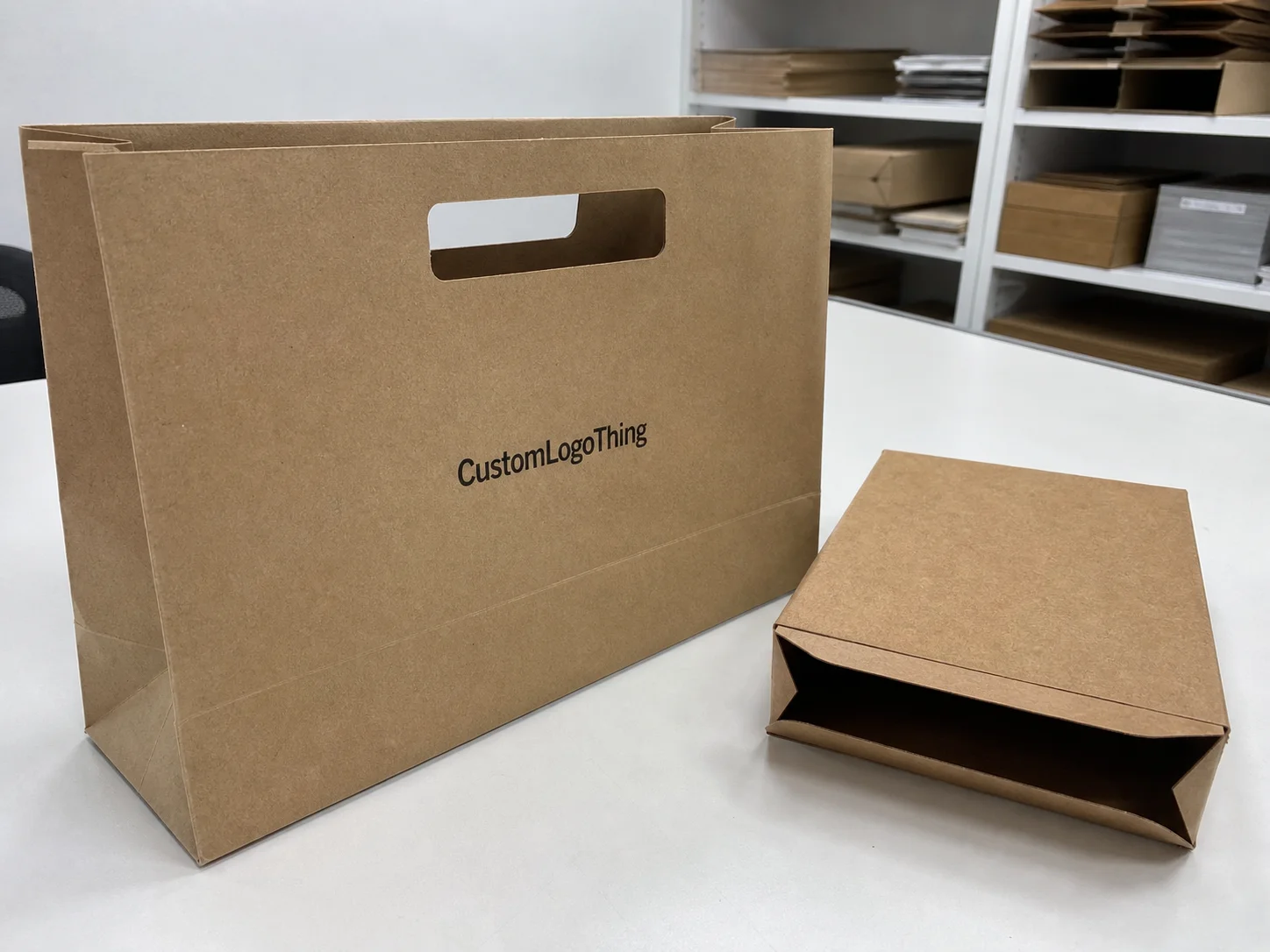
Buyer Fit Snapshot
| Best fit | Litho Printing Packaging projects where brand print, material claims, artwork control, MOQ, and repeat-order consistency need to be specified before quoting. |
|---|---|
| Quote inputs | Share finished size, material target, print colors, finish, packing count, annual reorder estimate, ship-to region, and any compliance wording. |
| Proofing check | Approve dieline scale, logo placement, barcode or warning zones, color tolerance, closure strength, and carton packing before bulk production. |
| Main risk | Vague material claims, crowded artwork, missing packing details, or unclear freight terms can make a low unit price expensive after revisions. |
Fast answer: Litho Printing Packaging: Production Spec, Color Control, and Delivery Risk should be specified like a repeatable production item. The safest quote records material, print method, finish, artwork proof, packing count, and reorder notes in one written spec.
Production checks before approval
Compare the actual filled-product size with the drawing, then confirm tolerance on folds, seals, hang holes, label areas, and retail display edges. Reserve space for logos, QR codes, warning copy, and material claims before decorative graphics fill the panel.
Quote comparison points
Review material grade, print process, finish, sampling route, tooling charges, carton quantity, and freight assumptions side by side. A quote is only useful when the supplier can repeat the same color, closure quality, and packing count on the next order.
What Is Litho Printing Packaging, and When Should You Use It?
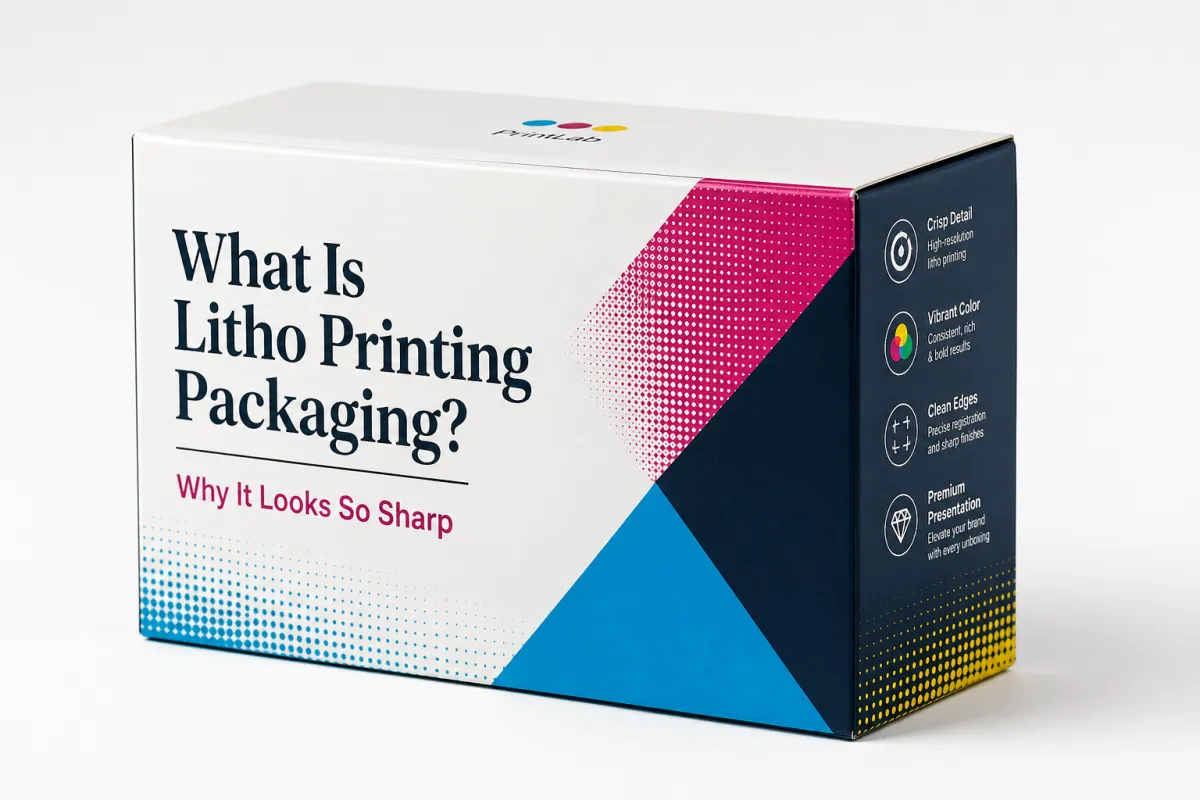
The phrase what is litho printing packaging usually shows up right when a mockup starts looking too expensive to keep revising. That is actually a sensible moment to ask. Litho packaging is, in plain terms, offset lithography adapted for cartons and other pack structures where color fidelity, finish quality, and repeatability matter as much as the shape of the box itself.
The technical answer is useful, but the commercial answer is better. If a pack has to hold brand color from first pallet to final shelf, survive stacking and handling, and keep legal text readable after folding and gluing, then what is litho printing packaging stops being a label and becomes a production decision. It is a controlled route through prepress, plate-making, printing, finishing, and conversion. Miss one stage and the whole thing gets a little wobbly, kinda like building a nice table on one loose leg.
I have watched teams spend weeks arguing about a Pantone swatch while the real problem sat elsewhere: the board stock was wrong for the finish stack. That is the kind of detail that changes outcomes. A carton begins as an artwork file, but it ends as a folded, loaded, inspected object that has to move through a warehouse and still look like the brand story.
If you are weighing digital against traditional methods, this is not just a printing question. It is a logistics question wearing a design hat. what is litho printing packaging usually wins where quantity, strict tolerances, and premium appearance intersect. In categories where a single dull run can blur the shelf presence across thousands of units, consistency is not a nice-to-have. It is the product.
What Is Litho Printing Packaging? Why It Looks So Sharp
Premium cartons often look unnervingly clean because the image was printed before the pack ever took its final shape. A flat sheet carries the artwork first, then cutting, folding, and gluing turn it into the finished box. That is the practical heart of what is litho printing packaging: an offset printing method built for folding cartons, sleeves, rigid wraps, and display packaging that needs crisp graphics and repeatable results.
People ask why not just print directly on the finished box. Sometimes you can, but that is not the usual route for high-end retail cartons. Litho transfers ink from plate to blanket and then onto paperboard or board that will later be converted into packaging. That is different from digital printing, and it is different again from flexographic printing, which is more common on films, labels, and some corrugated applications. Each method has its place. Litho sits in the corner where visual precision and structure need to meet without fighting each other.
What is litho printing packaging used for? Usually, it turns up when a brand needs the pack to carry part of the sales pitch in a tiny space. Think of a skincare carton with photography, a logo, legal copy, and a barcode all sharing one face. Every millimeter matters. Fine detail has to survive varnish, lamination, handling, and store lighting. Digital printing can be excellent for short runs, but litho tends to hold tighter consistency across long runs and cleaner tonal shifts in image-heavy jobs. When the shelf is doing the judging, the box has to speak clearly.
The premium feel people talk about rarely comes from board alone. It comes from the finish stack. Varnish, laminate, spot UV, embossing, and foil can all sit on top of litho-printed sheets, and the result feels controlled from unit to unit. A matte coffee sleeve reads differently from a gloss beauty carton, and that difference is not accidental. I have seen the same artwork feel quiet on one finish and almost loud on another. Litho gives those choices a stable base.
There is a tradeoff, and it is not hidden. Litho asks for more setup than digital: plates, prepress checks, color planning, proof approvals, and usually a few more people looking at the job before it lands on press. That overhead can feel heavy on a short run. The payoff shows up later in the pressroom and again in conversion. Registration stays tighter, long-run color stays steadier, and finishing behaves more predictably. A box with layered patterns and exact brand color has a better shot at arriving exactly as designed.
For buyers of Custom Packaging Products, the decision usually comes down to volume and brand sensitivity. If the run is large enough and color drift is unacceptable, what is litho printing packaging becomes a practical answer rather than a technical curiosity. Tiny runs with urgent delivery often fit digital better. Cartons that need to sell on a shelf, carry premium finishes, and stay consistent across thousands of units usually point back to litho.
The old reputation of litho can be misleading. The name sounds old-fashioned, which makes people assume the method belongs in the back room of packaging history. It does not. Modern what is litho printing packaging often runs alongside tight color-management systems, UV-cured coatings, and inline inspection tools. Think of it less as legacy machinery and more as a disciplined route to a controlled result. That matters when packaging has to move through grocery, e-commerce, and boutique channels without losing its identity.
Why the process creates edge definition
Clean corners do not happen by accident. Litho places each color with tightly managed pressure and ink balance, then holds registration through curing and lamination. That keeps type edges crisp and halftones aligned. Loose registration reads as cheap, even on expensive board. A box can use premium material and still feel low-value if the print looks soft around the edges.
Offset heritage, modern demand
For product packaging that has to stay in front of shoppers long enough for them to compare options, what is litho printing packaging is often the answer because consistency matters as much as appearance. Deep reds, muted blues, and dense blacks can stay stable across long runs. Buyers may not name that consistency, but they notice it the moment they compare one carton to the next. The eye is faster than the spreadsheet.
How Litho Printing Packaging Works, From Plate to Carton
Short answer: what is litho printing packaging begins with prepress and ends with conversion. The longer answer runs through plate-making, press setup, drying, finishing, cutting, folding, gluing, and quality control. That sounds involved because it is. Packaging jobs that need beauty and structure tend to reward process discipline more than speed.
Plate logic comes first. The artwork is separated into color channels, usually CMYK, then spot colors if the job calls for them. Plates are made for each channel. Press operators tune ink fountains, dampening, pressure, and registration until the colors land where they should. Weak files or sloppy prepress work create halos, fuzzy edges, or color shifts that no operator can fully erase. The difference between average packaging and strong packaging often starts right there, at file preparation.
Plate to blanket to substrate
In litho, the image moves from plate to blanket, then onto the sheet. That transfer behaves differently depending on the board. Packaging board is not office paper. A 100 gsm sheet reacts very differently from a 350 gsm SBS board or a 450 gsm C1S stock with soft-touch lamination. Pressure, absorbency, grain direction, and compressibility all matter. Board choice is not just a budget line; it changes how the print behaves.
What is litho printing packaging also depends on what happens after print. Drying time can change the outcome more than people expect. Heavy solids need enough time to avoid blocking and setoff, especially on glossy stock or anything with a varnish layer. Finishing choices come next: matte varnish, gloss varnish, aqueous coating, UV coating, foil, or embossing. Each one changes cost, production handling, and the final feel in the hand.
Print-to-board and lamination workflow
Many premium cartons start as a printed sheet that is mounted to board. Dry mount, solvent adhesive, and lining methods all appear in the market. Some runs print on carton paper and then laminate a film or foil layer on top. Others print on board that will later be die-cut into sleeves, inserts, or rigid-style packs. Both routes can work well. The failure point is usually not the print alone; it is often rushed assembly or poorly timed lamination.
Conversion comes next. That is the stage where the printed sheet becomes a usable package through cutting, scoring, creasing, folding, gluing, and inspection. A 12 mm scoring error can create a visible gap and a structural problem at the same time. A strong print still fails if the fold logic is wrong. Buyers who understand this check the die-cutting stage before approval, not after the first pallet arrives.
Put another way, a carton that feels like a single finished object probably passed through proof approval, drying checks, cut alignment tests, and fold trials. Miss one of those gates and the cost moves downstream in the form of rework, returns, or line stoppages. That is the practical edge of what is litho printing packaging: it is a sequence with consequences, not a single event.
What is litho printing packaging is less a mystery than a chain of handoffs. A supplier that shares stage-by-stage timing is usually easier to trust than one that only shows the finished mockup. Ask for the points where approval happens. It is the simplest way to keep problems from surfacing after the cartons are already in transit.
"A clean sheet before die-cutting is not the end of printing, it is only the beginning of packaging quality."
Key Factors That Affect Litho Printing Packaging Quality and Cost
The real economics start before ink hits the board. What is litho printing packaging quality depends on substrate, finishing, color count, and tolerance control long before the press starts. Buyers who skip those decisions early often pay for fixes they could have avoided. A clear brief saves far more than a rushed revision.
Board stock is usually the biggest lever. Smooth, well-calibrated paperboard holds type better and keeps fine details clearer. Rough stock or low-grade board can scatter ink and muddy thin lines, especially in high-contrast artwork. Many premium jobs use 300 to 400 gsm board or a rigid equivalent because the structure and the image both improve. That stiffness also helps with shipping and retail display.
Finishing changes both look and price. Varnish is not just shine. Matte, silk, and soft-touch coatings alter reflectivity and can change how the box reads under store lighting. Spot UV adds gloss accents to selected elements while leaving the rest subdued. Foil and embossing bring texture and depth, but each additional layer adds time, handling, and cost. Soft-touch lamination often appears in cosmetics and premium food packaging, though it needs careful budget planning.
Stock and structure first
Predictable moisture content helps litho printing packaging behave properly. Humidity changes can shift dimensions, especially on fold-heavy layouts. Ask about incoming board checks when the run is long or the carton has tight fold tolerances. Thin hairlines near a fold zone can disappear if the board moves during production. Good plates cannot compensate for unstable stock.
Color complexity has a direct effect on price. CMYK is the baseline, but every added Pantone color raises the plate count, the mixing work, and the proof loop. Brand reds and blues are common trouble spots because they shift under coating. What is litho printing packaging often hinges on how carefully those colors are controlled. Many suppliers now provide spectrophotometer readings and dE tolerances. If the spec does not define a target, “close enough” becomes a costly phrase. ASTM and ISTA references also show up here because compression and transit tests help prove the packaging will survive the route, not just the proofing table.
Quantity changes the math in a dramatic way. Setup costs stay largely fixed per job: plates, calibration, proofs, and press setup all happen before the first useful sheet is counted. That makes a 1,000-unit run look expensive per piece, while a 10,000-unit run spreads the same overhead much more efficiently. Buyers often see a strong per-unit drop somewhere between 2,000 and 10,000 pieces, assuming the artwork and finish stack stay stable. The exact numbers depend on board, finish, and shipping.
Tolerance and waste
Waste is easy to underestimate because it hides in make-ready and trim allowances. Litho jobs commonly include a buffer for setup waste, and the amount can rise when the job has dense graphics, multiple finishes, or tight cut tolerances. A complex edge pattern usually means more spoilage than a simple one-color box. That matters more on the invoice than most buyers expect.
What is litho printing packaging becomes more affordable when the spec stays fixed. Revisions after plate approval can touch file correction, plate remakes, reproofing, press downtime, and scrap. Packaging engineers usually separate creative exploration from production-ready files for exactly that reason. A brand team that changes color on the eve of shipment is buying trouble.
Sustainability adds another layer. Buyers often ask about FSC-certified board and recycled fiber content. Those details matter for procurement, especially in retail channels that ask for documented sourcing. FSC-aligned material choices can also make agency approvals easier because the sourcing trail is easier to explain. The relation between sustainability and what is litho printing packaging is practical, not decorative.
Packaging Associations and similar industry bodies often discuss material recovery, recycling compatibility, and structural choices that affect packaging over time. In procurement terms, those details can reduce risk with larger retail accounts, even if they add complexity in the short term.
Step-by-Step Litho Printing Packaging Process
Here is a realistic flow for what is litho printing packaging. Teams that treat the process as a chain of approvals usually get better outcomes than teams that assume the press can fix everything later.
1) Build the technical brief first
Start with dimensions, carton structure, sales channel, and finish preferences. The brief should say whether the pack is retail-facing, display-ready, or meant for inner protection only. Include legal text size, barcode position, minimum contrast, and whether the box must run through automated packing equipment. That first sheet sets the tone for the entire project.
Many projects go wrong because the first handoff includes only a logo and a screenshot. If the carton needs a thumb notch, a side fold, or a glue tab, say so at the beginning. Converters do not have room to guess. Guessing at structure is how distortion begins.
2) Prepress with standards in mind
Move into prepress with a proper dieline, bleed, safe zones, and color references. If the printer wants 3 mm to 5 mm bleed, use it unless there is a real production reason not to. Fold lines are not a design accent. Keep critical graphics away from crease zones unless the structure has been tested. Packaging is full of places where a beautiful layout can become a weak one.
Resolution should match the job. Final photos usually need 300 dpi or better, while small details may need more. Fonts should be outlined or packaged with the job files. ICC profile direction helps if the printer uses calibrated color workflows. By this stage, what is litho printing packaging has moved from a general idea into a technical process with very little room for ambiguity.
3) Proofing and sample review
Approve proofs before plates are made. That step sounds obvious, yet it is where many expensive mistakes are caught late. A hard proof, plus a press sample, gives the team a better read on color, registration, and finish response. If the client expects a metallic turquoise and the proof lands as a flat grey-blue, the issue is usually either the profile or the substrate. Better to catch that before the run.
Quality checks should include color match, registration tolerance, barcode contrast, edge coverage, and lamination behavior. A folded sample tells you more than a flat print ever will. Fold it, open it, close it again. A box that behaves poorly in the hand will do the same in the warehouse.
4) Production and finishing
Once the proof is approved, the production plan should define clear stages: plate setup, proof verification, print run, drying, coating, and conversion. In medium-volume jobs, production speed varies widely by press class and stock, and complex finishes slow things down. A run with heavy board and multiple coatings will not move at the same pace as a simple one-color carton. Deadlines that ignore that reality usually create pressure where quality should live.
That pressure shows up fast. A shop can make good-looking prints and still miss a launch if the finishing queue is overloaded. The schedule has to account for drying and curing, not just the actual press time. That distinction saves more projects than people admit.
5) Converting, QA, and fulfillment
Cutting, creasing, folding, and gluing happen here, along with inspection. Seam strength, fold consistency, and visual sampling all matter. Export cartons should be checked for compression and drop resistance before launch. ISTA transit testing and ASTM-style compression references help buyers confirm that the pack will survive distribution. For B2B supply, approved samples should travel with the shipment so the customer can compare production against sign-off.
Timelines tend to stretch at this point, not because the print was wrong, but because finish-heavy jobs take time to convert. Add foil, embossing, spot UV, and a die-cut window to a 3,000-unit run, and the schedule becomes more delicate. Well-run projects often move from proof approval to freight in 12 to 20 business days, but only when approvals land on time and artwork is already locked.
By this stage, what is litho printing packaging is no longer a theory lesson. It is a production discipline. Clear checkpoints make it dependable. Loose process turns it into a guessing exercise.
Cost and Pricing in Litho Printing Packaging
Pricing conversations separate careful buyers from rushed ones. A useful quote breaks every major cost into a comparable line item. For what is litho printing packaging, that usually means setup, plates, substrate, finishing, conversion, and freight. If one supplier hides conversion under a vague heading, ask them to unpack it.
Quote anatomy you should read like a pro
A useful quote should show:
- Design and prepress support scope
- Proofing format (digital proof + press sample charges)
- Plate count and plate cost
- Paperboard or B-flute/corrugated substrate by GSM and source
- Print area and coating type
- Finishing stack per pass (foil, varnish, UV, emboss, hot stamping)
- Converting cost (die-cut, creasing, folding, gluing, packaging format)
- Inspection, freight, and waste allowance
| Option | Typical Quantity Sweet Spot | Setup Cost Profile | Per-Unit Cost Trend | Strengths |
|---|---|---|---|---|
| Litho (offset) | 2,000–100,000+ | Higher upfront (plates, calibration, proofing) | Highest in low qty, best drop after initial run | Consistent color, premium finishes, structural scale |
| Digital packaging | 100–8,000 | Low to medium, fast setup | Stable small-run pricing, rises per unit at scale | Fast iterations, ideal for variable data and short lead time |
| Flexo (film/pack specific) | 10,000+ | Medium setup, depends on cylinder work | Efficient for long runs on selected materials | Durable on films, often selected for high-volume food packs |
The pattern is easy to miss if you look only at the headline number. What is litho printing packaging often becomes the better economics choice once volume rises. A carton might land around $0.45 to $0.75 per unit at 1,500 pieces, then fall to $0.20 to $0.32 at 12,000 pieces if the spec stays steady. That is not a fixed quote; it is the shape of the curve buyers often see when the setup cost gets spread across a larger run.
That curve explains why many teams overpay on short quantities while thinking they are optimizing. They are buying flexibility but paying for the wrong kind of flexibility. With litho, flexibility is in paperboard conversion accuracy and finish consistency, not instant revision speed. Once your program moves from launch to repeat, that trade shifts hard toward cost control.
Hidden cost drivers nobody wants to discuss early
Single-color work is cheaper for obvious reasons. The surprise usually comes from the layers around the print itself: extra finish passes, strict Pantone approvals, dieline corrections, and rush charges. Add three special effects, and the finish budget can climb by 20% to 60%, depending on material compatibility and sequencing. Late artwork changes can add another week and pull the budget higher in the same move.
Freight finishes the calculation. A low unit cost at the plant can turn into a poor total if the carton is heavy, the pack size is awkward, or the pallet count is inefficient. Compare landed cost, not just unit cost. That mistake comes up often in what is litho printing packaging conversations because the quoted number looks attractive while the shipping and rework costs stay hidden.
Practical pricing checklist
Before approving any quote, ask suppliers:
- What exact board grade and GSM will be used for this carton, and what other grades can deliver similar rigidity?
- How many setup milestones are included: plates, press proof, press sample, and finishing approval?
- What color tolerance is used, and how is it measured in practice?
- How are waste and make-ready units counted: included percentage or charged separately?
- What changes to lead time or cost happen if one special finish is removed?
If those answers are vague, the quotes are not truly comparable. That is the difference between a controlled launch and a procurement scramble. What is litho printing packaging costs become much easier to read once every supplier is quoting the same elements in the same way.
Common Litho Printing Packaging Mistakes to Avoid
Most packaging problems are predictable, which means most of them are preventable. The biggest mistake is treating litho like digital and expecting the same pace. What is litho printing packaging includes setup stages that are physical and finite: plates, proofing, coating, and conversion. Push those too fast and quality usually pays the price.
Mistake 1: Underestimating time and sequencing
Some buyers want final approval inside a week and still expect a long list of finish effects. That can work in a few digital jobs, but litho adds touchpoints every time the stack gets more complicated. Embossing plus two varnish layers needs more time than a basic carton. A large share of missed launch dates comes from internal planning, not the supplier. The schedule was built as if every variable could be changed on day five.
Mistake 2: Weak file prep and no folding logic
Artwork that looks crisp on a monitor can turn ragged on board. Low-resolution images, thin rules, and poorly placed text often become visible problems once the sheet is printed and folded. Bleed must be set correctly. The dieline must be locked. Safe zones near creases matter more than teams expect. A logo that feels fine in a PDF can read blurry once the fold line cuts through it.
Mistake 3: Chasing too many effects
Special finishes are tempting. One treatment can elevate a pack. Six treatments can turn into a delay machine. Every extra pass changes drying behavior, registration tolerance, and handling time. If what is litho printing packaging is the core production path, focus on one or two effects that support the brand story. Effects that exist only to impress a committee tend to create more work than value.
Mistake 4: Ignoring mechanical performance after the print
Visual approval is only half the job. Shipping teams care about stacking strength, seam durability, and opening behavior. A pack can look flawless on a table and split at the glue seam on a pallet. Ask for fold testing, compression checks, and drop simulation before the full run starts. Standards such as ASTM and ISTA help anchor that conversation in evidence rather than opinion.
Most complaints after launch are structural, not visual. That is the part buyers overlook when they approve a gorgeous flat proof and skip the prototype. A pre-production sample can save a launch from expensive correction cycles. What is litho printing packaging becomes expensive only when the practical tests are skipped and the fix comes after production is already underway.
Expert Tips and Next Steps for Litho Printing Packaging
Here is the playbook that keeps the process under control. Begin with a prototype stage. Samples cost money, but they also reveal the problems that are cheapest to fix early. For launches where the packaging has a storytelling role, the sample should include the full finish stack, fold behavior, and assembly sequence. A plain flat mockup does not tell the full story.
Use total landed cost as your decision rule
Many procurement teams compare unit price only. That leaves out freight, handling, waste, finishing, and rework risk. Compare the full landed cost per order, not the sticker price. A higher unit quote can still win if the finish is more efficient, the freight cube is smaller, or the scrap rate is lower. This matters especially for retail packaging where dimensions affect the shipping cube more than the buyer expects.
Ask hard questions about substrate and control
Ask whether the board matches the finish stack you want. Ask for proof approval standards. Ask whether press calibration logs exist. Those questions are not glamorous, but they separate dependable suppliers from vague ones. If your color needs to stay exact, request a defined color-approval workflow and a stated tolerance band. Vagueness today usually means back-and-forth tomorrow.
Manufacturing Capabilities pages should read like production notes, not advertising copy. Look for coating systems, lamination compatibility, and fold-crack control. If the page stays generic, ask for a process sheet before you lock the design. Serious teams answer with numbers, methods, and dates.
Choose references and standards that matter
Trust signals are not slogans. Ask for references to ASTM-based testing where relevant, plus distribution simulation logic if the pack will travel far. For sustainability-sensitive procurement, verify FSC claims and chain-of-custody documentation. For safety-sensitive products, confirm where declarations and certificates are stored before artwork freeze. The point is not paperwork for its own sake. The point is to avoid hidden risk after the cartons are already made.
Action checklist before final approval
Before you lock the artwork, finish a compact checklist: finalize the files and dieline, confirm board and finish, agree on proof type, request test cartons, lock the timeline, and approve the production plan with clear gates. Then place the order. That sequence may feel strict, but strictness is what protects your launch date from becoming a gamble.
“A clear production plan is more valuable than a beautiful file, because the beautiful file still has to pass press, fold, ship, and sell.”
If you are deciding what is litho printing packaging for your next release, the real question is often about risk rather than machinery. Does your team have the approvals, the file discipline, and the right quality checks? Once those pieces are in place, litho printing packaging can deliver strong shelf appeal and dependable production. The best launches do not rely on luck. They rely on control. In practical terms, what is litho printing packaging is also about choosing a repeatable process over a pretty first proof.
FAQ
What is litho printing packaging used for in practical terms?
It is used for premium retail packaging, including cartons, sleeves, rigid-style boxes, and display-ready packs where visual impact and structural confidence matter. It shows up most often when the package needs photography, fine type, or strict brand color control. In many launches, the carton is doing part of the selling before the product is even opened.
Is litho printing packaging better than digital printing?
Not always. It usually performs better on larger runs, tighter finish requirements, and jobs that need repeatable color across thousands of units. Digital printing is often the smarter choice for short runs, frequent artwork changes, and faster lead times. The better method depends on quantity, finish stack, approval speed, and budget pressure.
How much does litho printing packaging cost?
Cost depends on board, size, print coverage, finish stack, and quantity. Setup and prepress charges are spread across the run, so the unit cost usually falls as volume rises. Foil, embossing, strict color matching, and rush timelines are the most common cost drivers. The best comparison uses the full order total, not the unit price alone.
How long does litho printing packaging usually take?
Lead time depends on artwork readiness, proof complexity, number of finish layers, and conversion scheduling. A clean job with moderate finish can move faster than a decorative pack with multiple approvals. A realistic timeline should include prep, proofing, printing, converting, inspection, and freight so the launch date stays grounded.
What files do I need for litho printing packaging artwork?
You need press-ready files with dielines, bleed, safe zones, final color instructions, and high-resolution assets. Outlined fonts and clear finish callouts reduce the chance of interpretation errors. Many teams also include approval contacts and reference color guides, which speeds proofing and limits back-and-forth.
For most teams, understanding what is litho printing packaging is not about memorizing press settings. It is about managing the variables that shape the final result. Do that well, and your retail packaging and Custom Printed Boxes move from mockup to production with far less friction. If you need help with standards, proof cycles, or quote review, the practical next step is to narrow the spec, request a sample, and compare quotes using total landed cost rather than the cheapest line item.