Where Can I Get Custom Stickers Printed for My Brand?
A launch is three weeks out. Subscription boxes are half-packed. A retail event is already on the calendar. Suddenly the “simple sticker” is not simple at all; it is a packaging component with a deadline, a surface, a finish, and a failure point.
If you are asking where can i Get Custom Stickers, the useful answer is not just a list of printers. It depends on what the sticker has to survive: condensation on a bottle, oil on a cosmetic jar, rough corrugated board, sunlight on a decal, or quick peeling at an event table.
A candle warning label, a laptop decal, a food jar label, a shipping box seal, and a giveaway sticker may look similar on screen. Production sees them differently. One needs tiny text to stay legible. Another needs a film stock that will not wrinkle. Another needs an adhesive that can grab a fibrous kraft surface without lifting at the edges.
Where Can I Get Custom Stickers Without Guessing?
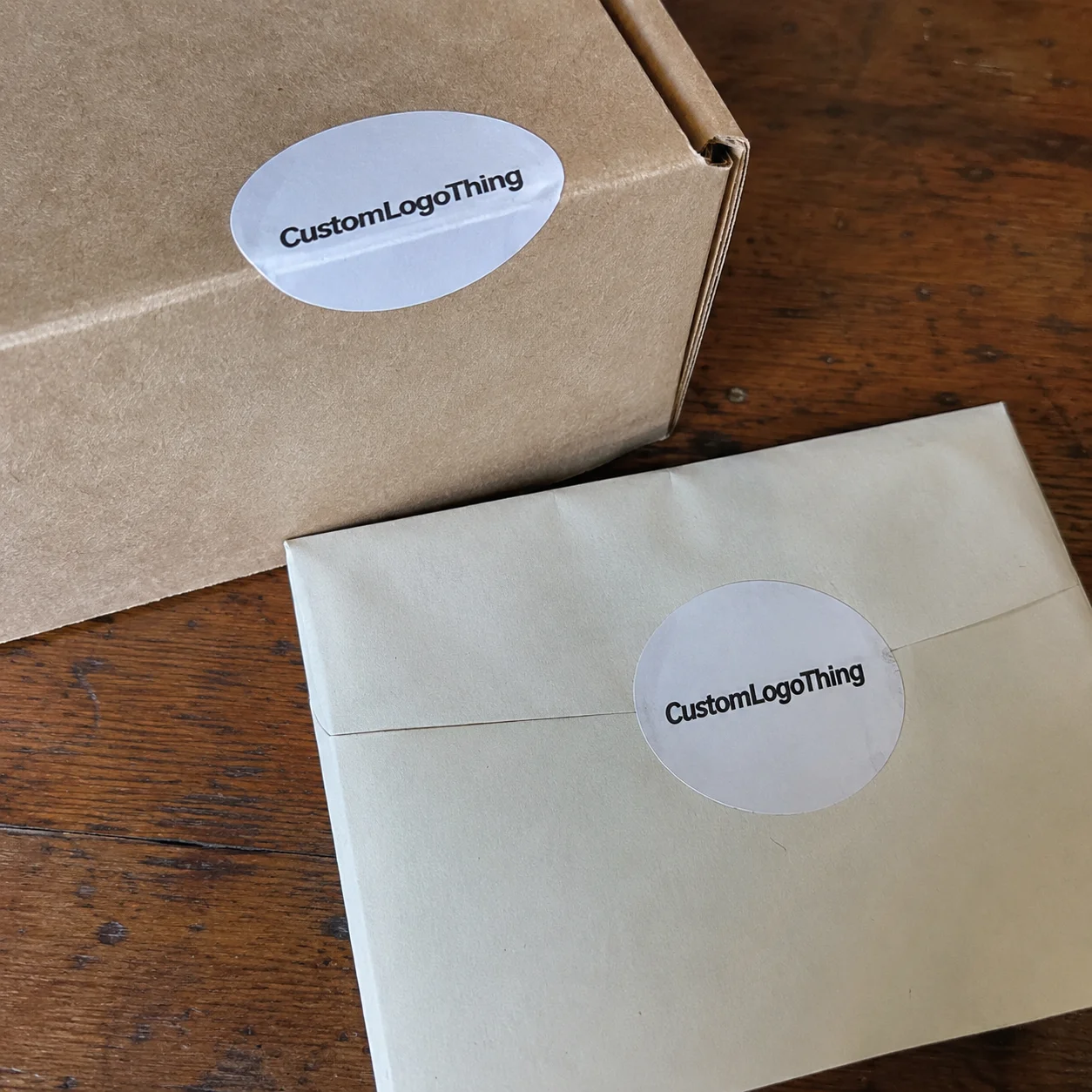
The main sources for custom stickers are online custom packaging manufacturers, local print shops, marketplace sellers, specialty label printers, and DIY desktop printing. None is automatically best. A 2-inch paper circle for a bakery box is a different purchase from a laminated vinyl decal for outdoor gear.
Online packaging suppliers are usually a strong fit when stickers are part of broader branded packaging, especially if you also need Custom Packaging Products such as boxes, bags, inserts, sleeves, or mailers. The advantage is coordination. Color, finish, material, and packing format can be discussed as one system rather than as separate print jobs.
Local print shops can be practical for short deadlines, small batches, and proof conversations that benefit from face-to-face review. They may also be the fastest option when the requirement is straightforward: standard paper labels, basic sheet stickers, or a rush batch for an event.
Marketplace sellers work for low-risk promotional stickers, especially if the design is simple and the usage is temporary. Read the specifications closely, though. “Waterproof,” “vinyl,” and “premium” are often used loosely. Check whether the sticker is laminated, what adhesive is used, and whether the backing format matches how your team will apply it.
Specialty label printers are often better for food, beverage, cosmetics, nutraceuticals, freezer labels, and roll-fed applications. These jobs may need a particular liner, roll core, unwind direction, adhesive, or compliance-friendly layout. A pretty proof is not enough if the label will jam on an applicator or fail in cold storage.
DIY printing has a limited but useful place. For 25 prototype labels, internal event tags, shelf mockups, or early design testing, desktop inkjet or laser sheets may be enough. For retail-ready packaging, DIY stickers tend to show their limits: uneven color, weak moisture resistance, rough edges, toner cracking, or curling after handling.
Practical rule: choose the source after you define the job. A sticker that performs well on a laptop may fail on a chilled glass bottle, a textured mailer, or an oily cosmetic jar.
Before contacting suppliers, gather seven details: final size, shape, quantity, application surface, indoor or outdoor use, exposure to moisture or abrasion, and in-hand deadline. Add the format if you know it: rolls, sheets, or individually cut pieces. That short list prevents vague quotes and reduces the risk of buying the wrong construction.
How Custom Sticker Ordering Works from Artwork to Finished Rolls or Sheets
A proper sticker order follows a production path: define the purpose, choose the material and adhesive, submit artwork, review a proof, approve production, print, finish, inspect, pack, and ship. It sounds formal for something small. It is also what keeps a 5,000-piece order from becoming 5,000 tiny brand problems.
Format comes early. Roll stickers are efficient for machine application or fast hand application at a packing bench. They can be wound inside or outside, and automated labeling usually requires a specific unwind direction. If that detail is wrong, production may be technically correct but operationally useless.
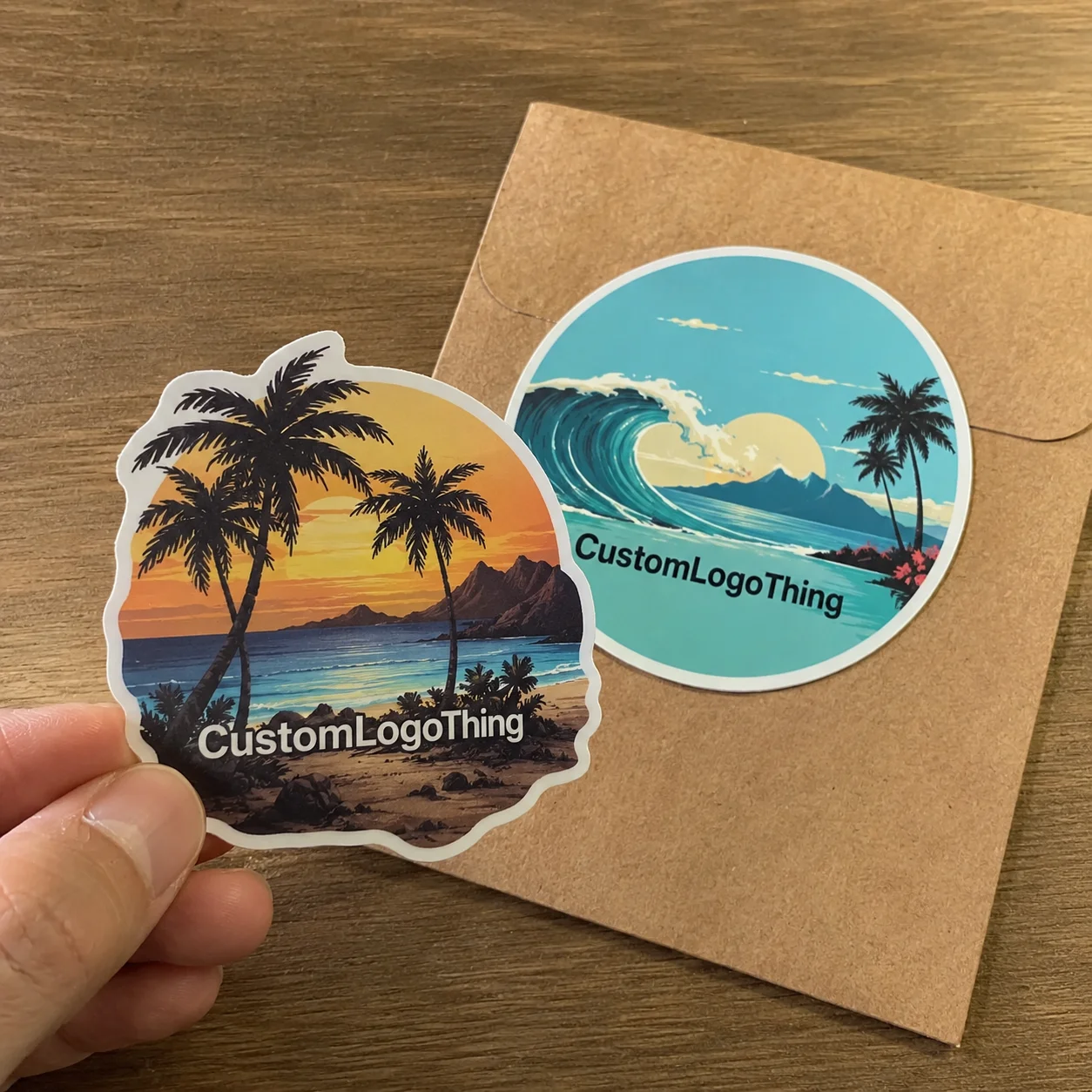
Sheet stickers are easier for small teams, sales kits, event packets, office use, and low-volume fulfillment. Individually cut singles work well for giveaways, thank-you inserts, retail counters, and influencer kits. Kiss-cut stickers keep the backing larger than the sticker itself, which makes peeling easier and leaves room for printed branding around the die-cut shape.
Printing method affects cost, color control, and flexibility. Digital printing is common for short to mid-size runs because it avoids plates and handles design variations well. It is often the practical choice for 250, 500, or 2,000 stickers.
Flexographic production can make sense for larger, repeatable roll label orders because setup costs are spread over more pieces. Offset-style production may be used for certain sheeted or premium jobs where finish, color consistency, or special stock requirements justify the setup. The cheapest method on paper is not always the cheapest method after revisions, waste, and application issues are counted.
Finishing turns printed material into usable stickers. Lamination adds a protective film. Varnish adds a coating. Die cutting or contour cutting creates the shape. Matrix removal strips away the waste around labels on a roll. Slitting cuts wide rolls into narrower rolls, and rewinding sets the final roll direction.
The digital proof is your checkpoint. It should show size, shape, bleed, cut line, artwork position, and any notes for white ink, clear film, foil, laminate, or special finish. Proofs do not guarantee exact screen-to-print color because monitors use light and presses use ink, toner, or pigment. They do catch layout problems before production starts.
Check the proof slowly. Confirm spelling, barcode size, QR code function, legal text, bleed, safe margins, roll direction, and whether the finished size is the size you intended. A sticker order rarely fails because nobody cared; it fails because one small unchecked assumption traveled all the way to production.
Sticker Materials, Adhesives, and Finishes That Fit the Job
Material selection is where many sticker orders either become reliable or start drifting. Paper is economical for indoor labels, dry retail packaging, short-term promotions, insert seals, and box closures. A common paper label may use a coated face stock, permanent adhesive, and glassine liner. It prints cleanly and works well on smooth cardboard or coated cartons.
Paper is not a universal bargain. It can absorb moisture, scuff more easily, and show wear faster on products that are handled often. If a paper sticker is going on a refrigerated bottle, bath product, oily jar, or shipping surface exposed to rubbing, ask hard questions before approving it.
White BOPP and vinyl are better choices when moisture, abrasion, or frequent handling enter the picture. BOPP, short for biaxially oriented polypropylene, is widely used for jars, bottles, pouches, and food labels because it has good water resistance and dimensional stability. Vinyl is common for decals, outdoor promotions, and stickers that need more flexibility.
Clear film gives a “no-label” look on glass or clear plastic. The caveat is opacity. On dark contents or colored containers, artwork printed directly on clear film can look weak unless white ink is printed beneath selected areas. Kraft paper supports natural or handmade branding, but it usually reduces color brightness and offers less moisture resistance.
Adhesive matters as much as the face stock. Permanent adhesive is the default for general branding and retail labels. Removable adhesive is useful for temporary promotions, window decals, sample labeling, or surfaces that should not be damaged. Freezer-grade adhesive is designed to bond in cold conditions, often for frozen foods or refrigerated distribution.
Rougher surfaces may need a stronger adhesive with more aggressive tack. Textured corrugated boxes, uncoated kraft, molded pulp, and flexible pouches with low surface energy can all challenge standard label adhesive. The surface may look flat from a distance and behave like a field of tiny hills under pressure.
Application temperature and service temperature are different specifications. A label may perform well after it has bonded, yet fail if applied to a cold, wet, dusty, or oily surface. For freezer, refrigerator, or bath-and-body products, ask whether the adhesive is intended for the temperature at application, not just the temperature during storage.
Finishes change both appearance and performance. Matte reduces glare and gives a softer retail feel. Gloss increases contrast and makes color appear brighter under store lighting. Soft-touch lamination can feel premium, but it may scuff if handled roughly, so samples are useful for luxury retail packaging. UV varnish or film laminate improves resistance to abrasion and handling.
Sustainability claims need care. A paper face stock does not automatically make a sticker recyclable, compostable, or plastic-free in the way a customer might assume. Adhesives, coatings, liners, inks, and the final package all matter. For fiber sourcing, buyers can review guidance from the Forest Stewardship Council when paper-based materials are part of a broader packaging program.
Durability depends on the full construction. Sunlight can fade inks. Dishwashing can attack edges. Refrigeration can introduce condensation. Oils from cosmetics or foods can soften certain adhesives. A simpler sticker built for the job will usually protect the brand better than a beautiful sticker that curls, smears, or peels early.
Cost, Pricing, and MOQ Factors for Custom Stickers
Sticker pricing is driven by material, size, shape, quantity, print coverage, finish, adhesive type, format, and artwork readiness. A 1.5-inch paper circle on rolls will price very differently from a 5-inch laminated contour-cut vinyl decal supplied as individual pieces. Even small size changes can affect how many stickers fit across a roll or sheet, which changes material yield.
MOQ, or minimum order quantity, is mostly about setup economics. Some digital suppliers can produce 100 or 250 stickers on standard materials. Larger production methods may require 1,000, 2,500, or 5,000 pieces because press setup, tooling, material handling, and changeover time need to be absorbed by the run. Setup time is real labor, not a line-item trick.
| Order Type | Typical Best Use | Common Quantity Range | Indicative Unit Cost |
|---|---|---|---|
| Paper sheet stickers | Indoor packaging, inserts, short promotions | 100-1,000 pieces | $0.08-$0.35 each, depending on size and sheet layout |
| BOPP roll labels | Jars, bottles, pouches, retail product packaging | 500-10,000 pieces | $0.03-$0.18 each for common small label sizes |
| Laminated vinyl decals | Giveaways, laptops, outdoor use, handled items | 250-5,000 pieces | $0.18-$0.75 each based on size, cut, and finish |
| Custom contour-cut singles | Events, influencer kits, premium inserts | 100-2,500 pieces | $0.25-$1.20 each for complex shapes or larger sizes |
These ranges are buying references, not universal quotes. Material costs, freight, artwork condition, supplier setup, and finishing all affect the final number. Still, they help frame expectations. A small roll label might be $0.16 each at 500 pieces, $0.08 at 2,500 pieces, and $0.05 at 10,000 pieces if the material, finish, and shape stay the same.
Shape affects cost more than buyers expect. Standard rectangles, circles, and ovals are usually simpler. Custom contour cuts, multiple shapes in one order, or intricate edges may add digital cutting time, tooling cost, or weeding difficulty. Thin points and tight inside corners are harder to strip cleanly, especially on small stickers.
Hidden costs often sit outside the unit price: rush production, split shipments, special packing, barcode setup, spot white ink, color matching, artwork cleanup, proof revisions, and changes after approval. If stickers need to coordinate with custom printed boxes or other Custom Labels & Tags, ask whether shared color targets can be used across the packaging set.
For quote clarity, request two or three quantity breaks. Confirm whether shipping is included. Ask what the quote covers: proofing, material, adhesive, finish, cutting, packing format, roll core size, and any special production notes. A low quote with vague specifications is not a bargain; it is an unanswered question.
Process Timeline and Turnaround: What Happens After You Request a Quote
After you request a quote, the supplier reviews the specifications, checks artwork, creates or confirms a proof, waits for approval, schedules material, prints, finishes, inspects, packs, and ships. For a standard digital sticker order, production might be around 5-8 business days after proof approval. More involved roll labels or specialty films often run 10-15 business days, and uncommon adhesives or complex finishing can extend that.
The fastest part is often the printing itself. Delays usually come from missing artwork files, unclear dimensions, late proof approval, unavailable material, or a change after the order has already been scheduled. A one-day delay in proof approval can push the ship date by more than one day if the production slot moves.
Lead time and shipping time are separate. Production lead time covers manufacturing. Transit time depends on destination, carrier, service level, customs if applicable, and freight disruptions. If your packing team needs stickers before it can seal cartons, label jars, or build event kits, plan from the date the stickers must be in hand, not the public launch date.
Buyers keep schedules cleaner by sending complete specs in the first inquiry: final artwork, exact dimensions, quantity, finish, application surface, deadline, and notes about moisture, cold, sunlight, oils, or abrasion. If the sticker is part of a broader packaging system, say so. A supplier may recommend a different adhesive or finish once the full use case is clear.
Rush orders are more realistic on standard materials and simple shapes. A rectangle paper label or common BOPP roll label has a better rush chance than a clear film sticker with white ink, soft-touch lamination, and a detailed contour cut. Honest scheduling beats hopeful scheduling, especially for launches, trade shows, seasonal promotions, and retail replenishment.
For transit testing or shipping performance of packed goods, organizations such as ISTA publish packaging test procedures that help brands think beyond the printed piece and consider the full distribution path. Stickers are small, but they often sit on packaging that gets rubbed, stacked, chilled, squeezed, scanned, and handled by people who do not care about the design intent.
Common Mistakes That Make Sticker Orders Look Cheap or Arrive Late
Artwork problems are the first trouble spot. Low-resolution logos, missing bleed, thin borders near the cut line, unoutlined fonts, and RGB color files can all slow proofing or produce disappointing results. Vector artwork such as AI, EPS, or press-ready PDF is preferred for logos, text, and cut lines.
Raster artwork should usually be 300 dpi at final print size, not enlarged from a small web graphic. If a 600-pixel logo looks sharp on a phone, that does not mean it will print cleanly at four inches wide. Screens are forgiving. Cutting, ink coverage, and close-up handling are not.
Size mistakes are just as common. A 2-inch sticker may look perfect on a monitor, then feel too large on a 4-ounce jar or too small on a 10-inch mailer. Print a paper mockup at actual size and place it on the jar, box, pouch, insert card, or mailer before approving. That five-minute check can prevent an expensive reorder.
Choosing by price alone is another trap. The lowest-cost paper sticker may be fine for a dry indoor handout, but it may fail on refrigerated bottles, oily cosmetic jars, bath products, outdoor equipment, or flexible pouches. If the sticker must survive moisture or handling, pay for the construction that supports that job.
Adhesive mismatches can be frustrating because they may not appear immediately. Removable adhesive may lift too soon on textured packaging. Permanent adhesive may damage surfaces if the sticker is meant for temporary use. Applying a standard label to a cold or wet surface often gives poor bonding, even if the same label performs well at room temperature.
Finishing oversights change the final look. Skipping laminate on handled products can lead to scuffing. Choosing gloss can create glare over small text. Using clear material without white ink underprint can make colors look dull or transparent on dark contents. Very small reverse text may fill in during printing, especially on absorbent paper stocks.
Approval discipline matters. Once a proof is approved, changes can trigger delays or extra costs, and sometimes the order may already be in production. Check spelling, dimensions, color notes, cut lines, barcode size, QR code function, and roll direction before signing off. Proof review is where careful brands save real money because it catches small problems before they become full-run defects.
Next Steps Before You Order Custom Stickers for Packaging, Events, or Retail
Start with the purpose. Is the sticker sealing a mailer, labeling a jar, decorating a laptop, marking a sample, closing tissue wrap, warning a consumer, or promoting a retail event? Then measure the application area. Decide whether you need rolls, sheets, or individually cut pieces.
Next, identify the conditions. Indoor use is different from outdoor use. Dry storage is different from refrigeration. A sticker on a rigid box behaves differently from one on a flexible pouch. Moisture, sunlight, oils, abrasion, and frequent handling should all influence the specification.
Prepare artwork in the cleanest format available. Vector files are ideal for logos, type, and cut lines because they scale without losing sharpness. If you use raster artwork, build it at final size with enough resolution and include bleed if the design runs to the edge. Outline fonts or package them properly.
If the design uses clear material, metallic film, white ink, or contour cutting, label those elements clearly in the file or production notes. Do not assume the supplier will infer production intent from the artwork alone.
- Size: provide width by height in inches or millimeters, with the exact finished shape.
- Quantity: request at least two breaks, such as 500, 1,000, and 2,500 pieces.
- Material: mention paper, BOPP, vinyl, clear film, kraft, or ask for guidance.
- Finish: choose matte, gloss, soft-touch, laminate, varnish, or no coating.
- Surface: describe glass, coated board, kraft paper, plastic pouch, metal, or corrugated.
- Deadline: give the in-hand date, not only the event or launch date.
Samples are smart when the surface is unusual. Kraft paper, textured boxes, flexible pouches, glass bottles, refrigerated packaging, and low-energy plastics can behave differently from standard coated cartons. A small material sample or test label can show whether the adhesive grabs properly, whether the finish fits the packaging design, and whether the sticker lays flat after a day or two.
Ask about future reorders before the first order ships. Consistent specs matter for package branding, especially if stickers sit next to boxes, sleeves, hang tags, or printed inserts. Keep a record of the material, adhesive, finish, size, die line, roll direction, and color notes. That record makes repeat orders faster and helps prevent quiet specification drift.
If you are comparing options and still asking where can i get custom stickers, start by matching the sticker to the job it has to do. Then ask for a quote built around real conditions: surface, exposure, quantity, artwork, finish, format, and deadline. A well-specified sticker is not just decoration. It is a small, visible part of the customer’s first impression.
Custom Sticker FAQs
Where can I get custom stickers made for product packaging?
A custom packaging manufacturer is usually a strong fit when stickers need to match boxes, jars, pouches, mailers, or retail displays. Share the application surface, size, quantity, finish, format, and deadline so the supplier can recommend the right material and adhesive. Also confirm whether the stickers will be supplied on rolls, sheets, or individually cut pieces based on how your team applies them.
Where can I order custom stickers in small quantities?
Digital sticker printing is often the most practical route for small runs, product tests, event batches, and early-stage branding. Expect the unit cost to be higher than large runs because setup and proofing are spread across fewer pieces. If you plan to reorder, ask for higher quantity breaks so you can see how pricing changes as volume grows.
What files do I need before getting custom stickers printed?
Vector artwork such as AI, EPS, or press-ready PDF is preferred for logos, text, and cut lines. Raster artwork should be high resolution at final print size, with bleed included if the design runs to the edge. Fonts should be outlined or packaged, and any special notes for white ink, clear material, metallic effects, or contour cutting should be included.
How long does it take to get custom stickers delivered?
Timing depends on proof approval, material availability, order quantity, finishing requirements, and shipping distance. Simple digital sticker orders can move faster than specialty materials, custom adhesives, or complex die-cut shapes. The best way to protect your deadline is to submit complete specs and approve the proof quickly after checking every detail.
Are custom vinyl stickers better than paper stickers?
Vinyl or film stickers are better for moisture resistance, handling durability, outdoor use, and products exposed to refrigeration or abrasion. Paper stickers are often more economical for indoor packaging, short-term promotions, box seals, and dry retail environments. The better choice depends on where the sticker will be applied, how long it must last, and what finish the brand needs.