How to Get Custom Stickers Without Guesswork
A sticker looks cheap before anyone reads the logo if the material, adhesive, or finish is wrong. Businesses get custom stickers for packaging seals, product labels, inserts, retail freebies, event handouts, shipping boxes, and small branded details that need to look planned rather than printed five minutes before a trade show.
Custom stickers are adhesive graphics produced to a chosen size, shape, artwork, material, finish, and quantity. Simple enough on paper. Less simple in production, because a 2-inch matte paper bakery seal, a white vinyl water bottle sticker, and a freezer-grade product label do not live the same life.
Stickers, labels, decals, and seals are related, not interchangeable. Stickers are often promotional or decorative. Labels usually carry product, barcode, warning, ingredient, or compliance information. Decals are built for longer wear, often on windows, equipment, vehicles, or outdoor surfaces. Seals close boxes, bags, jars, cosmetics, supplements, and other packaging where presentation or tamper evidence matters.
The buying decision should start with use, not artwork. A laptop sticker may need scuff resistance and clean die-cut edges. A frozen food label needs adhesive that can behave in cold storage. A candle jar label needs to stay smooth on glass and resist oils from handling. Same rectangle on screen. Completely different construction once it hits a real surface.
Start with the surface, environment, lifespan, and quantity. Glamorous? No. Useful? Absolutely.
Good sticker buying is mostly controlled by unglamorous details: material, finish, adhesive, quantity breaks, artwork setup, production timing, and proof review. Ignore those, and a low-cost order can turn into bad inventory. Tiny print specs matter. Annoying, but true.
Sticker Materials, Finishes, and Adhesives That Actually Matter
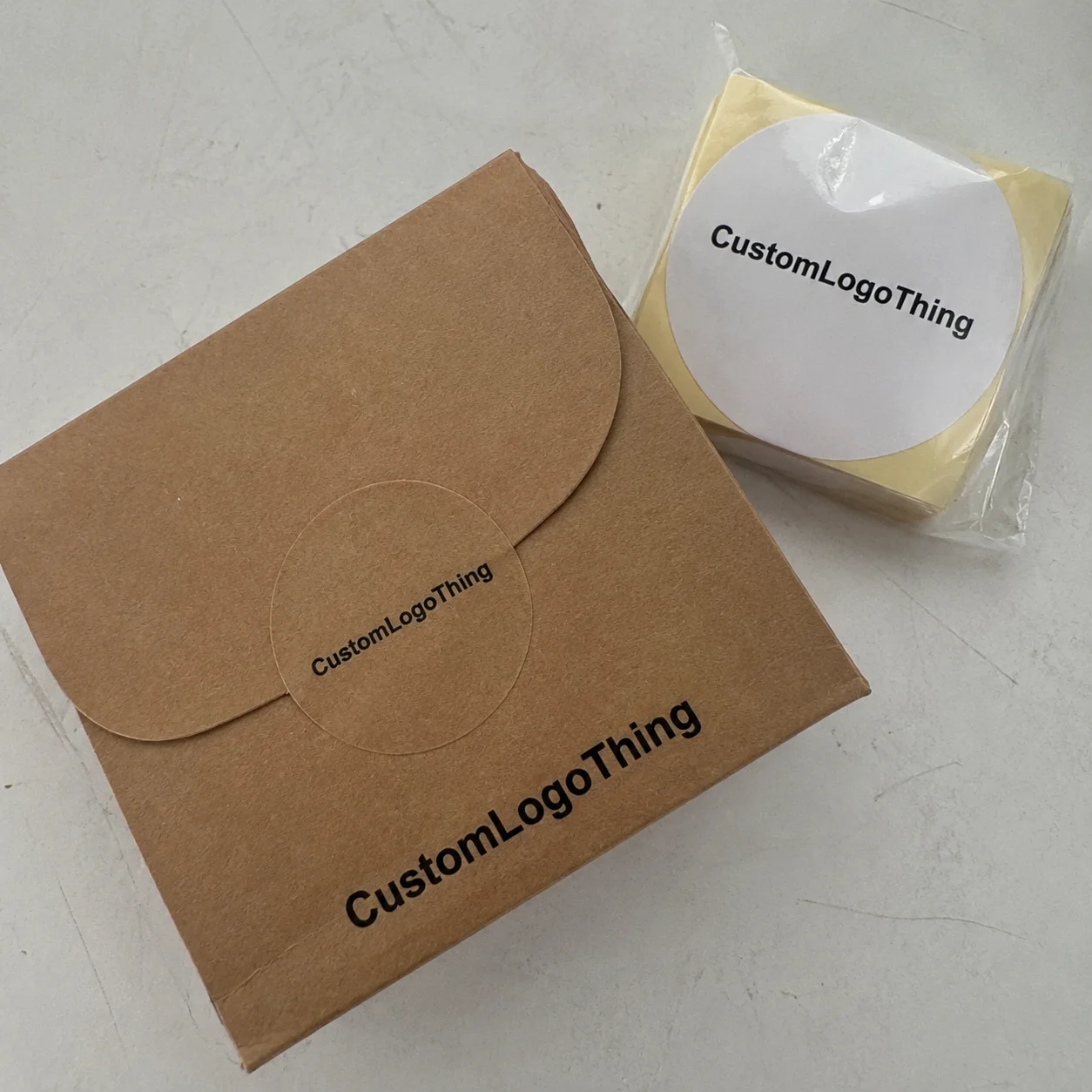
Material choice controls how your sticker prints, feels, sticks, ages, and fails. Paper works well for indoor, short-term use on dry packaging. It is common for bakery box seals, tissue wrap stickers, thank-you inserts, and retail packaging that will not face moisture or heavy handling. If you want a warm, soft, natural look on kraft cartons, matte paper is usually a sensible starting point.
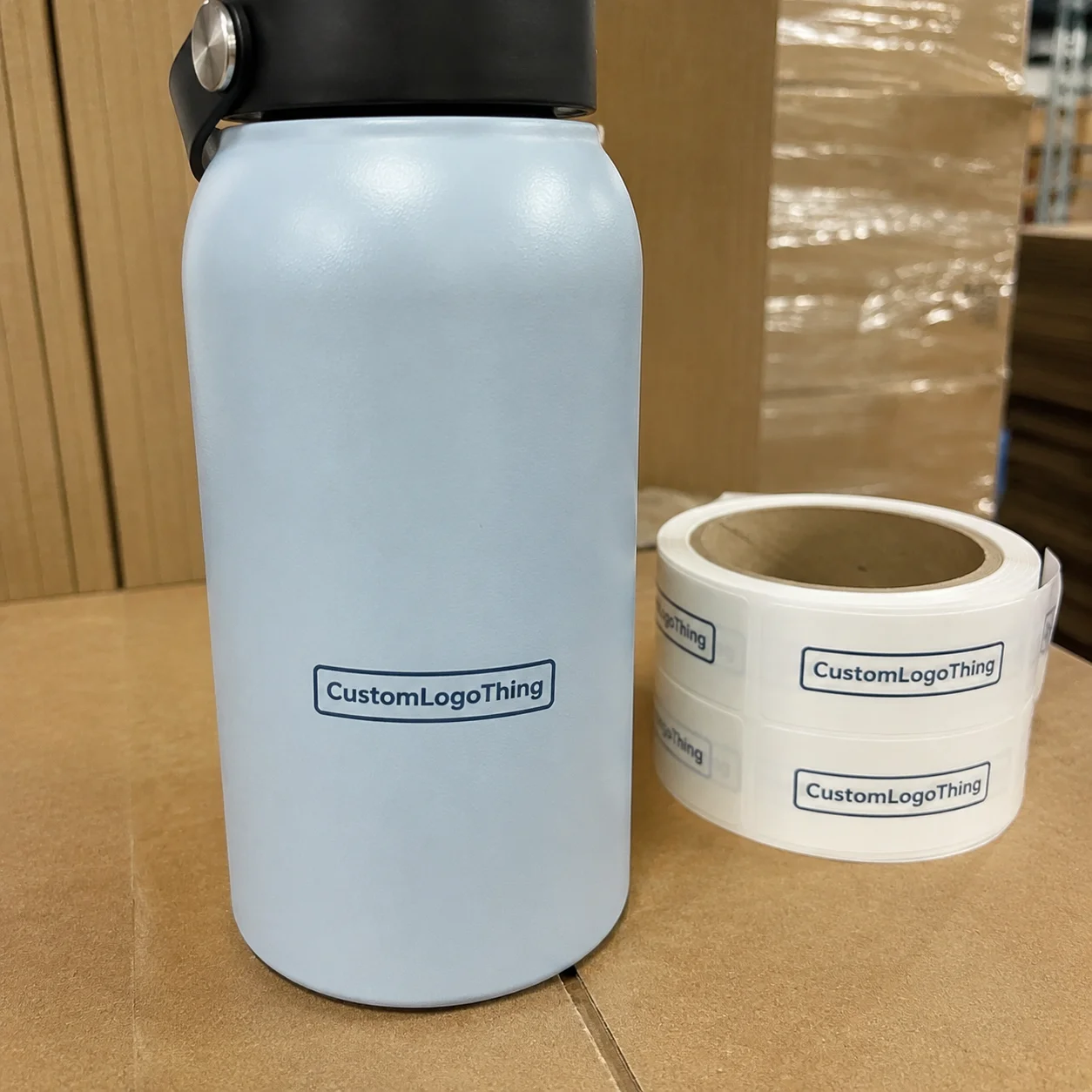
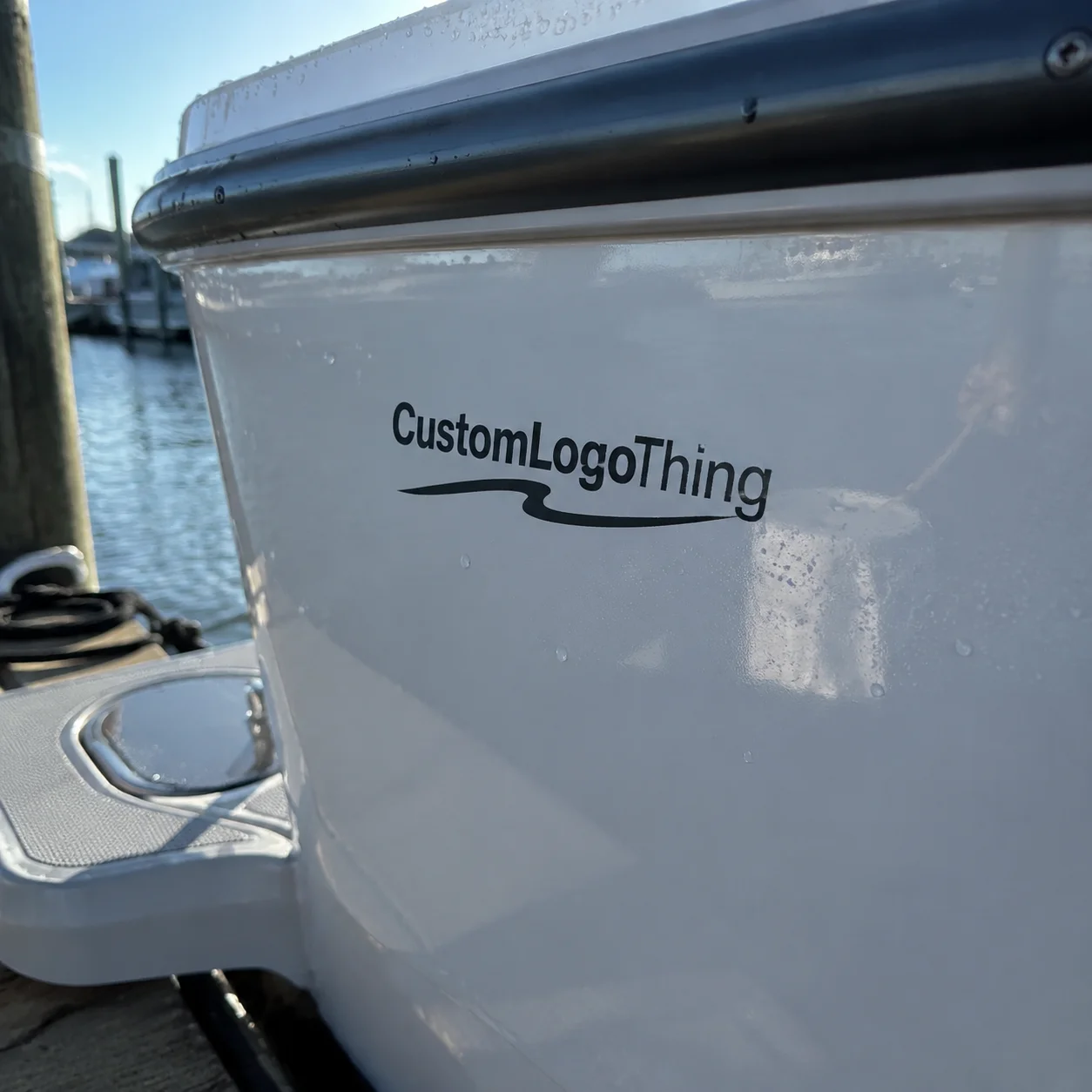
Vinyl is tougher. White vinyl stickers are commonly used for water bottles, outdoor promotions, equipment markings, laptops, coolers, and other surfaces that need better water resistance and durability. A laminated vinyl sticker can last months or years depending on sunlight, abrasion, adhesive, and print method. Do not pretend every vinyl sticker is indestructible. The dishwasher loves humbling people.
BOPP, short for biaxially oriented polypropylene, is a film material used heavily for product labels. White BOPP, clear BOPP, and metallic BOPP show up on jars, bottles, cosmetics, supplements, sauces, candles, and bath products. Clear film gives a “no-label” look on glass or clear plastic, but it needs careful artwork planning because white ink, opacity, and background color affect readability.
Finish changes both appearance and performance. Matte reduces glare and often feels more premium. Gloss boosts color and makes product photography pop. Soft-touch feels upscale but can scuff more easily, especially on dark solids. Holographic, foil, metallic, and spot effects get attention, but they raise unit cost and usually require tighter proofing. Fancy finishes are fun. They also punish lazy artwork.
Adhesive matters as much as the face stock. Permanent adhesive is the default for most packaging and product labeling. Removable adhesive works for temporary promotions, pricing, or surfaces where residue is a problem. Freezer-grade adhesive is built for cold storage. High-tack adhesive helps on textured cartons, recycled kraft, flexible pouches, certain plastics, and other stubborn surfaces that reject standard adhesive like a bad sales pitch.
Surface compatibility is where many sticker orders go sideways. Glass, kraft paper, cardboard, plastic mailers, metal tins, candles, jars, bottles, and curved containers all behave differently. A flat corrugated mailer gives the adhesive an easier job than a small round lip balm tube. Textured recycled paperboard can absorb pressure unevenly. Flexible stand-up pouches move after application. Curved jars can lift at the edges if the label is too stiff or too large.
Waterproof does not automatically mean weatherproof, oil-proof, freezer-safe, or dishwasher-safe. Those are different performance claims. A sticker can survive splashes and still fail under UV exposure. A film label can handle refrigeration but curl in a freezer. A laminated decal can resist rain but scuff under constant abrasion.
If texture, transparency, or adhesive performance is critical, ask for samples before ordering in bulk. A sample sheet or small test run can save hundreds or thousands of bad units, especially for jars, bottles, cosmetics, supplements, cold-chain products, textured cartons, or anything exposed to moisture.
Custom Sticker Pricing, MOQ, and Unit Cost Basics
Sticker pricing is driven by size, shape, material, finish, color coverage, adhesive type, cut style, quantity, packing format, and whether the job needs special tooling. A 1.5-inch paper circle on a roll is not priced like a 4-inch die-cut laminated vinyl sticker packed as singles. Same category. Different math.
As a practical range, small simple paper stickers at higher volume can land around $0.02 to $0.08 each. Basic roll labels in common sizes might sit around $0.04 to $0.18 each depending on quantity and material. Durable vinyl, clear film, specialty finishes, individual die cuts, or small runs can run $0.25 to $1.50+ each. Very small orders are almost always expensive per unit because setup does not magically disappear. Shocking, I know.
MOQ means minimum order quantity. It is the lowest quantity a printer can produce without the setup becoming silly. Some digital sticker runs may start around 50 to 100 pieces. Roll labels may start around 250 to 500 pieces. Offset, flexographic, specialty foil, or custom die jobs may need 1,000, 2,500, 5,000, or more to make sense.
Larger orders reduce unit cost because artwork prep, proofing, press setup, cutting, quality checks, and packing get spread across more stickers. The total invoice is higher, but the per-piece number drops. That is why quoting two quantities is smart: one starter run and one volume run. The cheaper option is not always the better buy, and the larger order is not always smart if your artwork, ingredients, compliance copy, or package branding may change next month.
| Sticker Type | Common Use | Typical Quantity Range | Rough Unit Cost Range |
|---|---|---|---|
| Matte paper roll stickers | Bakery seals, tissue wrap, dry retail packaging | 500-10,000+ | $0.02-$0.12 |
| White BOPP labels | Jars, bottles, candles, cosmetics, supplements | 500-20,000+ | $0.04-$0.20 |
| Laminated vinyl stickers | Water bottles, laptops, outdoor promos | 100-5,000+ | $0.18-$0.85 |
| Specialty foil or holographic stickers | Retail freebies, premium inserts, event merch | 250-5,000+ | $0.35-$1.50+ |
Quote variables matter. Provide final size, quantity, material preference, indoor or outdoor use, roll or sheet format, shape, finish, adhesive needs, artwork file, and delivery deadline. If you ask, “How much for stickers?” with no specs, you are basically handing the printer a migraine and expecting a clean answer.
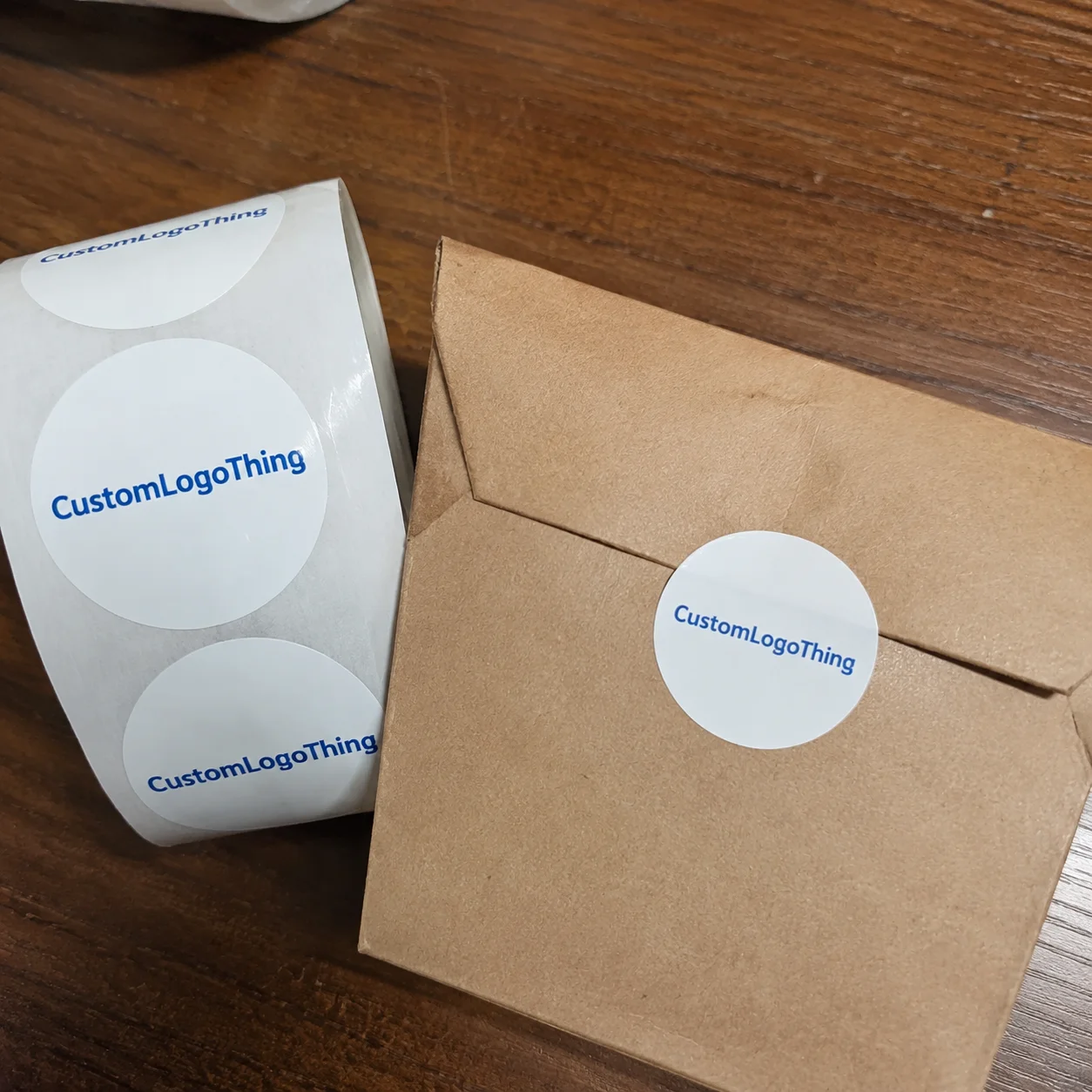
Roll stickers are better for repeated labeling workflows, packaging lines, and hand application at volume. They can be compatible with label applicators if the roll direction, core size, unwind direction, and gap spacing are specified correctly. Sheet stickers are easier for giveaways, kits, and small-batch hand application. Individual die-cut stickers work well when the sticker is the promo item itself.
Do not choose the cheapest quote blindly if adhesive, finish, or durability requirements are vague. Cheap indoor paper can look fine in a photo and fail badly on a wet bottle, oily jar, or textured carton. Saving $80 on a sticker order is not impressive if it compromises $2,000 worth of product packaging.
Process and Timeline From Artwork to Delivered Stickers
The usual production flow is quote request, artwork review, digital proof, proof approval, printing, coating or laminating, cutting, quality check, packing, and shipping. For simple digital stickers, that process can move quickly. For specialty materials, Custom Die Cuts, foil effects, or larger quantities, every step adds time.
Proof approval is the gatekeeper. Production usually does not start until you approve the size, cutline, colors, quantity, material, and layout. Read that proof like it owes you money. Check spelling, phone numbers, QR codes, ingredient lines, UPC placement, safety text, and whether the cutline is too close to key artwork.
Simple digital sticker runs may take 3 to 6 business days after proof approval, depending on queue and material stock. Roll labels often take 5 to 10 business days. Specialty finishes, custom tooling, laminated outdoor decals, or larger runs can take 10 to 20 business days or more. Treat those as planning ranges, not holy scripture.
Production time and shipping time are separate. Buyers mix these up constantly and then act surprised when freight is not teleportation. If production is 7 business days and ground shipping is 4 transit days, the order is not arriving in 7 days. Build the calendar properly for launches, events, retail delivery windows, and seasonal packaging.
Rush options may be available, but they cost more and have limits. Rush production depends on material availability, proof speed, the production queue, drying or curing time, cutting capacity, and shipping method. If you send low-resolution artwork at 5 p.m. and need 8,000 labels by Friday, the answer may be no. Not because anyone hates you. Because physics and scheduling exist.
Artwork problems are the easiest way to slow down an order. Low-resolution logos, missing bleed, fuzzy screenshots, unclear cutlines, unconverted fonts, RGB color surprises, and last-minute size changes all create delays. Vector files such as AI, EPS, or editable PDF are usually best. High-resolution raster files can work if they are built at the final size, typically 300 dpi or higher for standard print.
For packaging that will ship through distribution, think beyond the sticker. ISTA testing standards help brands evaluate transport performance for packaged products; the details are more relevant to boxes and shipping systems than sticker art, but the broader lesson stands: distribution is rough. You can review transport testing resources at ISTA if your packaging has to survive more than a pretty photo shoot.
Step-by-Step Ordering Guide for First-Time Buyers
Start with the use case. Are you ordering a packaging seal, product label, promotional giveaway, warning label, retail sticker, shipping sticker, event merch piece, or insert for custom printed boxes? Each use case has a different tolerance for durability, finish, cost, and application speed.
- Define the surface and environment. Indoor, outdoor, wet, cold, oily, mailed, shelved, handled often, or applied by staff at a packing table all change the spec.
- Choose the size and shape based on the object. A 3-inch circle may look great on a laptop but awkward on a narrow jar lid. Measure the actual package with a ruler, not vibes.
- Prepare clean artwork. Use vector artwork when possible. If vector is not available, supply a high-resolution raster file at final size. Include bleed, usually around 0.0625 to 0.125 inch, and keep text inside a safe zone.
- Pick the format. Rolls are best for repeated application. Sheets work for handouts and kits. Singles make sense for retail or promotional stickers.
- Request a quote with exact specs. Include size, shape, quantity, material, finish, adhesive, roll or sheet format, artwork, shipping address, and deadline.
- Review the proof carefully. Check spelling, size, color expectations, cutline placement, material notes, and quantity before approving.
- Save the final specs. Keep material, finish, adhesive, roll direction, size, and approved artwork notes so reorders are faster and more consistent.
If your sticker is part of broader product packaging, match it to the rest of the system. A glossy bright label on a muted kraft box can look intentional, or it can look like two vendors never spoke to each other. Pair stickers with Custom Labels & Tags when you need consistent product identification across hang tags, seal stickers, and retail packaging.
Color expectations need a quick reality check. Screens use light. Print uses ink or toner on a material. Clear film, kraft paper, metallic stock, and matte lamination all change color perception. If color accuracy is critical, ask about a hard proof or printed sample. Pantone matching may be possible on some production methods, but not every digital sticker run will hit a brand color perfectly.
Application workflow deserves more respect. If staff are applying 5,000 stickers by hand, the wrong format can burn hours. Rolls with a sensible gap are easier to peel than tiny stickers crowded on awkward sheets. For applicators, confirm core size, roll width, label orientation, and unwind direction before production. Boring details. Expensive if ignored.
First-time buyers who want to get Custom Stickers Without headaches should write the order spec like a mini production brief. One page is enough: “2 x 3 inch rounded rectangle, white BOPP, matte laminate, permanent adhesive, rolls, 1,000 and 5,000 quantity options, applied to amber glass jars, indoor retail, needed by date.” That request gets real pricing faster.
Common Sticker Buying Mistakes That Waste Money
Mistake one: choosing material based only on price. Indoor paper stickers are fine for dry boxes and short-term packaging. They are a poor choice for wet bottles, frozen packaging, outdoor gear, or products handled with oily hands. The wrong material does not become right because it was cheap.
Mistake two: ordering the wrong adhesive. Textured boxes, flexible pouches, recycled kraft, curved containers, and certain plastics can challenge standard adhesives. If the sticker edge lifts after two days, customers do not care that your quote looked tidy. They see sloppy package branding.
Mistake three: ignoring scale. Artwork that looks gorgeous full-screen may be unreadable when printed at 1.5 inches wide. Thin script fonts, tiny social icons, low-contrast colors, and detailed illustrations can collapse at small sizes. Print the design on office paper at actual size before approving. Crude test. Very useful.
Mistake four: skipping samples or proofs for specialty materials. Clear film, metallic effects, holographic stock, soft-touch coatings, and unusual surfaces should be tested when the stakes are high. Transparency can reduce contrast. Metallic stock can shift color. Soft-touch can show rub marks. The proof confirms layout; a material sample confirms behavior.
Mistake five: forgetting the application workflow. A beautiful sticker is not so beautiful when staff need to peel 5,000 tiny pieces from awkward sheets. If the job is repetitive, rolls usually save time. If the sticker goes into a box as a freebie, singles or sheets may be better.
Mistake six: approving proofs too quickly. Typos, wrong sizes, off-center cutlines, missing white ink layers, and old logos get printed all the time because someone approved the proof while half-reading an email. The printer printed what you approved. Painful, but fair.
Mistake seven: ordering too few. If you will reorder every month, paying repeated setup and shipping costs can be wasteful. Ask for 500, 1,000, and 2,500 piece pricing. Compare total landed cost, not just the first invoice.
For eco-minded packaging programs, ask what claims are supportable. Recycled paper, FSC-certified paper, compostable packaging, and recyclable film all have different rules and tradeoffs. The Forest Stewardship Council is a useful reference for certified paper sourcing, but a sticker on packaging can still affect recyclability depending on material and adhesive. Sustainability claims need evidence, not wishful thinking in a green font.
Next Steps Before You Request a Sticker Quote
Before requesting pricing, build a simple pre-quote checklist. Include size, shape, quantity, material preference, finish, adhesive needs, roll or sheet format, artwork file, shipping address, and deadline. If you do not know the material, describe the surface and environment instead. A good supplier can work with “applied to cold glass bottles stored in refrigeration” better than “make it nice.”
- Surface: cardboard, glass, plastic, kraft paper, metal, pouch film, jar, bottle, mailer, or box.
- Exposure: dry indoor use, moisture, refrigeration, freezing, sunlight, oils, abrasion, or frequent handling.
- Format: rolls for labeling, sheets for hand application, singles for inserts or retail giveaways.
- Artwork: vector file preferred, high-resolution raster accepted when built correctly, bleed included.
- Quantities: quote a starter run and a better-value volume run to compare unit cost honestly.
Test one sticker on the actual surface whenever possible. This is especially useful for jars, pouches, textured cartons, cold products, candles, cosmetics, supplements, and anything exposed to moisture. Leave the sample on for at least 24 to 72 hours if adhesion matters. For cold or wet products, test under real conditions, not on a clean desk in a warm office.
Ask for help when the sticker must survive water, cold, sunlight, oils, abrasion, curved surfaces, or regulatory labeling needs. Warning labels, supplement facts, ingredient panels, and barcode labels are not the place for guesswork. If you are building a full packaging system, review related Custom Packaging Products so the sticker, label, box, insert, and shipping materials work together visually and functionally.
After the first run, save the approved specs and reorder notes. Record the material, adhesive, finish, size, dieline, roll direction, quantity, supplier proof, and any application feedback from your team. Future you will be grateful. Future you may even stop forwarding old email chains like an archaeologist with a deadline.
When the specs are right upfront, print quality, cost, and delivery timing become much easier to control. Start with the surface, choose the material for the job, proof carefully, and quote realistic quantities. That is not flashy advice. It is the kind that keeps stickers stuck, packages sharp, and reorder stress low.
Sticker Ordering FAQ
What information do I need before I get custom stickers quoted?
Provide size, shape, quantity, material, finish, adhesive needs, roll or sheet format, artwork file, delivery location, and deadline. If you are unsure about material, describe the surface and environment instead: cardboard, glass, plastic, wet, cold, outdoor, or handled often. A clear quote request usually gets faster pricing and fewer annoying back-and-forth emails.
How much does it cost to get custom stickers made?
Cost depends on size, material, finish, shape, quantity, adhesive type, cut style, and production method. Simple paper stickers at high volume can cost only a few cents each, while vinyl, clear film, waterproof constructions, specialty finishes, or small runs cost more. Ask for two or three quantity breaks so you can see where the unit cost drops.
How long does it take to get custom stickers delivered?
Simple orders can often move through production in a few business days after proof approval, while specialty materials, large quantities, or custom cuts may take longer. Shipping time is separate from production time, so include both when planning a launch, event, or retail delivery. Fast proof approval is one of the easiest ways to protect your timeline.
Should I get custom stickers on rolls, sheets, or individual cuts?
Choose rolls for product labeling, packaging lines, and repeated hand application. Choose sheets for giveaways, kits, inserts, or smaller batches that are applied manually. Choose individual die-cut stickers when the sticker itself is the product or promotional item.
Can I get custom stickers that are waterproof or outdoor-safe?
Yes, but specify the actual exposure: water, sunlight, cold, oils, abrasion, or dishwasher use all require different performance levels. Vinyl or film-based materials with lamination are common choices for tougher applications. Always test on the real surface if failure would create customer complaints or wasted inventory.