Why Small Sticker Details Decide Whether Customers Keep or Toss Them
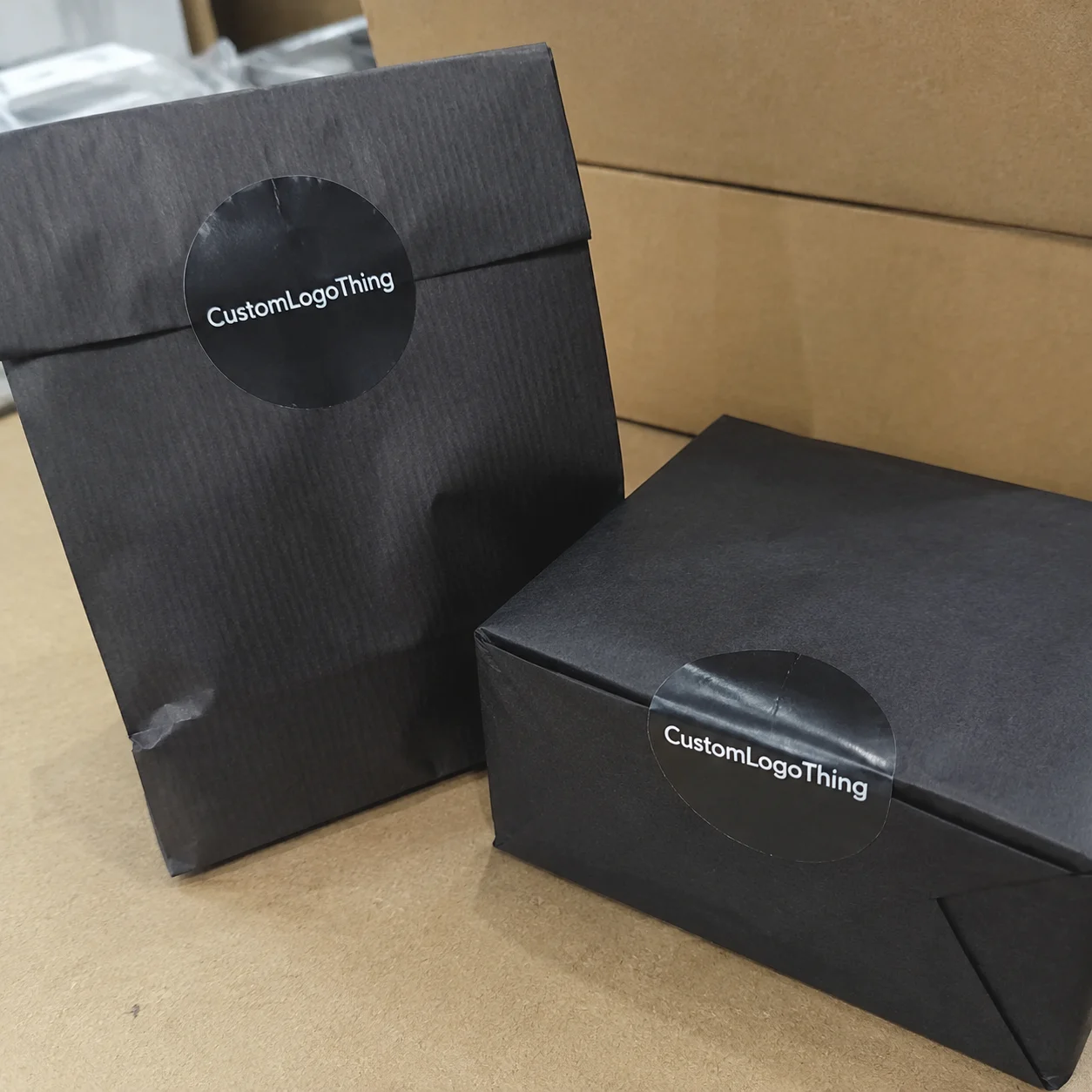
A sticker is a small part of the package, but customers still judge it quickly. If the adhesive holds, the edges stay flat, and the finish looks intentional, the package feels more complete. If corners lift or the print rubs off, the whole order can look rushed.
That is why many buyers look for ways to print Custom Stickers Online. The process makes it easier to compare sizes, materials, finishes, quantities, and artwork requirements without a long quote chain. The real value is not just speed. It is being able to match the sticker build to the surface, environment, and budget before production starts.
Sticker orders are not interchangeable. A candle jar label, a shipping seal, a laptop giveaway sticker, and a freezer-safe product label each need different performance. Paper may work well for dry indoor packaging. It is usually the wrong choice for condensation, abrasion, or curved surfaces that resist flat application.
Sticker quality also affects how a brand feels in the hand. In product packaging and retail packaging, a clean sticker can make a box, jar, pouch, or mailer feel finished. A poor one can make even good packaging look low effort.
If stickers are part of a broader branded system, define the use case before comparing prices or approving a proof. Surface, handling, finish, lifespan, and application method should guide the order.
What It Means to Print Custom Stickers Online
To print custom stickers online means selecting size, shape, material, finish, quantity, and artwork through a digital ordering workflow. The convenience is useful, but the outcome still depends on accurate buyer specs.
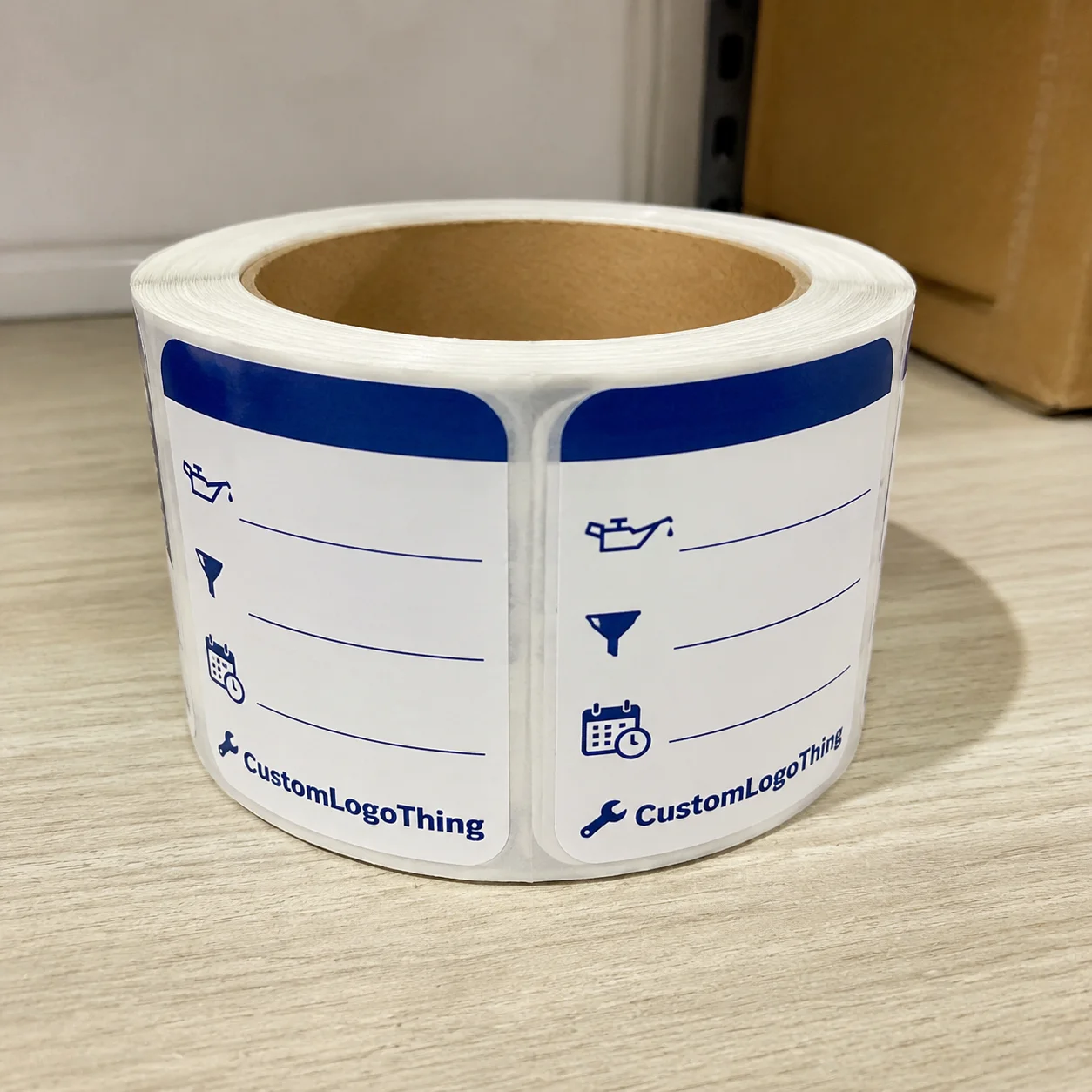
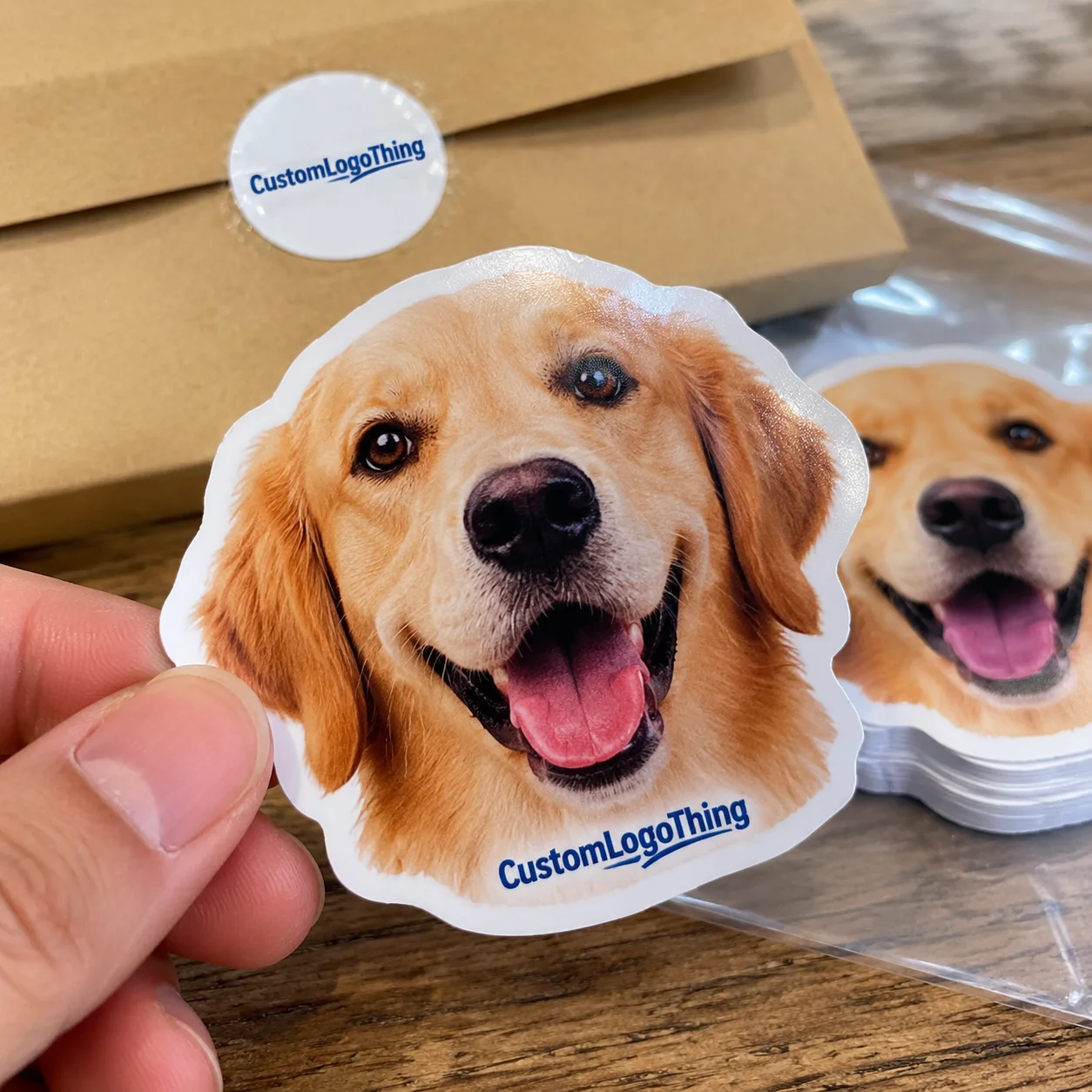
Sticker formats fall into practical groups. Decorative stickers are often handed out loose or packed inside shipments. Product labels sit on jars, pouches, bottles, cartons, and boxes. Packaging seals close a flap and can signal tamper evidence. Promotional stickers may only need to last for a short campaign. Sheets are easy to store and distribute. Rolls support faster application. Kiss-cut stickers stay on a backing liner, while die-cut stickers are cut to the outer shape.
The build is simple: face stock on top, adhesive underneath, liner on the back. The performance depends on those layers. Matte coatings reduce glare. Gloss makes color look brighter. Lamination adds protection against moisture, rubbing, and handling. Clear film can blend into packaging when the artwork has enough contrast. Metallic and holographic effects can stand out, but they can also make a small design harder to read.
Digital printing is usually better for short runs, multiple designs, and faster turnaround. Offset printing can make sense when volume is high enough to spread setup cost across more pieces. Cutting method also matters. Plotter cutting, die-cutting, and kiss-cutting each fit different shapes, quantities, and production needs.
The most useful questions are practical: Will the sticker live indoors or outdoors? Will it face moisture, heat, condensation, or abrasion? Is it going on a flat carton or a curved bottle? Will someone apply it by hand, or does it need to work with labeling equipment? Those answers drive the specs, and the specs drive the result.
Sticker Materials, Adhesives, and Finishes That Affect Real-World Performance
Material choice is where many sticker orders succeed or fail. Paper stickers are usually the low-cost option and can look clean for dry indoor use. Vinyl, BOPP, PET, and other film stocks are better when the sticker needs to resist water, rubbing, or longer handling. If the label may face condensation, shipping abrasion, or light outdoor exposure, film is usually the safer starting point.
Adhesive choice matters just as much. Permanent adhesive stays put once applied. Removable adhesive works for short-term promotions, temporary messaging, or surfaces where clean removal matters. Freezer-grade adhesive is built for cold storage. Specialty adhesives help with textured cartons, low-energy plastics, and curved containers.
Finish changes both appearance and durability. Matte gives a softer, less reflective look. Gloss boosts contrast and color brightness. Soft-touch can add a premium feel, though it is not always practical for heavily handled packages. Lamination is worth considering when the sticker will be rubbed, stacked, shipped, or exposed to moisture. It adds cost, but it can prevent reprints and damaged presentation.
Shape and format change the user experience. Die-cut singles work well for giveaways and insert packs. Kiss-cut stickers are easier to peel. Sheets are efficient for mixed designs and compact storage. Rolls are often the right call for volume application or line-side labeling. If fulfillment staff apply labels by hand, rolls can save time. If the sticker is a marketing handout, sheets or singles may be more practical.
| Sticker Type | Best Use | Typical Strength | Common Tradeoff |
|---|---|---|---|
| Paper | Dry indoor packaging, inserts, short promos | Good print feel, lower cost | Limited moisture resistance |
| Vinyl / Film | Bottles, jars, shipping, outdoor-adjacent use | Durability and moisture resistance | Usually higher cost than paper |
| Clear Film | Minimal-label appearance, premium packaging | Clean visual integration | Needs strong contrast and careful proofing |
| Laminate Finish | Handling, rub resistance, moisture protection | Extra surface protection | Adds cost and sometimes thickness |
A mailer seal is not the same as a bottle decal. A jar label is not the same as a shipping sticker. A cold-storage label is not the same as a promo sticker packed into an order. Match the stock to the surface and the environment, and much of the guesswork disappears.
For buyers building a broader packaging system, it can help to compare stickers with other components like Custom Labels & Tags and Custom Packaging Products so finish, messaging, and application stay consistent across the order.
Process and Timeline: From Artwork Upload to Finished Stickers
The workflow is usually straightforward. Choose the sticker type. Confirm size and quantity. Upload artwork. Select material and finish. Review the proof. Approve production. Then the job moves into printing, cutting, inspection, packing, and shipping.
Proofing is where many issues get caught before they become expensive. Low-resolution art, missing bleed, tiny type, weak contrast, wrong cut paths, and misspellings should show up on a proof if someone checks it carefully. Teams get into trouble when they skim the proof because the layout looks close enough.
Lead time depends on artwork readiness, proof approval speed, quantity, material, finish, cutting complexity, and shipping method. A clean digital run on standard stock can move quickly. A custom shape with lamination and specialty film will take longer. There is no reliable one-size-fits-all timeline because the variables matter.
Production time and delivery time are separate. Production covers press work, finishing, cutting, inspection, and packing. Delivery is transit to the warehouse, office, event space, or fulfillment center. Buyers often plan for one and forget the other, which is how a fast production run can still miss a launch date.
For launches, trade shows, subscription box drops, and seasonal promotions, build in buffer time. A small sticker delay can still stall a larger packaging plan.
If the stickers are tied to a hard date, allow time for proof revisions, transit delays, and corrections after review. Rush shipping may help with the calendar, but it rarely helps the budget.
Cost and Pricing Factors Behind a Sticker Quote
Sticker pricing is driven by more than size. Quantity, material, adhesive, finish, cut complexity, number of designs, format, proofing needs, and shipping all affect the quote. If two vendors return very different numbers, there is usually a production reason behind the gap.
Unit cost generally drops as quantity rises because setup, calibration, file prep, and material handling are spread across more pieces. The total spend increases with volume, but the per-piece cost usually improves.
Custom outlines, tight interior detail, metallic film, clear stock, outdoor-rated construction, heavier lamination, and multiple SKUs can all raise pricing compared with a simple circle or rectangle on standard paper or white film. Fine detail deserves special attention. Artwork that looks crisp on a phone may be difficult or costly to cut cleanly at production size.
MOQ, or minimum order quantity, matters early. Some suppliers can handle small digital runs without much friction. Others need larger quantities for roll labels, specialty finishes, or custom materials because setup and waste have to make sense. That is not a quality issue. It is a production reality.
| Order Factor | Lower Cost Tendency | Higher Cost Tendency |
|---|---|---|
| Quantity | Higher volume spreads setup cost | Very small runs carry more setup per piece |
| Material | Standard paper or white film | Clear, metallic, specialty, or outdoor-rated stocks |
| Cut Style | Simple rectangle or circle | Intricate custom outline or tight detail |
| Finish | Basic print without added protection | Lamination, special coatings, or premium effects |
When comparing quotes, ask for price breaks at 500, 1,000, and 2,500 pieces, or the quantities that fit the project. This shows where unit price improves and whether increasing the order is worth the higher total spend.
For outdoor use or stronger transit demands, it also helps to review environmental and shipping references from the EPA sustainable materials resources and testing guidance from the ISTA when packaging has to survive repeated handling and transport.
A Step-by-Step Ordering Checklist for Cleaner Sticker Results
The cleanest orders start with a simple question: what does the sticker have to do? Write down the surface, environment, expected handling, indoor or outdoor exposure, target lifespan, and whether the sticker should remove cleanly or stay in place. That note prevents many avoidable errors.
Choose the format before getting lost in the artwork. Decide between rolls, sheets, kiss-cut singles, die-cut singles, clear decals, packaging seals, or sticker packs. Format affects storage, application speed, and how the piece feels when it reaches the customer.
Measure the application area with a ruler or sample package. Do not rely only on a mockup. Jars, mailers, lids, bottles, and small retail boxes can look balanced on screen and still feel wrong in hand if the sticker is off by a few millimeters.
Prepare artwork with vector files when possible, high-resolution raster images when needed, proper bleed, safe margins, outlined fonts, and a clear dieline. Color should be checked against print expectations, not monitor brightness.
- Confirm the use case and surface.
- Choose size, shape, and format.
- Pick the likely stock and adhesive.
- Prepare print-ready artwork.
- Review the proof line by line.
- Approve only after checking quantity, finish, and shipping details.
The proof step is the last practical chance to catch a typo, crop issue, cut line problem, or finish mismatch before the job is locked in.
Common Mistakes That Lead to Peeling, Blurry, or Off-Brand Stickers
The cheapest material is not always the cheapest decision. If the sticker will face moisture, temperature shifts, or constant handling, corners can lift and the print can age before the product does. Curved bottles, chilled items, textured cartons, and shipping labels are common trouble spots.
Artwork problems are just as common. Low-resolution PNGs, missing bleed, text too close to the edge, thin borders, and monitor-based color decisions create avoidable issues. A file can look sharp on a laptop and still print soft, crowded, or off-color once it is scaled and cut.
Size mistakes happen because screens distort scale. A sticker mockup can look balanced online and still feel oversized on a small jar or too small on a shipping box. Real dimensions should guide the design.
Some jobs need sample testing, not optimism. Freezer labels, bath products, oily surfaces, textured packaging, curved bottles, and anything exposed to condensation are worth checking before a full run. A small test is a practical safeguard when the sticker has to survive transit or long shelf time.
Proofing shortcuts create expensive problems. Approving too quickly, skipping the check on singles versus sheets versus rolls, overlooking the finish, or missing a typo can turn a decent quote into a bad order. The mistake is often obvious only after the cartons arrive.
Next Steps Before You Approve Your Sticker Order
Before approving an order, confirm the use case, measure the application area, choose the likely material, decide the finish, gather artwork files, estimate quantity, and note the needed in-hand date. That turns a vague request into a usable print spec.
Include a short spec note with size, shape, quantity, surface, indoor or outdoor use, moisture exposure, desired lifespan, finish preference, packaging format, and application constraints. The more concrete the note, the less room there is for assumptions.
Ask direct questions about proofing, color expectations, production time, shipping time, and overrun or underrun policy. If the sticker supports a launch, retail rollout, or fulfillment schedule, those answers matter as much as the unit price.
Do not choose only on price. A better adhesive, cleaner cut, or protective finish can prevent waste, rework, and a second order. That is especially true when stickers need to match other printed packaging components.
If the plan is to Order Custom Stickers online, send a complete spec, review the proof carefully, and choose materials based on how the sticker will actually be used.
FAQ
What file type do I need to print custom stickers online?
Vector files such as AI, EPS, or PDF are usually best for logos, sharp text, and clean cut lines. High-resolution PNG, TIFF, or PSD files can work for image-based artwork if they are sized correctly at print resolution. Include bleed, safe margins, outlined fonts, and a clearly marked dieline for custom shapes.
How long does it take to order custom stickers online?
Timing depends on artwork readiness, proof approval, quantity, material, finish, cutting complexity, and shipping method. Production starts after proof approval, not when the first quote request is sent. For events, launches, or subscription boxes, build in extra time for proof revisions and transit.
How much does it cost to print personalized stickers online?
Cost depends on size, quantity, material, adhesive, finish, shape, number of designs, and shipping. Larger quantities usually reduce unit cost because setup and material handling are spread across more stickers. Specialty films, outdoor durability, metallic effects, clear stocks, and intricate cut lines typically increase pricing.
Are vinyl stickers better than paper stickers for custom printing?
Vinyl or film stickers are usually better for moisture, outdoor exposure, flexible surfaces, and longer-lasting use. Paper stickers are often a cost-effective choice for dry indoor packaging, thank-you seals, and short-term promotions. The better option depends on the surface, environment, expected lifespan, and brand presentation.
Can I print custom logo stickers online in small quantities?
Many digital sticker orders can be produced in smaller runs, especially simple shapes on standard materials. Specialty materials, roll formats, custom finishes, or complex production setups may require higher minimum quantities. Ask for price breaks at multiple quantities so you can compare the total cost and unit cost before ordering.