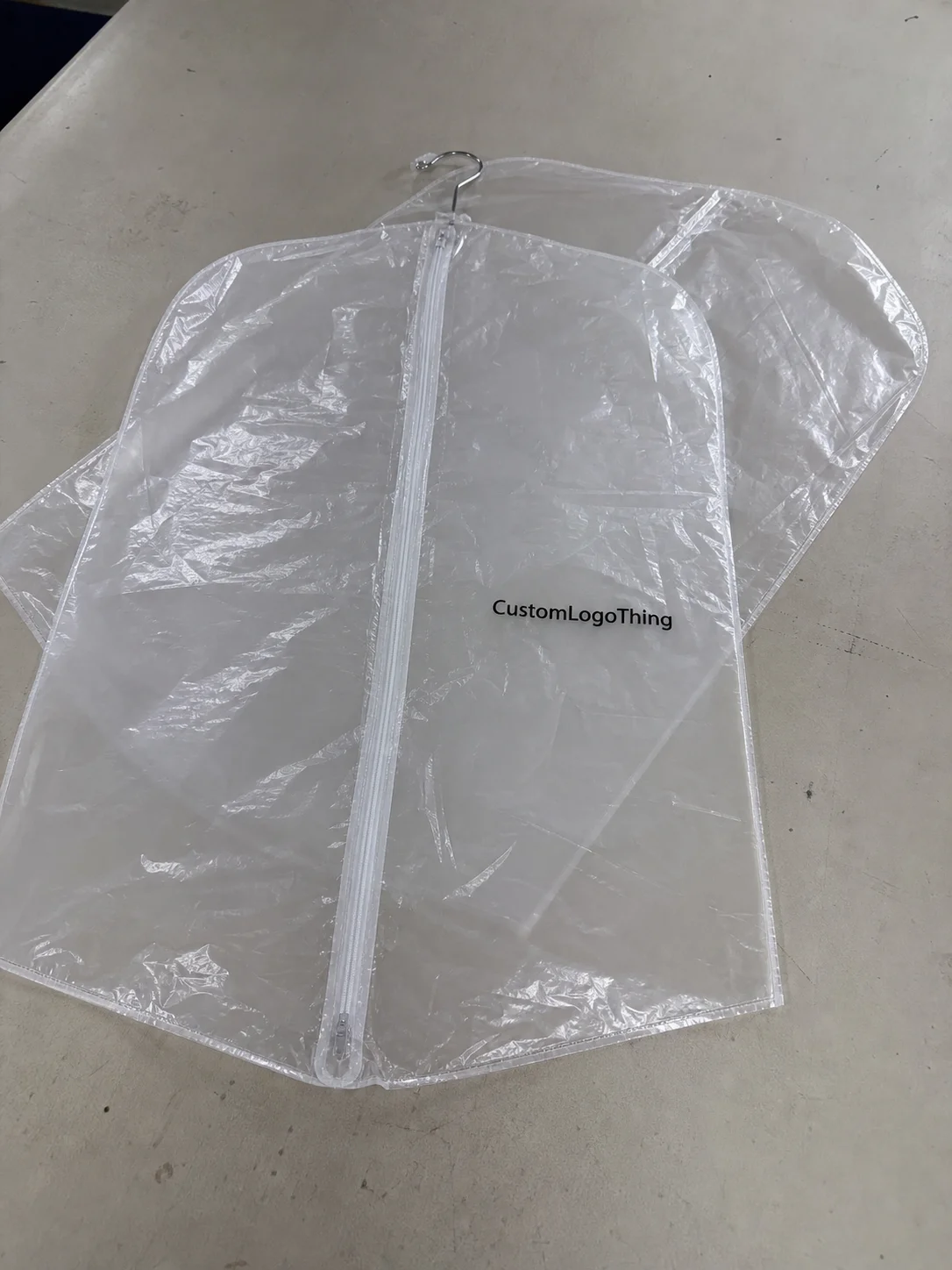
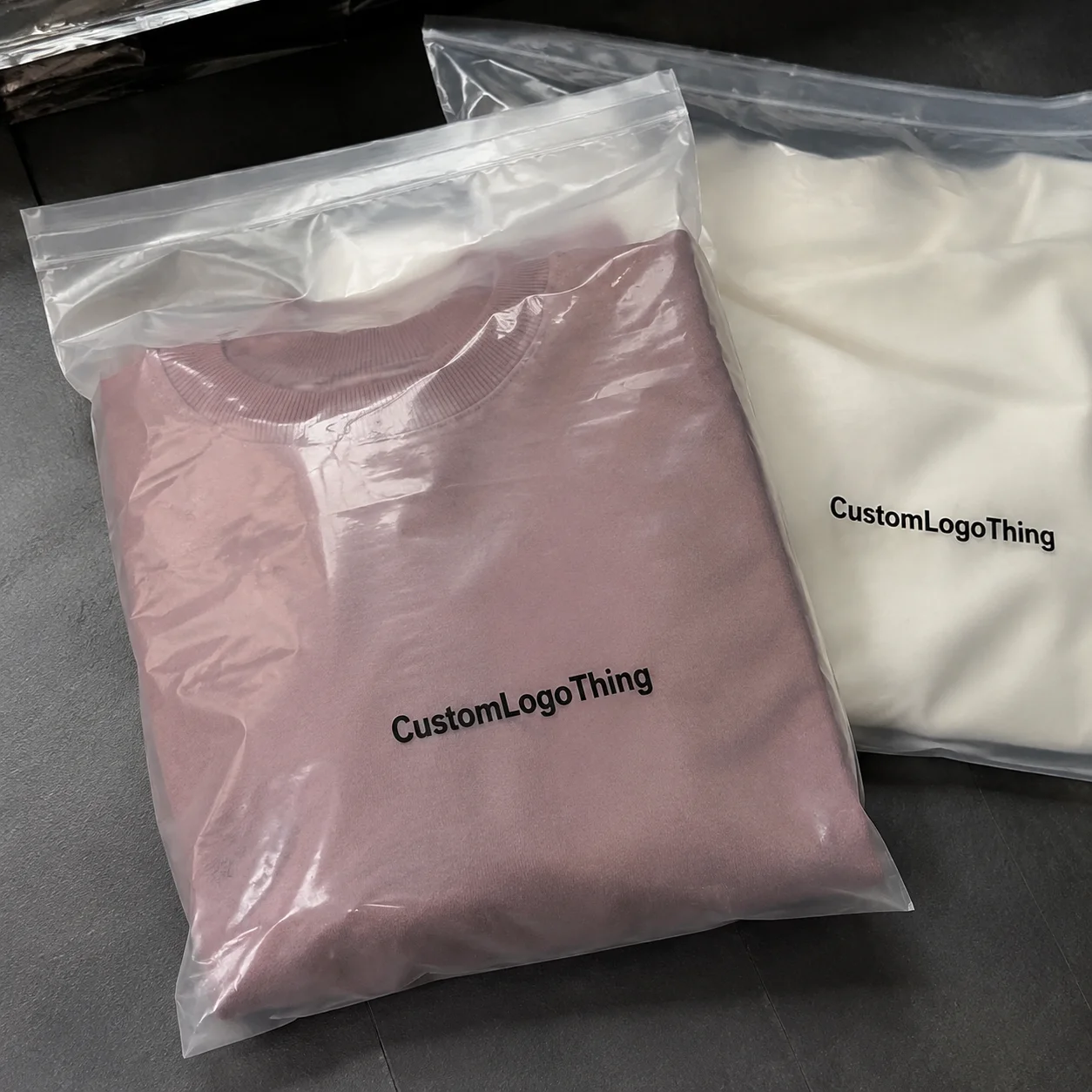
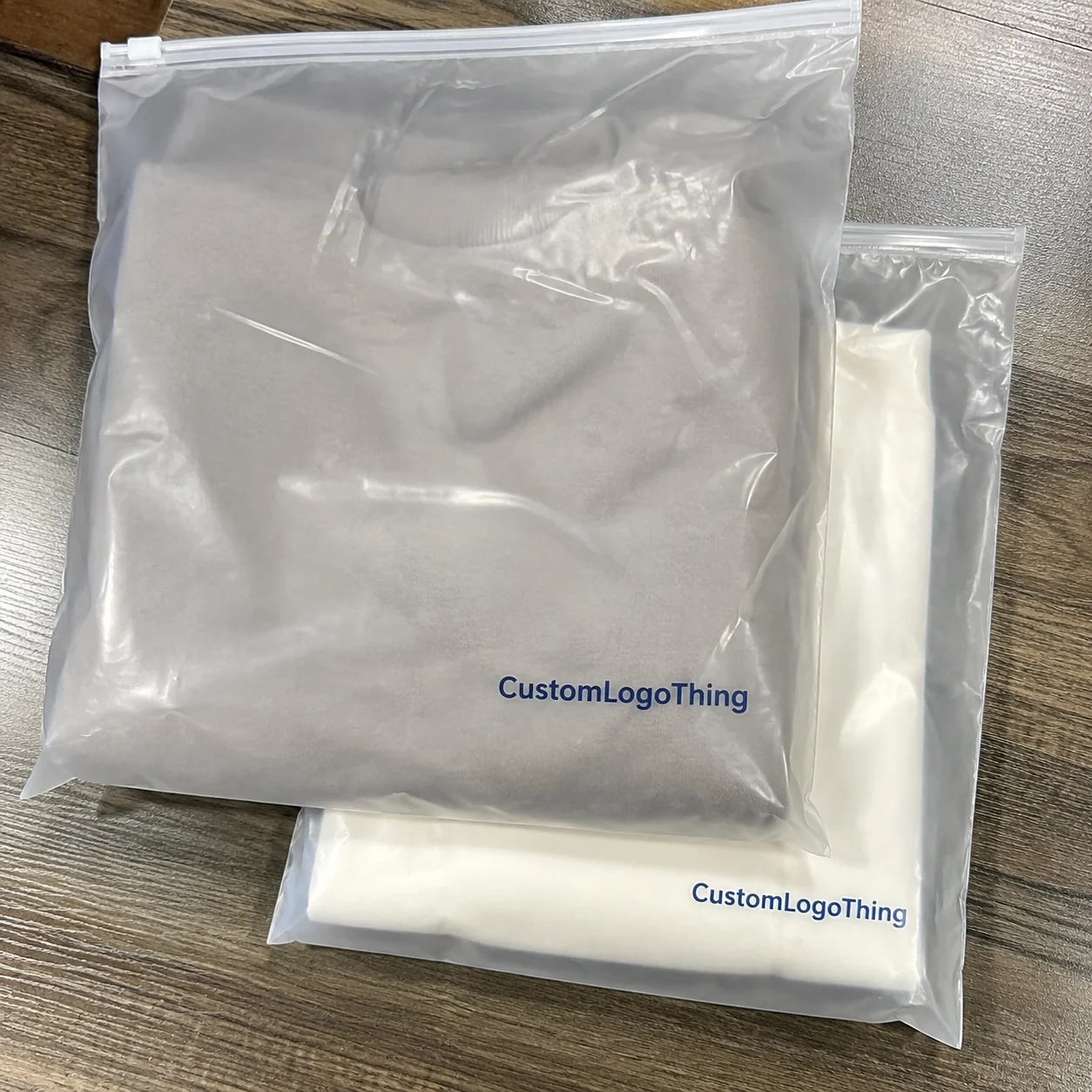
Buyer Fit Snapshot
| Best fit | Where to Buy Cheap Poly Mailers Wholesale projects where brand print, material claims, artwork control, MOQ, and repeat-order consistency need to be specified before quoting. |
|---|---|
| Quote inputs | Share finished size, material target, print colors, finish, packing count, annual reorder estimate, ship-to region, and any compliance wording. |
| Proofing check | Approve dieline scale, logo placement, barcode or warning zones, color tolerance, closure strength, and carton packing before bulk production. |
| Main risk | Vague material claims, crowded artwork, missing packing details, or unclear freight terms can make a low unit price expensive after revisions. |
Fast answer: Where to Buy Cheap Poly Mailers Wholesale should be specified like a repeatable production item. The safest quote records material, print method, finish, artwork proof, packing count, and reorder notes in one written spec.
Production checks before approval
Compare the actual filled-product size with the drawing, then confirm tolerance on folds, seals, hang holes, label areas, and retail display edges. Reserve space for logos, QR codes, warning copy, and material claims before decorative graphics fill the panel.
Quote comparison points
Review material grade, print process, finish, sampling route, tooling charges, carton quantity, and freight assumptions side by side. A quote is only useful when the supplier can repeat the same color, closure quality, and packing count on the next order.
I’ve watched buyers chase the lowest quote on where to buy cheap poly mailers wholesale and celebrate for exactly one week. Then the adhesive lets go, the cartons get soaked, and suddenly that “savings” is a very expensive lesson. I still remember a client in Texas who saved $180 on a 5,000-piece order, only to lose $1,400 in reships after the bags split at the seam during transit. Cheap is only cheap if the product actually arrives in one piece, and a 3 mil mailer with a weak seal is not a bargain just because it says $0.07 on a quote sheet.
So let’s keep this practical. If you’re trying to figure out where to buy cheap poly mailers wholesale, the real decision is not just the unit price. It’s total landed cost, seal strength, film thickness, print quality, defect rate, and how many headaches you want to deal with during fulfillment. I’ve sourced mailers from Shenzhen, Dongguan, and Yiwu factories, plus domestic distributors in Los Angeles and Dallas, and the pattern is always the same: the best deal is the one that works twice, not once. A quote for 10,000 pieces at $0.11 per unit means nothing if the freight adds another $0.04 and the failure rate burns 2% of your shipment.
Where to Buy Cheap Poly Mailers Wholesale Without Getting Burned
If you’re asking where to buy cheap poly mailers wholesale, you’ll usually end up with four source types: direct manufacturers, wholesale packaging brokers, marketplace suppliers, and domestic distributors. Each one can work. Each one can also waste your money if you compare the wrong things. I’ve had buyers send me “great” quotes that looked 22% cheaper on paper, then turn into a mess once freight, duties, and reprint risk showed up. A $0.09 EXW quote from Guangdong is not cheaper than a $0.13 DDP landed quote from a warehouse in New Jersey if the first one needs six extra line items to arrive.
Direct manufacturers are usually the cleanest option for recurring programs. You get factory pricing, control over thickness and print specs, and a clear answer when something goes wrong. That matters. In our Shenzhen facility, I’ve stood next to the extrusion line while a production manager checked film gauge every 30 minutes with a micrometer, and I’ve seen the same batch hold a consistent 2.8 mil across the full run. That kind of control is why repeat orders stay consistent.
Wholesale brokers can be useful if you need sourcing help across multiple packaging items, not just mailers. They can bundle Custom Packaging Products with inserts, labels, and carton specs. The downside? You may pay an extra layer of margin. Not always terrible, but don’t pretend it’s free. A broker quote for 20,000 bags might come in at $0.14 per unit, while a factory quote lands at $0.10, and the difference is often the broker’s fee plus a little padding.
Marketplace suppliers are fine for small test buys. The problem is accountability. One seller’s “3 mil” is another seller’s wishful thinking. I’ve had clients order from a marketplace, get inconsistent adhesive strips, and discover the supplier had copied a stock photo from three different factories. Fun stuff. If the listing doesn’t tell you whether the film is LDPE, co-extruded PE, or recycled-content blend, assume you’re guessing.
Domestic distributors are often the fastest option if you need stock in a hurry. You’ll usually pay more per bag, but freight is simpler and lead times are shorter. For a brand that needs 1,200 bags next week, that matters more than saving two cents a unit. That’s just math. A warehouse in Chicago or Atlanta can beat a Shenzhen shipment by 10 to 20 days if your inventory clock is already screaming.
“We thought we were smart buying the lowest quote. Then we paid more for replacements than we saved on the first order.” That came from a Shopify seller who shipped 800 apparel orders a month. I hear that story more often than I should, usually after someone orders 5,000 bags at $0.08 and forgets to ask about seal strength or shipping terms.
Here’s the real decision: if you need long-term supply, where to buy cheap poly mailers wholesale should probably mean a factory or a direct importer with repeat production capability. If you need a one-off emergency shipment, a domestic distributor may be smarter. If your buyer is comparing only unit price, they are comparing the wrong thing. That’s how people end up paying twice. A good supplier will quote size, thickness, seal type, and destination ZIP in the same message; a bad one will send a number and hope you stop there.
One more thing. Ask for the shipped cost to your warehouse, not just FOB or EXW. I’ve watched a buyer celebrate a $0.09 quote, then get hit with $0.05 in inland trucking, $0.03 in duties, and $0.04 in last-mile freight. Suddenly the “cheap” bag is not so cheap. Amazing how arithmetic works when it’s inconvenient. If you’re importing into Long Beach, Savannah, or Newark, port choice can change the final bill by hundreds of dollars on a 10,000-piece order.
Where to Buy Cheap Poly Mailers Wholesale: Product Types and What Actually Matters
Not all mailers are built the same, even if sellers throw around the same buzzwords. If you’re sorting out where to buy cheap poly mailers wholesale, start with the style of bag you actually need. The common options are plain poly mailers, custom Printed Poly Mailers, co-extruded mailers, and recycled-content mailers. Each one has a different cost structure and failure risk, and each one behaves differently when the conveyor belt in a warehouse in Phoenix or Chicago starts chewing through cartons at 6 a.m.
Plain poly mailers are the lowest-cost option. They’re usually a single color with no print or a simple stock design. For generic ecommerce shipments, they do the job. If you’re shipping shirts, leggings, or lightweight soft goods, these can be a solid choice at scale. In 10,000-piece runs, I’ve seen plain stock mailers land around $0.05 to $0.08 per unit before freight, depending on size and gauge.
Custom Printed Poly Mailers cost more because you’re paying for setup, ink, artwork, and usually a higher minimum order quantity. But they also do more for your brand. I’ve had clients tell me the printed bag improved unboxing perception enough to reduce “Where’s my order?” messages. Sometimes packaging does get credit it deserves. Not magic. Just presentation. A one-color logo on a white 10 x 13 inch bag can cost around $0.09 to $0.15 per unit at 5,000 pieces, while full-coverage print can push that closer to $0.20 to $0.28.
Co-extruded mailers use multiple film layers. That gives you better puncture resistance and a better chance of surviving rough handling. In one factory visit in Dongguan, I saw a QC lead drop a 2-pound sample pack repeatedly onto a concrete floor to check seam performance. Not glamorous. Very useful. That’s the kind of abuse your bag should survive if your fulfillment network is rough on parcels. If you ship denim, boxed accessories, or anything with sharp corners, 3.5 mil co-extruded film is a better bet than a flimsy 2.2 mil single-layer bag.
Recycled-content mailers are getting more common, and yes, they can affect pricing and performance. A recycled blend may be slightly softer or less glossy, depending on the resin mix. That doesn’t automatically make it worse. It does mean you should ask for real specs, not just marketing claims. If a supplier says “eco-friendly,” ask for the percentage of post-consumer content and a written statement. If they dodge, that tells you plenty. A real answer might read 30% PCR LDPE, black inner layer, 3 mil total thickness, with a 40% recycled-content certification letter attached.
Thickness matters too. A lot. For many ecommerce brands, 2.5 mil works for light apparel and flat goods. 3 mil is a very common middle ground. 4 mil is better when you need extra puncture resistance, heavier products, or shipping routes that are not gentle. I’ve seen buyers assume thicker always means better. Sometimes it just means overpaying. Choose based on the product weight and the abuse the package will take in transit. A 12 oz T-shirt does not need the same film as a 4-pound bundled textile order.
Closure design matters as well. A standard self-seal adhesive strip is fine for most apparel. A tamper-evident strip adds security. A double-seal design helps for returns or reshipping programs. If you have a high-return category, that second seal can save real time in the warehouse. One client with a 14% return rate cut repack time by several seconds per unit after switching to a two-strip bag. Small number. Big labor savings. On 8,000 monthly returns, that is the difference between one person staying late and everyone going home on time.
You also need to think about size. People oversize mailers all the time because they don’t want to get it wrong. Then they pay for extra material, higher freight volume, and wasted storage space. For flat items, stay tight to the product dimensions. For soft goods, allow enough width so the item does not stress the seam. There’s a sweet spot. It’s not random. A 10 x 13 inch mailer may work for folded tees, while a 14.5 x 19 inch bag fits hoodies better without forcing the seal open.
| Mailier Type | Typical Thickness | Best For | Cost Level | Notes |
|---|---|---|---|---|
| Plain stock poly mailers | 2.5 mil to 3 mil | Light apparel, accessories | Lowest | Fastest to source, least branding |
| Custom printed poly mailers | 2.5 mil to 4 mil | Branded ecommerce shipments | Medium | Higher MOQ, setup costs apply |
| Co-extruded mailers | 3 mil to 4 mil | Rough shipping lanes, heavier items | Medium to higher | Better puncture resistance and consistency |
| Recycled-content mailers | 2.5 mil to 4 mil | Sustainability-focused brands | Varies | Ask for proof of recycled content claims |
Here’s what most buyers get wrong: they compare film thickness like it is the only durability metric. It is not. Seam quality, adhesive strength, and puncture resistance matter just as much. I’ve opened cartons where the film looked decent, but the seal failed because someone cut corners on adhesive. The bag looked fine. It was not fine. There’s a difference, and you can usually spot it by pressing the seal for five seconds and trying to peel it after 24 hours.
Specifications to Compare Before You Buy Cheap Poly Mailers Wholesale
If you want a serious answer to where to buy cheap poly mailers wholesale, you need a spec sheet, not a sales pitch. Start with dimensions. Then check material blend, opacity, thickness, seal type, print coverage, and puncture resistance. Those are the specs that decide whether the mailer works in your fulfillment environment or just looks good in a PDF. I’ve reviewed quote sheets from factories in Shenzhen that had six columns of fluff and one line that actually mattered. Guess which line got ignored by the buyer.
Dimensions should match your product and packing method. A 10 x 13 inch mailer works for many apparel items, but if your garment is folded thickly or comes with a rigid insert, you may need a larger format. If the mailer is too small, the seam stress goes up. If it’s too large, you waste money and carton space. For example, a 9 x 12 bag can fit thin accessories, while a 12 x 15.5 bag is often better for bulkier knitwear.
Material blend is another big one. Some suppliers use LDPE, others use blended films, and some use co-extruded structures. Recycled material can also affect clarity and seal behavior. If you need sustainability claims, ask for documentation. I’ve seen “50% recycled” claims with no proof, and that kind of sloppy sourcing is asking for trouble. A proper spec might read LDPE outer, recycled inner layer, 30% PCR, 3 mil total thickness, produced in Suzhou or Dongguan.
Thickness should be stated in mil or microns. Don’t let someone wave that away with “heavy duty.” Heavy duty is not a unit of measurement. Ask for the actual number. For many brands, 2.5 mil is enough for lightweight goods, 3 mil is the safe middle, and 4 mil is better for heavier shipments or harsher conditions. If your supplier quotes 80 microns, 90 microns, or 100 microns, make them confirm the conversion so nobody gets cute with math.
Opacity matters if you’re shipping private-label goods or anything sensitive. A white exterior with black inner lining is common because it hides contents better. If you ship jewelry, cosmetics, or high-value accessories, opaque film reduces visibility and keeps the package looking cleaner. No one wants a bag that telegraphs the contents to every handler on the route. In my experience, black-on-white or full-white opaque bags also photograph better for customer-facing fulfillment content.
Seal type should be matched to your use case. A standard peel-and-seal strip is normal. Tamper-evident adhesives are better for security-sensitive shipments. Some buyers want double adhesive strips for returns. That can make the warehouse process easier, but it also costs more. Pick the right one. Don’t pay for a feature your team won’t use. A double-seal mailer might add $0.01 to $0.03 per unit, which matters on a 50,000-piece annual run.
If you’re printing your logo, get specific about print coverage, Pantone matching, and bleed. CMYK works for many designs, but solid brand colors can shift if the printer does not control ink well. I’ve had a buyer reject a full pallet because the purple logo drifted toward blue. They were right to reject it. If your brand uses a strict color standard, that needs to be discussed before production starts. A decent supplier will ask for a Pantone code, vector artwork, and a 2 mm safe margin around the edge.
Artwork placement also matters. Ask for the imprint area, safe margin, and any edge restrictions. A good supplier will tell you what can be printed clearly and what will look muddy near the seal. If they promise anything and everything, I’d be cautious. Real factories know the physical limits of the line. A one-color logo printed on a 10 x 13 bag with a 90 mm x 90 mm area is easy; full wrap print across a gusset and fold line is not.
Compliance and standards are worth checking too. If your company cares about quality control, ask whether the bags are tested to relevant packaging and shipment handling expectations. For shipping durability, some brands align with ISTA test thinking and general packaging performance expectations. For general reference, I often point teams to resources from the ISTA and the EPA when sustainability and transport claims come into play. If a supplier says they passed a drop test, ask whether it was ISTA 1A, 3A, or a homegrown “we dropped it once” test.
I also recommend sample packs and real-world test shipments. Don’t stop at holding the bag in your hand. Fill it, seal it, toss it into a test carton, and ship it through your normal carrier lane. One client sent samples through UPS Ground and USPS because their returns team used both. Smart move. The bags that survived one route failed on the other. That’s why I trust actual shipment testing more than a polished sales deck. If your average order weighs 1.6 pounds, test with that load, not with a feather-light demo item.
Where to Buy Cheap Poly Mailers Wholesale: Pricing and MOQ Breakdown
Pricing is where most people get confused. If you’re trying to decide where to buy cheap poly mailers wholesale, you need to separate unit price from the full landed cost. The quote may include the bag itself, or it may exclude freight, duties, customs clearance, pallet fees, and printing setup. If you do not compare all of that, you are not comparing anything useful. A factory in Ningbo quoting $0.06 per unit for 20,000 stock bags can still end up more expensive than a domestic warehouse at $0.11 if ocean freight is ugly and you need them in ten days.
For plain stock mailers, I’ve seen pricing as low as $0.05 to $0.12 per unit depending on size and quantity. For custom printed mailers, the range often lands around $0.09 to $0.28 per unit once setup and print complexity are included. Those are not promises. They are realistic market bands based on order size, specs, and route. If someone quotes well below that with no explanation, ask what they left out. A 5,000-piece run of 10 x 13 white mailers might sit at $0.08, while a 20,000-piece run could drop to $0.06 if the spec stays simple.
Set-up costs matter on printed jobs. Plate fees, cylinder costs, or print preparation can add $80 to $350 depending on the method and the number of colors. A one-color logo on a standard size may be cheap to run. A full-coverage design with multiple colors and a tight registration tolerance is a different animal. That is why the quote has to reflect the actual artwork. A supplier in Guangzhou might quote $120 for plate prep on a one-color job, while a four-color design could jump to $280 before the first bag is even printed.
MOQs vary by supplier. Stock mailers might start at 500 or 1,000 pieces. Custom printed orders often begin at 5,000 pieces, sometimes 10,000, especially if the factory needs to run a dedicated print line. If you are a smaller brand, ask about mixed-size programs or standard stock with custom labels. That can lower the entry point without forcing you to sit on 20,000 bags you cannot use yet. I’ve seen brands in Austin and Miami do exactly that and keep their cash flow alive.
Freight changes the story quickly. A bag that costs $0.08 in the factory can become $0.13 landed after ocean freight, customs, and domestic delivery. That is why I always ask for shipped terms. If I’m sourcing from Shenzhen, I want to know whether the quote is EXW, FOB, or DDP. Those letters matter. They decide who pays for what and when. If the quote is EXW, you are paying inland pickup from the factory gate; if it’s DDP to your warehouse in Atlanta, you already know the landed number.
Domestic supply is often higher on unit price but lower on landed risk. If you need a 7-day replenishment window, a domestic warehouse may make more sense than waiting on an overseas container. I’ve had clients choose a slightly higher unit price simply because their warehouse could not afford an out-of-stock period. That was the right call. Stockouts are expensive in ways spreadsheets usually undercount. Losing one week of apparel sales can erase the savings from a 10,000-bag import.
The best way to evaluate where to buy cheap poly mailers wholesale is to compare three quotes with the same specs. Same size. Same thickness. Same seal. Same print coverage. Same shipping term. If one supplier refuses to quote apples-to-apples, that is a signal. Not a good one. If the numbers are not comparable, you are comparing a 2.5 mil stock bag from Yiwu to a 4 mil custom-print bag from Los Angeles and calling it a price check. That’s not analysis. That’s confusion with a spreadsheet.
Here’s a simple comparison framework I use with buyers:
| Cost Factor | Stock Mailers | Custom Printed Mailers | What to Watch |
|---|---|---|---|
| Unit price | Lowest | Higher | Compare identical thickness and size |
| Setup fees | None | Common | Ask if plate costs are included |
| MOQ | Lower | Higher | Check if mixed sizes are allowed |
| Lead time | Short | Longer | Proof approval can add days |
| Brand impact | Low | High | Useful for DTC brands and retail-ready packaging |
Negotiation helps too. If you’re placing repeat orders, ask for a price break at 2,000, 5,000, and 10,000 pieces. Ask whether off-peak production can reduce cost. Ask if bundling with other packaging items through Wholesale Programs gives you better freight efficiency. I’ve saved clients real money by consolidating an order across two bag sizes instead of splitting them into separate shipments. A factory in Xiamen once shaved $0.01 off each unit because we combined a 9 x 12 and a 10 x 13 run into one production slot.
And yes, I’ve had factories shave a few cents off a unit simply because I committed to a repeat quarter. Relationships matter in packaging. The factory remembers who pays on time, who sends clean artwork, and who keeps changing the spec after proof approval. You do not want to be the difficult buyer everyone quotes high just to protect themselves. I’ve seen a $0.02 “problem buyer surcharge” happen more than once, and nobody enjoyed paying it.
Process and Timeline for Ordering Wholesale Poly Mailers
The process is simple on paper. In reality, it is simple only if you send complete information. If you want the best answer to where to buy cheap poly mailers wholesale, start with a quote request that includes size, thickness, color, seal type, artwork, quantity, and destination ZIP or port. Missing even one of those can throw off pricing by a lot. A factory in Shenzhen can price a 10,000-piece order in minutes if you give them the full spec; if you send “need mailers, please quote,” they’ll either guess or stall.
The standard order flow is: request quote, confirm specs, review artwork, approve proof or sample, then production. That is the path. If you skip the proof, do not be surprised when the final print shifts 10% or the logo lands too close to the edge. I’ve seen buyers wave off proofs to save a day. Then they spend a week fixing a bad print. Brilliant strategy. Not. Proof approval should be locked before a single roll is run, especially if you’re using Pantone-matched branding or edge-to-edge art.
For stock mailers, lead times can be fast, often a few business days for domestic inventory or longer if the goods are coming from an overseas warehouse. For custom printed mailers, a realistic production window is often 12 to 18 business days after proof approval, plus freight time. Air freight is faster and more expensive. Ocean freight is cheaper and slower. That tradeoff never changes, no matter how much people wish it would. If your shipping lane is Shenzhen to Los Angeles by sea, count on around 18 to 30 days door to door; by air, you may cut that to 5 to 8 days, assuming customs doesn’t decide to have a mood.
Artwork revisions are one of the biggest delays. If your logo file is low-resolution, or if you send a JPEG when the factory needs a vector file, production stops while the art team cleans it up. That can add several days. I once had a client lose three days because the logo had been copied from a website header instead of a proper AI or EPS file. That was avoidable. Very avoidable. A good factory will ask for 300 dpi or vector artwork, and they are not being fussy; they are saving your print from becoming a blurry mess.
Quality control should not be an afterthought. Ask for pre-production proofing, in-line inspection, and final carton checks. I’ve stood on a packing floor while a QC inspector opened random cartons and checked seal strength by hand. Not glamorous work. Very useful work. The final check catches print drift, wrong counts, and adhesive problems before the boxes leave the factory. A proper QC process might include checking 3% of cartons, verifying 500-piece counts, and sealing a random sample for 24-hour adhesion testing.
Planning replenishment matters just as much as the initial order. If your monthly usage is 8,000 mailers and your lead time is 3 weeks, you should not wait until you have 5 days of inventory left. That is how brands get stuck paying rush freight. I tell clients to reorder when they hit the 30% to 40% remaining mark if the product has a long supply chain. If you are domestic and stocked locally, you can run tighter. Still risky, but tighter. A company using 9,000 units per month should probably place the next order when stock falls under 3,000, not when the shelf looks lonely.
One client ran a subscription apparel program and thought 4,000 bags would last forever. They burned through them in 19 days after a launch hit TikTok. Good problem to have. Bad time to discover the reorder form was sitting in someone’s inbox. The lesson was simple: forecast with a spike buffer, not just average monthly usage. If your baseline is 150 orders a day and a campaign can push it to 500, order like a marketer exists, not like a spreadsheet does.
Why Buy Cheap Poly Mailers Wholesale from a Manufacturer Like Us
If you are comparing where to buy cheap poly mailers wholesale, direct manufacturing usually gives you the cleanest mix of price and control. I say that because I’ve sat in the factory office during price talks and watched the difference between raw material cost and middleman markup disappear in real time. One extra layer of selling can add more than people think. Not dramatic. Just enough to matter at scale, especially when you’re buying 15,000 or 25,000 pieces at a time.
When you buy direct, you get tighter control over thickness, seal quality, print accuracy, and packaging consistency. That matters if you have repeat orders, multiple sizes, or strict brand standards. A manufacturer can run the same spec twice. A broker might source from two different plants across two months and call that “flexibility.” Sometimes flexibility is just inconsistency with better branding. If you want a 3 mil opaque white bag with a black logo in Guangzhou, the factory can keep that spec steady from one run to the next.
At Custom Logo Things, I care about practical support. That means clear quotes, real lead times, and specs that make sense on a production line. It also means not pretending every bag can be made for $0.03 with full-coverage printing and a miracle finish. I’ve been in enough supplier negotiations to know that the cheapest seller often hides the ugly part somewhere in the fine print. If the quote says $0.07 per unit for 5,000 printed mailers and doesn’t mention plate fees, freight, or carton counts, I already know where the surprise is hiding.
There’s also accountability. If a sample fails a seal test or the print needs adjustment, the factory can fix the problem in-house. That is much cleaner than playing email tennis between a reseller, a broker, and an anonymous factory two time zones away. I have absolutely spent an entire afternoon untangling that mess for a client. Nobody enjoyed it. In a direct plant setup, one production manager in Shanghai or Shenzhen can solve the issue instead of three sales reps forwarding screenshots back and forth.
We also understand packaging standards that matter in real shipping environments. Some brands look for sustainability alignment through FSC-certified paper components elsewhere in their packaging mix, and others want compliance-friendly shipping workflows for apparel or consumer goods. For brands that care about source transparency, the FSC site is a solid reference point for responsible sourcing discussions. If your brand uses a paper insert or thank-you card with your poly mailers, that can matter in the full package story.
Direct manufacturing is especially helpful if you need a custom run with a logo, a unique size, or a repeat shipment schedule. For example, a 10 x 13 inch opaque poly mailer with a one-color black logo and 3 mil thickness can often be produced more efficiently than a weird one-off size with three print colors and a glossy finish. Simple specs save money. Fancy specs cost money. That is not a secret. A 350gsm C1S artboard insert and a custom mailer can be coordinated in the same production window if you plan early, which saves you from managing two separate vendors who both insist they are “almost ready.”
If you want a practical answer to where to buy cheap poly mailers wholesale, start with a manufacturer that can show material specs, proof samples, and shipped pricing. Then compare that against a domestic backup source in case your calendar is tight. I’ve seen that two-source approach save a launch more than once, especially when a shipment from Guangdong gets stuck behind a port delay and the backup warehouse in Houston keeps orders moving.
Honestly, I think buyers get into trouble when they chase the lowest quote from a random seller and ignore everything that makes the order function: adhesive, seam integrity, carton count, print repeatability, and freight terms. That’s the stuff that pays the bills. Not a nice-looking invoice. I’d rather see a $0.12 unit cost with a 2% defect rate than a $0.08 unit cost with a 9% mess and three apologetic emails.
Next Steps to Place the Right Wholesale Poly Mailer Order
If you want to move fast on where to buy cheap poly mailers wholesale, make the order easy to quote. Pick the size first. Then thickness. Then color, seal type, print needs, and target quantity. If you already know your monthly usage, include that too. A supplier can give you a better pricing tier if they know whether you are ordering 2,000, 5,000, or 20,000 pieces. If you can say “10 x 13 inch, 3 mil, white opaque, one-color black logo, 10,000 pieces, delivered to Dallas,” you’ll get a much better answer than “need bags, send price.”
Request two or three comparable quotes with identical specs and shipped terms. If one quote is much lower, check what is missing. Freight? Setup? Duty? Print colors? A quote that omits half the costs is not a quote. It is bait. I’ve seen a 5,000-piece printed order vary by $450 simply because one supplier quoted FOB and another quoted DDP to a warehouse in Ohio.
Order samples. Then test them with real products, real labor hands, and real shipping conditions. Stuff the bag with the actual item, seal it, and run it through your fulfillment flow. If you ship apparel, test folded tees and thicker hoodies. If you ship accessories, check puncture resistance around corners or rigid inserts. I’ve had one buyer discover that a glossy exterior looked great but slid around too much for their pack station. That is the kind of issue samples are meant to catch. A sample that passes a 1-pound test might fail with a 3-pound bundle, so test both if that’s your real use case.
Prepare your logo files before you ask for artwork proofs. Send vector files if you have them. Confirm Pantone numbers if color accuracy matters. Provide the shipping destination and your reorder forecast. These details can shave days off the timeline. And yes, your supplier will appreciate not having to chase you for basic information three times. A clean EPS file and a confirmed delivery address can save at least a couple of back-and-forth emails, which is more valuable than people admit.
My final advice is straightforward: compare options, confirm specs, test samples, and only then place the full order. If the order is recurring, document the approved version so future reorders do not drift. That one habit alone has saved clients from rework charges and wrong-spec pallets. I’ve seen a documented spec sheet save a brand from accidentally receiving a 2.5 mil bag instead of the approved 3 mil version, and that difference matters when you’re shipping 6,000 units a month.
If you are still weighing where to buy cheap poly mailers wholesale, pick the source that gives you the best combination of price, spec control, and replenishment reliability. Not the cheapest-looking invoice. The best value is the one that gets to your warehouse on time, seals properly, and keeps your shipping operation moving without surprises. If that means paying $0.02 more per bag to avoid a $900 rush reorder, that is not overspending. That is buying peace of mind with better math.
Where to buy cheap poly mailers wholesale with low MOQ?
Look for stock mailers from manufacturers or domestic distributors if you need a smaller starting quantity, often around 500 to 1,000 pieces. Custom printed orders usually come with a higher MOQ because of setup and print costs. If you want to test multiple styles, ask whether mixed-size ordering is available. A warehouse in Los Angeles or Dallas can often ship stock units within 2 to 5 business days, which helps if you need 800 to 1,200 bags fast.
What is the cheapest way to buy poly mailers wholesale?
Buying direct from a manufacturer is usually the cheapest path if your volume is steady. Keep the spec simple: one color, standard thickness, and standard sizes usually cost less. Bigger quantity lowers the unit price, but only if you will actually use the inventory instead of paying to store dead stock. A 10,000-piece order at $0.06 can beat a 2,000-piece order at $0.09, but only if freight and storage stay under control.
How much do cheap wholesale poly mailers usually cost?
Pricing depends on size, thickness, print coverage, quantity, and freight terms. Unprinted stock mailers are usually the lowest-cost option, while custom printed bags cost more because of setup and ink. For many buyers, stock mailers land around $0.05 to $0.12 per unit and custom printed bags around $0.09 to $0.28 per unit. Always compare landed cost, not just the unit price, because freight and duties can change the real number quickly.
What thickness should I choose for wholesale poly mailers?
2.5 mil works well for lighter apparel and flat goods. 3 mil is the common middle ground for many ecommerce shipments. 4 mil is a better fit when puncture resistance and heavier contents matter. The right choice depends on what you ship and how rough the carrier network is. If your items have sharp corners or heavier weight, 3.5 mil to 4 mil is safer than trying to save a fraction of a cent on flimsy film.
How long does it take to receive wholesale poly mailers after ordering?
Stock orders move faster than custom printed orders. Timeline depends on proof approval, production schedule, and shipping method. For custom runs, a realistic production window is often 12 to 18 business days after proof approval, plus freight. If inventory is tight, place the order early and confirm every spec before production starts. Ocean freight from southern China to the U.S. can add 18 to 30 days, while air freight can cut that to about 5 to 8 days.