Buyer Fit Snapshot
| Best fit | wholesale carton liners with logo for shipping brands for packaging buyers comparing material specs, print proof, MOQ, unit cost, freight, and repeat-order risk where brand print, material, artwork control, and repeat-order consistency matter. |
|---|---|
| Quote inputs | Share finished size, material target, print colors, finish, packing count, annual reorder estimate, and delivery region. |
| Proofing check | Approve dieline scale, logo placement, barcode or warning zones, color tolerance, and any recyclable or compostable wording before bulk production. |
| Main risk | Vague material claims, crowded artwork, or missing packing details can create delays even when the unit price looks attractive. |
Fast answer: Wholesale Carton Liners With Logo for Shipping Brands should be specified like a repeatable production item. The safest quote includes material, print method, finish, artwork proof, carton packing, and reorder notes in one written spec.
What to confirm before approving the packaging proof
Check the product dimensions against the actual filled item, not only the sales mockup. Ask for tolerance on folds, seals, hang holes, label areas, and retail display edges. If the package carries a logo, QR code, warning copy, or legal claim, reserve that space before decorative graphics fill the panel.
How to compare quotes without losing quality
Compare board or film grade, print process, finish, sampling route, tooling charges, carton quantity, and freight assumptions side by side. A lower quote is only useful if the supplier can repeat the same color, closure quality, and packing count on the next order.
Wholesale Carton Liners With Logo for Shipping Brands
Wholesale carton liners with logo are not decoration pretending to be packaging. They are part of the shipping structure, and they do real work once a carton leaves the dock. A box can look fine from the outside and still feel loose, flimsy, or unfinished inside if the liner is poorly chosen. That is the practical value here: wholesale carton liners with logo support the product, clean up the interior, and make the package feel deliberate rather than thrown together.
Most buyers end up asking the same plain question. Will the liner hold the product steady, survive handling, and print clearly enough to reinforce the brand? If the answer is yes, wholesale carton liners with logo can lower damage risk, keep pack-out consistent, and make reorders easier to manage. If the answer is no, the spend becomes visual noise with freight attached, which is not a fun place to be.
I have seen more than a few packaging programs where the logo was approved first and the fit was figured out later. That usually goes kinda sideways. Fit comes first, then board strength, then print. A liner that looks polished but folds badly or collapses under pressure is still a weak liner, no matter how nice the artwork is.
Why Wholesale Carton Liners With Logo Matter in Shipping
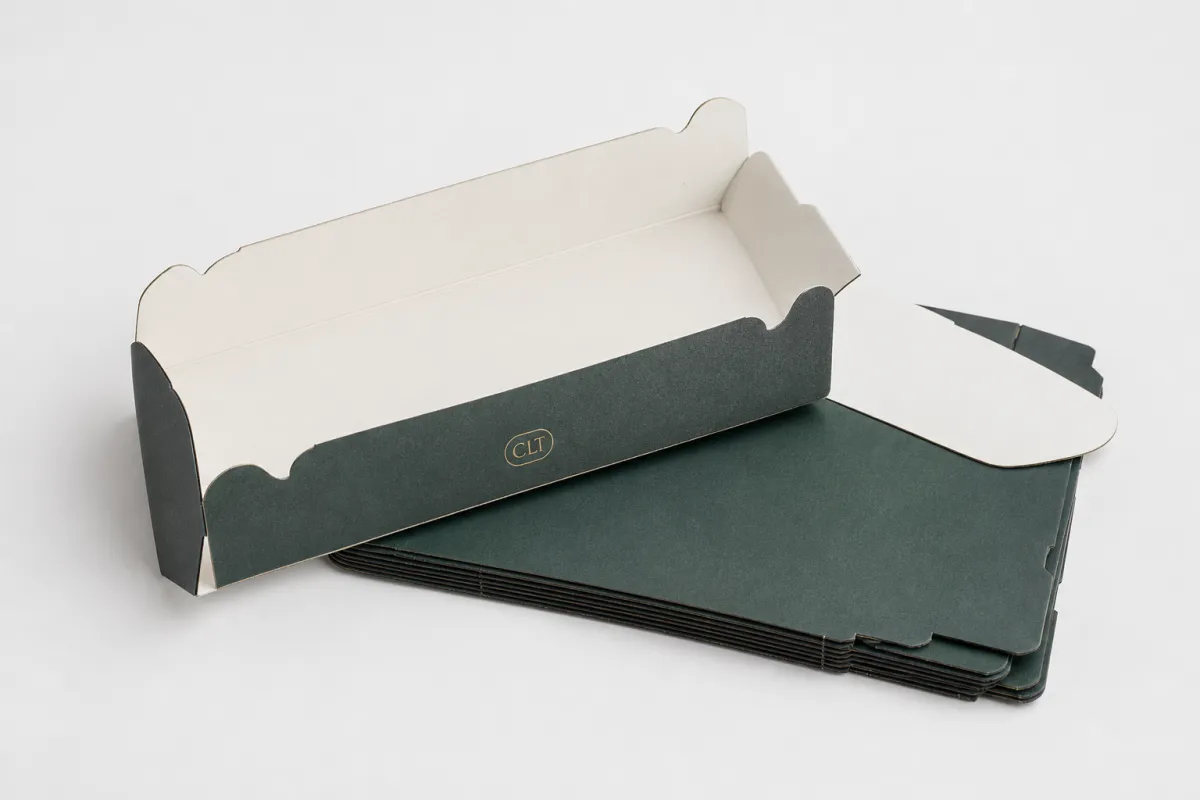
A carton can arrive looking clean on the outside and still disappoint the moment the flaps open. Product rattles. Inserts shift. The liner looks like a scrap cut in a hurry. Wholesale carton liners with logo help solve that by turning the inside of the box into a controlled, repeatable part of the shipping experience.
For high-volume shipping programs, wholesale carton liners with logo do more than one job at once. They help hold the contents in place so items do not slide, scuff, or crush against the box wall. They shape the unboxing moment, which can affect how polished the order feels. They also make the brand visible in a place many companies ignore, so the interior of the carton feels connected to the rest of the identity instead of like generic corrugated filler.
That matters more as order volume rises. A few weak liners might slip through without much pain. A steady program magnifies every failure. Damaged corners, scratched finishes, returns, replacement labor, and claims start stacking up fast. Wholesale carton liners with logo will not rescue a bad carton spec, but a well-made liner can reduce the odds of those problems if the material and geometry are chosen carefully.
A clean liner does not rescue a bad carton spec. It just makes the problem easier to see.
Many teams start with print, which puts the cart before the carton. That is a common mistake. The liner has to fit the box and serve the product before it gets to be a branding surface. A plain liner that performs well is a better purchase than a pretty one that fails in transit. Wholesale carton liners with logo need to be treated like shipping components, not little poster boards.
The use case matters too. E-commerce brands want a tidy opening experience. Subscription boxes depend on consistency from one shipment to the next. Retail replenishment needs easy pack-out and predictable dimensions. Contract packaging lines need parts that feed cleanly and do not slow production. Wholesale carton liners with logo can support each of those programs, but the material and layout should change with the job.
For fragile or premium products, test data matters more than a polished sample. Standards from ISTA are helpful because they keep the conversation tied to real distribution risk instead of guesswork. Vibration, compression, and handling are what matter in transit. A logo on the liner does not compensate for a package that cannot survive those conditions.
In practice, I always ask buyers to think about the carton as a system. The liner, product, void fill, and outer box all affect one another. If one piece is off, the others have to work harder, and that usually shows up later in claims or customer complaints.
Product Details: What Wholesale Carton Liners With Logo Include
A carton liner sits inside the shipper and helps support the load, protect the surface, or do both at once. That makes it different from loose fill, which only occupies empty space. It is also different from a wrap, which is usually designed to hug the product itself, and different from a decorative insert, which may look refined while doing very little structurally. Wholesale carton liners with logo sit in the useful middle ground: visible, practical, and repeatable across orders.
Common formats include flat liners, fold-over liners, scored liners, and custom die-cut pieces. Flat liners are the simplest and often the most economical to produce. Fold-over versions add coverage and can improve stiffness where panels overlap. Scored liners work well when the carton needs a precise fold with minimal excess bulk. Die-cut liners fit repeat SKUs best, especially when the product has an awkward shape or tends to move during shipping.
Print placement deserves the same attention as format. One-color logos usually deliver the cleanest result when cost control matters and the design needs to stay crisp. Full-color branding gives more range, though setup becomes more complex and the unit cost can climb faster than expected. Inside-print messaging is useful if the customer only sees the panel after opening. It feels subtle, keeps the package clean, and rarely adds meaningful weight. Wholesale carton liners with logo work best when the print area is planned around folds, flaps, and the visible interior surface.
The tradeoff is straightforward: the more structural work the liner has to perform, the less room there is for heavy artwork treatment. If the liner is carrying load, stabilizing product, or nesting tightly into the carton, the material spec deserves more attention than the size of the logo. If the liner mainly serves as a brand cue, the visual treatment can carry more of the load. Wholesale carton liners with logo can do both, but fit should never be sacrificed for decoration.
Typical use cases include:
- E-commerce mailers where the inside needs to look polished after the outer carton is opened.
- Subscription packaging where repetition matters more than flashy graphics.
- Retail replenishment where the pack-out must stay simple and fast.
- Fulfillment centers that need liners feeding smoothly into a standard packing process.
- Contract packaging lines that cannot afford a liner that jams, curls, or slows throughput.
Paperboard options can also be specified with FSC chain-of-custody if your customer or retailer asks for it. That request is common in procurement, and it is easier to satisfy when the paperwork is ready before the order starts. You can review the basics at FSC. It is not a branding flourish; it is the kind of documentation that keeps approval moving instead of stalling out in review.
One more detail matters in real use. Wholesale carton liners with logo do not need to be oversized to feel premium. A liner that fits closely and folds cleanly usually looks more considered than one with excess bulk. Too much extra material can make the carton feel stuffed instead of finished. A well-fitted liner feels deliberate the moment the box opens.
Specifications That Actually Affect Performance
Buyers who want wholesale carton liners with logo to perform need a real spec sheet, not a loose description. “Fits the box” is not enough. “Strong enough” is not enough either. The quote should spell out internal dimensions, fold style, board grade, flute type if corrugated is used, print area, finish, and the product weight the liner must support.
Start with the inside dimensions of the carton. Outside measurements do not tell the full story. Then decide how much clearance the liner needs for folding, insertion, and product movement. A liner that is even a few millimeters off can slow the pack line or leave the interior looking sloppy. With wholesale carton liners with logo, small mistakes repeat on every unit, which makes the issue more expensive over time.
Board selection carries more weight than many teams expect. A lighter paperboard can look fine on a sample table and still fail under stack pressure. A heavier board may protect better but can add cost and bulk. Corrugated liners bring another layer of choice. E-flute offers a cleaner print surface and a thinner profile. B-flute adds thickness and more cushioning. If the liner has a structural role, the flute choice needs to match that role.
Compression resistance is the quiet issue that causes a lot of packaging failures. A carton can survive a short trip and still collapse later when pallets stack in a warehouse. That is why wholesale carton liners with logo should be discussed alongside storage conditions, transit duration, and whether the order will be hand packed or run through equipment. A liner that behaves well in a bench sample can still perform poorly in mixed freight and warehouse handling.
Print requirements should be handled with the same discipline. Ask for artwork specs before sending files. Confirm the number of colors, registration tolerance, and whether the ink coverage affects board behavior. Some finishes look premium, yet they can change friction, folding, or drying time. Matte often behaves better than a heavily coated surface if the liner has to fold sharply and still sit flat.
For wholesale carton liners with logo, these are the key fields I would lock down before quoting:
- Internal carton dimensions and the exact liner fit method.
- Board grade, thickness, and whether corrugated or paperboard is required.
- Fold style or die-cut geometry.
- Printed area, ink count, and one-side or two-side print.
- Finish, including uncoated, matte, gloss, or specialty coating.
- Packing method, hand inserted or machine fed.
- Product weight and any fragility or stack-load concerns.
If the product shape is unusual or the insertion process is tight, ask for a sample or a dieline before you approve the full order. That step saves time, money, and a difficult production conversation later. It also prevents the common situation where wholesale carton liners with logo look right on the screen and behave badly once the line starts moving.
A practical note from the production side: if you do not know whether the liner needs more stiffness or more foldability, ask for both options in sampling. A side-by-side comparison usually makes the right answer obvious fast, and it avoids locking into a spec that looks good on paper but feels wrong in the hand.
Wholesale Carton Liners With Logo Pricing, MOQ, and Quote Factors
Pricing for wholesale carton liners with logo follows a handful of predictable variables. Size comes first. Material grade comes next. Print complexity follows. Quantity matters because setup cost spreads out as volume rises. Freight can become a major factor if the liners are bulky or need special packing. A quote that ignores those details is either incomplete or padded in the wrong place.
MOQ is where many buyers feel impatient and then pay for it later. Smaller runs carry a higher unit cost because setup, proofing, and production adjustment do not shrink just because the order is small. Once the order moves into the low thousands, the unit price usually becomes more attractive quickly. Wholesale carton liners with logo tend to become more economical on repeat orders, since the tooling and proof work are already established.
Setup charges separate first orders from reorders. Plates, die tooling, and proofing can make the opening quote feel expensive even when the production price is fair. That is normal. It is also why buyers should compare the landed first-order cost instead of focusing only on the base unit price. A quote that hides tooling and freight is not a bargain. It is incomplete math.
| Option | Best for | Typical MOQ | Indicative unit price range | Notes |
|---|---|---|---|---|
| Flat paperboard liner, one-color print | Simple e-commerce and retail replenishment | 500-1,000 units | $0.18-$0.32 | Lowest setup burden; best when structure is basic |
| Fold-over liner, one- to two-color print | Better coverage and tighter carton presentation | 1,000-2,500 units | $0.24-$0.44 | Good balance of cost, protection, and visible branding |
| Scored corrugated liner | Heavier goods and higher compression risk | 1,500-3,000 units | $0.30-$0.58 | More protection, more bulk, usually stronger transit performance |
| Custom die-cut liner with full branding | Repeat SKUs and premium presentation | 3,000+ units | $0.38-$0.90 | Best for fixed product geometry and larger programs |
Those ranges are planning figures, not promises. Material costs move. Freight moves. Artwork complexity moves. Even so, the table helps keep the right question in view: is the liner doing real work, or is it only consuming margin? A cheaper liner that crushes in transit will cost more after claims, replacements, and customer service time. Wholesale carton liners with logo should be priced against the entire shipment, not a single line item.
Quote comparisons only make sense if every vendor is working from the same details: material, print method, quantity tiers, lead time, packaging method, and shipping terms. A loose-packed quote and a bundled-carton quote are not comparable. Good buyers push for identical specs before choosing a supplier. That is not being difficult. It is keeping the purchase order clean.
Process, Timeline, and Production Steps
Wholesale carton liners with logo usually follow a predictable production flow. The stages are simple, but the speed depends on how complete the buyer’s information is. The process starts with inquiry, then spec review, then artwork check, then quote, then proof, then sample approval if needed, then production, then shipment. Clear information keeps the order moving. Gaps in the brief slow everything down.
For a standard custom run, the timeline often looks like this: one to two business days for quoting if the details are complete; two to five business days for proofing and revision; three to seven business days for sample development if a sample is required; and about 12-18 business days for production after final approval, depending on quantity and print complexity. Freight sits on top of that. Reorders can move faster when the spec is already locked and the tooling is in place.
Short lead times usually come from simple things done well. The buyer sends complete dimensions, final artwork, clear quantity targets, and one person is empowered to approve the proof without a long internal chain of review. That single point of approval matters more than many teams expect. Wholesale carton liners with logo are easy to produce once the details are settled. They are not easy to rush when the buyer changes board thickness after proofing or delays the artwork sign-off.
Common delays are easy to predict:
- Missing dielines or unclear dimensions.
- Low-resolution artwork that needs rebuilding.
- Changes to print placement after proof approval.
- Quantity swings that alter the quote tier.
- Late decisions about finish, coating, or board grade.
If the shipment is fragile, premium, or tied to a launch, plan for a sample. A sample is not a luxury item. It is the cheapest way to catch a costly mismatch before production starts. If the liner needs to carry a specific stack load or survive a known shipping hazard, keep the conversation focused on performance testing rather than appearance alone. The box should survive the route, not just look good in a presentation.
Wholesale carton liners with logo also benefit from a packing plan before production begins. Decide where the liners will be stored, how they will be folded or inserted, and whether the fulfillment team has enough room to handle them without damaging edges or ink. Small process details often shape the final result more than a polished rendering ever will.
One practical lesson from repeat programs: if a liner needs to work with hand packing, do not assume the crew will be willing to wrestle with it. A design that saves two cents on material but takes an extra ten seconds to insert is usually the wrong design. Labor adds up faster than most line-item quotes suggest.
Why Choose Us for Wholesale Carton Liners With Logo
Buyers who want less guesswork usually value factory-level control. Wholesale carton liners with logo should be built with materials, print quality, and repeatability managed at the source, not assembled through a chain of vague handoffs. That keeps the spec cleaner and the results more consistent from the first order through every reorder.
In practical terms, that means fewer surprises. It means the dieline gets checked before production starts. It means the board grade is chosen for actual shipping conditions, not just a headline number on a spec sheet. It means the print alignment is reviewed against the fold locations so your logo does not disappear into a crease. Handled this way, wholesale carton liners with logo become boring in the best possible way. Boring means repeatable, and repeatable is what shipping programs need.
We also keep the buyer side simple. Packaging vendors can create confusion by pushing too many handoffs between the quote and the press. A small request turns into several rounds of email, a changed sample, and a quote nobody wants to stand behind. Direct coordination trims that noise. It also helps keep pricing clearer because the quote reflects what is actually being made.
Here is what that support should cover:
- Dieline help for custom or unusual carton sizes.
- Proof review to catch print placement, fold alignment, and logo cropping issues.
- Sample options when the product is fragile or the pack-out is unfamiliar.
- Board guidance based on weight, stacking, and shipping method.
- Quality checks on dimensions, print clarity, and batch consistency.
If you are buying across more than one SKU, the wholesale side matters even more. A good vendor helps line up sizes, materials, and reorder planning so the program stays manageable. That is one reason many buyers prefer a structured Wholesale Programs page instead of scattered one-off quotes. The process becomes cleaner when volume, timing, and repeat ordering are treated as part of the packaging plan.
Cost still matters, and it should. Nobody wins points for overpaying. Yet the cheapest offer is not the best offer if the liner tears, prints poorly, or forces manual rework on the packing line. The real value shows up after the box leaves the warehouse: fewer claims, fewer replacements, and a shipment that looks like it was packed with intent.
Next Steps: Order the Right Carton Liners for Your Shipment
If you are ready to request wholesale carton liners with logo, start with the information that actually matters. Share the carton’s internal dimensions, product weight, artwork file, quantity range, and target delivery date. If the product is fragile or the pack-out is tight, say so. If the liner has to work with a machine or a fixed packing sequence, include that as well. Good specs lead to good quotes.
Before you approve anything, ask for at least one sample or proof if the job is unfamiliar. That step costs far less than correcting a full order that does not fit. It also gives you a chance to catch weak print contrast, awkward fold lines, or a liner that takes too long to insert. Wholesale carton liners with logo only make sense in volume after the fit has already been proven.
It also helps to compare at least two spec options. One may be the lowest-cost version that still protects the product. Another may cost a bit more but reduce claims or speed up pack-out. That kind of tradeoff is healthy. A liner that saves twenty seconds per box can be worth more than a liner that saves two cents per unit. Warehouse time is real labor.
Use this checklist before you place the order:
- Fit - Does the liner match the inside carton dimensions with enough clearance?
- Material - Is the board grade strong enough for the product and transit conditions?
- Print clarity - Will the logo and any message remain sharp after folding?
- MOQ - Does the order size fit your buying plan and storage space?
- Production time - Is the schedule realistic after proof approval?
- Freight method - Will shipping cost or packaging bulk distort the final landed price?
If you want the brand presentation to improve without adding avoidable waste, wholesale carton liners with logo are a smart place to focus. They sit inside the carton and do more work than most people expect. They protect. They organize. They present. And when the spec is right, they help a shipment feel finished rather than assembled on the fly.
For shipping brands that care about repeatability, that is the point. Wholesale carton liners with logo should make the pack-out cleaner, the box stronger, and the customer experience less generic. The practical takeaway is simple: lock the fit first, choose the material for the real transit conditions, and treat print as the finishing layer, not the starting point. Do that, and the liner stops being an extra cost and starts acting like part of the shipping system.
What size should wholesale carton liners with logo be?
Match wholesale carton liners with logo to the inside dimensions of the carton, not the outer box size. Leave room for folds, flaps, and product clearance so the liner installs without buckling. If the product shape is irregular, ask for a dieline or sample before placing a full order.
What is a realistic MOQ for custom carton liners with logo?
Smaller custom runs often start around a few hundred units, but the unit cost will be higher because setup and proofing do not shrink much. Most buyers see better pricing once the quantity moves into the low thousands. The real MOQ for wholesale carton liners with logo depends on size, print setup, and whether tooling already exists.
How long does production take after proof approval?
Timing usually depends on quantity, print complexity, and whether tooling is needed. Simple repeat orders move faster than first-time custom jobs with new artwork or sizes. The fastest wholesale carton liners with logo timelines happen when dimensions and artwork are final before quoting.
Can I order samples before full production?
Yes, and you should if the liner will carry fragile, premium, or tightly packed goods. A sample helps confirm fit, print placement, and ease of packing. Use samples to catch problems before they become expensive repeat mistakes with wholesale carton liners with logo.
Do printed carton liners change shipping or damage costs?
A properly spec'd liner can reduce damage claims by improving structure and fit. Better fit also lowers the odds of product movement inside the carton. The printed branding itself is not the cost saver; the right material and dimensions are. That is why wholesale carton liners with logo need to be bought as a performance item first and a branding item second.


