Buyer Fit Snapshot
| Best fit | Wholesale Custom Packaging for Small Business projects where brand print, material claims, artwork control, MOQ, and repeat-order consistency need to be specified before quoting. |
|---|---|
| Quote inputs | Share finished size, material target, print colors, finish, packing count, annual reorder estimate, ship-to region, and any compliance wording. |
| Proofing check | Approve dieline scale, logo placement, barcode or warning zones, color tolerance, closure strength, and carton packing before bulk production. |
| Main risk | Vague material claims, crowded artwork, missing packing details, or unclear freight terms can make a low unit price expensive after revisions. |
Fast answer: Wholesale Custom Packaging for Small Business should be specified like a repeatable production item. The safest quote records material, print method, finish, artwork proof, packing count, and reorder notes in one written spec.
Production checks before approval
Compare the actual filled-product size with the drawing, then confirm tolerance on folds, seals, hang holes, label areas, and retail display edges. Reserve space for logos, QR codes, warning copy, and material claims before decorative graphics fill the panel.
Quote comparison points
Review material grade, print process, finish, sampling route, tooling charges, carton quantity, and freight assumptions side by side. A quote is only useful when the supplier can repeat the same color, closure quality, and packing count on the next order.
I remember the first time I walked a cosmetics packing line in Dongguan, Guangdong. The sales manager put two identical jars on a worktable and said, “Same formula, same fill weight, same unit cost.” Then he pointed at the packaging. One jar sat in a plain white mailer. The other came in wholesale custom Packaging for Small business with a crisp logo, a tight fit, and a matte black insert made from 350gsm C1S artboard. Honestly, the difference was immediate. The second one looked like it belonged on a shelf next to a much bigger brand. The first one looked like it was waiting for a budget apology.
That reaction is not fluff. It affects conversion, repeat orders, and damaged-shipment rates. Buy Wholesale Custom Packaging for small business the right way and you are not just buying boxes. You are buying lower unit cost, better product protection, and a more consistent brand impression across every shipment. I have seen a $0.24 box prevent a $14 refund on a parcel leaving Shenzhen. I have also seen a cheap, oversized shipper create more dunnage, more freight cubic volume, and more complaints than it saved in packaging cost. Very clever, right? Save a few cents, lose a customer.
Custom Logo Things works with buyers who need packaging that fits a real budget, not a fantasy one. The smartest packaging decisions are usually practical: match the structure to the product, confirm the spec sheet, and keep the print plan simple enough to run efficiently. That is where Wholesale Custom Packaging for small business starts paying for itself. Not in theory. In the actual spreadsheet, where $0.15 per unit on 5,000 pieces can matter more than a glossy mockup.
Why Wholesale Custom Packaging Changes Small Business Economics
There is a simple reason wholesale custom packaging for small business changes the math: the more pieces you order, the more the fixed setup costs spread out. In packaging, setup is real money. Printing plates, die cutting, machine calibration, and color matching all take labor and time. A 5,000-piece run in Dongguan, for example, can absorb setup costs far better than a 300-piece test. Short runs can work, but they usually carry a heavier unit burden. Wholesale buying lowers that burden, sometimes sharply.
Here is the part many founders miss. Packaging cost is not just the box price. It includes freight, storage, breakage, and the labor spent packing each order. I once sat with a snack brand owner in Shenzhen who wanted to save $0.05 per carton by switching to a weaker board grade. Three weeks later, the returns from crushed corners and squashed trays cost more than the original savings. That is the quiet trap. Wholesale custom packaging for small business should be judged as a system cost, not a line item. Otherwise you are doing packaging math with one eye closed.
In practice, a well-designed pack can reduce void fill, improve stacking, and cut the chance of transit damage. The result is measurable. Fewer claims. Fewer reships. Less time spent on customer support. Because the pack looks intentional, it often improves repeat purchase signals too. People remember packaging more than they admit, especially if the box arrives in one piece after a 2,000-kilometer truck route. That matters in categories where the product itself is similar across competitors.
I also think small businesses underestimate how much branded packaging helps when they negotiate with retailers, subscription partners, or influencers. A clean package sends a signal before anyone opens the box. It says the business is organized, ready, and serious. That is not hype; it is package branding doing real work. Wholesale custom packaging for small business gives you that signal at a cost that can still be managed if the structure is chosen correctly. A $0.32 folding carton in a boutique in Austin, Texas can do more for shelf confidence than a thousand words in an email pitch.
Factory-floor truth: the cheapest box on paper is not always the cheapest packaging in operation. A properly spec’d carton can save more in freight, damage, and labor than it costs upfront.
For reference, industry groups such as the Institute of Packaging Professionals and testing organizations like ISTA both emphasize performance-driven packaging selection, not just appearance. If you are shipping fragile or premium products, that performance lens matters more than decorative features alone, especially on routes through Los Angeles, Dallas, or Chicago where handling can be rough and delivery windows are tight.
When I visited a facility running subscription kits for a beauty startup in Dongguan, the owner told me the pack had cut average packing time by 18 seconds per order simply because the insert held each item in place. Eighteen seconds sounds tiny until you multiply it by 4,000 orders. That is labor. That is throughput. That is why wholesale custom packaging for small business often wins on economics even before branding is considered.
Wholesale Custom Packaging for Small Business: Product Types That Sell
Different businesses need different structures, and this is where a lot of packaging budgets go sideways. Wholesale custom packaging for small business is not one product; it is a family of formats built for specific jobs. The best choice depends on how the item ships, how it is displayed, and how much protection it needs. A candle in Portland does not need the same spec as a serum set moving from Shenzhen to Miami.
Mailer boxes are the backbone of ecommerce and subscription programs. They usually run on corrugated board, often E-flute or B-flute depending on strength requirements. E-flute is typically around 1.5 mm thick, while B-flute is closer to 3 mm and gives a sturdier feel. They ship flat, assemble quickly, and print beautifully with branded packaging graphics. If you sell apparel, candles, beauty kits, or curated gift sets, mailers are often the first option I examine.
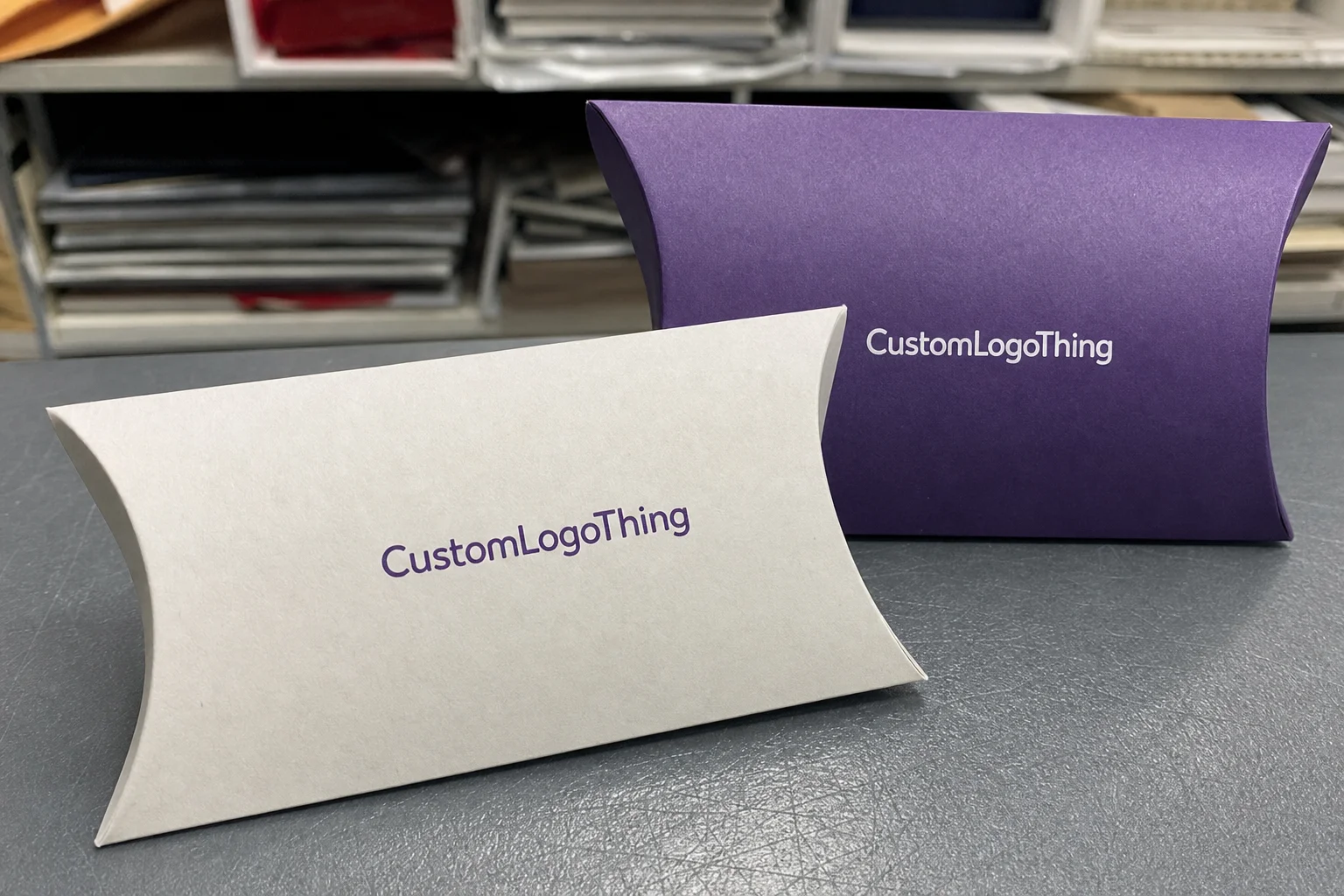
Folding cartons work well for retail packaging, cosmetics, supplements, small electronics, and food items that already travel inside a master shipper. They are lighter than corrugated and usually cheaper at scale. A common spec is 350gsm C1S artboard with matte aqueous coating, which gives a clean print surface and enough stiffness for shelf display. They also deliver sharp shelf presentation, which is why they show up so often in pharmacy shelves in Singapore and boutique retail in London.
Rigid boxes suit premium sets, launch kits, and products where unboxing matters more than shipping compression. They cost more, but the presentation is strong. For a $120 gift set, I would rather see a clean rigid box with a custom insert than a generic printed mailer with too much empty space. Empty space is not elegance. It is a packing mistake wearing cologne.
Inserts are the unsung hero. They can be paperboard, molded pulp, or corrugated die-cuts. A molded pulp insert might cost $0.09 to $0.18 per unit on a 10,000-piece run, while a paperboard insert can be faster to cut and print at smaller quantities. I have watched a fragile skincare set go from a 9% damage complaint rate to under 2% after the insert was redesigned in Dongguan. Same bottles. Same courier. Better fit. That is the kind of boring fix that saves everyone from unnecessary emails.
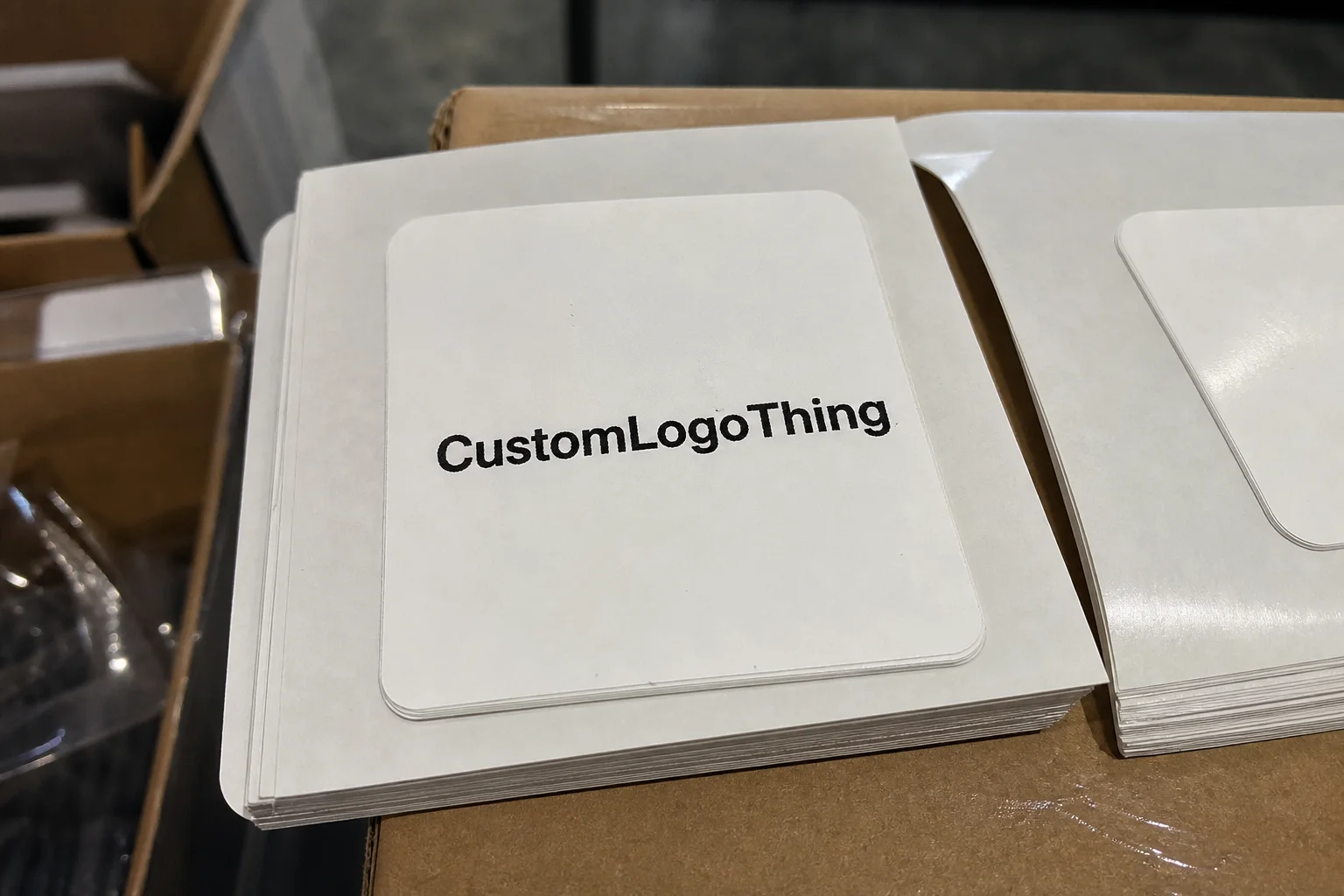
Sleeves and labels are lower-cost entry points for businesses that are not ready for full structural customization. A plain carton with a printed sleeve can still create package branding without committing to a complex tool. For some brands, that is exactly the right step. I have seen startups in Toronto use a 4-color sleeve over a kraft box and get a premium look for about $0.12 to $0.20 per pack at 5,000 units.
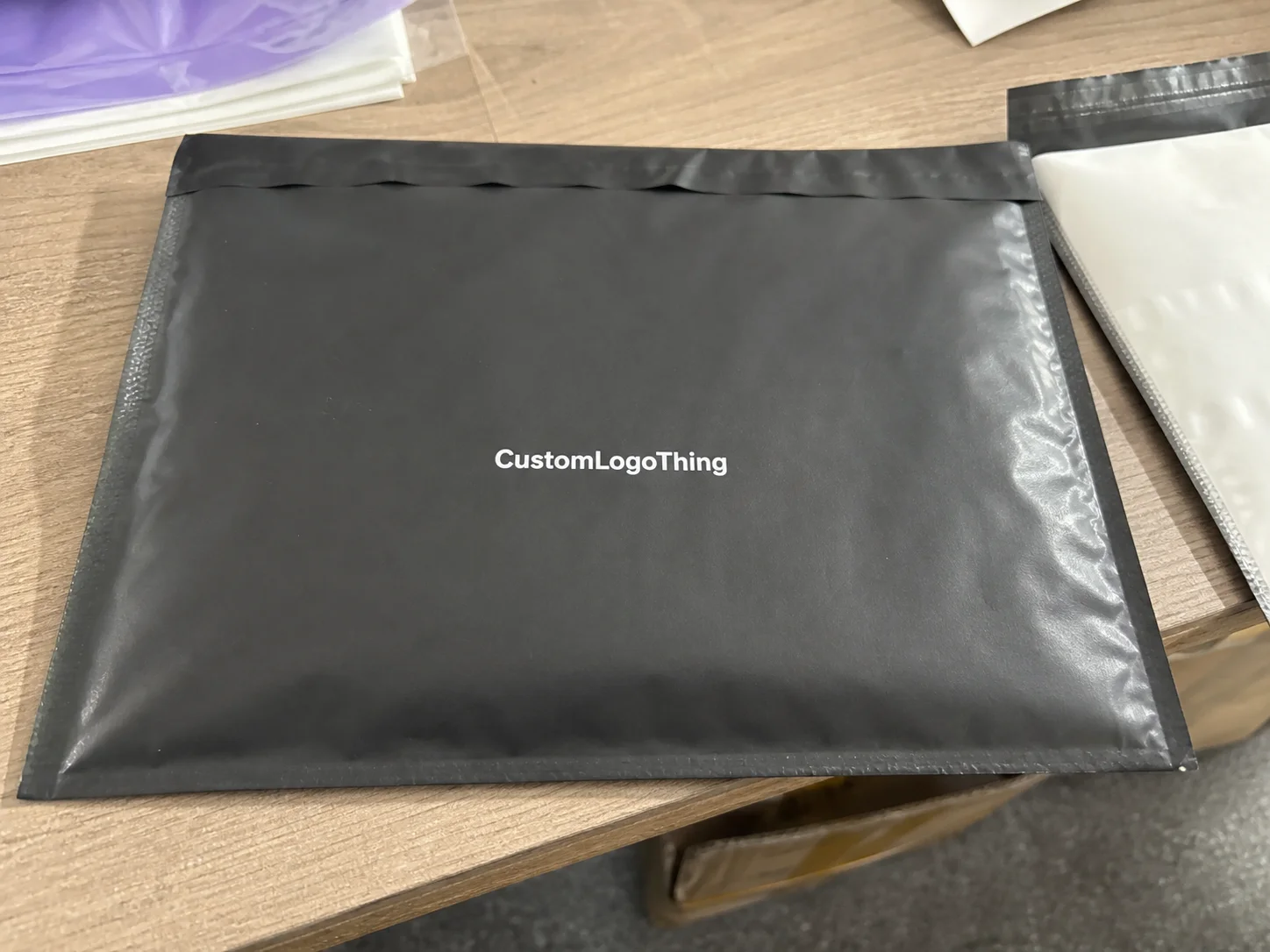
Tissue, tape, and protective shipping mailers also deserve a place in the conversation. These items may look secondary, but they shape the first tactile experience. A logo tissue sheet printed in one color on 17gsm paper and a properly sized poly mailer can transform the perception of a basic shipment. I have seen people get weirdly excited about tissue paper. Which, fine, I get it. If the unboxing feels intentional, customers notice.
Which packaging fits which business model?
Ecommerce: mailer boxes, poly mailers, and inserts usually win because they balance protection with shipping efficiency. A 200 x 150 x 80 mm mailer in E-flute can be enough for many small goods, and it ships cheaper than a box that is 20 mm too tall.
Subscription boxes: mailer boxes and custom inserts are usually the best fit, especially if the contents vary each month. In my experience, most monthly kit programs in Asia and North America do best with a reusable die line and monthly artwork swaps.
Gift sets: rigid boxes or premium folding cartons with inserts work best when presentation drives conversion. A rigid box with 1200gsm grayboard wrapped in printed art paper can justify a higher price point fast.
Cosmetics and personal care: folding cartons, sleeves, and high-detail custom printed boxes tend to deliver the strongest shelf and unboxing effect. A lipstick carton in 350gsm C1S with spot UV on the logo can look like it belongs in a Sephora-style display.
Food and beverage: paperboard cartons, labels, and cartons with food-safe lining are common, but the exact compliance needs depend on the product and market. A tea box in Hong Kong will not have the same paperwork as a snack carton moving through California.
Apparel: mailer boxes, apparel mailers, tissue, and branded stickers are usually enough unless the item is premium or collectible. A folded shirt in a 28 mm-depth mailer with a one-color logo usually does the job without making your freight bill ridiculous.
Custom printing matters most where the customer sees the box before the product is touched. If the product itself already has strong shelf presence, a simple structural change may be enough. I have seen businesses overspend on ink coverage when a well-cut insert and better board grade would have delivered more value. Wholesale custom packaging for small business should improve the customer journey, not just the photo op.
One supplier negotiation stands out in my memory. A candle brand in California wanted full-coverage print on every carton, but their budget was tight and their retail margin was thin. We shifted the plan to a one-color kraft carton with a spot-printed logo, then invested in a custom insert and tighter dimensions. Their landed cost dropped by 11%, and the shelf read still looked premium. That is the sort of tradeoff that makes wholesale custom packaging for small business practical instead of theatrical.
Materials, Print Methods, and Specifications to Compare
Materials drive performance, print quality, and price. If you are sourcing wholesale custom packaging for small business, you need to know what you are actually comparing. A box style can look similar in photos and behave very differently in the mail. A 250gsm carton from one supplier and a 350gsm C1S artboard from another are not the same animal, even if the mockup looks identical on a screen.
Corrugated board is the workhorse for shipping. It has flutes between liners, which add strength and cushioning. E-flute offers a smoother print surface and thinner profile; B-flute adds more rigidity; double-wall structures are stronger but heavier. For ecommerce and subscription goods, corrugated is often the safest starting point. If you are shipping from a warehouse in Suzhou to customers in New Jersey, that extra rigidity can save you from a pile of crushed corners.
Paperboard is thinner and better for retail cartons, sleeves, and product packaging that will not face rough transit. It prints cleanly and folds well. Common grades include SBS, C1S, and C2S, with the right selection depending on the desired finish and budget. A 300gsm SBS carton may be perfect for a serum tube, while a 400gsm C2S carton can support heavier print coverage on a premium cosmetic set.
Kraft paper gives a natural, earthy look. It is popular in food, wellness, and eco-positioned brands. Honestly, I think kraft works best when the artwork is restrained. Too much ink can fight the material’s appeal. Kraft wants to look like kraft, not like it got dragged through a nightclub flyer design. A one-color black logo on 250gsm kraft often feels more intentional than a rainbow trying too hard.
Rigid chipboard is the premium option. It is thicker, heavier, and often wrapped in printed paper. It is ideal for high-value gifts, luxury sets, and presentation kits where structure and perceived value are tied together. Most rigid boxes use 1000gsm to 1800gsm board depending on size, and that weight is one reason they feel expensive the second you lift them.
Specialty finishes such as soft-touch lamination, aqueous coating, UV spot, embossing, and foil can raise the perceived value, but they also raise cost and can lengthen production. A soft-touch finish might add 7% to 12% to the price on a 3,000-piece run, while foil stamping can add an extra day or two to the schedule in a plant near Guangzhou. Use them where they support the offer. Do not apply them just because they sound premium.
Buyers should confirm key specifications before they ask for pricing. These details affect both fit and cost:
- Dimensions: length, width, height, and internal fit tolerance.
- Board grade: for example, E-flute corrugated or 350gsm paperboard.
- Thickness: especially important for inserts and mailers.
- Color model: CMYK, Pantone, or single-color print.
- Print coverage: full bleed, partial print, inside print, or exterior only.
- Coating: matte, gloss, aqueous, soft-touch, or no coating.
- Finish: foil, embossing, debossing, spot UV, or plain.
Printing method matters just as much. Digital printing is usually more flexible for lower quantities and fast mockups. It is useful when artwork changes often, or when you need a smaller run of wholesale custom packaging for small business. Offset printing is more economical at higher volumes and gives strong color consistency. Flexographic printing is common for corrugated and shipping boxes, especially where large runs and simpler graphics make sense. On a 5,000-unit order, digital can be ideal for a startup test; on 20,000 folding cartons, offset is usually where the unit cost starts to make sense.
For comparison, digital can be a smart route for a 500-unit startup test, while offset starts to make more sense once your volume rises and your artwork stabilizes. Flexo often becomes the practical choice for shipping cartons with one or two colors. I have seen a brand spend more on setup by choosing the wrong print method than they would have spent on the entire first production run. That one still hurts to remember, especially when the plant was in Dongguan and the freight bill came from Ningbo.
Sustainability specs deserve a hard look too. FSC-certified stock, recycled content, and right-sized packaging can help reduce waste and signal responsible sourcing. If that matters to your customers, it should be in the brief. The Forest Stewardship Council is a useful reference point for certified paper sourcing, and the EPA recycling guidance can help you evaluate end-of-life claims carefully. For brands shipping out of Vancouver or Amsterdam, those details can be the difference between a marketing claim and a documented policy.
Right-sizing is a practical sustainability move, not just a messaging one. Less void fill. Fewer shipment cubes. Lower freight inefficiency. I have walked enough distribution floors in Shenzhen and Los Angeles to know that oversized cartons are one of the easiest wastes to fix. Wholesale custom packaging for small business should support that fix, not make it harder.
Wholesale Custom Packaging for Small Business: Pricing and MOQ
Pricing is where small businesses need clarity, not vague promises. Wholesale custom packaging for small business pricing usually depends on quantity, style, print coverage, finishes, and where the boxes are shipped. If a quote ignores any of those, you are not seeing the full picture. A quote from a factory in Dongguan shipped FOB Shenzhen should be compared differently from a domestic warehouse quote in Dallas or Chicago.
Typical pricing drivers include:
- Order quantity: more units usually reduce the unit cost.
- Box style: mailer boxes, folding cartons, and rigid boxes all price differently.
- Print colors: one-color prints cost less than full-coverage artwork.
- Structural complexity: inserts, windows, magnets, and custom shapes increase cost.
- Finishes: embossing, foil, and soft-touch lamination add setup and labor.
- Destination: freight from our Shenzhen facility or domestic fulfillment changes landed cost.
MOQ, or minimum order quantity, exists because production has fixed costs. A plant cannot stop a machine for 50 cartons and expect the economics to work the same way as a 5,000-piece run. Dielines need setup. Plates need output. Paper waste from calibration happens. Wholesale custom packaging for small business buyers usually feel the MOQ most on complex structures and specialty finishing. A rigid box with magnet closure in Guangzhou may have a 500-piece minimum, while a one-color mailer box in Shenzhen might start at 1,000 pieces.
That said, a lower MOQ can be the right move if your cash flow is tight or if your product is still in a test phase. I have advised founders to take the smaller run even when the unit cost was higher because they needed to validate demand first. Paying $0.42 instead of $0.31 may be the smarter decision if it keeps inventory risk under control. A cheap unit cost means very little if half the stock sits untouched for nine months, quietly collecting dust and disappointment.
Here is a practical comparison based on common buying patterns. These figures vary by size, artwork, and freight lane, but they show the tradeoff clearly:
| Packaging Type | Typical Use | Example Unit Cost | Typical MOQ | Best For |
|---|---|---|---|---|
| Mailer box, one-color print | Ecommerce, subscription kits | $0.42 to $0.78/unit at 2,000 pcs | 500 to 1,000 pcs | Balanced branding and shipping protection |
| Folding carton, full-color print | Retail packaging, cosmetics | $0.18 to $0.39/unit at 5,000 pcs | 1,000 to 3,000 pcs | Shelf presentation and lightweight product packaging |
| Rigid box with insert | Premium gift sets | $1.20 to $3.50/unit at 1,000 pcs | 500 to 1,000 pcs | High perceived value and premium unboxing |
| Kraft sleeve or label set | Starter branded packaging | $0.05 to $0.16/unit at 10,000 pcs | 2,000 to 5,000 pcs | Low-cost package branding with flexible use |
Those numbers are not universal, and I would not pretend they are. Print coverage, shipping lane, and stock choice can move them. Still, they are useful benchmarks. If a supplier sends you a quote wildly outside those ranges, ask why. Then ask again, because sometimes the first answer is decorative nonsense. I once got a rigid box quote that was 38% higher simply because the supplier assumed foil was mandatory, which nobody had requested.
When requesting quotes, ask for tiered pricing at three quantity points, such as 1,000, 3,000, and 5,000 units. Also request a sample price and a landed cost estimate that includes freight, not just production. I have seen buyers approve an attractive factory quote and then get blindsided by shipping that erased the savings. That is preventable, and I will never understand why people still fall for it like freight is a surprise plot twist.
One client meeting comes to mind. A home fragrance brand in New York compared three suppliers on a rigid box project. Supplier A had the lowest ex-factory price. Supplier B was higher but included inserts and better QA. Supplier C was cheapest on paper, then added charges for every revision. The true winner was Supplier B, because their landed cost and defect rate were the best. Wholesale custom packaging for small business is not a race to the lowest quoted number.
If you need a broader sourcing view, our Wholesale Programs page is a good starting point, and our Custom Packaging Products catalog shows the formats we support across different budgets and product categories. We regularly quote runs from 500 to 20,000 units, depending on the box style and the print method.
From Artwork to Delivery: Process and Timeline
The best packaging jobs move through a disciplined workflow. If you want wholesale custom packaging for small business to arrive on time, you need to understand what happens between the first quote and the final pallet leaving the dock. A job moving through Shenzhen, Dongguan, and then a U.S. port does not magically happen overnight.
Step 1: Consultation. You share dimensions, product weight, shipping method, brand colors, and quantity. This is where the right box style gets narrowed down. A 180 x 120 x 55 mm skincare carton needs different decisions than a 310 x 220 x 90 mm gift box.
Step 2: Dieline selection. The structural template is matched to the product. A bad dieline is expensive because it creates fit problems later. I have watched an entire run get delayed because the insert tolerance was 2 mm too tight. Two millimeters. Tiny on paper. Huge when the bottle refuses to sit in the slot.
Step 3: Artwork setup. Your graphics are placed on the dieline, with bleed, safe zones, and color specs confirmed. Print-ready files save time here. A clean AI, PDF, or EPS file can shave days off the schedule. If your logo is still in a screenshot, please stop. Everybody deserves better than that.
Step 4: Proofing. You receive a digital proof or hard proof, depending on the job. This is where dimensions, logo placement, and spelling get checked. Mistakes caught here are cheap. Mistakes caught after production are not. I once saw a brand approve a proof with the wrong website URL. That was a very expensive typo and a very awkward email chain.
Step 5: Sampling. For some projects, especially new structures, a physical sample or pre-production mockup is worthwhile. The sample should test fit, closure, coating, and presentation. A sample shipped by DHL from Shenzhen to Los Angeles usually arrives in 3 to 5 business days, which is faster than discovering the problem after 10,000 units are already printed.
Step 6: Production. Machines run, cartons are printed and cut, and inserts or finishes are applied. Capacity matters here. Peak season can push schedules by several days. Chinese New Year, Golden Week, and major trade fair periods can add 3 to 10 business days depending on the plant’s backlog.
Step 7: Quality control. Samples are checked for color consistency, glue integrity, cutting accuracy, and general finish. Good suppliers use AQL-style checks or equivalent internal standards. I always want to see a photo of the finished stack, a count check, and at least one carton opened for fit inspection before shipment leaves the factory.
Step 8: Shipping. Freight mode matters. Air is faster and more expensive. Ocean is slower but usually better on cost for larger volumes. Domestic trucking depends on origin and destination. A full container from Yantian to Long Beach will not move on the same timeline as a small air shipment to Chicago.
Realistic timing depends on revision speed and material availability. A straightforward wholesale custom packaging for small business order might move from proof approval to production in 12 to 15 business days, then ship after that depending on freight method. Complex rigid boxes, specialty finishes, or multiple sampling rounds can extend the schedule. I always tell clients to build in a buffer of at least one week if the launch date is fixed. More if the launch date is tied to a trade show, because those dates have a funny way of being immovable only after you start sweating.
How do you avoid delays? Approve dimensions early. Send print-ready files. Keep finish choices limited. Confirm whether the job needs FSC paper, custom inserts, or special coatings before the quote is final. Small changes late in the process can shift material allocation and slotting on the line. That is especially true when the plant is running multiple jobs at once in Guangdong or Jiangsu.
One supplier conversation still sticks with me. The buyer wanted a launch on a hard date but sent three artwork revisions after proof approval. The factory held the slot twice. The issue was not the production line. It was the approval process. Wholesale custom packaging for small business runs on coordination as much as machinery.
What should you receive at each stage? A quote with specifications. A dieline or template. A proof showing art placement. A sample if requested. A production update. A packing list and shipping notice before dispatch. If those pieces are missing, ask for them. That is how you keep a job transparent. In my experience, the suppliers in Dongguan and Shenzhen who share those documents fastest are usually the ones who understand repeat business.
Why Choose Us for Wholesale Custom Packaging for Small Business
When buyers shop for wholesale custom packaging for small business, they usually compare three kinds of supplier: a packaging manufacturer, a generic print vendor, and a marketplace seller. Each has strengths, but they are not equal when the order gets technical. A $0.22 box on a marketplace listing can become a $0.41 headache after color drift, weak glue, and a 6-week delay.
A packaging manufacturer can advise on structure, board grade, print setup, and cost tradeoffs before production starts. That matters. I have seen a five-minute engineering suggestion save thousands of dollars over a year of reorders. A generic print vendor may handle graphics well, but they are not always equipped to advise on transit performance or packaging design. A marketplace seller may look cheap initially, but the hidden cost often shows up in inconsistency, weak support, or limited customization.
At Custom Logo Things, the value is practical: responsive support, clear pricing, specification guidance, and packaging options that match real business models. We focus on branded packaging that fits the product instead of forcing the product into a standard box that “sort of” works. That approach saves time and reduces errors. We also keep the quoting process grounded in actual numbers, like 1,000-unit, 3,000-unit, and 5,000-unit pricing tiers, so you can compare apples to apples instead of guessing.
Credibility matters here. You should expect sample availability, a clear dieline process, and quality checks that look for print alignment, adhesive integrity, and fit. I prefer a supplier who tells me when a finish will add two days and 6% to cost over one who hides it until the invoice arrives. Trust is built in the quotation stage, not after the boxes land. That part is not glamorous, but neither is explaining a mismatch to your customer service team.
We also work with buyers who need flexibility. Some want small test quantities. Others need consistent reorders with minimal drift in color and dimensions. Wholesale custom packaging for small business should support both. The real question is whether the supplier understands your launch plan, reorder pattern, and customer experience goals. A small business in Vancouver selling 800 units a month does not need the same ordering model as a brand in Los Angeles moving 20,000 cartons per quarter.
Here’s the honest version: no supplier is perfect for every job. If you need ultra-premium rigid construction with complex hand assembly, plan for a longer timeline and tighter QA. If you need straightforward mailers with a one-color logo, keep the spec simple and you will get faster turnaround and better pricing. That kind of fit is what matters.
I’ve walked enough factory floors to know that good packaging partnerships feel boring in the best way. Files arrive clean. Quotes match the invoice. Samples match the production run. The shipment shows up on time. That is not flashy, but it is what small businesses need when cash flow and inventory both matter. Flashy packaging is nice. Predictable packaging keeps the lights on.
Next Steps to Order Wholesale Custom Packaging
If you are ready to move from idea to quote, gather the basic information first. The fastest wholesale custom packaging for small business requests usually include product dimensions, product weight, quantity target, and the preferred box style. That alone cuts back-and-forth dramatically. A complete brief sent from the start can save 2 to 3 email rounds and several days.
Here is the information that helps us quote accurately:
- Product dimensions with internal and external fit needs.
- Product weight so we can judge board strength and shipping behavior.
- Brand files such as logo, Pantone colors, and artwork references.
- Finish preferences like matte, gloss, soft-touch, foil, or no coating.
- Target quantity and one or two backup volume ranges.
- Delivery target so freight and production can be aligned early.
For the smoothest first order, ask for a sample or mockup before committing to a full run. Even a simple white sample can reveal a fit issue that would be expensive to discover later. A mockup also helps sales teams, retailers, and investors understand the final presentation. That has value beyond production, especially if you are pitching a retailer in New York or a distributor in Singapore.
If your order is for retail packaging, ask whether the carton needs hang holes, barcode space, or shelf-facing artwork. If it is ecommerce packaging, ask whether the box size should be optimized for carrier efficiency and reduced void fill. If it is a premium gift line, discuss insert layout and closure strength. Those details are the difference between a box that merely exists and one that performs. I have seen a 2 mm change in depth improve stackability enough to cut freight charges on a whole pallet.
Wholesale custom packaging for small business is easiest to buy when the brief is specific. Give the supplier dimensions, brand goals, and a realistic quantity. Ask for landed cost. Request a sample. Review the proof quickly. That is how a packaging order moves from procurement chore to measurable business asset. A good supplier can usually quote a clear first round in 24 to 48 hours, provided the brief actually includes the numbers.
If you are comparing options right now, start with the product family that best fits your shipping model, then refine the spec. That is the fastest path to useful packaging, not just pretty packaging. And if you need help, review our Custom Packaging Products and Wholesale Programs pages to map the next step.
Wholesale custom packaging for small business works best when you treat it as part of product strategy, not an afterthought. Get the dimensions right, Choose the Right materials, and ask for a quote that includes the real cost to land and use the packaging. That is where better margins and better presentation meet, whether your orders ship from Guangzhou, Shenzhen, or a warehouse in Ohio. If you want the cleanest path forward, lock the spec first, then price the packaging second; that order keeps the whole project grounded.
FAQs
What is the best wholesale custom packaging for small business products?
The best option depends on product weight, fragility, and shipping method. Mailer boxes suit ecommerce, folding cartons suit retail display, and rigid boxes suit premium sets. In practice, choose the smallest structure that protects the product and supports your brand presentation. A 350gsm folding carton may be enough for a 60 ml serum, while a 1,200gsm rigid box makes more sense for a $95 gift set.
How much does wholesale custom packaging for small business usually cost?
Pricing depends on quantity, material, print coverage, finish, and structure complexity. A folding carton might start around $0.18 to $0.39 per unit at 5,000 pieces, while a mailer box could run higher depending on board grade and print coverage. Ask for tiered quotes and landed cost estimates so you can compare the true Cost Per Unit. I would rather see a quote with $0.15 per unit for 5,000 pieces and honest freight than a fake-low price that doubles after shipping.
What MOQ should I expect for wholesale custom packaging for small business?
MOQ varies by box type and print method. Simpler designs usually have lower minimums, while rigid boxes and specialty finishes tend to require larger commitments. If cash flow is tight, prioritize a supplier that offers smaller runs or flexible reorder programs. A 500-piece test run in Shenzhen may be the right move if you are validating a new SKU before ordering 5,000 units.
How long does wholesale custom packaging for small business take to produce?
Timeline depends on proof approval, sampling, production capacity, and shipping method. A straightforward order can move from proof approval to production in about 12 to 15 business days, though shipping adds time. A fast approval cycle is one of the easiest ways to shorten the overall lead time, especially if the factory is in Dongguan or Guangzhou and the shipping lane is already full.
What files do I need to order wholesale custom packaging for small business?
You usually need product dimensions, logo files, artwork ready for the dieline, and any finish or color preferences. Supplying clear specs upfront reduces revisions and speeds up quoting and production. If you have a target ship date, include that too so scheduling can be realistic. A print-ready PDF or AI file with Pantone references can save days compared with a rough screenshot and a hope.