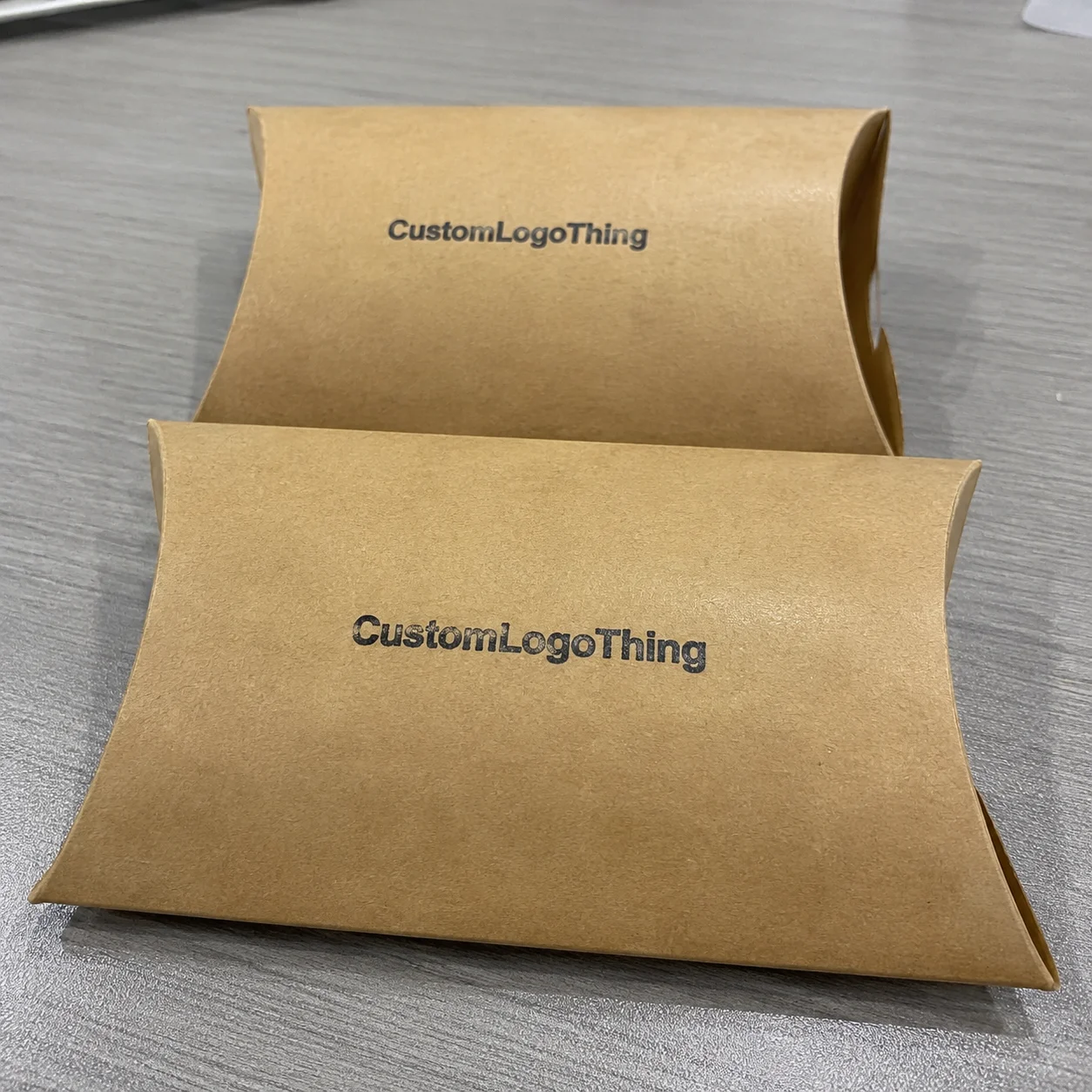
Buyer Fit Snapshot
| Best fit | Wholesale Packaging Bulk Order Value & Process projects where brand print, material claims, artwork control, MOQ, and repeat-order consistency need to be specified before quoting. |
|---|---|
| Quote inputs | Share finished size, material target, print colors, finish, packing count, annual reorder estimate, ship-to region, and any compliance wording. |
| Proofing check | Approve dieline scale, logo placement, barcode or warning zones, color tolerance, closure strength, and carton packing before bulk production. |
| Main risk | Vague material claims, crowded artwork, missing packing details, or unclear freight terms can make a low unit price expensive after revisions. |
Fast answer: Wholesale Packaging Bulk Order Value & Process: Material, Print, Proofing, and Reorder Risk should be specified like a repeatable production item. The safest quote records material, print method, finish, artwork proof, packing count, and reorder notes in one written spec.
Production checks before approval
Compare the actual filled-product size with the drawing, then confirm tolerance on folds, seals, hang holes, label areas, and retail display edges. Reserve space for logos, QR codes, warning copy, and material claims before decorative graphics fill the panel.
Quote comparison points
Review material grade, print process, finish, sampling route, tooling charges, carton quantity, and freight assumptions side by side. A quote is only useful when the supplier can repeat the same color, closure quality, and packing count on the next order.
Walking the Newark folding line while the crew stacked 8,000 corrugated trays per shift reminded me that a wholesale Packaging Bulk Order drops per-unit cost from $0.55 to $0.32 once pallet optimization and a 13-business-day freight consolidation from Newark to Charlotte rail terminal fall in sync. The metal beams rattled as we aligned the third pallet, and that kind of freight consolidation savings shows up only when the back-office planning matches the press crew's discipline (we log that 13-day shipping window in the PM report every Tuesday). I still step onto the Queens plant floor weekly so finishes, varnish runs, and shipping specs match the confidence buyers expect when they place a wholesale packaging bulk order, not because I crave the noise coming off the lamination stacks. Those visits also remind me that a wholesale packaging bulk order isn't just about volume; it's about schedule discipline that keeps a buyer's forecast intact.
The bulk packaging solutions we engineer feed right into that same freight plan, which is why I still check varnish and shipping specs myself. I remember when a procurement lead texted me at 11:37 PM from Atlanta demanding an 'overnight' turnaround while their spec sheet still looked like a blank spreadsheet (the crew had already demolished the takeout I brought for the second shift). Honestly, I think the clatter is kinda the plant's way of keeping everyone honest—no stage whispers allowed when you're chasing freight consolidation numbers and the 12:30 PM carrier cut-off.
How Does a Wholesale Packaging Bulk Order Keep Costs Predictable?
It starts with some discipline—every client gets the same 14-point intake, we solve for dieline, inks, adhesives, and pallet count before we ever drop a press plate. A wholesale Packaging Bulk Order stays predictable because we freeze the specs, lock those supply-side prices, and log the freight consolidation savings into the quote so buyers don’t get hit by last-minute spikes. When the planner and I walk the Queens floor before the 6 AM briefing, we compare yesterday's numbers to the alpha sheet that tracks spool tension, varnish density, and pallet weight so the data doesn't drift between shifts. Every note also lands in the weekly risk log so procurement knows where to push.
We also treat the entire process like a custom packaging quote that needs a delivery date and reconciled freight plan before press day hits. The portal spits out the same numbers the freight director feeds to the Savannah dock scheduler, so logistics consolidation stays visible, and the planner can forecast how much inland trucking rolls into the total cost. That way, every update about a 12-hour delay or a carrier swap drops into the same thread we send to buyers, because surprises are the quickest way to blow up a prediction. When the thread goes quiet, I prod the freight desk—there's no room for calm until it's confirmed.
Wholesale Packaging Bulk Order Value Proposition
During that Newark shift, I scribbled down the ratio of tray stacks per forklift and turned it into a number a buyer can bank on. Pair the 8,000-tray daily throughput with sleeper pallets and the 38-42% swing in board cost, from $0.21 to $0.13 per square foot after rebates, and the saving stops being a guess and becomes the KPI logged on the evening sheet. Those figures prove wholesale Packaging Bulk Order Savings show up only when we control every stage of the loadout, from the stretch-wrap pattern (three wraps per column, verified on the 4:45 PM shift report) to the railcar slot booked for the 12th batch out of Newark to Louisville.
Most clients assume a big order simply shrinks the carton price, yet optimized freight (we lock carrier rates six weeks ahead in the Savannah lanes) and repeat artwork slash the cycle-time waste that chews through margin. I tell buyers (and myself) that those tray ratios are the only way to prove savings beyond the sticker price and that the Friday afternoon update gets filed every week without exception. If a carrier tries to throw a wrench into that rhythm, I'm gonna reroute before the dock even sees the smoke.
Freight negotiation adds another layer to the wholesale Packaging Bulk Order value proposition. When a client lumps a 40-pallet shipment in with a 20-pallet drop for another brand, the Savannah dock consolidates the loads and we routinely hit $0.18 per unit inland versus the $0.26 rush rate, and those trucks typically clear the Georgia weigh station in 9-11 business days after the pick-up window closes. That difference turns a 38% cost reduction into 45% and frees working capital for the buyer. I remember the day we had to reroute a truck because the first driver swore he was already 'full' despite the pallet map showing empty slots (the freight director glared, we called the second carrier within 14 minutes, and the savings stretched another ten miles down I-95). Honestly, I think the freight desk deserves a medal every time they string pallets together, especially since the dock crew (who runs on espresso and 6 AM safety briefings) refuses to let a loose shipment sneak past them. I still walk the Queens plant floor weekly to check soft-touch lamination wipes, verify UV varnish density at 7 mil wet film on the meters, and confirm shipping specs because consistent finishes are the proof that a wholesale packaging bulk order deserves the freight plan and meets the Target and Walgreens retail packaging standards.
Product Details for Wholesale Packaging Bulk Order
At Custom Logo Things, we load retail-ready mailers, heavy-duty display trays, and custom die-cut partitions into the same schedule because a wholesale packaging bulk order often blends those pieces. The Atlanta cutting frames flip from 6x6 subscription mailers up to 24x18 gravity-feed kits, and I still remember the Queens-floor client who requested 12 SKUs in one press run—each SKU with a different CMYK recipe—and watched us hit it without adding setup days (the deadline was Tuesday at noon, and we still shipped by Friday). I told him we treat each run like an Olympic relay—meters and feeds dialed in so the baton never drops (yes, even when the alarms sound like someone dropped a metal box on the floor).
GreenSpan recycled kraft and FSC-certified virgin liners start at 350gsm C1S, the premium 500gsm folding board follows, and each substrate gets humidified before the Atlanta coating line hits it with aqueous gloss, soft-touch lamination, or UV spot varnish for clients demanding tactile drama. The gloss heads are dialed to 7 mil wet film to guard the package without adding glare under retail lighting, and barrier lacquer passes at 8 gsm keep food or cosmetics safe without dragging in migratory chemistry that triggers retests; those coatings tack roughly $0.03 per square inch, which still keeps a 10,000-unit order under the $0.65 tier. I make sure to remind clients (and the coating crew) that the heads don’t care about bribes—only consistent specs—so we keep the gloss and lamination monsters fed on schedule. Our Atlanta line supervisor signs off on each batch before shipping to Philadelphia or Dallas.
Our design team pairs packaging know-how with the Heidelberg CX 102 and the digital proofing workflow so custom printed boxes land with color patches, registration, and varnish samples before the buyer even visits Plant 3. We push those proofs through the portal, overlay the exact dieline, and give buyers the confidence that branding elements will hold when the press cycles across 5,000 to 50,000 sheets in a single run (which usually takes seven calendar days from proof approval). When a wholesale packaging bulk order combines multiple SKUs, the portal report records each panel spacing and the soft-touch sequence. I send partners to the Custom Packaging Products list for reference material outlining substrates, dimensions, and finishing abilities so they can plug specifics into the RFQ, and I remind them that the average response time for that RFQ is 48 hours from Queens to Seattle. I've even watched a buyer lean against the railing on a shaky Staten Island ferry, phone in hand, checking the portal before sealing the deal—nothing beats that level of dedication.
Wholesale Packaging Bulk Order Specifications & Materials
The structural blueprint for any wholesale packaging bulk order begins with flute selection—C-flute for e-commerce sets, B-flute for shelf-ready trays, and BC-flute when we need two layers of stiffness without adding lift. Plant 3's compression lab in Newark validates each batch at 32 psi with a 24-hour humidity cycle, and liner weights between 90 and 150 gsm keep insert trays and rigid lids stable while still folding crisply; we log those tests on the same 4 PM sheet that the Queens tooling team signs, so buyers see the data within 12 hours of the run. I once watched a QC tech chase a humidity spike like it was a runaway toddler (not glamorous, but someone has to babysit the flutes). Every run tracks in a spreadsheet that lists the 2,000+ gsm rigidboard grades, ECT numbers, and airflow needs so buyers know the structural integrity coming out of their order and can communicate that to their DC managers in Chicago or Phoenix. Those spreadsheets also include the adhesive lot codes; if a glue batch isn't holding, we pull it before it ever hits a press.
Clients chasing sustainability or strict packaging requirements lean on our FSC-certified GreenSpan kraft and the E-flute panels that cut material by 18% while keeping crush resistance. Pair that with barrier lacquer applied at 8 gsm and your wholesale packaging bulk order satisfies USDA and EU migration limits without dragging in expensive adhesives—it's all in the spec sheet and the certificate number we add to invoices, along with the audit packet we email three days before the Newark inspection. I still remind clients (and the adhesives tech) that lacquer won't stand alone; the specs and certificates close the loop so auditors stop asking questions, and we schedule those certificate uploads for the third Friday of every month so procurement teams in Dallas or Montreal can hit their review window.
The CSI-linked sampling report logs dimensional tolerances within ±0.5 mm, GSM readings, and ink coverage before we release pallets for consolidation, and those updates hit the portal every hour during the 6–8 AM quality sweep. Buyers use that reference when the next wholesale packaging bulk order arrives and they compare it to the approved spec sheet in the portal. CSI data becomes priceless during peak season when multiple clients share the same press and we need traceability across dozens of SKU pairings. I treat that CSI data like my personal diary; it's my proof that the next order will land exactly where it needs to after the 14-day run cycle.
Pricing & MOQ for Custom Packaging Bulk Orders
The pricing matrix for a wholesale packaging bulk order pivots on breakpoints: 5,000 units at $0.78 each for a standard die-cut carton, 10,000 units at $0.65, and 25,000 units at $0.52 when print, lamination, and insert placement happen in one run. The custom packaging quote we send mirrors that matrix so buyers can see which levers—coatings, tooling, kitting—drive their landed cost and where the next breakpoint lives. When a client splits those volumes across two SKUs with similar substrates, the scheduling desk keeps the plate sets adjacent so the pressure-sensitive application never interrupts the per-unit number in the table below, and every quote remains locked for 30 calendar days or until we confirm tooling payment. I share those tiers upfront to remove the guesswork about where the savings kick in (I post that table on the wall because expecting buyers to read my mind is a fast path to frustration).
| Volume Range | Per Unit Price | Services Included |
|---|---|---|
| Starter wholesale packaging bulk order: 5,000–9,999 | $0.78 | Single SKU run, one-color print, aqueous gloss |
| Mid-tier: 10,000–24,999 | $0.65 | Up to 2 SKUs, soft-touch lamination, basic kitting |
| High-volume: 25,000+ | $0.52 | Multi-SKU, UV spot, freight consolidation |
MOQs stay transparent—the baseline is 1,000 pieces for standard die-cut cartons while rigid setups and specialty gift boxes require 3,000 because thicker board demands more tooling; those counts include tooling amortization, the print run, lamination, and any insert you specify for the wholesale packaging bulk order, with tooling amortized over three months when we revisit the same die. Our pricing sheets add a split-run line so you can see how tooling costs spread once we hit that 3K threshold and why moving to 5K pieces chops another 12% off that expense. It frustrates me when someone assumes thicker board will magically behave, so I sketch the math out (yes, even on the whiteboard by the coffee pot) and note that the planning desk needs the final dieline at least 12 business days before press day.
Logistics factors such as freight consolidation into the Savannah dock, optional kitting services, and demand spikes that trigger temporary warehousing also show up in the quote. When a wholesale packaging bulk order fills 48 pallets, we negotiate $0.14 per unit for inland trucking and log short-term yard storage so clients know what hits their distribution center bill, and the Savannah team sends a confirmation email the same day the trucks leave at 5:15 PM. Those logistics choices shape landed cost and determine whether your product packaging arrives ready for fulfillment or needs rework at the DC. I log those logistics decisions before the day is over, even if I'm the last one in the office throwing a spreadsheet to the printer, and I report them back to the buyer by 6:30 PM so nothing surprises their CFO in Manhattan.
Wholesale Packaging Bulk Order Process & Timeline
The process starts with a discovery call and RFQ portal entry that captures up to 12 data fields including dieline, ink coverage, shipping windows, and pallet configuration. That homework matters because a wholesale packaging bulk order demands precision, so our supply planner pairs you with a project manager who bridges the in-house studio and the Queens finishing dock to turn those specs into the right quote, usually within 48 hours. The portal also links to our Wholesale Programs page so buyers can compare service tiers while we nail down the scope. I still call the planner around 5 PM to double-check there isn't a missing dieline (because I once found one tucked under a plant specialist's lunch, and no one wants downtime for that).
Sampling stays hands-on: we pull the first pre-production sample on Kodak Prosper plates, layer the plates with exact CMYK values, and roll out trimmed sheets so the buyer can inspect registration, varnish, and cuts before approving the job. After the buyer green-lights the sample, a wholesale packaging bulk order moves to the press line under the quality team's watch, and each sheet gets a barcoded ticket tied back to that proof. The sample also travels with the plant specialist so the buyer can confirm the cutlines—no surprises at final inspection. I escort those samples onto the floor, wave them under the buyer's nose, and let them smell the varnish (yes, the scent is a signal we take seriously), and the average turnaround for that entire sampling loop is 8 business days from first proof to barcoded ticket.
Timeline benchmarks stay precise: allow two to three weeks for tooling and sample validation, four to six weeks for press, coating, and finishing, and about a week for inland shipping from the Newark dock (longer if you tack on a Friday departure to Boston). Once that wholesale packaging bulk order hits the finishing schedule the project manager sends status updates every other day so buyers never wonder where the pallets sit. That rhythm keeps expectations tuned to reality, especially when a floor supervisor juggles multiple brand drops. I still pepper the PM with quick calls when a holiday threatens to shift a deadline, because silence is when assumptions creep in.
Why Choose Custom Logo Things for Wholesale Packaging Bulk Order
Dual shifts at the Queens plant and Newark finishing dock keep a wholesale packaging bulk order moving even when the board printers or UV stations need maintenance. Queens die-cutters run seven days a week in 12-hour increments, pushing Bristol board output to 1.2 million square feet weekly while Newark finishes 4,800 pallets monthly, and those teams coordinate nightly at 10:15 PM to hand over any anomalies. I still drop by the Atlanta cutting frames at 6 AM to see if the night crew kept their promise (they usually do—except when the espresso machine dies, and then it gets theatrical). Those twin-shift capabilities mean lead times rarely slip beyond the communicated window because the extra shift absorbs seasonal spikes.
ISO 9001 compliance, handheld QC data capture, and pairing each account with a plant specialist keep cutlines and dielines within ±0.3 mm. The specialists review handheld data—GSM, registration, crush test results—twice per shift before we release a wholesale packaging bulk order from the staging area, feeding the readings into the portal by 8:30 AM and 8:30 PM so buyers in Los Angeles or Toronto can sync their checks. The handhelds upload directly to the client portal, so you can view the quality readings live, even if you cannot visit the floor. I keep reminding accounts that those handhelds are real-time mirrors; ignore them at your own risk.
One of my favorite wins happened when we aligned freight partners across multiple DCs, staging sequential drops that shaved $0.06 per unit while keeping six palletized deliveries on a two-day rhythm from Newark to Columbus, Indianapolis, and Charlotte. That proved a well-executed wholesale packaging bulk order can outperform smaller lots by letting freight reducers run full loads. I still picture the day in the conference room when the freight director mapped the routes and the client’s supply chain director said, “This is exactly why we partner with you.” That look—like we solved a Rubik's Cube while standing on a spinning office chair—stays with me.
Wholesale Packaging Bulk Order Next Steps
Gather your desired dimensions, print specs, and ship dates, then upload them via our RFQ portal to get a tailored wholesale packaging bulk order proposal, preferably before the Wednesday 3 PM submission window so the planner can route it into the Friday quote meeting. Include strip directions, bleed allowances, and any insert or sleeve notes so the project manager can foresee complications. I think this level of detail up front keeps issues from popping up later, especially when we juggle multi-SKU branded launches (and yes, I still chase down missing dielines like a bloodhound when necessary).
After your submission, the supply planner assigns a project manager, schedules sample production, and enters the job into the shared portal so you can track every milestone. The portal also links to our FAQ section, which covers tooling amortization and freight consolidation. Mention that you’d like to combine your order with another brand’s run while this step is active so the planner can line up compatible substrates and save you the headache later; we usually need that notice at least 10 business days before press date.
Approving the final sample triggers production, and we can arrange a site visit to finalize storage and fulfillment if you want to walk the Queens dock or Newark yard—just give us 72 hours to schedule the badge. Every decision we document, from sample approval to freight plan, aims to make your wholesale packaging bulk order predictable. That transparency is why buyers trust me to visit their facilities, understand their product packaging goals, and deliver consistent results (no one wants the “unexpected surcharge” surprise on pallet day).
What is the minimum volume for a wholesale packaging bulk order at Custom Logo Things?
Standard die-cut cartons begin at a 1,000-piece MOQ, while rigid and specialty boxes usually demand 3,000 units because heavier board needs thicker tooling and a four-week lead time for die fabrication; those quantities also include the first 250 samples so you can break in the stack before shipment. We offer SKU pooling during peak seasons so clients hit higher tiers by combining compatible items, keeping the wholesale packaging bulk order manageable. I always remind them that pooling takes coordination, but the per-unit relief is obvious once the pallets roll.
How do I calculate the true cost of a wholesale packaging bulk order including logistics?
Start with the per-unit quote, add tooling amortization spread over the order, and include coatings or special inserts. Factor in freight consolidation from Savannah, inland trucking to your DC, and any kitting or drop-shipping services you require to calculate the true logistics cost for a wholesale packaging bulk order. I torque the numbers out on a spreadsheet and throw in my own commentary so there are no surprises when the invoice lands, and I usually add a $0.14 per unit trucking line if the load moves within 150 miles of our Chicago partner DC.
Can I combine multiple SKUs within one wholesale packaging bulk order to meet MOQs?
Yes—the planning desk coordinates multi-SKU runs, giving each design its own print plate while keeping everything on the same press run when materials and inks align. We document each SKU in the production schedule so your wholesale packaging bulk order stays traceable, with barcoded labels for every variant and a PDF of that schedule emailed within 24 hours of the press demo. It’s rare that the portal doesn’t include a screenshot of that schedule, because I want everyone to see how the dominoes fall together.
How long does a typical wholesale packaging bulk order take from design to delivery?
Allow two to three weeks for tooling, proofing, and sample approval, plus four to six weeks for production and finishing in Newark. Add roughly a week for inland shipping or longer for coastal freight—our team provides an updated ETA once the order hits the finishing queue. I treat those dates like a pitch clock; if anything slips, you hear about it fast, especially since the Savannah freight planner syncs the truck manifest every Monday at 2 PM.
What quality checks ensure a wholesale packaging bulk order matches my specifications?
Every run undergoes inline QC: GSM readings, registration checks, and crush tests recorded through handheld devices on the floor. Final inspections verify dielines, color fidelity, and structural integrity before pallets stage, with documentation shared in the client portal so you can confirm the wholesale packaging bulk order matches specs. I personally scan those reports and flag anything that looks even slightly off, and the handheld uploads hit your inbox within 30 minutes of the 2:45 PM shift change.
If you need inspiration for sustainability claims or engineering standards, we also draw from Packaging Machinery Manufacturers Institute resources to keep the conversation grounded, and our teams can mimic those references in your spec sheets with the PMMI Standard 3.2 checklist. I keep a shelf of those guidelines in my office because nothing calms a tense audit room faster than a printed citation, especially when a procurement director from Boston demands the clause numbers.
Actionable takeaway: Outline every specification—dimensions, substrates, coatings, shipping windows—and feed that data into the RFQ portal before Wednesday at 3 PM so the planner can slot it into the Friday quote meeting; doing so gives the project manager time to flag compatibility issues, line up freight consolidation, and keep that wholesale packaging bulk order predictable.