Buyer Fit Snapshot
| Best fit | Wholesale Paper Mailers for Ecommerce projects where brand print, material claims, artwork control, MOQ, and repeat-order consistency need to be specified before quoting. |
|---|---|
| Quote inputs | Share finished size, material target, print colors, finish, packing count, annual reorder estimate, ship-to region, and any compliance wording. |
| Proofing check | Approve dieline scale, logo placement, barcode or warning zones, color tolerance, closure strength, and carton packing before bulk production. |
| Main risk | Vague material claims, crowded artwork, missing packing details, or unclear freight terms can make a low unit price expensive after revisions. |
Fast answer: Wholesale Paper Mailers for Ecommerce: Bulk, Custom, Fast should be specified like a repeatable production item. The safest quote records material, print method, finish, artwork proof, packing count, and reorder notes in one written spec.
Production checks before approval
Compare the actual filled-product size with the drawing, then confirm tolerance on folds, seals, hang holes, label areas, and retail display edges. Reserve space for logos, QR codes, warning copy, and material claims before decorative graphics fill the panel.
Quote comparison points
Review material grade, print process, finish, sampling route, tooling charges, carton quantity, and freight assumptions side by side. A quote is only useful when the supplier can repeat the same color, closure quality, and packing count on the next order.
For many apparel brands, wholesale paper mailers for ecommerce solve a problem that boxes often hide rather than fix: the product is light, flat, and easy to ship, yet it still needs protection, a clean presentation, and packaging that does not waste space or freight. A properly sized mailer keeps the item secure, keeps the packing station moving, and gives the customer a neat first impression without paying for more package than the shipment actually needs.
The packaging choice reaches farther than the outer surface. It changes how many units fit on a shelf, how long a picker spends on each order, how much void fill disappears into the workflow, and how often the team has to pause to swap package types. A paper mailer can trim friction from daily operations, and that is usually where packaging either earns its keep or quietly drains margin from every shipment.
Bulk buying magnifies that effect. A standardized mailer program gives ecommerce teams fewer SKUs to manage, simpler replenishment planning, and more consistent branding across shipments. The strongest result is not flashy. It is a packing process that repeats cleanly, uses the same dependable format again and again, and still looks intentional when the parcel reaches the customer’s doorstep.
There is also a buying behavior pattern that shows up in real operations. Early-stage brands often start with whatever fits the product, then discover that packaging changes ripple into labor, storage, and freight. Larger teams usually reverse that sequence: they pick the mailer size after the product mix is mapped, because the wrong mailer can turn a simple order into a small operational tax.
Why wholesale paper mailers make ecommerce shipping leaner
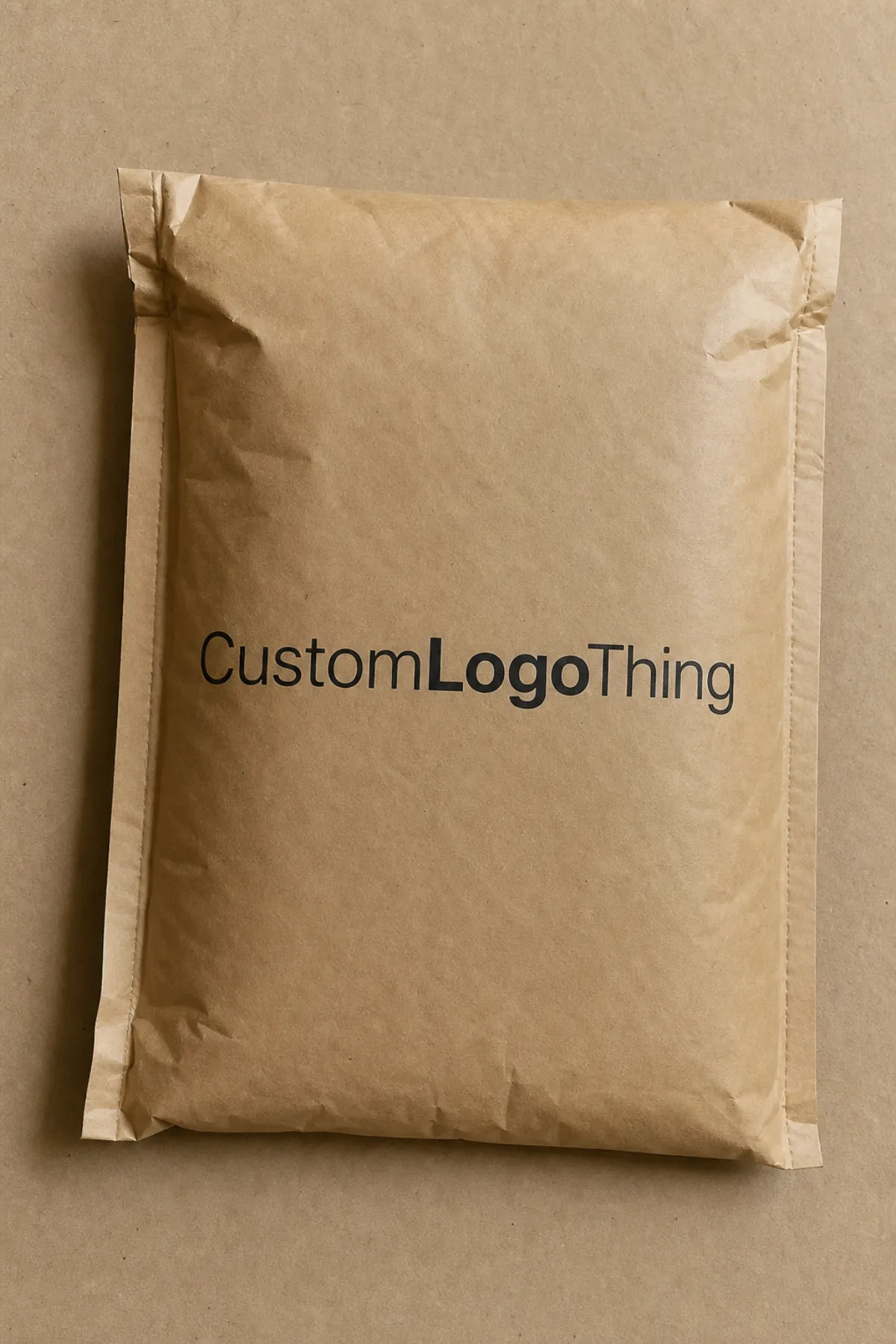
Paper mailers fit best anywhere the product is soft, folded, or low-profile. That covers apparel such as tees, leggings, socks, and loungewear; accessories like scarves, belts, and small bags; printed inserts; catalogs; stationery; and lightweight bundles that do not need rigid crush protection. For those shipments, a mailer often delivers enough protection with less material and less dead space than a folding carton.
A practical comparison makes the case clearer. A single folded shirt or lightweight accessory rarely needs a large corrugated box, yet many brands still overspend on oversized shipping formats because they want the order to feel protected. In practice, a flat mailer can do the same job with fewer packing steps and a smaller footprint in the warehouse. That matters when order volume climbs and every extra second at the packing bench starts showing up in labor cost.
Wholesale purchasing adds another layer of value. Once the right mailer size is chosen, the operation can standardize around it, train new packers faster, and keep inventory control cleaner. Instead of managing several box sizes, fillers, and tape combinations, the team can pull one mailer, close it, and send it. That kind of simplicity also helps during peak periods, because a smaller packaging assortment is easier to count, store, and reorder on schedule.
Storage is another quiet advantage. Paper mailers ship flat and stack compactly, so they take far less room than assembled cartons. That makes receiving easier, cuts down on clutter near the packing line, and helps brands avoid the constant shuffle of rearranging shelves for the next packaging purchase. If your team has ever had to move pallets around just to make room for shipping supplies, the benefit is obvious.
Paper mailers work best when they disappear into the workflow: easy to grab, easy to close, and sized tightly enough that the packer is not fighting the package every few orders.
Sustainability deserves a grounded explanation. Paper-based packaging can support a lower-plastic strategy, but it is not a free pass. Fiber source, coatings or liners, closure adhesive, and the local recovery system all affect what happens after delivery. The U.S. Environmental Protection Agency has practical recycling guidance that helps buyers think more clearly about disposal and material selection: EPA recycling basics. A buyer should still check the actual construction before making any public claims.
There is also a branding benefit that is easy to overlook. Paper mailers give printed logos, subtle textures, and natural kraft tones a place to stand out without needing a heavy design system. That works well for brands that want the package to feel clean and deliberate rather than overworked. The result is a shipping format that saves motion in the warehouse and supports a more consistent customer experience at the same time.
For teams that ship both apparel and small hard goods, the contrast becomes even clearer. A paper mailer may be ideal for a folded hoodie or a stack of socks, but the same format may feel underbuilt for a boxed candle or a product with sharp corners. The best wholesale program is not the one that tries to force every SKU into one package. It is the one that matches the mailer to the item with the least friction and the fewest surprises.
Wholesale paper mailers for ecommerce: materials and construction
The most common paper mailer construction starts with kraft paper outer layers and a fiber-based body folded and sealed into a flat pouch or envelope-style mailer. Strong versions reinforce the seams so the package stays closed through normal parcel handling, conveyor vibration, and the rough edges of everyday distribution. The goal is not to create a heavy-duty box replacement for fragile goods; the goal is to make a clean, efficient package for goods that ship flat and do not need rigid walls.
Material choice affects both performance and appearance. Lighter constructions work well for apparel and stationery, where weight control matters and the product itself is not abrasive. Stronger builds suit denser folded goods or items with more edge pressure. Some mailers use blended fiber content to balance appearance and durability, while others rely on straightforward kraft structures that keep the look natural and the print response crisp. A buyer should not assume every paper mailer behaves the same way just because the exterior looks similar.
Recycled content is often part of the conversation, but it should be handled carefully. Recycled fiber can support a lower-impact message and may fit a brand’s sourcing policy, yet it can also change the feel of the paper, the brightness of the surface, and the print result. Virgin kraft usually offers a cleaner appearance and more predictable strength in some builds, while blended materials can sit between those two options. The best choice depends on what the package needs to do, how the brand wants it to look, and how much handling the mailer will see before delivery.
Closure style matters just as much as paper grade. Many mailers use peel-and-seal adhesive strips because they are quick at the pack station and secure under routine handling. Others use self-adhesive closures or tuck-style details that suit certain formats and aesthetic goals. If the brand wants a more natural finish, matte surfaces and understated printing keep the package grounded. If the branding needs to stand out, a smoother print-friendly surface gives logos and typography a cleaner edge.
Design choices influence performance more than many buyers expect. Seam placement changes how the mailer handles stress at the corners. Panel width determines whether the packer can insert the item without forcing the fold. Gusset depth affects how much the package can expand before the closure is under strain. Fold style changes stackability and the way labels sit on the front panel. Small dimensional differences can mean the gap between a tidy pack-out and a daily annoyance at the station.
For buyers checking sourcing or forest management claims, the Forest Stewardship Council is a useful reference point: FSC certification information. FSC does not tell you everything about a specific mailer, but it does help frame the paper supply discussion in a more disciplined way than vague green language ever could.
At a practical level, the best question is simple: what does the mailer need to survive? If the answer is folded clothing, soft goods, and light accessories, the structure can stay relatively simple. If the shipment includes multiple items, sharp corners, or heavier product density, the mailer may need stronger seams, a different closure, or a move to another format altogether. That is why the construction conversation should start with the product, not the packaging catalog.
A useful field test is to pack the item the same way your team would during a busy week, not during a perfect demo. If the mailer resists the product, bulges at the fold, or opens under ordinary handling, the spec is off. That is a better signal than a polished sample sitting flat on a table.
Specifications that matter: size, strength, and print
Size is the first technical decision, and it should start with the folded product rather than the outer package. Measure the item as it will be packed, not as it sits on a shelf. Then add only the clearance needed for easy insertion and secure closure. Too much empty room creates sloppy presentation and can increase packaging usage. Too little room forces overstuffing, which puts pressure on seams and slows packing.
Most ecommerce buyers do better with two or three standardized mailer sizes than with a long list of one-off formats. That keeps the pack line simpler and reduces the risk of overbuying sizes that only get used for a handful of SKUs. A tight size program usually looks something like a small format for accessories, a mid-size option for common apparel orders, and a larger format for bundled items or thicker folds. The fewer exceptions the team has to remember, the more consistent the workflow becomes.
Strength should be reviewed in practical terms, not abstract ones. Ask how the mailer behaves after normal handling, whether the closure stays secure after vibration and stacking, and how the seams hold when the package is filled to its intended capacity. A sample pack-out test reveals more than a spec sheet alone. If the item rubs hard against the seal or if the panel buckles under a normal fold, that is a sign the size or construction needs adjustment.
Print details are another important piece of the buying decision. Some brands want a one-color logo and a small return address area, while others want larger surface graphics and a more branded unboxing moment. You should also check barcode placement, label adhesion, and whether the finish supports crisp artwork. A rough kraft surface can look excellent for a natural brand, but it may soften small type. A smoother face can sharpen the artwork, though it may change the look the marketing team wants. The best result depends on what matters more: tactile appearance or graphic precision.
The table below gives a practical comparison of common paper mailer directions and what buyers usually see at scale. Prices vary by size, paper grade, print coverage, and freight, so the ranges are typical rather than fixed.
| Mailer type | Typical unit price at bulk volumes | Best use case | Buying notes |
|---|---|---|---|
| Plain kraft paper mailer | $0.18-$0.32 | Basic apparel, stationery, and soft flat goods | Lower setup complexity; good for early testing and simple pack-outs |
| Custom printed paper mailer | $0.26-$0.48 | Brand-forward ecommerce orders | Better for consistent logo placement, typography, and customer presentation |
| Reinforced paper mailer | $0.34-$0.62 | Heavier folded goods and higher-handling routes | Stronger seams and structure; may be worth the added cost if returns or damage are a concern |
| Specialty finish mailer | $0.38-$0.70 | Premium brands, seasonal campaigns, or elevated retail-style shipping | Finish, coating, or print coverage can raise cost; good when presentation carries real value |
Quality control should include a sample fit check, a closure check, and a print check. Confirm that the mailer opens and closes cleanly, that the product sits flat, and that the artwork stays readable after handling. If the brand uses labels or inserts, test those too. A mailer can look good on paper and still frustrate the packing team if the label area is too small or the closure strip sits too close to the edge.
One more point: do not treat the mailer as an isolated item. The right dimensions have to work with the rest of the packing system, including labels, invoices, inserts, and the shelving footprint of the warehouse. A buyer who thinks only about the printed face may miss the real cost of the package. The buyer who thinks about the whole workflow usually ends up with a cleaner, faster, and more durable packaging plan.
That same discipline applies to returns. If the mailer opens too easily or tears during opening, the customer may blame the package even if the product arrived intact. A return-friendly design is not the same as a weak one; it is a package that opens predictably and protects the item until the customer chooses to unseal it.
Cost, pricing, MOQ, and quote details for bulk orders
Pricing for wholesale mailers depends on a small set of variables that show up in nearly every quote. Paper grade is one of them. Size is another. Print complexity, closure style, order quantity, and freight all move the number. A larger mailer costs more paper, and more print coverage adds setup and production time. A simple unprinted stock option usually sits at the lower end of the range, while a custom printed, reinforced mailer can move much higher depending on the build.
Minimum order quantity, or MOQ, is where many buyers first see the tradeoff between testing and scale. Smaller runs help when a brand is launching a new product line, changing packaging, or checking a different size. Larger runs usually improve unit pricing and reduce how often the team has to reorder. Neither approach is automatically better. A brand with uncertain volume should protect flexibility early on; a brand with steady monthly volume can usually justify a larger run and better per-unit cost.
To make a quote useful, the supplier needs more than just a picture of the package you want. A strong quote request includes target dimensions, estimated quantity, print files or logo direction, desired finish, target shipment destination, and any timing constraints tied to a product launch. If the package needs to fit a tight shipping window or coordinate with a new collection, say that early. A clear brief saves time and often prevents unnecessary revision.
Comparison errors are common. A buyer may compare an unprinted stock mailer against a custom printed one and assume the printed option is overpriced, even though the comparison is not equal. Another team may look only at unit cost and ignore freight or storage, which are meaningful when a larger packaging format needs more warehouse space. The smartest buy is usually the one that balances fit, throughput, and reorder planning, not the one with the lowest number on a spreadsheet.
Here is a practical pricing lens for bulk orders:
- Lower quantity test runs: useful for fit checks, launch campaigns, and design validation, but unit pricing is usually higher.
- Mid-volume production: often the best balance for growing ecommerce brands that have stable sales but still want flexibility.
- Higher volume programs: lower unit costs and fewer reorder events, but they require better forecasting and more storage space.
For teams that want a broader purchasing structure, the Wholesale Programs page is a good place to review how larger packaging orders are typically organized. If your brand is still deciding whether paper or film is the better fit, the Custom Poly Mailers comparison can help frame the tradeoffs around puncture resistance, moisture protection, and visual style. The broader Custom Packaging Products catalog can also help identify where paper mailers fit into the total packaging system.
One practical pricing takeaway is often overlooked: the cheapest unit price can become the most expensive option if it slows packing or creates waste. If a mailer is too large, too flimsy, or too hard to close, labor cost and dissatisfaction creep in. A strong packaging buyer looks at the complete picture: paper consumption, freight, labor, storage, and how often the order has to be reworked on the line.
That is especially true for ecommerce businesses shipping hundreds or thousands of parcels a week. A few cents per unit sounds small until it is multiplied by a full month of orders. The reverse is true as well. A slightly better-built mailer can reduce damage complaints, support better presentation, and help the team work faster. The correct answer is usually a range, not a slogan.
For brands with seasonal spikes, the cost conversation should also include risk. A cheaper mailer that arrives late, jams the line, or needs to be repacked can do more harm than a slightly pricier option that lands on time and runs predictably. Procurement teams often focus on the line item first; operations teams usually remember the bill from the second week of the launch.
Process, timeline, and lead time from quote to shipment
A smooth order process usually follows the same sequence: discovery, specification review, quote approval, sample or prototype review, artwork confirmation, production, quality check, packing, and shipment. Each step sounds ordinary, but each one protects the schedule. A clear process matters especially for wholesale paper mailers for ecommerce because packaging often has to arrive before a collection goes live or before a seasonal shipping wave begins.
- Discovery: define the product type, expected order volume, and whether the mailer is for stock, printed branding, or a launch campaign.
- Specification review: confirm dimensions, paper grade, closure type, print area, and any packaging constraints at the warehouse.
- Proofing: review artwork, logo placement, and color expectations before production starts.
- Production: the mailers are made, printed, and finished according to the approved spec.
- Quality control and shipment: the order is checked, packed, and sent according to the agreed timeline.
Lead time depends on a few clear factors. Custom printing adds setup and proofing time. Material availability matters, especially if a specific kraft grade or finish is selected. Large quantities take longer to produce and package. Revision cycles can extend the schedule if artwork keeps changing after proof approval. Seasonal demand can also push a project back, which is why early planning matters more than many teams expect.
For stock or simple paper mailer runs, transit can be relatively quick once inventory is available. For custom printed builds, the timeline is usually longer because artwork confirmation and production setup are part of the job. In many cases, a straightforward printed order may take roughly 12-20 business days after proof approval, while more complex jobs or larger runs may need additional time. The exact schedule depends on the build, but the important part is to agree on the critical path early.
Late-stage changes are the most common reason projects slip. A last-minute shift in dimensions can force a new spec. A revised logo file can trigger another proof. A material swap after the quote may alter pricing and schedule. If you want speed, the best strategy is simple: finalize the size, finalize the artwork, and approve the proof promptly. The production team can only move as fast as the information it receives.
For Brands That Ship to strict timelines, testing against recognized transit standards can be a useful discipline. The International Safe Transit Association provides methods that many packaging teams use as a reference for distribution testing: ISTA testing resources. Not every paper mailer needs a full test program, but the framework is helpful when an order will face long routes, multiple handoffs, or higher-than-average handling stress.
Here is the planning tip that saves the most headaches: align mailer delivery with inventory launches, not after them. A packaging order arriving a week late can stall the first shipments of a new product, and that delay often costs far more than the original packaging difference. Good packaging planning is not just procurement; it is launch protection.
Teams that manage multiple suppliers should also build in a buffer for proof rounds. Even when artwork is simple, color correction, dieline review, and print alignment can add days. That buffer turns a fragile schedule into a manageable one.
Why choose Custom Logo Things for wholesale paper mailers
Custom Logo Things is a practical fit for ecommerce teams that want packaging guidance grounded in daily shipping reality. That means more than printing a logo on a mailer. It means helping buyers think through dimensions, packing behavior, print readiness, reorder planning, and whether the selected format fits the way the operation actually ships orders.
Clear technical guidance matters because many packaging problems start with small spec mistakes. A team may choose a mailer that is a little too narrow, or pick a finish that softens the artwork more than expected, or overlook how labels sit on the front panel. Good support catches those issues early. The right supplier should be able to talk about clearance, closure placement, and print area in a way that is useful at the packing station, not just on a quote sheet.
Communication is just as important. Buyers Should Know what was approved, what is in production, what is ready for review, and what the current schedule means for launch timing. That kind of visibility matters to operations teams that have to coordinate packaging with purchase orders, inventory arrivals, and marketing calendars. A packaging partner should reduce uncertainty, not add another layer of it.
Brand presentation is another place where the right support helps. Custom branding should look intentional, whether that means a simple logo, a restrained tone-on-tone print, or a bolder graphic treatment. The goal is consistency: when the customer opens the parcel, the mailer should feel like it belongs to the brand. That is a practical design outcome, not a luxury detail.
Our Wholesale Programs are useful for teams that reorder packaging on a routine schedule and want a cleaner purchasing flow. For buyers comparing paper formats with other shipping options, the broader Custom Packaging Products range helps place mailers inside the full packaging mix. If your shipping profile calls for a different substrate, the Custom Poly Mailers page is a helpful comparison point before you lock in a direction.
Sustainability messaging should stay honest. The strongest case for paper mailers is usually right-sizing, reduced unnecessary plastic, and a fiber-based package that fits the product well. That is a useful story because it is grounded in the physical realities of the shipment. It does not need inflated claims. Buyers trust precise statements about material choice, recovery, and waste reduction far more than broad promises.
From a packaging buyer’s point of view, the value is straightforward: choose a format that moves well through the warehouse, looks professional in the customer’s hands, and can be reordered without drama. That is the standard Custom Logo Things should be held to, and it is the standard most ecommerce teams need if they want packaging to support growth instead of slowing it down.
In practice, the best packaging partner behaves like part of the operations team. They flag sizing risks before production, explain where print limits might affect the design, and help translate a brand idea into a mailer that can survive real shipping conditions. That kind of support is easy to claim and harder to deliver, which is why the sample stage matters so much.
Next steps to order wholesale paper mailers for ecommerce
The easiest way to start is to audit your top shipped SKUs. Find the products that go out most often, then note which ones are flat, soft, and consistently packed the same way. Those are usually the strongest candidates for paper mailers. Once you know which items fit, you can narrow the package size instead of guessing from the outside.
Before requesting a quote, gather the basics. Have your dimensions ready, including the folded product size. Estimate the quantity you need for the first run and the replenishment cycle that follows. Decide whether you want stock packaging or custom print. Confirm the shipping destination. If you have artwork, send clean files. If you only have a logo concept, say that upfront so the supplier knows what stage the design is in.
A sample or prototype is worth the time. It confirms the fit, the closure feel, the surface texture, and the way the package looks with labels or inserts. A sample also shows whether the packer can use the mailer efficiently without awkward folds or overstuffing. In packaging, one good sample run can prevent months of avoidable frustration.
Review the quote against the real operation, not just the line item. Ask how the chosen format affects storage space, packing time, and reorder frequency. Think about whether the mailer will sit well with your current labels, inserts, and shipping software. If the package looks attractive but slows the work cell, the total cost may be higher than it first appears. Packaging should fit the business rhythm, not fight it.
Use this simple checklist before you place the order:
- Measure the folded product and confirm the target size.
- Check whether the item needs single-pack or multi-item capacity.
- Decide on paper grade, finish, and closure style.
- Confirm logo placement, print area, and label space.
- Request a sample set or prototype before scale-up.
- Align the delivery date with your inventory launch or replenishment window.
Practical takeaway: treat the mailer choice as an operations decision first and a branding decision second. Measure the product, test the closure, verify the print, and confirm the lead time before you scale. That sequence protects margin, keeps the pack line moving, and makes wholesale paper mailers for ecommerce a dependable part of the shipping program rather than another experiment.
Frequently Asked Questions
What products work best in wholesale paper mailers for ecommerce?
They work best for soft, flat, and lightweight items such as apparel, accessories, stationery, and folded printed goods. They are a strong fit when the order does not need rigid crush protection or thick internal cushioning. If the item has sharp corners, fragile components, or heavy weight, a box or reinforced mailer is usually the better choice.
How do I choose the right size for paper mailers in ecommerce shipping?
Start with the folded product size, then add only the clearance needed for easy packing and closure. The goal is to avoid excess empty space, because oversized packaging can raise material use and make shipping less efficient. Sample fit is the best check before buying at scale, especially if you ship several different SKUs.
Are wholesale paper mailers recyclable after ecommerce delivery?
Many paper mailers can fit into paper recovery streams, but local recycling rules vary by region and by the presence of coatings, adhesives, or mixed materials. The exact recyclability depends on the construction, so buyers should confirm the build before making public sustainability claims. Right-sizing and avoiding unnecessary mixed materials can make end-of-life handling simpler.
What is a typical MOQ for custom wholesale paper mailers?
MOQ depends on size, print method, and material selection, so there is no single standard minimum. Smaller runs are often available for testing, while larger runs usually improve pricing and production efficiency. A good quote request should include your target quantity range so the supplier can match the right production setup.
How long does a wholesale paper mailer order usually take?
Lead time depends on approval speed, artwork readiness, material availability, and order size. Custom printed orders usually take longer than stock items because proofing and production setup are part of the process. To keep timing on track, confirm specs early and approve samples or proofs quickly.
Should ecommerce brands use paper mailers for every order?
No. The best use is selective. Paper mailers fit flat, low-risk items well, but they are not the right answer for every SKU mix. Brands with mixed catalogs often use paper mailers for soft goods and a different format for heavier, sharper, or moisture-sensitive items.
For ecommerce brands that want cleaner pack-out, better shelf efficiency, and a package that still looks polished at delivery, wholesale paper mailers for ecommerce are a practical choice. They fit a real operational need, not just a design preference, and that is usually why they keep earning a place in the shipping program.
If the next order is large enough to matter, the best move is simple: measure the products, request a sample, and compare the mailer against your actual pack-out process before you commit to volume. That is the point where cost, presentation, and handling either line up or they do not.