Buyer Fit Snapshot
| Best fit | Wholesale recycled pizza boxes for sustainable service projects where brand print, material claims, artwork control, MOQ, and repeat-order consistency need to be specified before quoting. |
|---|---|
| Quote inputs | Share finished size, material target, print colors, finish, packing count, annual reorder estimate, ship-to region, and any compliance wording. |
| Proofing check | Approve dieline scale, logo placement, barcode or warning zones, color tolerance, closure strength, and carton packing before bulk production. |
| Main risk | Vague material claims, crowded artwork, missing packing details, or unclear freight terms can make a low unit price expensive after revisions. |
Fast answer: Wholesale recycled pizza boxes for sustainable service should be specified like a repeatable production item. The safest quote records material, print method, finish, artwork proof, packing count, and reorder notes in one written spec.
Production checks before approval
Compare the actual filled-product size with the drawing, then confirm tolerance on folds, seals, hang holes, label areas, and retail display edges. Reserve space for logos, QR codes, warning copy, and material claims before decorative graphics fill the panel.
Quote comparison points
Review material grade, print process, finish, sampling route, tooling charges, carton quantity, and freight assumptions side by side. A quote is only useful when the supplier can repeat the same color, closure quality, and packing count on the next order.
Wholesale recycled pizza boxes for service that has to hold up under pressure
Wholesale recycled pizza boxes have a blunt job. They need to keep heat in, grease where it belongs, and the pizza intact from kitchen counter to front door. A box earns its place the same way a good oven does: by performing under pressure without asking for attention. When corners crush, lids bow, or the bottom softens halfway through the route, the packaging stops being packaging and starts becoming part of the complaint.
Packaging buyers know that the real cost of a box shows up after the invoice clears. A recycled option can support lower-waste purchasing goals and still do the hard work of delivery and pickup, but only if the structure fits the menu and the service model. A cheap box that fails once out of every hundred orders sounds harmless until that failure repeats during Friday night rush. Then the math changes. A better-built box protects margin, protects the food, and protects the brand image that reaches the customer before the first slice is lifted.
A pizza box is not decoration. Its first duty is to protect the food from oven to table, and every other feature has to serve that duty.
The hidden cost of weak packaging shows up fast. Stacks lean. Steam softens the lid. Drivers waste time re-sorting a pile that should have stayed square. Guests notice a box that looks tired before they even open it, and the impression lingers. For that reason, wholesale recycled pizza boxes deserve the same scrutiny as dough formula, topping load, and oven temperature. Board selection, print method, size, and order volume all affect how the box behaves in the real world.
Operational questions tell the story better than marketing copy. How many boxes move each week? Which pie size sells most? How far do the deliveries run, and how long do boxes sit before pickup? Those answers shape the right recycled board, the right closure style, and the right wholesale order structure. Buyers looking for a broader sourcing picture can review our Wholesale Programs for volume planning, production support, and repeat ordering. Brands that need matching pieces across more than one package can also use our Custom Packaging Products page to see how the same logic carries across a food-service lineup.
Wholesale recycled pizza boxes: the practical upside for high-volume takeout
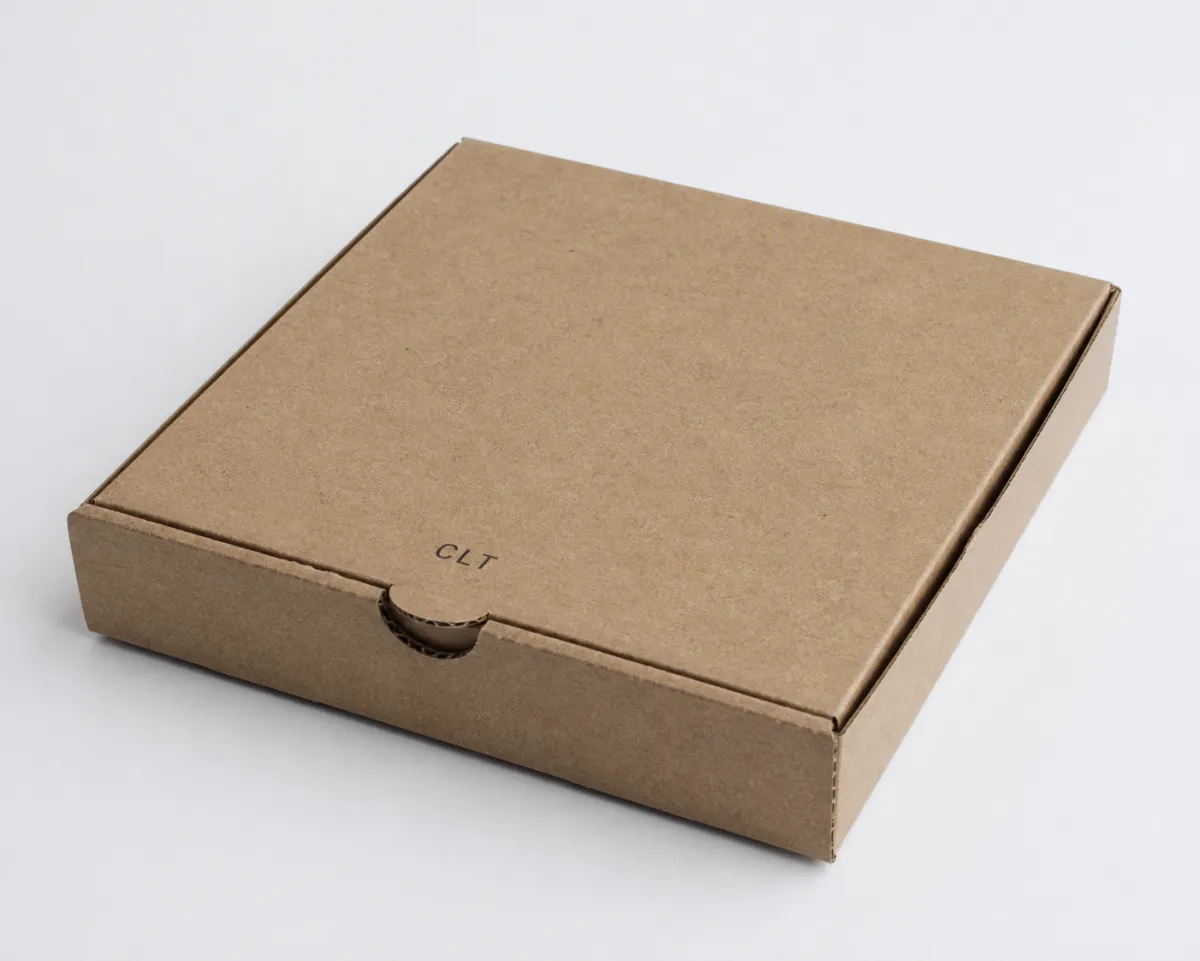
Restaurants keep moving toward wholesale recycled pizza boxes for a simple reason: the box has to work every time. Small flaws do not stay small in a takeout kitchen. One loose fold, one weak corner, one warped batch, and the packing line slows down just when the pace should be accelerating. Recycled content does not solve every packaging problem, but it gives buyers a way to reduce virgin fiber use without giving up on structure, fit, or repeatable performance.
Pizza is a difficult product to package well. It arrives hot, often oily, frequently oversized, and it gets handled more than most menu items before it reaches the guest. A recycled pizza box has to stay stiff enough to survive assembly, fit into delivery bags without collapsing the stack, and still look presentable after a 15-minute drive or a catering run that stretches much longer. A box that behaves predictably gives the kitchen room to move faster, gives drivers confidence in the stack, and gives managers fewer packaging-related headaches.
I see one mistake over and over: buyers chase the sustainability story and ignore the mechanics. Recycled content matters, but only after the box proves it can handle the food. A shop sending heavy pan pizzas across a short route needs a different build than a thin-crust pizzeria running a wide suburban delivery zone. The wholesale order should reflect those realities. A cheap spec can look efficient until damage, remakes, and replacement orders quietly erase the savings. I have watched operators get lured by a low unit price, then spend the next month kind of paying for it in comped pizzas and irritated staff.
Another advantage shows up in multi-unit operations. Chains and local groups with several locations usually need one specification that works across different kitchens, one print setup, one stack size, and one reorder rhythm. Wholesale recycled pizza boxes make that easier when the supplier can hold the same board and die-line across repeat runs. Consistency helps inventory planning, reduces training friction, and keeps reorder cycles from turning into a fresh round of trial and error every quarter.
There is also the question of what happens after the meal. A recycled package can support the sustainability narrative, but the claim needs to stay honest. Grease, food residue, and local recycling rules all affect what happens next, and that part gets messy fast. In many municipalities, a greasy pizza box is not accepted for curbside recycling even if the fiber itself is recyclable. The EPA’s recycling guidance is a useful reference point for that broader conversation: EPA recycling resources. The practical takeaway is straightforward. Choose a box that performs first, then make sure the materials story is clear enough for staff and customers to repeat correctly.
Product details that matter in wholesale recycled pizza boxes
Comparing wholesale recycled pizza boxes means paying attention to the details that show up during service, not the ones that look impressive in a spec sheet. Recycled board comes in more than one form. Some boxes use recycled paperboard for lighter carryout orders. Others use recycled corrugated structures, which bring stronger crush resistance and a steadier stack. The better option depends on pizza weight, delivery distance, and the amount of time the box spends waiting before opening.
The box should fold cleanly. Tight corners matter. A lid that closes with confidence matters even more. Poor registration in production can leave print off-center or folds misaligned, and those flaws affect both function and presentation. Ask for samples that show the actual fold behavior, not just a flat proof with nice ink on a screen. A pizza box that looks polished on press but opens unevenly on the line is not a good wholesale decision.
Grease handling deserves the same level of scrutiny. A natural recycled surface can work well for standard pies if the box is sized correctly and the delivery window stays short. Heavy cheese, richer toppings, and longer travel usually call for a liner, a light coating, or a board structure with better resistance to oil migration. There is no single recycled box that fits every restaurant, and that is the point. The menu should decide the spec, not the other way around.
Food-contact expectations should be confirmed early. Buyers generally want the board, inks, and any coating to align with the intended use in their market, and that can vary by region. Odor control matters too. A box should not add a paper smell that competes with the food, especially on lightly seasoned crusts or premium topping combinations. Steam management matters just as much. Hot cheese creates moisture, and the box needs enough breathability to avoid collapse without turning the crust leathery.
Customization can stay restrained and still look sharp. Many of the strongest wholesale recycled pizza boxes use a one-color print, a clear logo, a short brand line, and a deliberate blank space that lets the recycled texture become part of the design. Full-coverage art can work, though it raises cost and often distracts from the direct, practical appeal of recycled packaging. Size options, venting slots, and closure styles should all serve the food first. Good packaging tends to disappear into the meal, which is exactly the goal.
For buyers who want a sustainability framework beyond one box line, the Forest Stewardship Council offers useful reference material on fiber sourcing and chain-of-custody principles: FSC standards and resources. It does not replace supplier due diligence, but it gives teams a shared language for recycled content, sourcing claims, and documentation. That kind of paper trail matters when more than one location has to repeat the same packaging story accurately.
Specifications for wholesale recycled pizza boxes
Before placing an order for wholesale recycled pizza boxes, the most useful starting point is a real specification list. Pizza diameter comes first. A 10-inch pie does not need the same footprint as a 16-inch pie, and a box that is merely “close enough” can still create problems if it is too loose or too tight. A loose fit lets the pizza slide and gives toppings room to shift. A tight fit presses into the crust, flattens the edge, and slows down loading during a rush.
Depth comes next. Thin crust and hand-tossed pizzas usually need less vertical room than pan styles or loaded specialty pies. A lid that sits too low traps steam and dulls the top surface. A box that is too deep allows the pizza to move around inside. Fit matters more than a nominal size printed on a quote. A strong wholesale specification sounds less like “16-inch box” and more like “16-inch internal fit, appropriate depth, and closure style matched to our crust profile.”
Board caliper and board weight should be treated as working performance numbers, not decorative details. Buyers often ask for stronger board, but the supplier needs a target that can be measured. A lighter board may suit carryout or short delivery. Heavier builds make more sense for larger pies, stacked orders, or routes where boxes get handled more than once. If the packaging will travel through rougher transit, ask whether the pack-out has been tested against common transport methods such as ISTA procedures or relevant ASTM methods. Those standards do not promise perfection, but they do give the conversation some structure and reduce guesswork.
Stackability is another detail that tends to get ignored until storage starts to matter. A box that nests neatly can save space in a dry store or a crowded back room. Carton dimensions affect how many units fit on a pallet, how quickly staff can pull a sleeve during service, and whether drivers can grab a stack without bending the bottom boxes. Clean stacking saves labor. That sounds minor until a kitchen moves hundreds of pies a day and every minor thing turns into time.
Venting, side tabs, and locking geometry all affect how the box behaves after the pizza leaves the oven. Controlled venting can reduce excess steam without drying out the top. Locking tabs can keep the lid from springing open during handling. If the design uses interlocking flaps, ask how the folds hold up through production and how they behave after repeated assembly. A box that closes easily under stress is worth more than one that only photographs well in a catalog.
Actual testing locks the spec in place. Put real menu items in the sample, not just an empty shell. Test with sauce-heavy pies, extra cheese, and the most common delivery route. Leave one sample in the bag for the longest normal trip. Open it at the end and judge the result the way a customer would. That is the point where wholesale recycled pizza boxes become a working choice instead of a theoretical one. If the sample survives the route, the spec is probably close. If it buckles, save yourself the headache and adjust before ordering at scale.
Cost, pricing, and MOQ for wholesale recycled pizza boxes
Pricing for wholesale recycled pizza boxes depends on a handful of straightforward drivers: board grade, box size, print complexity, freight distance, and whether the order is a stock item or a custom build. Buyers often compare only the unit price, which leaves out too much. A cheaper box with poor stacking behavior or a higher damage rate can cost more once labor, waste, and replacement food are counted. The better question is not “What is the cheapest box?” It is “What is the best total cost for the service level we need?”
MOQ, or minimum order quantity, usually changes with the amount of customization. Stock sizes and simple print setups can often support lower minimums, while fully custom shapes, multi-color graphics, or multiple size SKUs may require a larger commitment. In many wholesale programs, practical starting points land around 500 to 1,000 units for stock or lightly branded work, and 2,500 to 5,000 units or more for a more custom run. That is not a universal rule. It depends on the plant, the die, and the production method, so a quote should always confirm the minimum by size and artwork.
Unit cost often improves with a few disciplined choices. Standardizing sizes across a menu line reduces setup complexity. Simplifying artwork lowers print risk and can shorten press time. Consolidating multiple locations into one production run may reduce handling and freight per unit. Even small decisions, like keeping the logo in one color and avoiding dense background coverage, can shift the number in the right direction. Wholesale recycled pizza boxes are particularly well suited to clean, direct branding because the natural board texture already supplies visual character.
Product price and landed cost are not the same thing. The invoice may look attractive, but if freight is high, the pallet count is inefficient, or the boxes require extra proofing rounds, the real landed cost rises. Buyers should ask for shipping estimates, palletization details, and setup charges before comparing vendors. Freight can be a major part of the total for bulky food packaging. A box that ships efficiently is often better than a slightly cheaper one that arrives badly packed.
For accurate pricing, send the supplier exact sizes, estimated monthly usage, print details, and the delivery ZIP code. If you already use a box that performs well, share those specs. A clear reference sample usually gets you to the right answer faster than a long description. If the order is likely to repeat, a forecast helps too. Wholesale pricing tends to improve when the production team can plan around a stable schedule rather than a one-off rush.
| Order type | Typical MOQ | Typical unit range | Best fit | Notes |
|---|---|---|---|---|
| Stock recycled box | 500-1,000 units | $0.20-$0.35 | Fast restock, limited customization | Good for common sizes and quick deployment |
| Lightly customized single-color box | 1,000-3,000 units | $0.24-$0.42 | Logo, simple brand line, steady takeout volume | Usually the best balance of cost and branding |
| Fully custom printed box | 3,000-10,000+ units | $0.30-$0.55 | Multi-location programs, stronger brand presentation | Higher setup effort, more control over size and graphics |
Those ranges are directional, not promises. Thicker board, larger size, heavier print coverage, or a longer freight lane can move the number upward. Even so, the table gives buyers a realistic framework for planning around wholesale recycled pizza boxes without drifting into vague “affordable pricing” language that says very little. If a quote lands far outside those ranges, ask what changed. Usually, there is a material or logistics reason hiding underneath the number.
Process, lead time, and production steps for wholesale recycled pizza boxes
The production path for wholesale recycled pizza boxes should be clear from the first conversation. A good supplier starts with a specification review, checks artwork, confirms board choice, prepares a sample or proof if needed, and moves into production only after the details line up. That sequence matters because pizza boxes are functional packaging. Small mistakes in die-cut accuracy, print alignment, or fold registration can turn into large problems once thousands of units are in use.
Lead time depends on the order type. Stock boxes usually move fastest because the structure already exists. Light customization adds print prep and approval time. Fully printed orders can take longer because the team may need to review files, prepare proofing, and reserve a production window. A realistic timeline often falls around 12 to 15 business days after proof approval for a straightforward custom run, though larger quantities or more complex artwork can extend that. Freight transit adds another layer, so the ship date and the delivery date are not the same thing.
Most delays are avoidable. Artwork files arrive in the wrong format. The box size is described too loosely. The buyer assumes the sample is approved while the supplier is still waiting for confirmation. Even the wording around recycled content can slow things down if the team has not defined the exact fiber target. The cleanest orders are the ones that give the plant enough information to work without guessing. That is not glamorous, but it saves a lot of back-and-forth.
Here is the process that tends to work best in the field:
- Confirm the actual pizza sizes, crust style, and delivery conditions.
- Choose the box style, board type, and print level.
- Review artwork and placement with the supplier.
- Approve a sample or digital proof if the order needs one.
- Lock the quantity, shipping address, and target timeline.
- Schedule production and freight together so the run stays on track.
A controlled production step keeps print consistency, die-cut accuracy, and folding behavior stable across the run. That matters even more for wholesale recycled pizza boxes used in high-volume service. If the boxes are going to multiple stores, one off-spec shipment can create a chain reaction of mismatched inventory, extra labor, and a confused kitchen team. Strong wholesale suppliers lower that risk by keeping the process visible and the communication direct.
Ask up front whether rush service is available. Ask how proofs are handled. Ask whether the quoted lead time includes packing and palletization or only the print run itself. Ask for an estimated ship date, a transit method, and the number of cartons per pallet. Those details make the timeline real. Without them, “fast” is just a word on a quote.
Why choose us for wholesale recycled pizza boxes
Custom Logo Things is built for buyers who need Packaging That Works in the kitchen, not packaging that merely photographs well in a deck. That matters with wholesale recycled pizza boxes because the order has to perform under real conditions: hot product, quick hands, crowded storage, and customer expectations that do not leave much room for sloppiness. A good box does more than carry a logo. It folds correctly, stacks cleanly, and arrives with the same fit and feel the team expects on reorder.
Consistency across reorders is one of the biggest advantages for wholesale buyers. If the first run was dialed in, the next run should not require another round of trial and error. Dimensions should stay true. Print should stay centered. The board should feel the same in the hand. When operators reorder packaging, they are buying time as much as cardboard, and a supplier that understands that can remove a lot of friction from the process.
Clear spec guidance matters just as much. A restaurant manager may know exactly how the pizza performs but may not know how to translate that into board weight, venting, or closure style. Experience helps there. We look at the menu, the order volume, and the service pattern, then narrow the field to packaging that fits the operation instead of forcing the operation to adapt to the packaging. That is the kind of support that keeps a wholesale program moving.
If you want to review broader sourcing options, our Wholesale Programs explain how repeat ordering, volume planning, and production support work together. For brands building more than one item, our Custom Packaging Products page shows how logo printing, size selection, and material choices can be coordinated across different packages without making the process harder than it needs to be. A pizzeria usually benefits from one clean packaging system, not a pile of mismatched pieces.
We also treat sustainable packaging discussions as practical decisions, not slogans. Recycled content should be matched to the job. Branding should stay clean enough to reproduce consistently. Claims should be supportable. For buyers who want a supplier that knows the difference between a nice idea and a working specification, wholesale recycled pizza boxes are a straightforward fit. The goal is plain: deliver food in packaging that holds up, keeps the brand looking sharp, and gives the kitchen one less thing to worry about.
If your team needs a partner who can speak plainly about board structure, print limits, and reorder consistency, that is where Custom Logo Things makes sense. The best wholesale relationship is not loud. It is dependable.
Next steps to order wholesale recycled pizza boxes
The cleanest way to move forward with wholesale recycled pizza boxes is to gather the right information before requesting a quote. Start with the pizza sizes you sell most often, then estimate monthly volume by size. Decide whether you need a stock box, a lightly customized option, or a fully printed format. Pull together logo files, brand colors, and any packaging notes your team already uses in service. Better input usually means a faster recommendation.
Compare your current packaging against the recycled option using the same real-world test. Check heat retention. Check stack stability. Check grease performance. Check how the box looks after the average delivery window, not just when it is fresh off the packing table. A box that passes in the kitchen but fails in the car is the wrong choice. A box that looks good but slows down the line is wrong too. The right box does both jobs well enough to disappear into the operation.
Ask for a sample or a pre-production proof before you commit to the full wholesale order. That step matters even more if your pizza sizes vary or if the brand wants custom printing on a recycled surface. A sample fit check can save real money because it shows whether the lid closes correctly, whether the stack stays square, and whether the branding reads clearly on the board. For a packaging item used every day, that small pause is worth it.
Delivery details and timeline goals help too. If the order needs to arrive before a menu launch, a store opening, or a seasonal push, say so early. If you have sustainability targets, mention them as well, especially if recycled content, FSC documentation, or other sourcing standards matter to your team. Those details shape the recommendation and keep the final spec tied to the business instead of defaulting to a generic answer.
For most operators, the decision comes down to one question: can the packaging keep up with the food program without creating extra work? If the answer is yes, wholesale recycled pizza boxes become an easy part of a cleaner operation. Send the specs, request the sample, and move the order into production when the fit feels right. That is the most reliable path to packaging that supports service instead of getting in the way.
Frequently asked questions
What is the usual MOQ for wholesale recycled pizza boxes?
MOQ depends on whether the boxes are stock, lightly customized, or fully printed. Standard sizes and simpler print setups usually support lower minimums than multi-color custom runs. A quote should always confirm the minimum by size and artwork so there are no surprises. For many wholesale recycled pizza boxes programs, the practical starting point is tied more to production setup than to a fixed universal number.
Are recycled pizza boxes wholesale orders strong enough for hot, heavy pies?
Yes, when the board grade, box construction, and size are matched to the pizza weight and delivery conditions. Hot, greasy, or extra-large pies may need a stronger board, tighter fit, or venting details. Testing with actual menu items is the best way to confirm performance before a full order. That matters even more for wholesale recycled pizza boxes used on longer delivery routes.
Can recycled pizza boxes wholesale be custom printed with my logo?
Yes, most wholesale programs can include logo printing, brand colors, or simple product messaging. The strongest results usually come from clean artwork, a clear print area, and a design that works with the recycled surface. If you want the lowest cost, keep the artwork simple and standardize the box size. That approach usually makes wholesale recycled pizza boxes easier to reorder and easier to stock.
How do I choose the right size for bulk recycled pizza boxes?
Start with the actual pizza diameter, then add enough clearance for easy loading without shifting toppings. Consider crust style, pan depth, and whether the box also needs to handle side items or combo meals. A sample fit check is worth doing before production because a small size mismatch can affect delivery quality. The right size makes wholesale recycled pizza boxes feel invisible in the best possible way.
What should I send for an accurate quote on wholesale recycled pizza boxes?
Send the box size, estimated quantity, print details, delivery ZIP code, and any target timeline. Include whether you want stock or custom construction, plus any sustainability or recycled-content preferences. If you already use a box that works well, share those specs so the supplier can match or improve it. The more specific the request, the more accurate the wholesale recycled pizza boxes quote will be.
One last practical note: if you are comparing suppliers, ask for the sample first and the marketing language second. The sample will tell you whether the board holds, whether the lid stays square, and whether the pizza still looks worth serving after the ride. That is the real test, and it is the one that should drive the order.


