Buyer Fit Snapshot
| Best fit | Wholesale Subscription Cartons with Inserts for Shipping projects where brand print, material claims, artwork control, MOQ, and repeat-order consistency need to be specified before quoting. |
|---|---|
| Quote inputs | Share finished size, material target, print colors, finish, packing count, annual reorder estimate, ship-to region, and any compliance wording. |
| Proofing check | Approve dieline scale, logo placement, barcode or warning zones, color tolerance, closure strength, and carton packing before bulk production. |
| Main risk | Vague material claims, crowded artwork, missing packing details, or unclear freight terms can make a low unit price expensive after revisions. |
Fast answer: Wholesale Subscription Cartons with Inserts for Shipping should be specified like a repeatable production item. The safest quote records material, print method, finish, artwork proof, packing count, and reorder notes in one written spec.
Production checks before approval
Compare the actual filled-product size with the drawing, then confirm tolerance on folds, seals, hang holes, label areas, and retail display edges. Reserve space for logos, QR codes, warning copy, and material claims before decorative graphics fill the panel.
Quote comparison points
Review material grade, print process, finish, sampling route, tooling charges, carton quantity, and freight assumptions side by side. A quote is only useful when the supplier can repeat the same color, closure quality, and packing count on the next order.
A subscription kit that lands with bottles knocking together, a crushed corner, or a branded item shifted into the wrong pocket usually does not need more filler. It needs a better build of wholesale subscription cartons with inserts. In recurring fulfillment, the carton and insert have to do real work: hold the set in place, keep the pack line moving, and prevent small shipping issues from turning into claims, replacements, and customer complaints. A loose box may survive a single send. Repeated shipments expose weak points fast.
That matters because subscription programs are built on repetition. One kit may ship every month. The same packing motion may be repeated by different operators. The same damage pattern can show up again and again if the package is not controlling movement from the start. A fitted insert gives each component a defined home. That reduces handling time, cuts repacks, and keeps the brand from paying for preventable damage. In a program that ships 5,000 kits a month, even a 2% damage rate means 100 problem orders. Returns, replacements, and service time make that a real cost, not a rounding error.
Custom Logo Things supports recurring programs that need presentation and shipping strength in the same package. The best results usually come from matching the carton structure to the kit itself instead of forcing every order into a generic mailer. Replenishment packs, premium sample sets, and mixed-SKU subscription shipments all benefit from a carton and insert combination built around the actual contents. The quote is easier to shape, the pack-out is easier to repeat, and the final shipment looks like it belongs together.
A good subscription carton does two jobs at once: it protects the contents under real shipping stress and it helps the fulfillment team pack the same way every time.
Wholesale subscription cartons with inserts: why they cut damage fast
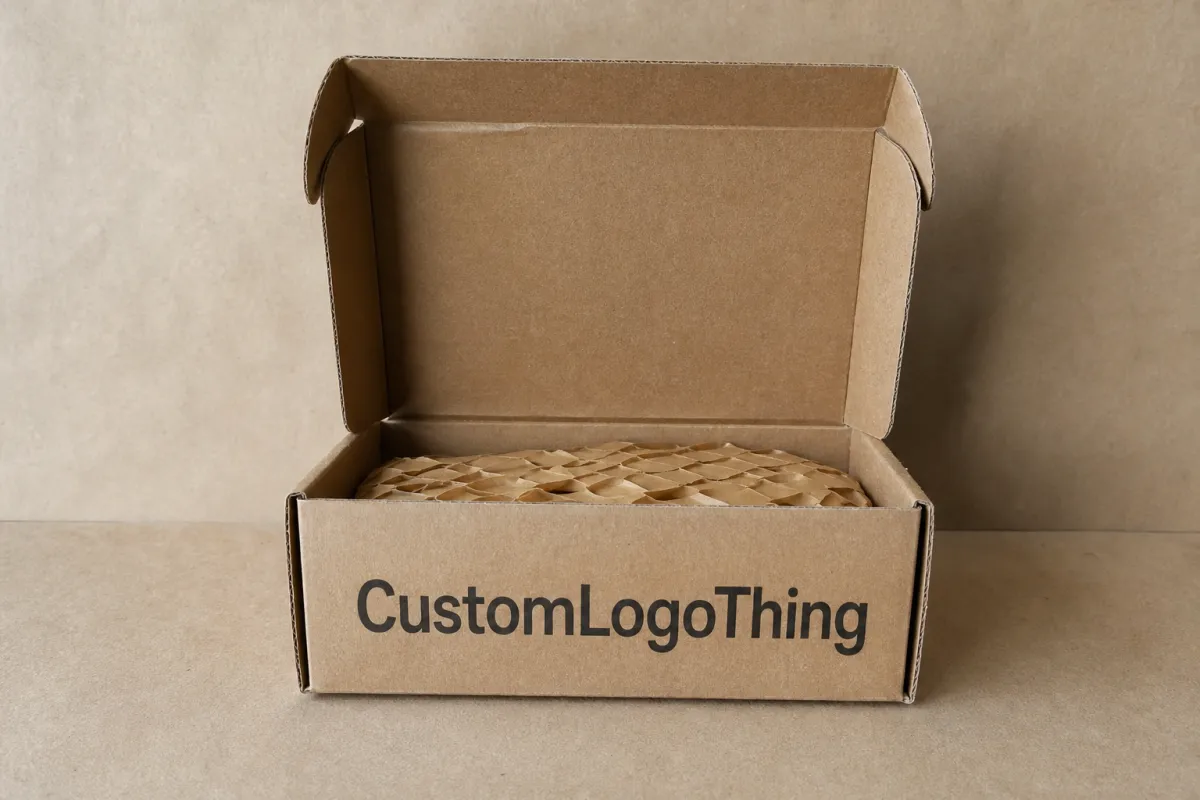
The quickest path to lower damage is to stop movement before transit starts. Loose fill can cushion a single item, but it cannot lock a full set into place. Mixed packing methods may work for a one-off shipment, yet they often create uneven results when the same order ships week after week. A carton with inserts gives each item a fixed position, which keeps bottles upright, prevents glass from striking paper goods, and reduces the scuffing that happens when printed surfaces rub against each other.
From a buyer's point of view, the gains show up in three places. Damaged units drop. The unboxing looks cleaner because every shipment opens in the same arrangement. Warehouse staff spend less time improvising with dunnage, tape, and extra fill to stabilize a set that should already be stable. Those savings sound modest in isolation. Put them into a monthly program with thousands of orders, and the labor reduction becomes visible on the balance sheet.
Mixed packing methods create another cost that is easy to miss. If one operator uses kraft paper, another uses air pillows, and a third relies on a divider plus loose fill, shipment quality starts depending on the person doing the work. That makes claims harder to trace and leaves the brand looking less consistent. Recurring fulfillment tends to perform better when the package itself provides the structure. Inserts are not decoration. They are a stability tool for sample kits, beverage assortments, skincare bundles, electronics accessories, and retail-ready subscription shipments where presentation still matters.
For Brands That Ship the same kit every cycle, the math usually points in one direction. A better insert can reduce damage, reduce repack time, and reduce the need for oversized overpack. That is why many teams move toward wholesale subscription cartons with inserts once one-size-fits-all packaging starts causing trouble. The cartons stack better, store better, and make training easier because each pocket or divider has a clear purpose.
Repeatability is the quiet advantage buyers notice after the first replenishment cycle. A correctly built carton lets different operators pack the same order without a quality drop. That matters when volume jumps, temporary staff join for peak season, or multiple locations ship the same program. The package becomes part of the process instead of a problem the team has to solve every day.
Quote requests improve too. A clear carton size, a defined insert style, and a known product load give the supplier real numbers to work with. That shortens the back-and-forth and cuts the odds of a revision after sampling. If your operation is already reviewing Wholesale Programs, it makes sense to compare the full package, not only the outer shell.
Product details: carton styles, insert options, and fit
The carton style should match the shipment. A mailer-style carton works well when the package needs a presentation-focused opening and enough wall strength for parcel transit. A corrugated shipper is the better fit for heavier contents, stacked freight, or kits that need more crush resistance. Tuck-end cartons can suit lighter retail-style presentations. Display-ready boxes make sense when the outer package is part of the brand experience. None of these formats wins every time. The right choice depends on weight, route, and the impression the customer should get when the lid opens.
Insert selection matters just as much. Die-cut paperboard inserts are practical for lighter components, especially when items need a fixed position but do not need heavy structural support. Corrugated partitions suit heavier sets and can separate bottles, jars, or closures that should not rub. Custom-fit inserts, whether paperboard or corrugated, help when the product geometry repeats across batches and the brand wants a tighter presentation. Scored dividers are useful for mixed SKUs because they keep related items separated without making assembly slow.
Fit is where the package proves itself. A carton can look right on paper and still fail in the field if the insert pocket is loose, too deep, or poorly cut around a rounded shoulder or odd-shaped accessory. The load should sit firmly enough to survive vibration and handling, but not so tightly that the packer has to force every item into place. Good design leaves enough room for smooth loading while still stopping rattle, tilt, and product-on-product contact.
For subscription programs, the right insert also helps the warehouse team pack the same way every time. That is a practical advantage, not a minor convenience. New operators learn the layout faster when the structure is intuitive, and experienced operators make fewer mistakes under time pressure. A clean layout also helps with multi-item kits that include a bottle, a folded brochure, a sample pouch, and a small accessory. Every component should have a home, and the insert should make that obvious at a glance.
Consider a common buyer scenario: a skincare subscription with one glass serum, one airless pump bottle, a sample sachet, and a printed card. A flat divider may keep the items separated, but the serum still needs a tighter cavity than the card. A better insert design balances the weight of the bottle against the lighter pieces so the carton closes square and the products arrive aligned. That kind of detail is what turns an acceptable box into a reliable system.
Common carton and insert pairings
| Carton style | Typical insert | Best use case | Relative cost |
|---|---|---|---|
| Mailer-style carton | Die-cut paperboard insert | Light to medium kits with a polished unboxing | Moderate |
| Corrugated shipper | Corrugated partitions | Heavier sets, bottle assortments, stacked transit | Moderate to higher |
| Tuck-end carton | Scored divider or light tray insert | Retail-style sample packs and smaller kits | Lower to moderate |
| Display-ready box | Custom-fit insert with print-facing surfaces | Premium kits where presentation and structure both matter | Higher |
Branding details should support the structure instead of fighting it. Interior print can carry instructions, brand messaging, or a simple unboxing cue, but artwork should never weaken the board or interfere with fold lines that hold the carton in shape. Some brands want a dramatic reveal. Others need a direct industrial look with a strong logo and a clean compartment layout. Both approaches can work, and both can fail if the structure is underbuilt. The better choice depends on the audience and on how often the package will be repeated.
If the line includes glass, metal closures, electronics, or mixed-format components, the insert should be built around the most fragile item in the set, not the strongest one. That rule saves trouble later. A carton that fits a sturdy pouch tightly may still fail if a glass vial has room to move. The design has to protect the weakest point in the kit, because that is where damage usually starts.
Specifications that matter: board grade, print, and insert engineering
Structural specs separate a decent package from one that can run month after month. Start with board grade, caliper, flute profile, and the strength measures that match the route the parcels actually travel. For corrugated builds, burst strength and edge crush performance help predict how the carton will handle stacking and transit. For paperboard mailers, caliper and fold quality matter because the board has to stay crisp through repeated openings, pack pressure, and vibration. The package should be chosen for the load, not for the lightest possible shipping weight.
Recurring subscription shipments often face several stress factors at once. They may ship in lower quantities, travel through standard parcel networks, sit in a warehouse before fulfillment, and pass through different hands along the way. A carton that looks fine during a short bench test can still disappoint in production. Material selection should match the real shipment profile, including weight, stacking pressure, and route length. A slightly heavier board can be a smart trade if it prevents damage and trims replacement costs.
Print and finish choices affect both appearance and handling. Flexographic printing is often practical for straightforward branding and larger runs, while lithographic print supports higher image quality and sharper detail. Aqueous coating can improve scuff resistance, and varnish can sharpen the finish without pushing cost too high. Matte or gloss lamination may fit when the package needs a premium surface or extra protection from handling. If the kit could see humidity or condensation, moisture resistance belongs in the spec discussion from the start.
Insert engineering deserves the same attention. Slot depth affects how securely a divider holds an item. Tuck retention determines whether a pocket stays closed during handling. Compartment tolerance decides whether the product sits firmly or rattles. Crush resistance matters when cartons stack or get compressed in transit. A strong insert does more than separate objects. It prevents the tiny movements that lead to scratches, chipped closures, dented labels, and customer complaints. The best designs balance containment with packing speed so the line does not slow down to force items into tight cavities.
There is also a difference between a package that passes a sample test and one that behaves well after 10,000 units. Tool wear, paper variation, and small changes in board thickness can alter fit over time. That is why repeatability belongs in the specification, not as an afterthought. If the project will be re-ordered quarterly, the insert should be engineered with that repetition in mind.
Buyers who want a formal testing framework can review ISTA transport testing guidance for drop, vibration, and compression methods before committing to a full production run. Not every subscription box needs a full lab program. Every subscription box does need a package tested with the real product load whenever possible.
Consistency matters as much as strength. Keep dimensions repeatable across batches, confirm the insert does not conflict with automated packing equipment if the client uses it, and verify that the carton closes cleanly after the last component is placed. Small changes in board thickness or cut tolerance can alter the fit, especially in programs with tight tolerances and repeatable replenishment. It is better to solve that during sample development than after thousands of units are already in motion.
For brands with sourcing requirements, paperboard and corrugated material can also be selected with responsible forestry standards in mind. If that belongs in the brief, ask for documentation tied to the FSC chain-of-custody framework so procurement and sustainability reviews have a clean paper trail.
Pricing, MOQ, and quote factors for wholesale orders
Price depends on the full build, not only the outer carton. Size, structural complexity, board selection, print coverage, insert style, finishing steps, and order volume all affect the final quote. A plain brown corrugated shipper with a simple divider will not price the same way as a fully printed mailer with a custom-cut insert and interior branding. That seems obvious, yet many quote requests arrive with missing details and then get revised several times before the buyer has a usable number.
The main cost drivers are easy to separate. Tooling and die cutting add setup. Multiple printed colors increase press time and make registration more demanding. Specialty finishes such as lamination or spot coating add value, and they also add labor. Insert complexity matters because a custom-fit insert takes more engineering than a basic partition. Freight matters too, especially when the cartons ship flat or when the total cubic volume is high. If the project needs samples before production approval, that sample cycle should be planned into both schedule and budget.
MOQ usually follows the amount of setup work the project requires. More complex custom cartons and inserts tend to make better economic sense at higher quantities because setup cost gets spread across more units. Smaller programs can still move forward. The buyer just needs to compare volume breaks before locking in a spec. For subscription brands with steady growth, asking for pricing at 3,000, 5,000, 10,000, and 25,000 units can show where the best value sits and whether a slightly larger first order is worth the lower per-unit cost.
A buyer should also think beyond the first order. A carton that is five cents cheaper but requires manual patching or an extra packing step may cost more over six months than a slightly more engineered option. In practice, the best value is usually the option that reduces labor, protects the product, and repeats cleanly when the program scales.
For planning, the ranges below are common starting points for custom builds. Size, print, insert style, and freight can move them in either direction.
| Build scenario | Typical planning range per unit | Notes |
|---|---|---|
| Simple corrugated carton with basic divider | $0.55-$1.10 | Good for straightforward kits and higher-volume runs |
| Printed mailer with die-cut paperboard insert | $0.85-$1.80 | Useful for branded subscription boxes with moderate protection needs |
| Premium printed carton with custom-fit insert | $1.20-$2.80 | Best for mixed-SKU kits, retail-ready presentation, or fragile contents |
| Complex multi-compartment build with special finish | $2.00-$4.50+ | Used when the package doubles as both shipper and display piece |
Those numbers are planning ranges, not a live quote. Even so, they help buyers check offers and compare options on equal ground. A quote for wholesale subscription cartons with inserts should show what is driving the price so it is easy to see whether the higher number comes from better board, more print coverage, a custom insert, or a more demanding freight plan.
A strong spec sheet speeds the process. When the carton size, product count, insert type, print requirements, and destination are already clear, quoting becomes simpler and the risk of revision drops. If you are already reviewing Wholesale Programs, ask for pricing at multiple volume breaks and make sure the quote includes the insert, not only the shell.
Process and timeline: from dieline to production steps
A clean packaging process starts with the right information. The first step is requirements review, where carton dimensions, item count, product weights, shipping method, and presentation goals are all captured. From there, the supplier can recommend a carton style and insert layout that fits the actual load. If the kit includes bottles, jars, or other fragile components, exact measurements matter. Even a few millimeters can change compartment fit and closure alignment.
After the initial review comes structural development. That may include a dieline, a sample, or both. For subscription cartons with inserts, sampling is especially useful because the kit should be tested as a whole, not as separate components. The sample lets the buyer check loading speed, carton closure, product stability, and the look of the unboxing. A package that seems right on screen can still need adjustment once the real items are placed in the insert. That is normal, and it is one reason sample approval earns its place in the schedule.
The fastest projects usually have complete input from the start. Product dimensions, target ship date, artwork files, insert preference, carton quantity, and any packaging standard already in use should be shared early. When that information is missing, the job slows while measurements are confirmed or the spec changes midstream. Late artwork edits, changes to carton count after scheduling, and structural revisions after sample review are common delay points. They can be managed, but they extend the timeline because the line has to stop and restart.
A typical schedule for a straightforward custom project might look like this: 3-7 business days for structural review and sample preparation, 5-10 business days for proof and sample approval depending on revision count, and 12-25 business days for production after final approval, with freight added on top. More complex print or insert engineering can add time. If the order needs special finishing, tighter tolerances, or more extensive fit testing, the project should be planned accordingly so launch dates stay realistic.
Good timeline communication matters. The buyer should know when the job is in prepress, when it is approved for production, and when freight booking should start. That keeps the subscription schedule aligned, especially if the carton has to arrive before a monthly launch or a seasonal kit. A packaging delay is easier to manage when the schedule is visible early. It is much harder when the box is already tied to a fulfillment deadline.
Here is the practical rule many experienced buyers follow: if the kit will be launched with paid media, retail timing, or a subscriber renewal date, build in one extra review window for the packaging sample. That buffer costs less than emergency freight or a rushed reprint.
The best time to test a subscription carton is before the run begins. Once a carton is in production, the cheapest changes are already behind you.
Why choose us for subscription carton programs
Custom Logo Things works well for teams that need more than a one-off carton purchase. Subscription programs need repeatability, and repeatability starts with packaging designed around the contents, the pack-out method, and the shipping path. Strong programs usually begin with a practical review of the product set, the insert layout, and the outer carton structure before anyone talks about print embellishment or finishing extras.
The value of a packaging partner often shows up in the details that prevent downstream problems. Material guidance matters when the kit has mixed weights or fragile pieces. Insert fit checks matter when one item is round, another is flat, and a third has a closure that should not bear load. Structural problem-solving matters when the customer wants the package to look premium without making it too expensive or too hard to assemble. That is where experience saves time and protects margin.
Recurring fulfillment also has to stay steady over time. A carton that works once is helpful; a carton that works every month without rework is better. That means keeping print matching consistent, confirming repeatable dimensions, and planning reorder support so the program does not need a new package every time volume shifts. Buyers need predictable cost, dependable quality, and packaging that holds up in the warehouse and in transit. Fancy language does not help there. A correct structure does.
If your team wants a place to start, review the current Wholesale Programs and compare the carton structure against the actual product load. If the kit is already in market, the existing packaging can often show what is missing: too much movement, too much labor, or too much damage. Fixing those issues at the structural level is usually cleaner than patching them with extra filler or last-minute packing work.
For brands that need shelf presence as well as shipping strength, the goal is balance. The outer carton should protect the load, the insert should hold every item in place, and the printed surfaces should support the brand without weakening the build. That is the practical standard. It is not about overbuilding the box. It is about Choosing the Right configuration so the shipment arrives intact and looks deliberate.
That is why wholesale subscription cartons with inserts fit recurring kits so well: they bring order to the pack-out, reduce damage, and make the whole program easier to scale. When the carton, insert, and print spec are aligned, fulfillment gets cleaner and surprises get rarer.
Next steps: what to send for a fast quote
The quickest quote starts with a useful spec package. Send product dimensions, item count per set, target carton size, insert preference, estimated annual volume, print requirements, and shipping destination. If the package must fit a shelf display, a subscription mailer, or a warehouse-only shipper, say that up front. Those details help determine whether the carton should prioritize presentation, shipping strength, or a balanced middle ground.
Photos help too. A few clear images of the product and the current packaging can show fit risks that are hard to spot in a written description. They can also reveal whether the current carton is too loose, whether the closure is under stress, or whether the products need a divider instead of a flat cavity. For mixed kits, pictures often save a revision round because they show how the parts relate to each other.
It is smart to ask for two or three scenarios. A buyer might want to compare standard board against an upgraded board, simple print against full-brand print, or a basic divider against a custom-fit insert. That comparison makes the value discussion clearer, especially if the subscription program is growing and future reorders are likely. Once the team sees how the unit cost changes with volume and structure, the decision usually gets easier.
Confirm the pack-out method and storage conditions as well. Does the team pack by hand or on semi-automated equipment? Will the cartons sit in a humid warehouse? Are the shipments monthly replenishment kits, seasonal bundles, or mixed-SKU assortments that change with each run? Those answers affect carton grade, insert engineering, and timeline. If the project needs a fast turn, complete information is the best way to keep it moving.
If you are ready to get a quote, send the spec sheet or the current packaging details and ask for an insert-based recommendation. That gives the team enough information to price the project accurately and move it into sample development without guessing. For recurring programs, the right starting point is often a simple one: submit the product measurements and request wholesale subscription cartons with inserts built for the actual kit, not a generic substitute.
FAQs
What are wholesale subscription cartons with inserts best used for?
They work best for recurring shipment programs where several products must arrive in the same position every time. They are especially useful for fragile, premium, or mixed-item kits that need both protection and a clean presentation. They help reduce shifting, breakage, and assembly inconsistency during fulfillment.
How do I choose the right insert style for a subscription carton?
Match the insert to the item weight, shape, and fragility rather than choosing by appearance alone. Paperboard inserts suit lighter items, while corrugated partitions or custom-fit designs are better for heavier or more delicate products. A sample test is the best way to confirm fit, loading speed, and transit stability.
What affects the price of wholesale subscription cartons with inserts?
Size, board grade, print coverage, insert complexity, and order volume all affect unit cost. Setup, die cutting, finishing, and freight also play a role in the final quote. Bigger runs usually lower the per-unit cost because tooling and setup are spread across more pieces.
What is a typical MOQ for custom subscription cartons with inserts?
MOQ depends on the carton structure, insert design, and print method. More complex custom packaging usually requires a higher minimum than a simple stock-style build. If the program is growing, it is smart to request volume breaks at several quantities before placing the first order.
How long does production usually take after approval?
Timing depends on sampling, artwork approval, material availability, and current factory scheduling. Straightforward projects move faster when measurements and print files are complete before quoting. If the carton or insert needs refinement after the sample, the timeline extends by the time needed for revision and reapproval.
Clear the decision before production starts: test the actual product set in the insert, confirm the carton closes without force, and approve the spec only after the load survives handling, vibration, and a real pack-out trial. That one step usually prevents the most expensive problems later, and it is the simplest way to make wholesale subscription cartons with inserts work the way a recurring program needs them to.


