Buyer Fit Snapshot
| Best fit | Window Cut Boxes Wholesale for Custom Retail Packaging projects where brand print, material claims, artwork control, MOQ, and repeat-order consistency need to be specified before quoting. |
|---|---|
| Quote inputs | Share finished size, material target, print colors, finish, packing count, annual reorder estimate, ship-to region, and any compliance wording. |
| Proofing check | Approve dieline scale, logo placement, barcode or warning zones, color tolerance, closure strength, and carton packing before bulk production. |
| Main risk | Vague material claims, crowded artwork, missing packing details, or unclear freight terms can make a low unit price expensive after revisions. |
Fast answer: Window Cut Boxes Wholesale for Custom Retail Packaging should be specified like a repeatable production item. The safest quote records material, print method, finish, artwork proof, packing count, and reorder notes in one written spec.
Production checks before approval
Compare the actual filled-product size with the drawing, then confirm tolerance on folds, seals, hang holes, label areas, and retail display edges. Reserve space for logos, QR codes, warning copy, and material claims before decorative graphics fill the panel.
Quote comparison points
Review material grade, print process, finish, sampling route, tooling charges, carton quantity, and freight assumptions side by side. A quote is only useful when the supplier can repeat the same color, closure quality, and packing count on the next order.
Window cut boxes wholesale can do something a plain carton cannot: they let the product speak before the buyer opens the box. That simple shift changes how a package is judged under store lighting, in a warehouse sample room, and even on a distributor's desk. Retail buyers do not only evaluate graphics. They look for evidence. A well-placed window gives them a fast read on color, shape, portion, and presentation, which often shortens the distance between interest and purchase.
The most effective window pack is not just a carton with a hole in it. It is a retail tool designed to reveal enough of the product to create confidence while still protecting the item from dust, scuffing, and handling damage. Bakeries, cosmetics brands, candle makers, apparel accessory suppliers, and gift set producers all want different things from the same basic structure. A window that works for one category can fail in another if the cut-out is too large, the board is too light, or the product is not held in place correctly.
Why Window Cut Boxes Wholesale Can Outsell Flat Cartons
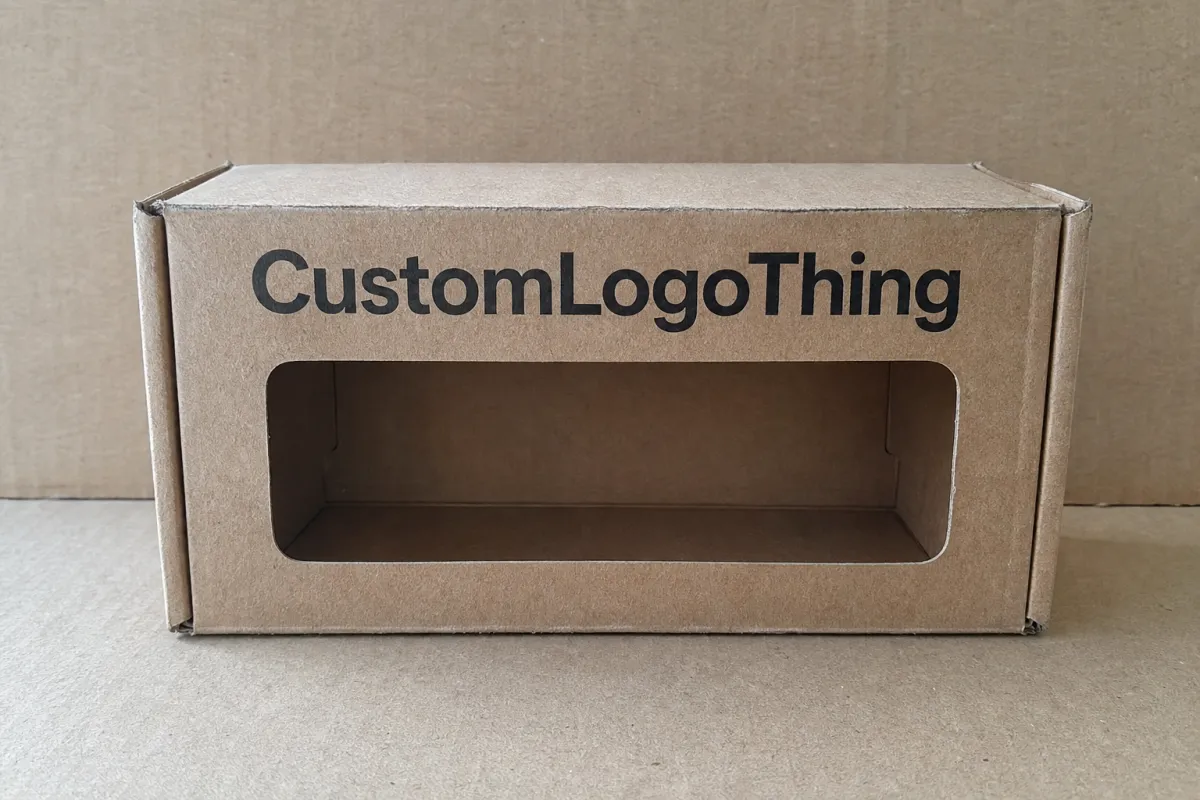
Retail packaging has to earn attention quickly. A fully printed carton can carry a strong brand story, but many shoppers still want proof instead of promise. A clear window provides that proof. It reduces uncertainty by showing the actual item or enough of it to answer the buyer's first question: what is this, and does it look as expected?
From the buyer's perspective, the difference is easy to see. If two products sit side by side and one exposes its color, size, or finish through a clean opening, that pack usually gets noticed faster than a carton that relies only on artwork. Graphics still matter. They create tone, hierarchy, and brand recognition. The window changes the package's job. The box stops hiding the product and starts framing it.
That matters most in categories where visual confirmation drives the sale. Bakery assortments need freshness cues and portion visibility. Candle brands often want shoppers to see wax color, vessel shape, or decorative fills. Cosmetics and beauty accessories can use a window to show packaging color, product arrangement, or included components. Gift sets and small accessories benefit when the customer can confirm quantity and presentation without opening the carton.
Window packaging also reduces guesswork. A shopper can tell whether the product is compact or oversized, plain or premium, loose or neatly arranged. That clarity helps shelf performance and can lower the chance of post-purchase disappointment. For the retailer, the carton serves two purposes at once: merchandising and protection. That is a better return than a decorative box that keeps the product hidden until checkout.
Window cut boxes wholesale orders should account for how the product behaves in transit and on display. A large cut-out may look attractive in a mockup, but if the remaining board structure is too weak, the carton can flex, crush, or open unevenly when stacked. Good packaging balances visibility with practical strength. That balance comes from experience, not from following a trend.
It helps to think about the package from three distances: shelf, hand, and opening moment. From the shelf, the window should make the product obvious. In the hand, the carton should feel aligned and dependable. During unboxing, the window should still support a neat reveal rather than exposing a product that has drifted out of place. That sequence is where the sales value lives.
A strong window is not the biggest opening. It is the one that shows enough product to build trust while leaving enough board to protect the pack and keep the structure clean.
If you are comparing structures, it can help to review broader pack programs through Custom Packaging Products and wholesale purchasing options through Wholesale Programs. The right build depends on whether the carton will sit on retail shelves, move through fulfillment, or do both jobs at once.
Window Cut Box Product Details and Design Options
There is no single standard window carton because the product, the brand, and the shelf environment all shape the right structure. The most common option is a folding carton with a die-cut window, often in tuck-end or reverse tuck format. This style works well for light to medium-weight products, especially when the goal is clean presentation and efficient packing.
For higher-end retail displays, many brands move to tray-and-sleeve packaging or rigid presentation boxes. A sleeve can frame the visible product with a sharper edge, and a rigid base adds stiffness and a more premium hand feel. That extra structure helps with gift sets, specialty candles, higher-value cosmetics, and seasonal merchandise where the unboxing moment is part of the sale rather than an afterthought.
Window material choices shape the look as much as the structure. PET is commonly selected when clarity matters and a crisp transparent finish is needed. It also holds up well in many retail applications. PVC still appears in some cartons, though many brands now avoid it because recycling streams vary and buyer expectations have changed. In some packs, a film-free opening is acceptable, especially when the product is stable, the display period is short, and barrier protection is not required.
Material choice should never be separated from end use. A bakery box may need a structure that handles moisture and grease better than a standard cosmetics carton. A candle pack may need a thicker board or insert so the item stays centered and the window does not rub against labels or decorative surfaces. An apparel accessory box may need a smaller opening because the goal is to reveal texture or color rather than expose the full product.
Finishing options should support the product, not compete with it. Matte lamination creates a softer retail feel and can reduce glare around the window. Gloss coating can make artwork feel brighter and is often used where shelf pop matters. Soft-touch can elevate the tactile impression for premium gift sets. Spot coating, foil accents, and blind embossing can all add value if they are used with restraint. A window pack already has a focal point, so extra embellishment should frame the product rather than pull attention away from it.
Internal supports matter more than many buyers expect. Inserts, partitions, and custom cradles keep products from drifting behind the window during shipping or shelf handling. If the item sits low, tilts to one side, or shifts in a multi-piece set, the visual effect drops quickly. A centered product with proper support looks more expensive and often reduces damage claims.
For multi-SKU programs, the window shape can stay consistent while artwork changes by product line. That is often the most efficient way to manage a wholesale packaging family. One box structure, one proven cut-out size, and several graphics variations can make purchasing and inventory control easier without sacrificing brand identity. The buyer gets consistency. The shelf gets variety. Production gets fewer headaches.
| Structure | Best For | Typical Strength | Display Advantage | Common Tradeoff |
|---|---|---|---|---|
| Folding carton with window | Bakery, cosmetics, small retail goods | Light to medium | Efficient and clean on shelf | Less premium than rigid options |
| Tray and sleeve | Gift sets, candles, premium kits | Medium to strong | Good product reveal with added presence | More material and assembly time |
| Rigid box with window | High-value retail, special editions | Strong | Premium feel and better structure | Higher cost and freight volume |
| Film-free die-cut opening | Products that do not need barrier protection | Varies by board | Very direct product visibility | Less dust or handling protection |
For brands concerned with responsible sourcing, the paperboard itself can carry part of the story. Many buyers ask about FSC-certified materials, especially when the pack faces the customer and the brand wants a clearer environmental signal. If that matters for your program, check material availability early through FSC certification resources so the specification matches the claim and the supply chain can support it.
Specifications That Matter for Retail Performance
The most common cause of packaging problems is not the window itself. It is an underspecified carton. When product dimensions are vague, the board caliper is guessed, or the insert is designed before the carton size is confirmed, the finished pack can arrive with a loose fit, weak sides, or a window that sits too close to the logo or barcode.
Start with the product. Measure width, depth, height, and any unusual shapes such as domed tops, tapered sides, hanging tabs, or fragile protrusions. Then confirm the internal clearance needed so the item does not rub against the carton wall or press into the window film. A few millimeters can matter a great deal, especially in tight retail packaging where the product is expected to sit centered and upright.
Board choice should follow weight and use case. SBS is often selected for sharp print and a clean retail appearance. C1S works well when one side is printed and the inside can remain lighter. Kraft is useful for a natural or earthy presentation, though it does change the visual tone of the pack and is often paired with restrained graphics. For heavier products or ship-ready packs, corrugated support or internal reinforcement may be necessary.
Window size matters because visibility and strength pull in opposite directions. A large cut-out gives the consumer more to look at, but it reduces the amount of board carrying the panel load. A smaller opening can still show the product effectively if it is placed at the correct height and framed by strong artwork. The right choice depends on whether the goal is full reveal, partial reveal, or simple confirmation of color and shape.
Print-ready details should be checked early, not after the structure is approved. That means bleed, safe area, dieline accuracy, barcode clearance, legal text placement, and the exact relation of the window to logos or claims. If the window shifts even slightly in layout, it can make the logo feel crowded or split the design in an awkward way. Good prepress review protects both the carton and the schedule.
Food-related packs need an extra layer of practical judgment. If the carton will touch baked goods, confectionery, or chilled product, then moisture resistance, grease resistance, and food-contact expectations should be discussed before approval. Not every board or coating is suitable for every food application. A bakery display box often needs more than attractive printing; it also needs to resist staining and retain shape under humidity.
Retail programs should also think about handling and stacking. If the box will travel in cases, sit in warehouse stacks, or endure repeated shelf restocking, the panel strength and closure style become important. A box that looks great on a design screen may still fail in real handling if the side walls crush too easily or the tuck flaps open under pressure. That is why test-fit samples and mockups are worth the time.
For buyers who want a broader sense of packaging standards and testing discipline, the ISTA testing guidance is a useful reference point. It does not replace product-specific engineering, but it helps frame the questions around drop testing, vibration, compression, and distribution handling. If a window pack is meant to survive transit before it reaches the shelf, testing assumptions should be part of the brief.
When the spec is tight, production runs cleaner. The dieline matches the product. The window aligns with the visual focal point. The print stays consistent. And the chance of late-stage revisions drops sharply, which is often the difference between a smooth launch and a frustrating delay.
Pricing, MOQ, and Quote Factors for Wholesale Orders
Wholesale buyers usually want the same thing from packaging pricing: a clear explanation of what drives the number. With window cut boxes wholesale orders, the unit price is shaped by more than board size. The real cost depends on the structure, print coverage, window shape, finishing, and how much setup the factory must complete before production begins.
The main price drivers are easy to list but easy to underestimate:
- Board type and thickness
- Printed coverage and color count
- Window size, shape, and tooling complexity
- Film choice or film-free opening
- Finish selection such as matte, gloss, or soft-touch
- Insert or partition requirements
- Order quantity and repeat-run potential
MOQ is usually tied to setup efficiency. A custom die, print plates, and production calibration all cost time and money, so very small runs can carry a higher unit price. Larger runs spread those setup costs over more units, which usually improves the carton price. That said, smaller wholesale orders can still make sense for seasonal products, launches, or limited editions where the buyer wants market feedback before committing to a larger run.
For a practical benchmark, a simple folding carton with a standard window usually prices lower than a rigid presentation box with custom inserts and specialty coating. Not every supplier quotes in the same format, so the buyer should confirm what the number includes. A quote that looks low at first can become more expensive if it excludes dieline development, proofing, window film, coating, freight, or a second revision round.
It helps to compare quotes on the same basis. Ask whether the price includes:
- Structural design or dieline creation
- Plate or tooling charges
- Window film and application
- Proof samples
- Packing and carton count per master case
- Freight or shipping method
A buyer should also ask for tiered pricing. That reveals the break point between a test order, a replenishment order, and a larger wholesale commitment. In many packaging programs, the first run is not the cheapest per unit, but it is the most valuable run because it confirms fit, color, and retail performance before the line scales.
One useful purchasing habit is to reuse a structure across multiple SKUs whenever possible. If the box size works for a family of products, the manufacturing setup becomes easier, and the unit cost can come down over time. Artwork changes are usually less expensive than structural changes, so a program built around one proven window carton can be much more efficient than a series of one-off box designs.
For brands that want to plan around wholesale economics, our Wholesale Programs page is a good place to frame the discussion around quantity, repeat ordering, and production planning. A well-structured quote should make the cost logic visible rather than hiding it behind a single number.
Process, Timeline, and Production Steps
A clean packaging process protects both quality and schedule. The order usually begins with the product dimensions, target quantity, and the kind of retail experience the buyer wants. From there, the packaging team recommends a structure, generates or reviews the dieline, and places the artwork on the correct layout before any production approval is given.
The order flow is usually straightforward:
- Receive product measurements and quantity target
- Recommend structure and window style
- Create or confirm the dieline
- Place artwork and check safe areas
- Review proof and make revisions if needed
- Approve final sample or digital proof
- Run production and packing
- Arrange shipment and delivery
Timeline depends on complexity. A simple folding carton with a standard cut-out generally moves faster than a pack with a custom-shaped window, specialty coating, foil, multiple inserts, or a rigid construction. A multi-piece set can also add time because the insert and outer box need to work together cleanly. That extra setup is usually worth it if the product needs a more refined presentation or better internal support.
Most delays happen for predictable reasons. Artwork may arrive with low resolution, missing fonts, or incorrect bleed. Product measurements may be incomplete. The window may need to shift after the first proof. Or the buyer may need to get final signoff from several stakeholders, which slows the approval loop. None of that is unusual, but it does mean the packaging schedule should be based on real decision time, not on best-case optimism.
From a production standpoint, the cleanest jobs are the ones with one clear decision-maker, accurate dimensions, and complete artwork files. If the buyer can confirm logo placement, barcode location, legal copy, and shipping method early, the chance of late changes drops significantly. That is especially true for custom window packaging, where even a small die adjustment can affect how the product appears through the opening.
Practical lead times vary by structure and quantity. Simple programs may move in a shorter production window, while more involved custom window packaging often needs additional days for tooling, proofing, and finishing. A realistic schedule is better than a rushed one. Packaging that arrives late but correct is usually more useful than packaging that arrives fast and requires rework.
Before final approval, a buyer should review the carton in three ways: as a flat dieline, as a physical sample, and as a retail object. That last view matters most. Ask whether the product remains centered, whether the window frame looks balanced, and whether the pack still stacks properly. If the answer is yes to all three, the process is usually on track.
Why Choose Us for Wholesale Window Cut Boxes
Wholesale packaging works best when the supplier thinks like a production partner, not just a printer. For window cut boxes wholesale programs, that means stable dielines, clean cutting, consistent print registration, and window placement that respects the product instead of forcing the product to adapt to the artwork. The job is not to make the window impressive in isolation. The job is to make the whole package sell better.
We focus on practical manufacturing discipline because that is what keeps packaging dependable across repeat orders. A dieline that folds cleanly today should still fold cleanly on the next run. A window that frames the product correctly in proof should do the same after production. A coating that looks sharp under store lighting should still look sharp after handling and shipping. Those details sound small, but in wholesale packaging they are what separate a smooth program from a recurring problem.
Material guidance matters as much as artwork support. A box for a light cosmetic item does not need the same board build as a candle set or a bakery package. A display pack exposed to humidity needs different protection than a dry retail carton. When the packaging recommendation takes those conditions seriously, the finished box is easier to stock, easier to ship, and less likely to disappoint the customer on arrival.
There is also value in being direct about what a box can and cannot do. Not every product is a good candidate for a large open window. Some items need more board around the cut-out for strength. Others need an insert to stay centered. Some benefit from a film barrier while others do not. Clear guidance saves time because it prevents the buyer from designing around an idea that cannot hold up in production.
For brands that want a broader packaging partner, our Custom Packaging Products catalog can help connect the window box to the rest of the line, from inserts to display-ready formats. Consistency across the packaging family often matters as much as the individual carton design. When one line of packaging feels related, the shelf reads faster and the brand looks more disciplined.
When sustainability is part of the brief, we keep the discussion grounded in materials and process rather than vague claims. If a customer wants a recyclable paperboard structure, the window size, film choice, and adhesive method all need to be considered together. Packaging should be evaluated as a system, not as a single feature. A well-meaning green claim that breaks under handling is worse than no claim at all.
Good wholesale support also means fewer surprises after proofing. Fast, accurate quoting helps the buyer compare options clearly. Prepress review catches weak artwork before it reaches press. And a sensible production plan gives the buyer enough room to manage inventory without overcommitting to a structure that has not yet proven itself in the market.
Next Steps to Order Window Cut Boxes Wholesale
The easiest way to start a packaging quote is to gather the facts that affect the build. Product dimensions, target quantity, preferred box style, required window size, artwork files, and any compliance or handling notes should all be ready before the first review. That lets the supplier quote against the real job instead of making assumptions that later need to be corrected.
If you are not certain about the structure, ask for a recommendation based on the product weight and display setting. A tuck box may be enough for a light retail item. A reinforced insert may be needed for a fragile set. A rigid presentation box may be the better answer when the item is premium and the unboxing moment matters. The right choice depends on function first, appearance second.
Artwork preparation also makes a difference. Send editable files if possible, and include any notes about logo placement, regulatory copy, or barcode placement. If a dieline has not been created yet, product measurements are enough to start one. The more complete the brief, the fewer revisions you will need before approval.
During proof review, focus on the details that affect both appearance and sell-through:
- Does the window reveal the right part of the product?
- Is the product centered and level?
- Do the logos and claims remain readable?
- Does the pack still stack and ship properly?
- Is the barcode clear and correctly positioned?
That final approval stage is also the best time to plan replenishment. Wholesale buyers often save time on the second run because the structure is already approved and the artwork changes are minimal. If the box will be reordered, confirm the file naming, carton count, and target replenishment schedule before production ends. That simple step can make the next window cut boxes wholesale order faster and easier to place.
The most dependable packaging programs are built around repeatability. A well-spec'd window carton looks good on the shelf, holds up in transit, and can be reproduced without guesswork. If you are preparing a wholesale order, the smartest move is to lock the product measurements, Choose the Right board and window size, approve a physical sample, and only then scale the run. That sequence keeps the pack honest before it becomes a large purchase.
FAQ
What materials are best for window cut boxes wholesale orders?
SBS and C1S are common choices when the goal is crisp print and a polished retail look, while kraft is often selected for a more natural presentation. Heavier products may need thicker board, corrugated reinforcement, or an internal insert to keep the box stable. The best material depends on product weight, shelf display, and whether the carton also has to handle shipping stress. A display box that survives on a boutique shelf may need a very different build from one that rides through a warehouse and still needs to look pristine.
Can window cut boxes wholesale be used for food products?
Yes, if the structure, coating, and film choices match the product and the handling conditions. Bakery and confectionery packaging often uses a window so customers can judge freshness, portion size, and presentation at a glance. Food applications should also consider moisture, grease resistance, and any compliance requirements for the package build. A pastry box that looks elegant in a mockup can fail quickly if the board softens under humidity or the coating stains at the corners.
How does the window affect the wholesale price?
The window adds cost through tooling, cut precision, and sometimes the film or insert needed behind it. Larger openings, unusual shapes, and specialty finishes can raise the unit price more than a standard rectangular window. Higher quantities usually lower the per-box cost because setup is spread across more units. A simple die-cut opening may add only a modest amount, while a custom shape with a fitted insert can move the quote into a different tier entirely.
What is the usual MOQ for custom window cut boxes?
MOQ depends on board type, print method, window complexity, and whether custom tooling is required. Lower quantities may be available for launches or samples, but larger runs are usually more economical. Request tiered quantities so you can compare startup orders, test runs, and full wholesale replenishment pricing. That comparison tells you where the real break point sits, which is often more useful than one headline number.
What files do you need to start a window cut box order?
Provide product dimensions, target quantity, preferred box style, logo files, and any print text that must appear on the carton. If you already have artwork, send editable files so prepress can place them on the dieline accurately. If you do not have a dieline yet, the supplier should be able to build one from the product measurements. Clear input at the start usually saves the most time later, especially when the window has to align with a product feature or brand mark.

