Wine Club Corner Boards Material Guide for Smart Buyers starts with a plain manufacturing reality: a shipper can look perfectly fine in a staged photo and still fail at the corner once stacking pressure, stretch wrap tension, and a rough transfer lane all show up together. That is why the wine club corner boards material guide matters so much for membership shipments, bottle protection, and damage control. The right board does more than stiffen a carton. It spreads load away from fragile edges, helps the pack stay square, and can save real money by reducing breakage, rework, and replacement freight.
For Custom Packaging Buyers, the challenge is not simply choosing something strong. It is choosing a board that fits the bottle count, the pallet pattern, the destination climate, and the line speed in the packing room. A useful wine club corner boards material guide should help you think like a production buyer, not just someone comparing numbers on a quote. I have seen plenty of specs that looked tidy on paper and then got shaky the moment a fulfillment team started running them at speed. That part is kind of the whole story.
Wine Club Corner Boards Material Guide: Why One Weak Edge Breaks the Pack
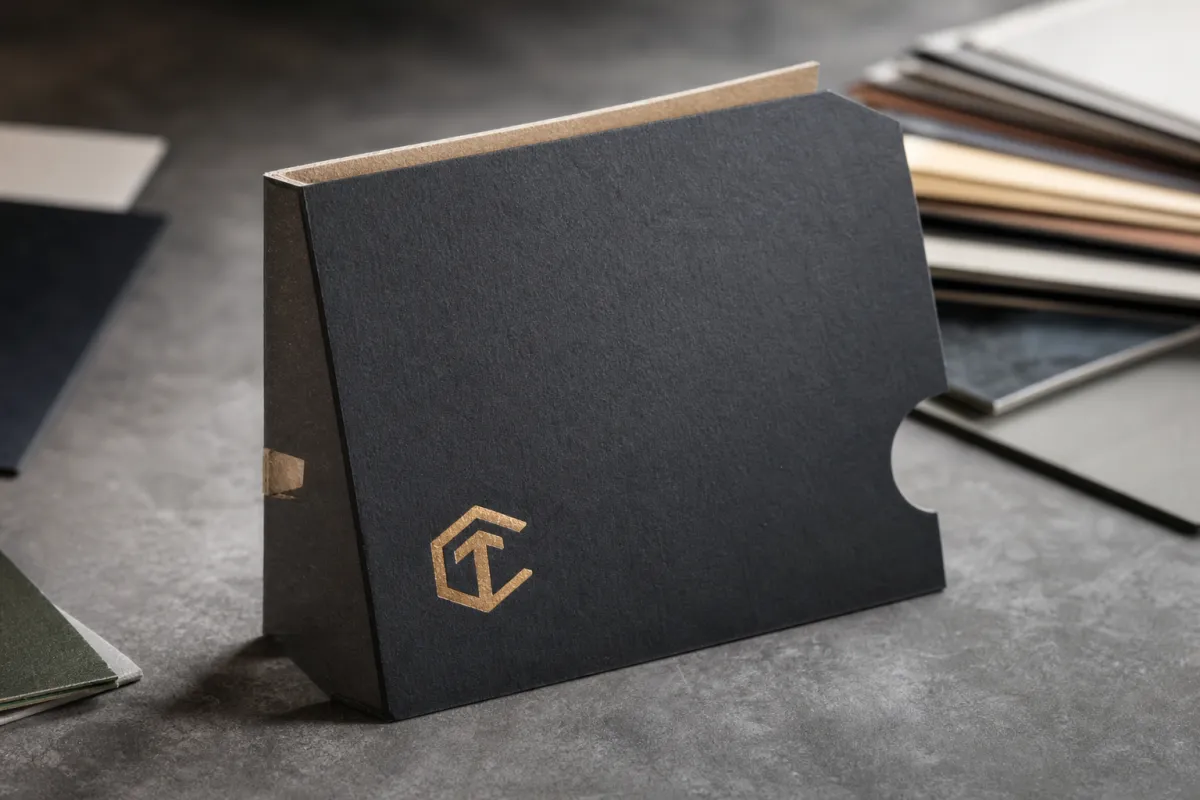
Most people judge a wine shipper by the wall of the carton, but the edge is often where the trouble starts. A box can pass a quick visual check and still collapse when a forklift nudges the pallet, when stretch wrap pulls too tight, or when a stack sits under load overnight. In practice, the wine club corner boards material guide is really about understanding how edge reinforcement changes the way the whole pack behaves under pressure.
Corner boards are simple pieces of material, usually placed at the vertical edges of a carton or pallet load to resist crush and hold shape. They stabilize stacked loads, protect corners from strap damage, and help keep compression from reaching the bottles or inserts inside. For wine club shipments, that matters because the pack is carrying several stresses at once: bottle weight, headspace, vibration, humidity, and repeated handling at fulfillment centers and carrier hubs.
Wine club shipments are trickier than many buyers expect. A four-bottle pack may be light enough to move easily, yet if the void space is not controlled, the bottles can shift and make the carton flex. A six-bottle or twelve-bottle shipper brings more mass, more compression, and more opportunity for corner crush if the board is underspecified. That is why a wine club corner boards material guide should never stop at material names alone; it has to account for the whole shipping environment.
There is also a brand side to this conversation. A carton that arrives dented or scuffed does not only risk product loss. It can weaken the customer’s first impression, create service tickets, and make the membership program look careless even when the wine itself is excellent. Buyers sometimes underestimate how much a small structural upgrade can protect the perceived value of a wine club pack.
Cost follows the same logic. Better edge protection can influence print quality, stacking efficiency, and handling speed, which means the material decision reaches beyond breakage prevention. If a board choice slows the line, demands extra rework, or forces more secondary packing material, it changes the economics of the entire program. That is why the wine club corner boards material guide should be read as a packaging operations tool, not just a catalog of board types.
In my experience, the biggest mistakes happen in the gray area between “looks strong enough” and “actually survives the route.” That’s where the data matters, because a board that performs well in a clean warehouse may behave very differently after a wet trailer leg or a long weekend stack.
How Corner Boards Work Inside Wine Club Shipments
The easiest way to think about corner boards is to trace the load path. Pressure from the top of a stacked carton wants to travel downward through the weakest points of the pack. Without reinforcement, that pressure bends the carton wall, distorts the top closure, and can push force into dividers, inserts, or even bottle necks. Corner boards interrupt that path and redirect the load toward stronger vertical lines, which is exactly why the wine club corner boards material guide is so useful for understanding real-world pack behavior.
Outside corners are the most familiar placement. They are often used on palletized loads to improve stack strength, reduce corner damage from straps, and keep the outer profile square. Inside corners are different; they stabilize the shipper structure from within, especially in club kits where the bottle arrangement creates uneven loading. Some programs also use integrated reinforcement around the bottle cluster, particularly where a paperboard insert or molded tray needs help holding shape during transit.
Corner boards do not replace the rest of the protective system. They work alongside corrugated shippers, molded inserts, paper dunnage, shrink wrap, and proper case sizing. If the corrugated cardboard shipper is too loose, or the insert does not control bottle movement, corner boards can only do so much. That is one of the most practical lessons in any wine club corner boards material guide: structural pieces complement each other, and no single part fixes a weak pack design.
Think of it as a load management system. The shipper provides the container, the inserts hold bottle position, the dunnage fills voids, and the corner board keeps the structure from racking or crushing at the edges. When those parts are chosen together, the pack feels solid and consistent during packing and transit. When one part is undersized, the rest of the system has to absorb the failure. That usually gets expensive fast.
Placement also changes depending on the route. A direct parcel shipment may need more internal restraint and less pallet-focused reinforcement, while a wholesale club program with stacked pallets may need stronger edge compression performance. That is why I always encourage buyers to describe the shipper, the carrier path, and the expected handling sequence before asking for a final recommendation. A good wine club corner boards material guide should be tied to those conditions, not treated like a one-size-fits-all formula.
Wine Club Corner Boards Material Guide: Choosing the Right Substrate
This is the point where the spec gets real. The material you choose affects stiffness, moisture response, printability, recycled content, and how the board behaves during converting and packing. A strong wine club corner boards material guide should compare the substrate options in practical terms, because the best choice changes with bottle count, season, and shipping lane.
Here are the common board families buyers ask about most often:
| Material option | Typical strengths | Best use cases | Tradeoffs |
|---|---|---|---|
| Recycled kraft-based board | Good stiffness, dependable edge crush resistance, familiar converting behavior | General wine club runs, standard palletized shippers, cost-sensitive programs | Can lose some performance with moisture unless treated or well stored |
| Corrugated board | Lightweight, easy to source, recyclable, good balance of cost and protection | Edge support for corrugated cardboard shippers and mixed bottle counts | Thickness and flute choice must match load; not every construction is equal |
| Laminated paperboard | Smoother print surface, cleaner visual presentation, more premium feel | Consumer-facing packs where appearance matters as much as protection | Laminate layers can complicate recyclability and raise unit cost |
| Moisture-resistant construction | Better performance in humid warehouses or damp freight lanes | Coastal shipping, cold chain touchpoints, seasonal moisture swings | May add cost, and coatings must be checked for end-of-life handling |
For most buyers, the decision starts with caliper, stiffness, and edge crush resistance. Those three numbers tell you much more than appearance does. A board that looks thick can still perform poorly if the fiber structure is soft or inconsistent. In a wine club corner boards material guide, I would rather see a buyer ask for compression data than rely on visual judgment alone.
Moisture response matters more than many teams expect. Wine shipments move through warehouses, trailers, and sometimes temperature swings that create condensation. Kraft paper and recycled materials can perform very well, but if the shipment lane is humid or the cartons sit in storage for long stretches, a moisture-resistant or better-structured board may be worth the added cost. That does not mean every pack needs coating. It means the material should match the conditions, not just the budget.
Recycled content is another useful factor, especially for brands that want to support sustainability claims. Post-consumer waste content can help reduce virgin fiber use, and many buyers want to pair that with FSC certified sourcing where possible. If you are aiming for greener packaging, be careful with the phrase biodegradable packaging; fiber-based components can be recyclable and responsibly sourced, but coatings, adhesives, and laminations change how a material should be described. Accuracy matters more than sounding polished.
The bottle mix also changes the spec. A four-bottle club pack usually needs less overall compression resistance than a six-bottle or twelve-bottle shipper, but the smaller pack may have more void space and more sensitivity to shifting. Larger packs carry more weight and need stronger vertical support. That is why the wine club corner boards material guide should always be tied to the exact bottle count and the full packed weight, not a generic box size.
When sourcing, ask for material data sheets, sample boards, and if possible a quick compression or stack test reference. If the program will ship into different climates, request a board option that has been evaluated for moisture exposure or at least handled in conditions similar to the real route. A supplier who can explain the material honestly is usually a better long-term partner than one who only quotes the lowest number.
For teams balancing sustainability and performance, I also like to see whether the supplier can explain how the board fits into the broader fiber recovery stream. Packaging.org has useful industry context on packaging materials and recovery expectations at packaging.org, and FSC standards at fsc.org are worth understanding if certified sourcing is part of your brand story. A solid wine club corner boards material guide should make room for those questions instead of treating them as afterthoughts.
One more practical point: not every strong board is the right board for high-speed packing. A material that is too stiff or awkward to score can slow the line, create fit issues, or crack during folding. The best result often comes from a balanced construction that supports the load without turning pack-out into a fight. Nobody wants to spend a shift fighting the carton.
Production Steps, Timeline, and Lead Time
Lead time is usually more predictable than buyers expect, but only when the project is defined clearly. A practical wine club corner boards material guide should walk through the full production path, because many schedule surprises come from missing measurements, changing artwork, or last-minute structural revisions.
The process usually starts with discovery and sizing. That means confirming bottle count, bottle dimensions, shipper size, pallet pattern, and the handling environment. From there, a supplier creates or revises a dieline, then prepares a sample or prototype. After that comes approval, converting, inspection, and shipment. Each step can move quickly if the spec is clean, or slowly if the project keeps changing.
New tooling adds time. So do special coatings, unusual board grades, and structural testing. If the job needs a prototype validated before the full order, that can add several business days even before production starts. In a wine club corner boards material guide, this is the part where buyers often save time simply by answering questions early instead of waiting for the production team to chase details.
Typical turnaround varies by complexity, but I often see simple custom board runs land in the 12-15 business day range after proof approval, while more involved builds can stretch beyond that if material sourcing or sample validation is required. Those numbers are not promises; they depend on current workload, substrate availability, and the amount of conversion work involved. Still, they give buyers a realistic planning frame.
Seasonality matters too. Wine club programs often ship in waves, and a busy season can tighten production capacity and freight availability at the same time. That is why a wine club corner boards material guide should include ordering discipline: confirm the next shipment window early, lock the spec before artwork changes start, and avoid introducing new variables once the run is underway.
Here are a few ways to shorten lead time without cutting corners:
- Confirm bottle dimensions and packed weight before requesting quotes.
- Approve proofs quickly, especially if the board carries print or labeling.
- Keep the structure as simple as possible while still meeting the load requirement.
- Use a previously approved material grade whenever the shipping lane has not changed.
- Document fit and approval notes so the next reorder does not start from zero.
Testing is another scheduling factor that deserves real attention. If a program is new or the destination lane is rough, ask for transit validation using a recognized method such as ISTA procedures or compression checks aligned with ASTM-style expectations. A wine club corner boards material guide that ignores testing can look efficient on paper and still cost more later if the load fails in the field.
One of the best habits a buyer can build is to treat sample approval as part of the timeline, not a side task. Once the sample is approved, keep the approved dimensions, caliper, and material notes in a shared file so purchasing, operations, and the supplier all work from the same version. That small discipline prevents a lot of rework and a lot of “wait, which version did we approve?” conversations.
Wine Club Corner Boards Material Guide: Cost, Pricing, and MOQ
Pricing is where many packaging conversations get noisy, because people compare quotes that are not actually built the same way. A useful wine club corner boards material guide should help you separate real cost drivers from quote confusion, especially when minimum order quantities and freight costs enter the picture.
The biggest cost factors are usually material grade, thickness, coating, print coverage, die complexity, labor, and shipping weight. A thicker board can cost more per unit, but the freight cost may rise too if the board adds bulk. A printed board may look more refined, but higher ink coverage and extra converting steps can lift the quote. A simple profile is often cheaper to make, but only if it still protects the product.
MOQ changes the math quickly. Lower quantities usually carry a higher unit cost because setup, tooling, and material waste are spread across fewer pieces. Larger runs often lower the per-piece price, but they also increase storage demand and tie up cash in inventory. In a wine club corner boards material guide, that tradeoff matters because club programs often ship in recurring batches rather than one giant annual order.
| Order profile | Typical pricing pressure | Operational benefit | Risk to watch |
|---|---|---|---|
| Short run, custom spec | Higher unit cost due to setup and limited material spread | Good for testing fit before committing | Sample approval errors can be expensive |
| Mid-volume recurring order | Balanced unit cost with manageable inventory | Often the best fit for club-based shipping programs | Reorders can drift if specs are not documented |
| Large volume annual buy | Lower unit cost, more favorable material efficiency | Better pricing leverage and production planning | Storage and carrying costs can offset savings |
When you compare quotes, make sure they are truly apples to apples. Ask for the same dimensions, the same board grade, the same caliper range, the same packaging configuration, and the same delivery terms. If one vendor quotes a board with a moisture-resistant finish and another quotes a plain kraft option, the lower number is not necessarily the better deal. A clean wine club corner boards material guide should teach buyers to compare performance, not just headline price.
Hidden costs show up in surprising places. Bulky boards can raise freight charges. Inventory-heavy programs can tie up storage. Poorly written specs can lead to rework or rejected shipments. Even a board that is slightly too light can become expensive if it creates a pattern of damaged bottles and replacement freight. That is why total value matters more than the unit line on the quote.
The most expensive board is often the one that fails quietly. If the damage rate rises by even a small percentage, the cost of replacements, customer service, and lost trust can easily outweigh the savings from choosing the cheapest substrate. A disciplined wine club corner boards material guide helps buyers calculate the real cost of ownership, not just the price on the invoice.
For programs that care about recycled materials, FSC certified content, or post-consumer waste claims, remember that those features can influence both material availability and cost. They are often worth it, but only if the claim is accurate and supportable. Sustainability is strongest when it is tied to measurable sourcing and performance, not vague language.
Common Mistakes When Specifying Corner Boards
The first mistake is choosing the cheapest board without checking compression strength, moisture performance, or how the pack behaves in a real shipping lane. A low price can look smart until the first wave of breakage or corner crush shows up. In a wine club corner boards material guide, that is the classic false economy.
The second mistake is testing only one bottle configuration. A pack that works with a light assortment may fail when the club changes to heavier bottles, adds a different closure, or adjusts fill weight. The structure needs to survive the range of expected use, not just the nicest-case sample.
The third mistake is skipping transit tests. If a shipment passes through multiple carriers, experiences cross-docking, or moves through seasonal humidity swings, the pack should be checked under conditions that resemble the real route. Compression alone does not tell the whole story. Vibration, shock, and handling abuse matter too. A solid wine club corner boards material guide should push buyers toward validation, not assumption.
"The carton rarely fails in the showroom. It fails where the load changes, where the pallet gets nudged, or where moisture and stacking pressure finally show up."
The fourth mistake is vague specifications. If nobody defines caliper, tolerances, adhesive requirements, or acceptable cosmetic variation, every reorder becomes a negotiation. That slows purchasing, confuses quality control, and can create mismatched inventory. Good specs protect both sides.
The fifth mistake is overbuilding. More material is not always better. Too much thickness can add cost, complicate folding, slow down packing, and generate waste without giving proportional performance gains. In the best wine club corner boards material guide outcomes, the board is strong enough to do the job and lean enough to keep the operation efficient.
A sixth issue that comes up often is ignoring the rest of the pack-out system. If the insert is weak, the dunnage is inconsistent, or the shipper is oversized, the corner board ends up covering for bigger structural problems. That is rarely the cheapest path in the long run.
One more subtle mistake: assuming the same board will work forever. Routes change, warehouse conditions change, and product mixes change. A spec that was fine for a cool-season shipment can get wobbly during summer transfer windows. Re-checking the structure once or twice a year is boring work, but it keeps the pack honest.
Expert Tips and Next Steps for Better Quotes
If you want cleaner quotes and fewer surprises, build a one-page spec sheet before you start the pricing round. List bottle count, bottle weight, shipper dimensions, destination zones, annual or batch quantity, pallet pattern, and any sustainability goals. When you send that information out with the wine club corner boards material guide request, the responses get much easier to compare.
I also recommend asking for samples or short-run prototypes before committing to a full order. Fit is one thing, but compression behavior and pack-out speed on the actual line are just as important. A board that looks fine in a sample photo may still slow operators down or create alignment issues in production. That is why hands-on testing remains one of the smartest steps a buyer can take.
Document the approved board grade and construction carefully. Reorders often happen months later, sometimes with a new buyer or a different operations lead. If the original approval notes are buried in email, the next purchase order can drift away from the spec that actually worked. A stored reference keeps your wine club corner boards material guide from becoming a one-time document that nobody uses.
It also helps to ask the supplier how the board will be converted and packed for shipment. Some materials ship flatter and lighter, which lowers freight. Others may need more protective handling or more space in storage. Those details matter when you are comparing vendors because the quote is only part of the total program cost.
From a packaging buyer’s point of view, the smartest next step is usually not to redesign everything. It is to measure the current pack, collect damage data, and compare the current spec against one or two better options. Once you know what failed, you can ask for a more targeted recommendation. That is how a wine club corner boards material guide turns from reading material into a decision tool.
Use this sequence:
- Measure the current shipper and note the packed bottle weight.
- Collect transit and damage data from recent shipments.
- Ask for two or three material recommendations on the same spec.
- Request sample boards or a short prototype run.
- Approve the version that balances protection, print quality, and line speed.
The best packaging decisions usually come from simple discipline, not clever shortcuts. If you keep the spec accurate, the materials honest, and the test results visible, the entire program gets easier to manage. That is the core lesson of the wine club corner boards material guide: pick the board that fits the pack, the route, and the operation, then lock that decision down before the next shipment cycle begins.
For teams that already have a working shipper, the most practical action is straightforward: compare the current corner board against the real shipment data, not against a guess. If the board is handling the load, moisture, and line speed with room to spare, keep it. If it is not, change the substrate or the construction before the next busy cycle starts. That kind of quiet, measured adjustment is usually what keeps a wine club program steady.
FAQ
What is the best material for wine club corner boards?
The best material depends on bottle count, shipper size, and how much compression the pack needs to survive in transit. Recycled corrugated and kraft-based constructions are common because they balance stiffness, cost, and recyclability, but the right answer in a wine club corner boards material guide always depends on the load and the shipping lane.
How thick should wine club corner boards be?
Thickness should match the pack load, the height of the shipper, and the amount of edge protection needed during stacking and carrier handling. Ask for caliper and compression data rather than guessing from appearance, because two boards that look similar can perform very differently in a wine club corner boards material guide comparison.
Do corner boards actually reduce breakage in wine club shipments?
Yes, when they are sized correctly, they help prevent corner crush and keep the pack from flexing around the bottles. They work best as part of a full protective system that includes dividers, dunnage, and a properly sized shipper, which is exactly how a practical wine club corner boards material guide should frame their role.
How does MOQ affect pricing for wine club corner boards?
Lower MOQs usually mean a higher unit price because setup, tooling, and material waste are spread across fewer pieces. Larger orders often improve unit cost, but buyers should weigh that against storage space and reorder timing, since the economics in a wine club corner boards material guide are about both production and inventory.
How long does production usually take for custom corner boards?
Lead time depends on whether the structure is standard or custom, whether samples are required, and how quickly proofs are approved. Material availability and shipping distance can add time, so it helps to plan the order before the club's busy season and keep the wine club corner boards material guide spec stable from the start.
Should wine club corner boards be treated like a sustainability claim?
Only if the sourcing and construction support that claim. Recycled content, FSC certified fiber, and recyclable construction can be part of the story, but coatings and laminations change the picture. A trustworthy wine club corner boards material guide should keep those details accurate and specific.
If you want fewer breakages, better quote comparisons, and a cleaner handoff to production, start with the current pack, document what it weighs, and ask for a material recommendation that matches the route instead of just the price. A well-built wine club corner boards material guide gives you that clarity without the guesswork, and the most useful takeaway is simple: choose the board based on load, lane, and handling conditions, then lock the spec before the next shipment cycle starts.


