What a Custom Woven Label Beanies Bulk Order Actually Buys You
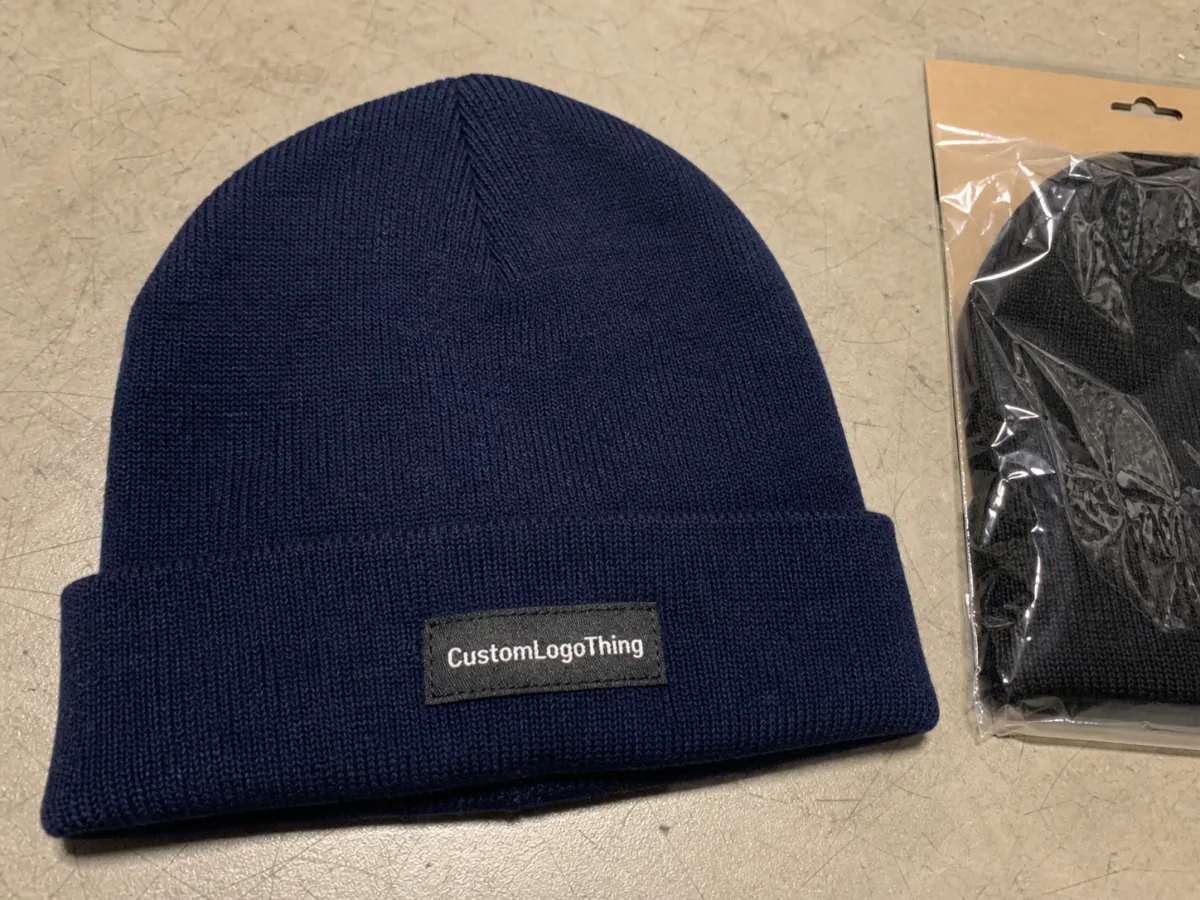
Most buyers do not need a louder beanie. They need one people will wear after the event, staff kit, merch drop, school fundraiser, or winter promotion. A custom woven label Beanies Bulk Order is about perceived value: a useful cold-weather item with branding that looks intentional instead of slapped on.
Woven labels work well on knit fabric because they keep logos sharp and compact. A cheap print can crack, distort, or sink into ribbed acrylic. Embroidery can work, but it may get bulky on smaller cuffs and blur fine logo details. A woven patch around 1.5 x 1 inch or 2 x 1 inch often gives the cleanest retail-style result.
One strong beanie style can serve employee gifts, brewery merch, creator drops, coffee shop retail, gym member kits, school stores, outdoor brands, nonprofit campaigns, and seasonal promotions. The wearer does not feel like a walking billboard, but the brand still gets seen.
Bulk ordering also changes the math. Label setup, artwork conversion, sampling, sewing, packing, and freight exist whether the order is 100 pieces or 1,000 pieces. Spreading those fixed costs across more units usually improves the landed cost, so buyers should ask for tiered pricing before choosing a quantity.
Custom Logo Things helps buyers confirm specs, realistic lead times, and pricing before production. If the order also needs apparel trims or coordinated campaign packaging, the team can connect the beanie project with Custom Labels & Tags and broader Wholesale Programs.
Beanie Styles That Work Best With Woven Labels
Cuffed beanies are the safest choice for visible woven labels. The folded cuff creates a stable placement area, usually 2.5 to 3.5 inches tall, and keeps the label facing forward. If the buyer wants predictable brand visibility, start here.
Fisherman beanies have a shorter profile and tighter streetwear look. They work for skate shops, coffee brands, gyms, lifestyle launches, and minimalist retail programs. The fit is more specific, so ask for worn photos before committing.
Slouch beanies suit creator merch, casual giveaways, and softer retail programs. They have more drape, which means the label can shift while worn. A side label or lower cuff label can look good, but it should be checked on an actual head, not only in a flat mockup.
Pom beanies fit winter campaigns, resort shops, sports teams, schools, holiday kits, and cold-weather retail displays. Pom color and label color should be coordinated. Keep one element dominant and let the other support the design.
| Beanie Style | Best Use | Label Placement | Buying Note |
|---|---|---|---|
| Cuffed beanie | Staff gifts, retail merch, promotions | Front center cuff | Most predictable for logo visibility |
| Fisherman beanie | Streetwear, coffee, skate, gym brands | Front or lower side cuff | Check fit because the profile is shorter |
| Slouch beanie | Creator merch, casual giveaways | Side cuff or small front patch | Drape can move the label while worn |
| Pom beanie | Schools, teams, resorts, winter kits | Front cuff | Coordinate pom, yarn, and label colors |
Material choice affects cost, feel, and positioning. Acrylic is cost-controlled, warm enough for most promotional use, and available in many colors. Cotton blends feel softer and more retail. Recycled yarns can support sustainability programs, especially when buyers verify claims against resources from the U.S. Environmental Protection Agency. Wool blends cost more but make sense for premium winter assortments.
Do not approve a beanie style from one flat image. Ask for measurements, cuff height, yarn composition, color options, and worn photos. Bulk orders should be judged on fit and presentation, not just a clean mockup.
Woven Label Specs: Size, Fold, Color, and Placement
Common woven label sizes for beanies include 1.5 x 1 inch, 2 x 1 inch, 2.25 x 1 inch, and 2.5 x 1.25 inch. Smaller labels look cleaner on fisherman and low-profile cuffed styles. Larger labels can work for bolder retail branding, but only if the cuff has enough height.
Flat woven patches give the cleanest front-cuff branding. Center-fold labels work well on cuff edges. End-fold labels create a finished look when sewn down on both sides. Loop-fold labels can sit on a side seam or cuff edge for a private-label feel. Seam labels are small and useful when the brand wants less front-facing promotion.
Thread color limits are real. Woven labels can hold detail, but tiny gradients, thin lines, photo effects, and microscopic text do not reproduce well. If the logo includes small registered marks, fine taglines, or complex icons, simplify before production. High contrast usually wins: cream on black, black on tan, white on navy, or tonal charcoal on heather gray.
- Flat woven patch: Best for front cuff branding and retail-style presentation.
- Center-fold label: Best for cuff edge labels and side branding.
- End-fold label: Best for a finished patch look without exposed cut edges.
- Loop-fold label: Best for subtle side seam or hang-tag style branding.
- Merrowed edge patch: Best for a heavier outdoor or heritage look.
Backing and edge finish affect comfort. Heat-cut edges are clean and thin. Merrowed edges feel more substantial, but they can be bulky on smaller beanies. Soft woven labels are better near skin contact. Direct sew-on attachment is common, but stitch tension must be controlled so the knit fabric does not pucker.
Placement options include front center cuff, lower side cuff, side seam, back cuff, or a folded hang-tag style label. Front center sells the logo fastest. Side labels feel more retail and less promotional. The right choice depends on whether the buyer wants maximum visibility or a quieter branded garment people wear more often.
A serious order should include approval checkpoints before sampling: label artwork, thread simulation, label size, beanie color, and placement mockup. Skipping straight from logo upload to bulk production is not efficiency. It is avoidable risk.
Pricing, MOQ, and Unit Cost Factors Buyers Should Expect
Pricing depends on beanie style, yarn material, label type, thread count, order quantity, packaging, and delivery destination. One universal price for every beanie order usually means important details are being skipped.
Basic stock acrylic cuff beanies with a simple sewn woven label usually sit in the lower cost band, especially at 500 pieces and above. Smaller runs carry higher unit costs because setup, sewing, packing, and freight are spread across fewer units. Premium cotton blends, recycled yarns, wool blends, custom yarn colors, pom styles, individual bags, hang tags, barcode labels, and rush freight all raise the price.
Stock-color beanies with custom woven labels usually allow lower MOQs than fully custom knit beanies because the base product already exists. Fully custom yarn colors, jacquard knit patterns, specialty trims, private-label packaging, and custom retail assortments often require higher minimums because the machines, dye lots, and trim sourcing need volume.
| Order Type | Typical Starting MOQ | Cost Position | Best Fit |
|---|---|---|---|
| Stock acrylic beanie with woven label | Often 100-250 pieces | Lower | Events, staff gifts, quick merch |
| Stock premium beanie with custom label | Often 250-500 pieces | Mid-range | Retail drops, creator merch, branded kits |
| Pom beanie with woven label | Often 250-500 pieces | Mid to higher | Schools, winter campaigns, team stores |
| Fully custom knit beanie | Often 500-1,000+ pieces | Higher | Private label, custom colors, retail programs |
Common pricing levers are straightforward: increase quantity, choose stock colors, limit label thread colors, standardize one label size, avoid split shipments, and avoid rush freight when possible. Air freight can save a deadline, but it rarely helps the budget.
A useful quote should include beanie specs, yarn material, label specs, quantity tiers, setup charges, sample cost, production lead time, freight estimate, packing method, and payment terms. Ask for tiers at 100, 250, 500, 1,000, and 2,500 pieces. The best unit-cost break is not always where buyers expect it.
Buyer rule: suspiciously low quotes usually remove something you care about, such as label quality, sewing consistency, packing accuracy, or freight.
Process and Timeline From Artwork to Delivered Beanies
The process starts with the buyer sharing the logo, target quantity, preferred beanie style, deadline, shipping destination, and packaging requirements. From there, Custom Logo Things confirms material, label type, colors, size, placement, and packing plan.
Vector files are preferred for woven labels because they keep edges clean and make color separation easier. AI, EPS, SVG, and clean PDF files usually work well. If the buyer only has a PNG or JPG, artwork can often be rebuilt, but that adds time and may add cost.
The digital mockup stage shows beanie color, label size, placement, and logo proportions before a physical sample or bulk approval. Mockups are useful for alignment and scale, but they do not show stretch, texture, stitch tension, or label hand-feel. Retail buyers should consider a pre-production sample.
Sampling is recommended for retail resale, influencer kits, brand launches, staff uniforms, and any order where fit and label feel matter. It can often take about one to three weeks depending on label complexity, beanie availability, and whether the buyer is using stock goods or custom materials.
Artwork review and quote refinement commonly take a few business days once complete details are provided. Bulk production often takes several weeks after sample or proof approval. Shipping time depends on freight method, destination, customs clearance, and whether the order moves by air or ocean. If the deadline is tight, say that before quoting.
- Send logo file, quantity range, deadline, and ship-to ZIP or country.
- Confirm beanie style, material, color, label type, and packaging needs.
- Review quote, label proof, mockup, and production timeline.
- Approve sample or digital proof, depending on order risk and schedule.
- Move into bulk production, inspection, packing, and shipping.
The most common timeline killers are late artwork changes, indecision on beanie color, unclear label size, missing delivery addresses, and approval by committee. Assign one final approver before the project starts.
Bulk Order Quality Checks That Prevent Ugly Surprises
Beanies are soft goods, so small variation is normal. Slight measurement differences between pieces are expected. Sloppy label sewing, twisted cuffs, mismatched yarn colors, missing labels, and inconsistent sizing are quality problems.
Before production, confirm yarn color, beanie measurements, cuff height, label dimensions, thread colors, stitch placement, and inside comfort. If the label backing scratches the forehead or the stitching pulls the rib knit into waves, the beanie will not be worn.
In a sample, check four things first: whether the label sits flat, whether it pulls the knit fabric, whether the logo is readable from 3 to 5 feet away, and whether the beanie fits the target wearer. For a custom woven label Beanies Bulk Order, readability from normal distance matters more than cramming every brand detail into a small label.
Production inspections should include random carton checks, label alignment, loose threads, missing labels, color consistency, packing count accuracy, and carton marking. For retail programs, check barcode labels, hang tags, and individual bag presentation. If the order is going into fulfillment, stores, or subscription kits, packing accuracy directly affects distribution.
Packaging options include bulk polybag packing, individual polybags, recyclable retail bags, belly bands, hang tags, barcode stickers, custom carton labels, and kitting. Buyers building a larger campaign can coordinate beanies with Custom Packaging Products, custom printed boxes, or other retail packaging pieces so the presentation feels consistent.
For shipment durability, buyers can review distribution testing concepts from ISTA, especially if beanies are part of a kit with heavier items. For paper-based tags, bands, or product packaging, FSC-certified options may also be relevant; the Forest Stewardship Council explains certification basics for responsibly sourced paper materials.
Order a few extras. Events lose pieces, retail displays need replacements, and staff onboarding continues after the first batch. Exact reorders may vary if yarn lots, stock colors, or label thread batches change.
How Custom Logo Things Supports Beanie Orders
Custom Logo Things helps buyers move beyond a catalog beanie and a vague promise of quality. A workable order needs confirmed specs: yarn content, cuff height, label size, thread colors, edge finish, sew placement, packing method, and delivery plan.
The team helps compare stock beanie programs against fully custom builds. A stock acrylic cuff beanie with a sewn label may be right for a 250-piece staff gift order. A fully custom knit beanie may make sense for a 1,000-piece retail launch with custom colors and private-label packaging. Paying for customization the project does not need only raises the invoice.
Woven label review is a major part of the work. Label size, fold type, thread count, edge finish, and sew placement are checked before production so the final product does not look like the label was added at the last minute.
For brands ordering across multiple categories, consistency matters. Beanies, socks, bags, apparel trims, promo kits, hang tags, belly bands, and package branding should feel related. If the beanie label, retail bag, and custom printed boxes all use different whites or creams, customers may not complain, but they will notice.
Custom Logo Things can also support retail bags, hang tags, barcode stickers, custom carton labels, and kitting when beanies must move straight into stores, events, or fulfillment. Buyers can keep label specs, packaging notes, and approved production details on file, which makes repeat runs faster and more consistent.
The goal is a clean quote, a workable sample or proof, and sellable product delivered on time. That requires clear tradeoffs, not vague sales language.
Before You Request a Bulk Beanie Quote
Before asking for pricing, gather the basics: quantity range, target unit budget, preferred beanie style, delivery deadline, logo file, label size idea, packaging needs, and shipping destination. A quote built on real details is faster and more accurate than one built on “maybe 500-ish, need them soon.”
Choose one primary use case first. Retail resale, employee gifts, event giveaways, merch drops, school stores, and winter promotions all have different priorities. Retail usually needs better material, cleaner label finishing, and stronger packaging. Event giveaways may need speed and budget control. Staff gifts sit in the middle: wearable enough to matter, practical enough to order in volume.
Select two or three beanie colors instead of twelve unless the order size supports it. More colors can work, but they complicate inventory, MOQ, production, Packing, and Reorders. If the buyer wants the lowest landed cost, fewer colors and one label size usually help.
Decide whether you need stock beanies with custom labels or fully custom knit beanies before comparing quotes. Stock beanies are usually faster and more cost-effective. Fully custom beanies offer more control over yarn, knit structure, colors, and trims, but they require more planning and higher minimums.
- Need retail polish? Request a sample before bulk approval.
- Need speed? Choose stock beanie colors and a standard label size.
- Need lower unit cost? Increase quantity, simplify the label, and avoid rush freight.
- Need branded presentation? Ask about hang tags, bags, carton labels, and coordinated retail packaging.
- Need help comparing options? Review common ordering questions on the FAQ.
A bulk beanie order goes smoother when artwork, quantity, deadline, and label expectations are clear before production starts. Send the logo, quantity target, deadline, preferred style, and shipping destination so the team can price the real order instead of guessing.