If you are comparing options for a woven labels Material Guide for Gift Set brands, the material choice matters more than many buyers expect. A gift set can look polished from the outside, but one scratchy edge, a fuzzy weave, or a label that reads poorly can quietly drag down the whole experience. That is especially true when the label sits near skin, stays visible in photos, or has to survive handling, shipping, and storage.
Woven labels are made by interlacing threads rather than printing ink onto a surface, so the design is built into the label itself. That gives you stronger wear resistance, better performance under rubbing, and a tactile brand cue that printed tags rarely match. For Gift Set Brands, the real question is not just “what looks nice?” It is “what reads clearly, feels right, and fits the product without inflating cost?”
Why woven labels can make or break a gift set unboxing
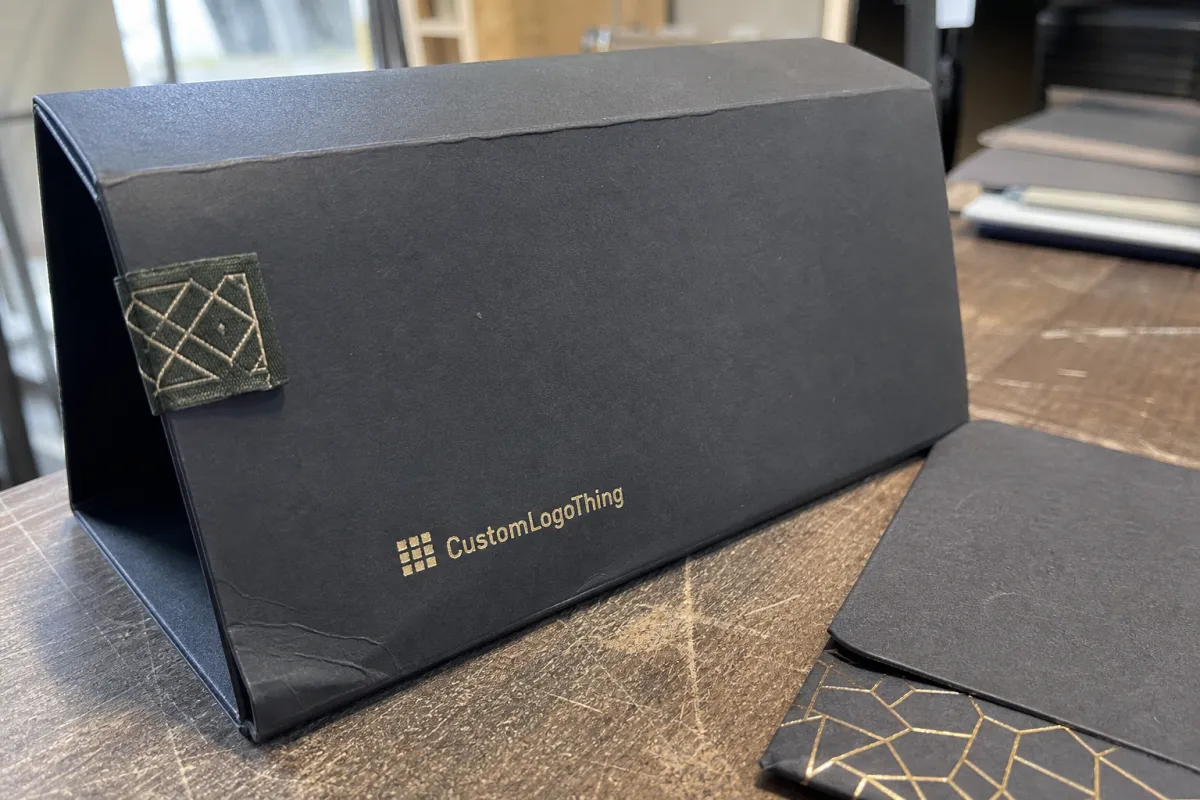
A gift set often arrives with a lot riding on first contact. The box wrap may be crisp, the insert cards may be on-brand, and the product arrangement may be thoughtful, but a flimsy or rough label can weaken that premium impression in seconds. From a packaging buyer’s point of view, labels are tiny brand assets with an outsized job: they need to look refined, feel comfortable, and stay intact through real use.
That is why a woven labels material guide for gift set brands should start with function, not just appearance. Some labels live on fabric pouches or textile accessories. Others are attached to candle sleeves, bath kits, spa sets, or keepsake items. They may be seen once during unboxing, or they may be handled repeatedly for months. The best material changes with that context.
The main constructions buyers usually compare are damask, satin, taffeta, cotton-based options, recycled yarn blends, and specialty metallic thread constructions. Each changes handfeel, edge clarity, readability, and cost. In practice, the material also changes the emotional read of the brand. Satin can feel luxurious and smooth. Taffeta tends to feel more practical and economical. Damask often lands in the middle when a logo needs fine detail but still has to stay soft against the product.
“The label is small, but the perception isn’t. Buyers notice whether it feels thoughtful or rushed.”
That matters most for premium gifting, artisan collections, wellness sets, and seasonal bundles. Even if the outer packaging uses kraft paper, corrugated cardboard, or FSC certified board, the woven label can be the final tactile proof that the entire set was designed with intention. If your packaging story also includes recycled materials, post-consumer waste, or biodegradable packaging, the label material should support that message rather than contradict it.
For examples of how small packaging details affect perception, see our Case Studies and our broader Custom Labels & Tags options.
How woven label materials are constructed and finished
Woven labels are built from warp and weft threads. The warp threads run lengthwise, while the weft threads are woven across them to form the design. That structure gives woven labels their durability and their distinctive texture. The tighter and denser the weave, the more detail you can usually capture, although there is always a tradeoff between detail, softness, and manufacturing cost.
Damask is commonly used for small text and intricate logos because it supports a higher thread density. The surface can hold finer detail than a lower-density construction, so tiny icons, thin strokes, and narrow letterforms tend to survive better. Satin offers a smoother, more reflective face, which many brands associate with premium gifting. Taffeta is usually the more economical choice and can be sensible when the label needs to be durable but the artwork is not highly detailed.
Backing and finishing also matter. A woven label can be left with no backing, or paired with iron-on, adhesive, or traditional sew-on attachment methods. Fold style changes both function and presentation: center fold, end fold, loop fold, and straight cut all create different application behaviors. If the label is going into a sewn textile item, a center fold may work best. If it is wrapping around a gift box insert or sleeve, a straight cut or end fold might be more suitable.
Cutting and edge finishing are just as important as weave type. Hot cutting seals edges well and helps reduce fray. Ultrasonic cutting can give a clean seal on many synthetic constructions. Laser cutting is useful for precise shapes, though it must be matched to the material carefully. Some labels are also pre-shrunk or heat-set to reduce movement, which matters when the final item will be laundered or exposed to humidity during storage and shipping.
Thread thickness and weave count directly affect whether tiny text stays readable. A logo that looks crisp on screen can turn muddy if the letters are too small for the weave density. That is one of the most common production surprises: not every artwork file is automatically ready for woven reproduction.
For teams comparing options, it helps to think in terms of performance targets:
- High detail: choose damask when the logo includes small text, thin lines, or delicate icons.
- Premium sheen: choose satin when the brand wants a smoother, more elevated surface feel.
- Cost control: consider taffeta when the label needs to look neat and hold up well, but the artwork is not highly detailed.
If your gift set includes a mix of soft goods and rigid components, the label may interact differently with each surface. A label attached to a linen pouch will behave differently than one applied to a paperboard insert or a wrapped textile wrap. That is why sampling against the real package structure matters, not just against a flat art proof.
Key material factors to compare before you approve artwork
The first question should always be: how should the label feel in hand? Gift sets often promise comfort, calm, indulgence, natural living, or refined simplicity, and the woven label should reinforce that story. A smooth satin label can read as elegant. A cotton or cotton-look construction can feel more natural and artisanal. A recycled yarn blend may fit a brand that speaks openly about lower-impact packaging choices.
Durability comes next. A candle set label may only need to look good through shipping and shelf display, while a bath accessory, robe, or textile gift item may be washed or handled frequently. That changes the material selection a lot. A label for a keepsake box might prioritize appearance and brand alignment, while a washable item needs thread stability, cut quality, and backing selection that can survive repeated use.
Color matching is another area where buyers sometimes expect too much precision too early. Woven thread color does not behave exactly like printed ink. Pantone references can guide the match, but exact reproduction is not as direct as with digital printing or screen printing. Bright neons, very dark shadows, and gradients are especially hard to translate. If your logo depends on a fade or ombré effect, woven may not be the best format without simplification.
That is why readability matters as much as color. A clean two-color logo usually performs better than a detailed design with five or six shades. Strong contrast between background and logo threads helps the mark read at a glance, especially on small labels. If your design includes tiny type, it may need to be simplified or enlarged before production.
Sustainability is also part of the comparison. Many buyers ask about recycled polyester, organic cotton, and lower-waste production methods. If your gift set packaging already uses FSC certified paperboard or recycled materials, it makes sense to keep the label story aligned. Be realistic, though: eco-friendly choices often come with tradeoffs in texture, finish, or price, and not every lower-impact option will suit every brand standard.
- Recycled polyester can be a good fit for brands balancing durability and lower-impact sourcing.
- Organic cotton works well for natural, artisanal, or wellness-driven collections.
- Reduced-waste production often means tighter planning on quantities and artwork approval.
One more practical note: ask whether the label will sit inside the package, hang from the product, or be sewn permanently into the item. Placement changes everything, from edge finish to fold style to how much surface sheen is acceptable under retail lighting.
Woven labels material guide for gift set brands: choosing the right spec
The cleanest way to choose a label spec is to work through the decision in order. Start with the product. Then define the brand position. After that, decide how tactile the label should feel, and only then lock the material. That sequence keeps you from choosing a beautiful spec that fails in the real packaging environment.
- Define the product use. Is the label for a soft textile, a candle bundle, a box insert, or a reusable pouch?
- Clarify the brand mood. Luxury, natural, playful, minimalist, heritage, or boutique all point in different directions.
- Select the material feel. Smooth, matte, crisp, dense, soft, or structured?
- Match the construction to the artwork. Fine detail needs more weave density.
- Confirm the attachment method and fold style. That determines how the label sits in production and on the finished product.
Here is a practical comparison that buyers often use as a starting point:
| Material | Best for | Typical strengths | Tradeoffs |
|---|---|---|---|
| Damask | Detailed logos, small text, premium gift sets | High detail, clean readability, refined finish | Usually higher cost than basic constructions |
| Satin | Luxury gifting, smooth visual presentation | Soft sheen, elegant surface, strong premium feel | May show fine detail less sharply than damask |
| Taffeta | Budget-aware projects, sturdy everyday use | Economical, durable, straightforward production | Less refined detail and softer appearance |
| Cotton or cotton-look | Natural, artisanal, eco-positioned gift sets | Warm handfeel, earthy brand fit | May not suit ultra-fine logo detail |
| Recycled yarn blend | Sustainability-led packaging programs | Better brand alignment for lower-impact claims | Requires sample review to confirm texture and color |
For luxury gifting, satin often wins because the surface feels polished and deliberate. For logos with very small typography, damask is usually the safer choice. For natural collections, cotton or a cotton-look woven construction can support the story, especially if the outer packaging uses kraft paper, FSC certified board, or other recycled materials. The key is consistency: the label should sound like part of the same brand system, not an afterthought.
Once the material is selected, finalize the rest of the spec with care. Confirm dimensions, fold style, thread colors, and backing. Then review the artwork again in that exact format. A design that works in one-inch width may fail at half an inch. A good spec sheet prevents that problem before production starts.
Pre-production checklist:
- Logo legibility at final size
- Edge finish and fray resistance
- Wash or wear expectations
- Brand color tolerance
- Attachment method and fold style
If you want a useful internal standard, compare the woven label against the actual gift set components: box, ribbon, tissue, insert card, pouch, or textile. That way, you are judging the label in context, not in isolation.
Cost, pricing, MOQ, and unit cost considerations
Pricing for woven labels usually comes down to a handful of variables: material type, label size, number of colors, weave density, fold style, backing, and cut method. The more complex the spec, the higher the cost. The larger the run, the lower the unit cost tends to be after setup is absorbed. That part is predictable, but it still surprises buyers when they compare a 1,000-piece order to a 10,000-piece run.
As a rough buying framework, a simple woven label program may land around $0.06-$0.14 per unit at higher quantities, while premium constructions with detailed artwork, special backing, or custom finishes can move closer to $0.18-$0.35 per unit or more depending on size and order volume. Low-MOQ projects almost always carry a higher price per label because setup, threading, and machine time are spread over fewer pieces.
The practical tradeoff is simple: a better material can improve the look of the whole gift set, but overspecifying every label detail can eat into margin quickly. If the gift set itself sells at a strong price point, a better weave and cleaner finish may be justified. If the label is one of many packaging components, you may be better served by simplifying the artwork and choosing the most suitable, not the most expensive, construction.
Sampling can also add cost, especially if the artwork needs revisions or the color match needs several passes. That does not mean you should skip it. It means you should budget for it. A sample that catches a detail issue is cheaper than a full production run that misses the mark.
A simple way to judge value is to compare label cost against the total gift set cost. If the set retails for $48 and the label costs a few cents more to improve the finish, that may be money well spent. If the label cost rises enough to force compromises elsewhere, the spec needs another look.
If your broader packaging program includes options like Custom Labels & Tags across multiple product lines, standardizing a few approved label constructions can save time and reduce repeated sampling.
Process, timeline, and production steps from proof to delivery
The normal workflow starts with artwork submission and a spec discussion. The supplier should confirm size, fold, backing, thread colors, quantity, and intended use before sending a proof. Once the digital proof is approved, sampling or a strike-off may follow if the project needs color or detail validation. After that, the run moves into production, finishing, packing, and shipment.
Lead times vary, but a straightforward order often takes about 12-15 business days from proof approval once all details are locked. More complex orders can take longer if they require custom thread sourcing, unusual finishing, or extra sampling. Rush requests may be possible, but they usually narrow your options on material, inspection, and packaging schedule.
The biggest delay points are usually not machine issues; they are information issues. Missing vector artwork, unclear Pantone references, post-proof design changes, and last-minute size adjustments are the usual culprits. If the label spec is not final, every small change can trigger another round of review.
Quality control should check weave clarity, thread tension, cut consistency, fold accuracy, and pack counts. For gift set brands, it also helps to see the label under the same lighting where it will be photographed, because some satin surfaces reflect differently under warm retail light than under a studio setup. That matters more than people think.
“A good label is not just approved on screen. It has to survive the box, the shelf, and the hand that picks it up.”
It also helps to build shipping and application time into the launch calendar. A label that arrives two days before fulfillment is not really on time if the team still has to sew, fold, pack, or assemble the final gift set. Plan backward from launch, not forward from purchase order date.
For brands shipping finished gift sets, the packaging system may also need to pass basic distribution expectations, especially if the outer pack uses corrugated cardboard inserts or folded kraft paper components. If the set is likely to be mailed or handled in transit, it is smart to think about handling standards such as ISTA test paths and general packaging durability guidance from organizations like ISTA and material sourcing principles from FSC. Those standards do not choose the label for you, but they help keep the whole package honest.
Common mistakes that weaken the final label
The first mistake is choosing the material before confirming use conditions. A label that feels lovely in hand may still perform badly if it frays, curls, scratches the skin, or looks out of place on the final product. The right material has to suit the item, not just the mood board.
The second mistake is overloading the artwork. Tiny text, thin outlines, and complex gradients can all break down in a woven format. If the weave cannot support the detail, the logo becomes harder to read and less premium-looking. A cleaner mark often performs better than a more elaborate one.
Color expectations cause another round of headaches. Screen color is not thread color, and a woven label cannot reproduce every vibrant tone exactly. If brand approval depends on an exact shade, request physical samples early and review them against the actual gift set packaging. That is the only honest way to judge fit.
Fold and attachment errors can also make a good label look unfinished. A label that bunches, twists, or sits crooked can weaken the presentation even if the weave itself is excellent. The fix is usually simple: choose the right fold style and confirm how the label will be stitched or attached before the run begins.
Finally, skipping a sample is the cheapest-looking decision that often becomes the most expensive one. A small proof review can reveal color, texture, or readability issues before a full production order is made. That single step saves a lot of grief.
Expert tips for a cleaner premium finish and your next move
If you want a sharper result, keep the color count lean. One strong brand color and one accent color often create a cleaner woven finish than a busy multicolor design. That approach also tends to be easier to produce consistently, which matters when you are ordering for multiple gift set SKUs.
Always compare the label sample against the actual packaging materials: the box wrap, ribbon, insert card, tissue, pouch fabric, or product textile. A label can look perfect on a white proof sheet and still feel wrong next to dark kraft paper or satin ribbon. Context is everything.
Choose backing and finish based on how the end customer will interact with the product. If the label is mainly visual, the finish can prioritize elegance. If customers will touch it often, softness and edge quality need more weight. If the item will be laundered or handled repeatedly, durability should drive the decision.
Before quoting, build a label spec sheet that includes size, fold, artwork file type, thread colors, target quantity, placement, and expected use. That gives your supplier a clean brief and helps your internal team compare options with less back-and-forth. It also makes it easier to judge whether a satin, damask, or taffeta construction is truly the best fit for the job.
Best next moves:
- Shortlist two or three material options.
- Request samples or reference cards.
- Review them against the real gift set components.
- Confirm size, fold, and backing.
- Lock the proof before placing the order.
If you use this woven labels material guide for gift set brands as your decision path, the process gets a lot easier. The label stops being a guess and becomes a controlled part of the brand system, which is exactly what a good gift set needs.
What is the best woven label material for gift set brands that want a premium look?
Satin is often chosen for a smooth, elegant sheen, while damask is preferred when the logo has fine detail. The best option depends on whether the brand wants a soft luxury feel, crisp detail, or a more natural aesthetic. For premium gift sets, ask to compare both materials against the actual product packaging before deciding.
How do I choose between damask and satin in a woven labels material guide for gift set brands?
Damask usually performs better for small text and intricate logos because it supports higher detail. Satin has a smoother, more reflective surface that can look upscale but may show fine detail a little less sharply. Choose based on artwork complexity, brand style, and the tactile feel you want customers to notice first.
What affects the cost of woven labels the most?
Material choice, label size, number of colors, backing, fold style, and cut method all influence price. Lower quantities raise unit cost because setup is spread over fewer labels. Artwork complexity can also increase sampling time and production adjustments.
How long does production usually take for custom woven labels?
Timeline depends on proof approval, sampling needs, thread sourcing, and order quantity. Simple projects move faster, while special finishes or rush changes can extend lead time. Build extra time for review, shipping, and final application before product launch.
Can woven labels work well for eco-friendly gift sets?
Yes, especially when using recycled polyester, organic cotton, or other lower-impact material options. The best choice depends on the brand’s sustainability goals, softness requirements, and durability needs. Ask for samples so you can verify that the look still feels premium while aligning with the brand story.


