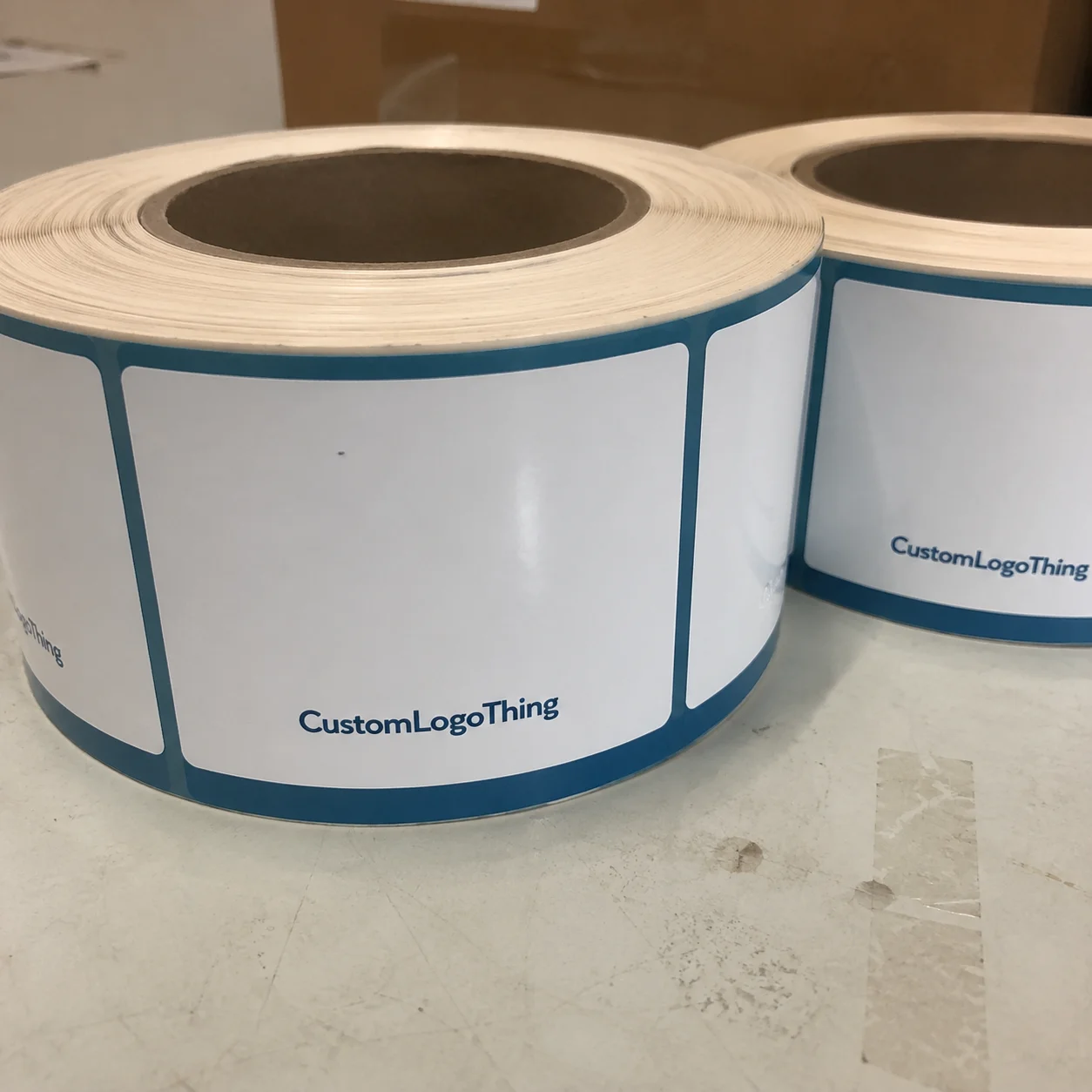
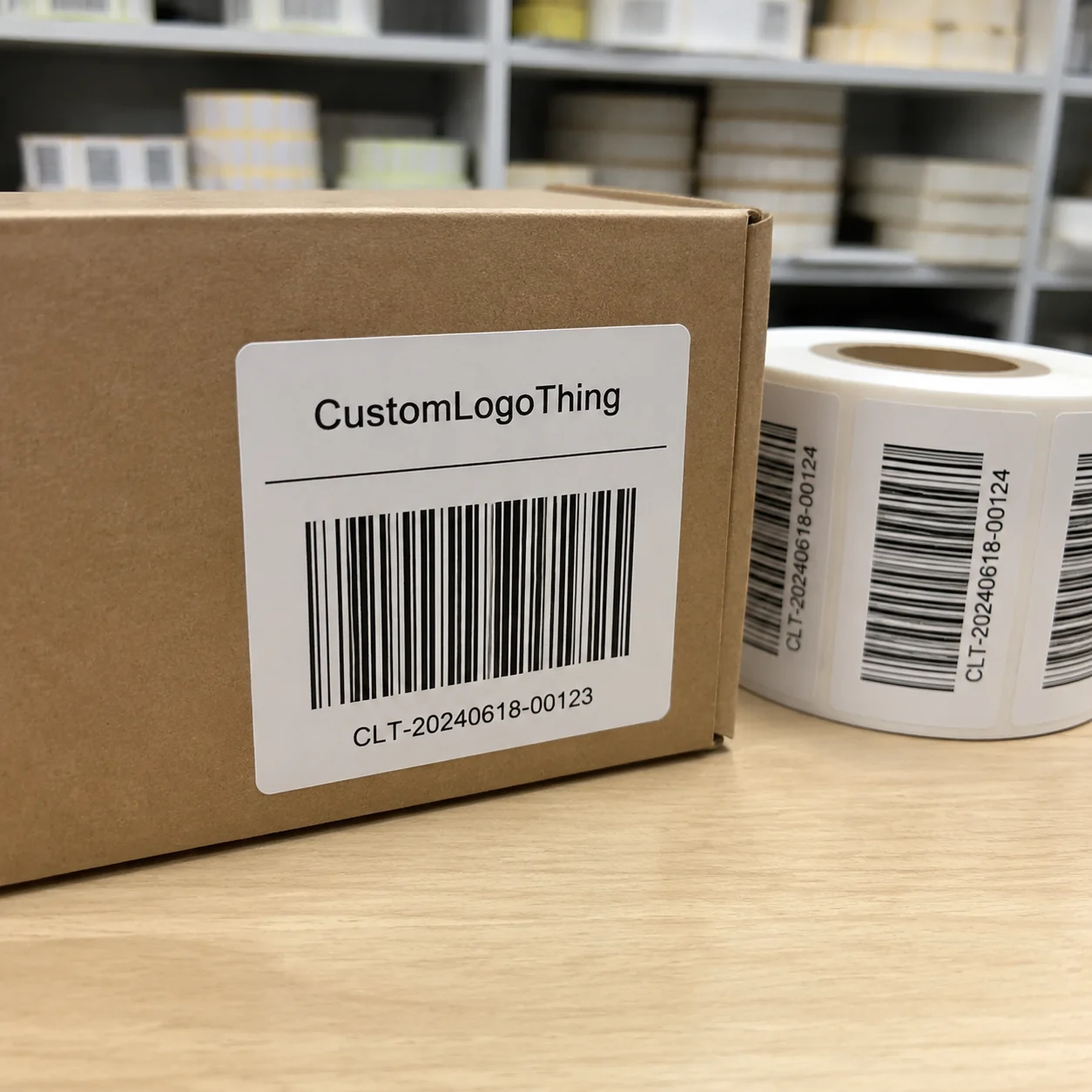
A cheap tag can make a premium supplement bundle feel oddly unfinished. A Woven Labels Supplier Quote for supplement brands should not begin and end with “how many pieces?” The better questions are more physical: where will the label sit, who will handle it, will it touch skin, and does it need to survive one launch event or 40 laundry cycles?
Custom Logo Things helps brands turn logos into practical branded items, including Custom Labels & Tags for apparel, kits, giveaways, and retail support materials. The label is small. The buying decision is not.
Why supplement brands use woven labels on merch and kits
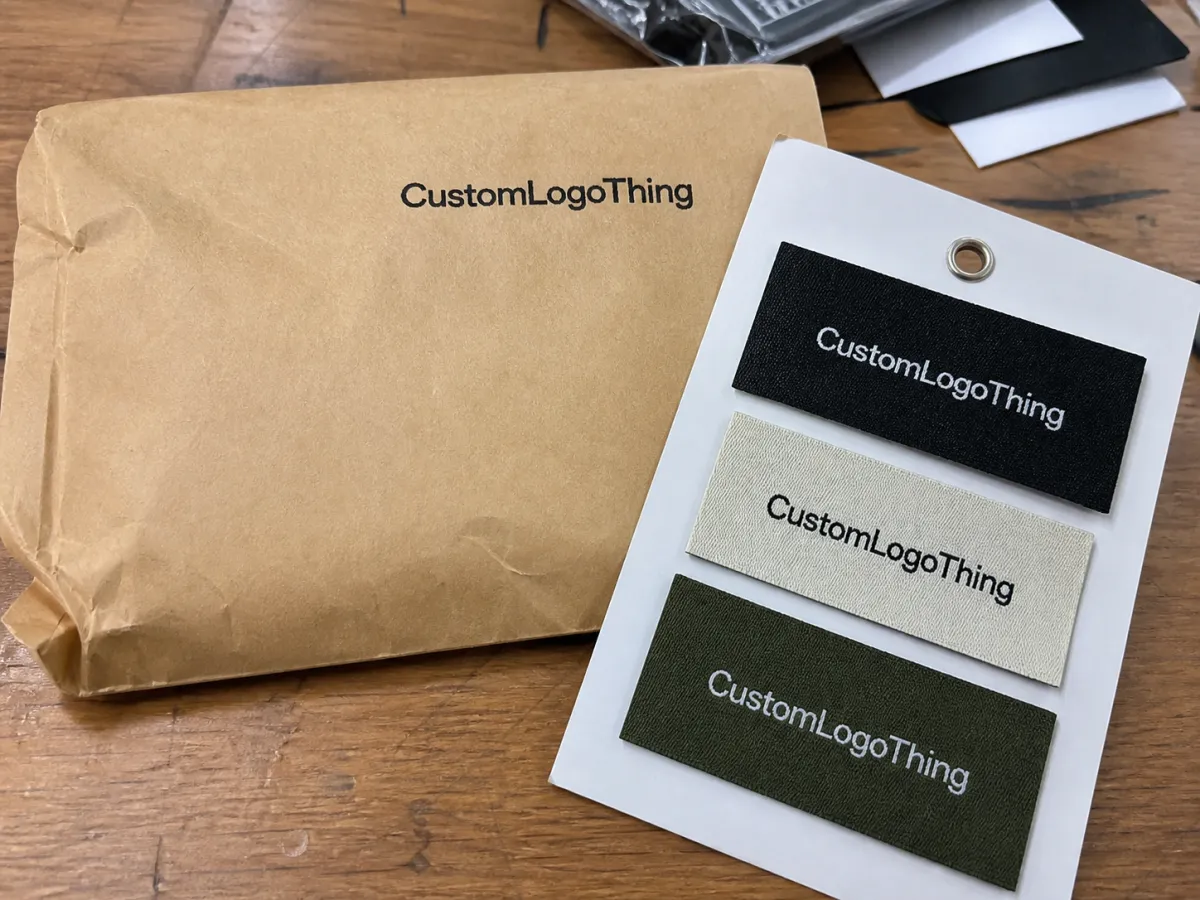
Supplement companies often spend heavily on bottle labels, carton graphics, flavor architecture, and influencer packaging. Then the merch goes out with a generic neck tag or a printed label that fades after a few washes. That mismatch shows up fast because merch usually stays in circulation long after the original product package is opened, recycled, or thrown away.
Picture a premium protein launch kit: shaker, drawstring bag, workout towel, hoodie, and sample sachets. The formula has not changed. The unboxing has. A small woven label on the towel or bag can make the kit feel intentional instead of assembled from catalog blanks.
The use case should drive the quote. Merch, sample kits, subscription inserts, event giveaways, and retail apparel all push the label spec in different directions. A hoodie neck label may need a soft damask weave and center fold. A tote label may need heavier yarn, strong edge definition, and a straight-cut patch format. A shaker sleeve tag may need a compact loop fold that sits cleanly in a seam without twisting.
There is a cost argument here that buyers sometimes underweight: perceived value can rise faster than actual label cost. A basic printed satin tag may look passable in a flat mockup, but it usually lacks texture, depth, and staying power. Woven labels cost more than basic printed tags, yet the difference can be modest at scale. A standard woven label may land around $0.12 to $0.35 per piece depending on size, weave, colors, fold, and quantity. On a $38 hoodie or a high-value launch kit, that is rarely the expensive part.
Buyer rule: if the item is meant to be kept, washed, worn, or photographed, the label deserves more attention than a disposable insert.
Repeatability is the other reason supplement brands move to woven labels. If the same mark appears on hoodies, tote bags, shaker sleeves, towels, and event staff apparel, a standardized woven spec protects consistency. It also makes reorders less painful because the supplier is not rebuilding the label from scratch each time.
Woven constructions, folds, and finishes that hold up in use
Most woven label decisions reduce to three questions: how sharp does the logo need to be, how soft should the label feel, and how will it be attached? Those answers usually point toward damask, satin, or taffeta.
Damask, satin, and taffeta in plain terms
Damask woven labels are the common choice for cleaner detail. They use finer threads, which helps with compact icons, narrow letterforms, and multi-line brand marks. For supplement brands with certification-style graphics, short performance claims, or dense typography, damask is usually the safer starting point.
Satin labels have a smoother, shinier face. They can feel premium, especially on fashion-adjacent packaging or apparel, but they are not always the best choice for tiny text. If the design has thin type under roughly 5 pt, tight spacing, or hairline outlines, satin can soften the edges more than expected.
Taffeta labels are more economical and slightly more textured. They can work for basic care labels, internal tags, or simple utility markings. For front-facing merch branding, they require caution unless the design is bold and uncomplicated.
Fold styles and what they change
Fold choice affects sewing time, comfort, visibility, and the finished size. End fold labels tuck the left and right edges under, giving a clean rectangular face that works well on bags, sleeves, hems, and towels. Center fold labels fold through the middle and are often sewn into necklines or seams. Loop fold labels create a tab effect, useful for side seams or compact brand hits. Straight cut labels have no fold and are usually used as patches or surface labels.
Finishing details sound minor until production begins. Heat-cut edges reduce fraying on synthetic yarns. Laser cutting can create cleaner shapes for certain designs. Sew-in edges improve durability but may change the visible border. Adhesive or iron-on backing can help with placement, though sewn labels still tend to perform better on apparel that will be laundered repeatedly.
If the logo includes dense copy, a small “clinically tested” style line, or a multi-word claim, ask for a damask sample before bulk approval. Not every tiny character will weave cleanly. A competent supplier should flag that before the order is locked.
Specs to confirm before requesting a production quote
A vague quote request produces a vague price. Worse, it produces a price that changes later. If you want an accurate Woven Labels Supplier Quote for supplement brands, send the production facts in the first message.
Start with dimensions. Common woven label sizes include 1 x 2 inches, 1.5 x 2.5 inches, and 2 x 3 inches. Small seam labels may be closer to 0.5 x 1.5 inches. Larger labels cost more because they use more yarn and machine time. Dense artwork can also raise cost because stitch complexity increases.
- Final label size: width and height, stated in inches or millimeters.
- Weave type: damask, satin, taffeta, or supplier recommendation based on artwork.
- Color count: number of thread colors, plus any Pantone targets if color matching matters.
- Fold style: end fold, center fold, loop fold, miter fold, book fold, or straight cut.
- Backing: sew-on, iron-on, adhesive, or no backing.
- Application method: sewn into garment, sewn onto bag, attached to towel, added to promotional insert, or applied by hand.
- Quantity: quote one target quantity and one possible reorder quantity if you have it.
Artwork quality deserves its own warning. Low-resolution PNG files, screenshots, and logos pulled from presentation decks often create proof delays. Vector files such as AI, EPS, SVG, or print-ready PDF are better. Thin type, gradients, shadows, and very small trademark symbols may need adjustment because weaving is not inkjet printing. Threads have physical width.
Ask fit questions before asking for price. Where will the label be sewn? Does it need to sit flat against skin? Will it be washed weekly? Will it share space with a care label? Is the item stretch fabric, canvas, terry cloth, nylon, or polyester fleece?
For supplement brands using one mark across several products, standardization can save money. One 1 x 2 inch end-fold damask label may work across gym towels, tote bags, and staff tees. If every item gets a different size, fold, and backing, the supplier may quote separate setups instead of one efficient build.
Woven label pricing, MOQ, and unit-cost drivers
Price is not random. It is a stack of variables: size, stitch density, color count, fold, backing, quantity, sampling, freight, and deadline pressure. A useful quote shows enough of that logic to compare offers fairly.
Typical minimum order quantities vary by supplier and construction. Some programs may start around 100 to 300 pieces for simple labels, while more efficient production pricing often appears at 500, 1,000, 2,500, or 5,000 pieces. Smaller runs raise unit cost because setup, proofing, machine scheduling, and packing time are spread across fewer labels.
| Quote factor | Typical impact | Buyer check |
|---|---|---|
| Quantity | Higher quantities usually reduce unit cost after setup is absorbed | Ask for 500, 1,000, and 2,500 piece price breaks |
| Size | Larger labels use more yarn and machine time | Confirm finished size after folds, not only flat size |
| Color count | More thread colors can increase complexity | Use brand-critical colors only; simplify secondary details |
| Fold and finish | Center fold, end fold, heat cut, and backing may affect labor | Match fold to the actual sewing location |
| Sampling | Physical samples add time and sometimes cost | Use samples for new logos, tiny text, or retail-facing merch |
| Freight | Air shipping, split shipments, and rush delivery can change the total | Compare landed cost, not only unit price |
As a planning range, simple woven labels may quote around $0.10 to $0.45 per unit depending on volume and specs. Very small batches can sit higher. Larger programs with clean artwork and repeatable specs can sit lower. Supplier equipment, order mix, finishing method, and freight all affect the final number, so treat ranges as estimating tools rather than promises.
Two quotes are only comparable if the build is identical. A $0.14 label with no sampling, no freight, no backing, and a looser weave is not cheaper than a $0.21 label that includes a physical sample, end folds, freight estimate, and tighter damask detail. It is a different product.
Watch the traps. Rush fees can add real cost. Split shipments can make freight look harmless until the invoice arrives. Artwork changes after proof approval can trigger re-proofing and push the order back several business days. If the label is part of a larger kit, late labels can delay the entire pack-out.
Proofing, production steps, and lead time from order to ship
The production clock does not truly start when someone asks for a price. It usually starts after the artwork, specifications, quote approval, and proof approval are complete.
- Quote request: buyer sends logo, size, quantity, fold, backing, destination, and deadline.
- Artwork review: supplier checks line thickness, color count, text size, and weave feasibility.
- Digital proof: buyer reviews layout, dimensions, fold marks, thread colors, and orientation.
- Sample approval: optional but useful for first orders, small text, or premium merch drops.
- Bulk production: weaving, cutting, folding, backing, and packing are completed.
- Quality check: labels are checked for size, color, weave defects, fold accuracy, and count.
- Shipment: order ships to the brand, decorator, apparel factory, or kitting facility.
Lead times vary, but many woven label orders land around 10 to 20 business days after proof approval for standard production. Physical sampling can add 5 to 10 business days. International freight, complex color matching, unusual folds, and multiple revision cycles stretch the schedule.
Check the proof like money depends on it, because it does. Confirm front direction, fold position, finished size, thread colors, spelling, trademark symbols, and whether the label is meant to be sewn on two sides, four sides, or into a seam. If the proof shows a 2-inch flat label but you expected a 2-inch finished face after end folds, the final label may look too small on the item.
Rush orders can make sense before a trade show, athlete event, product launch, or merch drop. Still, rush only works when the spec is locked. If the logo is still being edited, paying for speed rarely fixes the bottleneck.
For shipping and transit testing on finished kits, standards from groups such as ISTA can be useful once labels become part of a larger packed bundle. Labels are small, but the finished presentation may move through parcel networks, fulfillment centers, and event freight.
How to judge supplier reliability before you reorder
“Premium quality” is easy to write on a website. Reliability is harder. Judge a supplier by proof accuracy, communication speed, batch consistency, and how clearly they document the production spec.
A dependable supplier should be able to tell you what changed between two price options. Did the weave change? Did the fold change? Is freight included? Are samples extra? If the answer is vague, the reorder may become a guessing exercise.
Repeat buyers should ask about color retention, batch-to-batch matching, and reorder records. Thread colors are not the same as ink on paper. A Pantone reference can guide matching, but exact color reproduction depends on available yarn, lighting, weave density, and surrounding colors. Honest suppliers explain that limitation early.
Quality control should be specific. Useful checks include finished width and height, fold allowance, cut cleanliness, edge fraying, readable text, correct orientation, thread pulls, color consistency, backing adhesion where used, and carton count. For apparel programs, a small label defect can turn into a decorator problem if hundreds of pieces are already waiting for sewing.
For brands that care about responsible sourcing claims on packaging and paper goods, standards such as FSC may matter on hangtags, backer cards, and printed inserts. Woven labels are a different material category, but supplement buyers often purchase the full branded system together: labels, tags, cartons, inserts, and kit components. Strong documentation leaves fewer gaps during procurement review.
Good suppliers also keep reorder details: finished size, fold style, weave type, thread references, backing, approved proof, ship-to destination, and prior quantity. Without those records, “same as last time” can become a label that is 3 mm off, folded differently, or noticeably different in color.
If you want to see how branded items perform across real project types, review Custom Logo Things case studies. The useful lesson is not that every item needs the most expensive detail. Each detail should match the job it has to do.
Ordering mistakes that raise cost or delay approval
The most common woven label mistakes are ordinary: unclear artwork, too much tiny text, vague fold instructions, and quote requests with no exact quantity.
Small text is the repeat offender. A supplement design may include flavor names, slogans, compliance-style claims, or ingredient-adjacent language that looks fine on a carton but fails on a 0.75-inch label. Woven thread cannot reproduce every fine line. If the copy is not essential, remove it. If it is essential, enlarge the label or simplify the mark.
Late design changes are another cost driver. A changed icon, revised tagline, or new color after digital proof approval can trigger a new proof. A physical sample revision can add a week or more, especially if the supplier must reweave rather than adjust a flat print file.
Application mismatch causes quieter problems. A label that looks excellent as a flat patch may feel scratchy as a neck label. A straight-cut label may fray if the edge finish is wrong for the fabric. A loop fold may disappear visually on a thick tote seam. The item matters as much as the artwork.
Supplement brands also tend to reuse the same mark across packaging, apparel, shakers, towels, staff uniforms, and influencer kits. That can work, but not if every surface is treated the same. A logo optimized for a bottle label may need simplification for woven yarn, especially if it includes gradients, very fine outlines, or tonal effects.
To avoid rework, send one clean brief, one final logo file, one intended use, and one target deadline. If multiple stakeholders must approve the label, collect their feedback before proof approval. Production teams can move quickly. Committees usually cannot.
What to send for a fast woven labels supplier quote for supplement brands
The fastest quote is usually the one with the fewest assumptions. If you want a reliable Woven Labels Supplier Quote for supplement brands, send the supplier a complete brief instead of a logo and a one-line request.
- Logo file: AI, EPS, SVG, or high-resolution PDF preferred.
- Finished label size: include width, height, and whether dimensions include folds.
- Color count: list required brand colors and any acceptable alternatives.
- Fold style: end fold, center fold, loop fold, straight cut, or supplier recommendation.
- Quantity: target order plus optional price breaks.
- Application method: sewn into apparel, attached to tote, applied to towel, used as insert, or added by decorator.
- Destination: ship-to ZIP code or country for freight planning.
- Deadline: in-hand date, event date, or decorator delivery date.
Add product context. A label for a staff hoodie has different priorities than a label for a subscription box insert. A towel label needs laundering and edge durability. A tote label may need stronger visual contrast from several feet away. A premium kit insert may care more about face appearance than wash performance.
Ask for proof timing, sampling options, and freight estimates in the same request. If the supplier can quote three quantities, even better. A buyer comparing 500, 1,000, and 2,500 pieces can see whether the unit-cost drop justifies holding extra inventory.
Custom Logo Things can help translate a brand mark into a production-ready label spec before quoting. If you already know the item, quantity, and deadline, send the brief through Contact Us and ask for the same spec across any competing quotes. That keeps the decision factual: same size, same weave, same fold, same destination, same timeline.
Use the same brief every time you request a quote. The numbers will be easier to compare, the proof will move faster, and the finished label will be far less likely to surprise you.
FAQ
What should a woven labels supplier quote for supplement brands include?
It should list size, weave type, fold style, color count, quantity, backing, and any setup or sampling charges. A useful quote should also show proof timing, estimated production lead time, and freight so the buyer can compare offers fairly.
What MOQ do supplement brands usually see for woven labels?
MOQ varies by size, complexity, and supplier setup. Some simple runs may start around 100 to 300 pieces, while better unit pricing often appears at 500 pieces and above. A good supplier should explain the price breakpoints so the brand can balance inventory risk against unit cost.
How long does woven label production usually take after proof approval?
Standard production often takes about 10 to 20 business days after proof approval, though artwork complexity, color matching, sampling, and shipping distance can change that range. Rush options may be available, but they work best when the label spec is already final.
Which woven label style works best for supplement brand merch?
Damask is often the best starting point when the design needs fine detail and a cleaner finish. Fold style should match the item: neck labels, seam labels, towel labels, and tote labels do not all need the same construction.
How do I compare two woven label quotes without missing hidden costs?
Check whether both quotes include sampling, artwork changes, freight, setup fees, taxes, backing, and finishing. Make sure the specs are identical before comparing unit cost, because a lower price on a different build is not a true comparison.