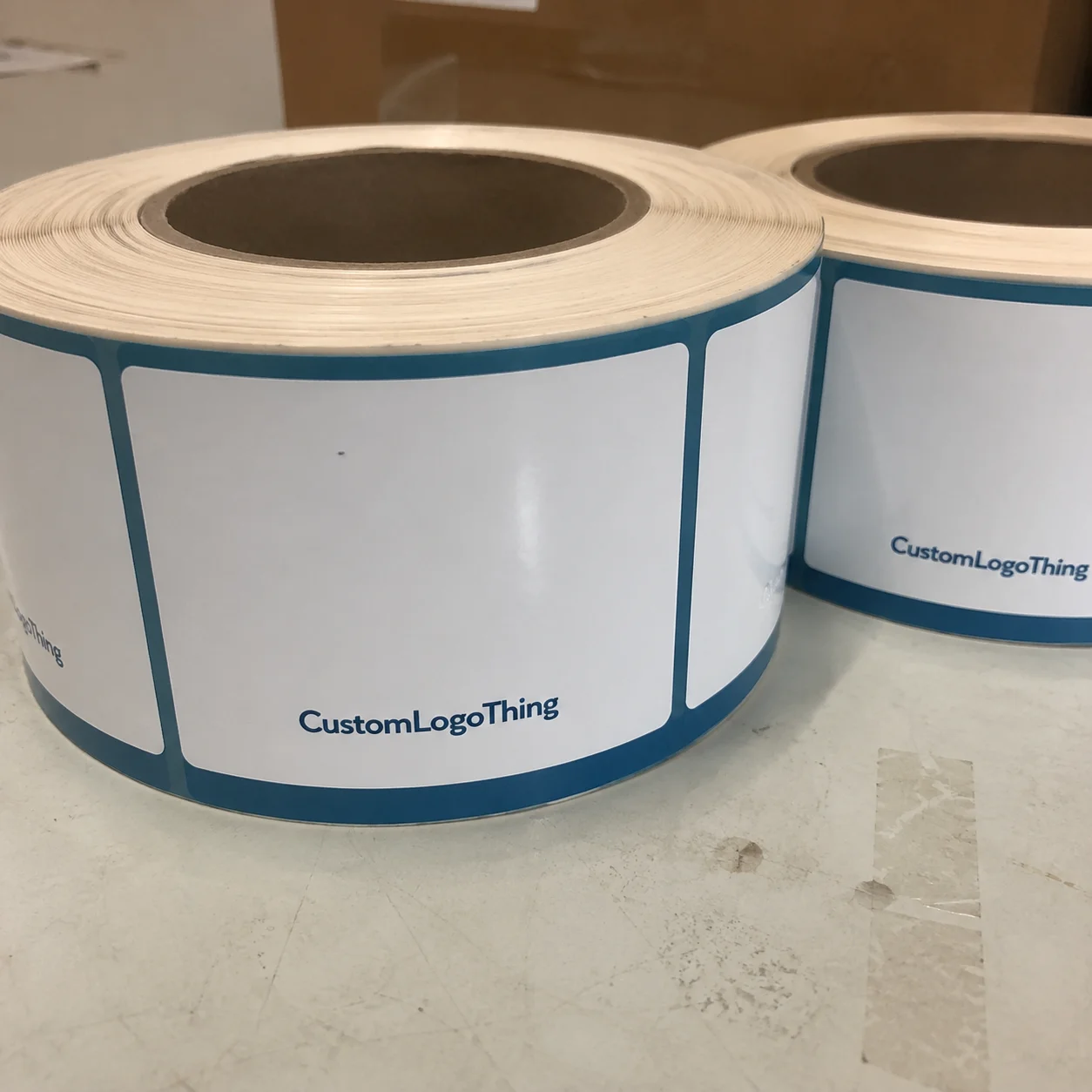
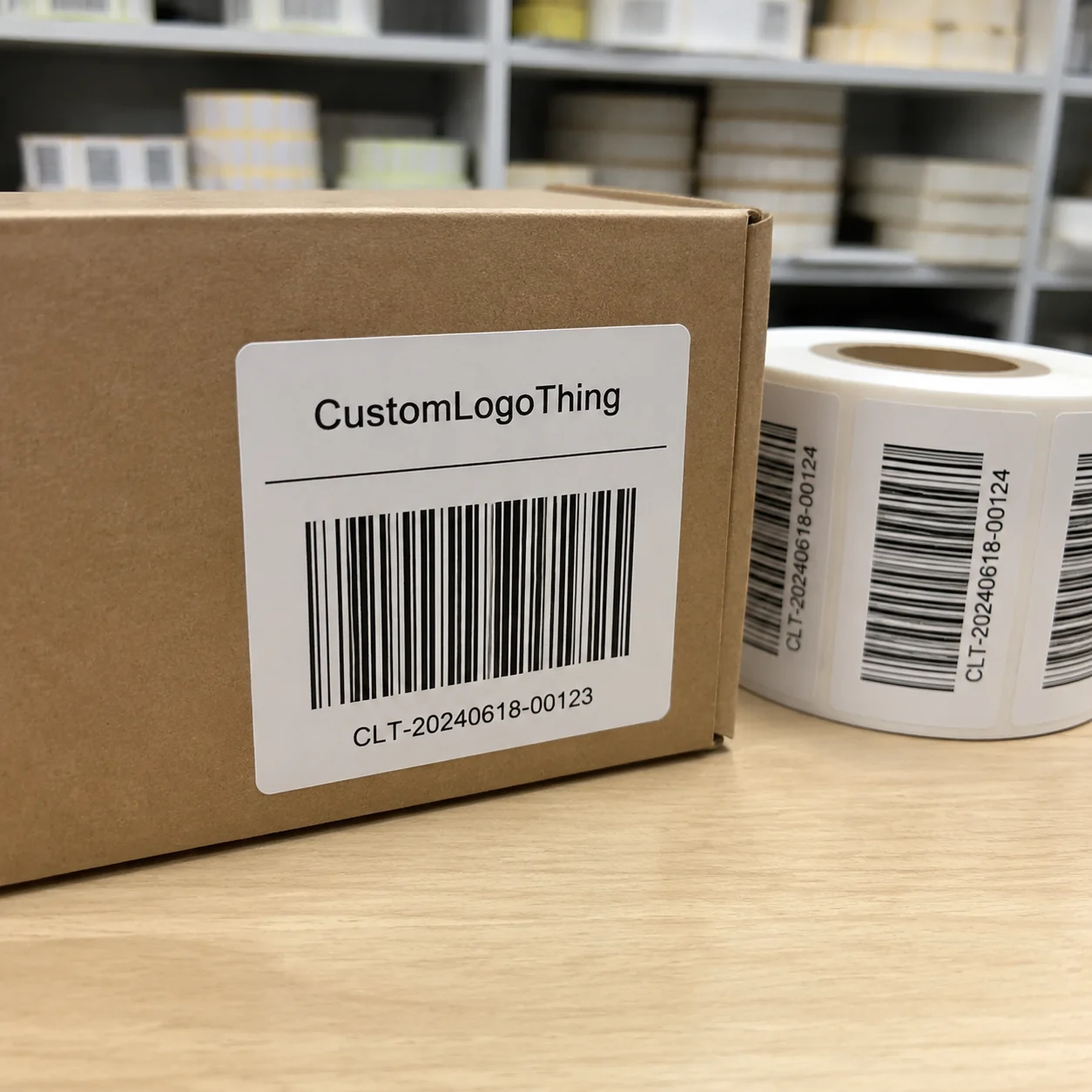
For beer brands comparing Woven Labels Unit Cost for beer brands, the strange part is how rarely the logo itself is the biggest pricing problem. A tighter weave, a different fold, a backing choice, or a heavier border can move the price per piece faster than a redesigned tap handle. Buyers who want clean merch and sensible margins should price the label spec before anyone falls in love with the mockup.
Beer merch has a rough life. It gets washed, folded, boxed, unpacked, stocked on shelves, worn at festivals, and occasionally treated like a bar rag. That is why woven labels keep showing up on taproom apparel, hats, bags, aprons, and limited-run promo goods. They hold shape, carry more texture than most printed tags, and make a finished item look less like an afterthought.
Why Beer Brands Notice Woven Labels on Shelf
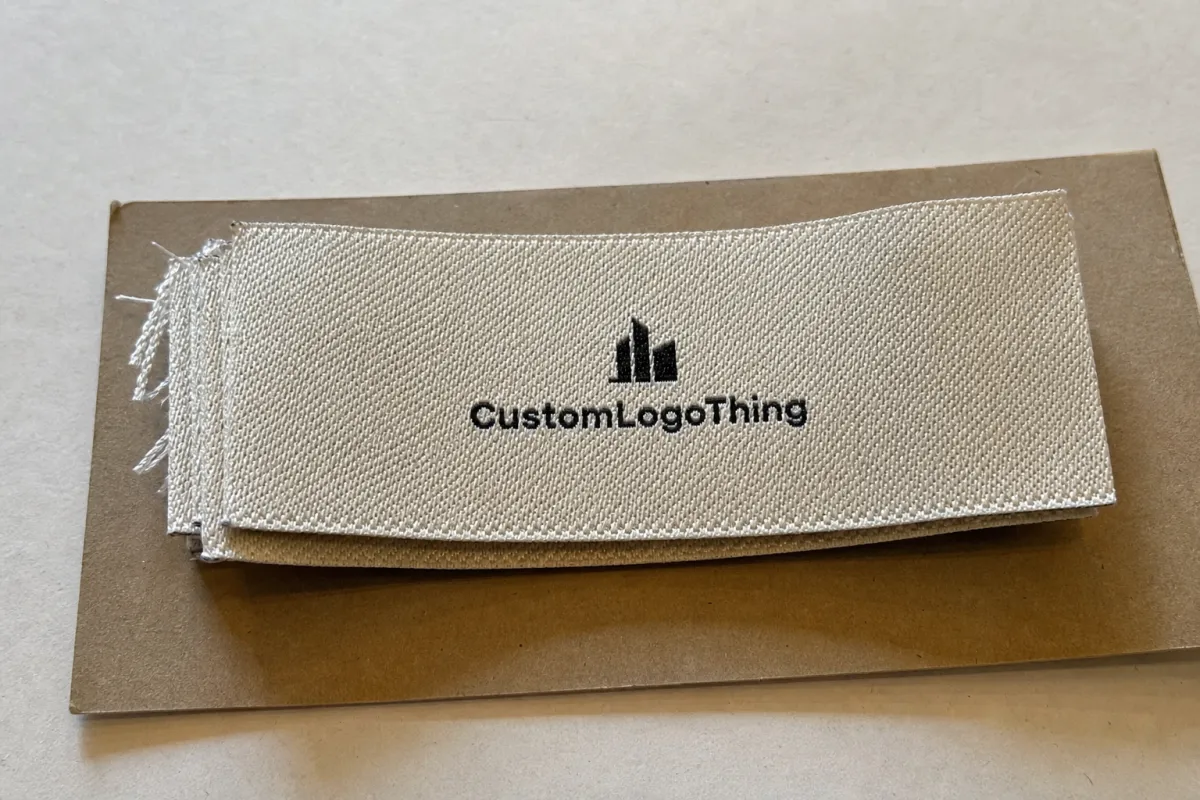
Beer buyers notice apparel details the way they notice a bad pour line: not always consciously, but immediately when something feels off. A woven label gives a garment a more finished read than a flimsy printed tag. For breweries selling craft identity as much as beer, that texture matters. The hand feel is different. The edge finish is cleaner. The piece looks deliberate.
The first pricing surprise is usually simple: two labels with the same logo can quote very differently. One version may use a basic two-color weave with a heat-cut edge. Another may need fine damask detail, extra colors, a center fold, and softer yarn for neck placement. Same mark, different manufacturing reality.
From a buyer’s point of view, woven labels earn their keep in three places. They raise perceived value, hold up through repeated wear better than cheap alternatives, and reduce the number of tired-looking goods that have to be discounted after one season. That matters for retail apparel, staff uniforms, mug-club gifts, tournament merch, and event drops where the label is part of the story.
There is also a resale angle. If a brewery is asking someone to pay full price for a hat or hoodie, the label has to help justify the shelf price. A clean woven label can do that quietly. No shouting. No fake luxury. Just enough structure and detail to make the product feel finished.
Woven Label Specs Buyers Should Lock In
Before anyone can quote accurately, the spec needs to be real. Size, weave density, color count, fold style, backing, and attachment method all affect pricing. Leave those loose and the quote becomes a polite guess, which is how budgets get chewed up later.
Size comes first. A small neck label, a side-seam hem label, and a larger patch-style label do not use the same amount of yarn or finishing time. A compact logo tag may seem only slightly cheaper on paper, but once you add fine detail and multiple colors, the gap widens. Even a few millimeters can change how efficiently the job runs across a loom setup.
Weave density matters more than most first-time buyers expect. Damask weave usually supports sharper detail and a smoother finish, which helps beer brands with small text, linework, hop illustrations, crest marks, or established logo lockups that cannot be simplified much. Thicker constructions can improve readability on bold marks, but they are not magic. If the art is overloaded, the weave still has to fight physics.
Color count deserves an early argument. Thread is not ink. A six-color printed design may not translate into a six-color woven label without losing clarity or adding cost. Similar shades can blur together, tiny outlines can fill in, and gradients generally need to be converted into simplified color blocks. The cheapest revision often happens before production: reduce the palette without damaging the brand mark.
Fold style changes both look and labor. Common options include end fold, center fold, loop fold, Manhattan fold, mitre fold, and no fold. End fold is practical for side seams and hems because the raw ends tuck under neatly. Center fold works well for neck labels and care information. Loop fold helps when a label needs to wrap around an edge or seam. No fold is common for patch-style applications or decorative sew-on labels.
Order consistency matters too. Breweries often run repeat merch drops, taproom uniform orders, and seasonal launches. If the original label spec is vague, every reorder becomes a miniature redesign. Tight spec sheets make reorders easier, keep bulk pricing steadier, and reduce the odds of surprise setup charges.
- Lock size first: small changes can alter cost per piece, visibility, and attachment options.
- Keep color count realistic: more colors usually mean more thread management and more production complexity.
- Choose one fold style per placement: consistency helps repeat orders and prevents sewing-room confusion.
- Match the label to use: apparel, hats, bags, and patch applications do not need the same construction.
- Save the final spec: finished size, fold, weave, colors, backing, and approved proof should live together.
Placement, Finishes, and Use Cases That Hold Up
Placement affects price and performance. Beer brands usually place woven labels at the neck, hem, sleeve, cap front, cap back, apron pocket, tote corner, or on patch-style merch tied to events. Each spot changes how much bulk the label can carry and how visible the stitching will be. A thick edge that feels fine on a hoodie can feel scratchy on a lightweight tee.
The same spec will not behave across every product. An inside-neck label needs a softer back and lower profile. A label on a canvas tote can handle more structure. A cap label has to work with curved panels and tighter sewing tolerances. For retail apparel, the label also has to survive repeated wear without curling, fraying, or going limp after the first few washes.
Finish choice is where much of the polish lives. Merrowed edges add a raised decorative border and can help larger labels sit neatly on heavier products. Heat-cut edges keep the profile cleaner and lighter where bulk is a problem. Ultrasonic-cut edges, when available, can produce a cleaner sealed edge on certain synthetic yarns. Stitched-in formats make sense when the label should behave like part of the garment rather than a loose add-on.
For buyers comparing Woven Labels Unit Cost for beer brands, finish can matter more than design complexity. A simple logo with the right edge treatment can look premium and cost less than a busy art file that forces extra production steps. It is not glamorous. It is just how the bill gets smaller.
Backing choices need the same scrutiny. Iron-on or adhesive backing can be useful for patches, sampling, and certain promotional applications, but it is not automatically the best answer for apparel that will be washed hard. Sew-on construction is slower at the garment stage, yet often more durable. If the item will be sold at retail rather than handed out once, durability usually wins.
Care conditions should be discussed before the order is approved. Will the item be machine washed? Dried hot? Worn by staff during long shifts? Packed in humid storage before a festival? Woven labels are durable, but poor placement or the wrong backing can still create problems. A neck label that scratches is a customer complaint. A patch that lifts at the edge is a return waiting to happen.
For brands coordinating apparel with broader packaging decisions, it helps to think of label specs the same way teams think about carton print or hang tag stock. The detail has to survive use, shipping, and handling. The Packaging School and packaging resources at packaging.org offer a useful starting point for comparing substrates, material behavior, and print logic across branded goods.
Woven Label Unit Cost Drivers for Beer Brands
Woven Labels Unit Cost for beer brands usually comes down to a predictable set of drivers: quantity, size, weave detail, color count, fold style, backing, finishing, sampling, and timing. Buyers often focus on the artwork, but the spec does most of the work on the invoice.
Quantity is the largest lever. Smaller runs carry a higher unit cost because the producer still has to prepare files, set up looms, manage thread colors, run the job, finish the labels, inspect them, and pack them. Once volume rises, setup is spread across more pieces and the cost per piece usually drops. That is why MOQ matters. A low entry point may look attractive until the unit price climbs above what the final product can support.
As a practical range, simple woven labels ordered in larger quantities may land in the low cents per piece, while small custom runs with fine detail, multiple colors, special folds, or backing can move substantially higher. Quotes vary by supplier, region, yarn, construction, and shipping method, so a single universal price is not useful. The real comparison is spec against spec, not one random unit number against another.
Color count is another quiet budget eater. A one- or two-color label is usually easier to run than a label with multiple shades, small type, and tight linework. Fine detail can be done, especially in damask, but complexity is never free. If the logo still works with fewer thread colors, price that version first.
Backing and attachment also affect cost. Sew-in labels, iron-on backing, pressure-sensitive adhesive, peel-and-stick formats, and specialty finishes each add something. Not always a dramatic amount, but enough to move a quote on larger orders. A brewery buying for merch drops should ask whether the label genuinely needs extra treatment or whether a clean woven finish is enough.
| Spec choice | Typical cost impact | Best use case |
|---|---|---|
| Simple art, fewer colors | Lowest unit cost | Basic shirts, caps, staff wear |
| Damask weave, moderate detail | Mid-range cost | Retail merch with small logo text |
| Multiple colors, tight linework | Higher cost per piece | Premium launches and detailed branding |
| Special fold or backing | Higher setup and finishing cost | Specific placement or heavier-use goods |
A practical buying frame helps. If the design is standard, the run is larger, and the spec stays consistent across reorders, the unit cost usually behaves better. That is the cleanest route to stable bulk pricing. If the order is tiny, highly detailed, and rushed, the price will behave like a grumpy spreadsheet.
Freight and import costs should not be ignored either. A label that looks cheap at the unit level can become less attractive once rush shipping, duties, split shipments, or missed receiving windows enter the math. For teams that need goods on a firm event date, the lowest quoted unit cost may not be the lowest landed cost.
For teams comparing durability across merch or packaging programs, testing standards can sharpen the conversation. ISTA shipping and handling guidance will not tell you how to design a woven neck label, but it does help teams think beyond the quote and consider what happens in transit, storage, and repeated distribution. The ISTA site is a useful reference if merch has to survive more than a short trip from box to shelf.
Proofing, Sampling, and Production Steps
The production path should be boring. That is a compliment. A typical woven-label order moves through quote review, artwork check, digital proof, optional physical sample, approval, weaving, finishing, inspection, packing, and ship-date confirmation. Missing steps tend to reappear later as delay, rework, or extra cost.
Artwork cleanup is where trouble usually starts. Low-resolution files, weak contrast, thin strokes, gradients, or tiny type can turn a straightforward quote into a long back-and-forth. Vector art is the cleanest starting point. If the brand guide requires a specific color, line thickness, or lockup, the proof stage needs enough attention to catch problems before yarn is committed.
Thread color is approximate in a different way than print color. Pantone references help communication, but yarn does not behave exactly like ink on coated paper. Light hits thread differently, and the woven structure can shift perceived color. If exact matching is critical, ask what tolerance is realistic and whether a physical sample is needed.
Sampling makes sense when the label is part of a higher-value merch line or when the team is picky about texture, color, fold behavior, or edge finish. A digital proof may be enough for a simple hem tag. A physical sample is worth the extra time when the label has to match an existing apparel system, a retail standard, or a launch kit with strict visual rules.
“The cheapest label is the one approved correctly the first time.”
Blunt, but accurate. Every extra proof round can affect the schedule and, in some cases, cost. If the buyer needs the quote to stay clean, the best move is to send complete specs from the start and answer proof questions quickly.
Quality-control checks should be specific. Look at finished size, fold accuracy, edge quality, color consistency, legibility of small text, backing adhesion if used, and stitch compatibility with the final product. Pull a few labels from different parts of the batch, not just the top of the pack. On apparel, test one or two sewn samples before committing the entire run to production.
A standard spec library helps breweries with recurring merch. It prevents every seasonal release from becoming a new sourcing project. Store the approved proof, finished measurements, weave type, thread references, fold style, placement notes, and reorder quantity. Future artwork changes become controlled updates rather than fresh chaos.
Lead Time, Reorders, and Inventory Planning
Lead time is usually shorter when the spec is simple and the artwork is clean. No magic. No mystery. A standard run moves faster than a highly customized one, especially if the first proof needs revision or a physical sample is required.
Many custom woven-label projects are planned in weeks, not days. The exact schedule depends on supplier capacity, complexity, sampling, approval speed, finishing, and shipping. Rush options may exist, but rush production compresses the review window. That is where mistakes sneak in.
Breweries should plan around seasonal drops, beer releases, festival merch, holiday boxes, and taproom uniform needs instead of waiting until stock is gone. The label itself may be small, but the fallout from a late order is not. If merch is tied to an event date, the buffer belongs in the order window from the beginning.
Repeat orders move faster when the first spec sheet is strong. Finished size, fold style, weave type, color count, backing, placement, and approved artwork should all be documented. When the producer can match the previous run without guesswork, the reorder is easier to quote and easier to schedule. That helps keep woven-label costs more predictable over time.
A small inventory buffer is often worth the carrying cost. Breweries that sell both retail apparel and event merchandise can burn through labels quickly when a tee, cap, or hoodie unexpectedly becomes the best seller. A few hundred extra labels may prevent a last-minute rush order. The math is usually kinder than lost sales or a weaker substitute.
Inventory still needs discipline. Over-ordering labels for a logo that may change next quarter is not savings; it is dead stock with thread in it. The safer buffer is tied to stable core branding, not experimental art for one limited release. Seasonal marks, collaboration logos, and dated event labels should be ordered more tightly unless demand is already proven.
Outer packaging matters too. Labels can be bent, abraded, contaminated, or crushed before they ever reach the sewing stage. Keep finished labels bagged, sorted by SKU, protected from moisture, and clearly marked with reorder information. That small receiving habit prevents expensive confusion later.
Why Breweries Use Woven Labels Across Merch Lines
Woven labels work best as a system, not a one-off accessory. A brewery that uses a consistent label approach across shirts, hats, bags, aprons, and promotional goods gets a more unified look and easier reorder control. The line feels intentional. The brand feels managed. That matters more than people admit.
Consistency also helps the taproom retail experience. Customers may not know the weave type or thread count, but they notice when the merch table looks organized. If every item carries a related label format, the display reads as a product line instead of a pile of unrelated ideas.
One production partner can be useful if the brand cares about color matching, timing, and repeatability. That does not mean a single vendor is always the answer. It means fewer handoffs can reduce mistakes, quoting surprises, and spec drift when new merch is introduced. The value is operational, not sentimental.
The cost discussion also makes more sense when the label is treated as part of the system rather than a special exception. That mindset leads to better choices on size, thread count, finishing, and reorder quantity because every merch item is compared against the same standard. Less randomness. Less waste. Better line control.
Sustainability claims need restraint. Recycled yarns, FSC-related packaging, and lower-impact materials can be relevant, but only if the documentation supports the claim. Do not turn a minor material choice into a sweeping environmental promise. The FSC site is the right reference for understanding certification boundaries and avoiding vague sourcing language that can cause problems later.
What to Send for an Accurate Quote
If you want a clean quote, send complete information the first time. For woven labels unit cost for beer brands, the number improves dramatically when the buyer includes artwork, finished size, fold style, quantity, color count, backing preference, placement, and target delivery date.
Placement matters. Tell the supplier where the label will go and how the item will be used. A neck label on a tee, a hem label on a hoodie, and a patch on a tote are not interchangeable jobs. The more the supplier knows about wear and care conditions, the better the spec recommendation will be.
If the label has to match an existing merch line or brand guide, include a reference image or standard sheet. That saves time and reduces the risk of a mismatch in texture, tone, or layout. It also helps determine whether a lower-cost spec will still do the job or whether the project truly needs a more premium construction.
Good quote requests include constraints, not just preferences. State the target unit cost if there is one. State the retail price of the finished item if margin is tight. Mention whether this is a one-time release or a label expected to repeat for years. A supplier cannot price intelligently if the commercial reality is hidden.
Here is the short version of a quote request that actually works:
- Send a vector file and finished size.
- State the quantity and likely reorder pattern.
- Confirm fold style, backing, and color count.
- Share placement, garment type, and intended use.
- Add the delivery target and any event deadline.
- Include reference photos if the label must match an existing program.
That is how setup charges stay under control, proofing loops shrink, and the quote comes back as a usable number instead of a range padded for uncertainty. Practical wins are underrated.
What changes woven label unit cost for beer brands the most?
Quantity, weave detail, color count, size, and fold style usually have the biggest impact. Tiny text, special backing, merrowed borders, physical sampling, and rush timing can push the unit cost higher, especially on smaller runs.
What MOQ should a beer brand expect for woven labels?
MOQ depends on the supplier and label spec. Smaller runs usually cost more per piece because setup and proofing are spread across fewer labels. If reorders are likely, choose a spec that scales cleanly instead of chasing the lowest entry quantity.
Can woven labels handle brewery merch and wash cycles?
Yes, woven labels can handle repeated wear and laundering when the weave, placement, backing, and attachment method are chosen correctly. For heavy-use merch, secure stitching and a durable edge matter more than decorative extras.
How fast can I get a quote and production timeline?
A quote can move quickly when size, quantity, artwork, placement, and deadline arrive together. Production is faster when the proof is approved without revisions and the order does not require custom sampling or unusual finishing.
What artwork is best for pricing woven labels accurately?
A vector file is best, along with the finished size, color count, fold style, and intended use. Reference images help if the label needs to match an existing beer brand system, apparel line, or packaging program.
Are woven labels always better than printed labels for beer merch?
No. Printed labels can be the better choice for dense care information, very low-cost basics, or art that relies on gradients and photographic detail. Woven labels make more sense when texture, durability, and perceived value matter.
For breweries and merch teams, the practical answer is simple: the best woven label unit cost comes from a clear spec, realistic MOQ, clean artwork, and a reorder plan that does not depend on luck.