Compare Care Labels Unit Cost for Supplement Brands
The Hidden Label Math Behind Supplement Brand Merch
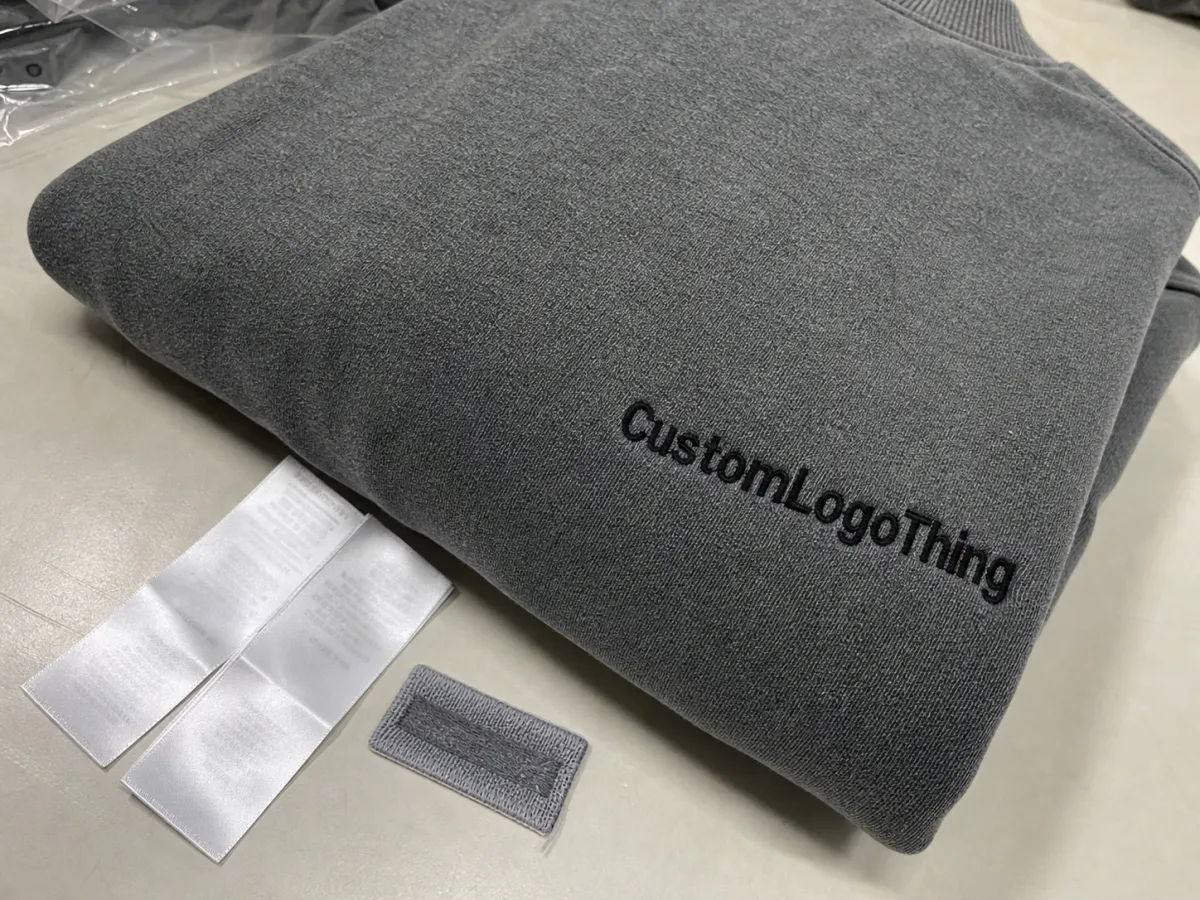
A care label can weigh less than a paperclip and still weaken the finish of a premium merch drop. That is why comparing care Labels Unit Cost for supplement brands is not just a purchasing exercise. It is a brand consistency check across every physical touchpoint a customer handles.
Think about a supplement brand ordering performance tees for a gym partnership, recovery towels for influencer kits, and heavyweight hoodies for retail bundles. The tub label is matte black. The shrink band is tight. The lot code is clean. Then the apparel arrives with a scratchy white care label, crowded text, and a fold that looks like it was added after everything else was finished.
Small detail. Big signal.
From a packaging buyer's point of view, that label is doing more than sitting in a side seam. In less than two square inches, it may carry fiber content, wash instructions, country of origin, size, SKU coding, QR reference, and brand tone. The space is tiny. The consequences are not.
Supplement teams already scrutinize pressure-sensitive labels, shrink sleeves, tamper bands, batch codes, and carton copy. The same operating logic applies to merch. A care label is a production asset, not decoration. If the label spec is loose, the quote will be loose. If the quote is loose, the final unit cost can shift after artwork cleanup, proofing, freight, or sewing decisions appear.
Practical rule: if a label affects compliance perception, retail finish, wash durability, or reorder economics, it deserves the same quoting discipline as primary packaging.
The buying advantage is straightforward: fewer surprises. Clear specs, realistic MOQ breaks, stable color matching, and artwork-ready files reduce the risk of paying rush fees later. A supplement brand may save $0.02 per label on paper, then lose $350 correcting unreadable care symbols or reprinting a poor color match. That is not savings. It is delayed cost.
The best comparison starts before a supplier sends pricing. Buyers need to know whether they are pricing a basic printed satin label, a soft cotton label, a woven brand label with care copy, or a tagless heat transfer. Those products do different jobs, fail in different ways, and carry different cost curves.
Care Label Formats That Fit Fitness, Wellness, and Merch Lines
Different merch lines need different label formats. A label for a compression shirt is not the same purchasing decision as a label for a gym towel, and a premium hoodie can tolerate construction details that would irritate skin during training.
Woven care labels suit premium retail apparel. They usually deliver a richer hand feel and stronger long-term color durability than many basic printed labels, especially for logos, size marks, and simple brand elements. The tradeoff is resolution. Very small wash instructions, dense multilingual copy, or detailed QR codes often suffer because woven threads cannot reproduce microscopic text as cleanly as ink.
Printed satin labels handle dense copy efficiently. They are common for fiber content, care symbols, size grids, and multi-market language blocks. A typical printed satin care label may run 20 mm to 40 mm wide, with length driven by fold type and copy load. Satin can feel slick, but cheaper grades may fray or feel sharp at the edges if cutting and finishing are poor.
Printed cotton labels can support a softer, natural, wellness-led identity. They are not always the cheapest option, and print sharpness depends heavily on fabric texture. For brands using kraft cartons, muted palettes, plant-based positioning, or low-gloss packaging, cotton can feel more aligned than bright satin.
Heat-transfer labels remove the sewn-in tag entirely. For leggings, compression tops, base layers, and high-sweat training apparel, tagless transfers can reduce irritation. They also need compatibility testing because stretch, heat, fabric finish, and laundering can affect adhesion. A transfer that looks clean on a flat sample may crack or lift on a high-stretch garment.
| Label Format | Best Fit | Typical Buying Consideration | Cost Behavior |
|---|---|---|---|
| Woven label | Hoodies, retail tees, premium bundles | Strong logo feel, limited fine text | Higher setup sensitivity; better at larger quantities |
| Printed satin | Performance tees, care-heavy garments | Good for care symbols and size grids | Often efficient for dense copy and mid-size runs |
| Printed cotton | Wellness apparel, natural-positioned merch | Softer look, variable print sharpness | Material choice can lift cost per piece |
| Heat transfer | Leggings, compression gear, activewear | Comfort-first, requires application testing | Can reduce sewing labor but may add application controls |
Fold style matters too. Straight-cut labels are simple but may expose edges. End-fold labels create cleaner sewing points. Center-fold labels work well in necklines and side seams. Loop-fold labels can carry brand on one side and care copy on the other. Book-fold labels add space, but they also add material and handling.
For buyers comparing Care Labels Unit Cost for supplement brands, fold choice can shift both the label line item and sewing labor. A 25 mm center-fold woven label may look inexpensive until the decorator charges more for placement. A longer printed satin book fold may cost slightly more per label but prevent cramped copy and failed legibility checks.
The visual language should also match the supplement system. Matte black tubs, metallic silver accents, clinical white labels, or kraft-inspired naturals all set expectations. The apparel label should not look as if it came from a different brand family.
Material, Print, and Durability Specifications Buyers Should Lock Before Quoting
A quote is only as accurate as the specification behind it. The minimum buyer-ready spec should include label dimensions, substrate, fold type, edge finish, print or weave method, color count, quantity, sewing allowance, packing method, and delivery location. Miss one variable, and the comparison starts to wobble.
Dimensions come first. A 20 mm x 50 mm label and a 35 mm x 70 mm label may look similar on a spreadsheet, yet the material usage can nearly double. Add a center fold, and the visible area changes again. Add sewing allowance, and the artwork must move away from the stitch line.
Material decides feel and durability. Woven polyester labels often resist fading over repeated washing, but they are less suitable for dense care copy below roughly 5 pt to 6 pt equivalent visual size. Printed satin handles small text better, though repeated hot washing and abrasion can wear low-grade printing faster. Printed cotton feels softer but can absorb ink unevenly, which matters for fine logos and narrow letterforms.
Color control deserves more attention than it gets. Pantone references, approved packaging files, or physical samples reduce drift between the supplement brand's primary packaging and apparel labels. If the tub label uses a cool metallic gray and the woven label turns warm beige-gray, customers may not name the error. They still feel it.
Comfort is another commercial variable. Activewear buyers should evaluate label softness, edge abrasion, moisture exposure, and garment placement. A label that feels acceptable on a hoodie may irritate skin on a fitted training top after 40 minutes of sweat and movement. Too many merch decisions are made on a table, not on a body.
Durability questions should be specific. Will the garment be washed cold or hot? Will it be tumble dried? Is the label going inside a towel that may be laundered aggressively? Will the piece be sold retail, bundled free, or used by gym staff every week? A towel label and a limited-edition hoodie label may share a logo, but they should not automatically share the same material.
Standards can help frame expectations. For transport testing and distribution risk, the International Safe Transit Association publishes widely used testing protocols. For paper-based brand materials or hang tags paired with labels, FSC certification may be relevant if the brand has responsible sourcing claims. Not every care label needs those references, but packaging teams should know which standards influence the wider launch.
Before requesting pricing, build a simple spec sheet. Include artwork, size, material preference, fold, colors, intended garment, and expected reorder use. That sheet turns the unit-cost conversation from a guess into a controlled comparison.
Care Labels Unit Cost for Supplement Brands: Pricing, MOQ, and Quote Levers
The main cost drivers are predictable: material type, label size, color count, weave density or print complexity, folding, cutting, finishing, inspection, packing, and freight. The less visible drivers are setup charges, sampling, artwork cleanup, and schedule pressure.
Small runs feel safer. They are not always cheaper in practice. Ordering 500 labels for a test merch drop may protect cash, but the fixed work behind the order still exists: preflight, proofing, machine setup, finishing, counting, packing, and dispatch. Spread that over 500 units and the cost per piece can look heavy. Spread it over 5,000 units and the same setup burden thins out.
| Order Scenario | Typical Use | Estimated Unit Range | Buyer Takeaway |
|---|---|---|---|
| 500 printed satin labels | Test drop or influencer kit | $0.18-$0.35 each, depending on size and colors | Good for validation, weaker bulk pricing |
| 2,000 printed or simple woven labels | Repeatable merch capsule | $0.08-$0.18 each, depending on finishing | Often a practical balance of risk and unit cost |
| 5,000+ labels | Ongoing apparel program | $0.04-$0.12 each for common specs | Better cost curve if copy can serve multiple SKUs |
| Premium woven or specialty finish | Retail hoodie, premium bundle, limited edition | $0.12-$0.30+ each | Material and weave density drive the spread |
These ranges are directional, not universal. Freight method, label size, artwork condition, local labor, and finishing requirements can move the number. A rush shipment can erase the savings from a lower factory quote in one invoice line.
There are clean quote levers that do not cheapen the product. Reduce unnecessary label width. Consolidate size marks if the garment program allows it. Use a standard fold instead of custom construction. Simplify reverse-side copy. Approve a house satin or standard woven polyester if it matches the brand well enough. Avoid metallic thread unless the visual payoff is clear.
One warning: do not compare only the label line item. Inbound freight, rush fees, sampling charges, tooling fees, artwork cleanup, and sewing labor can change the real landed number. A $0.07 label with $95 freight and a $60 artwork charge may not beat a $0.10 label from a supplier who receives clean files, packs correctly, and ships with the rest of your trim.
Supplement brands usually benefit from three-tier pricing: launch MOQ, reorder-friendly quantity, and premium-spec option. That reveals the real cost curve and prevents a false choice between "cheap" and "expensive."
Process and Timeline From Artwork Review to Finished Labels
A controlled label project follows a basic sequence: initial spec review, artwork preflight, material recommendation, digital proof, optional physical sample, production approval, manufacturing, quality inspection, packing, and dispatch. Skip steps and the project may still move. It just moves with more risk.
Artwork preflight is often the first bottleneck. Vector files are preferred because logos, symbols, and small text stay clean when scaled. If the file arrives as a low-resolution screenshot, someone has to rebuild or clean it. That can add 1-3 business days before a proof is even meaningful.
Color approval is the next common delay. Pantone references, packaging source files, or a physical sample give the production team a target. "Make it match our tub" is not enough unless the supplier can see the tub artwork or a sample under normal light. Metallic inks, coated packaging, woven thread, and satin substrates all reflect light differently, so exact matches are not always possible.
Typical digital proofing may take 1-2 business days after complete specs are supplied. A physical sample can add roughly 5-10 business days depending on material and production queue. Full production for common printed or woven labels often lands around 10-18 business days after approval, with shipping separate. Larger quantities, specialty materials, or complicated folding can stretch that window.
Choose a digital proof for speed when the label is simple: one or two colors, standard satin, readable care copy, no skin-contact concern. Request a physical sample when the label touches skin, carries dense information, uses a flagship brand color, or will be sewn into a premium retail garment.
Supplement launches rarely move alone. Labels may need to align with product drops, ambassador kits, gym openings, expo shipments, or seasonal bundles. Early approval protects the downstream schedule because decorators, cut-and-sew partners, and fulfillment teams cannot recover five lost days with optimism. They need finished trim.
Custom Logo Things supports buyers through Custom Labels & Tags by clarifying specs before production, not after a proof exposes the problem. That matters because label cost depends as much on decision speed as on material price.
Quality Checks That Prevent Expensive Reprints and Brand Mismatch
Quality control should start before production, not at the unboxing table. The core checks are artwork legibility, spelling, care-symbol accuracy, cut tolerance, fold accuracy, color comparison, edge finish, stitch allowance, and pack count verification.
Supplement brands carry a specific reputational risk. Their customers are trained to read dosage panels, ingredient claims, serving sizes, and warning statements. That habit does not disappear when the same customer opens a merch bundle. Sloppy trim can feel inconsistent with a brand selling precision.
Ask for macro photos of small text. Request a ruler-based proof so scale is visible. Check contrast on black, white, metallic, or muted backgrounds. If the label uses a QR code, test the code at final printed size, not on a large PDF preview. A code that scans on screen may fail after weave distortion, ink spread, or fabric texture interferes with the modules.
Care content deserves caution. Fiber claims, care instructions, and country-of-origin markings should come from the apparel brand, garment manufacturer, or qualified compliance source. A label producer can print what is supplied, but they should not be treated as legal counsel. For U.S. guidance on environmental claims that sometimes touch packaging and marketing language, the EPA is a useful starting point for broader sustainability literacy, though apparel labeling rules require separate verification.
For physical inspection, review a pre-production sample against the garment fabric. Rub the edge against performance knit. Fold it as it will sit in the seam. Wash-test if the program is large enough to justify the delay. For a 5,000-piece apparel run, one failed care label can become a four-figure problem once removal, resewing, delays, and replacement freight are counted.
Pack count is less glamorous but just as practical. If labels arrive short, apparel production can stall near the finish line. If they arrive mixed without clear bundling by size or SKU, decorators waste time sorting. Ask how labels will be packed: rolls, stacks, bags by SKU, or cartons marked for split shipments.
Custom Logo Things asks uncomfortable but useful questions before printing. What garment will carry the label? Is the copy final? Does the black match packaging black or apparel black? Will this label serve one SKU or five? Preventing one reprint is often worth more than shaving fractions of a cent from the line item.
For examples of how production detail affects real branded merchandise, buyers can also review Case Studies before building their own label brief.
Next Steps to Get a Firm Label Quote Without Back-and-Forth
A firm quote needs firm inputs. The fastest path is not a long email; it is a clean buying checklist with enough technical detail for production to price the job without guessing.
- Label size: width, finished length, and visible area after folding.
- Quantity: launch quantity plus likely reorder quantity.
- Fold style: straight cut, end fold, center fold, loop fold, or book fold.
- Material preference: woven polyester, printed satin, printed cotton, or heat transfer.
- Color count: Pantone references or approved brand files where available.
- Artwork file: vector format preferred; high-resolution files acceptable for review.
- Garment type: hoodie, tee, leggings, towel, sleeve, or kit component.
- Delivery target: destination, deadline, and whether split shipments are needed.
- Sample requirement: digital proof only or physical sample before production.
Send reference photos of existing supplement packaging and any previous merch labels. Those references help align texture, color, hierarchy, and finish faster than written descriptions alone. A supplier can see whether the brand feels clinical, aggressive, natural, premium, or budget-conscious.
Ask for two or three quote scenarios. A launch MOQ shows the low-risk entry point. A reorder-friendly quantity shows the better bulk pricing curve. A premium-spec option shows what changes if the brand upgrades to woven labels, softer materials, or more controlled finishing.
Custom Logo Things can return material recommendations, production constraints, proofing guidance, MOQ options, and a practical timeline based on the selected label format. The goal is not a generic estimate. It is a fact-based quote tied to the garment, artwork, quantity, and finish.
If you are comparing Care Labels Unit Cost for supplement brands, send the specs, artwork, target quantity, and delivery location before asking for final pricing. The better the input, the tighter the quote. And the fewer expensive surprises between proof approval and finished merch.
FAQ
What affects the care label unit cost for supplement brand merch the most?
The biggest variables are quantity, material, label size, fold style, color count, print or weave complexity, sampling needs, and shipping method. MOQ matters because setup, proofing, and finishing labor are spread across the order; a higher quantity often lowers the per-label cost. Dense copy, tiny care symbols, or multiple languages may require a larger label or a different production method.
What MOQ should supplement brands expect for custom care labels?
MOQ depends on the label type and finishing method, so buyers should ask for both launch-volume and reorder-volume pricing. A small test run can be useful for new merch, while a larger run may be smarter if the same label can serve multiple apparel SKUs. One universal care label can improve MOQ efficiency if fiber content and care instructions match across garments.
Are woven or printed care labels better for fitness apparel?
Woven labels give a premium retail feel and strong durability, but they are not ideal for very small copy. Printed satin or printed cotton labels handle detailed care instructions, size grids, and multilingual information more efficiently. For compression garments or high-sweat activewear, tagless heat transfers may reduce irritation.
How long does the care label production process usually take?
The timeline depends on artwork readiness, proof approval speed, material availability, sampling requirements, order quantity, and shipping method. Digital proofs are faster than physical samples, but samples are useful when comfort, color match, or fine text is critical. Buyers should approve labels before garment production or decoration deadlines to avoid schedule compression.
What files are needed to get an accurate care label quote?
Vector artwork is preferred, along with Pantone colors, label dimensions, fold style, quantity, material preference, and shipping destination. If vector files are unavailable, high-resolution artwork and reference packaging photos can help the production team identify cleanup needs. Include garment type and placement details because a label for a hoodie, towel, or compression shirt may require different materials or finishes.