An Apparel Bucket Hats sample checklist separates a decent-looking prototype from a product that can actually go into bulk with confidence. A bucket hat can look fine laid flat, then behave badly on a head: the brim may flare too much, the crown may feel shallow, or the shape may collapse after a little wear. That is the problem the sample is meant to catch.
For buyers, the checklist is a control sheet, not a formality. It locks down fit, materials, decoration, measurements, and packing before production starts cutting fabric by the hundred or the thousand. Bucket hats are sensitive to small changes. A quarter inch in brim width, a softer interfacing, or a shift in crown depth can make the same artwork feel like a different product.
Used well, the checklist keeps approvals from turning into guesswork. It creates a record of what passed, what failed, and what still needs revision before the purchase order is released. That matters for promo runs, retail programs, and outdoor styles that need to hold up under sun, sweat, shipping, and repeated handling.
What an Apparel Bucket Hats Sample Checklist Covers
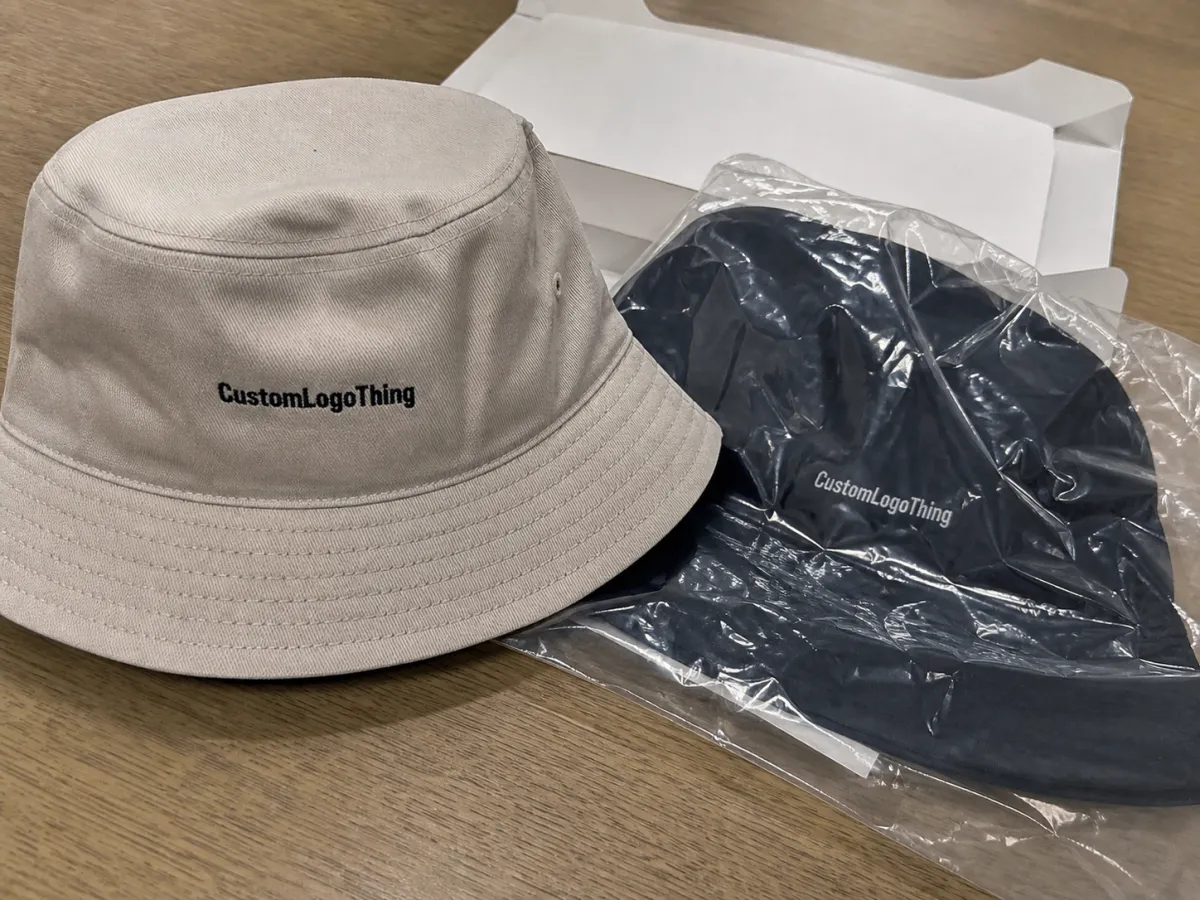
A useful checklist starts with the basics people are tempted to skip because they look obvious. They are not obvious. Confirm the hat shape, crown depth, brim width, panel count, fabric hand feel, and how the hat sits on a real head. If those are off, the logo is not going to rescue the product.
Think of the checklist as a buyer-side approval tool with teeth. It should tell the supplier, in writing, what is acceptable and what is not. That includes the minimum acceptable standard for stitching, symmetry, color, trim placement, lining, and packing. If the sample is close but not ready, the note should say exactly why. "Revise and resend" is too vague to be useful and too vague to prevent repeat mistakes.
Bucket hats are difficult in a specific way: small structure changes have big visual consequences. A deeper crown can make the hat feel premium or oversized. A stiffer brim can look cleaner or turn into a flat disc. Panel construction changes drape. Fabric weight changes how the brim breaks over time. The same design can read as soft, sporty, relaxed, or cheap depending on those details.
- Fit: head circumference, crown depth, sweatband comfort, and how the brim sits after wear
- Materials: fabric content, weight, lining, interfacing, and trim quality
- Decoration: embroidery, patch application, print placement, and label finish
- Packing: fold method, polybag type, size sticker, carton count, and ship condition
From a packaging buyer's point of view, the discipline is the same as carton or retail pack approval. The product is not approved because one photo looks pleasant. It is approved because it matches a repeatable standard. If transit testing or packaging performance matters, there is a reason organizations like ISTA exist. The headwear version is smaller, but the logic is identical.
How the Sample Approval Process and Timeline Work
The sample path is simple on paper and messier in practice. It begins with a brief, sketch, reference image, or tech pack. Then comes a sample quote, a prototype build, photo review, physical shipment, revision notes, and final sign-off. If the buyer has not nailed down measurements or artwork before step one, the process slows down. That is not a production flaw. It is a precision problem.
- Request brief: shape, fabric, decoration, target quantity, and target price
- Sample quote: sample fee, revision fee, and shipping estimate
- Prototype build: first sample or development sample made from the current spec
- Photo review: quick visual check for obvious issues before shipping
- Physical sample: hands-on fit, touch, and construction review
- Revision round: corrected version if the first sample misses key specs
- Pre-production approval: final reference before bulk cut and sew
The terms matter. A first sample is the initial prototype. A revised sample reflects changes after feedback. A pre-production sample is the final checkpoint before the bulk run. Mixing those up creates avoidable disputes later, especially if the first version was treated like the last one.
Timeline depends on complexity. A plain cotton twill bucket hat with simple embroidery can often move through sampling in 7-14 business days once artwork is settled. Add custom fabric, an all-over print, special wash effects, or detailed patchwork, and 2-4 weeks is more realistic. International shipping adds more time, especially if the sample crosses customs or moves through multiple legs.
Most delays come from the same four places: missing art files, vague measurements, fabric indecision, and late-stage changes to fit. The fastest projects are the ones where the buyer makes the target clear before asking for the sample. A written approval is essential. A verbal "looks good" is not enough when a full bulk order is about to start cutting.
Practical rule: if a change affects shape, fabric, or decoration, treat it as a new approval step. Otherwise the paper trail gets unreliable fast.
For orders with branded packaging, label inserts, or hang tags, the shipping side should be part of the early conversation. If the carton count, folding method, or retail pack size changes after sample approval, freight cost can move more than expected. And if paper components need to support sustainability claims, check FSC options before artwork is locked, not after production is already scheduled.
Fit, Fabric, and Shape Checks That Change the Final Hat
Fit is more than size. A bucket hat can measure correctly and still wear badly because the proportions are off. Check crown height, brim width, head circumference, and the amount of structure in the brim. A brim around 2.25 to 2.75 inches is common for many retail styles, but the right number depends on the look you want. Smaller heads can make a big brim feel exaggerated; larger heads can make a narrow brim feel underbuilt.
Fabric changes the entire personality of the hat. Cotton twill feels familiar and works well for embroidery. Nylon is lighter and more sport-driven, and it can suit water-resistant styles. Washed denim reads casual and soft, but it can distort if construction is weak. Canvas gives body, though too much stiffness can make the hat sit like a prop rather than something people want to wear.
Comfort matters too, and buyers often overlook the inside because the outside is easier to judge quickly. Check seam finish, sweatband feel, ventilation, weight, and how the hat wears after an hour or two. A hat that is fine for a 15-minute photo shoot may feel hot and scratchy by lunch. If the end user is outdoors, that is not a minor issue.
- Measure the brim: confirm front, side, and back width; they should not vary without reason
- Check the crown: make sure depth matches the intended profile, not just the sample photo
- Test the drape: see whether the hat collapses, flares, or holds shape too aggressively
- Compare colors in light: inspect under daylight and indoor light because studio photos can hide shifts
Color approval is another common trap. Fabric that looks clean under soft studio lighting can shift under daylight, fluorescent light, or retail lighting. If the brand is matching to Pantone, compare against the approved swatch, not a screen. Screens are helpful reference points. They are also unreliable for exact color calls.
There is also a practical question of hand feel. Some buyers want a soft, broken-in bucket hat; others want a crisper silhouette that reads more premium. Those are not small preferences. They affect interfacing, stitching density, lining choice, and how the brim behaves after packing. If the sample does not show the intended hand feel, the bulk order can still go wrong even if the measurements are technically correct.
Artwork, Stitching, and Decoration Details to Verify
Decoration on bucket hats is more sensitive than people expect because the printable or stitchable area is small and curved. A logo that looks centered in a flat mockup can sit too high, too low, or slightly crooked on the actual hat. Verify exact placement on the front panel, side panel, or brim, and confirm the size against the approved art file. A shift of even 3 to 5 mm can change the balance of the whole design.
Check the decoration method as well. Embroidery gives dimension, but dense stitches can pucker lightweight fabric. Woven patches can look sharp but need clean borders. Heat transfer can work for certain promo runs, though it may not age as well as stitching. Silicone badges and woven labels can look premium if the edge finishing is right. If the method does not suit the fabric, the result is predictable: distortion, lifting, or a logo that starts looking tired too soon.
Stitching quality is where production discipline shows up. Look for even thread tension, no loose ends at stress points, no skipped stitches, and no puckering around seams or patches. The underside matters too. A neat face with a tangled inside usually means the factory rushed the finish. It may not show in a quick photo, but it will show after a few wears and a bit of handling.
Use the approved artwork file as the reference, not memory. People remember logos generously. They also forget font thickness, border width, and color contrast the second the sample arrives. If the hat includes interior labels, branded taping, or care tags, inspect those as well. Buyers who only look at the front logo often miss the rough parts inside the crown, and that is how an otherwise usable sample gets approved with avoidable flaws.
- Embroidery: density, border crispness, thread color, and puckering
- Patches: edge trim, alignment, adhesion, and stitch cover
- Prints: position, registration, color consistency, and wash behavior
- Labels: placement, material, fold quality, and interior finish
One small warning: if the logo sits on a seam, ask how the distortion will be handled. Some designs need a placement change or a construction adjustment. Pretending the seam does not exist is not a production strategy.
Pricing, MOQ, and Quote Variables That Move the Number
Bucket hat pricing is less about the base style and more about how much you ask the factory to change. The main cost drivers are fabric, decoration method, stitch count, special trims, packaging, and how many revisions the sample needs. A basic cotton twill bucket hat with a small embroidered logo can land at a very different price than a custom jacquard or all-over print style with branded labels and retail packing.
The MOQ changes the math. Lower minimums usually push the unit price up because setup time gets spread across fewer pieces. Complex construction raises the floor quickly. A buyer asking for a 300-piece run with custom fabric, woven label, printed lining, and a shaped brim is not buying a simple hat. They are buying a small production project, and the quote should reflect that instead of hiding it behind a single number.
| Sample stage | What it proves | Typical fee range | Typical timing |
|---|---|---|---|
| First sample | Basic shape, early decoration, and rough fabric choice | $35-$120 | 7-14 business days |
| Revised sample | Corrections to fit, artwork, or construction details | $25-$90 | 5-12 business days |
| Pre-production sample | Final approval standard before bulk cutting | $30-$100 | 7-15 business days |
Ask for a line-by-line quote whenever possible. It should separate the hat body, decoration, labels, packing, shipping, and any setup or mold charges. If everything is bundled into one number, comparison shopping gets fuzzy fast. A cheap quote that excludes revision costs or freight is not cheap. It is incomplete.
For bulk orders, I like comparing three numbers together: sample fee, projected unit price at target quantity, and landed cost. If the supplier can only quote the hat but not the packing or freight, your real cost is still hidden. That is a bad place to make a purchasing decision, especially if the hats are meant for retail or event distribution.
As a rough market reference, simple Custom Bucket Hats at mid-volume can land around $1.60-$3.20 per unit, while more involved builds with special fabrics, heavy embroidery, or premium trims can move into the $3.50-$6.50 range. That spread is normal. The specific number depends on decoration coverage, fabric weight, and how much labor the pattern requires.
Price also reacts to small operational choices. A folded hat packed in a polybag is cheaper to ship than a bulky boxed presentation. A denser logo takes longer to stitch than a small, clean mark. A custom lining can look polished, but it adds labor and waste. None of this is mysterious; it is simply the cost of asking for more detail.
Common Sample Mistakes That Lead to Bad Bulk Orders
The first mistake is approving from photos only. Photos are useful for a quick pre-check, but they hide a lot. Lens distortion can make a brim look wider than it is. Lighting can hide color issues. Angles can mask puckering or off-center placement. If the physical sample is available, use it. The sample exists to catch what the camera politely ignores.
The second mistake is eyeballing measurements instead of checking them. Buyers often say the hat "looks right" and never measure brim width, crown depth, or symmetry against the spec sheet. That is how a 5 mm miss becomes the production standard. If you have a marked tech pack or a reference sample, use a ruler, not optimism.
Scope creep is another classic. The buyer changes the shape, logo, fabric, and color in the same round, then expects the supplier to keep every other detail identical. That is not revision. That is rebuilding the product while pretending it is still the same order. One change is manageable. Four changes at once means the new sample is basically a different product.
"The sample was close, so we approved it." That sentence has probably cost more money than any other sentence in custom headwear.
Use-case matters too. A promo bucket hat, a retail bucket hat, and an outdoor event hat do not need the same priorities. Promo often cares about low cost and fast turnaround. Retail cares about finish and perceived value. Outdoor use needs comfort, durability, and some protection from heat or moisture. If the buyer treats all three like the same product, the result is usually a compromise nobody likes.
Rushing sign-off because the event date is close is another expensive habit. One extra sample round is almost always cheaper than a rejected bulk run. Rework, freight delays, and rushed corrections can wipe out the savings from moving too fast. Procurement teams usually learn that lesson once, then never forget it.
Another common miss is forgetting to test the hat after it has been folded, bagged, or shipped. A bucket hat can look fine on the bench and still return from transit with a crushed brim or distorted crown. If the final packing method compresses the sample more than expected, that needs to be part of the approval. The product does not stop being a product once it enters the carton.
Expert Next Steps Before You Release the PO
Before you release the PO, build a simple sign-off sheet. It should list the approved shape, fabric, decoration method, color, label, packing method, and any tolerance you are willing to accept. Keep it plain. If the document needs a decoder ring, it is not useful. The best approval forms are boring in the right way.
Mark up sample photos with notes, even if the physical sample is already in hand. Suppliers review faster when they can see exactly what passed and what needs revision. A red circle around the brim, a note on stitch density, or a callout for inner label placement removes ambiguity. Ambiguity is expensive. Precision is cheaper than another sample cycle.
Keep one physical reference sample as the master standard. If three people in three departments all "approve" different versions, you now have three standards and one future dispute. Lock the accepted sample in a bag, label it clearly, and treat it like the production reference. If a major change happens later, ask for a pre-production sample or a sealed production reference so nothing gets lost between approval and bulk cut.
- Document the approved specs: shape, measurements, materials, decoration, and packing
- Confirm the quote: unit price, sample fee, shipping, and any setup charges
- Lock the timeline: sample approval date, bulk start date, and ship window
- Keep the master sample: use it as the production benchmark
A practical checklist does not need drama. It needs measurements, clear notes, and enough skepticism to catch the things a nice-looking photo will not show. Review the hat with a ruler, a written spec, and some discipline. Confirm the quote. Lock the timing. Then approve the order with the Apparel Bucket Hats sample checklist, not with hope and a flattering angle.
What should an apparel bucket hats sample checklist include first?
Start with fit, crown depth, brim width, and fabric so you catch the biggest mistakes before you nitpick logo placement. Then check decoration, stitching, interior finishing, and packing because those details are where cheaper hats usually give themselves away.
How many sample rounds do bucket hat buyers usually need?
Most straightforward bucket hats need one round, but custom shapes, special fabrics, or detailed embroidery often need two. If the first sample is close but not perfect, a revision is cheaper than discovering the problem after production.
What affects bucket hat sample pricing the most?
Decoration complexity, custom materials, and revision count usually move the price more than the base hat itself. Shipping speed and low MOQ requests can also push the cost up fast, especially for highly customized builds.
Can I approve a bucket hat sample from photos alone?
You can use photos for a quick pre-check, but never treat them as final approval for fit, texture, or construction quality. Physical samples catch proportion issues that pictures hide, which is exactly why the sample exists.
What changes should trigger a new bucket hat sample?
Any change to fabric, crown height, brim shape, logo method, or color should trigger another sample or at least a new approval step. If the factory changes the materials or construction, the old approval is basically irrelevant.