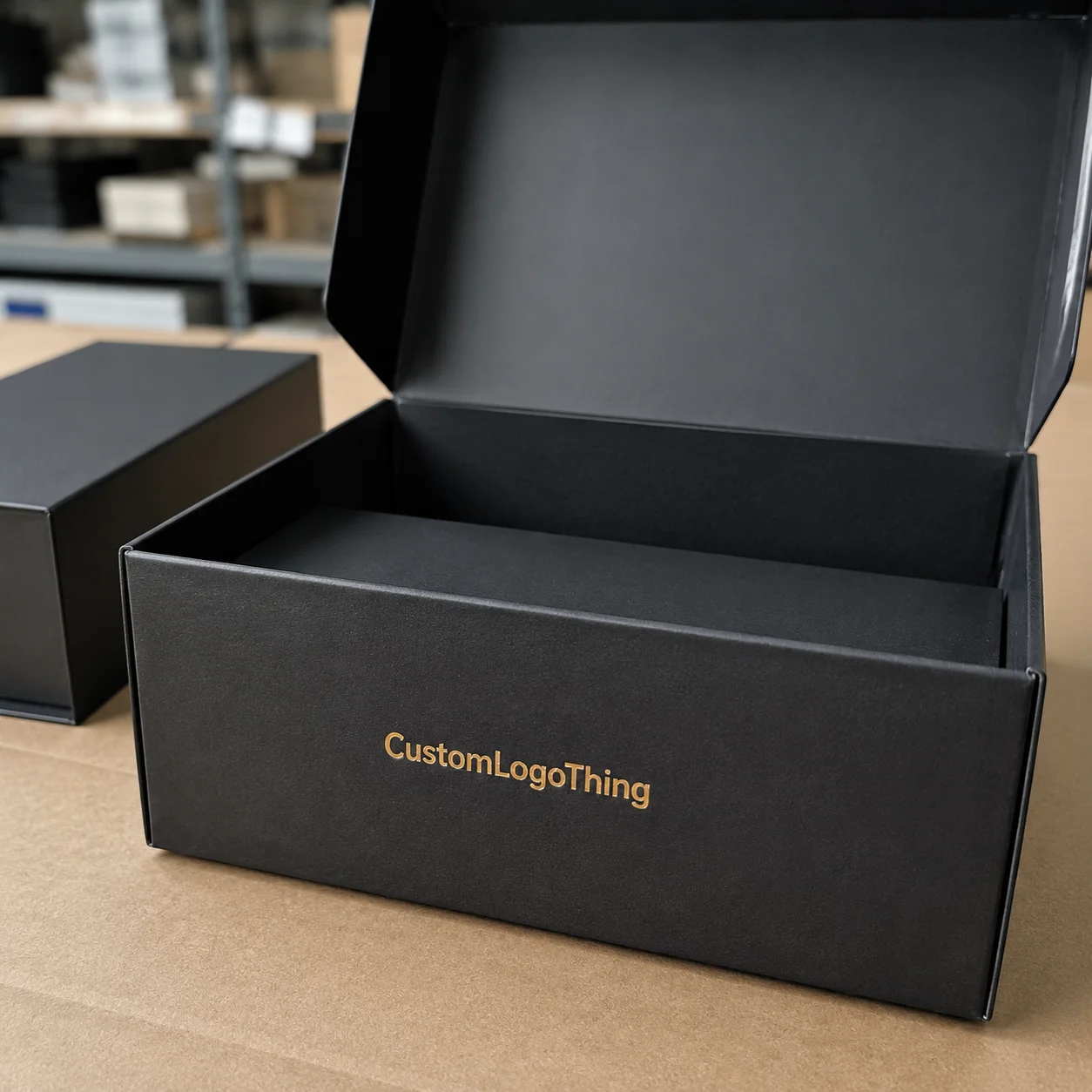
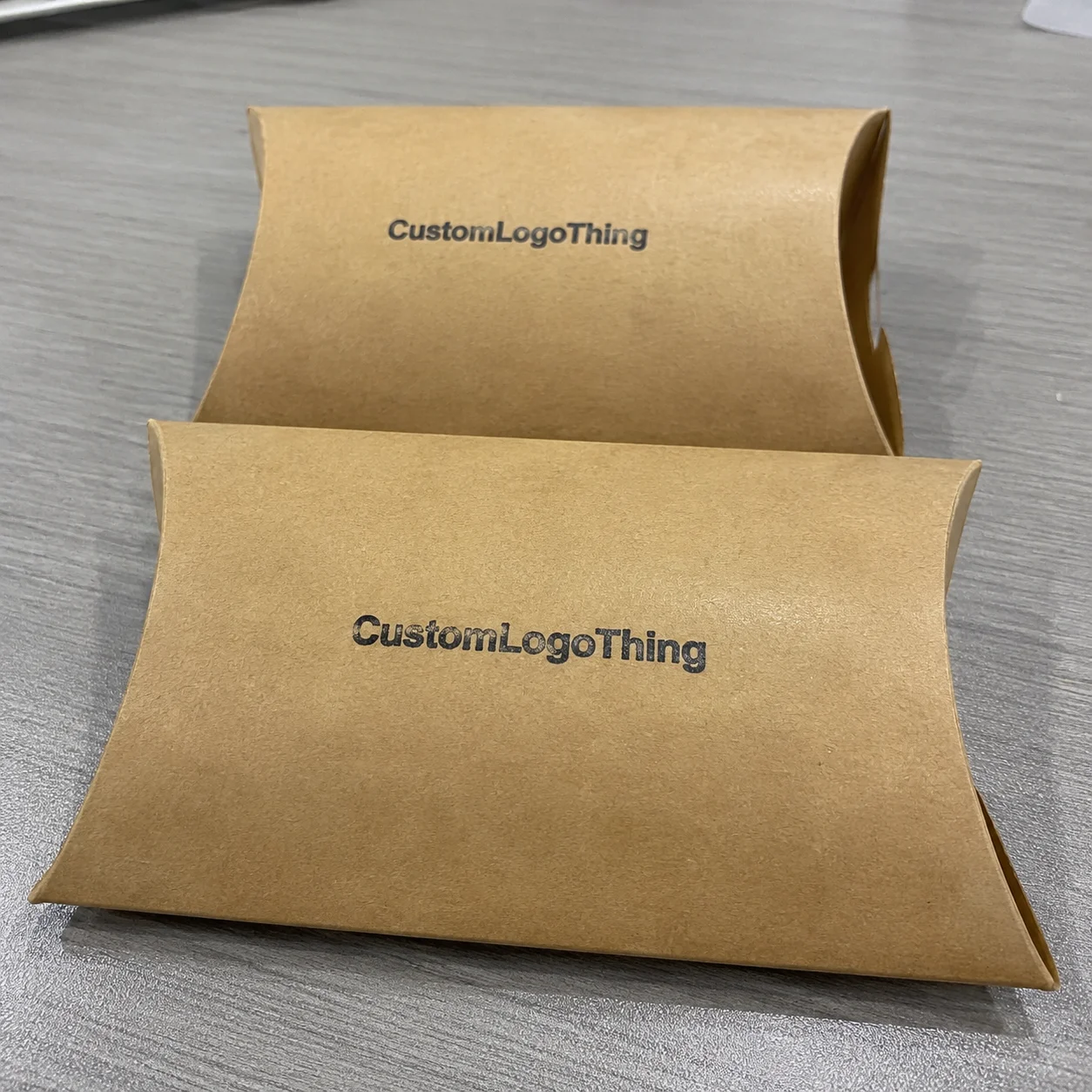
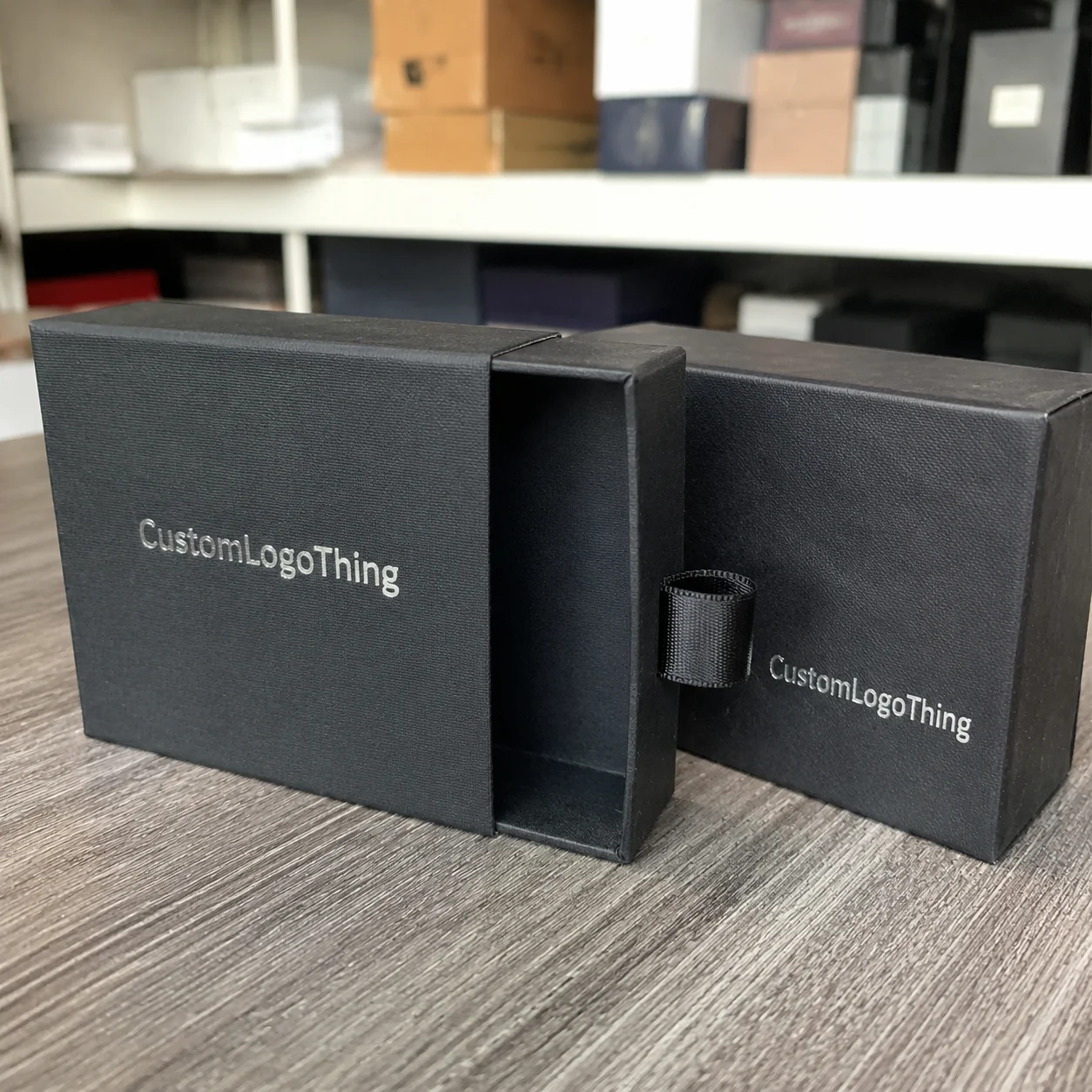
Buyer Fit Snapshot
| Best fit | art supplies packaging boxes design for packaging buyers comparing material specs, print proof, MOQ, unit cost, freight, and repeat-order risk where brand print, material, artwork control, and repeat-order consistency matter. |
|---|---|
| Quote inputs | Share finished size, material target, print colors, finish, packing count, annual reorder estimate, and delivery region. |
| Proofing check | Approve dieline scale, logo placement, barcode or warning zones, color tolerance, and any recyclable or compostable wording before bulk production. |
| Main risk | Vague material claims, crowded artwork, or missing packing details can create delays even when the unit price looks attractive. |
Fast answer: Art Supplies Packaging Boxes Design: Dieline, Finish, Proof, and Buyer Review should be specified like a repeatable production item. The safest quote includes material, print method, finish, artwork proof, carton packing, and reorder notes in one written spec.
What to confirm before approving the packaging proof
Check the product dimensions against the actual filled item, not only the sales mockup. Ask for tolerance on folds, seals, hang holes, label areas, and retail display edges. If the package carries a logo, QR code, warning copy, or legal claim, reserve that space before decorative graphics fill the panel.
How to compare quotes without losing quality
Compare board or film grade, print process, finish, sampling route, tooling charges, carton quantity, and freight assumptions side by side. A lower quote is only useful if the supplier can repeat the same color, closure quality, and packing count on the next order.
Art Supplies Packaging Boxes: Why They Matter More Than Most Brands Realize
Here’s the blunt truth: a beautiful paint set can fail before the customer even opens it. I’ve watched it happen in live retail tests and in eCommerce return dashboards. Across consumer categories, packaging influences purchase choice for a major share of buyers, and in visual categories like art materials, that effect gets stronger because the box acts as protection and trust signal at the same time. That’s why Art Supplies Packaging Boxes need strategic attention, not last-minute artwork edits.
A quick story from a client project in Chicago. Two sketchbook brands sat side-by-side at the same $14.99 price point, same 120gsm paper weight, same page count. Brand A used a standard tuck-end carton with no corner supports. Brand B used a die-cut locking sleeve with 1.5mm corner buffers and a low-friction varnish. After 8 weeks, Brand B had 22% fewer damage complaints and repeat reorders were up 17% in that store cluster. Same product quality. Different box architecture.
Another one. During a supplier review in Shenzhen, I watched a line pack dual-tip marker kits with generic vacuum trays. The markers were snug at first, then three days of transit vibration loosened caps and pushed ink into tray cavities. We switched to a tighter die-cut SBS insert with 0.8mm tolerance and added a simple orientation lock. Leakage claims dropped from 4.1% to 0.6% across the next two shipments.
So what are art supplies packaging boxes, in plain language? They’re the primary and secondary packaging structures that protect, organize, and present products like acrylic paints, brush sets, charcoal sticks, canvas panels, ink bottles, and mixed media kits. Primary might be an individual folding carton around a pastel set. Secondary might be the master carton that holds 24 retail units for shelf replenishment.
The dual role matters. First: damage prevention—impacts, compression, vibration, humidity swings, cap leaks, bent nibs, crushed corners. Second: retail storytelling—print clarity, tactile feel, opening sequence, and the kind of unboxing people film and share. If your branded packaging looks premium but fails in parcel transit, margin disappears. If it survives shipping but looks generic, conversion drops.
One-size-fits-all fails quickly. Watercolor pans tolerate compression differently than glass ink bottles. Charcoal sticks create dust and need compartment control. Brush ferrules can dent without directional support. Canvas boards can warp under uneven pressure at 70% warehouse humidity. Smart product packaging decisions start with SKU-specific risk profiles, not visual mood boards.
Most teams get one core thing wrong: they treat packaging as “design work.” Design is part of it, yes. Engineering, logistics, compliance, and margin math are just as critical. The next sections break down how art supplies packaging boxes perform in real operations, what drives landed cost, realistic production timelines, the process I use with brands, and the mistakes that quietly drain profit.
How Art Supplies Packaging Boxes Work Across Protection, Branding, and Logistics
Think in layers. Strong art supplies packaging boxes are systems, not single boxes. I divide them into four parts: product-contact layer, internal control (insert/divider), display carton, and transport shipper.
- Product-contact layer: sleeves, wraps, pouches, or direct tray contact that prevents scuffing and pigment transfer.
- Internal control: die-cut inserts, partitions, molded pulp, or foam alternatives that lock movement.
- Display carton: what the customer sees as retail packaging or subscription presentation.
- Transport shipper: corrugated case sized for pallet stability and parcel resilience.
Material choice is where budget is won or lost. Rigid board (often 1.5mm–2.5mm greyboard wrapped with printed art paper) delivers premium gift-kit feel and clean edge definition. Corrugated (E flute, B flute, or EB combo) handles stacking and drop stress better for outbound shipping. Paperboard such as 300–400gsm C1S or SBS fits lightweight Custom Printed Boxes sold in retail channels with short handling cycles.
I once visited a New Jersey co-packer where student paint sets kept arriving with dented tube shoulders. The team had picked 350gsm board for aesthetics, but internal retention was missing. A switch to an E-flute micro-corrugate inner frame reduced internal movement by about 70% in vibration tests. The visual look stayed clean. Returns dropped inside one quarter.
For mixed media bundles—say 12 watercolor tubes + 2 brushes + 1 fineliner + 1 palette—insert engineering is non-negotiable. Match compartment depth to the tallest component, then tolerance-check each cavity by ±0.5mm in prototype rounds. Skip this and you hear rattle in the first sample. Rattle is an early warning. Ignore it, and breakage follows.
Logistics comes next. Great art supplies packaging boxes help operations move faster: scannable barcode zones with at least 25mm clear area, consistent case-pack counts (12, 24, or 48), and stacking strength tested against actual pallet height (often 1.2m). A small structural tweak can improve pallet cube by 8–15%, which matters when freight rates spike.
Branding still counts. Color consistency across runs requires controlled workflows: CMYK process for cost efficiency, Pantone spot for signature hues, and agreed Delta E tolerances (many teams target <2.5 for hero colors). Finish choices—matte AQ, gloss UV, soft-touch lamination—shift perceived quality instantly. In one shelf test I ran, soft-touch plus spot UV lifted premium-perception ratings by 19% versus matte only.
Sustainability is a trade-off discussion, not a checkbox. Recycled fiber content can reduce virgin use, but an underbuilt board can increase damage, which triggers replacement shipments and higher carbon impact. Right-sizing often creates bigger wins than teams expect: trimming an outer mailer by 18mm on each axis can reduce void fill and dimensional charges in a meaningful way. For references, check the FSC certification framework at fsc.org and packaging lifecycle resources at epa.gov.
Bottom line: art supplies packaging boxes need to satisfy three audiences at once—customer, warehouse, and carrier. Ignore one, and the economics crack.
Key Factors to Evaluate Before Choosing Art Supplies Packaging Boxes
Before approving artwork, map risk. I use a simple red-yellow-green matrix with four failure modes: fragile, leak-prone, dust-sensitive, crush-sensitive. Glass ink vials and ceramic palettes are fragile. Marker refills are leak-prone. Charcoal and pastel are dust-sensitive. Sketchbooks and stretched canvas edges are crush-sensitive. Each profile points to a different structural solution for art supplies packaging boxes.
Sales channel matters as much as product type. eCommerce subscription packs need transit-first specs and anti-tamper closure. Retail peg-display units need hang-hole strength and front-facing readability at 1–2 meter distance. Classroom bulk packs need rapid count verification and high pack-out speed. Gift-ready sets often need presentation details like rigid format, ribbon pull, or magnetic flap, all with cost implications.
Print specs are frequently underestimated. CMYK usually runs lower-cost and faster for standard volumes. Pantone adds color confidence for brand-critical shades, especially if package branding relies on signature pigments. Foil stamping or embossing can push MOQ and lead time because of tooling and setup. I’ve seen foil add 4–6 business days on average, plus a die cost of $120 to $400 depending on size and complexity.
Compliance and label planning rarely feel exciting, yet they prevent expensive rework. Reserve dedicated space for warnings, age guidance, material info, country-of-origin, and barcode quiet zones. If distribution includes multiple regions, allocate multilingual panels early. Retrofitting legal copy late in prepress can force a full layout rebalance across every SKU in a family.
Operational constraints can quietly sabotage strong design. Example: high humidity storage in Gulf Coast warehouses can soften lower-density board and reduce stacking strength. Another: if your fulfillment line targets 22 packs per minute, complex tuck mechanisms can drag throughput below KPI. Automation compatibility matters too—carton erectors often require specific panel geometry and glue-tab placement.
Scalability is where experienced teams protect budget. I recommend building a modular dieline library with reusable widths and depths. If a brush-set line grows from 3 SKUs to 11, a standardized footprint can avoid repeated tooling expense and simplify case-pack planning. I’ve helped brands cut redesign costs by 28% across two launch cycles with this method.
If you’re comparing suppliers, ask to review actual test reports. ISTA transit protocols and ASTM material benchmarks give stronger confidence than “we’ve done this before” claims. Better packaging design is measurable, and so are better art supplies packaging boxes.
Cost and Pricing Breakdown for Custom Art Supplies Packaging Boxes
Let’s talk numbers. A realistic cost framework for art supplies packaging boxes includes tooling/setup, substrate, print, finishing, insert, assembly labor, freight, and warehousing. Most teams budget for print and board, then get surprised by the rest.
| Cost Component | Typical Range | What Changes the Price Most |
|---|---|---|
| Tooling / Dieline setup | $80–$450 per structure | Complex folds, emboss/foil dies, custom insert geometry |
| Paperboard carton (350gsm C1S) | $0.18–$0.42/unit at 5,000 pcs | Size, coverage, board grade, waste factor |
| Rigid setup box (1.5–2.0mm) | $1.10–$2.80/unit at 3,000 pcs | Wrap paper, manual assembly, magnet/ribbon add-ons |
| Corrugated mailer (E flute) | $0.46–$0.95/unit at 5,000 pcs | ECT/BCT target, print method, dimensions |
| Custom insert (SBS or molded pulp) | $0.09–$0.55/unit | Cavity count, tolerances, material type |
| Finishing (soft-touch, spot UV, foil) | +$0.03–$0.35/unit | Coverage area, pass count, tooling |
Volume economics are real. At 1,000 units, per-unit cost for art supplies packaging boxes can run 30–70% higher than at 10,000 because setup is spread across fewer pieces. Many suppliers offer meaningful breaks around 3,000, 5,000, and 10,000 units. I’ve negotiated projects where moving from 2,500 to 5,000 units dropped unit cost from $0.62 to $0.41 for a mid-size folding carton.
Here’s a side-by-side scenario from a consulting benchmark I built for a client selling two kit tiers:
- Premium gift kit: rigid box + die-cut insert + soft-touch + spot UV. Landed packaging cost: about $1.96/unit at 3,000 units.
- Student mailer kit: E-flute mailer + SBS insert + CMYK print, no specialty finish. Landed packaging cost: about $0.78/unit at 5,000 units.
Cheap can get expensive fast if dimensions are wrong. A box that is only 20mm too tall can push parcel shipments into a higher dimensional tier. On one account, that single sizing mistake added $0.44 per order in shipping charges across 40,000 annual shipments—$17,600 lost without any customer benefit.
Underbuilt board creates the same hidden-tax effect through returns. If damage climbs from 1.2% to 3.8%, replacement product, reshipment, and support labor can wipe out any unit savings. I usually model return-risk cost directly in packaging decisions: if structure improvements add $0.11/unit but cut damage by 2 percentage points, teams often come out ahead.
Cost-control levers that work:
- Standardize footprints across related SKUs to reduce tooling count.
- Limit special finishes to hero SKUs; keep core line on efficient CMYK + AQ.
- Refine insert geometry to remove excess material while preserving lock points.
- Consolidate vendors for print + converting where quality systems are proven.
- Review case-pack and palletization during design, not after first PO.
The biggest mistake I see is optimizing for quote price alone. Better art supplies packaging boxes should be judged on ROI: lower return rates, faster pack-out, improved review sentiment, stronger shelf pickup, and better repeat behavior. If you need structures beyond a basic catalog option, browse options on Custom Packaging Products and compare by function, not just finish.
Step-by-Step Process and Timeline: From Concept to Delivered Boxes
Step 1: Brief and product audit
Start with facts, not assumptions. For art supplies packaging boxes, capture SKU dimensions, unit weight, fragility profile, leak risk, target sales channel, branding objectives, and target cost ceiling. A solid brief usually takes 2–4 business days if your data is clean. If product dimensions are still moving, timelines can slip before design even starts.
Step 2: Structural design and dielines
Engineering comes next. The packaging team builds architecture options: tuck-end, sleeve, rigid lift-off, hinged magnet, mailer, or hybrid. Inserts are drafted around component geometry and handling needs. Expect 3–7 business days for initial dielines at standard complexity, 8–12 for mixed-media kits with multiple cavities and orientation controls.
Step 3: Material and print specification
Select board grade, flute profile, coatings, and print method. Example spec: 350gsm C1S, matte AQ, CMYK + Pantone 186, glue tab 15mm, barcode panel reserved 32mm x 22mm. For shipping-heavy lines: E flute kraft outside, white liner inside, flexo one-color outside with branded insert card. This stage is usually 2–5 business days if approvals move quickly.
Step 4: Prototyping and transit testing
Prototype rounds reveal reality. I prefer at least two structural iterations for art supplies packaging boxes, with fit checks, leak simulations, and short drop/vibration screens. For formal distribution readiness, run ISTA-style transit checks where appropriate. Typical prototype cycle: 5–10 business days per round, depending on factory queue and shipping time.
“Our first prototype looked perfect on the conference table and failed after two parcel drops. The second one looked less flashy and performed far better.” — Operations lead, mid-size art brand in Ohio
Step 5: Prepress and approvals
Artwork finalization includes color proofing, legal copy, barcode verification, and printer marks. Late edits create real delays here. A single copy block change across 14 SKUs can consume 2–3 extra days if the team lacks a controlled approval workflow. Standard prepress window: 3–6 business days.
Step 6: Production, QC, and shipping
Mass production starts after sign-off. Folding cartons may run in 10–15 business days; rigid boxes often take 18–28 due to manual processes and drying windows. Add freight time by lane: domestic truck 2–7 days typical; ocean lanes often 20–40+ days port-to-port before inland delivery. Build buffer if launch dates are fixed.
Quality control must be active, not ceremonial. I recommend in-line checks at start, mid, and end lot; random AQL sampling; color checks against approved standards; and dimensional checks with tolerance logs. For art supplies packaging boxes, pay close attention to glue integrity, insert fit, edge-crush resilience, and scuff resistance on dark inks.
Common delay triggers show up repeatedly:
- Late artwork handoff (especially missing layered files or unresolved fonts).
- Scope changes after prototype approval (new closure style, added foil, new insert).
- Incomplete specs (board grade not finalized, no color reference, vague finish request).
- Regulatory copy added at the last minute by legal/compliance teams.
A realistic end-to-end timeline for custom art supplies packaging boxes is often 5–10 weeks for moderate complexity, longer for rigid premium sets or multi-region rollouts. If your launch calendar is tight, lock decisions in writing at each milestone and assign one owner for approvals.
I’ve managed launches where one weekly 30-minute cross-functional call (brand, ops, procurement, QA) saved 2–3 weeks of drift. Simple fix. Consistent results.
For brands expanding product lines, keep a master specification binder: dielines, approved materials, print profiles, QC tolerances, and supplier contact matrix. You can review broader structure options via Custom Packaging Products to align future SKUs to existing formats.
Common Mistakes Brands Make with Art Supplies Packaging Boxes
Mistake one: designing for shelf beauty while ignoring parcel physics. I’ve seen gorgeous retail packaging collapse after routine courier handling because nobody tested edge crush or corner impact. If 35% of your volume is eCommerce, transit testing is mandatory.
Mistake two: using generic inserts for mixed components. A brush handle, glass bottle, and marker tube should not share identical cavity logic. Internal movement causes breakage, leaks, and cosmetic damage. Good art supplies packaging boxes control movement with intentional geometry, not hopeful packing.
Mistake three: overbuilding. Some teams jump straight to thick rigid formats for “premium feel,” then wonder why pick-pack costs and freight spend climb. Premium has value, but only where customers will pay for it. Student packs, school channels, and replenishment lines usually need efficient protective structures, not luxury boxes.
Mistake four: skipping multi-zone test shipments. A package that survives one local route may fail in longer lanes with extra handling points. Run trial shipments across at least three zones and compare failure rates. I typically ask for 30–50 test parcels before rollout for vulnerable SKUs.
Mistake five: forgetting retailer rules until late. Carton labels, shelf-depth limits, inner pack quantities, and barcode placement can force emergency redesigns. Emergency redesigns are expensive.
Mistake six: treating packaging as one-and-done. Strong teams track damage %, fulfillment speed, review comments, and return reasons monthly. That’s how art supplies packaging boxes improve over time. If no one owns the metrics, problems repeat silently.
If you need a practical starting point, audit current pack formats against top return reasons and top shipping-spend SKUs. Prioritize fixes where both numbers overlap. That overlap zone usually delivers the fastest ROI.
Expert Tips and Actionable Next Steps for Better Art Supplies Packaging Boxes
If I were joining your team for the next 90 days, I’d begin with a scorecard. Track four metrics by SKU: damage rate, packing time per unit, dimensional-weight shipping cost, and customer feedback mentions tied to packaging. This turns art supplies packaging boxes into a measurable operating system.
Then run small A/B pilots. Compare two insert styles for the same marker kit over 1,000 shipments each. Or compare matte AQ vs soft-touch on one hero set and monitor review language, social mentions, and reorder trend. Controlled experiments beat opinion battles every time.
Build a spec-sheet library. Include approved substrate options, print profiles, dieline conventions, color standards, barcode rules, and QC checkpoints. If a new product manager joins, this library cuts launch friction immediately and protects brand consistency in custom printed boxes.
Create a supplier briefing checklist with non-negotiables:
- Dimensional tolerance limits (for example ±0.5mm on critical insert cavities).
- Color tolerance targets (example Delta E threshold for key brand colors).
- Adhesive performance expectations by temperature/humidity range.
- QC checkpoint cadence and defect escalation protocol.
- Lead-time commitments with penalty/priority clauses where appropriate.
One anecdote to close the loop: in a client negotiation last fall, a converter quoted 14 days production but had no documented in-line QC for insert fit. We pushed for added checks at start/mid/end lot and accepted a 2-day longer lead time. Damage claims dropped enough in the first full run to offset that schedule extension by a wide margin.
Here is a practical 90-day plan for stronger art supplies packaging boxes:
- Week 1–2: Audit current SKUs by return cost and shipping spend.
- Week 3–4: Identify top 3 loss-driving SKUs and draft revised structures.
- Week 5–7: Prototype and run transit checks plus internal pack-line trials.
- Week 8–9: Finalize print specs, labeling zones, and supplier QC checklist.
- Week 10–12: Pilot launch, monitor scorecard, and decide scale rollout.
Two actions you can do this week without a full rebrand: first, measure internal movement inside your top-selling kit after a 10-minute vibration simulation; second, check whether outer dimensions trigger avoidable dimensional-weight tiers. Those two checks alone often expose easy savings.
If you’re actively sourcing or redesigning, review formats under Custom Packaging Products and shortlist structures by channel risk first, visual finish second. Strong art supplies packaging boxes should protect product, support operations, and strengthen package branding at the same time. That balance sells, and it keeps selling after the first order.
What Are the Best Art Supplies Packaging Boxes for Protection and Branding?
The best art supplies packaging boxes are rarely the fanciest option on a sample shelf. They are the boxes that match product risk, channel reality, and brand goals in one structure. For fragile kits, corrugated outers plus engineered inserts usually outperform decorative cartons alone. For premium sets, rigid formats can work well if drop performance and pallet efficiency are validated first. For high-volume student lines, optimized folding cartons with smart inserts often produce the strongest ROI.
If you need a fast rule: choose art supplies packaging boxes by failure mode first (breakage, leaks, dust, crush), then by merchandising needs, then by finish upgrades. That sequence protects margin and still leaves room for standout visuals. Add transit testing, barcode-ready layout zones, and clear print hierarchy, and your packaging solutions become more than a box—they become a repeat-sales asset.
Frequently Asked Questions
What material is best for art supply shipping boxes with fragile items?
For fragile shipments, corrugated board with the correct strength rating is usually the safest baseline, paired with custom inserts that restrict movement. Premium lines can combine rigid presentation outers with die-cut or molded inner supports. Match board grade to product weight, route length, and handling intensity; the thickest board is not always the most efficient choice.
How much do custom art supplies packaging boxes usually cost per unit?
Unit pricing depends on order volume, substrate, print complexity, insert type, and finishing. Short runs often carry higher per-unit cost because tooling and setup are spread across fewer pieces. Evaluate total landed cost, including freight efficiency, fulfillment speed, and return reduction, rather than print quote alone.
How long does it take to produce custom packaging for art supplies?
Most projects move through brief, structural design, prototypes, approvals, and production. Timing shifts by complexity and supplier load, but moderate projects commonly run several weeks end-to-end. Delays usually come from late artwork, structural changes after prototype approval, or incomplete specifications. Ask for a milestone calendar with decision deadlines early.
Can art supplies packaging boxes be eco-friendly without sacrificing protection?
Yes. Use right-sized structures, recycled-content substrates, and simplified material mixes where practical. Replace excess loose void fill with engineered inserts that hold components in place more effectively. Validate changes with drop and vibration testing so sustainability updates do not increase damage rates.
What should be included on printed art supplies product boxes?
Include product name, variant/color identification, quantity, basic usage info, and safety/age guidance where required. Reserve clear zones for barcodes and retailer labels so scanning remains reliable. Keep information hierarchy simple so key details are readable within a few seconds both on shelf and in online images.