Corporate Uniform Caps With Logo Patch Quote Guide
If you need a corporate uniform caps with Logo Patch Quote, send the details that actually change price and lead time: quantity, cap style, patch type, artwork quality, and delivery date. A vague request usually returns a vague estimate. A precise brief gives you something procurement can compare.
Patch caps are popular for uniform programs because they keep branding readable without relying only on small embroidery or print. Woven patches handle fine text well. PVC suits bold shapes. Leather or faux leather can look premium, but tiny details are harder to keep clean. The right choice depends on the logo, the budget, and how the cap will be worn.
For a faster quote, keep the request simple: one logo file, target cap color, patch style, quantity by color, and the latest acceptable delivery date. If the order needs split shipments or multiple locations, mention that up front so pricing is accurate.
Why a Corporate Uniform Caps With Logo Patch Quote Saves Time
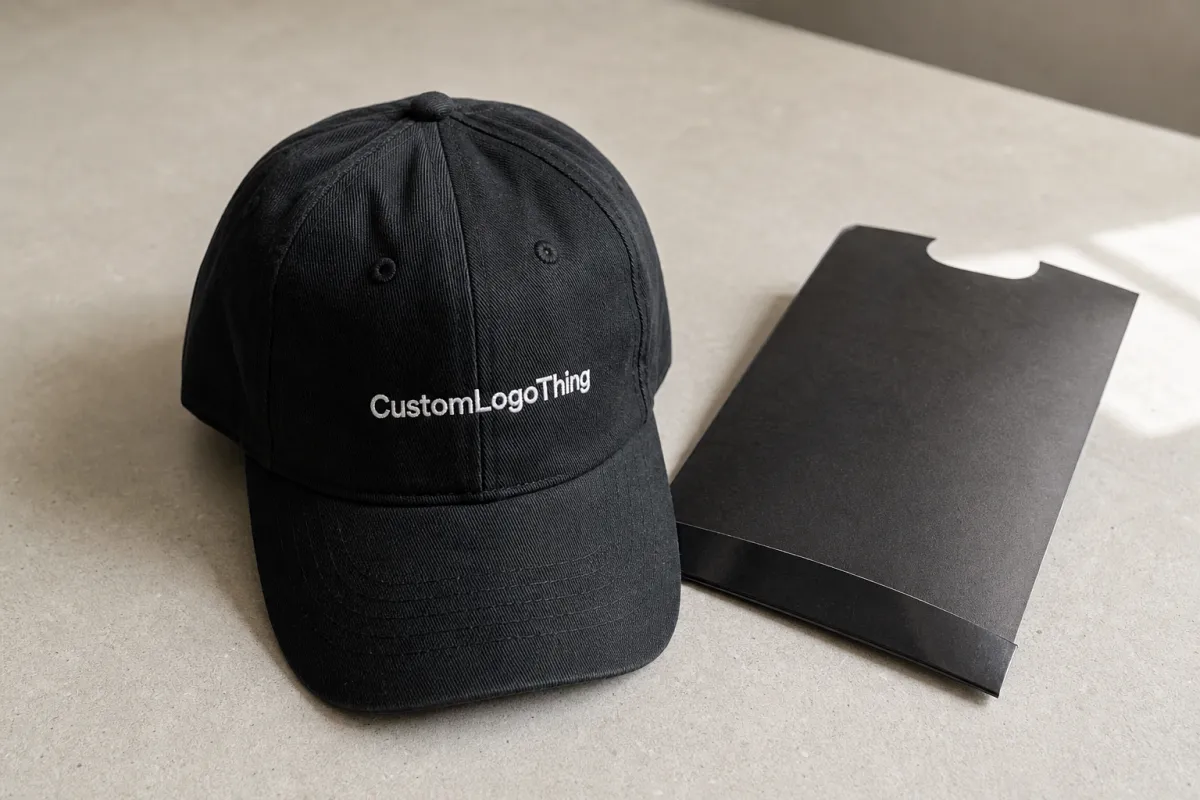
For field staff, retail teams, drivers, and event crews, patch caps are a practical middle ground. They look more finished than a plain stock cap and usually hold up better than small direct prints. Branding also stays visible on textured fabric, which matters when the cap is worn every day.
Patch pricing is not the same as basic cap pricing. The cap blank, patch production, decoration, and finishing may come from different steps or suppliers. Digitizing, art cleanup, packaging, and freight may be separate as well. If those items are bundled into one number, the quote may look simple but be hard to compare or reorder.
"The cleanest quote is the one that shows its work."
Before requesting numbers, gather the basics:
- Artwork: vector file preferred, with PMS or Pantone references if color matching matters.
- Quantity by color: 100 black, 75 navy, and 50 gray is better than one total.
- Cap style: structured or unstructured, six-panel or five-panel, flat brim or curved brim.
- Patch style: woven, embroidered, PVC, leather, faux leather, or sublimated.
- Shipping plan: one address or multiple locations, plus the latest arrival date.
A useful quote also shows what is included in setup. If patch production, decoration, and freight are hidden inside one price, you cannot tell whether the number will hold on a reorder. The real question is whether the quote is transparent enough for procurement.
Patch Styles and Cap Bodies That Work Together
Patch choice should follow the logo, not a trend. Woven patches are best for small text and detailed lines. Embroidered patches give texture and a traditional uniform look. PVC patches read clearly from a distance and suit clean, bold branding. Leather and faux leather add a premium feel, but thin strokes and tiny lettering can disappear. Sublimated patches are useful when the art has gradients or too many colors for stitching.
The cap body changes the result as much as the patch does. Structured caps have a flatter front and give the patch a more controlled surface. Unstructured caps feel softer, but the front can sit less predictably. Mesh backs improve airflow for outdoor teams. Solid twill feels cleaner for client-facing roles. Flat brims read more casual; curved brims feel more traditional. Each choice affects comfort, appearance, and cost.
Center-front placement is still the default because it gives the best visibility. Side placement is subtler. Back branding can work, but it usually adds cost and leaves less room for the logo to stay legible. If the design includes small type or thin outlines, make sure the patch is large enough to keep those details readable at arm's length.
| Patch Type | Best For | Typical Cost Impact | Notes |
|---|---|---|---|
| Woven | Small text, detailed logos | Moderate | Clean edges and strong readability |
| Embroidered | Classic uniform branding | Moderate | Textured, but less precise for tiny copy |
| PVC | Bold shapes, outdoor wear | Higher | Durable and visually sharp |
| Leather/Faux Leather | Premium style programs | Higher | Not ideal for thin strokes or small type |
| Sublimated | Full-color artwork | Varies | Useful for gradients and photo-style graphics |
Spec Sheet Basics: Materials, Fit, and Decoration Details
Good quotes start with good specs. Lock down crown height, panel count, brim shape, closure type, sweatband construction, and final colorway before asking for pricing. A six-panel structured cap behaves differently from a low-profile unstructured one. A snapback is not the same as a buckle closure in fit range or finish.
Material choice affects comfort and care. Cotton twill gives a classic look and works well for office or client-facing use. Polyester handles workwear conditions better and dries faster. Mesh improves breathability for hot environments. Blends often sit in the middle: easier care, less wrinkling, and fewer complaints from staff who wear the cap every day.
Patch details need to be clear before approval. Ask for patch size in inches or millimeters, edge finish, thread or print colors, and attachment method. Sewing is usually more durable than adhesive-backed options for daily uniform use. Adhesive can help during sampling, but it should not be the default if the caps will be worn and handled constantly.
Fit matters too. A cap that pinches, rides too high, or sits awkwardly will not stay in rotation. For mixed teams, adjustable closures are often safer than fixed sizes. If the group includes both outdoor and office staff, ask for a fit sample before you approve the run. That small step can prevent returns later.
Quality and shipping standards should also be checked. If transport durability matters, many buyers reference ISTA testing standards. If packaging documentation is needed, FSC-certified paper can help. Useful references include ISTA and FSC. The goal is not to turn the order into a certification project; it is to confirm the supplier can provide the paperwork your team may need.
Cost, MOQ, and Unit Price Drivers for Patch Caps
Pricing usually moves with five variables: quantity, cap style, patch complexity, decoration method, and packaging. A stock cap with one simple woven patch and standard polybagging sits at the lower end. A fully custom structured cap with a detailed patch, printed inner label, and retail-style packaging sits higher. If a supplier bundles everything into one number, you lose visibility into the real cost drivers.
Smaller runs are more expensive because setup is spread across fewer units. Once the patch file is approved and the decoration process is set, unit price usually improves as quantity rises. The most awkward range is often 100 to 250 caps: enough to start production, but not always enough to unlock the best pricing. At 500 or more, the per-unit cost often becomes more competitive.
Typical B2B pricing, depending on region and decoration, often falls into this broad pattern:
- 50-100 units: higher unit cost because setup dominates the total.
- 250 units: a practical middle ground for many uniform programs.
- 500+ units: lower per-unit pricing if the same patch spec is used across colors.
For a simple corporate run, buyers often see cap pricing around $3.50-$8.50 per unit before decoration, plus roughly $0.75-$3.25 per patch, then setup and freight. Those are broad ranges on purpose. A woven patch on a stock cap will not price like a PVC patch on a fully custom build. Ask for separate line items for cap cost, patch cost, setup, packaging, freight, and any rush fee.
A few practical savings levers come up often. Use one patch spec across multiple cap colors. Keep the logo simpler if the brand allows it. Reduce unnecessary SKU variation. If several branches need the same item, one production run with split shipments is usually cheaper than several small orders. Also ask whether digitizing or art cleanup is billed separately. Sampling may cost extra, but for fine logos, a pre-production sample is often worth it.
Quote Process and Turnaround: From Artwork to Approval
A clean quote process should be methodical. First comes the artwork. Then the cap style, patch type, quantity, and destination. After that, the supplier should send a mockup or proof showing patch size, placement, cap color, logo color, and quantity breaks. If any of those are missing, it is still an estimate, not a quote.
Timing is usually predictable when the information is complete. A first quote often comes back within 24-48 hours. Proofing may take 1-3 days depending on revisions. Production commonly runs 2-4 weeks, though peak seasons, multi-location orders, and more detailed patch work can stretch that timeline. If a supplier gives a firm date without asking about artwork quality, quantity, or shipping details, treat it carefully.
Approval should be explicit. If you need a physical sample, say so before production starts. If a digital proof is enough, make sure it shows the exact patch position and correct cap color. "Looks fine" is not a useful approval standard. It invites color drift, logo placement issues, and confusion about what was actually signed off.
Internal routing matters too. One person should own final approval. If procurement, HR, and regional managers all comment late, revisions tend to arrive after the proof has already been accepted. That is how schedules slip and deadlines move.
What a Good Supplier Should Handle In-House
A capable supplier should control the steps that affect consistency. In-house patch production, sewing, and final QC reduce handoffs. Fewer handoffs mean fewer chances for misaligned patches, loose thread, or a sample that does not match the bulk run. For reorder programs, consistency matters more than a flashy first sample.
Ask who owns the order after the quote is sent. One named contact is better than a shared inbox. You want someone who can answer practical questions: what patch file is being used, how the cap is sourced, whether stitch placement is fixed, and how reorder notes are stored. If those answers are vague, the risk is inconsistency later.
Packaging should be planned early. If orders go to multiple branches, carton labels should show color, size, and department where relevant. Split shipments should be planned before production starts, not after the boxes are ready. Otherwise, receiving teams spend time sorting cartons that should already be organized.
Documentation on sustainability claims should be specific. If a supplier says a cap contains recycled material, ask what part and what percentage. If they mention recycled mailers or FSC packaging, ask for proof. Vague environmental language is common; useful paperwork is not.
How to Reduce Rework Before You Approve the Order
Start by checking the logo against the cap color. A patch that looks balanced on white may disappear on navy. A design that feels crisp on black can look too heavy on light gray. Review the artwork on both light and dark backgrounds if your program uses more than one cap color.
Then verify the patch size in exact terms. "Medium" is not a measurement. Neither is "front-panel sized." If the logo includes small text, the patch needs enough space to keep the lettering readable from arm's length. Check it at the distance people will actually see it, not zoomed in on a screen.
The small details are where budget and schedule usually break. Confirm spelling. Count quantities by color and size. Match the proof to the final logo file. Decide who signs off before production begins. If the team needs a lower-cost version and a cleaner premium version, ask for both at the quote stage. That comparison usually makes the decision much easier.
It also helps to compare decoration methods before approval. A woven patch may be the best choice for detail and consistency. An embroidered patch may be better if texture and a classic uniform look matter more. PVC may suit outdoor teams that need a bolder mark. The right answer depends on how the caps will be used, not just how the art looks on paper.
Next Steps to Lock In the Right Bulk Order
Before requesting a Corporate Uniform Caps with logo patch quote, assemble a one-page brief. Include the logo file, quantity breakdown, cap style, patch style, deadline, shipping locations, and any packaging notes. If you already know the budget range, include that too. A supplier can only steer the order well if the parameters are clear.
If the decoration route is still undecided, ask for two mockups and compare them side by side. One may be better for cost control. The other may look stronger on the head. That tradeoff is common, and it is better to resolve it before the order is locked.
A good quote should narrow the field, not create more uncertainty. Separate line items, practical lead times, and a proof that matches the order are the signs you are getting a real pricing read.
What should I include when requesting a logo patch cap quote?
Send the logo file, cap style, patch style, quantity by color, and delivery deadline. Include the shipping destination because freight and turnaround can change the final number. If you want a clean comparison, ask for separate line items for setup, sampling, and unit pricing.
Which patch type works best for corporate uniform caps with logo patch quote requests?
Woven patches are strong for small text and detailed logos. Embroidered patches give texture and a classic finish, while PVC works well for bold modern branding. Leather and faux leather can look premium, but they are less forgiving with thin strokes and fine copy.
What MOQ should I expect for patch caps?
Simple stock caps often start lower, while fully custom builds usually need a higher minimum. Smaller MOQs almost always carry a higher unit price. Ask the supplier where the price breaks sit so you can compare 50, 100, 250, and 500 units before choosing.
How long does a bulk logo patch cap order usually take?
Quotes are often returned within 24-48 hours if the artwork is ready. Proofing usually takes a few days, depending on revision count. Production commonly runs 2-4 weeks, with longer timelines during peak demand or when the patch spec is more complex.
Can I reorder the same corporate uniform caps later?
Yes, if the supplier keeps the artwork, patch spec, and cap source on file. Ask for the original production notes so color, placement, and construction stay consistent. Reorders are easier when the first approval is documented clearly in writing.


