Caps get judged fast. A baseball caps event merch quote should do more than name a unit price; it should spell out the cap body, decoration method, packing format, proofing step, and delivery expectation you are approving before production money is committed.
That clarity matters because baseball caps are one of the few event merchandise items people may keep wearing long after the venue lights come down. A tote may end up in a closet. A flyer is gone by lunch. A cap with the right fit, fabric, logo placement, and finish can keep showing up at golf outings, school events, launch parties, Trade Show Booths, company retreats, and outdoor festivals where sun coverage and brand visibility both count.
The Cap Table Is Where Event Merch Either Wins or Sits in Boxes
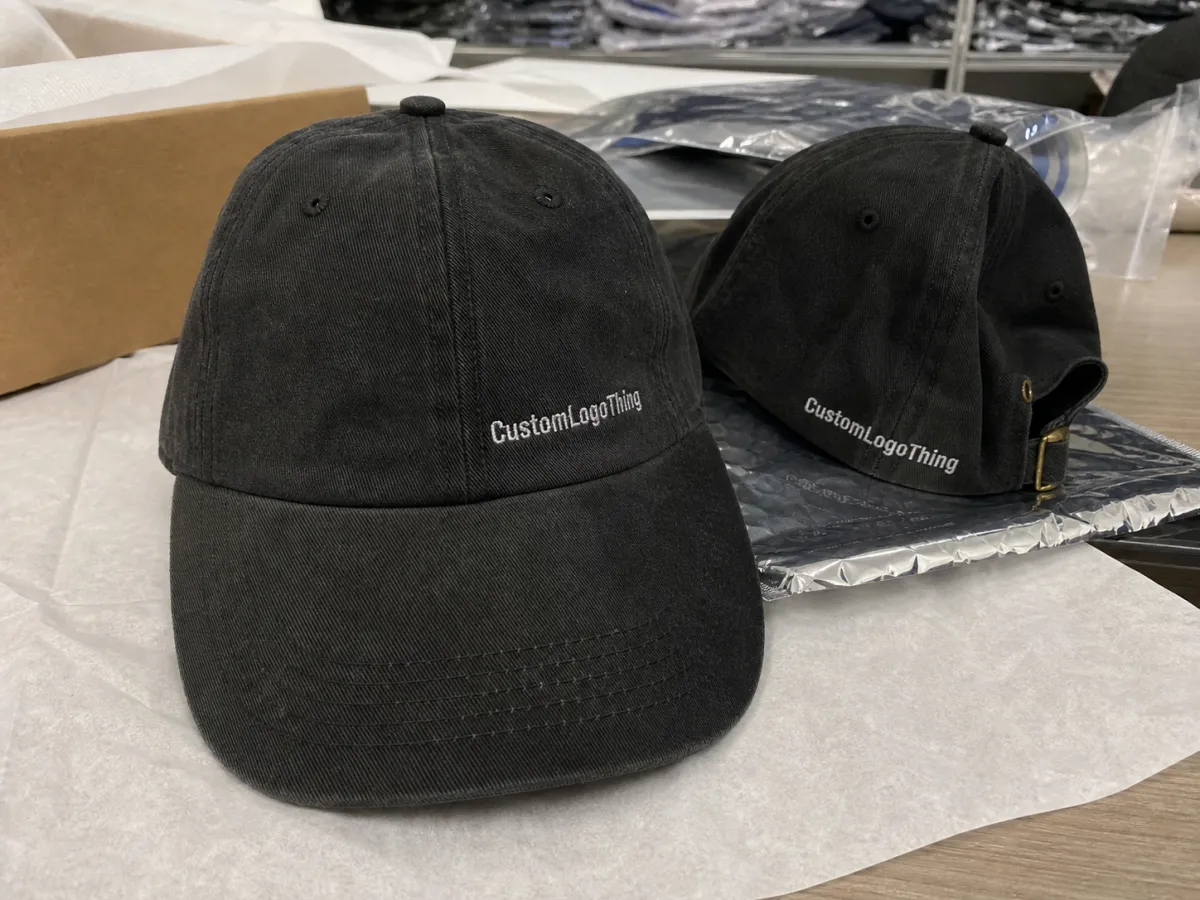
From a packaging buyer’s point of view, caps behave a lot like branded packaging: the item has to look good at first glance, survive real handling, and arrive in a format that makes distribution easy. If the crown is too shallow, the bill feels flimsy, or the embroidery puckers because the fabric and stitch count were not matched properly, the audience notices even if they cannot name the defect.
A useful cap quote protects you from predictable event problems. It reduces the chance of brand colors missing the guide, sponsor names becoming unreadable, cartons arriving without labels, or a field team opening mixed boxes on a show floor with no clear sorting plan. These are not glamorous details, but they are often the difference between a clean handout and an hour lost during setup.
Caps work especially well for staff identification, sponsor exposure, VIP kits, volunteer uniforms, retail-style alumni merchandise, and outdoor attendee giveaways. They are practical, visible, and easy to distribute when the order is planned correctly. They also put the logo at eye level, which is why buyers often treat them as a higher-value merch item than pens, flyers, or basic lanyards.
Practical rule: if the cap needs to be worn by a mixed audience, do not approve the lowest line-item price until you know the crown shape, closure, decoration method, and packing plan.
Custom Logo Things helps buyers Choose the Right cap construction and branding method before production starts. That is the value of a clear quote: it turns a loose merch idea into a workable production order with fewer surprises.
Cap Styles, Materials, and Decoration Choices That Affect the Order
The cap body drives the feel of the whole program. A structured six-panel cap gives a crisp sponsor look because the front panels hold their shape and support flat or 3D puff embroidery. An unstructured dad cap has a softer crown and a relaxed lifestyle feel, which can be better for employee gifts, campus events, or retail-style merch where easy wear matters more than a bold promotional face.
Five-panel caps offer a broad front panel for simple, confident artwork. Trucker caps, usually built with foam or twill fronts and mesh backs, suit warm-weather events because they breathe better. Performance caps made with polyester or moisture-management fabric make sense for golf outings, races, outdoor volunteer teams, and athletic programs where sweat, heat, and repeat wear are part of the use case.
Material choice is not just a taste decision. Brushed cotton twill has a soft hand and a familiar everyday feel. Polyester offers strong color consistency and can manage moisture better. Cotton-poly blends balance durability with comfort. Mesh backs lower heat buildup. Performance fabrics may include lightweight weaves, water-resistant finishes, or quick-dry behavior, depending on the cap line and current stock.
Decoration should match both the logo and the cap. Flat embroidery is common for clean marks and short text. 3D puff embroidery works best on structured fronts with bold shapes, not tiny type. Woven or embroidered patches create a premium retail-style finish. Heat transfer can handle detailed full-color art, though placement and adhesion need careful attention on curved crown surfaces. Leatherette patches give a rugged feel for outdoor, beverage, automotive, or trades-oriented programs.
- Snapback: strong for mixed audiences and sponsor caps, with simple sizing control.
- Fabric strap with metal buckle: common on dad caps and lifestyle merch.
- Hook-and-loop: practical for staff, crews, and volunteer teams.
- Stretch fit: cleaner appearance, but sizing needs more planning.
- Fitted sizing: premium feel, yet riskier for broad event distribution.
Not every logo belongs on every cap. Fine gradients, hairline outlines, small sponsor lockups, and stacked legal copy may need simplification, a patch, or a larger imprint area. A logo that looks sharp on a PDF can turn muddy at 2.25 inches wide on curved fabric, especially if the design relies on thin negative space or low-contrast colors.
How to Read a Baseball Caps Event Merch Quote Without Guesswork
A complete baseball caps event merch quote should list the cap style, panel count, crown height, structured or unstructured build, fabric, color, closure, decoration method, imprint size, number of logo locations, order quantity, packing method, proofing terms, freight estimate, and projected production schedule. If any of those details are missing, the number may still be useful for planning, but it is not yet a production-ready price.
The base cap price and the delivered program cost are not the same thing. Embroidery stitch count, patch type, color changes, multi-location branding, individual polybagging, carton sorting, and expedited freight can all move the final number. A front-only flat embroidery job on 500 navy cotton twill caps is a different project from 500 caps split across four colors with front patches, side sponsor embroidery, and carton labels by team.
| Quote Line | What to Check | Why It Changes Cost |
|---|---|---|
| Cap body | Panel count, structure, fabric, closure | A structured cotton twill cap usually costs more than a basic foam-front promo cap. |
| Embroidery | Logo size, stitch count, thread colors | Dense designs take more machine time and may need backing adjustments. |
| Patch | Woven, embroidered, PVC, leatherette | Patch production and application add setup and handling steps. |
| Packing | Bulk, polybagged, sorted, labeled | Labor increases when caps are grouped by sponsor, booth, team, or kit. |
| Freight | Ground, air, venue delivery, split ship | Carton volume and event deadlines can outweigh small unit price savings. |
If two quotes look far apart, compare the actual specifications before assuming one supplier is simply cheaper. A structured cotton twill cap with a woven patch is not the same item as a basic foam-front trucker cap with a simple transfer. Both may be correct for different events. They should not be judged as equal items.
Procurement teams should confirm whether setup, digitizing, sample proof, freight, duties if applicable, and overrun or underrun policy are included, excluded, or estimated. Send vector artwork, Pantone or brand color references, desired arrival date, event city, quantity by design, and packing instructions early. That lets Custom Logo Things build a quote request for custom event caps around the real job instead of a loose placeholder.
Cost, MOQ, and Unit Cost Drivers for Bulk Event Caps
Baseball cap pricing is shaped by construction, fabric grade, decoration method, order quantity, number of designs, number of logo placements, packaging requirements, and freight. Quantity helps, but it is not the only driver. A 1,000-piece run with one logo, one cap color, and bulk packing is more efficient than the same total quantity split into ten versions with separate proofs and carton groups.
Minimum order quantity exists for practical reasons. Blank inventory, machine setup, embroidery digitizing, thread changes, patch production, proofing, staging, trimming, inspection, and packing labor all need to be spread across enough units to make the run efficient. For many event cap programs, pricing improves as the run moves from small batch to mid-volume, while short runs with heavy customization carry a higher per-cap burden.
For budget planning, basic decorated event caps often sit in a lower promotional range, while structured caps with premium patches, multi-location branding, or special packing can move substantially higher. The better question is not “What is the cheapest cap?” It is “What cap will people wear, and what production plan gets it there on time?” A cap that costs slightly more but gets worn after the event usually has more value than a cheaper piece left in a giveaway bin.
Decoration cost behaves differently by method. Embroidery is influenced by stitch count, logo height, thread colors, and machine time. Patches may involve weaving, embroidery, PVC molding, leatherette engraving, merrowed edges, heat application, or sewing. Full-color transfers can carry strong detail, but they still need the right film, pressure, temperature, and dwell time for the cap fabric.
Ask for good-better-best options if budget is still moving. One option might be a basic embroidered cotton cap for broad attendee distribution. Another could be a structured mid-tier cap with higher stitch detail for staff and sponsors. A premium patch cap can be reserved for VIP kits, speaker gifts, or retail resale. That structure keeps the quote useful even before the final budget is approved.
Process, Timeline, and Lead Time From Artwork to Delivery
The order flow is straightforward once the details are locked. Quote review comes first, followed by cap and decoration selection, artwork cleanup, embroidery digitizing or patch layout, digital proof, buyer approval, material staging, production, quality control, packing, freight booking, and delivery. Each step is small on paper, but any step can pause if the information is incomplete.
A dependable timeline starts after specifications and artwork are approved. Delays usually come from missing vector files, unclear logo hierarchy, unconfirmed cap color, late sponsor changes, or uncertainty about the required in-hands date. If the event is on a Thursday and the caps need to be sorted into welcome kits on Monday, Monday is the real deadline.
Proofing deserves careful attention. Embroidery proofs should show logo size, thread colors, placement, and whether the design is flat, puff, or patch-based. Cap mockups are useful for layout, but they should not be treated as perfect color matches unless a physical sample or approved material reference is used. Many teams still reference Pantone values for brand systems, then allow for the fact that thread and fabric can read slightly different under venue lighting.
Rush orders may be possible when stocked cap colors are used, decoration is simple, artwork is clean, proof approval is fast, and shipping supports the event date. Rush production should not be built on undecided artwork. That is how small revisions become missed freight pickups.
Build in buffer time for distribution, especially when caps need to be kitted with other branded items, sorted by team, delivered to a convention center, or handed off to an agency crew. Packaging and transport standards such as those from ISTA are a useful reminder that the shipping leg is part of the product experience, not an afterthought.
Quality Checks That Keep Caps Wearable After the Event
Quality control for event caps should look at wearability as much as logo appearance. Inspect crown shape, bill curve, seam alignment, closure function, inside taping, loose threads, odor, fabric hand feel, and whether the cap sits comfortably on a range of head sizes. A cap can have a perfect logo and still fail if it feels awkward after ten minutes.
Logo inspection should cover centered front placement, consistent embroidery tension, clean thread trimming, patch alignment, heat transfer edge adhesion, color consistency, and readability of sponsor names at the approved size. Small copy is the common trouble spot. If a sponsor name cannot be read from a normal event distance, direct embroidery may not be the best method.
Packing quality belongs in the same conversation. Bulk-packed caps may suit staff handouts. Individual polybags protect caps going into VIP kits or mailed packages. Size or color sorting, carton labels, and event-location labels can save hours during setup when the delivery goes straight to a venue or show floor.
A few choices create avoidable waste: low-profile caps paired with tall vertical logos, tiny embroidered text, too many cap colors in one short run, ignored freight transit time, and white caps selected for dusty outdoor events without a handling plan. None of these mistakes are unusual. Most can be prevented before proof approval.
Factory communication is a quality tool. When the quote, proof, purchase order, and carton instructions all match, the production floor has fewer opportunities for interpretation and fewer reasons to stop the job for clarification. If sustainability requirements are part of the program, ask early about recycled content, FSC-related packaging claims, or paper-based packing options; the Forest Stewardship Council is a useful reference for responsible fiber sourcing standards.
What Custom Logo Things Needs to Build a Precise Cap Order
To build an accurate baseball caps event merch quote, send the total quantity, desired cap style, preferred fabric or performance needs, cap color, logo file, decoration method if known, number of imprint locations, target budget, event date, delivery address, and packing needs. If there are multiple designs, list the quantity by design rather than only the combined total.
You do not need every technical answer before contacting Custom Logo Things. A clear use case is often enough to narrow the choices. Outdoor volunteer caps need different thinking than sponsor merchandise, employee launch kits, alumni weekend retail items, school spirit merchandise, or VIP attendee gifts.
The team can help translate brand artwork into cap-ready production decisions. That may mean simplifying a mark, selecting thread colors, changing a patch shape, sizing the front panel artwork, or deciding whether the logo will look better embroidered directly or applied as a patch. A complex full-color crest, for example, may look cleaner as a woven patch than as dense embroidery, especially at a small front placement.
Quote options can also be built around the constraint that matters most: budget, delivery speed, premium feel, or coordination with other custom packaging and promotional products in the same event program. If caps are going into welcome boxes, share the box dimensions, kit schedule, and packing sequence. A cap that arrives two days after the kit build is a problem even if the cap itself is correct.
For a faster start, send artwork and event details through Contact Us. The aim is simple: remove uncertainty before production by matching the cap body, decoration method, and delivery plan to the actual event environment and approval process.
Next Steps Before You Approve Artwork and Place the Order
Before approval, review the cap style, crown profile, logo size at real scale, thread or patch colors, event delivery address, and in-hands date. Do not approve only from a polished mockup. Check the actual imprint size in inches, because a 2-inch-wide logo and a 3.5-inch-wide logo can behave very differently on the front of a cap.
Procurement teams should confirm whether the quote includes setup, digitizing, proofing, freight, packing, carton labels, and special delivery instructions. Small exclusions can become frustrating after the purchase order is issued, especially if accounting expects one complete landed cost.
Share event constraints early. Outdoor heat, staff uniform requirements, sponsor color rules, retail resale plans, attendee age range, and welcome-kit packing can all affect the right cap choice. If the caps are for a dusty outdoor festival, a light cream performance cap may look great on screen but need careful handling. If the caps are for golf, breathability and sweat comfort may matter more than a heavy patch.
The fastest route to approval is to send vector artwork, quantity, cap style preference, delivery city, and event date in the first message, then respond to proof questions promptly. If you are comparing options, ask Custom Logo Things for a clear good-better-best structure through Contact Us so your team can choose based on use case, not just the lowest unit number.
With the details settled, a cap quote becomes a working production plan. The buyer gets a cap people will actually wear, and the event team gets a delivery schedule they can trust.
FAQ
What should I include when requesting a baseball caps event merch quote?
Send the quantity, event date, delivery address, preferred cap style, cap color, logo file, decoration method if known, number of logo locations, and any packing or carton-labeling needs. If you are unsure about the exact cap, describe the audience and setting, such as outdoor festival, conference booth, staff uniform, sponsor gift, or VIP kit.
How does decoration choice affect a custom baseball cap quote?
Flat embroidery is common for clean logos, 3D puff works best on structured caps with bold shapes, patches create a retail-style finish, and heat transfers can help with full-color or detailed artwork. Cost may change based on stitch count, patch construction, logo size, number of placements, setup requirements, and the amount of production handling needed.
What MOQ should I expect for baseball caps for event merch?
MOQ depends on the cap style, decoration method, artwork complexity, and whether the order uses stocked materials or a more customized build. Larger quantities usually improve unit cost, while many small design splits can raise cost because each version may need separate setup, proofing, and quality checks.
How long does a bulk baseball cap order take for an event?
Lead time depends on artwork readiness, proof approval speed, cap availability, decoration method, quantity, packing needs, and freight distance. The most reliable timeline starts after specs and artwork are approved, so buyers should avoid changing logo files, cap colors, or delivery instructions after approval.
Can I get rush baseball caps for event merchandise?
Rush orders may be possible when the cap style is available, the artwork is production-ready, the decoration is straightforward, and proof approval happens quickly. For tight event dates, choose stocked cap colors, limit design variations, confirm shipping details early, and leave time for receiving, sorting, and venue handoff.