Beauty Embroidered Beanies Bulk Order Planning for Buyers
Beauty embroidered beanies Bulk Order Planning looks simple on a spreadsheet. Then the details arrive: cuff height, stitch count, thread contrast, logo width, yarn weight, and the awkward fact that a design that works on a hoodie can look crowded on knitwear. A beanie is a small canvas. That is exactly why mistakes show so clearly.
For beauty brands, salons, launch kits, and promo drops, the hat has to do more than keep someone warm. It has to read cleanly in photos, sit flat enough for embroidery, and look deliberate rather than improvised. A buyer who defines the spec early usually gets better pricing, fewer revisions, and fewer surprises after approval. That sounds basic because it is. Basic is what protects the order.
Why planning saves costly do-overs
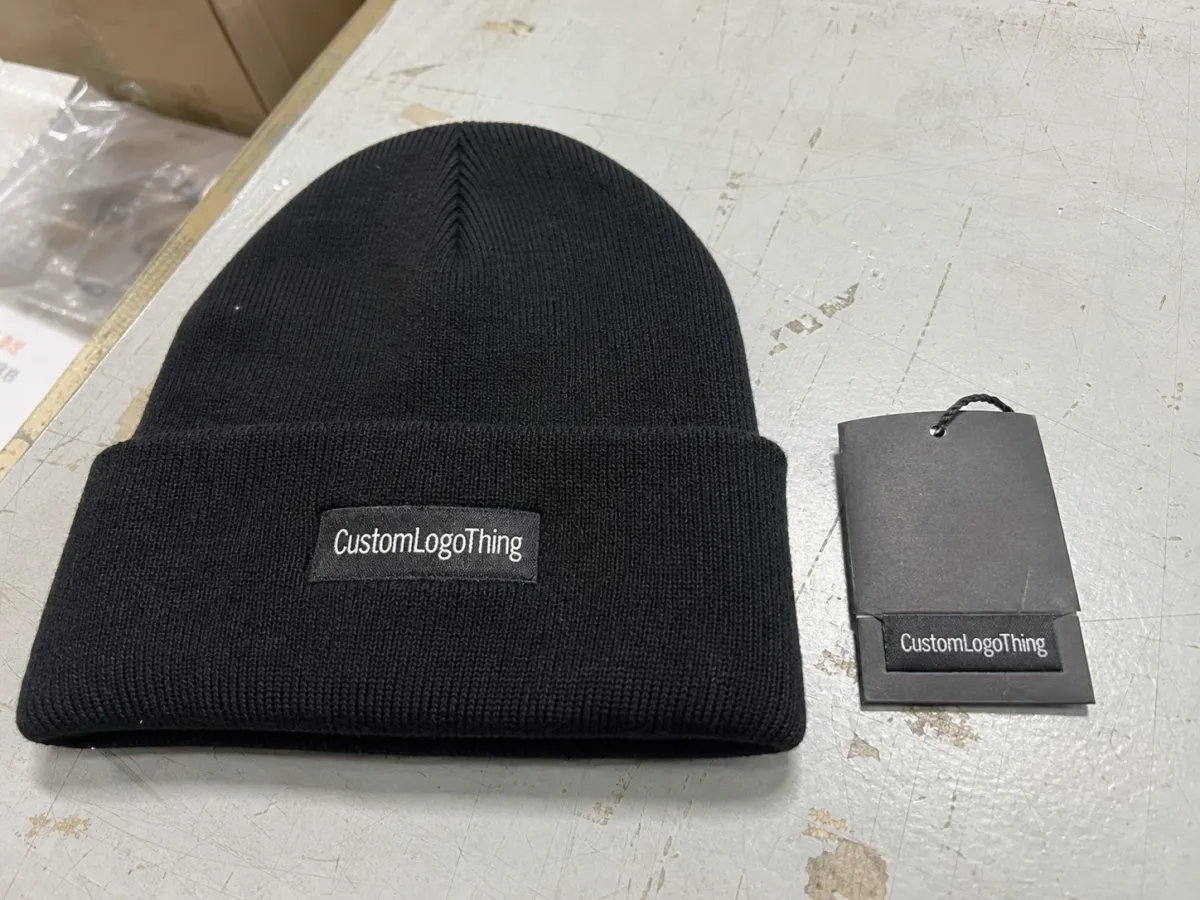
Bulk beanie orders fail in predictable ways. The logo is approved too wide, then the embroidery pulls the knit. The cuff is measured from the wrong fold line, so placement shifts once the hat is worn. The thread is “close enough” on a monitor and suddenly not close at all in daylight. Each error is small on its own. Multiply it by 500 units and it becomes an expensive lesson.
That is why the first conversation should be about the order structure, not just the artwork. Quantity, color, cuff height, placement, target ship date, and packaging should be clear before quoting starts. Otherwise, one vendor prices a front cuff logo on a standard knit, another quotes a looser slouch style, and the numbers are not comparable in any meaningful way. Buyers often think they are comparing prices. They are usually comparing assumptions.
A low quote means very little unless it includes the same knit, the same stitch count, the same placement, and the same packaging expectations.
There is also a reputational cost that rarely shows up on paper. Beauty products live and die by presentation. If the beanies are part of a retail set, event kit, or staff package, the hat is one of the first items a customer sees. A slightly off logo or a flimsy knit can make the whole bundle feel cheaper, even if the skincare or cosmetics inside are strong. The hat becomes the proxy for the brand.
For that reason, the buyer should think like a production manager, not just a merch shopper. A clear spec protects margin, but it also protects the brand image that sits behind the order.
Styles and decoration choices that change the final look
Not every beanie handles embroidery the same way. A cuffed beanie gives the most stable decoration zone because the folded cuff creates a flatter surface and a natural boundary for placement. That makes it easier to keep logos centered and readable. Slouch styles are softer and more relaxed, but the drape can shift the visual position of the logo from one unit to the next. Rib-knit styles stretch more than tighter knits, which changes how the threads sit after sewing.
For most beauty orders, the safest choice is a classic cuffed knit with one front placement. It is the most forgiving for embroidery, the easiest to approve, and usually the easiest to photograph. Side placement can work for brands that want a quieter look, but it usually depends on a simpler mark. A dense logo on a side cuff tends to feel cramped rather than subtle.
Decoration itself matters just as much as placement. Flat embroidery is the standard choice because it keeps the logo crisp and does not add much bulk. Puff embroidery can look interesting on a thick knit, but it is rarely the best fit for a beauty brand that wants a polished, clean finish. Woven patches can solve some detail problems, yet they also change the hand feel and can sit awkwardly on a softer beanie. The wrong decoration method can make a premium hat feel like a sample that never got approved.
Color and contrast deserve more respect than they usually get. Heathered yarns, marl effects, and speckled knits look richer in person, but they also make small logos harder to read. Dark thread on a dark beanie may feel elegant in a mockup and disappear on the shelf. Bright contrast thread reads faster, though it can look harsh if the palette is not controlled. There is no perfect option. There is only the best match for the use case.
For beauty brands, minimalism tends to age better. A smaller, cleaner mark on a solid knit usually looks more intentional than a large logo trying to dominate the fabric. That comparison matters because knitwear already carries texture. It does not need much help.
Materials, knit behavior, and fit details buyers miss
Material selection changes everything under embroidery. Acrylic remains common because it is affordable, consistent, and easy to source at scale. It also holds color well. A standard acrylic cuffed beanie often gives the best balance of price and appearance for bulk runs. Acrylic blends with polyester or nylon can improve stretch or durability, but the real benefit depends on the knit structure, not just the fiber list on the spec sheet.
Wool blends feel warmer and often look more premium, yet they can bring added cost and tighter care expectations. They also vary more from lot to lot, which matters if a buyer wants consistent reorders. Soft hand feel is good. Uncontrolled variation is not.
Fit is another quiet issue that can derail a run. Buyers often focus on logo size and ignore hat depth, opening width, and cuff height. A beanie that looks balanced flat may sit too shallow on the head or fold too tightly once worn. If the cuff is too short, there is not enough room for embroidery to read cleanly. If the cuff is too tall, the logo can ride too high and look like an afterthought. The hat should fit the head and the design should fit the hat. Both matter.
Temperature and seasonality also affect buying behavior. A beanie ordered for winter retail is usually judged more strictly on warmth and structure. A launch kit or beauty giveaway may care more about appearance in packaging and camera shots. The same product can live in two different markets, and the spec should reflect that. A bulk order for a salon team does not need the same print-minded thinking as a fashion capsule, but it still needs consistency.
One practical check: ask for the fabric weight if it is available. Heavier knits generally hold shape better, while very light knits can wobble under embroidery. That does not automatically make light knits bad. It just means the logo should be adjusted to suit the fabric rather than forcing the fabric to do work it cannot handle.
Embroidery specs, artwork setup, and approval rules
Embroidery begins with digitizing, which is the process of turning artwork into stitches the machine can actually sew. That file controls density, direction, trims, underlay, and how the logo moves across the knit. It is not a tracing job. It is a technical translation. Tiny text, hairline strokes, and fine outlines often need to be simplified before they will hold cleanly on a beanie. If the design is too delicate, the thread will blur it.
Vector artwork is the right starting point. AI, EPS, or a clean PDF lets the digitizer work from sharp edges. A low-resolution PNG can still be used in some cases, but it slows the process and usually adds back-and-forth. If color matching matters, include PMS references. Just do not expect thread to behave like ink. Thread lives in texture, not on a flat surface. Close is often the most honest goal.
There are a few production rules buyers should expect to hear again and again:
- Line thickness: very thin elements usually need to be simplified or removed.
- Thread count: one to three colors keeps quoting cleaner and reduces room for error.
- Logo width: many beanie logos land in the 2.25 to 3.25 inch range, depending on knit and placement.
- Readable distance: if the mark cannot be recognized from a few feet away, it is probably too detailed for knitwear.
The approval path should be dull. That is the goal. Mockup. Sewout or sample check if needed. Sign-off. Production lock. After that, the file should stay put. Late changes after approval are one of the fastest ways to lose both time and leverage in a production schedule. A “small tweak” can alter stitch count, rework the digitizing, and move the order back several days. That is how a clean schedule becomes a compressed one.
For larger runs, it helps to ask for a sample or photo of the embroidery before the full batch is released. That extra step does not always feel necessary when the artwork looks simple. Yet simple artwork is exactly where buyers get careless. The smallest logos are often the hardest to judge until thread meets fabric.
Shipment testing deserves a mention too. If the beanies are going into retail boxes or stacked cartons, the packaging should survive transit, not just a desktop photo. Standards from ISTA are useful when carton integrity matters, especially for orders that will be distributed through multiple channels.
Cost, pricing, MOQ, and unit cost drivers
MOQ is not an arbitrary obstacle. It reflects setup time, digitizing, machine programming, thread loading, and quality control. On a small order, those fixed costs are spread across fewer pieces. On a larger order, the unit cost drops because the factory can run more efficiently. That is why 100 pieces almost never cost the same per unit as 1,000.
For standard acrylic cuffed beanies with one embroidery location, rough pricing often falls into these ranges:
| Order profile | Typical unit cost | What it usually includes | Best fit |
|---|---|---|---|
| 50-99 pcs | $4.80-$8.50 | Basic knit, one logo, limited thread colors | Small launch tests or staff packs |
| 100-249 pcs | $3.90-$6.20 | Standard cuffed beanie, one placement, simple artwork | Most promotional and beauty brand orders |
| 500-999 pcs | $2.70-$4.25 | Better efficiency, steadier pricing on repeat specs | Retail, salon merchandising, bundled kits |
| 2000+ pcs | $1.95-$3.25 | Strongest pricing when the spec stays simple | Seasonal campaigns and wider distribution |
Those are working ranges, not promises. Thread count, knit weight, label changes, and packaging can move the number quickly. Oversized logos increase stitch count. Additional thread colors increase setup complexity. Custom woven labels, hang tags, and branded boxes add cost in layers rather than all at once. Rush service usually adds another 10% to 25%, depending on how compressed the schedule is and whether the factory has room to move.
Reorders are where buyers can save real money. If the same beanie, same placement, and same thread colors are used again, the digitizing and approval work should already be done. That usually shortens the path and reduces the chance of revision. The catch is simple: a reorder only stays cheap if the spec stays fixed. Change the color, and you have a new order wearing the old one’s name.
The cleanest pricing comparison is like-for-like. Same knit. Same embroidery size. Same packaging. Same delivery assumption. If one quote is dramatically lower, the reason is usually hiding in the details: thinner fabric, smaller logo, fewer colors, or omitted finishing steps. Low price by itself is not useful. Low price with the right spec is.
Process, timeline, and production steps from proof to ship
A practical order follows a predictable route: quote, artwork review, mockup or sample, approval, bulk production, quality control, packing, then freight booking. Each stage protects the next one. Skip one step and the later one gets harder, not easier.
For simple orders, the schedule can move quickly. Complex logos, special labels, or custom packaging slow everything down because they add inspection points. A realistic planning window often looks like this:
- Quote and art review: 1-2 business days if files are complete.
- Digitizing and mockup: 1-3 business days, longer for dense logos.
- Sample sewout or approval sample: 3-7 business days if a physical check is needed.
- Bulk production: often 10-18 business days for standard runs.
- QC and packing: 1-3 business days depending on carton count and inserts.
- Freight: varies by lane and season, with delays more common near peak shipping periods.
A fast order is not the same as a rushed order. Fast means the buyer came prepared. Rushed means the color changed after approval, the logo file was missing vector paths, and someone is now asking for a ship date that ignores how production actually works. The machine does not care that the calendar is crowded.
Packaging choices can quietly stretch the timeline. Folding standards, inserts, tissue, hang tags, and box configuration all add handling time. They also affect freight density. A compact carton plan can save space and reduce damage. A loose pack-out can waste volume and invite crushed hats. If the beanies are going into beauty kits, that matters even more because presentation and shipping efficiency are tied together.
Buyers should have a few facts ready before requesting a quote:
- Quantity by color
- Exact beanie style and cuff preference
- Vector logo file
- Thread color ideas or PMS references
- Target ship date
- Shipping address and receiving hours
- Packaging requirements, if any
That list sounds mechanical because production is mechanical. The good news is that the more complete the input, the fewer assumptions the factory has to make.
Quality-control and packaging checks that prevent rework
Quality control on embroidered beanies is not just about counting units. It is about checking whether the order still matches what was approved after the machines have run. The points that matter most are stitch density, thread tension, placement, color consistency, and sizing. A loose tension problem can make a logo look fuzzy. A placement shift of even a small amount can make a cuffed logo appear off-center. These are not dramatic defects, but they are visible.
Buyers should also ask how the factory handles consistency across multiple cartons. If the run is large, the first dozen pieces may look perfect while a later shift drifts slightly. That is why spot checks throughout the batch are more useful than a single look at the start. A good QC process catches variance before the whole order is packed.
Packaging deserves a separate check, especially for beauty orders that will be opened on camera or in front of customers. Flat folding, tissue wrap, polybagging, insert cards, and carton labeling all affect the final presentation. They also influence how the beanies arrive. A neatly folded hat with a centered logo can still look sloppy if the packaging crushes the cuff during transit.
If sustainability claims are part of the brief, the language should stay precise. FSC-certified paper components are a cleaner claim than vague “eco-friendly” wording. Recycled mailers can be useful, but they should still protect the beanie shape. Buyers increasingly notice whether the packaging claim matches the physical execution. The market has become less tolerant of recycled in name only.
One final caveat: embroidery on knitwear can reveal issues that screen-printed apparel would hide. A tiny change in fabric tension or machine setup can alter the way the logo sits. That is normal. It is also why sample approval matters more here than on flatter products. The best orders are the ones where the buyer expects that complexity and plans for it.
FAQs
What MOQ should I expect for beauty embroidered beanie orders?
Most factories set MOQ by style and decoration complexity, not only by the beanie itself. A common starting range is 50 to 100 units, but larger quantities usually improve unit pricing and reduce the cost of setup work.
Which file format works best for embroidered beanie planning?
Vector files such as AI, EPS, or PDF are best because they keep the artwork sharp at production size. Low-resolution PNG files slow down the process because the design may need to be rebuilt or simplified before digitizing.
How long does production usually take after approval?
Standard orders often move in a few weeks after final approval, though the exact timing depends on quantity, embroidery detail, and packaging. Special labels, custom boxes, or rush freight can add days or even a full week.
Can I mix colors in one bulk beanie order?
Yes, many orders can mix colors if the total quantity still meets the factory minimum. It is easiest to manage when the logo, placement, and thread colors stay consistent across every colorway.
What changes the unit cost most in a bulk beanie quote?
Stitch count, beanie style, thread colors, and total quantity usually drive the biggest changes. Rush service, custom labels, special packaging, and split shipments can raise the price quickly.
What is the main mistake buyers make with embroidered beanies?
The most common mistake is approving artwork that looks good on screen but does not fit the knit surface. A logo that is too detailed, too wide, or too close to the edge of the cuff usually costs more to fix than to prevent.

