Pet treat embroidered beanies Bulk Order Planning works best when the beanie is treated as part of the campaign, not as an afterthought. A seasonal treat box, a retailer incentive, or a staff welcome kit all live or die on timing, and the logo hat has to clear proofing, production, and freight before the promotion starts. In practice, embroidered knitwear earns its keep because it photographs well, holds up to handling, and signals a higher-value brand without forcing a complicated decoration program.
For pet brands, that matters more than people admit. A beanie is not just an apparel line item; it is a visible cue that the campaign has substance. If the order is late, the whole kit feels late. If the logo is clean and the packaging is right, the bundle feels deliberate. That is why pet treat embroidered Beanies Bulk Order Planning should begin with the launch calendar, the channel, and the end use before anyone starts talking about quantity.
Why embroidered beanies work better when the order is planned around the campaign
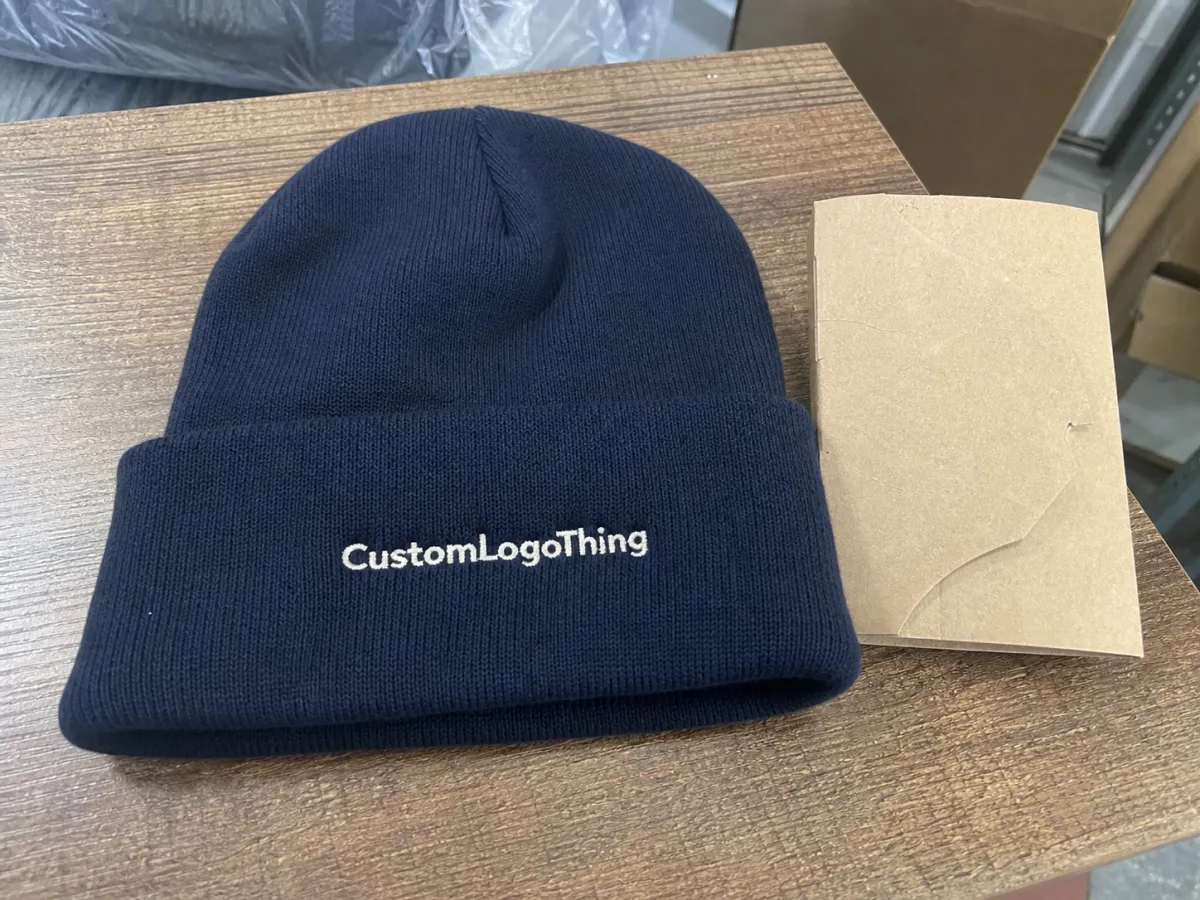
Most buyers start with a number. That is understandable, but it is the wrong first question. A beanie for a trade show giveaway needs a different blank, a different decoration size, and often a different packaging format than a beanie going into a premium treat bundle. If the campaign is retail-facing, the item may need barcode labels, carton marks, or shelf-ready packaging. If it is for staff or partner kits, comfort and fit may matter more than presentation.
Pet treat Embroidered Beanies Bulk Order Planning becomes much easier once the use case is defined. Seasonal treat boxes usually need a premium look in photos and enough stock to cover replacements. Retailer incentives may need a modest but polished run with reliable repeatability. Event packs often need a lower unit cost and tighter carton packing because freight and storage eat into margin fast. The intended channel changes everything.
Embroidery has a practical advantage over print on knitwear. The thread creates dimension, which helps the logo read as a branded asset rather than a flat decoration. It also tends to survive more handling than ink sitting on a textured knit surface. That matters if the beanie is going to be unboxed, tried on, repacked, and shipped again. A clean stitched mark often looks more expensive than it is.
There is another reason planning matters: buffer stock. The smartest buyers do not order to the exact distribution count. They keep a reserve for samples, damage, photo shoots, and late add-ons. A 5% to 10% cushion is common on campaign items, and in some retail programs that reserve is closer to 15% if multiple teams touch the inventory. That small extra can save the launch when one department changes the schedule.
Embroidery details that keep pet brand logos sharp on beanies
Not every logo translates well to a knit cap. Simple marks, paw icons, and short wordmarks usually stitch cleanly. Fine text, thin strokes, and gradient artwork do not. The tighter the art, the more the fabric texture fights back. That is why a digitizer often needs to simplify the file before production starts.
Direct embroidery is the default choice for most custom logo beanies. It is cost-effective, fast to set up, and visually strong. A woven patch or embroidered patch is worth considering if the artwork includes thin lines, small type, or detail that would collapse in stitches. Patch decoration can also create a more retail-ready finish, especially for promotional headwear that needs a sharper edge in photographs.
Placement changes both readability and cost. Front-center decoration is the most visible and usually the easiest to quote. Cuff placement gives the logo a classic feel and often works well for relaxed knit styles. A side mark is subtler and can fit a more premium or fashion-led presentation, but it may reduce the visible imprint area. Stitch density, thread count, and logo size all affect the final result, so a sewout or proof is not optional if the artwork matters.
Good buyers ask for the proof before they fall in love with the mockup. A digital image can hide issues that show up immediately in thread: overly small text, awkward spacing, or a logo that is too tall for the cuff. If the artwork is being used across treat packaging, social media, and apparel, keep the logo lockup consistent so the beanie matches the rest of the kit.
A clean sewout is worth more than a pretty mockup. If the stitches do not read clearly on the knit, the finished piece will not rescue the artwork.
If you want a broader procurement framework around apparel and bundled merchandise, our Wholesale Programs page explains volume ordering, and our FAQ page covers proofing and reorders in plain language.
Beanie specs buyers should lock before requesting samples
Before sample requests go out, lock the base beanie spec. Acrylic is usually the most economical and predictable choice. Wool blends feel warmer and more premium, but they can raise cost and sometimes lead time. Rib knit, cuffed, slouch, and double-layer styles all change the hand feel, the decoration area, and the overall price. A buyer who skips this step ends up comparing apples to oranges.
Fit matters more than most people expect. One-size-fits-most stretch works well for broad distribution, especially in staff kits and event giveaways. A more structured fit may look better in retail packaging or product photos. Neither is universally better. It depends on who will wear the beanie and how the item will be presented alongside the treats.
Color strategy should be decided early as well. Stock blank colors lower friction and usually shorten the timeline. Black, heather gray, navy, and red are common because they work with a wide range of logos. Custom color matching can be worth the extra effort if the beanie has to sit inside a specific brand palette or seasonal campaign. Just remember that exact color matching on knit goods can involve yarn availability, not just a simple dye request.
Packaging is not a footnote. If the beanies go into treat boxes, the supplier needs to know whether they must arrive polybagged, folded a specific way, or packed with barcode labels. Warehouse receiving teams also appreciate carton markings, item counts, and clear case packs. If a retailer or distributor is handling the goods, carton requirements should be written into the quote from the start. For kits with printed inserts, FSC-certified paper is a clean request; for shipping validation, ask how the packout aligns with ISTA testing practices at ISTA and paper sourcing standards at FSC.
From a packaging buyer’s point of view, this is the phase where small choices save real money later. A clear spec sheet reduces proof revisions, keeps the order stable, and makes reorders easier. It also gives the supplier a chance to recommend the right blank instead of sending a generic sample that does not fit the campaign.
Cost, pricing, MOQ, and quote drivers for bulk beanie orders
For pet treat embroidered Beanies Bulk Order Planning, the quote should be broken into line items, not guessed from a catalog page. The main components are the blank beanie, embroidery setup, stitch count, thread colors, packaging, and freight. If the quote hides any of those, the landed cost will probably be higher than expected.
MOQ is usually tied to the blank style and decoration method. Stock beanies often start low enough for campaign testing or smaller promotions, while custom-knit or custom-color programs usually need a higher commitment. In practical terms, a stock embroidered beanie program might start around 48 to 100 pieces, while a custom color or private-label build may push the minimum to 250, 300, or more. That is not always the case, but it is a common pattern.
Quantity changes unit cost more aggressively than many buyers predict. The jump from 100 pieces to 250 often produces a noticeable reduction because setup, digitizing, and packing labor spread across more units. The jump from 250 to 500 may improve pricing again, but not always by the same margin. Buyers who only compare the lowest quote line miss the real savings point.
| Option | Typical MOQ | Typical Unit Range | Best Use |
|---|---|---|---|
| Stock acrylic beanie, direct embroidery | 48-100 | $4.50-$7.25 | Seasonal promos, staff kits, fast-turn bundles |
| Stock blend beanie, embroidery plus polybag | 100-250 | $6.25-$9.50 | Retail incentives, premium treat boxes, resale programs |
| Custom-color beanie, patch decoration | 250-500 | $8.50-$13.50 | Brand-led launches, private-label merch, higher perceived value |
Hidden budget swings deserve attention. Rush fees can add 10% to 20% or more, depending on the schedule. Split shipments often raise freight cost because the order stops being a single carton move and becomes a coordination task. Late artwork changes can trigger a new digitizing charge or a revised proof cycle. In other words, the embroidery itself is rarely the only cost pressure. The schedule is often the bigger one.
Ask for a fully itemized quote and compare landed cost, not just unit price. That is the only way to judge whether the order works for the campaign margin. A lower blank cost with expensive freight may be worse than a slightly higher unit price that ships in one clean carton run.
Process and timeline from artwork approval to shipment
The cleanest production path starts with a complete request: quantity, beanie style, color preference, logo file, decoration placement, shipping address, and delivery window. If the supplier has to chase missing details, the schedule slips before the order is even confirmed. A sharp quote is a sign that the inputs were clear.
The usual flow is straightforward. Quote request. Artwork submission. Mockup or digitizing. Sewout approval if needed. Production. Quality control. Packing. Shipment. Each step is manageable on its own, but each one can add time if the previous step is messy. Even a small logo tweak may force a new digitized file, which means the sample cycle resets.
Turnaround depends on more than the machine queue. Blank inventory availability matters. So does the complexity of the logo and the decoration location. Packaging requests can extend lead time, especially if the item needs individual folding, custom labels, or printed inserts. Freight mode matters too. Air freight protects a deadline, but it can change the economics quickly.
A good rule is to build in a buffer for launches tied to trade shows, seasonal promotions, or retailer deadlines. If the campaign date is fixed, the order should be placed early enough to absorb one proof revision and one shipping delay without panic. That is not pessimism. It is basic risk control.
If the launch date is hard, the approval date has to be soft. Most schedule misses happen because the buyer assumes the first proof will be the last.
For buyers managing more than one item in the same kit, the beanie should be scheduled alongside the treats, inserts, and outer cartons. A delay in one piece can hold the entire packout. That is why pet treat embroidered beanies Bulk Order Planning works best with a master calendar, not a series of isolated purchase orders.
One more practical note: keep the production contact list tight. Too many reviewers create confusion and slow approvals. A single decision-maker can usually move the order faster than a committee, especially when the logo color or placement needs a quick call.
Why repeat buyers keep the embroidery workflow controlled
Repeat orders are where disciplined systems pay off. Once the digitized file is approved, the thread references, blank style, and placement notes should all be stored together. That makes the next reorder faster and reduces the chance that someone starts from a different version of the same logo. In a busy packaging operation, that alone can save days.
Pet treat embroidered beanies bulk order planning becomes easier when quality checks are repeatable. Procurement teams usually care about logo alignment, seam interference, stitch pull, thread consistency, and count verification. If the logo sits too close to a seam or cuff line, the embroidery can distort. If the thread color shifts from one production run to the next, the entire merch set looks less controlled. None of that is dramatic. It is simply the difference between a well-managed run and a messy one.
It also helps to keep proof records and carton instructions in one place. That way, the next buyer does not have to reconstruct the order from email threads. Reorders often move faster because the artwork is already approved and the blank style has already been tested. The best suppliers treat that documentation as part of the value, not as an administrative extra.
There is a business case here that procurement teams understand immediately: fewer surprises, fewer re-approvals, fewer delays. If several departments need the same branded item, a controlled workflow keeps one team from accidentally changing the spec for everyone else. That matters more than it sounds. A single mismatch in thread color or packaging can create extra receiving work, and receiving time is not free.
From a buyer’s standpoint, controlled embroidery production is less about perfection and more about repeatability. If the first run works, the second should not become a new project. Good order planning preserves that advantage.
Next steps for a clean quote, proof, and purchase order
Start with a complete request packet. Include the logo file, target quantity, preferred colors, delivery window, shipping address, and any packaging or labeling needs. If there is a retail or warehouse requirement, say so up front. A vendor can quote a better path if they know whether the order is going to a fulfillment center, a trade show, or a boxed treat program.
Then decide what proof level you actually need. A digital proof may be enough for a simple one-color mark on a stock beanie. A sewout is smarter if the logo has fine lines, multiple thread colors, or a placement near a seam or cuff. If the order is mission-critical, do not skip the sample just to save a few days. The reorder correction later costs more.
Ask the supplier to recommend the best blank and decoration method based on budget, MOQ, and timeline instead of defaulting to a generic catalog pick. Good vendors can tell you whether direct embroidery, a patch, or a different knit style will hold up better for the campaign. That advice is usually worth more than a small unit price difference.
Finally, review placement, size, and thread match one last time before approval. If all three align with the launch calendar, approve the order and move it into production. For teams that buy branded merchandise regularly, this process becomes a template. That is the real benefit of pet treat embroidered beanies bulk order planning: cleaner approvals, better timing, and a product that arrives ready for the campaign instead of forcing the campaign to wait for the product.
How many beanies should a pet treat brand order first?
Start from confirmed channel demand, then add a small reserve for replacements, samples, and last-minute marketing needs. If the beanies support a seasonal launch, order enough to cover the campaign window plus a reorder cushion so you do not miss follow-up sales.
What drives the unit cost on embroidered beanies in bulk?
Quantity, stitch count, thread colors, blank type, and packaging choices usually have the biggest effect on price. Freight and rush timing can change the final landed cost as much as the embroidery itself, so ask for a fully itemized quote.
How long does production take after artwork approval?
Stock blank orders can move faster, while custom colors, special packaging, or complex logos usually add time. Plan an extra buffer for proof revisions, holiday peaks, and shipping method changes so the delivery date stays realistic.
Can small pet logos or paw marks be embroidered clearly?
Yes, if the art is simplified before digitizing and tiny text is avoided. Ask for a sewout or proof to check readability, because small details can compress once they are stitched into knit fabric.
What should be included in a bulk beanie purchase order?
Include quantity by color, decoration placement, delivery date, shipping address, and the approved artwork file. Add packaging, labeling, and carton instructions so the shipment arrives ready for receiving or retail use.
For a brand that sells treats and wants the merch to feel intentional, the best results come from clear specs, realistic timing, and a quote that shows the full landed cost. That is the practical core of pet treat embroidered beanies bulk order planning: choose the right blank, keep the logo simple enough to stitch well, protect the schedule with a buffer, and lock the details before production starts.

